
REVIEW · JEWISH QUARTER TOURS
Warsaw: Jewish Heritage & Holocaust Walking Tour
Warsaw’s past is written in streets that changed beyond recognition. This 150-minute walking tour traces six centuries of Jewish life, then brings you to the former ghetto and the places tied to the 1943 uprising. I like the way old photographs are used beside present-day views, and I like the clear focus on real locations rather than a history lecture in a room. The main drawback is practical: a large group can make this serious walk less personal, and winter weather can be bitter.
You meet by Sigismund’s Column in Castle Square, then follow a guide carrying an orange umbrella with a British flag. Guides including Magda, Gawel, Martin, Albert, Goska, and Peter Hardy have been praised for their warmth, clarity, and care with difficult material. Bring comfortable shoes, water, and a head covering or kippah. Children under 10 are not suited to this tour.
In This Review
- Key points to know before you go
- Starting at Castle Square with Warsaw’s Jewish past
- From medieval quarters to the Jewish Enlightenment
- Pre-war photographs and the city that vanished
- The Warsaw Ghetto: walls, hunger, and forced confinement
- Deportations to Treblinka and the cost of silence
- The Big Ghetto and the 1943 uprising
- Guides who shape the experience
- Is $20 a fair price for 150 minutes?
- Who should book this walk?
- My verdict on the Warsaw Jewish Heritage walk
- FAQ
- Where does the tour meet?
- How long does the walking tour last?
- What language is the tour offered in?
- What does the tour cover?
- Does the tour enter museums or attractions?
- Is the tour wheelchair accessible?
- What should I bring?
- Can children join the tour?
Key points to know before you go
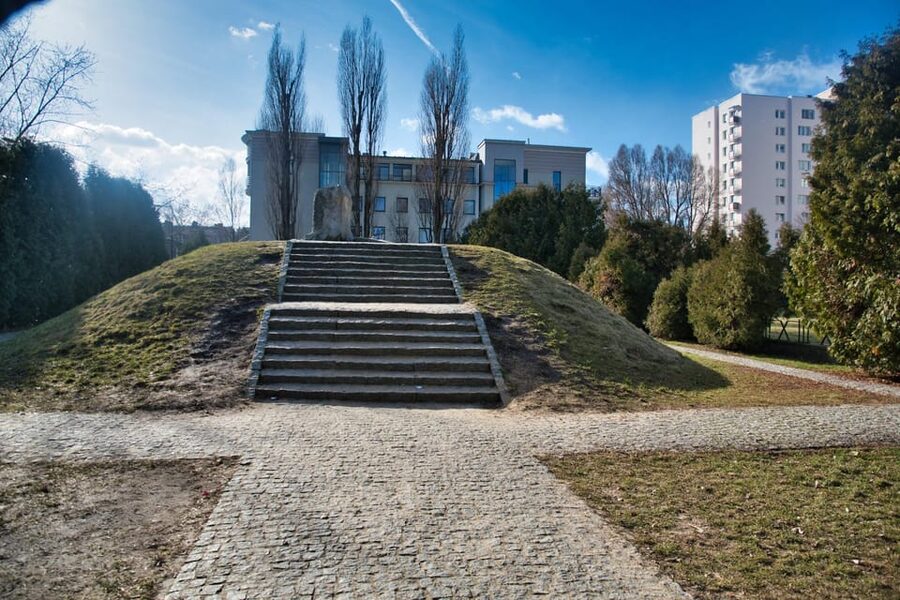
- Six centuries in 150 minutes: The route begins with medieval Jewish life and continues through the Holocaust and the Warsaw Ghetto Uprising.
- Photographs make the vanished city visible: Pre-war images help you compare today’s streets with the Jewish District that war destroyed.
- The Holocaust takes more than half the tour: You learn about the ghetto wall, daily conditions, deportations, and Treblinka.
- The final section visits uprising sites: The Big Ghetto area and major memorial locations give the 1943 revolt a physical setting.
- Good value at $20: You receive a professional English-speaking guide and a focused walking tour, with no entrance fees included.
- Plan for weather and group size: The tour is wheelchair accessible, but long outdoor stops can be hard in cold weather, especially with a group of up to 30.
Starting at Castle Square with Warsaw’s Jewish past
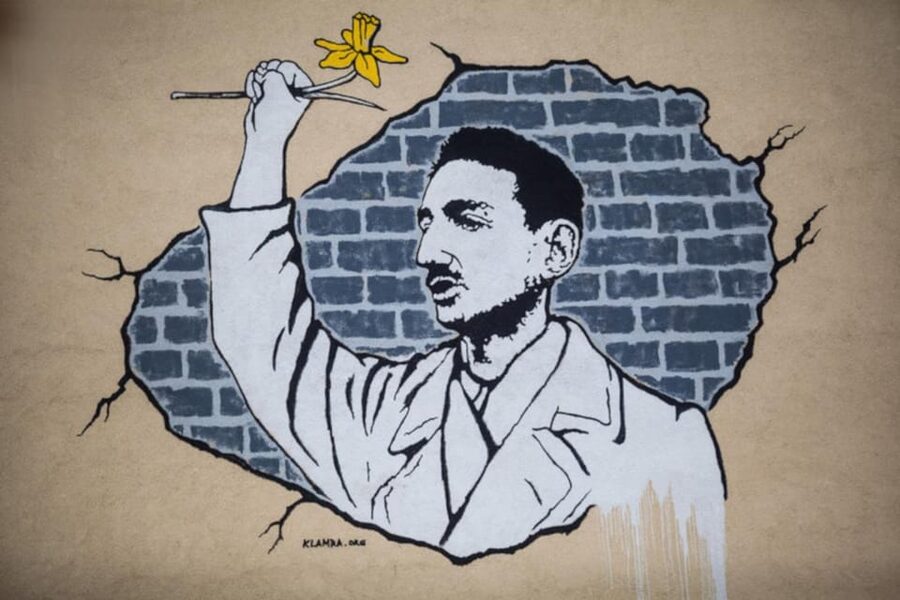
Castle Square is an easy meeting point, but it is not the historic Jewish quarter. You begin beside Sigismund’s Column, the 20-meter column topped by a statue, and then move into a story that reaches far beyond the buildings around you.
Look for the orange umbrella with the British flag. It is the detail that keeps the meeting point simple, especially when Castle Square is busy. The guide leads in English, and the activity is listed as wheelchair accessible.
The opening part explains the origins of Polish Jews and the early development of Jewish communities in Poland. You hear about the medieval Jewish quarter, its place in Warsaw, and the first expulsions. This section matters because it prevents the city’s Jewish story from being reduced to the years of Nazi occupation.
I appreciate that the tour begins centuries earlier. You get a sense of Jewish life as part of Warsaw’s social and economic development, not as a story that begins and ends with destruction. The pace is brisk, though, so you should expect an overview rather than a full academic course.
More History Tours in Warsaw
- Warsaw: POLIN Museum of the History of Polish Jews Ticket
★ 4.7 · 1,142 reviews - Warsaw: Chopin Concert at Historical Venue in Old Town
★ 4.7 · 445 reviews - Small-Group Historical Guided Tour of Warsaw with pick up/drop off. Public Tour.
★ 4.5 · 343 reviews
From medieval quarters to the Jewish Enlightenment
The route then moves through later changes in Jewish settlement. One useful subject is the development of Jewish communities in the 18th century within the jurydki, areas controlled by Warsaw’s magnates rather than by the city itself.
That detail helps explain why Jewish settlement did not follow one simple pattern. Warsaw grew through overlapping jurisdictions, and Jewish residents lived within changing legal and political arrangements. The guide also introduces the Haskalah, or Jewish Enlightenment, which brought new ideas about education, culture, and Jewish life in Europe.
You will not simply hear a list of dates. The strongest guides connect these changes to the way a community functioned and adapted. Gawel has been praised for making complex history easy to follow, while Albert is known for carefully separating documented facts from points that remain less certain. That approach is especially useful on a subject where memory, evidence, and public interpretation often meet.
The early part can feel dense if you know little about Polish history. Do not worry if you cannot retain every name. Pay attention to the broad sequence: settlement, growth, restrictions, cultural change, and the creation of a major Jewish center in Warsaw.
Pre-war photographs and the city that vanished

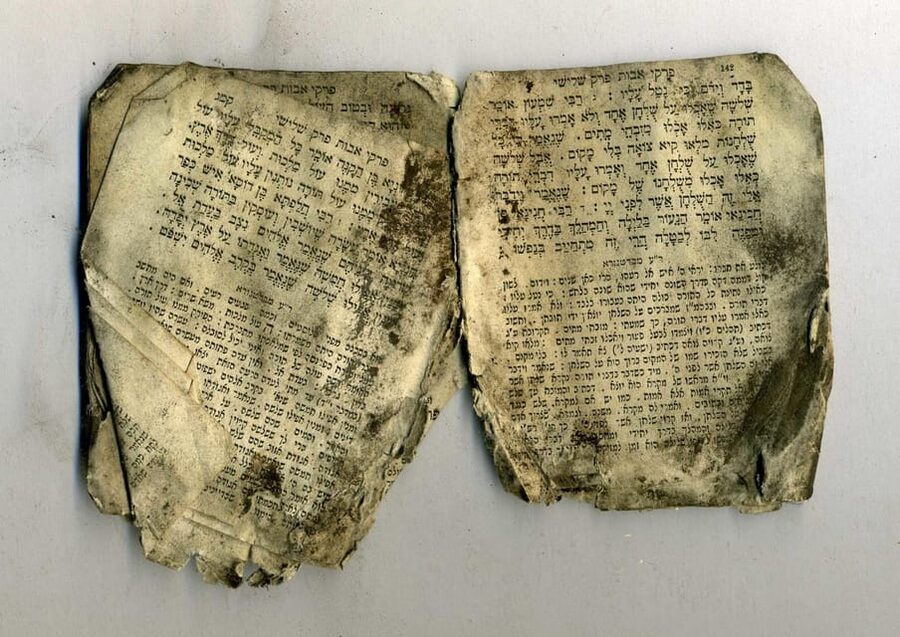
One of the tour’s most effective tools is the use of old photographs. The guide shows scenes of 19th-century and pre-war Jewish Warsaw, allowing you to compare them with the streets in front of you.
This is where the city’s wartime destruction becomes easier to grasp. A modern street can look ordinary until you see the buildings, shops, signs, and crowds that once filled the same area. Photographs provide a direct contrast between a living neighborhood and the city that remained after war and demolition.
The visual material also gives the tour a human scale. Instead of hearing only about population figures and political events, you see how people lived, worked, dressed, and moved through their neighborhood. Several guides have been praised for bringing a large amount of material, including maps and photographs, and for using it to answer questions on the spot.
You should expect stops on public streets, not preserved pre-war interiors. Much of the original Jewish District no longer exists, so the photographs are not an extra decoration. They are essential evidence. The tradeoff is that you need to use your imagination, since today’s setting may offer few visible traces of what stood there before 1939.
The Warsaw Ghetto: walls, hunger, and forced confinement
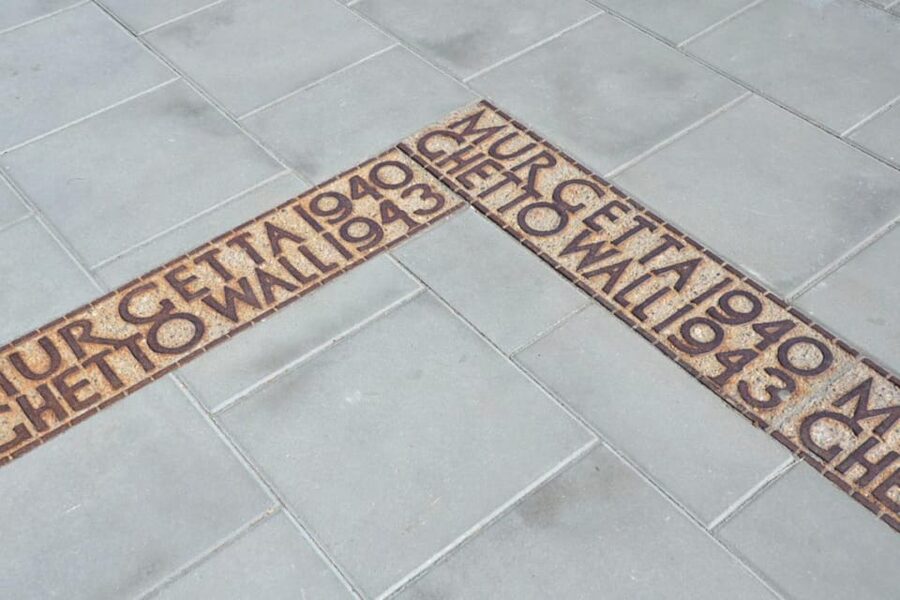
More than half of the tour focuses on the Holocaust of Warsaw’s Jews. This change in emphasis is deliberate. The guide explains the creation of the Warsaw Ghetto, the restrictions imposed behind the wall, and the conditions of daily life.
You learn how a neighborhood was turned into a sealed area and how ordinary routines became shaped by hunger, overcrowding, disease, fear, and forced movement. The value of hearing this on foot is that distance and space become part of the lesson. Streets are no longer abstract lines on a map. They mark where people were confined and where families were separated from the rest of the city.
The tone is serious, but the guides do not appear to rely on shock alone. Sonja described the guide’s handling of this difficult subject as energetic and careful, while Goska has been praised for adding kindness and a human touch when explaining painful events. That balance matters. The subject calls for accuracy and respect, not theatrical storytelling.
The walk does not include an entrance to a museum, and entrance fees are not part of the $20 price. That keeps the tour affordable, but it also means the guide and the outdoor sites carry most of the educational weight. If you want detailed exhibits afterward, you may wish to visit a museum separately, but this walking route gives you the geographic framework first.
More Walking Tours in Warsaw
- Warsaw: Old Town Highlights Walking Tour in English
★ 4.7 · 1,516 reviews - Warsaw: Old Town Guided Walking Tour
★ 4.9 · 599 reviews - Half-Day Polish Food Walking Tour with Guide and Dinner
★ 4.5 · 381 reviews - Warsaw: Warsaw Ghetto Private Walking Tour with Hotel Pickup
★ 4.9 · 369 reviews
Deportations to Treblinka and the cost of silence
The tour explains the deportations from the Warsaw Ghetto to Treblinka death camp. You hear how the Nazi system moved from confinement to mass deportation and murder, and how this process affected the people still trapped in Warsaw.
This portion requires attention. The amount of information is substantial, and the subject is emotionally heavy. A good guide can help you follow the sequence of events without flattening individual lives into statistics. Magda has been praised for clear English, strong preparation, and a compassionate delivery. Martin has also been singled out for explaining the material in a very human way.
I would not choose this tour as casual entertainment between shopping stops. It is educational, but it is also a memorial act. You should be ready for long periods of serious discussion and for places that may look quiet or unremarkable today.
The walk’s strength is its plain connection between policy and place. You are not only told that deportations occurred. You are shown how the ghetto’s structure and the surrounding streets formed part of that process. The lack of surviving buildings can make the experience less visually immediate, but the photographs and the guide’s explanations fill some of that gap.
The Big Ghetto and the 1943 uprising
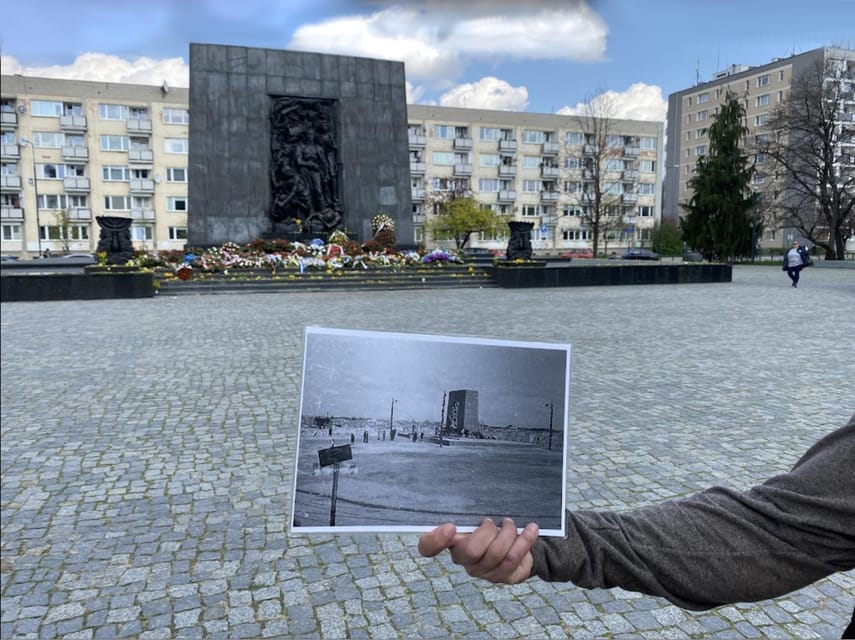
The final section visits the major places connected with the Warsaw Ghetto Uprising. This is the part many people remember most clearly because the route brings the 1943 revolt into a physical setting.
You see the area known as the Big Ghetto, where the fighting took place, and learn how Jewish resistance developed under impossible conditions. The focus is not only on the battle itself. The guide places the uprising within the wider story of ghetto life, deportations, isolation, and the choices people faced.
Seeing monuments and specific locations adds weight to the explanation. Anthony valued the chance to connect individual stories with actual sites and memorials. That is a useful distinction: a memorial can be moving on its own, but it becomes more meaningful when you understand what happened there and why the location was chosen.
The route does not turn the uprising into a simple tale of victory. The historical outcome was devastating, and the guide explains the revolt as an act of resistance and dignity in the face of destruction. Goska has been praised for making serious material approachable without losing sight of the darkness involved.
Expect the latter part of the walk to take place outdoors, with little shelter. In December, one participant found the final section especially cold and suggested an earlier start to avoid low temperatures and darkness. Check the starting time carefully, dress warmly, and wear shoes that can handle a long city walk.
Guides who shape the experience
The guide is the main reason this tour works. There is no museum building or grand collection of objects carrying the experience. Your understanding depends on how well the guide organizes the history, uses photographs, answers questions, and handles grief.
The strongest names attached to this experience include Magda, Gawel, Martin, Albert, Goska, and Peter Hardy. Magda has been praised for her enthusiasm, clear English, charm, and attention to detail. Gawel is described as engaging and well informed, with a talent for making the subject interesting without losing focus.
Albert’s style appears especially useful if you value careful explanation. He has been praised for preparation, clear research, and explaining what is documented versus what is only probable. Peter Hardy has also been remembered for his kindness and for helping with directions after the tour.
Guide quality can vary from one departure to another, so I would not book solely on the hope of receiving one named person. Still, the repeated praise for the guiding team is a strong sign. Expect a professional guide, but also expect differences in humor, pace, and storytelling style.
Group size is another variable. One departure had as many as 30 people, which made the walk feel less comfortable for one participant. Another had a small group, making it easier to hear and ask questions. If you prefer intimate tours, ask about the expected group size before booking, if that information is available.
Is $20 a fair price for 150 minutes?
At $20 per person, this is a good-value introduction to Warsaw’s Jewish history and Holocaust sites. You receive a professional English-speaking guide and a focused two-and-a-half-hour walk. There are no extra attraction admissions included, but the main value is the guide’s interpretation of streets, photographs, maps, and memorials.
The price is especially fair if you are visiting Warsaw for a short time and want a clear historical foundation. You cover a large period, from the Middle Ages through the 19th century, the pre-war Jewish District, the Holocaust, and the uprising.
It is less suitable if you want extensive time at indoor exhibitions or a private guide. The route is designed as a shared walking experience, and a large group may limit questions and personal attention. You are paying for context and guidance, not for entry into a major museum.
Free cancellation up to 24 hours before the start and the option to reserve now and pay later make the booking fairly flexible. The tour is available in English only.
Who should book this walk?
I would recommend it to adults, older teenagers, history-minded visitors, and anyone who wants to understand Warsaw beyond its rebuilt Old Town. It suits you best if you value clear explanation, real locations, and a respectful approach to painful history.
It is not suitable for children under 10. The subject matter is difficult, the walk lasts 150 minutes, and much of it takes place outside. You should also be comfortable standing while the guide explains photographs and events.
Wear comfortable shoes and bring water. A head covering or kippah is listed among the recommended items, so bring one if appropriate for your visit. Smoking is not allowed during the activity.
My verdict on the Warsaw Jewish Heritage walk
Book this tour if you want a serious, affordable introduction to Warsaw’s Jewish past and the Holocaust. The combination of photographs, maps, street locations, and strong English-speaking guides gives the experience more substance than a simple monument tour.
Skip it if you are looking for light sightseeing, indoor comfort, or a private visit with lots of time at each stop. For everyone else, the route offers a direct way to understand how a major Jewish community grew, suffered, resisted, and was nearly destroyed. The $20 price is modest, but the subject deserves your full attention.
FAQ
Where does the tour meet?
The meeting point is in Castle Square beside Sigismund’s Column, the 20-meter column topped with a statue. Look for a guide holding an orange umbrella with a British flag.
How long does the walking tour last?
The tour lasts 150 minutes, or two and a half hours. Starting times depend on availability.
What language is the tour offered in?
The tour is conducted in English by a live guide.
What does the tour cover?
It covers the 600-year history of Warsaw’s Jewish community, including medieval Jewish life, 18th-century settlements, the Haskalah, the 19th-century community, the pre-war Jewish District, the Holocaust, the Warsaw Ghetto, deportations to Treblinka, and the Ghetto Uprising.
Does the tour enter museums or attractions?
The activity is a walking tour. Entrance fees to attractions are not included.
Is the tour wheelchair accessible?
Yes, the activity is listed as wheelchair accessible.
What should I bring?
Bring comfortable shoes, water, and a head covering or kippah.
Can children join the tour?
The tour is not suitable for children under 10.
More Jewish Heritage Tours in Warsaw
- Private Tour: Warsaw’s Jewish Heritage by Retro Fiat
★ 5.0 · 208 reviews - Warsaw: Ghetto, Jewish Cemetery & POLIN Museum Private Tour
★ 4.8 · 132 reviews - Tour of the Warsaw Ghetto
★ 5.0 · 119 reviews - Krakow: Schindler’s Factory & Ghetto Guided Tour
★ 4.7 · 1,694 reviews
Just added in Warsaw
- CO2-Offset Arrival Transfer from Warsaw Airport to Warsaw City★ 5.0 · 1 review
- Historical Walking Tour of Jewish Warsaw★ 5.0 · 68 reviews
- Deluxe Polish Food Tour Experience in Warsaw★ 5.0 · 19 reviews
- Amazing photo walk through the Old town of Warsaw★ 5.0 · 32 reviews
- 8-day tour around Poland by private car★ 5.0 · 2 reviews
- 2 Hour Super Segway City Tour of Warsaw★ 5.0 · 5 reviews
- Electric Scooter Tour: Full Tour – 3-Hours of Magic!★ 5.0 · 3 reviews
- 2h Rental of Motorboat for 10 in Warsaw no License Needed★ 5.0 · 1 review