
REVIEW · JEWISH QUARTER TOURS
Warsaw Jewish Heritage Private Tour in Retro Fiat
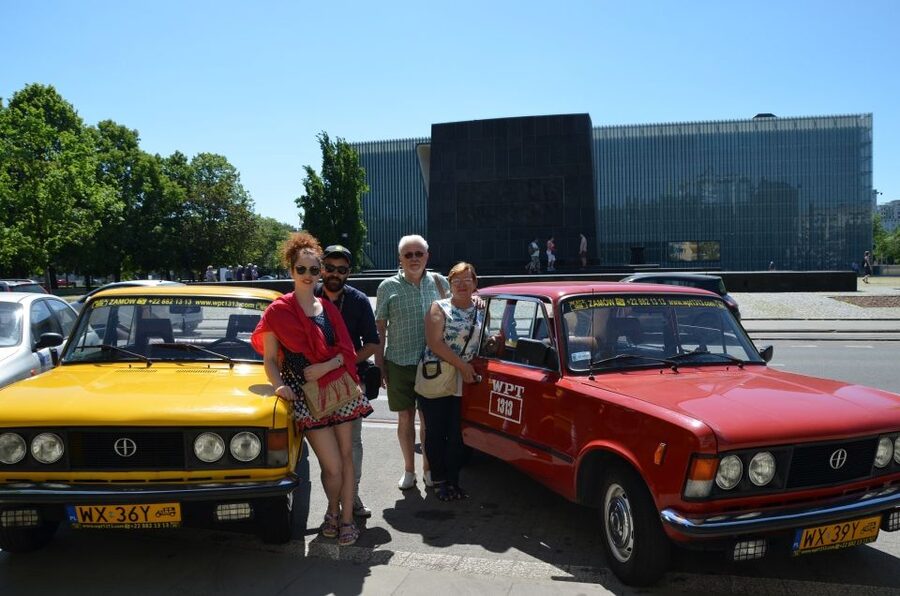
Warsaw’s past rides in a vintage Fiat. This private four-hour tour pairs a 1980s Fiat 125p with a serious look at Jewish Warsaw, including the former Ghetto, Nożyk Synagogue, the Ghetto wall, Muranów, and the Ghetto Heroes Monument. I like the personal format and the way the car helps you cover widely separated sites without turning the visit into a dry museum lecture.
I also like that the route can be adjusted around your interests, including locations connected with The Pianist. The main consideration is that this is a half-driving, half-walking outing, so the subject matter and the moderate walking may feel demanding, especially in cold weather or on Saturdays, when the synagogue and cemetery are closed.
In This Review
- Key points to know before booking
- Why a vintage Fiat makes sense for this Warsaw tour
- Seeing the Ghetto wall fragments in their original setting
- Grzybowski Square and Nożyk Synagogue
- Muranów, the former Large Ghetto, and the Jewish Cemetery
- The Ghetto Heroes Monument and POLIN Museum
- Optional The Pianist locations in Praga-North
- How the private guide changes the experience
- Four hours, moderate walking, and the best day to go
- Is $105 per person good value?
- Who should book this tour?
- My booking advice
- FAQ
- Where does the tour begin?
- How long does the tour last?
- What vehicle is used?
- Is the tour private?
- Is the tour conducted in English?
- Does the tour visit the Ghetto wall?
- Can I visit Nożyk Synagogue?
- Is the Jewish Cemetery open every day?
- Is the Museum of the History of Polish Jews included?
- What should I bring?
- Are food and drinks included?
- Can the route be changed?
Key points to know before booking
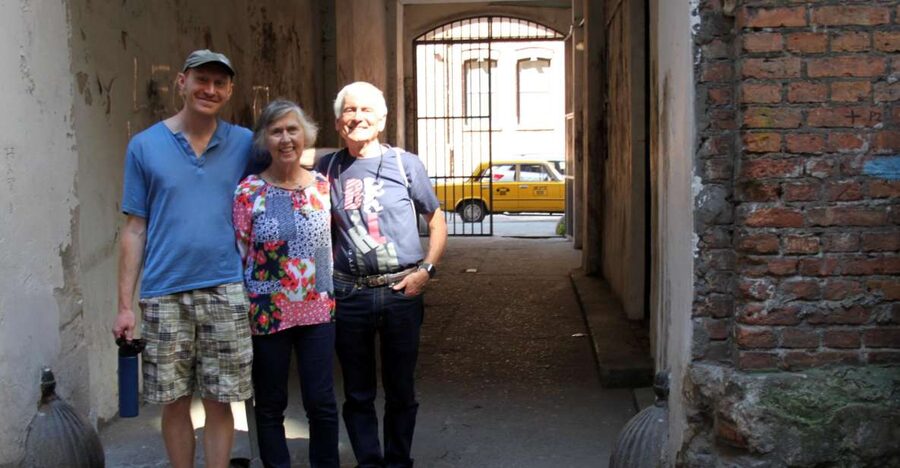
- The Fiat 125p is part of the experience: You ride through Warsaw in an iconic Polish car from the 1980s, with a souvenir photo sent by email afterward.
- The last Ghetto wall fragments are easy to miss alone: Your guide takes you to the remaining sections of the red-brick wall built in 1940.
- Nożyk Synagogue remains active: It is the only Warsaw synagogue to survive World War II, but access can require patience and is not available on Saturdays.
- Muranów tells two stories at once: The district was built on the rubble of the former Ghetto and now combines memorial sites, newer buildings, and street art.
- The tour can include serious museum time: The nearby Museum of the History of Polish Jews is an optional stop, with admission paid separately.
- Small private groups make a difference: The guide can adjust the pace, walking, and points of interest for your group.
Why a vintage Fiat makes sense for this Warsaw tour
The car is not just decoration. The former Jewish Ghetto covered a large part of Warsaw, and the main sites are spread across central districts. A private vehicle lets you move between them without spending your limited city time working out tram routes or walking long stretches between memorials.
The Fiat 125p also gives the outing a clear sense of place. This was an iconic Polish car of the 1980s, and its old-fashioned appearance adds a visual link to Warsaw’s recent past. You get a souvenir photo with the vehicle, and snacks are provided in the car, including Polish sweets and a donut. There is also a vodka shot on board.
That last detail will not suit everyone, and you should not feel obliged to take part. The snack service is simple rather than luxurious, but it is useful during a four-hour trip with regular stops and walking.
Your guide picks you up in the lobby of a centrally located Warsaw hotel, or at another central pickup point. At the end, you return to your chosen drop-off location. Groups larger than four use a blue vintage minivan instead of the Fiat 125p, so the small-car experience is mainly for smaller private parties.
More History Tours in Warsaw
- Warsaw: POLIN Museum of the History of Polish Jews Ticket
★ 4.7 · 1,142 reviews - Warsaw: Chopin Concert at Historical Venue in Old Town
★ 4.7 · 445 reviews - Small-Group Historical Guided Tour of Warsaw with pick up/drop off. Public Tour.
★ 4.5 · 343 reviews
Seeing the Ghetto wall fragments in their original setting
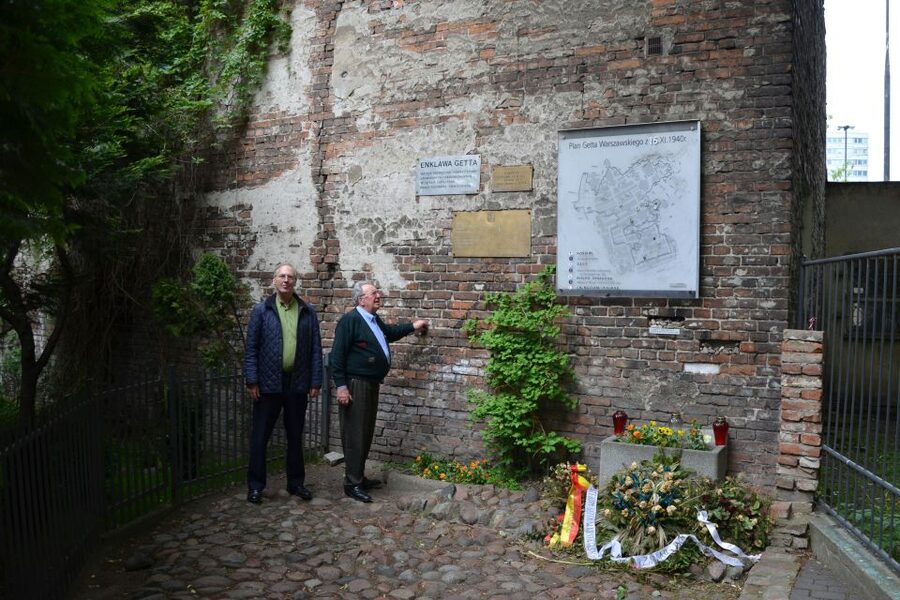
The remaining Ghetto wall fragments are among the most important stops because they are easy to overlook without help. The red-brick wall was built in 1940 to isolate more than 400,000 Jews from the rest of Warsaw. Only small sections remain today, and the surrounding modern city can make the scale of the former Ghetto hard to picture.
Your guide supplies photographs and stories as you look at the surviving construction. That comparison matters. The wall fragment itself is not large, but old images help you understand that it was part of a system designed to cut people off from daily life beyond the Ghetto.
This is a brief stop, but it carries considerable weight. I would pay close attention to the exact location and ask your guide how the street layout has changed. The tour format works well here because you are not simply shown a wall and hurried along. You have a private guide who can pause, explain, and respond to your questions.
Grzybowski Square and Nożyk Synagogue
The route continues through Grzybowski Square, or Plac Grzybowski, which was once within the Ghetto. It is a useful connecting point between the remains of the former district and the surviving synagogue.
Nożyk Synagogue is the only synagogue in Warsaw to survive World War II. It is still operational, which gives the visit a living quality that a memorial alone cannot provide. You can look around the building and ask about its role in the city’s Jewish community and wartime story.
Do not treat entry as automatic. Saturday closures are specifically noted, and getting inside can take persistence. One guest praised the guide for working hard to make synagogue access possible, so I would see this as an area where a private guide may help, but not as a guaranteed admission.
The synagogue visit also shows why the day benefits from a flexible route. If access is limited, your guide can spend more time on nearby points or adjust the order of stops. The experience is not built around rushing through a fixed checklist.
Muranów, the former Large Ghetto, and the Jewish Cemetery
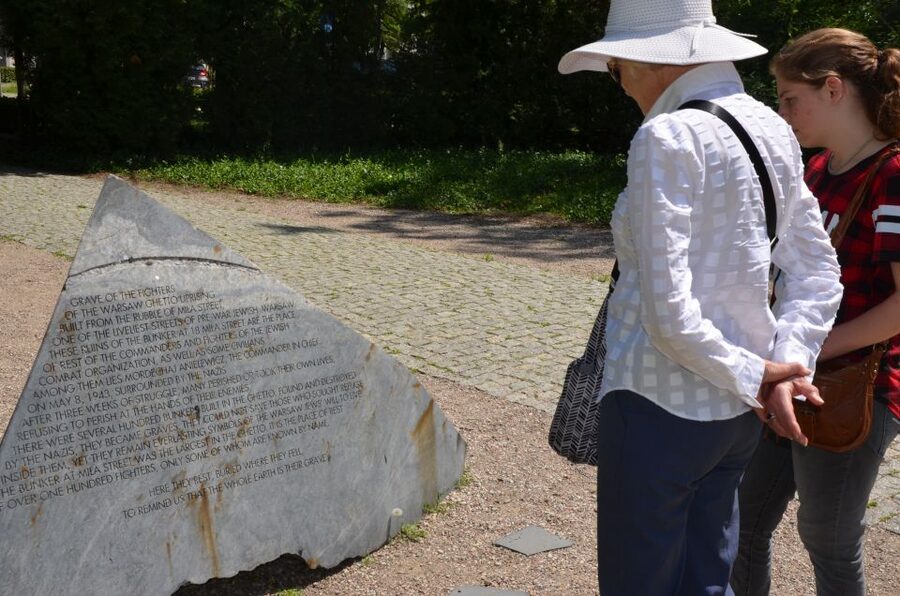
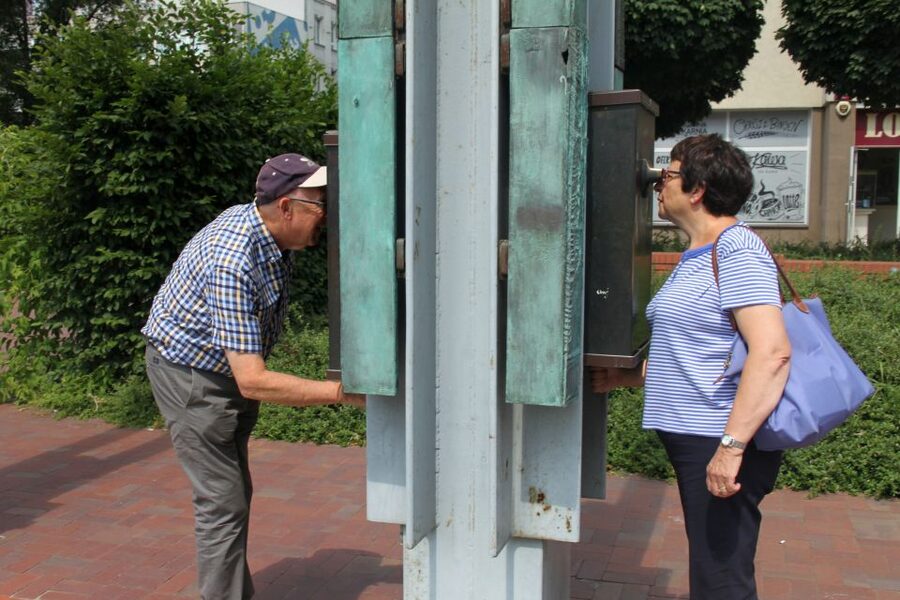
The tour then reaches Muranów, the area associated with the former Large Ghetto. Modern Muranów was built on the rubble of the Ghetto, creating a difficult overlap between ordinary city life and a site of immense wartime suffering.
Today, the district includes modern buildings and street art. That mix can feel visually confusing at first. It also makes the guide’s explanation especially useful, since the present-day streets do not always reveal what stood there before.
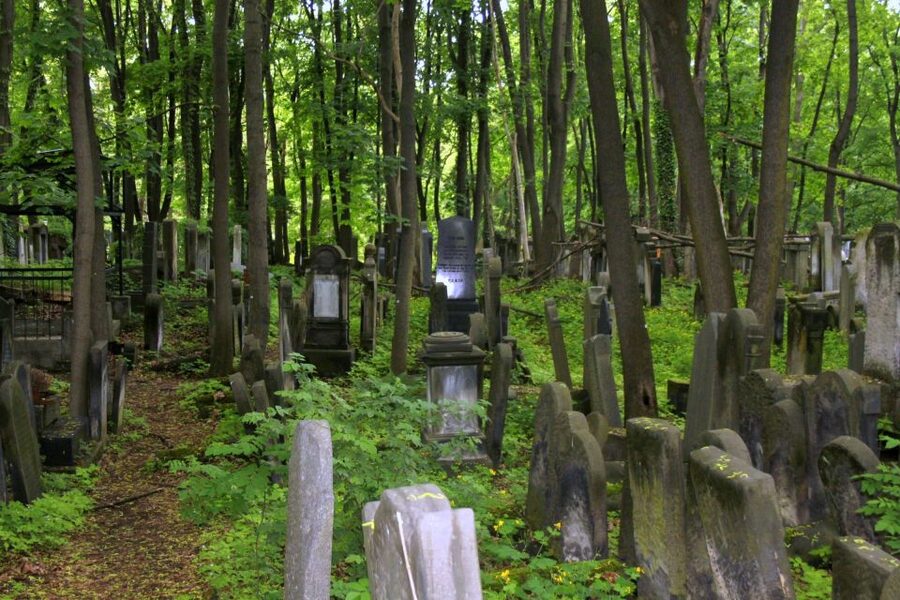
You park and walk around the Jewish Cemetery, where thousands of graves remain. This is one of the more reflective parts of the tour, and it requires comfortable shoes. The outing includes a moderate amount of walking, though the walking and driving portions can be adapted to your needs.
The cemetery is closed on Saturdays. Plan around that restriction if this stop is important to you. The supplied information does not promise entry into every part of the cemetery, so follow your guide’s instructions on the day.
I would allow yourself time to slow down here. The cemetery is not merely another point on a sightseeing route. Its graves provide a direct connection to Warsaw’s Jewish community before the war, while the surrounding Muranów district shows how the city was rebuilt after destruction.
More Jewish heritage tours in Warsaw:
- Warsaw: Warsaw Ghetto Private Walking Tour with Hotel Pickup
★ 4.9 · 369 reviews - Private Tour: Warsaw’s Jewish Heritage by Retro Fiat
★ 5.0 · 208 reviews - Warsaw: Ghetto, Jewish Cemetery & POLIN Museum Private Tour
★ 4.8 · 132 reviews - Warsaw: Jewish Heritage & Holocaust Walking Tour
★ 4.7 · 119 reviews
The Ghetto Heroes Monument and POLIN Museum
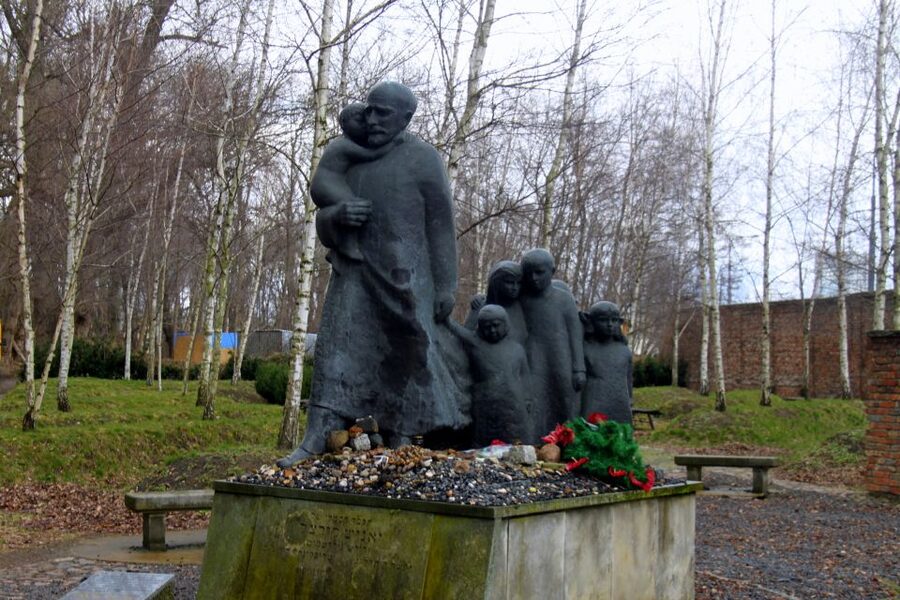
The Ghetto Heroes Monument is one of the tour’s strongest visual stops. You are invited to pause and bow before it, a small but fitting gesture at a place designed for remembrance. The monument gives the wartime story a clear focal point after the earlier stops at the wall, square, synagogue, and cemetery.
Nearby, you can visit the Museum of the History of Polish Jews, opened in 2013. It is a modern museum documenting 1,000 years of Polish Jewish history through artifacts and images. Admission is not included, so you pay separately.
The museum is optional, which is practical. If you have several hours available, adding it can give you a much broader understanding of Jewish life in Poland beyond the Nazi occupation. If you have already spent time in museums or need a shorter, more personal outing, you can remain with the outdoor route and monument.
I like this choice because it lets you match the day to your interests. The private tour offers historical interpretation in the streets, while the museum provides a larger chronological setting. You do not have to choose both, but combining them can make the earlier stops easier to place in context.
Optional The Pianist locations in Praga-North
If Roman Polanski’s The Pianist is important to you, ask the guide to include filming locations connected with the movie. The tour can reach sites in Praga-North, or Praga-Północ, a district on the other side of the Vistula.
This option is useful because it links Warsaw’s wartime story with a film many people already know. It also gives you a reason to see another part of the city rather than staying only around the former Ghetto.
The route is not rigid. Traffic can require small changes, and adding Praga-North may affect how much time you have at other stops. Tell your guide early if the film locations matter to you. That gives the driver-guide a better chance to shape the route around your priorities.
How the private guide changes the experience
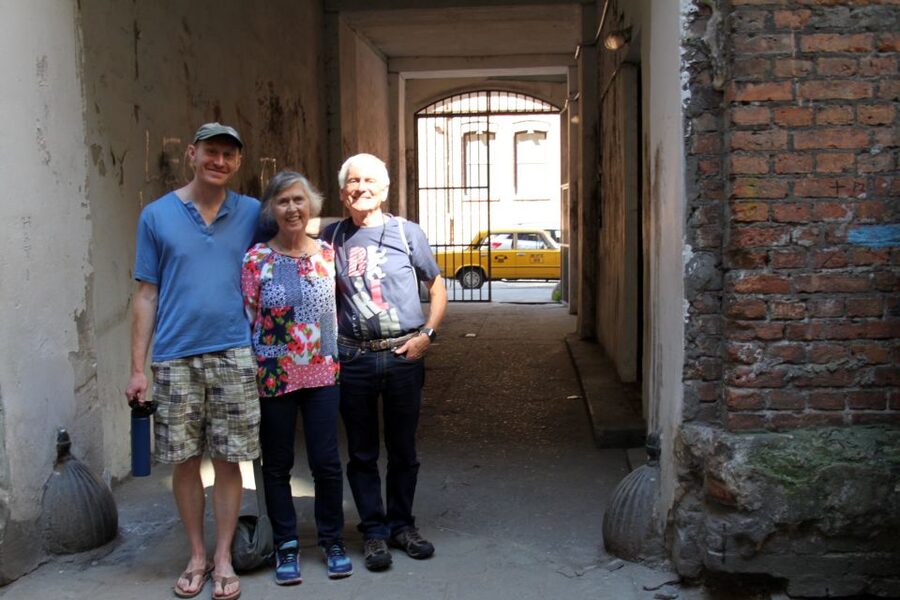
The strongest feature here is not the car alone. It is having a private English-speaking driver-guide who can adjust the day to your pace and questions.
The guides named in the supplied information include Martin, Maks, and Konrad. Martin received praise for handling a cold-weather outing well, while Maks was singled out for explaining the sites at length and driving the vintage vehicle through tight spaces. Konrad was also praised for his strong command of the subject.
That range of feedback points to two practical strengths: the guides know the subject and they know how to manage the car in central Warsaw. The experience is not simply a ride with a prerecorded explanation.
A private format is especially helpful for difficult questions. You can ask for more detail about the Ghetto, spend less time on a stop that does not interest you, or request the The Pianist route. The walking portion can also be adapted, though the tour still requires some walking unless you arrange otherwise with the guide.
The tour is conducted in English. If your group includes people with different interests, the private setup gives you more freedom than a large scheduled group.
Four hours, moderate walking, and the best day to go
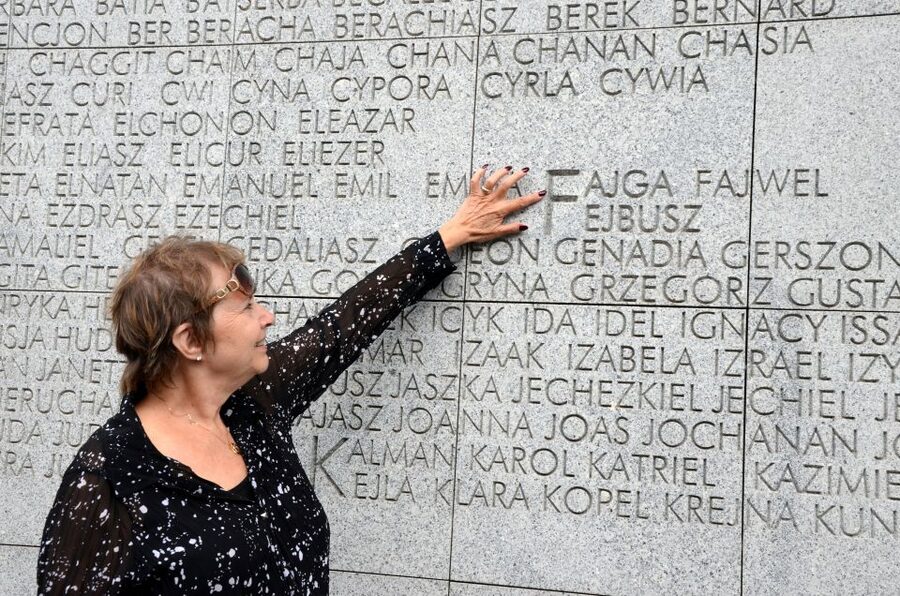
Four hours is a sensible length for this subject. It gives you time to see several outdoor sites and travel between them, without requiring a full day focused on one historical district.
The day is split roughly between driving and walking. Comfortable shoes are essential. The cemetery, wall fragments, monument, and synagogue area each require you to get out of the car, and the exact amount of walking can change with traffic and your chosen route.
Avoid Saturday if you want to see both Nożyk Synagogue and the Jewish Cemetery. Both are closed that day. The information provided does not list other weekday closure details, so confirm the exact plan with the guide if one stop is especially important.
Cold weather does not automatically ruin the experience. A January outing was still described as very good, with the guide managing the conditions well. Even so, dress for time outdoors and remember that the historical subject is serious. This is not a light sightseeing loop with occasional facts added between photo stops.
Is $105 per person good value?
At $105 per person, the tour costs more than a standard shared walking tour, but the comparison is not quite fair. You are paying for a four-hour private group, central hotel pickup and drop-off, a dedicated English-speaking driver-guide, transport in a historic Fiat, snacks, a vodka shot, and emailed photos.
The main value comes from time and flexibility. You can cover the former Ghetto, Muranów, the cemetery, the monument, and possibly Praga-North without arranging separate transport. You also have a guide available for questions at every stop.
Admission fees are not included. If you visit the Museum of the History of Polish Jews, add its entrance cost to your budget. Gratuity is optional and also not included.
For one or two people, the price may feel high compared with a self-guided visit. For a small private group, the cost becomes easier to justify, especially if you care about the vintage car, hotel pickup, and a route shaped around your interests. Larger groups use the blue vintage minivan, which preserves the private format but changes the feel of the transport.
A 4.9 rating from 22 reviews indicates very strong satisfaction, and the praise centers on the guides, the historical explanation, and the unusual vehicle. I would book this for the combination, not for the car alone.
Who should book this tour?
I would recommend it to you if you want a focused introduction to Jewish Warsaw and prefer a guide who can explain what you are seeing as you move through the city. It suits first-time visitors who want a clear route, families or couples seeking a private outing, and film enthusiasts interested in The Pianist locations.
It is also a good choice if you have limited time in Warsaw. The private car helps you reach several districts in four hours, and hotel pickup removes much of the planning.
You may want another option if you prefer to spend a full day inside museums, require a completely step-free experience, or want a casual sightseeing ride with little walking. The subject is serious, the cemetery and memorial stops call for respect, and the route is not designed as entertainment alone.
My booking advice
Book this Warsaw Jewish Heritage tour if you value personal guidance, flexible routing, and meaningful outdoor sites more than a low-cost group excursion. The Fiat 125p gives the outing character, but the real benefit is the guide’s ability to connect scattered places into one understandable story.
Choose a day other than Saturday, wear comfortable shoes, and decide in advance whether the Museum of the History of Polish Jews or The Pianist locations matter most to you. If they do, tell the guide at pickup. For a private four-hour introduction to Warsaw’s Jewish heritage, $105 per person is a fair price when the group is small and you make use of the flexibility.
FAQ
Where does the tour begin?
Pickup is included from your hotel or another centrally located point in Warsaw. The guide meets you in the hotel lobby.
How long does the tour last?
The tour lasts four hours.
What vehicle is used?
Small private groups ride in a historic 1980s Fiat 125p. Groups larger than four are driven in a blue vintage minivan.
Is the tour private?
Yes. It is offered for a private group.
Is the tour conducted in English?
Yes. The tour includes a live English-speaking guide.
Does the tour visit the Ghetto wall?
Yes. The route includes the remaining fragments of the Ghetto wall, built in 1940.
Can I visit Nożyk Synagogue?
The route includes Nożyk Synagogue, the only Warsaw synagogue to survive World War II. The synagogue is closed on Saturdays, and entry may require persistence.
Is the Jewish Cemetery open every day?
The Jewish Cemetery is closed on Saturdays. The tour includes a walk around the cemetery when it is open.
Is the Museum of the History of Polish Jews included?
No. The museum visit is optional, and the entrance fee is paid separately.
What should I bring?
Bring comfortable shoes. The tour includes a moderate amount of walking and is approximately half walking and half driving.
Are food and drinks included?
Snacks are provided in the Fiat, including Polish sweets and a donut. A vodka shot is also included.
Can the route be changed?
Yes. You can ask the guide to tailor the route to particular interests, and the route may change slightly because of current traffic conditions.
Just added in Warsaw
- Wroclaw Small-Group Tour with Lunch from Warsaw★ 5.0 · 2 reviews
- World War II Warsaw Old Town, Military Cemetery Walking Tour★ 4.7 · 3 reviews
- Warsaw: Wolf’s Lair & Swieta Lipka Small-Group Tour + Lunch★ 5.0 · 3 reviews
- Wilanów Palace: 2-Hour Guided Tour with Entrance Tickets★ 4.8 · 8 reviews
- Warsaw Zoo Skip-the-Line Entry Ticket with Private Transport★ 4.8 · 3 reviews
- Warsaw Private Wilanow Palace & Garden Tour★ 4.6 · 30 reviews
- Warsaw Wolf’s Lair with St. Lipka and Mamerki Private Guided★ 4.2 · 3 reviews
- Warsaw: Private Vodka Tasting Night with Snacks and Pickup★ 5.0 · 7 reviews