
REVIEW · MUSEUMS IN GDAńSK
Gdansk Private WWII Tour with Museum of the Second World War
War history feels close in Gdansk. This private experience pairs the Museum of the Second World War with a licensed guide who can explain Poland’s wartime suffering, resistance, and post-war struggle in clear human terms. I like the skip-the-ticket-office line and the chance to ask questions without being tied to a large group. I also like the choice between a focused museum visit and a four-hour route through memorials, shipyard sites, and communist-era history. The main caution is simple: the museum is enormous, and a two-hour booking may feel rushed.
You can book the tour for $153 per person, with options lasting two to four hours. That price makes the most sense for visitors who value a private guide and serious historical context. One practical wrinkle is that the operator may adjust the starting time, so check your email the day before and keep a little flexibility in your Gdansk schedule.
In This Review
- Key points to know before booking
- Why Gdansk is the right place for a WWII tour
- Entering the Museum of the Second World War
- The 1939 invasion and Poland’s first resistance
- The four-hour route through memorials and shipyards
- How the private guide changes the museum visit
- Is $153 per person good value?
- Meeting point, pickup, and timing
- Who should book this Gdansk experience?
- FAQ
- How long does the Gdansk WWII tour last?
- Does the tour include Museum of the Second World War tickets?
- Does skip-the-line access mean I skip every queue?
- Where does the tour meet?
- Is hotel pickup included?
- What does the four-hour tour add?
- Is the tour available in English?
- Is the tour wheelchair accessible?
- Can I cancel the booking?
- Can I reserve now and pay later?
- Should you book it?
Key points to know before booking
- The museum is the main event: The permanent exhibition covers the war from the 1939 invasion through occupation, resistance, destruction, and the aftermath.
- Skip the ticket-office queue: Your timed ticket lets you bypass the ticket line, but you still pass through the museum entrance process.
- The four-hour option adds living history: You visit the Polish Post Office memorial, shipyard monuments, the European Solidarity Centre area, BHP Hall, and other sites tied to Poland’s fight for freedom.
- Your guide shapes the experience: Guides such as Krzysztof, Małgorzata, Magdalena, Luca, Elvira, and Margaret have been praised for strong historical explanations and attentive service.
- The museum can consume the whole visit: One four-hour booking became roughly three hours inside the museum, leaving less time for the city walk.
- The route is private and accessible: Wheelchair access is offered, while the extended walk includes some uneven surfaces and steps.
Why Gdansk is the right place for a WWII tour
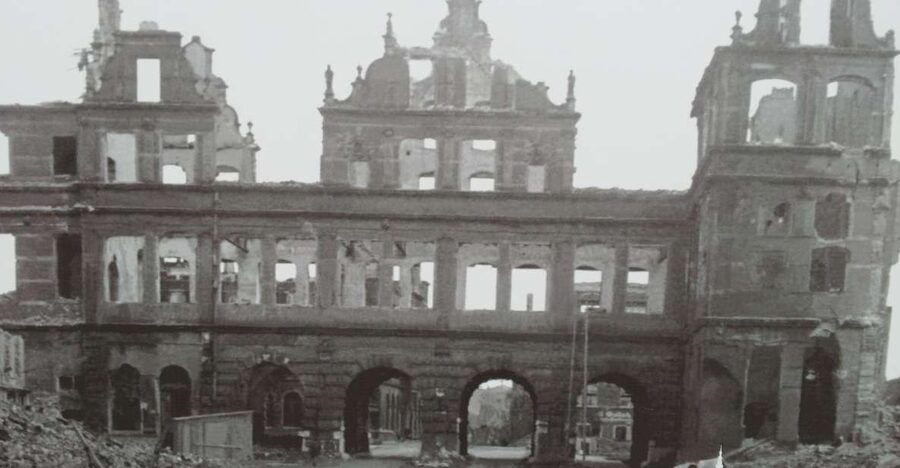
Gdansk is not just a backdrop for wartime history. The city was tied to the first fighting of World War II, the defense of Polish institutions, wartime industry, and the later struggle against communist rule.
That makes this tour useful for connecting events that are often taught separately. You begin with the Nazi invasion and the destruction of Poland, then move toward resistance, civilian life, the post-war political order, and the long campaign for freedom that eventually shaped modern Poland.
The private format matters here. A good guide can pause when you have questions, explain a difficult exhibit in plain language, or spend more time on the Polish experience rather than rushing through a global timeline. The guides are available in English, German, Russian, Polish, Spanish, French, Italian, Norwegian, and Swedish.
I would choose this experience early in a Gdansk stay. It gives you historical bearings before you walk through the city on your own, and later sights such as the shipyards and memorials will make more sense.
More Museums in Gdańsk
- Gdansk: Private Communism Tour with Solidarity Center Museum
★ 5.0 · 28 reviews - Museum of the Second World War Gdansk Private Tour & Tickets
★ 5.0 · 24 reviews - Gdansk Private Communism Tour with Solidarity Center Museum
★ 5.0 · 14 reviews
Entering the Museum of the Second World War
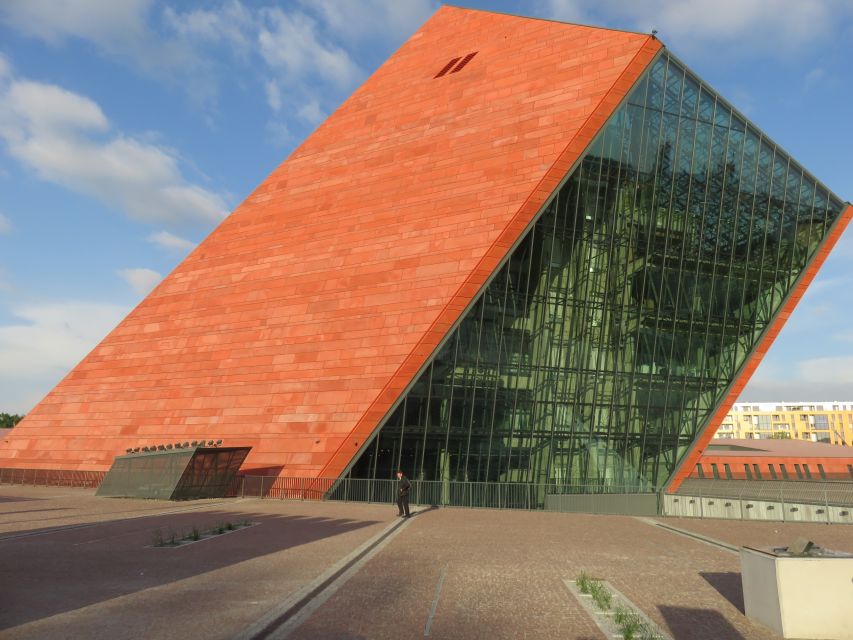
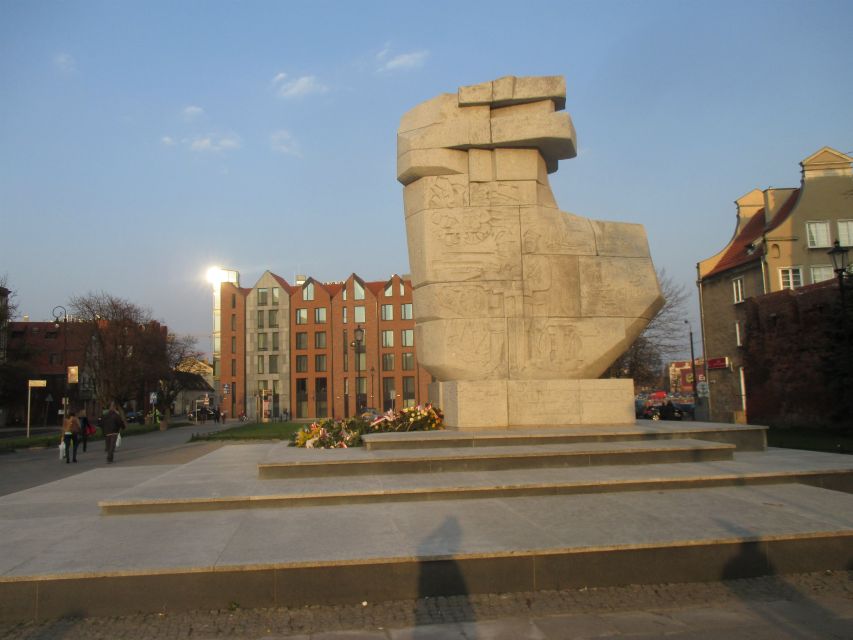
The two-hour option centers on the Museum of the Second World War, one of Gdansk’s most important cultural stops. Your guide meets you at the monument to Witold Pilecki in front of the museum at plac Władysława Bartoszewskiego 1.
Pilecki is a powerful figure to encounter at the start. His name links the meeting point to Poland’s wartime resistance and the extraordinary risks taken by people who opposed Nazi rule. Even before entering, you begin with a reminder that this story is about individuals, not only armies and dates.
Your pre-booked ticket helps you avoid the ticket-office queue. This does not mean you walk straight through every entrance check, so arrive on time for the assigned date and hour. The ticket covers the permanent exhibition.
Inside, expect a large museum with artifacts, documents, photographs, weapons, uniforms, personal accounts, reconstructed spaces, and interactive displays. The exhibition moves from the outbreak of war in 1939 to the occupation of Poland, resistance movements, the wider global conflict, and the war’s aftermath.
The museum’s value comes from its scale and range. You do not get only a military account. You also see how war affected ordinary people, institutions, cities, and families. A private guide can help you distinguish between the main themes instead of leaving you to read every panel at the same pace.
That said, the scale creates the tour’s biggest time problem. One guide-led museum visit lasted about three hours and still did not cover everything. If you are determined to see the exhibition at a slow pace, the two-hour option may not be enough, even though it is the shorter booking.
I would choose the two-hour format if you want an introduction, have limited time, or plan to visit other Gdansk sights the same day. You will get a guided route through major sections, but you should not expect to absorb every display.
The 1939 invasion and Poland’s first resistance
A central purpose of the museum visit is to explain how the war began in Poland. The guide covers the Nazi invasion and the first stages of occupation, with attention to the human cost and the early resistance.
This is where a private explanation earns its keep. The subject can become a blur of military movements and political decisions when you encounter it alone. Your guide can connect the museum’s objects to the people who used them and explain why Gdansk mattered in the first days of the conflict.
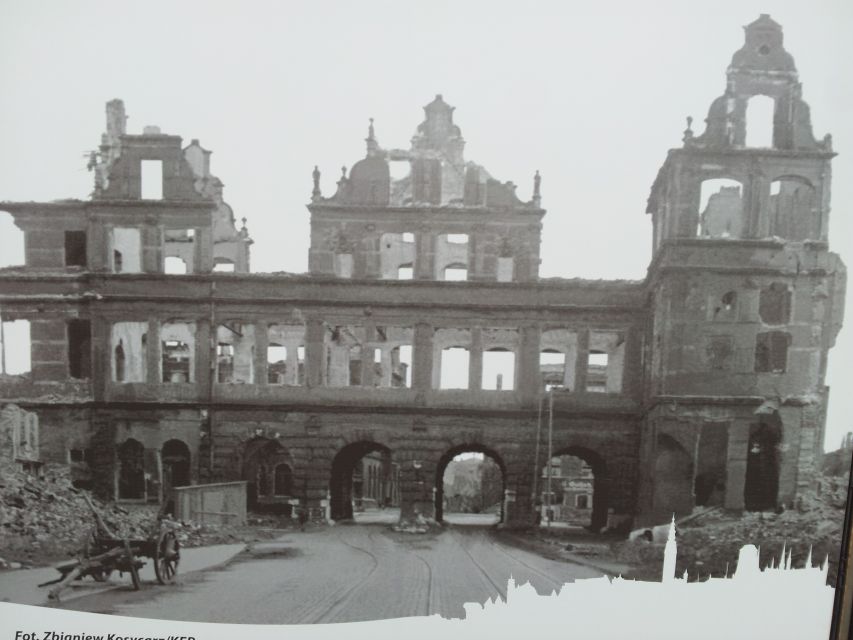
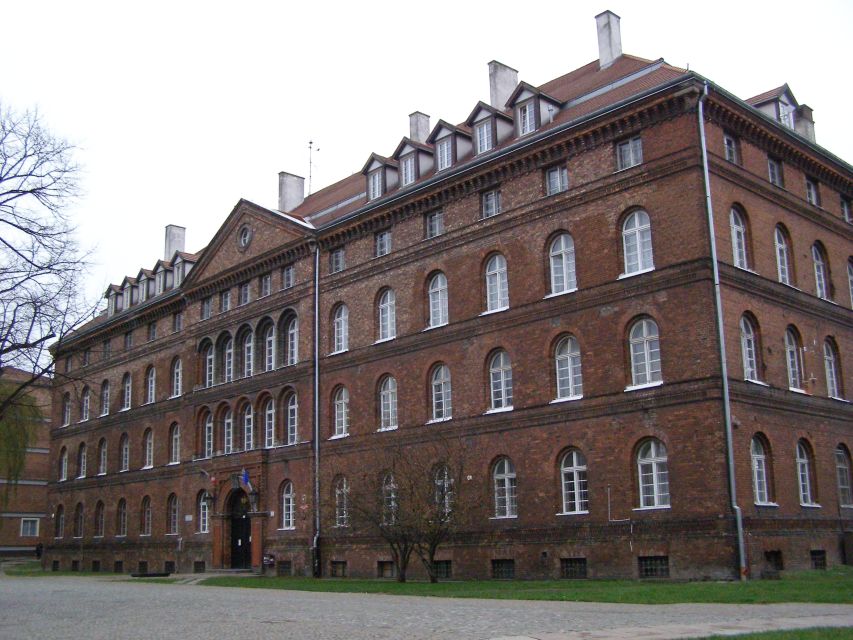
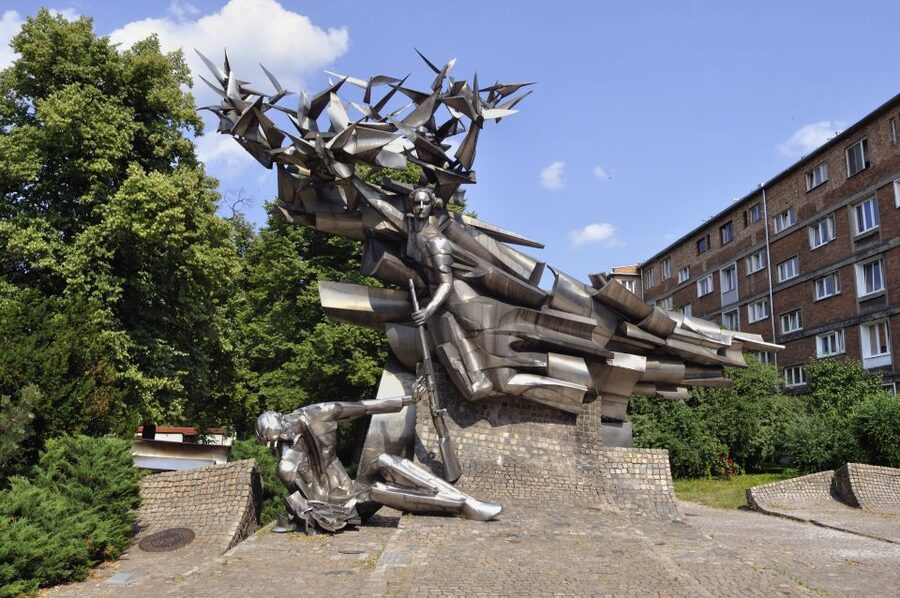
The Polish Post Office is especially important in the extended route. The Defenders of the Polish Post Office memorial honors those who fought in one of the first battles of World War II. A stop here gives you a physical point of reference for the opening violence, rather than keeping the story confined to museum cases.
The route may also include the Polish Post Museum, where the guide explains the first fighting during the invasion of Poland. This stop is valuable because it brings the opening phase of the war into the city itself.
The Church of St. James is another listed stop on the four-hour walk. Here, your guide connects the city’s wartime story with resistance against Nazi occupation. The emphasis is not simply on architecture, but on the people and movements that kept opposing foreign control.
The four-hour route through memorials and shipyards
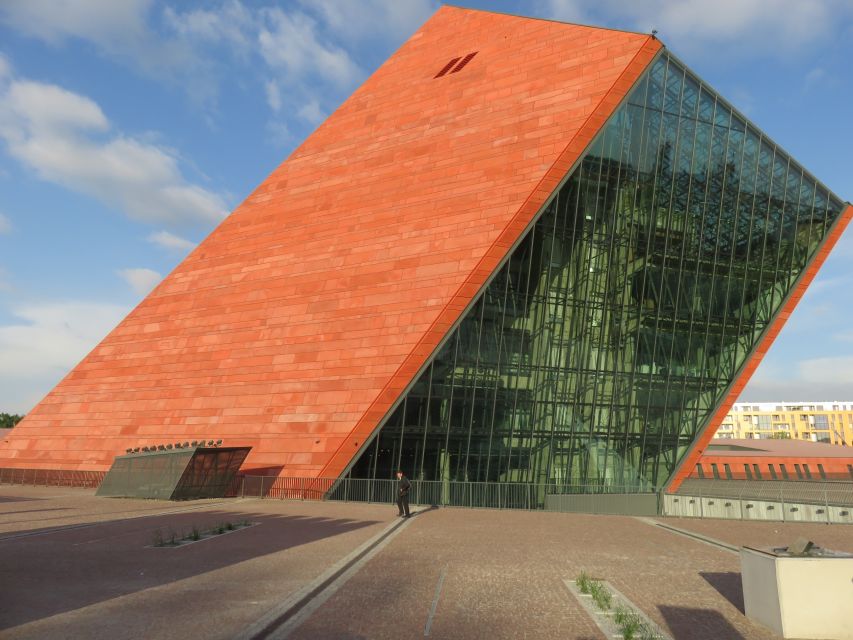
The four-hour version adds a walking tour of sites linked to World War II and post-war communism. This is the better choice if you want to understand how Gdansk’s fight for freedom continued after 1945.
The route includes the Monument to the Fallen Shipyard Workers. Its message reaches beyond the wartime years and points to the later struggle against communist rule. At this stop, you can see how memory, labor, religion, and political resistance became connected in Gdansk.
The European Solidarity Centre adds another layer. It focuses on Poland’s path toward independence and helps explain why the shipyards became such an important place in the country’s modern political story.
The historic BHP Hall is also included. The August Agreements were signed there, making it one of the most meaningful sites on the post-war portion of the route. Your guide can place the agreement within the broader story of the shipyard workers and the fight for political change.
You may also see the Obrońca mural, a tribute to those who defended Poland, a preserved World War II air raid shelter, and the Imperial Shipyard. These stops are less about a single grand monument and more about seeing how war and political control left marks across working parts of the city.
The shipyard section gives the tour an honest advantage over a museum-only visit. You are not only reading about Poland’s struggles. You are walking through places connected with industry, occupation, labor, and resistance.
The drawback is physical and practical. The extended route is a moderate walk, with uneven surfaces and some steps. It runs in rain or shine, so comfortable shoes and weather-ready clothing are sensible. The guide can adjust the pace, but the four-hour option still asks more of you than a museum visit alone.
Something quite different:
- Gdansk: City Cruise on Historical Polish Boat
★ 4.8 · 2,913 reviews - Gdańsk: Sunset Cruise on a Historic Polish Boat
★ 4.9 · 977 reviews - Gdańsk City Sights & History Guided Walking Tour in English
★ 4.8 · 876 reviews - Gdansk: Firearm Shooting Experience with Instructor
★ 4.8 · 866 reviews
How the private guide changes the museum visit
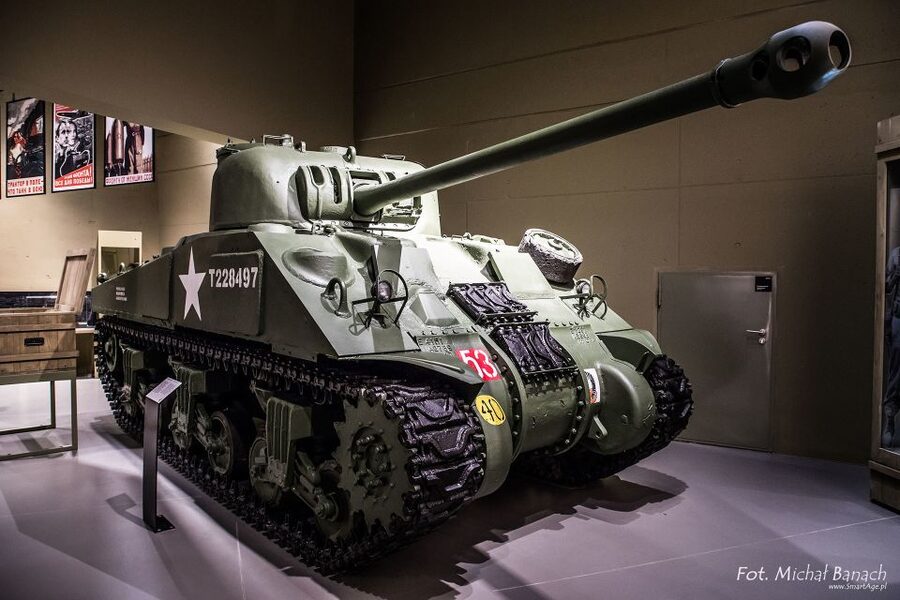
The strongest part of this experience is the guide’s role. The tour is not built around a fixed audio track or a one-size-fits-all script. You can ask about a particular photograph, spend longer on Polish resistance, or request more explanation of the communist period.
Several guides have made a particularly strong impression. Krzysztof has been praised for his enthusiasm, humor, and ability to answer questions about Polish and Gdansk history. Małgorzata led a four-hour visit with extensive background on World War II, while Magdalena provided an informative museum route and added early invasion history at the Polish Post Museum.
Luca has been described as friendly, considerate, and able to answer detailed questions. Elvira helped make the large museum easier to understand and handled questions with care. Margaret has also been singled out for an excellent, informed visit.
Language ability can vary by guide. One English-language booking received very good historical information, but the guide’s English was described as somewhat broken. That is worth keeping in mind if precise language is important to you, especially when discussing complicated political events.
The private arrangement is still a clear plus. You are not sharing the guide’s attention with a busload of strangers, and the pace can be adapted to your group. If someone in your party has limited mobility, tell the operator ahead of time so the route can be adjusted when possible.
Is $153 per person good value?
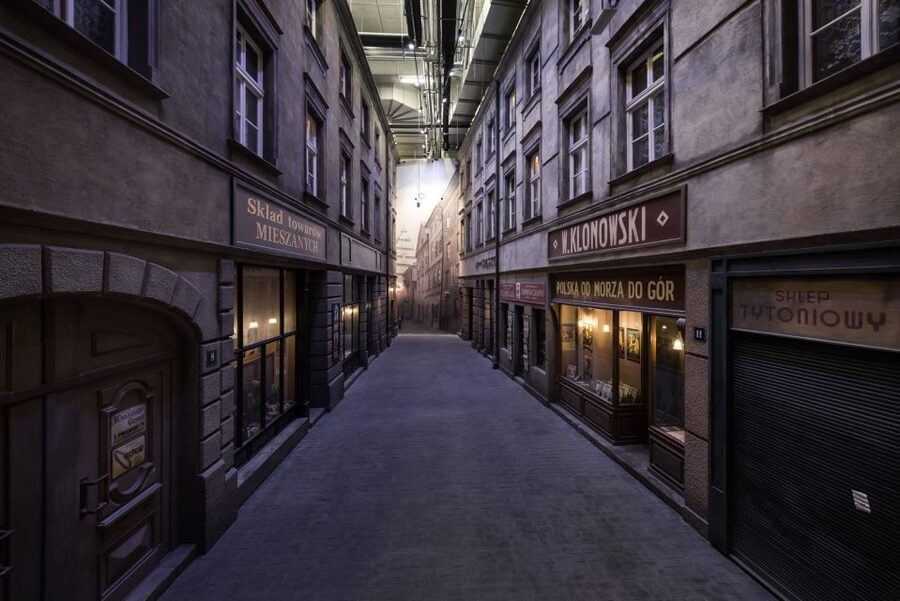
At $153 per person, this is not a budget museum visit. The value depends on what you want from Gdansk.
If you only want admission to the museum, the price will feel high. You could spend less by visiting independently, but you would give up the licensed guide, the private format, and the help of someone who can organize the story as you move through a very large exhibition.
For a couple, family, or small private group, the price buys time efficiency and personal attention. The skip-the-ticket-office benefit is useful during busy periods, though it does not remove the need to arrive at the correct entrance time.
The four-hour option offers more value if you want a connected history lesson rather than a single museum stop. You get the museum plus memorials, the shipyard area, the European Solidarity Centre, BHP Hall, the mural, the shelter, and the Imperial Shipyard. That broader route explains why Gdansk’s wartime story did not end in 1945.
I would consider the price reasonable for serious history enthusiasts, families who want help explaining difficult material, and visitors who dislike piecing together several sites alone. It is less compelling if you prefer wandering independently or plan to spend many hours reading every museum display at your own pace.
Meeting point, pickup, and timing
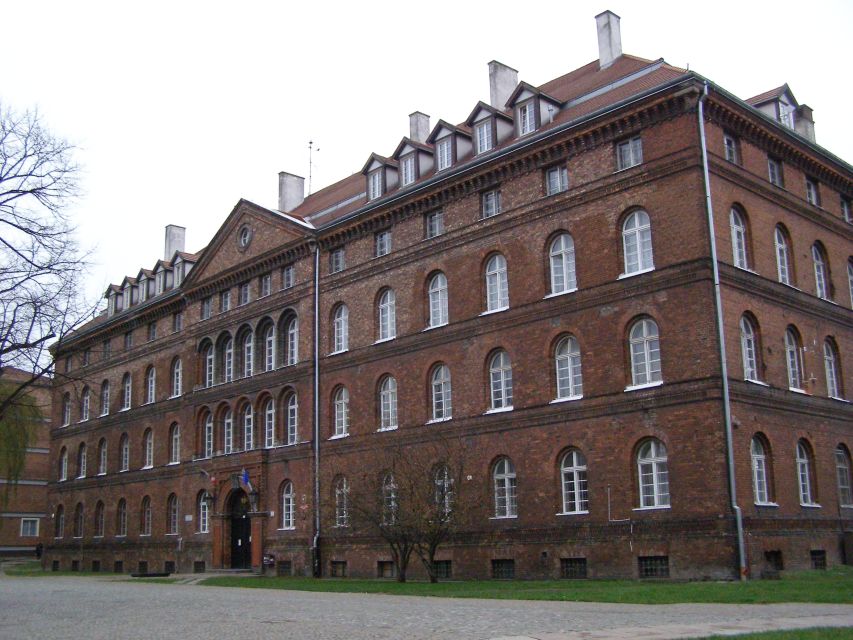
The standard meeting point is the monument to Witold Pilecki in front of the Museum of the Second World War. The exact address is plac Władysława Bartoszewskiego 1, 80-862 Gdańsk.
Hotel pickup is included for hotels in Gdansk Old Town. Pickup may also be available within 1.5 kilometers of the meeting point, with the itinerary adjusted as needed. Hotels farther outside the Old Town are not included, so check this before booking if convenience matters.
The available duration is two to four hours. Starting times depend on availability, and the museum ticket is tied to a pre-booked date and time. Check your email from Rosotravel the day before, particularly because the start time may be changed and could affect other plans.
The tour runs in all weather. For the two-hour museum route, comfortable shoes are still wise, but the four-hour version needs more preparation because of outdoor walking and uneven ground.
Cancellation is flexible: you can cancel up to 24 hours ahead for a full refund. You can also reserve now and pay later, which helps if your Gdansk plans are still moving around.
Who should book this Gdansk experience?
I would recommend the tour to you if you:
- Want Poland’s wartime story explained by a licensed local guide
- Prefer a private group to a large scheduled tour
- Need help making sense of a very large museum
- Have a strong interest in resistance movements and civilian experiences
- Want to connect World War II with post-war communist history
- Are traveling with family members who may have questions about difficult subjects
The two-hour option suits a shorter visit, a first introduction, or a packed Gdansk itinerary. The four-hour option suits you if the shipyards, political history, and memorials matter as much as the museum itself.
I would not book it if you want a quick, casual attraction with little reading or serious subject matter. World War II in Poland is painful history, and the museum does not treat it as a light sightseeing stop.
FAQ
How long does the Gdansk WWII tour last?
You can choose a two-hour or four-hour private tour. The two-hour option focuses on the Museum of the Second World War, while the four-hour option adds an extended walking route focused on post-war communist history.
Does the tour include Museum of the Second World War tickets?
Yes. Skip-the-line tickets to the museum’s permanent exhibition are included with all options.
Does skip-the-line access mean I skip every queue?
No. You skip the line at the ticket office, but you still need to pass through the museum entrance process. Your ticket is valid for a pre-booked date and time, so arrive on time.
Where does the tour meet?
The meeting point is the monument to Witold Pilecki in front of the Museum of the Second World War, plac Władysława Bartoszewskiego 1, 80-862 Gdańsk.
Is hotel pickup included?
Pickup is included from hotels in Gdansk Old Town. Pickup is available within 1.5 kilometers of the meeting point, while accommodation outside Gdansk Old Town is not included.
What does the four-hour tour add?
The four-hour option adds sites connected with World War II and post-war communist history, including the Polish Post Office memorial, Church of St. James, Monument to the Fallen Shipyard Workers, European Solidarity Centre, BHP Hall, Obrońca mural, an air raid shelter, and the Imperial Shipyard.
Is the tour available in English?
Yes. Live guiding is available in English, German, Russian, Polish, Spanish, French, Italian, Norwegian, and Swedish.
Is the tour wheelchair accessible?
The activity is listed as wheelchair accessible. The four-hour walking route includes some uneven surfaces and steps, so tell Rosotravel about accessibility needs in advance.
Can I cancel the booking?
Yes. You can cancel up to 24 hours before the tour for a full refund.
Can I reserve now and pay later?
Yes. The booking option allows you to reserve your place and pay later.
Should you book it?
Book this tour if you want Gdansk’s WWII story explained rather than simply displayed. The museum is large enough to overwhelm a first-time visitor, and a skilled guide can help you focus on the invasion, occupation, resistance, and aftermath without losing the human scale.
Choose two hours for a focused museum introduction. Choose four hours if you want the fuller connection between wartime Gdansk, the shipyards, communist rule, and Poland’s later fight for freedom. Just protect the time in your schedule, arrive promptly for the timed entry, and remember that the museum may reward more hours than your booking allows.
Just added in Gdansk
- Wolf’s Lair private tour from Gdansk★ 5.0 · 1 review
- Whisky Tasting in Gdańsk★ 5.0 · 3 reviews
- Transfer from Gdańsk or Airport Gdańsk (GDN) to Kościerzyna★ 5.0 · 1 review
- Westerplatte – 2h private trip by luxury car|★ 5.0 · 4 reviews
- Westerplatte private tour led by Expert-Guide (door to door)★ 5.0 · 5 reviews
- Gdansk EVERYDAY Vodka Tasting Tour★ 5.0 · 6 reviews
- Undercover City Games: Gdynia★ 5.0 · 34 reviews
- VIP transfer from airport Gdansk (GDN) to Hotel in Gdansk / Sopot★ 5.0 · 2 reviews
Museums in Gdańsk, compared.

Private Communism Tour with Solidarity Center Museum
Read our review →
Museum of the Second World War Gdansk Private Tour & Tickets
Read our review →Gdansk Private Communism Tour with Solidarity Center Museum
Read our review →
Museum of World War II – True Story of a Living Hell
Read our review →Browse the lists this tour appears in