

REVIEW · CITY TOURS
Warsaw Must-See Local City Tour with Antek and Tomek
Warsaw tells its story in layers. This two-hour walk connects royal squares, medieval defenses, Jewish heritage, and the 1944 Uprising, giving you a useful first look at the city without a large price tag. I especially like the small-group limit of 20 people and the clear route from the Old Town to the Warsaw Uprising Monument. The main thing to consider is the brisk schedule: several important sites receive only about 20 minutes.
I also like that you visit places tied to both Warsaw’s beauty and its painful past. Guides Antek and Tomek explain architecture, food, famous Polish people, World War II, and the uprising with humor and an easy speaking style. The tour does not include coffee or tea, and it is a walking experience rather than an attraction tour with interior admissions.
The price is about $13.22 per person, which makes this a strong choice if you want historical context before exploring on your own. You finish near the Warsaw Uprising Monument, not back at the starting point, so plan your next stop from there.
In This Review
- Key points to know before you book
- Starting at Sigismund’s Column in Castle Square
- Royal gardens and the view toward Praga
- Medieval Market Square and Warsaw’s famous mermaid
- The Jewish Ghetto boundary marker and a harder chapter
- The 1944 Warsaw Uprising at plac Krasińskich
- What makes Antek and Tomek’s guiding effective
- Is two hours enough for Warsaw’s main themes?
- The $13.22 price and what you receive
- Who should book this walking tour?
- Final call: a smart first walk in Warsaw
- FAQ
- How long is the Warsaw Must-See Local City Tour?
- Where does the tour begin?
- Where does the tour end?
- Is admission included?
- Is the tour offered in English?
- What is the cancellation policy?
Key points to know before you book

- Castle Square begins the story: You meet at Sigismund’s Column and enter Warsaw’s royal center right away.
- The route links four major themes: Royal Warsaw, the medieval Old Town, Jewish heritage, and the 1944 Uprising.
- Antek’s style earns high praise: His humor, clear explanations, and obvious enthusiasm make difficult history easier to follow.
- The river view adds a welcome pause: A panorama terrace looks toward the Vistula and the Praga district on the right bank.
- Everything listed is viewed from outside: Admission tickets are free because the experience focuses on courtyards, streets, monuments, and explanations.
- The ending is historically powerful: The walk finishes at the Warsaw Uprising Monument on plac Krasińskich.
Starting at Sigismund’s Column in Castle Square
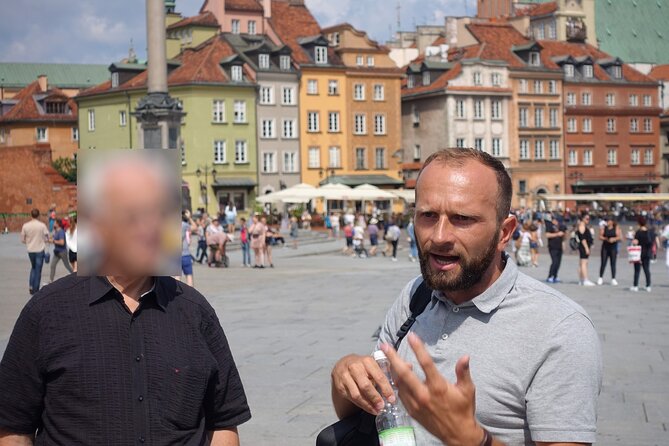
Your meeting point is Sigismund’s Column in Castle Square, plac Zamkowy. This is an excellent place to begin because Warsaw’s Old Town opens around you in one glance: the Royal Castle, colorful façades, the old street plan, and the broad public square all help you get your bearings.
The column honors King Sigismund III Vasa, who moved Poland’s capital from Kraków to Warsaw in the late 16th century. The guide uses this setting to explain why Warsaw became the political center of Poland and how the royal residence shaped the city.
I like the choice of meeting point because it saves time. You do not begin on an anonymous side street and spend half the tour walking toward the sights. You begin beside one of Warsaw’s most recognizable landmarks, with the historical story already under your feet.
The location is near public transportation, which helps if you are staying outside the center. Confirmation arrives when you book, and the tour is offered in English. Service animals are allowed, and most people can take part, though you should remember that this is a continuous city walk.
A few more in Warsaw
- Warsaw: Chopin Concert in the Old Town
★ 4.8 · 2,287 reviews - Warsaw: Traditional Galar Cruise on The Vistula River
★ 4.6 · 1,640 reviews - Warsaw: Old Town Highlights Walking Tour in English
★ 4.7 · 1,516 reviews
Royal gardens and the view toward Praga
The first part takes you through the courtyard of the Royal Castle and then toward the Royal Gardens. The focus is on the outside of the residence, so you should not expect a palace interior visit or time inside the museum rooms.
The gardens provide a fine view back toward the royal façade. This is a useful stop for understanding the castle as a working seat of power rather than just a handsome building. The guide can connect the façade, courtyard, and square to Warsaw’s royal past in a way that is harder to grasp from a quick photograph.
A panorama terrace adds another perspective. From here, you can look toward the river and the Praga district on the opposite side. That view matters because Warsaw is split by the Vistula, and the right-bank district gives you a different sense of the city’s shape and development.
You spend about 20 minutes around the castle and gardens. That is enough for orientation and photographs, but not enough for a close study of every architectural detail. If you want to tour the Royal Castle’s interior, plan a separate visit.
Medieval Market Square and Warsaw’s famous mermaid
The walk continues through the Old Town toward the Medieval Market Square. This is the picture-book section of the route, with restored façades, a compact square, and streets that invite you to slow down.
Yet the guide’s role is important here. Warsaw’s Old Town looks old, but much of it was rebuilt after the destruction of World War II. A good explanation helps you see the difference between the medieval plan and the later restoration. Antek, in particular, receives praise for making complicated subjects easy to understand and for adding humor without turning the past into a joke.
The Warsaw Mermaid, or Syrenka, is another memorable stop. This symbol appears throughout the city, but the Old Town sculpture gives you a natural place to hear the story behind the figure and her connection to Warsaw.
You also pass the city walls and Barbican. These fortifications show how the medieval town was protected and help explain the limits of old Warsaw before the city expanded. The walls are not treated as isolated photo stops. They fit into the wider account of how the Old Town was laid out and defended.
The Old Town section lasts about an hour. That makes it the longest part of the walk, and rightly so. You receive enough time to see the main landmarks without spending the entire morning on one square.
The Jewish Ghetto boundary marker and a harder chapter
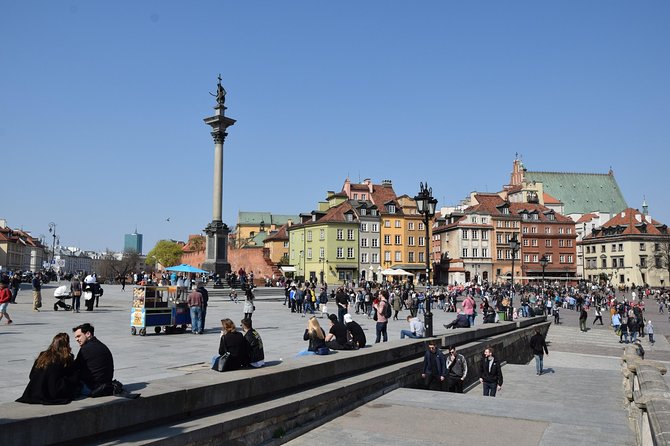
The route then turns toward Warsaw’s Jewish heritage and the boundary markers connected with the former Jewish Ghetto. This section changes the mood. The Old Town’s royal colors and restored streets give way to a subject shaped by persecution, displacement, and the trauma of World War II.
The guide explains the world of Jewish Warsaw and the circumstances that led to the ghetto. You are not simply shown a marker and sent on your way. The historical explanation gives meaning to a small physical sign that could otherwise be easy to miss.
I value this part because it prevents the tour from presenting Warsaw as only a pretty old center. The city’s identity also comes from communities that were destroyed and from the difficult work of remembering them. The guide’s account helps you connect Jewish heritage with the wider history of wartime Warsaw.
You spend about 20 minutes here. That is a short introduction, not a full study of the Warsaw Ghetto. If this subject is central to your visit, you will want more time at dedicated museums and memorial sites. For a general city walk, though, this stop adds weight and balance.
Something quite different:
- Warsaw Concert: Chopin – Painted by Candlelights with Wine
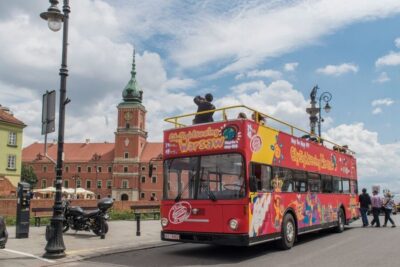
★ 4.8 · 1,442 reviews - Warsaw: City Sightseeing Hop-On Hop-Off Bus Tour
★ 3.6 · 1,415 reviews - Warsaw: POLIN Museum of the History of Polish Jews Ticket
★ 4.7 · 1,142 reviews - #1 Pub Crawl Warsaw with Optional Premium 1 Hour Open Bar
★ 5.0 · 790 reviews
The 1944 Warsaw Uprising at plac Krasińskich
The final stop is the Warsaw Uprising Monument at plac Krasińskich. The guide explains the Warsaw Uprising of 1944, from its beginning through its outcome, and discusses why the event remains central to the city’s identity.
This is a strong ending because the monument is not just another statue on a sightseeing route. It represents a major wartime effort by Warsaw’s people and the enormous cost that followed. The guide’s explanation helps you understand why the uprising continues to carry such emotional force in Poland.
The tour ends here, so you can continue to other parts of the city without retracing your steps. The location also gives you a clear next decision: continue exploring Warsaw’s wartime memorials, return toward the Old Town, or use public transportation to reach another district.
The stop lasts about 20 minutes. Again, that is enough to establish the main facts and significance, but not enough for every detail. I would treat this tour as a thoughtful introduction, not as a replacement for a full museum visit or a dedicated uprising tour.
What makes Antek and Tomek’s guiding effective
The strongest part of the experience is the guide. Antek is praised for his clear communication, easy humor, and passion for Warsaw. That combination matters because the route includes difficult subjects, architectural detail, and several centuries of change.
A guide can list dates and names, or help you understand why they matter. Here, the emphasis appears to be on making the story accessible. You may hear about history, architecture, Polish food, famous Polish figures, Jewish heritage, World War II, and the Warsaw Uprising in one connected account.
The tone also seems flexible. Antek is described as expressive, funny at times, and easy to follow. That is useful in a group setting, where a guide has to keep the pace moving while still making room for questions.
Tomek is also named as one of the guides, though the available details focus more closely on Antek’s style. The tour is limited to a maximum of 20 people, which should make it easier to hear the guide than on a very large group walk. Still, a group of 20 is not private, so anyone seeking a quiet, highly tailored experience may prefer a smaller custom tour.
Is two hours enough for Warsaw’s main themes?
Two hours gives you a useful introduction, but you need to keep your expectations sensible. You will see the Old Town’s major landmarks, hear about the castle and gardens, receive an introduction to Jewish Warsaw, and learn the basic story of the 1944 Uprising.
You will not have long, unhurried visits at every site. The castle and garden section takes about 20 minutes. The ghetto boundary marker and the uprising monument also receive about 20 minutes each. The Old Town gets about an hour, which leaves little room for extended stops, shopping, or a café break.
That pace suits you if you have only a short stay in Warsaw or want historical orientation on your first day. It also works well if you prefer walking outside rather than entering museums.
It may feel too short if you want detailed architectural analysis, a full account of Jewish Warsaw, or a close examination of the uprising. In that case, use the tour to choose which places deserve a longer return visit.
The $13.22 price and what you receive
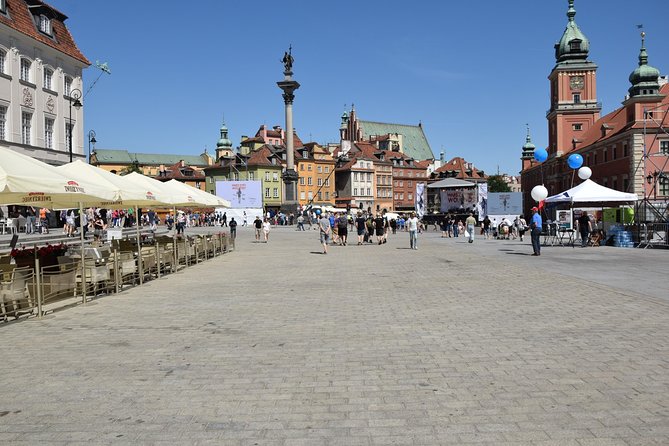
At about $13.22 per person, the tour offers good value. Your payment covers a licensed city guide and roughly two hours of explanation at several major sites. You do not pay separate admission fees during the walk because the listed stops are viewed from public areas or exterior spaces.
The real value is the context. You can walk through Castle Square and the Old Town alone for free, but you may miss how the royal residence, medieval defenses, Jewish heritage, and wartime history connect. A guide turns a pleasant walk into a clearer account of Warsaw’s past.
Coffee and tea are not included. That is hardly a serious drawback, but it is worth knowing if you expect a refreshment stop. Bring your own drink if needed, since the supplied details do not promise a café break.
The free cancellation policy gives you some flexibility. You can cancel at least 24 hours before the start time for a full refund. Changes or cancellations made less than 24 hours before the start are not accepted for a refund, and the cut-off follows Warsaw local time.
Who should book this walking tour?
I would recommend it to first-time visitors who want a fast but serious introduction to Warsaw. It suits couples, solo visitors, families with older children, and anyone who prefers a guide’s explanation to reading plaques at each monument.
It is also a good fit if you care about history but do not want a tour devoted to only one period. The route moves from kings and royal gardens to medieval walls, Jewish heritage, and the 1944 Uprising. That range gives you a better sense of Warsaw than a purely scenic Old Town walk.
You should think twice if you need a fully accessible, slow-paced route, since the experience is a city walk and the supplied details do not describe the exact walking surface or pace. Most people can participate, but the information does not promise special arrangements beyond allowing service animals.
You may also prefer another experience if you want to enter the Royal Castle, visit museums, or spend a long time at the Warsaw Ghetto memorial sites. This tour is strongest as an outdoor overview.
Final call: a smart first walk in Warsaw
I would book this tour if I wanted a low-cost introduction with real historical range. The mix of Castle Square, the Royal Gardens, the Old Town, the ghetto boundary marker, and the Warsaw Uprising Monument gives you both the beauty and the difficult truth of Warsaw.
The best reason to choose it is the guide’s style. Antek’s humor and clear explanations make serious material easier to absorb, while the small maximum group keeps the walk from becoming an impersonal march. Just remember that two hours provides a foundation, not the final word.
Book it early if your schedule is fixed, since it is often reserved around 18 days ahead. Afterward, you will know which parts of Warsaw deserve a longer visit, and you will have a much better grasp of what you are seeing.
FAQ
How long is the Warsaw Must-See Local City Tour?
The tour lasts approximately two hours.
Where does the tour begin?
It begins at Sigismund’s Column in Castle Square, plac Zamkowy, Warsaw.
Where does the tour end?
The tour ends at the Warsaw Uprising Monument on plac Krasińskich.
Is admission included?
The listed stops have free admission. The tour includes a licensed city guide, but it does not include coffee or tea.
Is the tour offered in English?
Yes. The experience is offered in English.
What is the cancellation policy?
You can cancel at least 24 hours before the start time for a full refund. Cancellations or changes made less than 24 hours before the start are not accepted for a refund.
Just added in Warsaw
- Wroclaw Small-Group Tour with Lunch from Warsaw★ 5.0 · 2 reviews
- World War II Warsaw Old Town, Military Cemetery Walking Tour★ 4.7 · 3 reviews
- Warsaw: Wolf’s Lair & Swieta Lipka Small-Group Tour + Lunch★ 5.0 · 3 reviews
- Wilanów Palace: 2-Hour Guided Tour with Entrance Tickets★ 4.8 · 8 reviews
- Warsaw Zoo Skip-the-Line Entry Ticket with Private Transport★ 4.8 · 3 reviews
- Warsaw Private Wilanow Palace & Garden Tour★ 4.6 · 30 reviews
- Warsaw Wolf’s Lair with St. Lipka and Mamerki Private Guided★ 4.2 · 3 reviews
- Warsaw: Private Vodka Tasting Night with Snacks and Pickup★ 5.0 · 7 reviews
City Tours, compared.
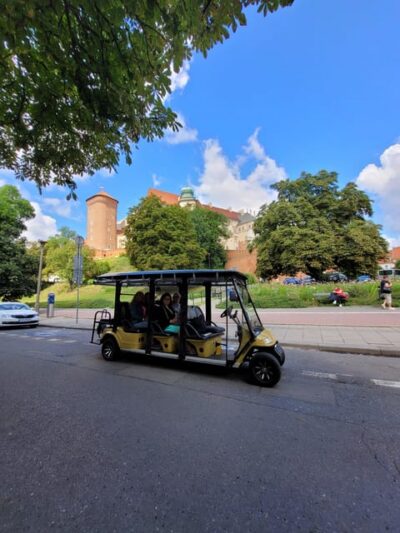

City Sightseeing Tour Eco Electric Buggy Golf Cart
Read our review →

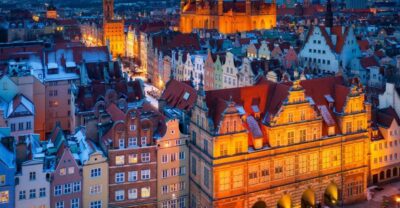
Gdańsk City Sights & History Guided Walking Tour in English
Read our review →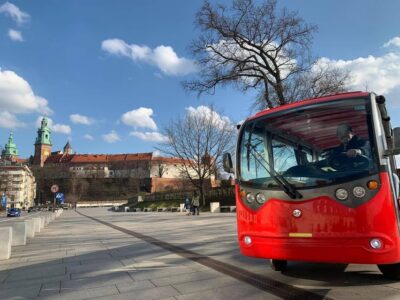
Extended City Sightseeing Tour – Eco Buggy Golf Cart
Read our review →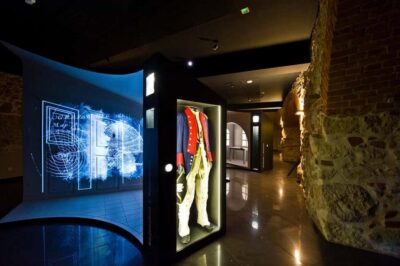
Browse the lists this tour appears in