
REVIEW · WIELICZKA SALT MINE TOURS
Schindler’s Factory + Ghetto in Krakow and Wieliczka Tour
Krakow’s hardest stories come together here. This seven-hour trip links Schindler’s Factory with the former Jewish ghetto in Podgórze, then heads underground to the remarkable Wieliczka Salt Mine. I like the strong historical connection between the first two stops, and I also like having transport arranged for the 10-kilometer trip from Krakow to Wieliczka. The main drawback is pace: the day covers a lot, and waiting times can make an already full schedule feel longer.
I especially like that a licensed museum guide leads the Schindler’s Factory visit rather than leaving you to piece the story together alone. The walk through Podgórze adds real-world context, with the ghetto wall, the Under the Eagle pharmacy, and the Empty Chair Monument. The salt mine is a striking change of mood, but it involves extensive walking and stairs, so this is not an easygoing day for anyone with limited mobility.
- Schindler’s Factory puts wartime Krakow in a personal setting: The museum explores Oskar Schindler’s efforts to help Jewish people during World War II.
- Podgórze connects museum displays with real streets: You see part of the surviving ghetto wall, former housing, the Under the Eagle pharmacy, and the 68 chairs at Heroes’ Square.
- Wieliczka reaches 340 meters below ground: Its tunnels stretch for more than 245 kilometers, although your visit covers only the regular visitor route.
- The tour lasts seven hours: That makes it an efficient way to combine two major sights, but it also creates a demanding day.
- Transport between Krakow and Wieliczka is included: You do not need to arrange the 10-kilometer journey yourself.
- Comfortable shoes are essential: The salt mine requires plenty of walking and stair climbing.
In This Review
- Starting at Schindler’s Factory in Zabłocie
- Why the ghetto walk matters
- From Krakow to Wieliczka, 10 kilometers south
- Entering the 700-year-old Wieliczka Salt Mine
- Is $136 a fair price?
- The guide makes the difference
- Who should book this Krakow combination?
- Practical details for a smoother day
- Should you book Schindler’s Factory and Wieliczka together?
- FAQ
- Where does the tour start?
- Where does the tour end?
- How long does the tour last?
- Is transportation to Wieliczka included?
- Is the tour available in English?
- What should I bring to the salt mine?
Starting at Schindler’s Factory in Zabłocie
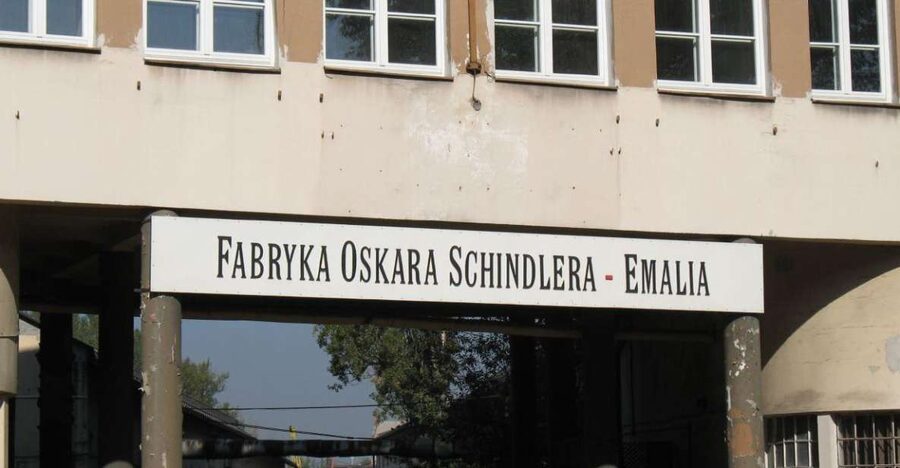
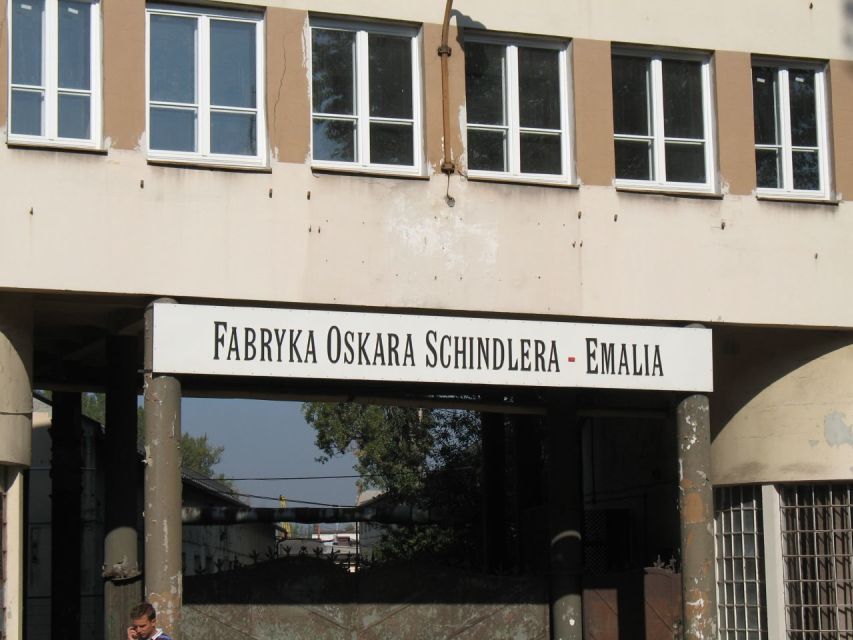
Your day begins at the main entrance to Schindler’s Factory Museum, where the guide meets you with an excursions.city sign. Hotel pickup is not included, so you need to reach the museum on your own and allow enough time to find the entrance.
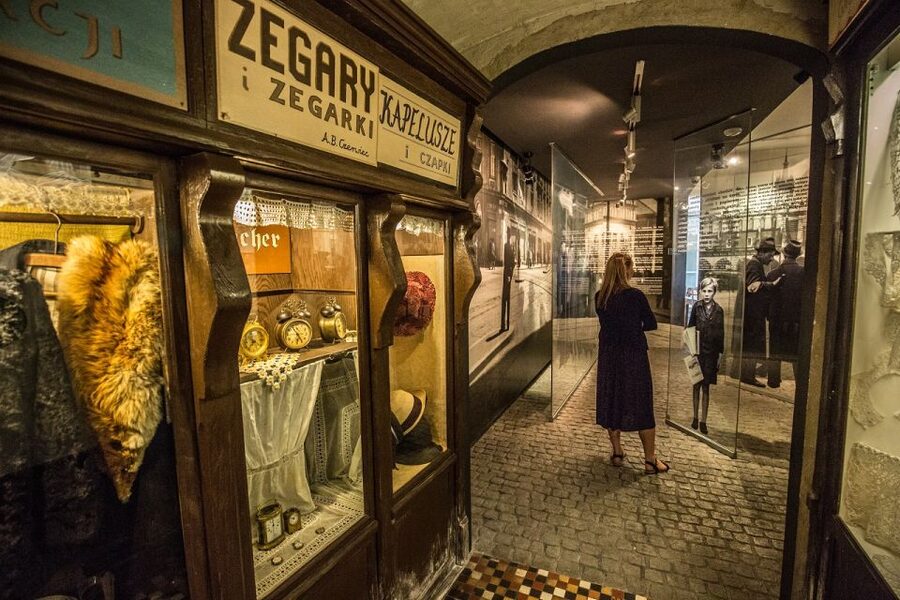
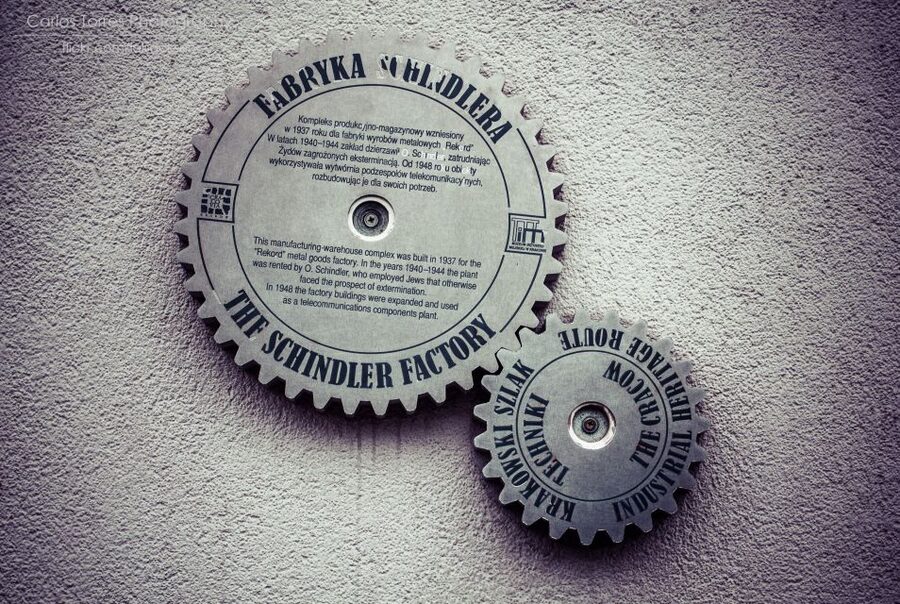
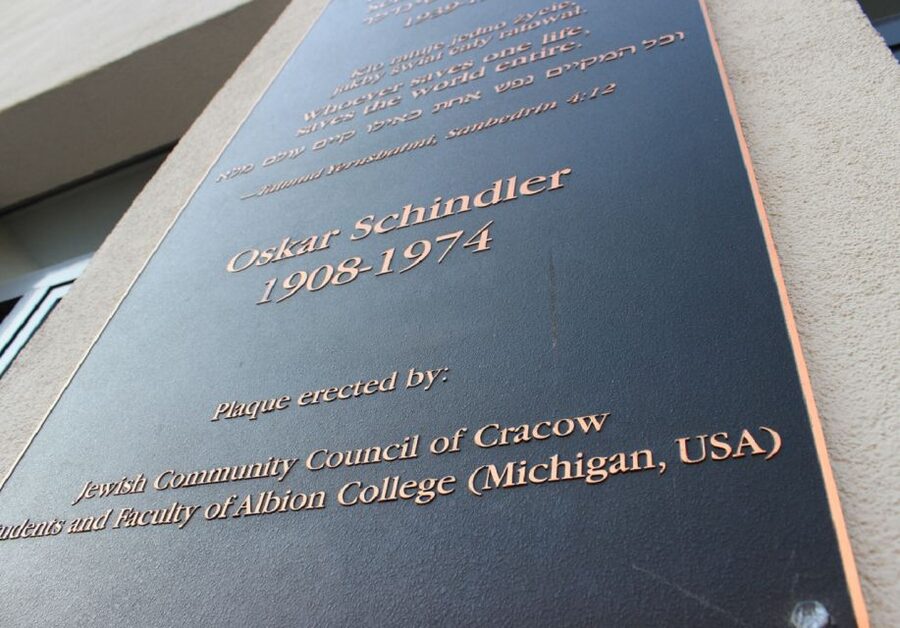
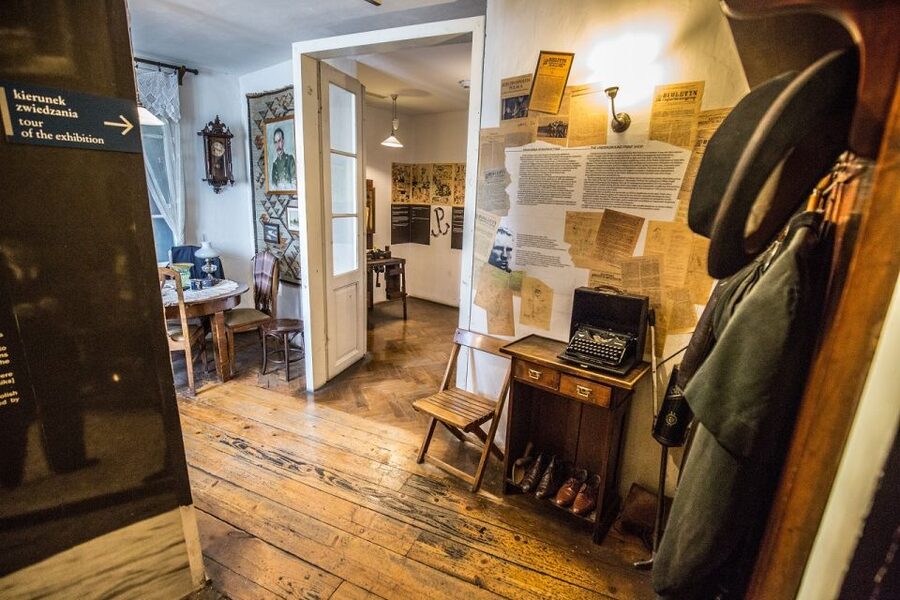
The factory is more than a stop connected to a famous film. It offers a way to understand Krakow during the German occupation through the story of Oskar Schindler, a German entrepreneur who helped many Jewish people survive the war. The setting matters. You are not simply entering another neutral gallery space. You are visiting the former enamel factory associated with Schindler and with the wartime history of the city.
A licensed museum guide leads this part of the visit in English. That is a real advantage because the subject is complex, and the museum setting can contain more information than you can absorb at a glance. A good guide helps connect individual stories to the larger events taking place in Krakow.
You should expect a serious visit rather than a light historical attraction. The subject includes displacement, persecution, and the destruction of Jewish life during World War II. Give yourself room to listen and think. The tour is not designed as a quick photo stop.
Why the ghetto walk matters
After the museum, the route continues through Podgórze, the district where the former Jewish ghetto was created. This section gives you something the indoor museum cannot: direct contact with the streets and surviving traces of the area.
You see part of the undestroyed wall that once surrounded the ghetto. You also pass houses where thousands of displaced Jewish people were forced to live. These details can be easy to overlook when walking around Krakow independently, which is why the guide adds value here.
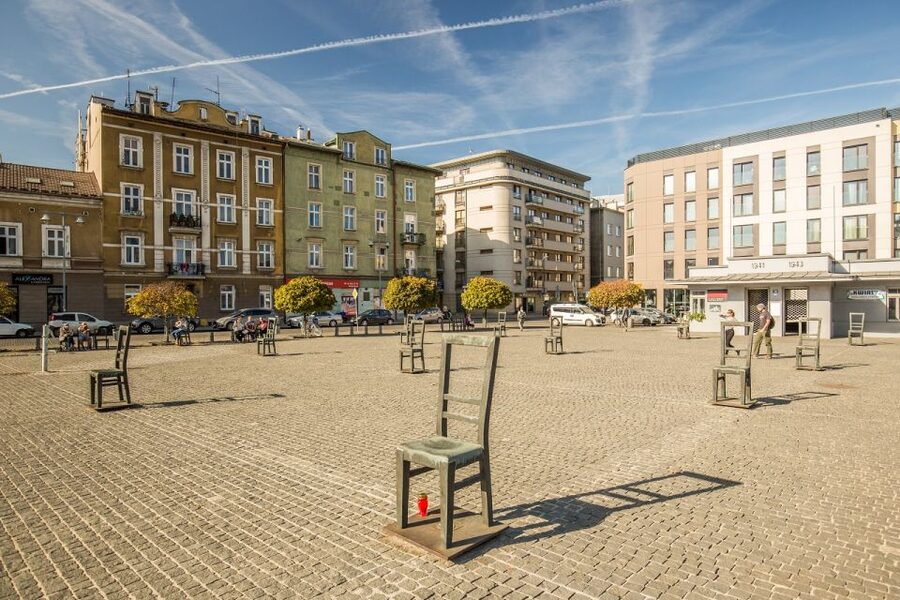
The pharmacy known as Under the Eagle is another important stop. It is tied to the history of the ghetto and helps show how certain places became part of the daily struggle for survival. The route also reaches Heroes’ Square, where the Empty Chair Monument uses 68 chairs to represent the people who were removed from their homes.
The monument is simple, but its meaning is heavy. Empty chairs suggest absence without needing a long explanation. I find this kind of memorial especially effective because it does not turn a painful subject into a grand spectacle. It asks you to notice what is missing.
This walking section is also where the tour feels most grounded in present-day Krakow. You are moving through ordinary streets, not an isolated memorial park. The contrast can be unsettling, but it helps you understand that the ghetto was part of the city itself.
Wear comfortable shoes from the start. The tour involves walking before you even reach the salt mine, and the complete day is long enough that poor footwear will become a problem.
More Wieliczka Salt Mine tours:
- From Krakow: Wieliczka Salt Mine Tour
★ 4.6 · 9,393 reviews - Krakow: Auschwitz-Birkenau and Salt Mine Guided Tour
★ 4.7 · 9,020 reviews - Krakow: Wieliczka Salt Mine Guided Tour with Transport
★ 4.4 · 7,429 reviews
From Krakow to Wieliczka, 10 kilometers south
The second half of the day takes you by arranged transport to Wieliczka, a small town about 10 kilometers from Krakow. Having this transfer included is useful. You avoid working out a separate journey after an emotionally demanding morning, and the group can continue without breaking the day into unrelated bookings.
The exact start time depends on availability, so check the schedule carefully before booking. Since the activity lasts about seven hours, think of it as a major part of your day, not a short add-on.
One practical point deserves attention. The information describes the salt mine visit as part of the guided tour, but it also says you explore the mine at your own pace without a guide. I would confirm the exact format and meeting instructions before departure. The safest expectation is that transport and admission are arranged, while the mine route may not have the same personal guiding style as the factory visit.
That distinction matters. Schindler’s Factory benefits from interpretation and discussion. At Wieliczka, you may have more independence, but you will need to keep track of the route and timing provided by the operator.
Entering the 700-year-old Wieliczka Salt Mine
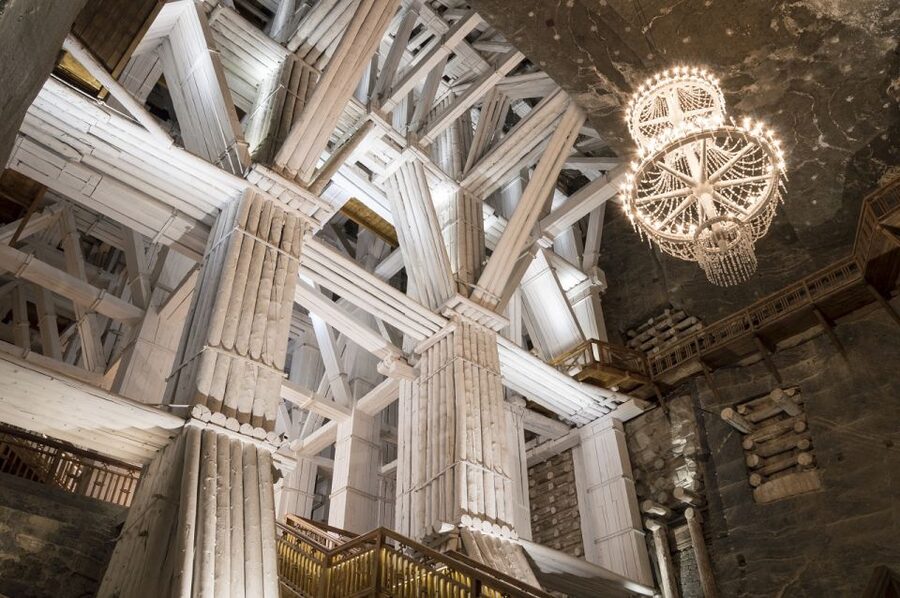
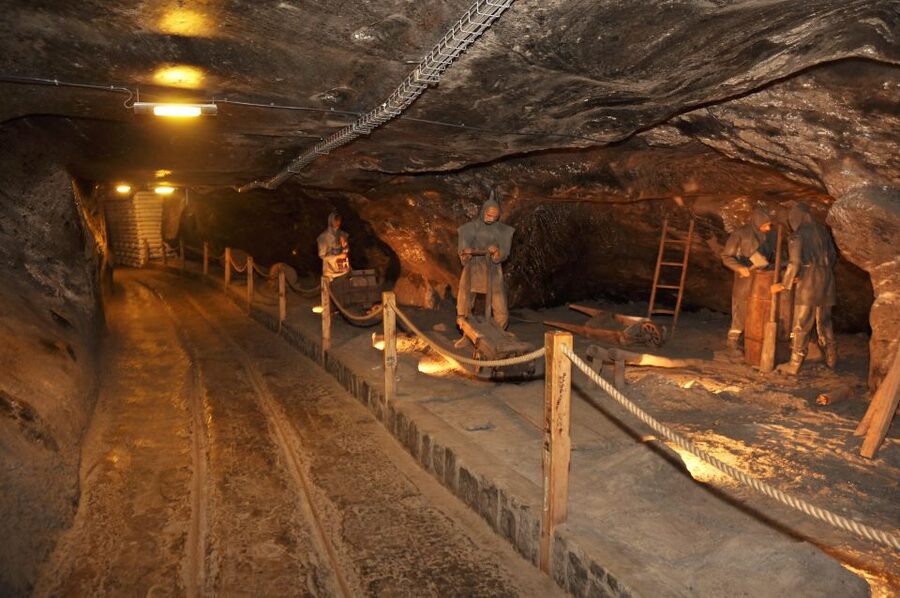
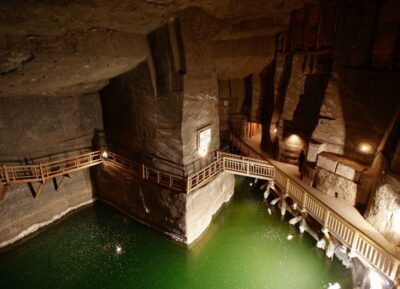
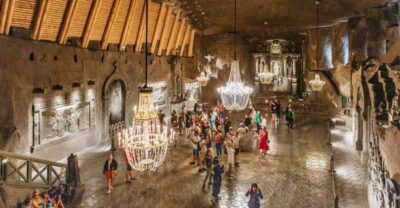
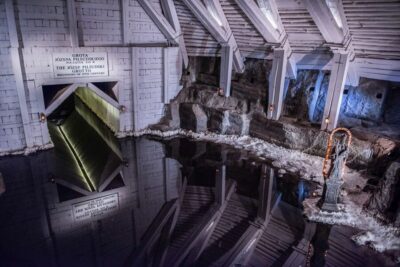
Wieliczka is one of Europe’s largest old salt mines and has been worked for about 700 years. The mine reaches 340 meters below the surface, with more than 245 kilometers of corridors and tunnels in total.
Those numbers give you a sense of scale, but they do not mean you will walk through the entire mine. Your visit follows the regular tourist route. Even so, you should prepare for a substantial underground walk with many stairs.
The change from wartime Krakow to the salt mine is dramatic. Above ground, the first part of the day focuses on recent history and human suffering. Below ground, the mine reveals centuries of labor, engineering, and salt production. The two places have little in common, yet together they show how varied the Krakow area’s past can be.
You may find the mine easier to enjoy if you treat it as a physical attraction as well as a historical one. The corridors and depth are not just facts on a sign. You feel them through the descent, the stairways, and the long route through the underground spaces.
The mine is not suitable for wheelchair users, and the regular tour requires lots of walking and climbing stairs. That is the clearest reason to think carefully before booking. If stairs are difficult for you, this combination is probably the wrong choice, even if the factory and ghetto walk appeal to you.
Sleeveless shirts are not allowed, so dress accordingly. Pets are also not permitted. A comfortable, practical outfit will serve you better than anything fashionable but restrictive.
Is $136 a fair price?
At $136 per person, this is not a budget outing. The value depends on how much you want to accomplish in one organized day.
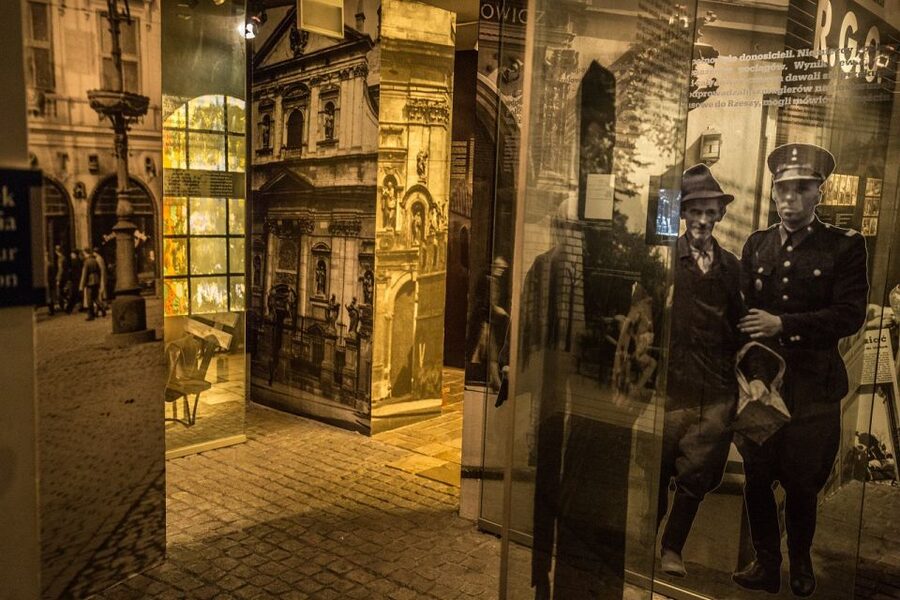
The price includes admission to Schindler’s Factory Museum and Wieliczka Salt Mine, transport between Krakow and Wieliczka, and guided touring at the locations. You are paying for access to two major attractions plus the convenience of joining them in a single plan.
That can be worthwhile if you have limited time in Krakow. Booking the factory and salt mine separately would require you to compare schedules, arrange transport, and make sure the two visits fit together. Here, the operator handles the connection.
The value is less convincing if you prefer slow travel. Seven hours is efficient, but it leaves limited room for lingering. You may want more time in the ghetto district, a longer pause after the museum, or a more relaxed visit to Wieliczka. Food and drinks are not included, so budget for those separately.
The strongest part of the price is the combination of tickets and transport. The weaker part is that the day may feel tightly packed, especially if waiting times occur. One five-star rating specifically praised the guides and described the day as excellent, while also noting that waiting times were a little long. That is useful practical advice: do not expect every transition to run at perfect speed.
More Schindler Factory tours:
- Krakow: Oskar Schindler’s Factory Entry Ticket & Guided Tour
★ 4.2 · 3,793 reviews - Krakow: Schindler’s Factory Tour with Entrance Ticket
★ 4.5 · 3,182 reviews - Krakow: Schindler’s Factory Skip-the-Line Ticket
★ 4.4 · 3,105 reviews - Krakow: Schindler’s Factory Tour with Entrance Ticket
★ 4.6 · 1,737 reviews
The guide makes the difference
The guide is most important at Schindler’s Factory and during the Podgórze walk. The tour is offered in English, and the museum guide helps turn separate objects and locations into a connected story.
One person who had already visited the factory three times said the first guided visit made a major difference and strongly recommended the experience. That is a meaningful endorsement of the interpretation, especially for anyone who might otherwise walk through the museum alone.
No guide names are provided, so you should not book expecting a particular person. The useful point is the quality of the guided format, not an individual guide’s identity.
At the salt mine, clarify how much guidance you receive. The details indicate that the mine may be explored at your own pace without a guide, even though the package description refers to guided visits at both locations. Ask for the day’s meeting point and return time so you can enjoy the underground route without worrying about missing the group.
Who should book this Krakow combination?
This tour suits you best if you want a history-focused day and prefer an organized route. It works well for a first visit to Krakow when you want to cover Schindler’s Factory, the former ghetto, and Wieliczka without arranging separate tickets and transfers.
It is also a good match if you appreciate context. The factory tells part of the story, while Podgórze shows where that story unfolded. Wieliczka then adds a completely different chapter from the region’s past.
I would be more cautious if you dislike group schedules, need frequent breaks, or want to explore each place at your own pace. The seven-hour duration is long, and the combination of walking, stairs, and transfers can be tiring.
Families with older children may find the subject matter and mine visit meaningful, but the material at Schindler’s Factory is serious. Consider whether everyone in your group is ready for a World War II museum and a long underground route.
The tour is not suitable for wheelchair users. Anyone with mobility concerns should also think carefully because the salt mine requires lots of stairs and walking, even if the museum portion itself is manageable.
Practical details for a smoother day
Meet at the main entrance of Schindler’s Factory Museum, looking for the excursions.city sign. Since hotel pickup and drop-off are not included, plan your route to the museum before the day begins.
Keep your confirmation details available and pay attention to the guide’s instructions at each transition. Waiting times may occur, so avoid booking another important activity immediately after the seven-hour tour.
Bring comfortable shoes. This is the most important packing tip, since the day includes a city walk and the regular salt mine route.
Food and drinks are not included. Carry what you need or plan to buy refreshments separately, but do not let a quick snack turn into a rushed museum visit. The emotional weight of the first half also makes a short pause useful if the schedule allows it.
Free cancellation is available up to 24 hours before the activity for a full refund. You can also reserve now and pay later, which helps if your Krakow plans are still shifting.
Should you book Schindler’s Factory and Wieliczka together?
Book it if you want an efficient, guided introduction to two very different sides of Krakow. The combination of Schindler’s Factory, the Podgórze ghetto sites, and Wieliczka Salt Mine gives you strong historical variety in one day, with admission and transport handled for you.
Skip it if you want an unhurried schedule or cannot manage lots of stairs. At $136, the tour makes the most sense when convenience and interpretation matter more to you than saving money or setting your own pace. Bring good shoes, confirm how the salt mine portion is guided, and leave the rest of the day free.
FAQ
Where does the tour start?
The guide meets you in front of the main entrance to Schindler’s Factory Museum. Look for the excursions.city sign.
Where does the tour end?
The activity ends back at the starting meeting point.
How long does the tour last?
The tour lasts about seven hours. Starting times vary, so check availability for the schedule on your chosen date.
Is transportation to Wieliczka included?
Yes. Transportation between Krakow and Wieliczka is included. The town is about 10 kilometers from Krakow.
Is the tour available in English?
Yes. The listed tour language is English, with a live tour guide.
What should I bring to the salt mine?
Bring comfortable shoes. The regular salt mine tour requires lots of walking and climbing stairs. Pets and sleeveless shirts are not allowed, and the activity is not suitable for wheelchair users.
More Jewish Heritage Tours in Krakow
- Krakow: Schindler’s Factory & Ghetto Guided Tour
★ 4.7 · 1,694 reviews - Krakow: Jewish Quarter and Former Ghetto Tour
★ 4.9 · 1,441 reviews - Krakow: Bike Tour of Old Town, Jewish Quarter and the Ghetto
★ 4.9 · 1,155 reviews - Krakow: Kazimierz Jewish Quarter Walking Tour
★ 4.8 · 571 reviews
Just added in Krakow
- Auschwitz-Birkenau – Skip the Line Tickets★ 3.5 · 29 reviews
- Auschwitz-Birkenau: Fast-Track Ticket & Guided Tour No Transfers★ 3.5 · 17 reviews
- Zakopane & Sleigh Ride with Bonfire – Group Tour from Kraków★ 5.0 · 2 reviews
- Thermal Baths & Zakopane – Private Trip from Krakow★ 5.0 · 1 review
- Zakopane & Gubalowka Funicular – Private Winter Tour from Krakow★ 5.0 · 10 reviews
- Sleigh Ride & Bonfire in Zakopane with Funicular – Private Trip★ 5.0 · 48 reviews
- Divine Mercy Sanctuary – Private Tour from Krakow★ 5.0 · 4 reviews
- stag dog chase Krakow prank★ 5.0 · 4 reviews
Wieliczka Salt Mine Tours, compared.
Wieliczka Salt Mine Guided Tour with Transport
Read our review →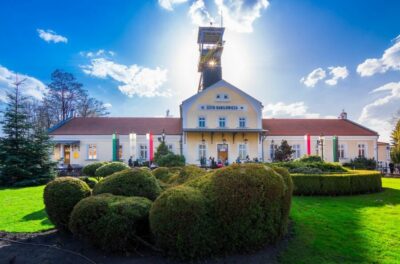
Wieliczka Salt Mine Fast-Track Ticket & Guided Tour
Read our review →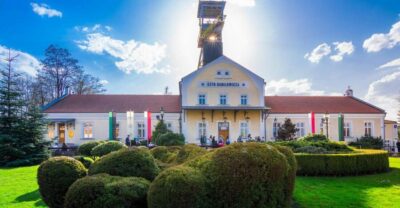
Wieliczka Salt Mine Tour & Skip the Line Ticket
Read our review →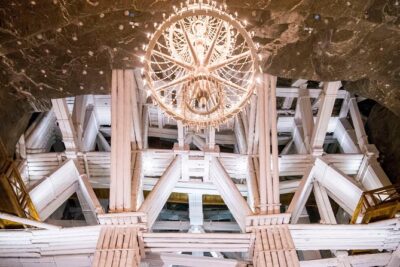
Krakow to Wieliczka: Salt Mine Guided Tour with Ticket & Transfer
Read our review →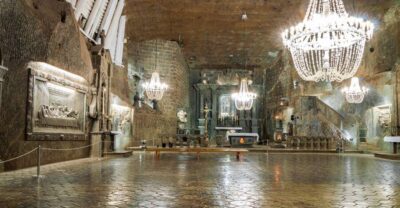
Wieliczka Salt Mine Tour Including Hotel Pick-Up
Read our review →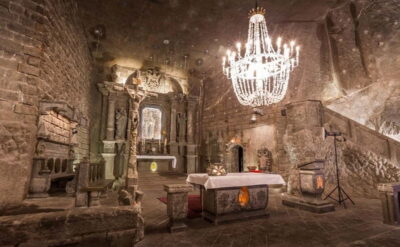
Wieliczka Salt Mine Guided Tour with Transfer
Read our review →Browse the lists this tour appears in