
REVIEW · SCHINDLER'S FACTORY TOURS
Krakow: Schindler’s Factory Skip-the-Line Ticket
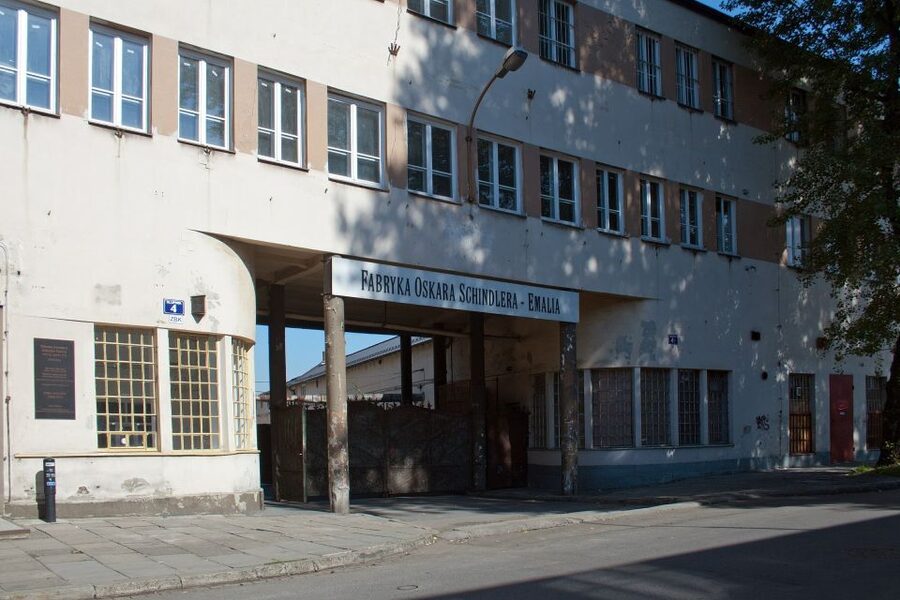
History feels different when it enters the room. Oskar Schindler’s former enamel factory now holds one of Krakow’s most affecting museums, tracing daily life under Nazi occupation through photographs, objects, documents, and personal stories. I especially like the fast entry and the museum’s focus on ordinary people, not only Schindler. The main drawback is that the ticket-only visit can involve a lot of reading, while some English text is placed low or set against poor contrast.
The experience costs about $25 per person and takes roughly 90 minutes to two hours. I would pay the extra for a guide if you want the story explained as you go, but independent visitors who already know the period can manage alone. Bring a physical passport or ID card, since you cannot enter the exhibition without one.
In This Review
- Key points at a glance
- What the visit is really about
- Entering the original Deutsche Emailwarenfabrik
- The exhibition: Krakow under Nazi occupation
- Oskar Schindler’s office and the Survivor’s Ark
- Why a guide changes the experience
- A realistic 90-minute to two-hour itinerary
- What to do nearby afterward
- Is $25 good value?
- Who should book this experience?
- Should you book Schindler’s Factory?
- FAQ
- How much does the Schindler’s Factory ticket cost?
- How long does the visit take?
- Does the ticket skip the museum queue?
- Is a guide included?
- How will I receive a ticket-only entry ticket?
- Do I need a passport or identity card?
- Where is the meeting point?
- Is the museum wheelchair accessible?
- Can I see Oskar Schindler’s office?
- Is the visit mainly about the film Schindler’s List?
Key points at a glance
- The factory is now a World War II museum: You see the original site of Oskar Schindler’s Deutsche Emailwarenfabrik, but much of the visit focuses on Krakow under Nazi rule rather than factory machinery.
- Skip the ticket queue, not the museum content: Your pre-arranged entry lets you avoid the ticket line, which can be long, especially at busy times.
- A guide adds real value: Guides such as Tom, Thomas, and Navia are praised for clear explanations, personal stories, and wider context about occupied Krakow.
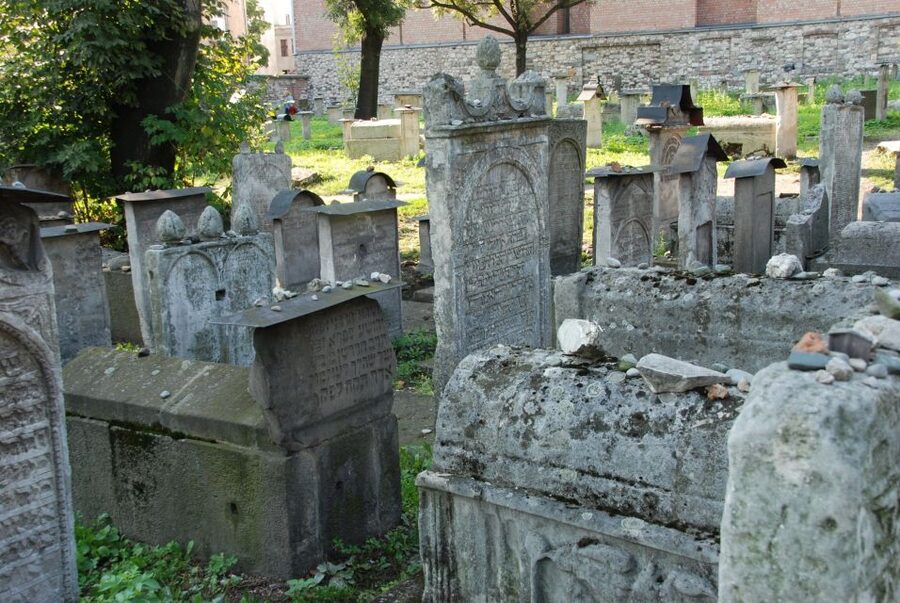
- Schindler is part of a larger story: His office and the symbolic Survivor’s Ark are important, but the museum also gives strong attention to Krakow’s Jewish community and the ghetto.
- Allow up to two hours: The museum is packed with material. A quick visit is possible, but rushing makes the displays harder to absorb.
- You need a physical ID: A passport or identity card is required for entry. A photograph of your document may not be enough.
What the visit is really about
The museum begins with Oskar Schindler, the Sudeten German businessman who arrived in Krakow shortly after German forces entered the city in September 1939. Schindler was a member of the Nazi Party and worked as an Abwehr agent, yet he later used his factory and connections to help save more than 1,000 Jewish people.
That complicated background matters. The museum does not present him as a simple storybook hero. Instead, it places his actions inside the wider machinery of occupation, forced labor, persecution, and murder.
I appreciate this approach. You are not simply walking through a film set connected with Schindler’s List. You are learning how the occupation changed work, food, housing, family life, religion, and movement around the city. One particularly useful point is that the museum is not mainly a shrine to a famous name. Schindler is the doorway into a much bigger story.
The experience can be emotional. The subject is severe, and some displays describe the lives of people caught in Nazi persecution. You should expect a serious museum visit rather than a light sightseeing stop.
More Schindler Factory tours:
- Krakow: Oskar Schindler’s Factory Entry Ticket & Guided Tour
★ 4.2 · 3,793 reviews - Krakow: Schindler’s Factory Tour with Entrance Ticket
★ 4.5 · 3,182 reviews - Krakow: Schindler’s Factory Tour with Entrance Ticket
★ 4.6 · 1,737 reviews
Entering the original Deutsche Emailwarenfabrik
The factory dates from 1937 and is often called DEF, short for Deutsche Emailwarenfabrik. Today, the building houses the permanent exhibition about Krakow during World War II.
Your arrival depends on the option you select. With a guided booking, you meet the guide at a stated meeting point, often outside the building, and receive your ticket there. With a ticket-only booking, the entry ticket is sent by WhatsApp or email, usually the day before your visit.
Check the message carefully. Make sure your phone number and email address are correct when you book, and keep the ticket easy to display. The practical aim is simple: you go to the entrance instead of joining the queue to buy a ticket.
The skip-the-line benefit is useful, not just a marketing extra. Several visits have encountered long queues, including late in the day. One independent visitor reported seeing a large line still waiting at 5 p.m. That makes advance entry especially sensible during busy periods.
Do not confuse skipping the ticket line with having the museum to yourself. You still enter during a booked time slot, and a guided group may be larger than you prefer. One visitor felt the group was a little too big, while another objected when people joined partway through without having paid for the full tour. These are not reasons to avoid the experience, but they are fair expectations to set.
The exhibition: Krakow under Nazi occupation
The central exhibition explains what happened in Krakow during nearly six years of German occupation. Its strength is the connection between major events and private lives.
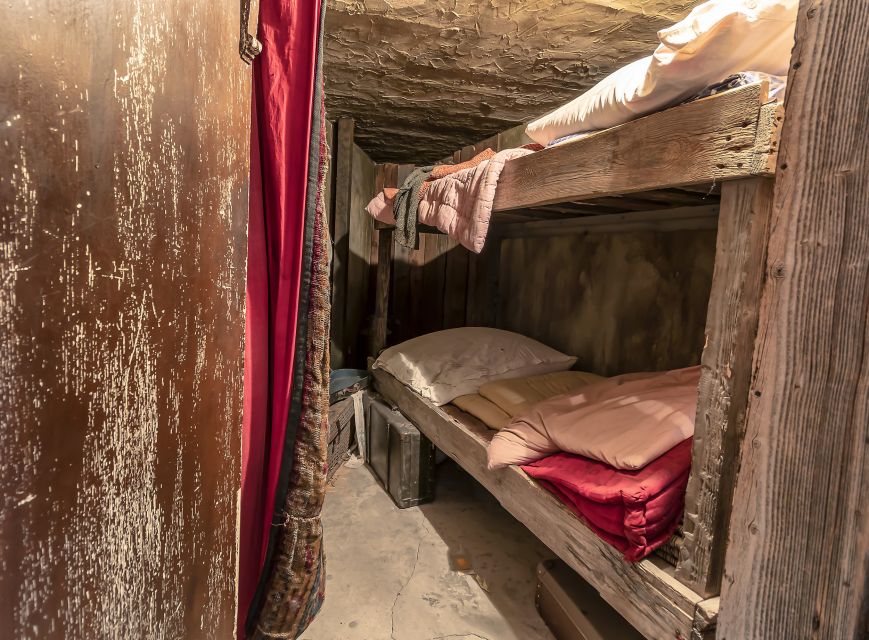
You encounter the experience of Krakow’s Jewish population, the formation of the ghetto, and the ways Nazi rule reshaped the city. The material is presented through photographs, written accounts, visual displays, and recreated settings. The museum’s layout guides you through the period rather than leaving you with a loose collection of war memorabilia.
I like the way the exhibition moves beyond dates and military movements. You get a sense of how occupation reached into homes and streets. Personal dramas sit beside the larger political story, helping you understand that the period was lived one day at a time by people who had to make painful choices with very little control over events.
The museum is also concerned with Polish life under occupation, not just the Schindler story. One of its most useful qualities is this broader view of the Polish Jewish community and the city around it.
Some displays require patience. There is a lot of text, and a ticket-only visit can feel reading-heavy. English wording is not always easy to read, with some text set very low and some dark lettering placed against a dark background. If you have poor eyesight, take your time and expect to bend down for certain panels.
Oskar Schindler’s office and the Survivor’s Ark
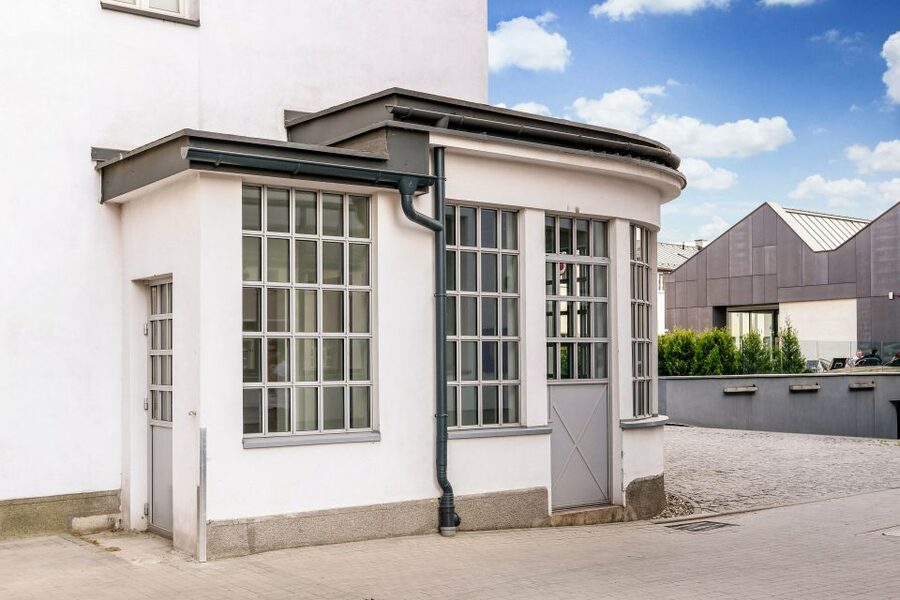
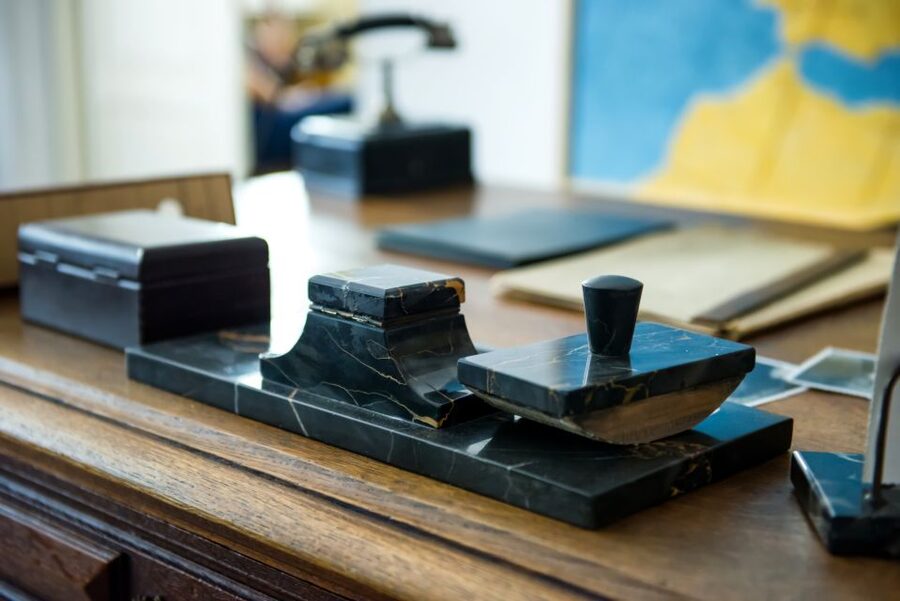
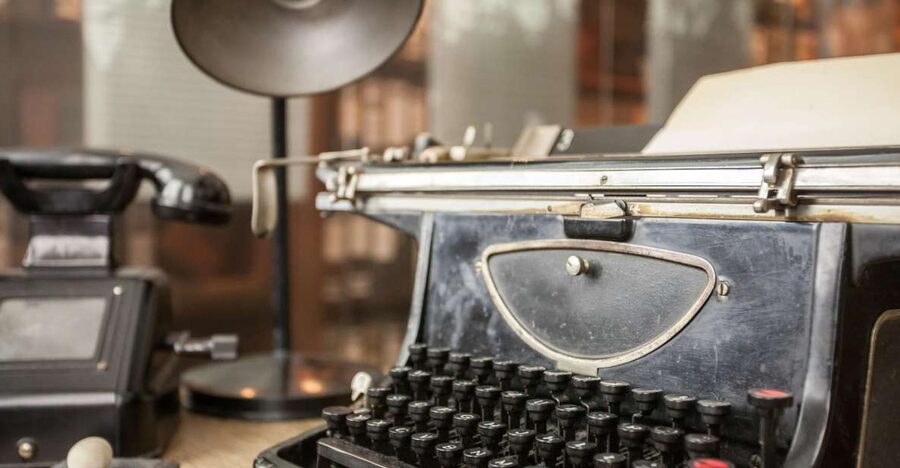
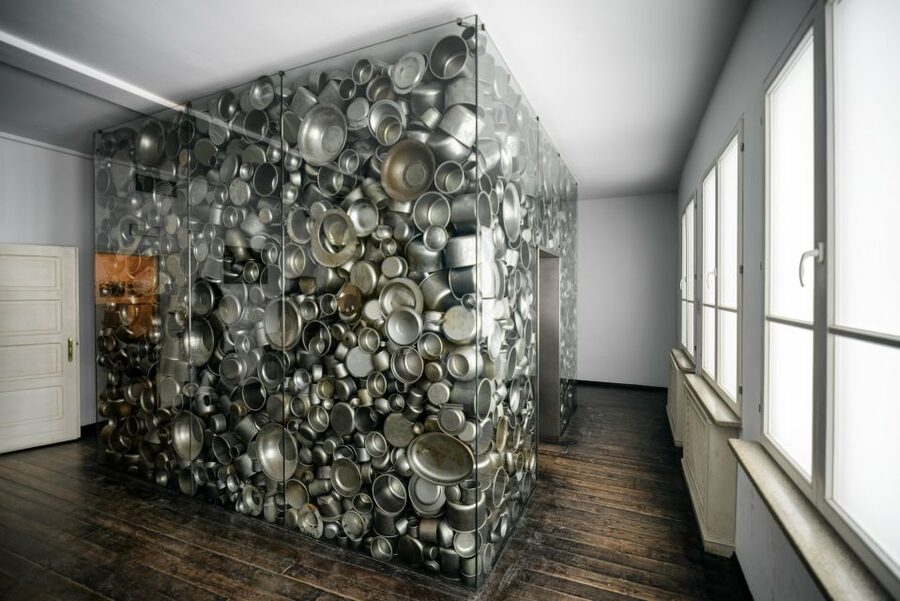
The visit includes Schindler’s personal office, one of the clearest links between the museum and the man made famous by film. You also see the symbolic Survivor’s Ark, an important visual reminder of the lives saved through Schindler’s efforts.
These spaces are meaningful because they connect an individual workplace with the enormous human cost of the occupation. The office is not presented as a grand celebrity room. Its value comes from the questions it raises about power, risk, money, and moral choice.
You should keep your expectations realistic. This is not a preserved factory tour filled with enamelware equipment and active production rooms. The museum is primarily an exhibition about Krakow during the war. One visitor wanted to see more of the factory setting, and that is a reasonable criticism if you arrive expecting an industrial museum.
For me, the wider exhibition is the reason to come. The factory gives the visit its physical anchor, while the stories inside explain why this address matters.
A few more in Krakow
- From Krakow: Auschwitz-Birkenau Guided Tour & Hotel Pickup
★ 4.5 · 33,358 reviews - From Krakow: Auschwitz-Birkenau Guided Tour & Hotel Pickup
★ 4.5 · 29,340 reviews - Krakow: Auschwitz Guided Tour with Optional Hotel Pickup
★ 4.5 · 15,280 reviews - Krakow–Zakopane: Cable Car, Chocholow Baths, Cheese & Vodka
★ 5.0 · 10,720 reviews
Why a guide changes the experience

The guided option is the better choice for most first-time visitors. A strong guide can summarise dense information, point out details you might pass, and explain how separate events fit together.
The best praise has gone to guides who tell personal stories rather than simply reciting labels. Tom and Thomas are repeatedly described as engaging and passionate, while Navia is praised for her welcoming manner and clear storytelling. Some guides have also brought family experiences into their explanations, including stories connected with grandparents.
That personal touch can make the museum easier to follow. A guide can tell you where to look, explain unfamiliar names and terms, and keep the group moving at a sensible pace. Amelia, who chose a guided visit, found the storytelling so affecting that she struggled to hold back tears. That gives you a fair idea of the emotional weight involved.
Guiding quality may vary by date and assigned guide, so I would not book solely for a particular person. Still, the repeated praise for the guiding option is striking. People who entered without a guide often wished they had chosen one because of the amount of reading.
A guide is especially useful if:
- You have limited background knowledge about the occupation.
- You prefer listening to a clear narrative instead of reading every panel.
- You want personal stories and local context.
- You are visiting with family members who may lose focus in a text-heavy museum.
- You want the main story within about two hours.
Independent entry can work well if you already know the Holocaust and the wartime history of Poland. One visitor who had watched Schindler’s List, read Schindler’s Ark, and studied the Holocaust felt comfortable exploring alone. You can move at your own pace and pause where you wish.
The trade-off is clear: self-guided entry gives you freedom, while a guide gives you structure and interpretation.
A realistic 90-minute to two-hour itinerary

Plan your visit in stages rather than expecting to see everything in a quick half-hour stop.
First, allow time for arrival and entry. Find the correct meeting point or open the ticket message on your phone. Have your physical ID ready. Guided groups may be organised outside, with names and time slots checked before entry.
Next, follow the main exhibition through occupied Krakow. This is where most of your time goes. Read the displays, study the photographs, and pay attention to the personal accounts. If you have a guide, listen for the details that connect the museum rooms with the wider events of the occupation.
Then, spend time with Schindler’s office and the Survivor’s Ark. These are the most direct links to the factory’s famous story. They work best after you have learned about the people and circumstances surrounding Schindler’s actions.
Finally, pause before leaving. The visit can feel compressed if you hurry from room to room. Some people finish in about 90 minutes, while guided visits often last close to two hours. If you are interested in the subject, you may wish you had more time to read after the guide finishes.
A small coffee shop and gift shop are available after the visit. They give you a place to sit and process what you have seen, though do not treat the museum as a casual café stop.
What to do nearby afterward
The museum is not isolated from the rest of Krakow’s wartime story. The former ghetto wall and Ghetto Heroes Square are only a few minutes away on foot.
That makes the factory a good part of a wider half-day focused on wartime Krakow. You can use the museum first to understand the events, then walk to the nearby places where those events shaped the city.
I would avoid packing too many unrelated sights into the same period. The subject deserves attention, and the displays can be emotionally demanding. A nearby café or a quiet break after the museum may be more useful than rushing directly to another major attraction.
Is $25 good value?
At about $25 per person, this is not the cheapest museum ticket in Krakow. The value depends on which version you choose.
The ticket-only option mainly buys convenience. If the queue is long, avoiding it can save a meaningful part of your day. It also gives you a confirmed entry time, which matters when your Krakow schedule is tight.
The guided option costs more in practical terms, but it may be the better bargain. The exhibition contains a large amount of information, and several independent visitors found that a guide helped them understand and remember more. One visitor specifically felt the guided price was worthwhile compared with the normal museum entry cost.
You should compare the price with the official museum website before booking. Direct advance tickets may be cheaper, while this option can be useful when you want assistance, a particular time, or a simple third-party booking process. Buying on the day may be possible, but you risk a long queue and a sold-out time.
I would choose the ticket-only option for an informed, independent museum visitor. For most people making a special trip to Schindler’s Factory, I would spend the extra for guiding.
Who should book this experience?

This visit suits you if you want to understand Krakow beyond its medieval square and handsome churches. It is particularly worthwhile for anyone interested in World War II, the Holocaust, Polish Jewish life, or the moral choices people faced under Nazi rule.
It also suits film fans, provided you arrive with the right expectations. Schindler’s List provides a useful emotional entry point, but the museum is not a movie attraction. The story is broader, more documentary, and more focused on Krakow’s people.
Families with older children may find the guided option easier to follow. The subject matter is serious, and parents should decide in advance if it suits their children.
You may want to skip the guide if you dislike fixed pacing or prefer to read every panel yourself. You may want to skip the experience entirely if you are looking for a preserved industrial building rather than a war museum.
The site is wheelchair accessible. The only required item specifically noted for entry is a physical passport or ID card.
Should you book Schindler’s Factory?
Yes, I would book it, especially if you have only a few days in Krakow. The museum gives you a clear, personal account of the city’s wartime experience, and the skip-the-line entry protects your limited sightseeing time.
Choose the guided option if you want the strongest experience. Guides such as Tom, Thomas, and Navia have been praised for warmth, clarity, and personal insight, though group size can sometimes feel large.
Choose ticket-only entry if you already understand the period and want to read at your own pace. Either way, bring your physical ID, confirm the ticket delivery details, and allow close to two hours. Pair the visit with Ghetto Heroes Square and the remaining ghetto wall nearby, and Schindler’s Factory becomes more than a famous address. It becomes a way to understand what happened to the people of Krakow.
FAQ
How much does the Schindler’s Factory ticket cost?
The listed price is $25 per person. The final value depends on whether you select ticket-only entry or a guided option.
How long does the visit take?
The stated duration is 90 minutes to two hours. Guided visits often take about two hours, while independent entry can be shorter or longer depending on how much you read.
Does the ticket skip the museum queue?
Yes. The ticket includes skip-the-line entry, allowing you to avoid the line to buy a ticket at the museum.
Is a guide included?
A live guide is included only if you select the guided option. The ticket-only option does not include a guide.
How will I receive a ticket-only entry ticket?
The activity provider sends the ticket by email or WhatsApp, usually the day before the visit. Enter the correct contact details when booking.
Do I need a passport or identity card?
Yes. You must bring a physical passport or ID card, as it is required to enter the exhibition.
Where is the meeting point?
The meeting point can vary according to the option booked. If you choose a guided visit, your guide provides the tickets at the meeting point.
Is the museum wheelchair accessible?
Yes. The activity is listed as wheelchair accessible.
Can I see Oskar Schindler’s office?
Yes. The visit includes Schindler’s personal office and the symbolic Survivor’s Ark.
Is the visit mainly about the film Schindler’s List?
No. The museum uses Schindler and his factory as an important part of the story, but the exhibition mainly explains life in Krakow under Nazi occupation and the experiences of the city’s Jewish community.
Just added in Krakow
- Auschwitz-Birkenau – Skip the Line Tickets★ 3.5 · 29 reviews
- Auschwitz-Birkenau: Fast-Track Ticket & Guided Tour No Transfers★ 3.5 · 17 reviews
- Zakopane & Sleigh Ride with Bonfire – Group Tour from Kraków★ 5.0 · 2 reviews
- Sleigh Ride & Bonfire in Zakopane with Funicular – Private Trip★ 5.0 · 48 reviews
- Thermal Baths & Zakopane – Private Trip from Krakow★ 5.0 · 1 review
- Zakopane & Gubalowka Funicular – Private Winter Tour from Krakow★ 5.0 · 10 reviews
- Divine Mercy Sanctuary – Private Tour from Krakow★ 5.0 · 4 reviews
- stag dog chase Krakow prank★ 5.0 · 4 reviews