
REVIEW · SCHINDLER'S FACTORY TOURS
Krakow: Schindler’s Factory & Ghetto Guided Tour
History hits hard here. I like the way this three-hour tour links Schindler’s Factory with the former Jewish ghetto, rather than treating the museum as a stand-alone attraction. I also like the guides’ careful storytelling, especially the work of Alexandra, Phil, Joanna, Alicja, and Eva, who are repeatedly praised for making difficult material clear and personal.
The main drawback is pace. You may get more explanation than quiet viewing time, particularly in a group of about 20 people and inside the museum’s narrow rooms. If you like to read every caption, study every photograph, and take plenty of pictures, you may want extra time at the museum before or after the tour.
In This Review
- Key points to know before you book
- Why this three-hour route works so well
- Entering Schindler’s Enamel Factory
- What the museum explains beyond Schindler
- Narrow rooms, headsets, and the museum pace
- Following the remaining Kraków Ghetto wall
- Ghetto Heroes Square and the Chair Memorial
- The Under the Eagle Pharmacy
- The guides make the difficult material manageable
- Who should book this tour?
- Is $57 a fair price?
- Should you book Schindler’s Factory and the Ghetto walk?
- FAQ
- How long does the Schindler’s Factory and Ghetto tour last?
- What is included in the price?
- Is hotel pickup included?
- How do I find the guide?
- Does the museum still contain original factory machinery?
- Which languages are available?
- What happens if I arrive late?
- Can I cancel the booking?
Key points to know before you book
- The factory is now a museum, not a working factory: You will not see original machinery or a functioning enamel plant.
- The museum tells Kraków’s wartime story: Schindler is important, but the exhibition also follows Jewish and non-Jewish residents under Nazi occupation.
- The ghetto walk adds essential context: You visit the surviving ghetto wall, Ghetto Heroes Square, and the Under the Eagle Pharmacy.
- The Chair Memorial is the emotional center: Empty chairs recall the people forced from the ghetto during deportations.
- Guides are the tour’s strongest feature: A good guide helps you make sense of a dense exhibition that can otherwise feel overwhelming.
- Plan for a serious, partly outdoor experience: The subject is painful, and the walking section continues in rain or cold.
Why this three-hour route works so well
Schindler’s Factory and the Kraków Ghetto are closely linked by location and story. Seeing both in one outing gives you a clearer sense of how Nazi occupation changed the city, not just how one famous German industrialist acted during the war.
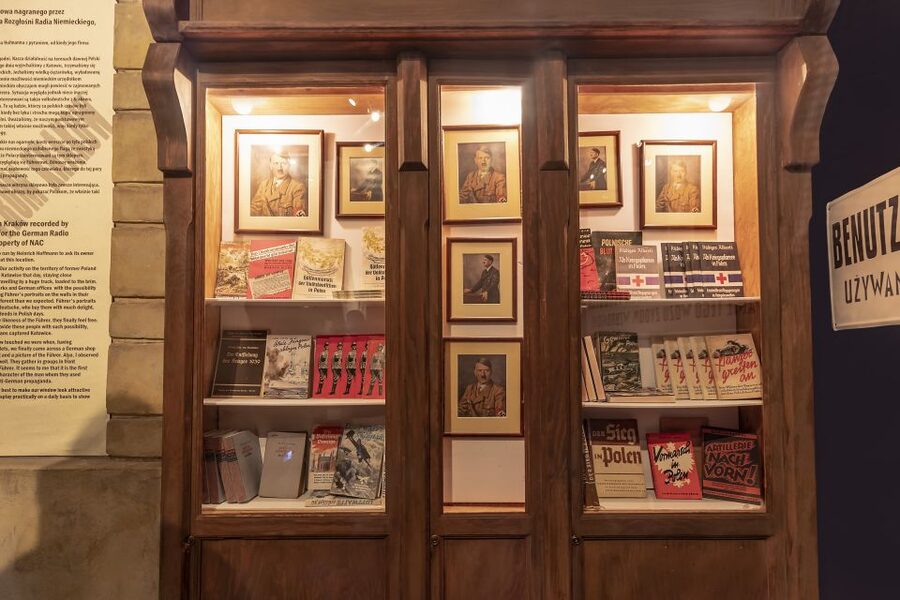
The museum provides the broad picture. The walk then takes you into Podgórze, the district where Kraków’s Jewish residents were confined. You move from photographs, documents, uniforms, toys, weapons, and reconstructed rooms to the actual streets and surviving traces of the ghetto.
That order matters. Inside the museum, you learn the political and social setting. Outside, you see the physical limits of that policy. The result is more meaningful than a simple visit built around the film Schindler’s List or the biography of Oskar Schindler.
The activity costs about $57 per person. That is not a bargain basement museum ticket, but the price includes guided admission, a live guide, skip-the-line entry to Schindler’s Factory, and the ghetto walk. For a first visit to Kraków, I think the combination offers fair value, especially if you want the complicated parts explained instead of merely reading labels on your own.
You should also know that this is not a light sightseeing stop. The material includes persecution, deportation, family separation, and the destruction of Kraków’s Jewish community. Give yourself some quiet time afterward. This is not the sort of tour to squeeze between lunch and a cheerful evening concert.
More Schindler Factory tours:
- Krakow: Oskar Schindler’s Factory Entry Ticket & Guided Tour
★ 4.2 · 3,793 reviews - Krakow: Schindler’s Factory Tour with Entrance Ticket
★ 4.5 · 3,182 reviews - Krakow: Schindler’s Factory Skip-the-Line Ticket
★ 4.4 · 3,105 reviews
Entering Schindler’s Enamel Factory
The meeting point is in front of the main entrance to Schindler’s Factory Museum, on the right-hand side. Your guide holds an excursions.city sign, so look for that rather than wandering around the surrounding buildings trying to guess which group is yours.
Arrive 10 minutes early. This is important. Once the group has left, late arrivals cannot join, and the ticket cannot be refunded. The tour includes skip-the-line admission, but that does not mean you can arrive at the last second and expect the group to wait.
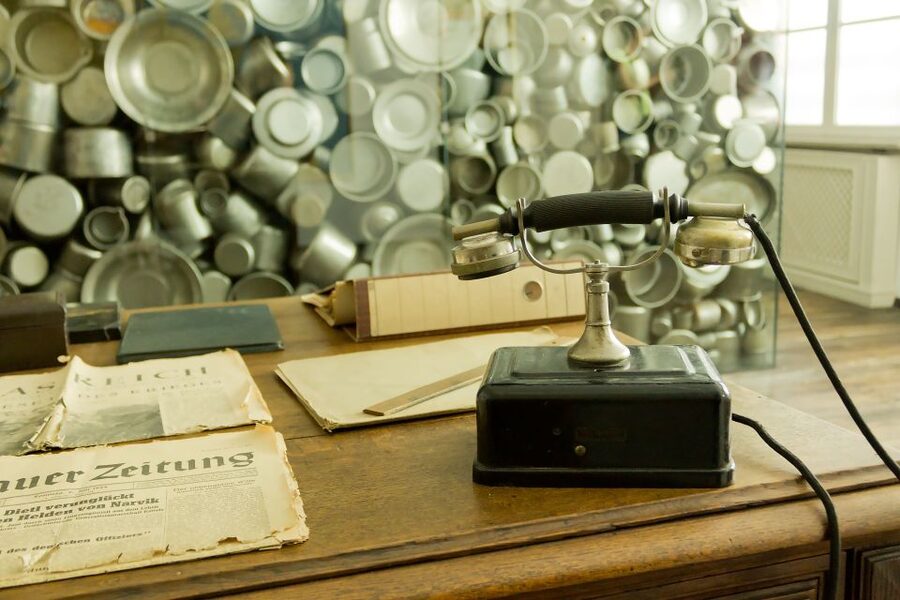
The building once housed Oskar Schindler’s enamel factory. Today, it is a museum devoted to the exhibition Kraków under Nazi Occupation 1939 to 1945. You should adjust your expectations before arriving: there is no original factory machinery on display.
That detail matters because the name can suggest an industrial museum. This is really an occupation museum housed in a former factory. Schindler’s workplace gives the visit its setting and its connection to the wartime story, but the main subject is the city and its people.
The exhibition is arranged as an experience rather than a simple line of display cases. Narrow passages and dim rooms create a feeling of pressure and confinement. That design can help you understand the atmosphere of wartime Kraków, though it also means the museum may feel intense and physically crowded when several groups are moving through it.
What the museum explains beyond Schindler
Oskar Schindler is at the center of the title, but he is not the entire subject. The exhibition places his actions beside the wider system of Nazi persecution, forced labor, deportation, and murder.
You learn how the occupation affected Jewish residents and also how Polish residents were controlled. This broader view is one of the museum’s strengths. It prevents the story from becoming a simple tale of one heroic man rescuing people from an otherwise unexplained crisis.
Schindler employed more than a thousand Jewish workers and used his factory as a place of protection for them. The guide explains this within the larger setting of the Kraków Ghetto and the campaign against the city’s Jewish population.
That balance is especially useful if your main knowledge comes from the film. The museum gives you more local detail and shows how everyday life changed under German rule. You see how families, jobs, schools, shops, and neighborhoods were caught up in events far larger than themselves.
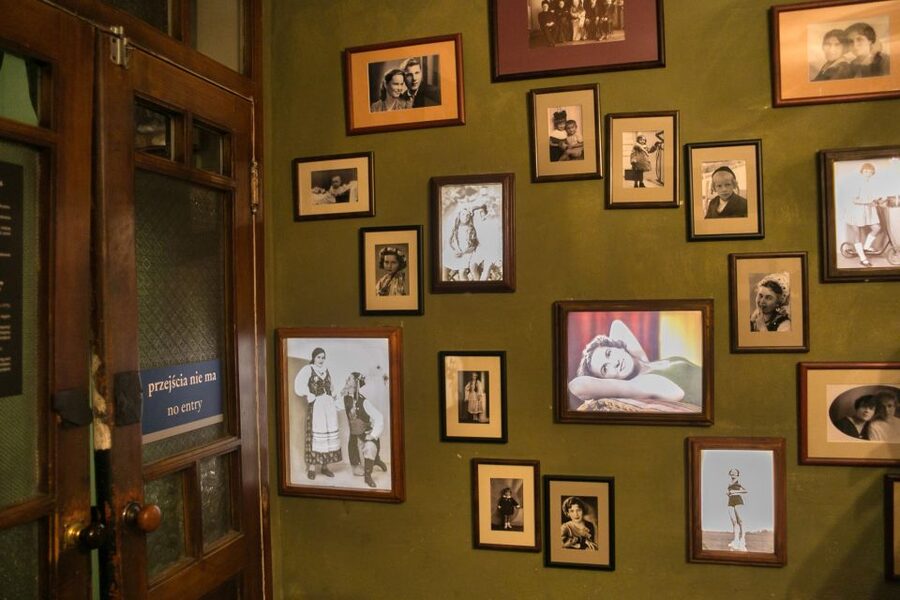
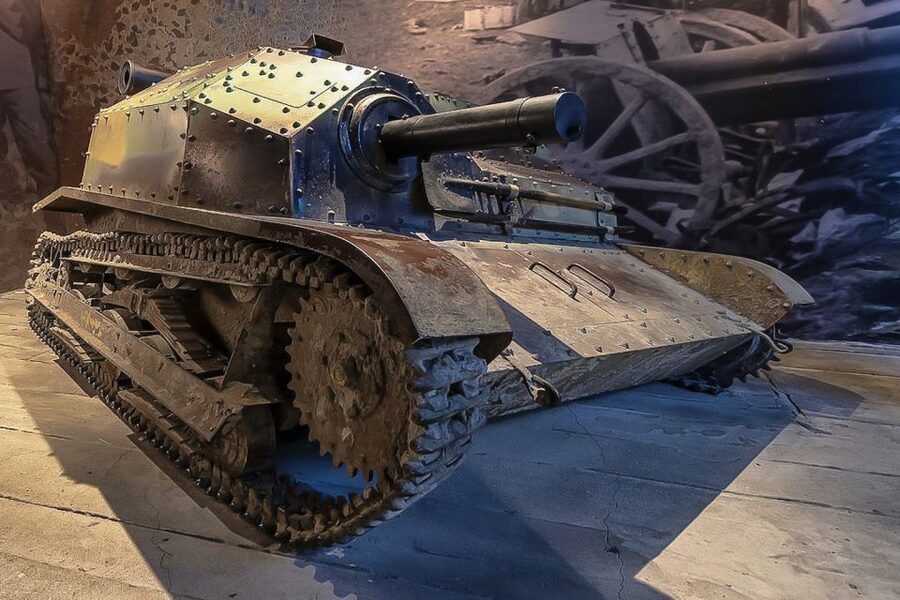
Original photographs, documents, objects, and recreated interiors help keep the story grounded. You might see personal items such as toys alongside military clothing, flags, and other objects connected with occupation. These details make the material less abstract. A date on a wall is easy to pass. A child’s possession or family photograph asks you to stop.
A guide is very helpful here. The exhibition contains a great deal of text and information. A strong guide selects the important details, explains how they fit together, and keeps the group moving without turning the visit into a blur of dates.
Phil has been praised for presenting the subject with both precision and feeling. Alexandra is noted for explaining the displays clearly and managing a large group in tight rooms. Other guides, including Joanna, Alicja, Eva, Helena, and Alice, are described as engaging, passionate, and easy to understand.
Guide quality can vary on any group tour, but the consistent strength here is the level of preparation expected from the guides. They are not simply pointing at objects and reciting labels. The best guides connect the museum to the streets you will visit next.
Narrow rooms, headsets, and the museum pace
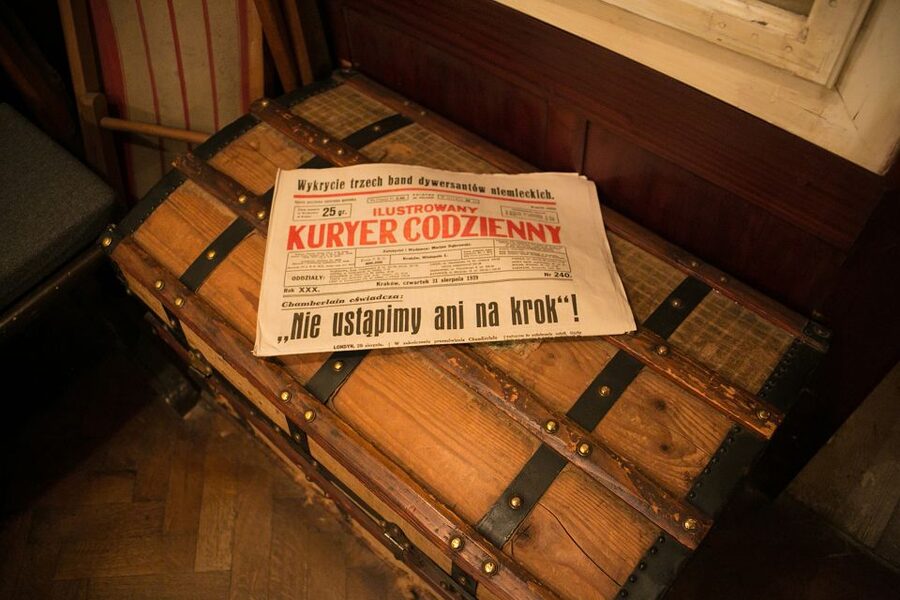
The museum’s design is part of the message, but it can affect how you enjoy the visit. Several rooms are narrow, and a group of around 20 people may not fit comfortably around every display.
Some guides use headsets or a closed-loop microphone system. This is a real help. You can hear the explanation without straining, even when the group is spread through a room or standing near other tours.
The trade-off is limited personal time. You may want to stop and read a full panel, but the group needs to continue. A few people have found the pace too quick, especially when another group is close behind.
I would book the guided option if your priority is understanding the main story. I would visit independently, or return later, if you want to inspect every caption and photograph at leisure. One sensible plan is to use the tour for structure and context, then return to the museum on another day if time allows.
There is often a short break between the museum and the walking section. It gives you a chance to use the toilet, get a hot drink, and reset before going outside. In cold months, that pause is welcome.
More Jewish heritage tours in Krakow:
- Krakow: Jewish Quarter and Former Ghetto Tour
★ 4.9 · 1,441 reviews - Krakow: Bike Tour of Old Town, Jewish Quarter and the Ghetto
★ 4.9 · 1,155 reviews - Krakow: Kazimierz Jewish Quarter Walking Tour
★ 4.8 · 571 reviews - Krakow: Kazimierz, Schindler’s Factory & Ghetto Guided Tour
★ 4.8 · 460 reviews
Following the remaining Kraków Ghetto wall
After the museum, the tour continues on foot through the former Kraków Ghetto. The first major stop is a surviving section of the ghetto wall.
The wall is not a grand monument. That is part of its power. It is a plain, physical reminder that the ghetto was a controlled enclosure, not merely a neighborhood where people happened to live.
At the museum, you hear about regulations and persecution. At the wall, you see how confinement was built into the city. The guide helps you picture the boundary and explains what it meant for the people trapped behind it.
The walk also points out buildings connected with ghetto life and wartime use. You are not simply being led from one famous photo spot to another. The aim is to show how ordinary streets became part of a system of separation and fear.
This section is outdoors, so weather affects the experience. The tour runs in rain or shine. Wear suitable shoes and bring layers in colder months. A night tour can be especially atmospheric, but darkness makes it harder to see the surrounding streets and buildings clearly. If you want to examine the area itself, a morning or afternoon start is the better choice.
Ghetto Heroes Square and the Chair Memorial
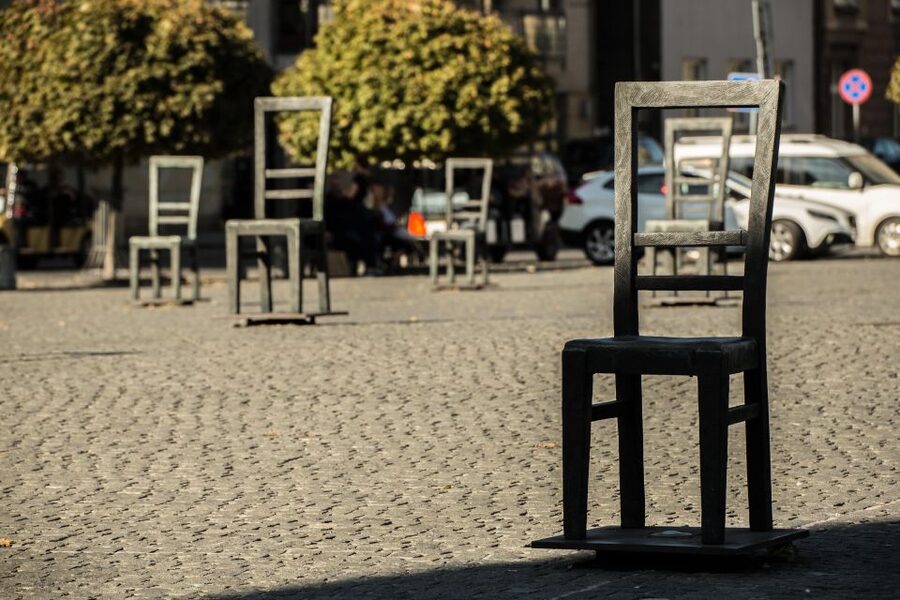
Ghetto Heroes Square is the emotional focus of the walking tour. During the occupation, deportations to extermination camps took place here. Today, the square is marked by the Chair Memorial.
The empty chairs are simple and difficult to forget. Each one represents a life lost. The memorial avoids clutter and grand language. You look across the open square and see a field of absence.
A guide can add the context that the chairs alone cannot provide. You learn why the square mattered and how deportation became part of the daily reality of the ghetto. The stop is brief compared with the museum, but it often carries the greatest emotional weight.
This is also where the tour’s movement from indoor display to real place pays off. You have already seen images and objects. Now you are standing in a public space where people were gathered and forced away. The history feels less remote.
Do not expect a cheerful photo stop. The memorial deserves quiet attention, and the tour’s tone remains respectful.
The Under the Eagle Pharmacy
Across from the square is the Under the Eagle Pharmacy, associated with Tadeusz Pankiewicz and his staff. The pharmacy continued operating during the ghetto period and became a place where residents could receive medicine, information, and practical help.
The story adds another layer to the tour. It shows that resistance was not always a dramatic act with a clear beginning and end. Sometimes it meant keeping a business open, protecting people, preserving medicine, and offering a small measure of hope under dangerous conditions.
The pharmacy also helps you understand the role of local places in the ghetto. A shop, office, or pharmacy could become far more important when residents were cut off from normal services and exposed to constant danger.
The exact amount of time at this stop depends on the guide and the group. If you want to visit the pharmacy interiors at length, check the separate admission arrangements before booking, because this activity includes the walking tour and the museum entrance, not food, drinks, or hotel transfers.
The guides make the difficult material manageable
The most highly praised part of this experience is the guiding. That is not surprising. Schindler’s Factory contains a great deal to absorb, and the ghetto walk works best when someone explains what you are seeing.
Phil is repeatedly described as warm, precise, and able to make the subject personal without losing historical balance. Alexandra is praised for clear explanations and for handling a larger group in cramped museum spaces. Joanna is noted for her engaging manner and strong command of the subject.
Other guides have been appreciated for speaking clear English, offering excellent Italian, answering questions, and connecting the wartime story to Kraków’s wider history. That last point is worth noting. You learn far more than Schindler’s personal story. You learn about the city, its Jewish community, German occupation, and the pressures placed on Polish residents.
The best guides also leave room for questions. This matters because the subject raises moral issues that cannot be reduced to a list of dates. What could people do? What choices were possible? How did ordinary workers and neighbors respond?
A guide cannot remove the sadness of the subject, but a good one can keep the tour from becoming confusing or sensational. That is where this experience earns much of its price.
Who should book this tour?
I would recommend it to first-time visitors who want a clear introduction to Kraków during World War II. It suits you if you prefer a guide to explain a dense museum, connect indoor displays with real locations, and keep the story moving.
It is also a good choice if you have only a short stay. In three hours, you cover the museum, the ghetto wall, Ghetto Heroes Square, the Chair Memorial, and the Under the Eagle Pharmacy area.
You may prefer a self-guided visit if you read slowly, take many photographs, or dislike moving with a group. The museum contains enough material for a longer visit, and several people have wished for more time with the displays.
The tour is less suitable for anyone seeking a light or entertaining activity. The subject is painful, the atmosphere is deliberately confined, and the outdoor section can be tiring after nearly two hours inside the museum.
The language choice is important. Group tours operate in one language only, so select English, Italian, French, Spanish, or German when booking. Do not assume you can switch between languages once the tour begins.
Is $57 a fair price?
At $57, I see this as a reasonable guided experience rather than a cheap attraction. You are paying for admission, a guide, skip-the-line access, and a second walking tour that would be easy to misunderstand without local context.
The value depends on how you use it. If you want a quick look at the building and a few famous Schindler references, the price may feel high. If you want the city’s wartime story explained in a connected way, the cost is easier to justify.
The tour can also save planning time. You do not need to work out which ghetto sites belong together or research every surviving building before arrival. The guide supplies the structure.
Flexible booking helps too. You can cancel up to 24 hours before the start for a full refund, and reserve now while paying later. Times can be approximate, particularly from January 1, 2026, because museum and site schedules may change. Names of all participants may also be required for personalized museum tickets, and missing names can result in denied entry.
Should you book Schindler’s Factory and the Ghetto walk?
Book it if you want context, not just a famous name. The museum is not a factory machinery display, and the tour is not a film-location stroll. It is a serious look at wartime Kraków, with Schindler’s actions placed beside the suffering of the Jewish community and the wider occupation.
Choose a daytime start if seeing the streets and buildings matters to you. Arrive early, wear good shoes, bring layers, and expect a brisk pace. If you want to read everything, plan a separate museum visit.
For most visitors with limited time, I think the guided combination is worth booking. The museum gives you the facts, and the ghetto walk gives those facts a place in the real city. Just come prepared to listen, think, and give the experience the attention it deserves.
FAQ
How long does the Schindler’s Factory and Ghetto tour last?
The tour lasts three hours. It includes the museum visit and a walking tour through the former Kraków Ghetto.
What is included in the price?
The price includes a live guide, skip-the-line admission to Schindler’s Factory, and the walking tour of the Kraków Ghetto.
Is hotel pickup included?
No. Hotel pickup and drop-off are not included. You meet the guide in front of the main entrance to Schindler’s Factory Museum, on the right-hand side.
How do I find the guide?
Look for the guide holding an excursions.city sign in front of the museum’s main entrance, on the right-hand side.
Does the museum still contain original factory machinery?
No. The building was once Schindler’s factory, but it is now a museum and does not contain the original machinery.
Which languages are available?
The tour is offered in English, Italian, French, Spanish, and German. Each group tour operates in one language, which you select when booking.
What happens if I arrive late?
You should arrive 10 minutes before the start. Once the group has departed, latecomers cannot join, and the ticket cannot be refunded.
Can I cancel the booking?
Yes. You can cancel up to 24 hours in advance for a full refund. You can also reserve the activity and pay later, subject to the booking terms.
Just added in Krakow
- Auschwitz-Birkenau – Skip the Line Tickets★ 3.5 · 29 reviews
- Auschwitz-Birkenau: Fast-Track Ticket & Guided Tour No Transfers★ 3.5 · 17 reviews
- Zakopane & Sleigh Ride with Bonfire – Group Tour from Kraków★ 5.0 · 2 reviews
- Sleigh Ride & Bonfire in Zakopane with Funicular – Private Trip★ 5.0 · 48 reviews
- Thermal Baths & Zakopane – Private Trip from Krakow★ 5.0 · 1 review
- Zakopane & Gubalowka Funicular – Private Winter Tour from Krakow★ 5.0 · 10 reviews
- Divine Mercy Sanctuary – Private Tour from Krakow★ 5.0 · 4 reviews
- stag dog chase Krakow prank★ 5.0 · 4 reviews