
REVIEW · SCHINDLER'S FACTORY TOURS
Schindler’s Factory, Ghetto and Plaszow Camp Guided Tour
Krakow’s wartime story is best read on foot. This five-hour tour links the interactive Schindler Factory Museum with the Jewish Ghetto and the former Płaszów camp, giving you both museum context and real city streets. I like the included museum admission, and I like that the route explains everyday life, not only military events. The main guide is in English, and the tour returns to its starting point.
I especially value the chance to see surviving sections of the Jewish Ghetto wall and the buildings where displaced Jewish people once lived. I also like the strong personal side of the guiding, with Paulina praised for being friendly and informative. The drawback is the pace: five hours on foot, with a tram ride and outdoor stops, may feel demanding if you want a lighter museum visit.
In This Review
- Key points to know before you book
- Why this five-hour route matters
- Starting at Schindler’s Factory Museum
- Krakow’s Jewish Ghetto, seen through surviving traces
- Reaching the former Kraków-Płaszów camp
- The guide can make or break the experience
- Is $75 a fair price?
- What the five-hour schedule feels like
- Who should choose this tour?
- Practical advice for a more thoughtful visit
- Should you book the Schindler’s Factory and Płaszów tour?
- FAQ
- How long does the tour last?
- What is included in the price?
- Is the tram ticket included?
- Is food or drink included?
- What language is the tour conducted in?
- Where does the tour start?
- Where does the tour end?
- What should I bring?
Key points to know before you book
- The museum and outdoor sites work together: You begin with Schindler’s Factory, then connect its story to the former ghetto and Płaszów.
- A guide adds the human scale: The focus includes housing, displacement, and daily life in occupied Krakow.
- The Jewish Ghetto wall still survives in sections: These fragments make the boundaries of the former ghetto easier to understand.
- Płaszów is a serious outdoor stop: Comfortable shoes and clothing suited to the weather matter.
- The $75 price includes the museum ticket: You still need to budget about 4 PLN for the tram, plus any food or drink.
- Paulina received special praise: Her friendly, clear approach is a good sign for anyone who wants help making sense of difficult history.
Why this five-hour route matters
Schindler’s Factory, the Jewish Ghetto, and Płaszów are close enough to connect in one outing, but they tell different parts of Krakow’s wartime story. The museum gives you a structured introduction. The ghetto area shows where people were forced to live. Płaszów brings you to the site of a former concentration camp.
That order makes sense. I prefer tours that do not treat a museum as an isolated attraction, and this one puts the exhibits into the city around you. You can first learn about occupation and displacement, then see traces of those events outdoors.
The experience is also useful if you are visiting Krakow with limited time. Five hours is a sizeable part of a day, but it covers several places that would otherwise require separate planning. You do not need to arrange your own museum ticket, guide, or route between the main stops.
At the same time, this is not a casual city walk. The subject is painful, and the tour asks you to move between a museum and former sites of confinement, displacement, and mass suffering. I would choose it for serious historical interest, not as a quick add-on between lunch and sightseeing.
More Schindler Factory tours:
- Krakow: Oskar Schindler’s Factory Entry Ticket & Guided Tour
★ 4.2 · 3,793 reviews - Krakow: Schindler’s Factory Tour with Entrance Ticket
★ 4.5 · 3,182 reviews - Krakow: Schindler’s Factory Skip-the-Line Ticket
★ 4.4 · 3,105 reviews
Starting at Schindler’s Factory Museum
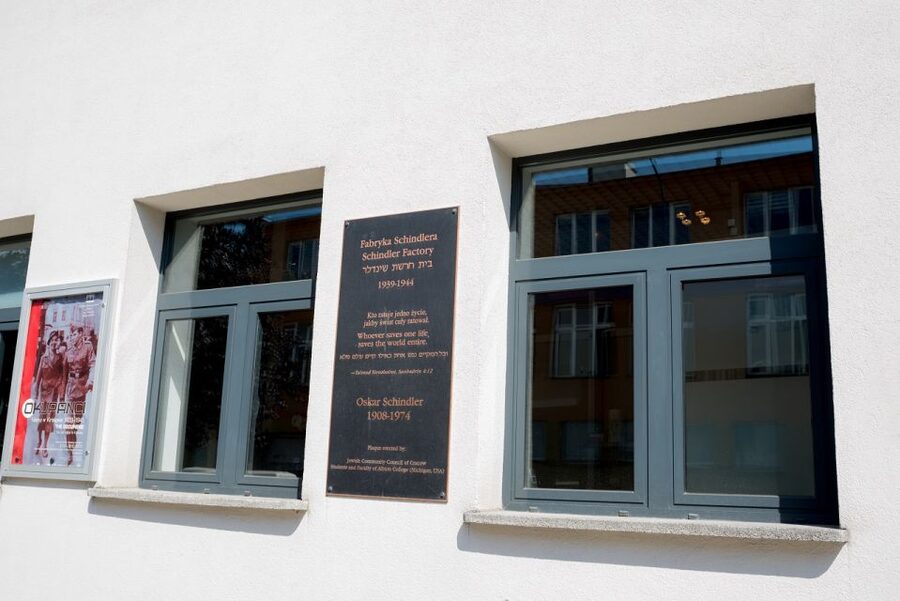
You meet the guide in front of the entrance to Oskar Schindler’s Enamel Factory Museum. Look for the guide holding an excursions.city sign. Since the exact start times depend on availability, check the schedule before booking and allow enough time to reach the entrance without rushing.
The admission ticket is included. That matters at a popular museum because you do not have to arrive and then deal with buying entry on the day. The tour also includes skip-the-ticket-line access, so the guide can begin the visit with the group rather than sending you off to sort out admission.
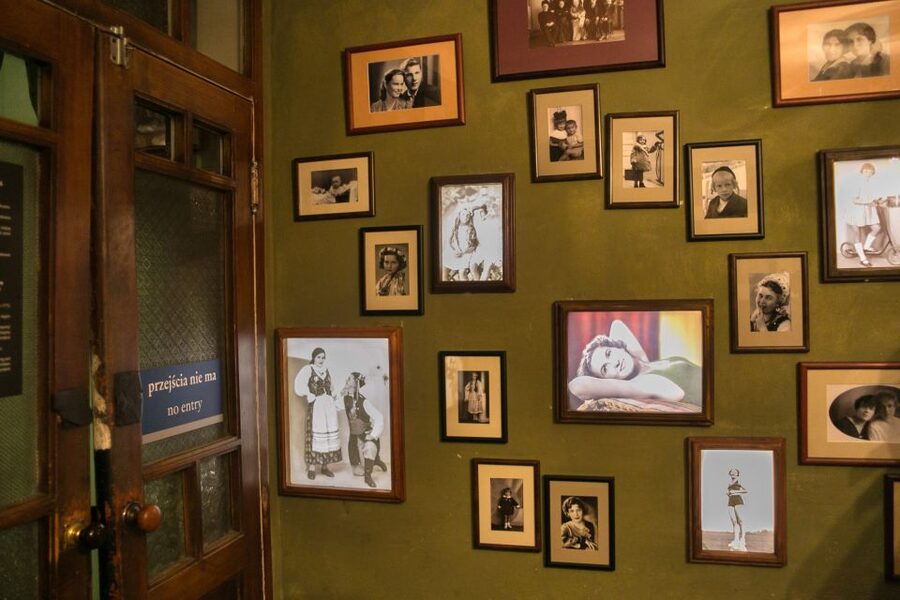
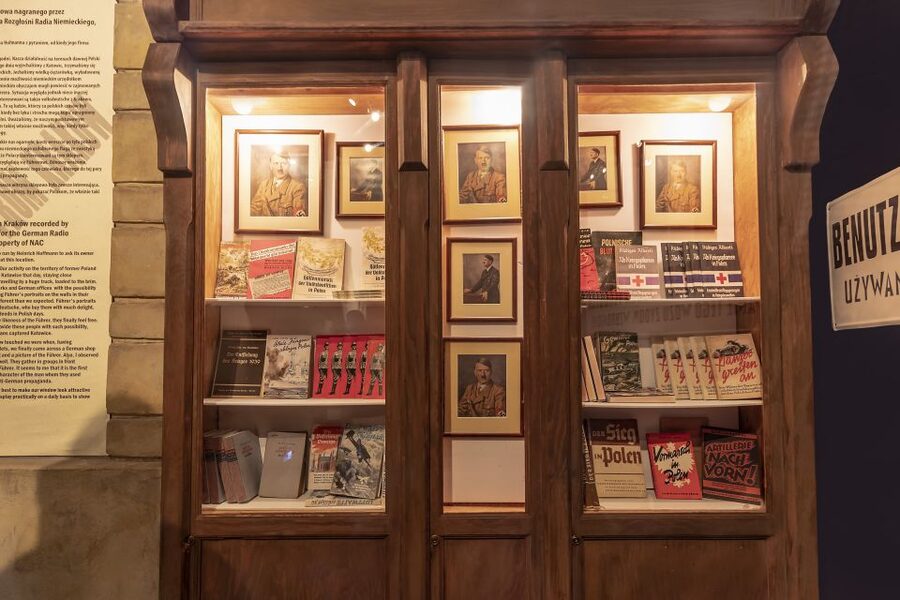
The museum is described as interactive, which makes it more than a simple display of objects and dates. You can expect the guide to explain the history of Schindler’s Factory while taking you through exhibitions about Krakow under occupation and the experience of the Jewish population.
The name Schindler is widely known because of the wartime story connected with his factory, but the tour places attention on more than one individual. That broader view is one of the strongest reasons to visit with a guide. You are not only following a famous name. You are learning how occupation changed the lives of Krakow’s residents.
I would give the museum your full attention. The outdoor stops are important, but the museum provides the framework that helps those later places make sense. Without that context, a piece of wall or an ordinary-looking building can be easy to overlook.
Krakow’s Jewish Ghetto, seen through surviving traces
After the museum, the tour turns toward the Jewish Ghetto and its surroundings. Here, the emphasis shifts from exhibitions to streets, buildings, and physical boundaries.
You will see remaining pieces of the wall that surrounded the Jewish Ghetto. These fragments are not a complete structure, but that is part of their power. A small surviving section can show how a forced boundary once cut through the city, making the idea of confinement more concrete than a paragraph in a museum panel.
The route also passes buildings where thousands of displaced Jewish people lived. The buildings may look ordinary today, and that contrast is exactly why a guide helps. You need someone to point out what happened in these spaces and explain how displacement affected daily life.
This part of the tour is likely to be especially useful if you want more than a general account of World War II in Poland. The focus is local and specific: Krakow, its Jewish residents, the ghetto, and the changes imposed on the city during the occupation.
I would expect this section to be emotionally heavy rather than visually dramatic. There is no promise of a large monument at every stop. Instead, the value comes from linking modest physical remains with the lives that were disrupted there.
That also means you should be ready to listen. The buildings and wall fragments cannot tell the full story on their own. The quality of the explanation matters greatly, and the feedback about Paulina points to one guide who made this part clear, friendly, and informative.
Reaching the former Kraków-Płaszów camp
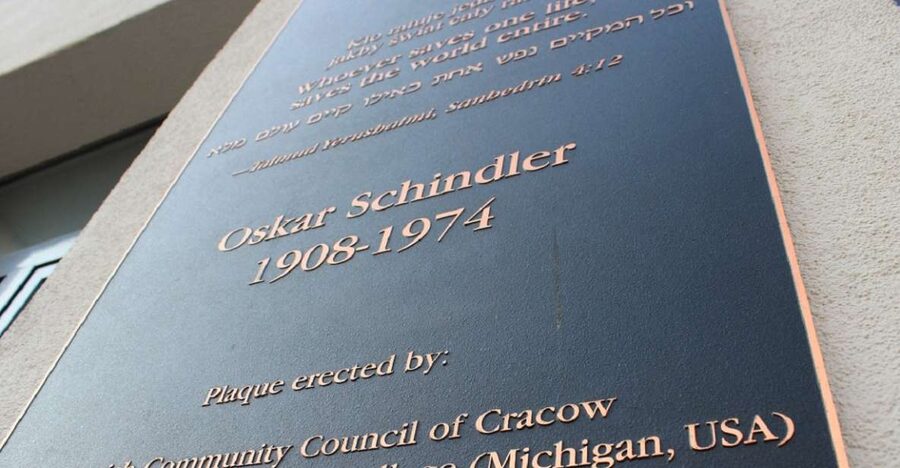
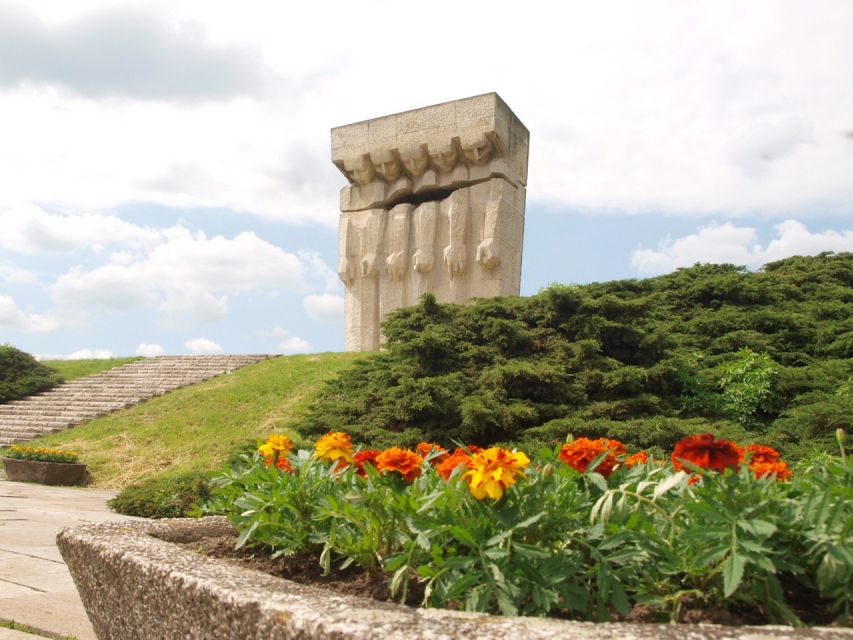
The tour continues to the former Kraków-Płaszów concentration camp. This is the most significant outdoor stop and one of the reasons the experience takes five hours rather than ending at the museum.
Płaszów adds another layer to the story of Krakow’s Jewish population during the war. After learning about the ghetto and seeing where people were forced to live, you move to a former camp site connected to the wider system of persecution and imprisonment.
The guide’s role is especially important here. One person specifically praised the Płaszów guide for explaining everything accurately and being very nice. That detail matters because former camp sites can be difficult to understand from the remaining surroundings alone. Clear explanation helps you read the place with care.
Do not expect the same kind of presentation you get inside the museum. Płaszów is an outdoor historical site, so the experience depends on walking, listening, and paying attention to the setting. Weather can affect the visit, and comfortable shoes are essential. Wear clothing suited to the conditions rather than dressing only for Krakow’s city center.
This stop may not suit anyone looking for a light or entertaining afternoon. It is serious, reflective, and tied to some of the darkest events in the city’s history. I see that as a reason to visit, but you should consider your own energy and interests before booking.
More Jewish heritage tours in Krakow:
- Krakow: Schindler’s Factory & Ghetto Guided Tour
★ 4.7 · 1,694 reviews - Krakow: Jewish Quarter and Former Ghetto Tour
★ 4.9 · 1,441 reviews - Krakow: Bike Tour of Old Town, Jewish Quarter and the Ghetto
★ 4.9 · 1,155 reviews - Krakow: Kazimierz Jewish Quarter Walking Tour
★ 4.8 · 571 reviews
The guide can make or break the experience
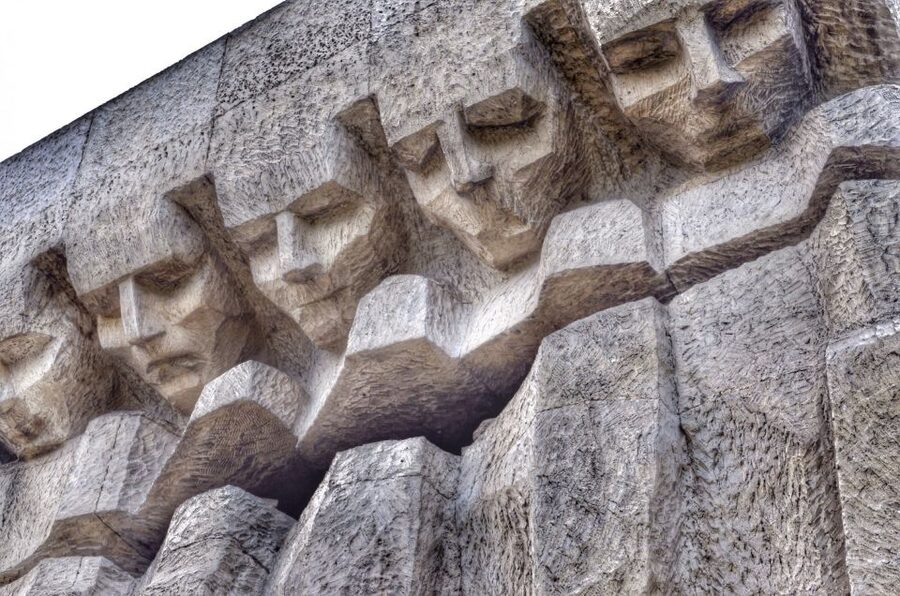
A five-hour history tour needs more than facts. You are spending much of the day with one guide, moving through places where the context is not always obvious. The guide needs to keep the story organized and explain why each stop matters.
The feedback points strongly toward the guiding as a strength. Paulina is singled out as friendly and informative, and the guide at Płaszów is praised for explaining the site accurately. Another short comment gives the guides top marks. Those comments suggest that the human side of the tour is a major part of its appeal.
I would choose this experience if you want to ask questions and have the story explained as you go. A self-guided visit may cost less, but it leaves you to connect the museum, ghetto, and camp yourself. Here, those connections are built into the route.
The language is English, so you should be comfortable following a live explanation in English for several hours. The information provided does not state the group size, so you should not book expecting either a private tour or a specific small-group format.
Is $75 a fair price?
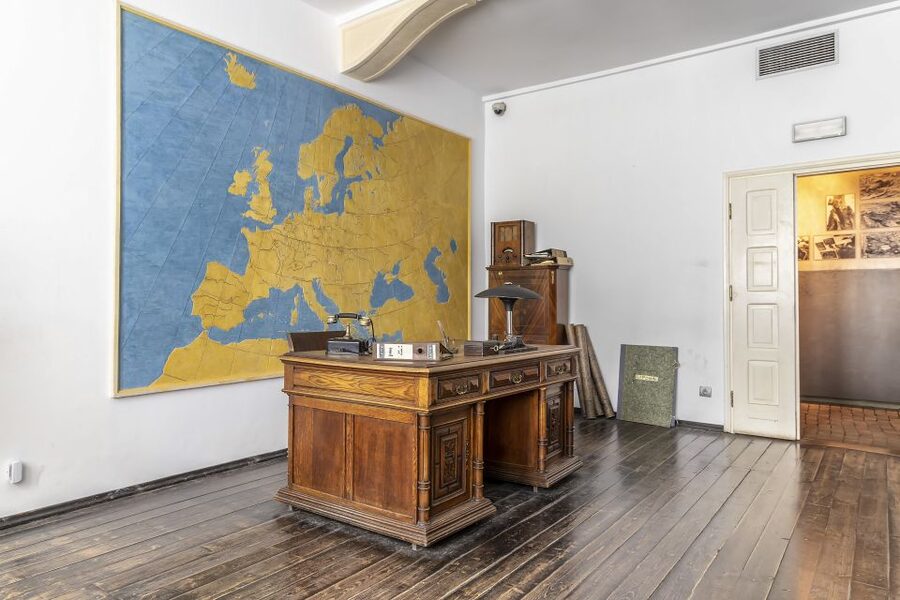
At $75 per person, this is not the cheapest way to see Schindler’s Factory. The value depends on how much help you want with the history and how useful you find the linked outdoor visits.
The price includes a professional guide and admission to Schindler Factory Museum. That removes two practical tasks and gives you a planned route through several important sites. If you would otherwise pay for museum entry, find your own way between locations, and arrange separate explanations, the package becomes easier to justify.
You should also add about 4 PLN for the tram. Food and drinks are not included, so bring money or plan around the five-hour schedule. The tour’s return to the original meeting point makes the day easier to manage, but you still need to account for the time spent away from other Krakow plans.
For me, the best value is not the ticket alone. It is the connection between indoor displays and outdoor places. If you are happy to read the museum exhibits yourself and visit the ghetto remains independently, $75 may feel high. If you want one guided route that puts all three parts together, the price is more reasonable.
What the five-hour schedule feels like
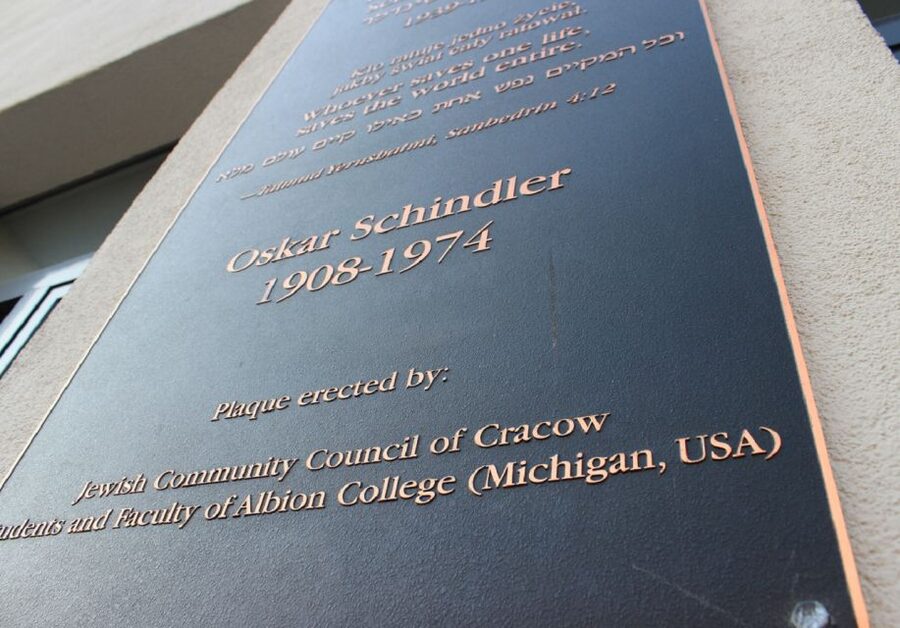
Five hours gives the tour room to cover the museum, ghetto area, transport, and Płaszów without reducing everything to a quick photo stop. It also means you should keep the rest of your day flexible.
The exact starting times vary, so check availability before making dinner plans or booking another timed attraction. I would avoid placing a second major museum visit immediately afterward. The subject matter requires attention, and the outdoor walking adds physical effort.
The included tram ride is not covered by the price, and the stated cost is about 4 PLN. That is a small extra expense, but it is worth knowing in advance so you are not surprised during the route.
Wear comfortable shoes. This advice is more important here than on a standard museum visit because the itinerary includes outdoor walking and a former camp site. Weather-appropriate clothing is also essential. Krakow’s conditions can change, and there is no reason to make a difficult subject harder by being cold, wet, or uncomfortable.
The activity ends back at the meeting point in front of Schindler’s Factory Museum. That gives you a clear finish and makes it simpler to continue sightseeing in the area or return to your accommodation.
Who should choose this tour?
I would recommend it to you if you want a guided introduction to Krakow’s wartime history and prefer a connected route rather than several separate visits. It is a good fit for first-time visitors who want the main context explained clearly.
It also suits you if you learn best from places. Seeing the ghetto wall, passing the former residential buildings, and visiting Płaszów gives physical shape to events that can otherwise remain abstract.
The tour may be less suitable if you dislike fixed schedules or prefer to explore museums at your own speed. The five-hour duration is substantial, and the group will follow the guide’s timing. It may also be too heavy for anyone looking for a relaxed sightseeing day.
Families and school-age children may respond differently depending on their age and interest in history. The supplied information does not give a recommended minimum age, so use your judgment. I would explain beforehand that the tour covers persecution, displacement, and a former concentration camp.
Practical advice for a more thoughtful visit
Arrive at the museum entrance with time to spare. The meeting point is specific, the guide carries an excursions.city sign, and finding the group calmly is better than arriving after the museum portion has started.
Bring comfortable footwear, weather-appropriate clothing, and a small amount of cash for the tram. Since food and drinks are excluded, consider eating before the tour or carrying something suitable for the schedule.
Keep your expectations focused. This is not simply a Schindler-themed museum visit. The museum is only the first part of a wider route about Krakow’s occupation, the Jewish Ghetto, and Płaszów.
The tour offers free cancellation up to 24 hours before the start time, and you can reserve now and pay later. Those terms help if your Krakow schedule is still changing, but you should still check the selected time and meeting details carefully.
Should you book the Schindler’s Factory and Płaszów tour?
Book it if you want the museum, Jewish Ghetto, and Płaszów explained as one connected story. The included museum ticket, return to the starting point, and strong praise for guides such as Paulina make it a practical choice for a serious half-day in Krakow.
Skip it if you want a short museum visit, dislike outdoor walking, or prefer to set your own pace. At $75, the tour earns its price through the guide and the wider route, not simply through museum admission.
For most history-minded visitors, I think the five-hour format is worthwhile. Go with comfortable shoes, allow time for the tram, and arrive ready for a thoughtful rather than easygoing afternoon.
FAQ
How long does the tour last?
The tour lasts five hours. Starting times vary, so you need to check availability when booking.
What is included in the price?
The price includes a professional guide and the entrance ticket to Schindler Factory Museum.
Is the tram ticket included?
No. The tram ticket is not included and costs about 4 PLN.
Is food or drink included?
No. Food and drinks are not included in the tour price.
What language is the tour conducted in?
The live guided tour is conducted in English.
Where does the tour start?
You meet in front of the entrance to Oskar Schindler’s Enamel Factory Museum. The guide will hold an excursions.city sign.
Where does the tour end?
The activity ends back at the original meeting point at Schindler Factory Museum.
What should I bring?
Bring comfortable shoes and clothing suitable for the weather. You should also plan for the separate tram fare.
Just added in Krakow
- Auschwitz-Birkenau – Skip the Line Tickets★ 3.5 · 29 reviews
- Auschwitz-Birkenau: Fast-Track Ticket & Guided Tour No Transfers★ 3.5 · 17 reviews
- Zakopane & Sleigh Ride with Bonfire – Group Tour from Kraków★ 5.0 · 2 reviews
- Sleigh Ride & Bonfire in Zakopane with Funicular – Private Trip★ 5.0 · 48 reviews
- Thermal Baths & Zakopane – Private Trip from Krakow★ 5.0 · 1 review
- Zakopane & Gubalowka Funicular – Private Winter Tour from Krakow★ 5.0 · 10 reviews
- Divine Mercy Sanctuary – Private Tour from Krakow★ 5.0 · 4 reviews
- stag dog chase Krakow prank★ 5.0 · 4 reviews