
REVIEW · SCHINDLER'S FACTORY TOURS
Schindler’s Factory and Jewish Ghetto Walking Tour in Kraków
Some places ask for your full attention. Kraków’s Schindler’s Factory and Jewish Ghetto tour combines a powerful museum visit with a guided walk through the former ghetto district. I like the prebooked museum entry and the way guides connect photographs, personal stories, and surviving sites. I also like that the route goes beyond the famous film and explores the lives of Jewish and Polish residents under Nazi occupation.
The main consideration is expectation. This is not a tour of a working factory with original machinery. The building now houses the exhibition Kraków under Nazi Occupation 1939 to 1945, and its narrow rooms can feel crowded when several groups are inside. The walking section is moving and useful, though some people may find the pace brisk.
In This Review
- Key points to know before booking
- Why this Kraków tour works as a two-part experience
- Inside Schindler’s Factory Museum
- What to expect from the narrow museum galleries
- Schindler’s role, presented with the wider wartime story
- Walking to the surviving ghetto wall
- Ghetto Heroes Square and the Chair Memorial
- Under the Eagle Pharmacy, included or extra?
- Is $58.81 good value?
- Who will appreciate this experience most?
- Booking tips that can prevent problems
- My verdict: book it for context, not machinery
- FAQ
- How long does the Schindler’s Factory and Jewish Ghetto tour last?
- Is admission to Schindler’s Factory Museum included?
- Is admission to the Under the Eagle Pharmacy included?
- Where does the tour begin and end?
- Is the tour available in English?
- How large can the group be?
- What happens if I arrive late?
Key points to know before booking
- The museum is a World War II exhibition first: Oskar Schindler is central, but the galleries cover Kraków under Nazi occupation more broadly.
- Prebooked entry saves effort: Your museum admission is included, so you do not need to arrange a separate ticket.
- The walking route adds physical context: You visit a surviving ghetto wall fragment, Ghetto Heroes Square, and the former Under the Eagle Pharmacy.
- Guides make a major difference: Phil, Magdalena, Joanna, Alicja, and Ela are among the guides who have led this experience.
- Expect a small, tight museum layout: Narrow passageways and crowded galleries may make it hard to keep the whole group together.
- The tour costs $58.81 per person: That is fair if you value guided interpretation, but less compelling if you prefer to explore museums independently.
Why this Kraków tour works as a two-part experience
The strength of this outing is its structure. You begin inside Schindler’s former enamel factory, where the museum explains the occupation of Kraków through rooms, objects, photographs, and reconstructed settings. You then walk through Podgórze, the district where the Jewish ghetto once existed.
That order matters. Inside the museum, you receive the broad picture: the German occupation, the changing rules imposed on Jewish residents, and the pressure placed on everyone trying to survive. Outside, you see the few remaining physical traces and learn how ordinary streets became places of confinement, fear, and deportation.
I like this combination because the second half gives the museum material a physical setting. A photograph or map can feel distant. Reaching a fragment of the ghetto wall or standing in Ghetto Heroes Square makes the subject more immediate.
The advertised duration is about three hours. In practice, the exact timing can shift because of museum scheduling, group movement, and the amount of discussion. One reported outing lasted closer to four hours, so avoid booking a tight appointment immediately afterward.
More Walking Tours in Kraków
- Old Town Krakow & Wawel Castle Walking Tour
★ 5.0 · 1,508 reviews - Creepy Krakow: 2-Hour City Walking Tour
★ 4.7 · 1,131 reviews - Krakow: The Old Town Walking Tour
★ 4.8 · 794 reviews
Inside Schindler’s Factory Museum
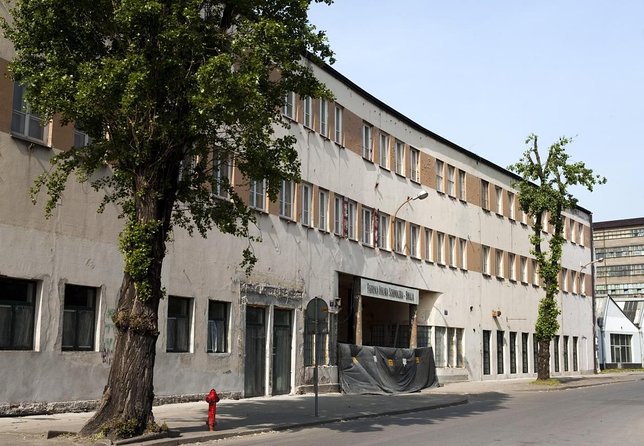
The tour begins at Lipowa 4, at the former enamel factory associated with Oskar Schindler. Prebooked admission is included, which is useful at a museum that attracts strong demand. The ticket is personalized, so you must provide the full names of everyone in your party when booking.
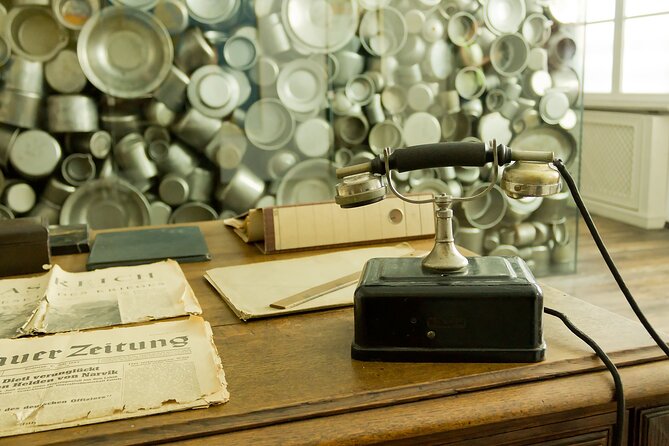
The building itself is historic, but the experience is not a factory-floor tour. You will not see the original production equipment. Instead, the museum presents Kraków under Nazi Occupation 1939 to 1945, using the factory as the setting for a larger account of the city during the war.
That distinction is important. If you arrive expecting rooms filled with enamel pots, machinery, and a detailed account of Schindler’s business, you may feel let down. The exhibition gives Schindler an important place, but much of the visit concerns the occupation, the ghetto, forced labor, persecution, and the daily uncertainty faced by Kraków’s residents.
A guide helps you sort through the material. The exhibition contains many photographs, objects, signs, and reconstructions. Without direction, it would be easy to read a great deal without understanding how the pieces fit together. A good guide points out the key displays, explains the timeline, and adds the human stories behind the objects.
Several guides have been specifically associated with strong tours. Phil has led both the museum visit and the ghetto walk, while Magdalena has used personal family stories and research to add emotional weight to the interpretation. Joanna, Alicja, Agnestia, and Ela have also led tours praised for clear explanations and a thoughtful approach.
The best guides do not reduce the visit to dates and names. Alicja, for example, has been described as encouraging visitors to consider events from the point of view of the people living through them. That approach suits this museum. The subject needs facts, but it also needs care and restraint.
Headsets may be provided so you can hear the guide among other groups. They help, especially in crowded galleries, but they cannot solve every problem. The rooms are often tight, and it may be difficult for all 25 people to stand in front of the same display.
What to expect from the narrow museum galleries
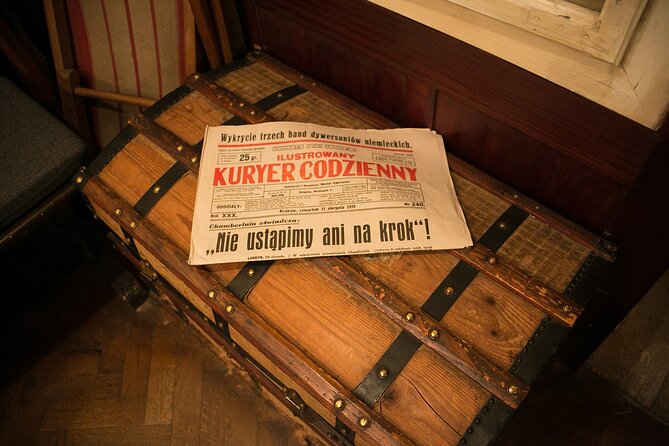
The museum uses an immersive layout, with narrow passageways and rooms designed to reflect the atmosphere of Kraków during the occupation. This can make the visit more affecting, but it is not the easiest setting for a large guided group.
You may find yourself moving through small spaces while other groups pass nearby. At busy times, listening closely and seeing every object can require patience. One poor experience involved a guide speaking too quickly and a group struggling to gather around the displays.
That is a fair warning. A guide can explain the material, but the museum itself controls the space. If you have difficulty hearing, stay near the guide and ask for clarification when needed. The group limit is 25 people, which is not huge, but it is still large for narrow rooms.
The upside is that a guide keeps the visit moving. You are less likely to spend too long on minor displays and miss the main story. One strong feature of this format is the way the tour moves through different periods of the occupation, rather than presenting disconnected wartime facts.
Allow about 90 minutes for the museum portion. The exact length may change, but this is the heart of the experience and deserves your full attention.
Schindler’s role, presented with the wider wartime story
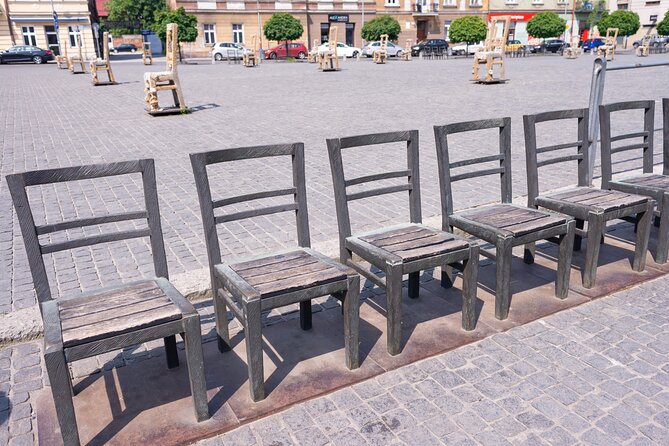
The museum explains how Schindler employed Jewish workers and used his position, money, and influence to protect more than a thousand people from deportation. Those people are often called Schindlerjuden, or Schindler’s Jews.
His story offers a rare thread of courage and hope, but the exhibition does not treat it as the whole story. That is one of the tour’s strengths and also one of its possible drawbacks.
The strength is that you see Schindler’s actions within the system around him. The occupation, restrictions, forced labor, ghetto life, and deportations provide the setting for understanding what his decisions meant. The drawback is that you may leave knowing more about Kraków during the war than about Schindler’s factory itself.
If your main goal is an exhaustive biography of Schindler, this may not satisfy you. If you want to understand why his actions mattered, and how they affected the people he employed, the museum gives you a stronger foundation.
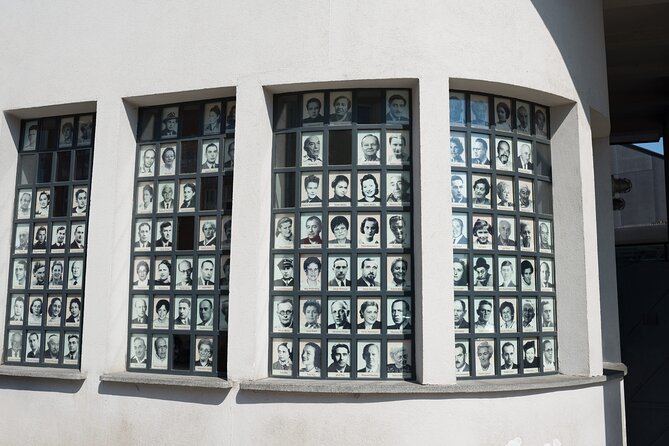
The stories of those he helped are especially important. Photographs and personal belongings can make the subject feel individual rather than abstract. A guide who brings these details together can turn a large historical tragedy into a series of human choices, fears, and acts of courage.
More Schindler Factory tours:
- Krakow: Oskar Schindler’s Factory Entry Ticket & Guided Tour
★ 4.2 · 3,793 reviews - Krakow: Schindler’s Factory Tour with Entrance Ticket
★ 4.5 · 3,182 reviews - Krakow: Schindler’s Factory Skip-the-Line Ticket
★ 4.4 · 3,105 reviews - Krakow: Schindler’s Factory Tour with Entrance Ticket
★ 4.6 · 1,737 reviews
Walking to the surviving ghetto wall
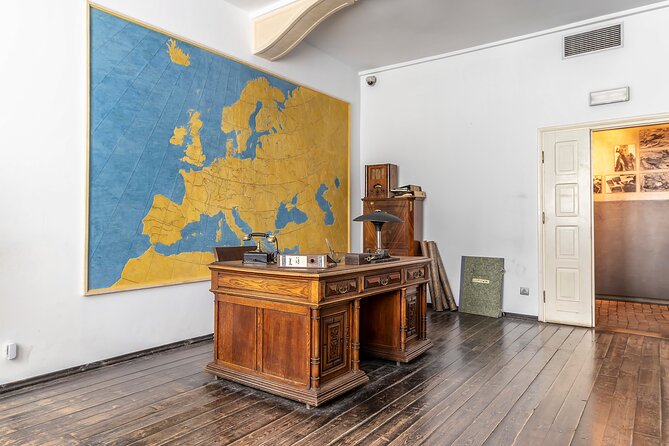
After the museum, the tour moves outdoors into the former Kraków Ghetto. This is not a preserved historic district with streets frozen in their wartime appearance. Much of the original ghetto is gone, and modern Kraków surrounds the remaining sites.
The first major stop is a preserved fragment of the ghetto wall. It is a modest physical remnant, but its meaning is enormous. The wall represented forced separation and confinement, and its remaining section gives you a direct reminder that this was not simply a boundary on a map.
The route continues toward Józefińska 41. This address once held an orphanage, welfare offices, and a hospital, all essential services within the ghetto. Learning what these buildings were used for helps you picture the pressures of daily life behind the walls.
The outdoor portion lasts roughly 30 minutes at this stop, though the pace can vary. You will be walking on city streets, so good footwear matters. The route is not a gentle museum stroll from one display to another. You need to keep an eye on the guide and remain with the group.
Because some parts of the former ghetto have disappeared, photographs are valuable. Guides may use historic images to show what once occupied a particular location. This method can help you picture buildings and streets that no longer survive.
Ghetto Heroes Square and the Chair Memorial
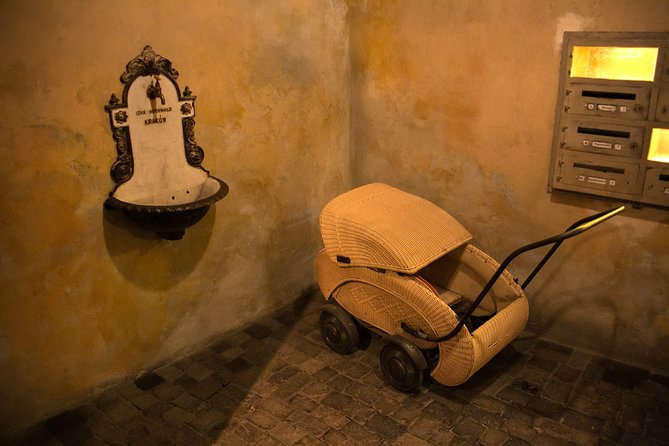
The next stop is Ghetto Heroes Square, now marked by the Chair Memorial. The empty chairs recall the people who were forced from their homes and deported. It is a simple design, but the open space and repeated chairs create a strong sense of absence.
The guide explains how the square became a place where Jewish residents were rounded up before deportation to concentration camps. That knowledge changes how you see the square. It is not only a public space in modern Kraków. It was also a place of terror, waiting, separation, and loss.
The stop lasts about 20 minutes. That may sound brief, but it is enough time for the guide to explain the site and for you to take in the memorial without turning the moment into a rushed photo stop.
The square is one of the most affecting parts of the walk because it links a modern memorial with the actions that took place there. The museum presents the wider story. Here, the setting is open, public, and quiet enough for the meaning to settle.
Under the Eagle Pharmacy, included or extra?
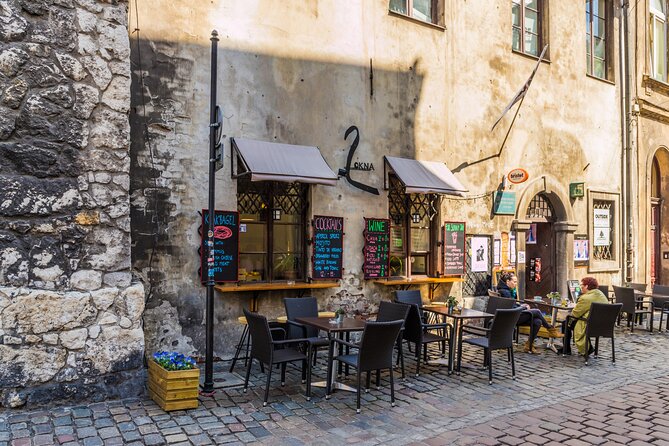
The final stop is the Under the Eagle Pharmacy, at Plac Bohaterów Getta 18. The pharmacy was run by Tadeusz Pankiewicz, who and whose staff risked their safety to help Jewish residents with medicine, shelter, and support.
This site adds another example of individual courage. Schindler’s story is not the only account of people using their position to help others. The pharmacy shows how aid could take place in a far smaller, more immediate setting.
The tour ends outside the pharmacy. Admission to the pharmacy museum is not included, so check the arrangements if you want to enter the interior. The guided explanation still gives the stop value, but you should not assume that the museum visit is part of the package price.
The ending location is useful for continuing your day in Podgórze. It also means the tour does not return you to the factory. Plan your route from Plac Bohaterów Getta rather than assuming a round-trip walk.
Is $58.81 good value?
At $58.81 per person, this is not the cheapest way to see Schindler’s Factory Museum. The price includes prebooked entry and roughly three hours with a licensed guide, plus the outdoor walk through the former ghetto.
I consider that reasonable if you want the main story explained in English and prefer not to plan the museum and historic sites yourself. The guide is particularly useful because the exhibition contains a large amount of material, while the outdoor route includes locations that can be difficult to interpret without context.
The value is weaker if you are comfortable researching the occupation and reading museum displays independently. It is also weaker if your main interest is the physical factory rather than Kraków’s wartime experience.
The included museum ticket is the main practical benefit. The Under the Eagle Pharmacy is not included, so account for that if you want to go inside. The group can contain up to 25 people, which keeps the cost below that of a private tour but may reduce personal attention.
Who will appreciate this experience most?
I would choose this tour for a first visit to Kraków if World War II history is important to you. It gives you a clear introduction before you visit other sites connected with the Holocaust, including Auschwitz, if that is part of your plans.
It also suits families with older children and teenagers who benefit from stories, photographs, and a guide’s explanation rather than a long series of museum labels. The subject is painful, so parents should decide how much detail is suitable for their children.
You should be comfortable walking outdoors for part of the tour and standing in narrow museum rooms. Wear suitable shoes and dress for the forecast, since the tour runs in all weather.
This may not be the right choice if you want a slow, private visit or a detailed technical study of enamel production. A self-guided museum visit gives you more control over pace and space. This guided option gives you more structure and context.
Booking tips that can prevent problems
Arrive at least 10 minutes before the scheduled start. Once the group enters, late arrivals cannot be accommodated, and the museum ticket is non-refundable in that situation.
Choose English when booking, since each group tour is conducted in one language. Provide the complete names of all participants because the museum issues personalized tickets, and missing names may lead to denied entry.
The requested start time is not guaranteed. Museum scheduling can change the final meeting time, so check the confirmed details rather than relying only on your preferred choice.
You can cancel for a full refund up to 24 hours before the experience begins. Changes or cancellations made inside that 24-hour window are not accepted for a refund.
My verdict: book it for context, not machinery
I recommend this tour if you want a guided account of Kraków under Nazi occupation, with Schindler’s actions placed inside the wider story. The strongest features are the museum interpretation, the link between indoor exhibits and real city locations, and guides who use photographs and personal stories to make vanished places easier to picture.
Book it with realistic expectations. You are visiting a museum in Schindler’s former factory, not touring an intact production plant. The galleries may be crowded, the guide may need to speak quickly to keep the group moving, and the outdoor section can feel brisk.
At $58.81, I think the experience earns its price for a first-time visit, especially if you want English commentary and prearranged entry. If you prefer quiet, detailed independent museum visits, skip the group tour and explore at your own pace. For most people seeking a focused and thoughtful introduction to Kraków’s wartime past, this is a worthwhile choice.
FAQ
How long does the Schindler’s Factory and Jewish Ghetto tour last?
The tour is scheduled for approximately three hours. Museum and site schedules can affect the timing, and one reported tour lasted about four hours.
Is admission to Schindler’s Factory Museum included?
Yes. The tour price includes admission to Schindler’s Factory Museum with prebooked tickets.
Is admission to the Under the Eagle Pharmacy included?
No. Entry to the Under the Eagle Pharmacy museum is not included in the tour price.
Where does the tour begin and end?
The tour begins at Lipowa 4 in Kraków. It ends at the Under the Eagle Pharmacy, Plac Bohaterów Getta 18.
Is the tour available in English?
Yes. English is an available language option, and each group tour is conducted in a single language.
How large can the group be?
The group can include a maximum of 25 people.
What happens if I arrive late?
You should arrive at least 10 minutes early. Once the group has entered, late arrivals cannot be accommodated, and the ticket is non-refundable.
More Jewish Heritage Tours in Krakow
- Krakow: Schindler’s Factory & Ghetto Guided Tour
★ 4.7 · 1,694 reviews - Krakow: Jewish Quarter and Former Ghetto Tour
★ 4.9 · 1,441 reviews - Krakow: Bike Tour of Old Town, Jewish Quarter and the Ghetto
★ 4.9 · 1,155 reviews - Krakow: Kazimierz Jewish Quarter Walking Tour
★ 4.8 · 571 reviews
Just added in Krakow
- Auschwitz-Birkenau – Skip the Line Tickets★ 3.5 · 29 reviews
- Auschwitz-Birkenau: Fast-Track Ticket & Guided Tour No Transfers★ 3.5 · 17 reviews
- Zakopane & Sleigh Ride with Bonfire – Group Tour from Kraków★ 5.0 · 2 reviews
- Sleigh Ride & Bonfire in Zakopane with Funicular – Private Trip★ 5.0 · 48 reviews
- Thermal Baths & Zakopane – Private Trip from Krakow★ 5.0 · 1 review
- Zakopane & Gubalowka Funicular – Private Winter Tour from Krakow★ 5.0 · 10 reviews
- Divine Mercy Sanctuary – Private Tour from Krakow★ 5.0 · 4 reviews
- stag dog chase Krakow prank★ 5.0 · 4 reviews