
REVIEW · SCHINDLER'S FACTORY TOURS
Krakow Schindler’s Factory & Ghetto & Plaszow Camp Guided Tour
History here is close to the pavement. This five-hour Krakow tour links Schindler’s Enamel Factory, the former Jewish ghetto, and Plaszow Camp into one carefully timed visit. I like that the experience connects museum displays with the actual streets and sites where wartime events unfolded. I also like the small-group format, which is listed at up to 15 people in the highlights, though another tour detail gives a maximum of 25.
The main consideration is the pace. With about three hours at the major stops, plus short visits and transport between them, you will spend much of the day walking and standing. One participant found the five-hour schedule longer than expected and advised starting earlier when possible. The tour costs $76.35 per person, a fair price if you value the included museum ticket and clear guidance through difficult history, but less appealing if you prefer to explore museums alone.
In This Review
- Key points to know before booking
- Why this Krakow history tour works as one connected experience
- Schindler’s Factory: start with the wider story
- The ghetto wall fragment and the meaning of a small remnant
- Ghetto Heroes Square and the empty chairs
- Plaszow Camp requires the most explanation
- Guides make the difference on a serious subject
- Price, transport, and the five-hour commitment
- Who should book this experience?
- Should you book the Krakow Schindler’s Factory and Plaszow tour?
- FAQ
- How long does the tour last?
- Where does the tour begin?
- Where does the tour end?
- Is admission to Schindler’s Factory included?
- Is the tram ticket included?
- How many people can join the tour?
- Can I cancel for a full refund?
Key points to know before booking
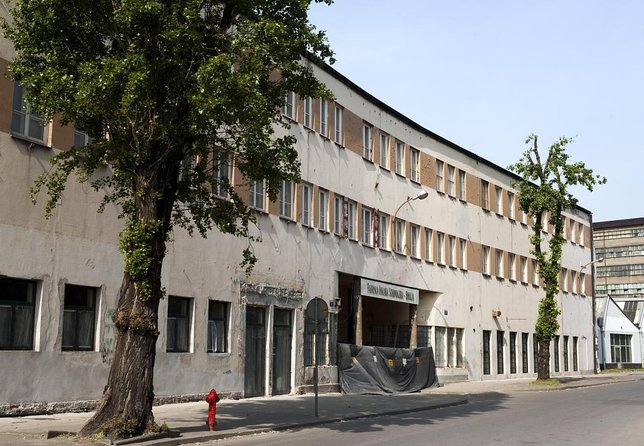
- Schindler’s Factory is not a biography of Oskar Schindler: The museum’s main exhibition explains Krakow under Nazi occupation from 1939 to 1945.
- The ghetto stops make the museum personal: Ghetto Heroes Square and the surviving wall fragment show where forced confinement and deportations took place.
- Plaszow adds essential context: The former camp site explains the labor system, quarry work, and the destruction of Krakow’s Jewish community.
- The tour lasts about five hours: Plan for a serious half-day, with plenty of walking and time outdoors.
- Public transport costs extra: The tram ticket is not included and costs 4 PLN.
- The guide matters here: Clear explanations and help moving between locations are among the strongest reasons to choose a guided visit.
Why this Krakow history tour works as one connected experience
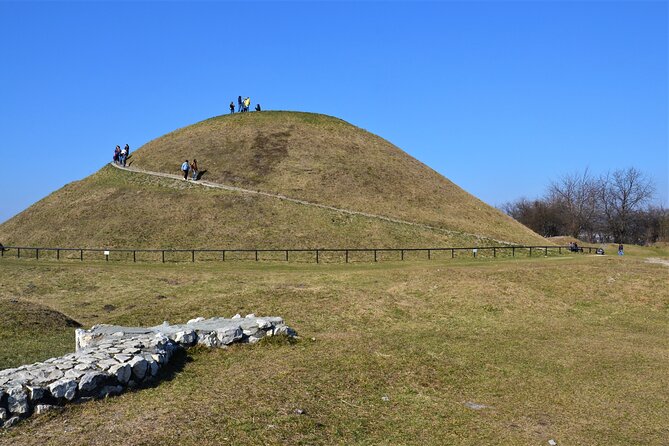
Krakow’s wartime story is spread across several parts of the city. Schindler’s Factory sits in the former industrial district of Zabłocie. The ghetto sites are across the river in Podgórze, and Plaszow lies farther south.
You can visit these places separately, but the connections are easy to miss. This tour puts them in an order that helps you understand how Nazi rule changed daily life, then moved people from confinement toward forced labor, deportation, and murder.
That structure is the tour’s main strength. You begin with the museum, where the guide can provide a broad explanation of occupied Krakow. You then move to physical reminders of the ghetto before finishing at Plaszow, a site that requires more historical explanation than visual spectacle.
The experience is serious and sometimes upsetting. It is not built around entertainment, dramatic effects, or a tidy heroic story. You get a guided history lesson in places where ordinary streets, squares, and open ground carry painful meaning.
Two details deserve attention before you reserve. The supplied information describes the group as capped at 15 people, while the additional tour details state a maximum of 25. That difference can affect how easily you hear the guide, so confirm the expected group size when booking.
The tour also requires a minimum number of people to operate. If that number is not met, you are offered another date or experience, or a full refund.
More Schindler Factory tours:
- Krakow: Oskar Schindler’s Factory Entry Ticket & Guided Tour
★ 4.2 · 3,793 reviews - Krakow: Schindler’s Factory Tour with Entrance Ticket
★ 4.5 · 3,182 reviews - Krakow: Schindler’s Factory Skip-the-Line Ticket
★ 4.4 · 3,105 reviews
Schindler’s Factory: start with the wider story
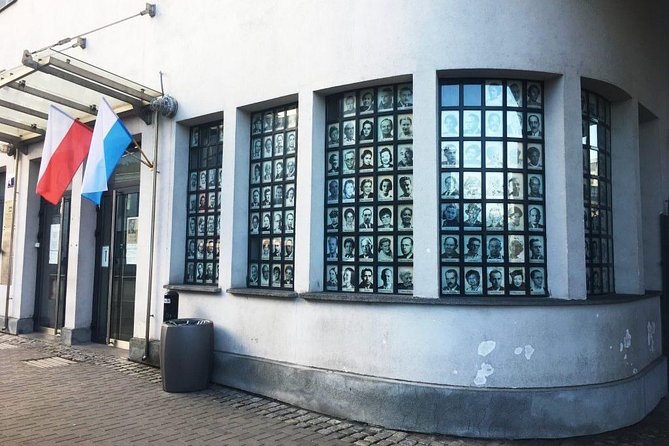
The tour begins at Lipowa 4, the address of Fabryka Emalia Oskara Schindlera. The museum is part of the Historical Museum of Krakow, and admission is included in the tour price.
The main exhibition is titled Krakow under Nazi Occupation 1939 to 1945. That title tells you what to expect. This is not primarily a personal museum about Oskar Schindler. Instead, it explains the occupation of Krakow and the many ways Nazi rule affected the city’s population.
That distinction is useful. People who know the film Schindler’s List may arrive expecting a biography or a collection devoted mainly to Schindler himself. The museum offers something broader. You learn about the city, its Jewish population, wartime control, forced labor, propaganda, and the destruction caused by the occupation.
The visit lasts about 90 minutes. That gives you enough time to see the exhibition without rushing through every display, but it is not an unlimited museum visit. A guide helps you focus on the parts that matter most and keeps the tour moving.
I like beginning here because the museum provides the framework for the rest of the day. Without that background, the ghetto wall and Plaszow can seem like isolated stops. After the museum, they become part of a clear sequence.
The guide’s role is especially useful inside the exhibition. Historical museums can overwhelm you with dates, names, photographs, and documents. A good guide helps separate the central events from the smaller details.
The museum is also the most structured part of the day. You are indoors, following a set exhibition, before moving outside to sites that are more open and less clearly marked. If you want the strongest visual presentation and the most organized introduction, give the opening stop your full attention.
One caution: this is difficult material. The tour deals with Nazi occupation, persecution, ghetto confinement, deportation, forced labor, and concentration camps. I would not schedule this immediately before a lighthearted activity. Give yourself some quiet time afterward.
The ghetto wall fragment and the meaning of a small remnant
The next stop is a 12-meter fragment of the original Krakow ghetto wall. The visit lasts about 15 minutes, and there is no separate admission ticket.
It is a short stop, but do not judge its importance by its size. The wall is one of the clearest remaining physical signs of the ghetto. A commemorative plaque in Hebrew and Polish explains that Jewish residents lived, suffered, and died there before being sent toward the death camps.
You will not spend long at the wall. That is both a benefit and a limitation. The guide can explain the site and its place in the city’s wartime story, but there is no large exhibition to browse and no long indoor visit.
This is where the tour’s use of actual locations pays off. The museum shows the wider system. The wall shows the mechanism of separation in physical form. It reminds you that the ghetto was not an abstract area on a map. It was enclosed space within the city.
The tour also keeps this stop efficient. Fifteen minutes is enough for an explanation and a close look, though people who want time for private reflection may wish they had longer. Stay close to the guide, since the schedule has several pieces and small delays can affect the Plaszow visit.
Ghetto Heroes Square and the empty chairs
From the wall, the tour continues to Plac Bohaterow Getta, known in English as Ghetto Heroes Square. This square was inside the ghetto from 1941 to 1943 and served as a place where Jewish residents were concentrated before transportation to camps.
The square’s memorial is made of cast-iron chairs placed separately around the open space. They represent the furniture and personal belongings left behind after the ghetto was liquidated.
That design is simple, but it does a lot of work. You do not need a long inscription to understand the image of a home emptied in haste. The chairs turn an ordinary public space into a memorial without blocking the square or turning it into a conventional statue garden.
The stop lasts about 15 minutes and has no separate admission charge. The guide’s explanation is important because the monument can otherwise seem puzzling. Once you understand what the chairs represent, the square becomes one of the day’s most direct memorial sites.
I like the contrast between the wall and the chairs. The wall represents confinement. The chairs represent removal. Together, they help show the progression from forced separation to the destruction of homes and community life.
Again, this is a brief visit. You may want to look carefully before the group moves on. The tour is not designed for a long, unstructured period at each memorial.
More Jewish heritage tours in Krakow:
- Krakow: Schindler’s Factory & Ghetto Guided Tour
★ 4.7 · 1,694 reviews - Krakow: Jewish Quarter and Former Ghetto Tour
★ 4.9 · 1,441 reviews - Krakow: Bike Tour of Old Town, Jewish Quarter and the Ghetto
★ 4.9 · 1,155 reviews - Krakow: Kazimierz Jewish Quarter Walking Tour
★ 4.8 · 571 reviews
Plaszow Camp requires the most explanation
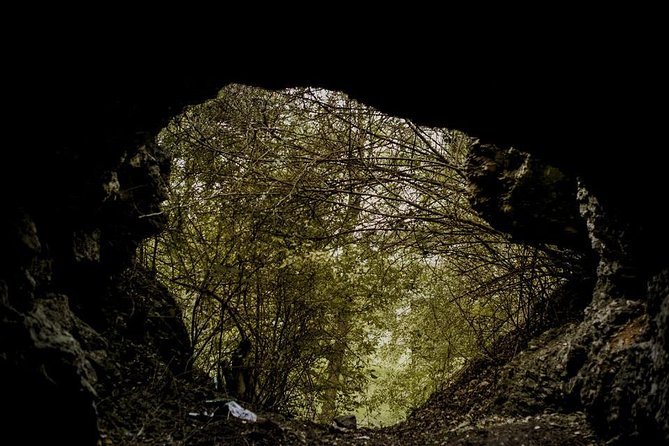
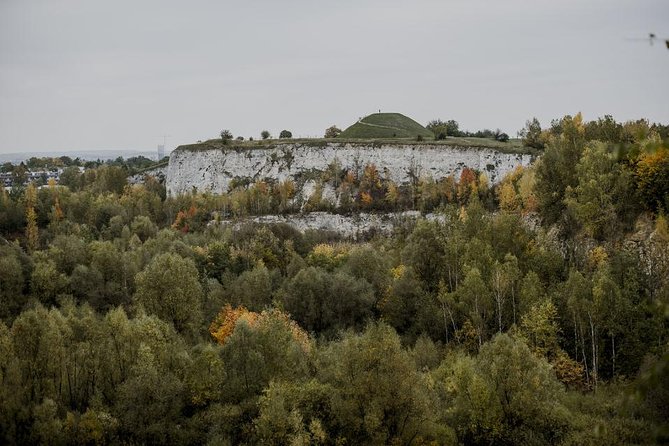
The final major stop is Plaszow, a former Nazi concentration camp in the southern suburbs of Krakow. The visit lasts about 90 minutes, and there is no admission ticket.
Plaszow began in 1940 as a forced labor camp. In 1941, the Nazis expanded it and converted it into a concentration camp. From October 28, 1942, Jews from the Krakow ghetto began to be deported there.
The camp supplied labor to military factories and a quarry. That detail helps you understand why the site existed. Plaszow was not only a place of imprisonment. It was part of a wider system that used people as forced labor while subjecting them to brutality, starvation, terror, and eventual deportation or death.
Compared with Schindler’s Factory, Plaszow is less museum-like. You are visiting the site of a former camp rather than moving through a large exhibition with a clear indoor route. The guide’s commentary is therefore central. Without it, you might see open ground and struggle to understand the scale or purpose of what once stood there.
The open setting can also make the visit physically demanding. The tour description and direct experience report point to a long day of walking, and you should expect time on your feet here. Wear comfortable shoes and avoid treating the tour as a quick city stroll.
Plaszow is also the place where the tour may feel most incomplete if you have limited time. One person booked a series of three connected tours beginning at noon but could not finish all of them because the schedule took five hours. Start as early as your booking allows, and do not add a tight appointment afterward.
The camp site is a necessary counterpoint to Schindler’s Factory. The museum explains occupied Krakow through documents and displays. Plaszow confronts you with the place where forced labor and deportation formed part of daily reality.
Guides make the difference on a serious subject
This tour is worth considering mainly because of the guides. Several comments describe the guiding as excellent, informative, and well paced, with both guides on the experience receiving strong praise.
No guide names are provided, so you cannot request a particular person. Still, the available feedback suggests that the guiding team handled the subject with care and kept the two portions of the experience organized.
That matters for three reasons.
First, the history is complex. Krakow’s occupation, the ghetto, forced labor, deportations, and Plaszow cannot be understood through a few isolated facts. You need someone to explain how the sites relate to one another.
Second, the sites vary greatly. Schindler’s Factory has a formal exhibition. The wall and square are short memorial stops. Plaszow is a former camp site with fewer obvious visual markers. A guide helps you adjust your expectations at each place.
Third, the tour involves movement between locations. The guide checks people in, explains what comes next, and helps prevent the day from becoming a confusing chain of disconnected stops.
A small group should make it easier to hear questions and commentary. Since the supplied details give two different maximum group sizes, ask the operator which limit applies to your departure.
Price, transport, and the five-hour commitment
At $76.35 per person, the tour is not the cheapest way to see these sites. Its value depends on how much help you want.
The price includes a professional guide and the entrance ticket to Schindler’s Factory. It does not include the tram ticket, listed as 4 PLN. You should also account for the time involved: this is an approximately five-hour experience, not a short museum visit.
I see the price as reasonable for people who want the history explained in a logical order. You are paying for the museum admission, organization, transport guidance, and the human context that ties the sites together.
The value is weaker for independent visitors who already understand Krakow’s occupation and prefer to read museum panels at their own pace. You may find the fixed timing restrictive, especially at the 15-minute stops.
The starting point is Lipowa 4 in Krakow, at Schindler’s Factory. The tour ends at Henryka Kamieńskiego 57. Since the end point is different from the start, do not assume you will finish where you began. The tour is near public transportation, and you will need to buy the tram ticket separately.
Most people can participate, but the walking time deserves honest attention. One person described sore feet after the day, while still considering the experience worthwhile. That is a useful warning, not a reason to avoid the tour. Plan your footwear and keep your schedule clear.
Who should book this experience?
I would choose this tour if you want to understand the connection between three sites rather than simply photograph them. It is especially suited to first-time visitors who want a guided introduction to Krakow’s wartime history.
It also suits people who have seen Schindler’s List and want to separate the film’s story from the broader historical record. The museum can show what the film drew from, while the ghetto and Plaszow stops place those events in the city itself.
You may prefer another option if you dislike group schedules, need long periods of quiet reflection, or want to spend half a day inside Schindler’s Factory alone. The tour offers direction and context, but it does not offer unlimited time.
I would not plan this as a casual add-on between lunch and dinner. The subject is heavy, the schedule is long, and Plaszow benefits from attention rather than a hurried visit.
Should you book the Krakow Schindler’s Factory and Plaszow tour?
Book it if you want a guided, connected account of Krakow under Nazi occupation and you are prepared for a serious five-hour walk. The strongest parts are the museum introduction, the memorials in the former ghetto, and the guide’s explanation of Plaszow.
Think twice if you want a short outing or a purely biographical tour about Oskar Schindler. This experience is really about occupied Krakow and the people caught in the Nazi system, with Schindler’s Factory serving as the starting point rather than the whole story.
For the best chance of completing every stop without rushing, choose an early departure, wear comfortable shoes, keep the rest of your day open, and confirm the expected group size before paying.
FAQ
How long does the tour last?
The experience lasts approximately five hours.
Where does the tour begin?
It begins at Lipowa 4, 32-051 Krakow, Poland, at Schindler’s Enamel Factory.
Where does the tour end?
The tour ends at Henryka Kamieńskiego 57, 30-644 Krakow, Poland.
Is admission to Schindler’s Factory included?
Yes. The entrance ticket to Schindler’s Factory Museum is included.
Is the tram ticket included?
No. The tram ticket is not included and costs 4 PLN.
How many people can join the tour?
The highlights describe a small group capped at 15 people, while the additional tour information gives a maximum of 25. Confirm the group limit for your selected departure.
Can I cancel for a full refund?
Yes. You can cancel at least 24 hours before the experience start time for a full refund. Cancellations or changes made less than 24 hours before the start time are not refunded or accepted.
Just added in Krakow
- Auschwitz-Birkenau – Skip the Line Tickets★ 3.5 · 29 reviews
- Auschwitz-Birkenau: Fast-Track Ticket & Guided Tour No Transfers★ 3.5 · 17 reviews
- Zakopane & Sleigh Ride with Bonfire – Group Tour from Kraków★ 5.0 · 2 reviews
- Sleigh Ride & Bonfire in Zakopane with Funicular – Private Trip★ 5.0 · 48 reviews
- Thermal Baths & Zakopane – Private Trip from Krakow★ 5.0 · 1 review
- Zakopane & Gubalowka Funicular – Private Winter Tour from Krakow★ 5.0 · 10 reviews
- Divine Mercy Sanctuary – Private Tour from Krakow★ 5.0 · 4 reviews
- stag dog chase Krakow prank★ 5.0 · 4 reviews