
REVIEW · SCHINDLER'S FACTORY TOURS
Krakow: Schindler’s Factory & Ghetto & Plaszow Camp Guided Tour
The city’s darkest corners tell its clearest stories. This five-hour Krakow tour links Schindler’s Factory, the former Jewish ghetto, and Plaszow Camp with a local guide who adds context that is easy to miss on your own. I like the unusual route, especially the 70 metal chairs at Ghetto Heroes Square and the remains of Plaszow, and I like that the museum visit is included. The main drawback is the amount of walking, including muddy, hilly ground.
The strongest guides, including Dominika and Matthew, turn a difficult subject into a clear, human story. You should also know that Schindler’s Factory is not mainly a biography of Oskar Schindler. Its main exhibition is about Krakow under Nazi occupation from 1939 to 1945, so visitors expecting a film-focused museum may feel surprised.
In This Review
- Key points to know before booking
- Why this Krakow history tour is worth your time
- Inside Schindler’s Factory at Lipowa 4
- The surviving ghetto wall on Limanowskiego Street
- Seventy chairs at Ghetto Heroes Square
- Walking through Plaszow and the Liban Quarry
- The role of the guide on a difficult subject
- Timing, transport, and physical effort
- Who should book this tour?
- Should you book the Schindler’s Factory and Plaszow tour?
- FAQ
- How long does the tour last?
- Where does the tour begin?
- Where does the tour end?
- Is admission to Schindler’s Factory included?
- Is public transportation included?
- Is Schindler’s Factory a biography museum?
- How large can the group be?
- Can I cancel for a full refund?
Key points to know before booking
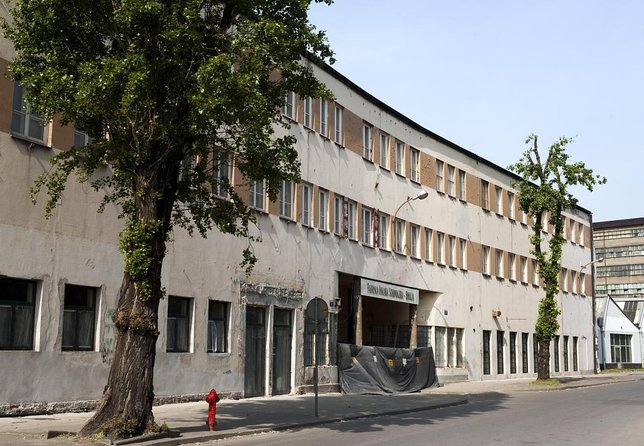
- A five-hour route connects four important wartime sites, from Schindler’s Factory to the former Plaszow Camp area.
- Ghetto Heroes Square has 70 large metal chairs, a striking memorial to belongings left behind after the ghetto was emptied.
- Plaszow feels raw and undeveloped, with hills, mud, the Liban Quarry, and fewer visitor facilities than Auschwitz.
- The Schindler Museum ticket is included, and the guided route helps you avoid the long line for individual visitors.
- The tour ends near Krakus Mound, at Henryka Kamieńskiego 57, rather than returning to the starting point.
- Comfortable shoes matter, and a tram ticket is not included in the $76.33 price.
Why this Krakow history tour is worth your time
Krakow offers famous sights that are easy to fit into a short city break. This tour takes you beyond the usual Old Town circuit and into Podgórze, where the story of wartime Krakow becomes much more immediate.
You move from a museum with a carefully built exhibition to streets, memorials, and open ground connected to the Nazi occupation. That change matters. Inside Schindler’s Factory, you get organized displays and historical explanation. Outside, you see the places where forced removal, imprisonment, labor, and murder took place.
I like this mix because it gives you more than a collection of names and dates. The guide connects the sites, explains how the Krakow ghetto operated, and shows how the destruction of the Jewish community unfolded across the city.
This is not a light sightseeing outing. The subject includes the Holocaust, deportation, forced labor, and the destruction of Krakow’s Jewish population. You should arrive ready for a serious afternoon, not a casual walk with a few historical stops.
The tour costs $76.33 per person. That is not the cheapest way to spend five hours in Krakow, but the price includes a professional guide and admission to Schindler’s Factory. It also covers a route that can be awkward to piece together alone, particularly the Plaszow area. Public transportation is extra, so keep money or a transport pass available for the tram.
The group can include up to 25 people. That is large enough for the tour to feel social, but small enough for a guide to speak to the group directly. Your experience will depend greatly on the guide. Dominika received especially warm praise for clear English, patience, and strong command of the subject, while Matthew was described as a Krakow native who linked wartime history with present-day local life.
More Schindler Factory tours:
- Krakow: Oskar Schindler’s Factory Entry Ticket & Guided Tour
★ 4.2 · 3,793 reviews - Krakow: Schindler’s Factory Tour with Entrance Ticket
★ 4.5 · 3,182 reviews - Krakow: Schindler’s Factory Skip-the-Line Ticket
★ 4.4 · 3,105 reviews
Inside Schindler’s Factory at Lipowa 4
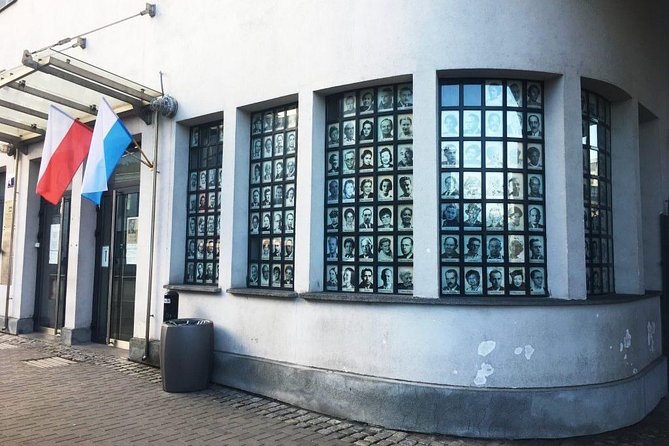
The tour begins at Lipowa 4, home to the former enamel factory associated with Oskar Schindler. You spend about 90 minutes inside the museum, with admission included.
The first thing to understand is the museum’s focus. This is not a simple biography of Schindler, and it is not a set built around the film Schindler’s List. The main exhibition, titled Krakow under Nazi Occupation 1939 to 1945, examines the city under German rule and the many ways occupation changed daily life.
That broader approach is useful. Schindler’s courage matters, but his story makes more sense when placed beside the lives of Krakow’s Jewish population, Polish residents, workers, and people caught inside the Nazi system. The museum helps you see the city as a whole rather than treating one famous industrialist as the only subject.
You can visit the museum at your own pace after the guided portion of the route. This is a good arrangement. A guide can give you the basic framework, then you can slow down at displays that hold your attention.
One caution: the museum may not satisfy you if you want a personal, room-by-room account of Schindler’s life. One participant found the museum less impressive than expected for that reason. I would approach it as a museum about occupied Krakow first, and Schindler’s role within that story second.
The included ticket adds real value, especially because the tour is designed to bypass the long line faced by individual visitors. Even if you prefer independent museum visits, saving time in a busy city is useful.
The surviving ghetto wall on Limanowskiego Street
After the museum, the route moves to a 12-metre fragment of the original Krakow ghetto wall. The stop lasts about 15 minutes, so do not expect a long museum-style presentation here.
The wall is powerful because it is physical evidence of the ghetto boundary. A commemorative plaque in Hebrew and Polish recalls the people who lived, suffered, and died under German persecution, and the final journey that began from this area toward the death camps.
The fragment is not a grand monument. That is part of its force. You are looking at a small surviving section of a system built to isolate and control people. The short stop gives the guide a chance to explain the ghetto’s purpose and the larger sequence of events before you reach Ghetto Heroes Square.
This is also where the walking becomes part of the lesson. You are not only hearing about separated neighborhoods in a museum. You are moving through the district where those divisions were imposed.
Seventy chairs at Ghetto Heroes Square
Plac Bohaterów Getta, or Ghetto Heroes Square, is one of the most memorable stops on the route. During the years 1941 to 1943, it was inside the ghetto and served as a place where Jewish residents were gathered before transport to concentration camps.
Today, 70 large cast-iron chairs are spaced across the square. They represent the furniture and personal belongings left scattered in the streets after the ghetto was liquidated.
The memorial works because it is simple and visible. You do not need a long explanation to understand that these are not ordinary seats arranged for decoration. They suggest absence, interruption, and the sudden removal of ordinary home life.
The stop lasts around 15 minutes. That is enough time to hear the story and look across the square, though you may wish the schedule allowed longer. The memorial deserves a quiet pause, particularly after the wall fragment and before the more open Plaszow section.
A guide is valuable here because the chairs can otherwise seem abstract. With the historical setting explained, the square becomes a place tied to specific acts of concentration, deportation, and loss.
More Jewish heritage tours in Krakow:
- Krakow: Schindler’s Factory & Ghetto Guided Tour
★ 4.7 · 1,694 reviews - Krakow: Jewish Quarter and Former Ghetto Tour
★ 4.9 · 1,441 reviews - Krakow: Bike Tour of Old Town, Jewish Quarter and the Ghetto
★ 4.9 · 1,155 reviews - Krakow: Kazimierz Jewish Quarter Walking Tour
★ 4.8 · 571 reviews
Walking through Plaszow and the Liban Quarry
Plaszow is the most physically demanding part of the tour and, for many people, the most affecting. The former camp was founded soon after the German invasion of Poland. It opened in 1940 as a forced labor camp, expanded in 1941, and became a concentration camp.
From October 28, 1942, Jews from the Krakow ghetto began to be deported there. The camp supplied labor to military factories and a quarry, making work and exploitation central to its operation.
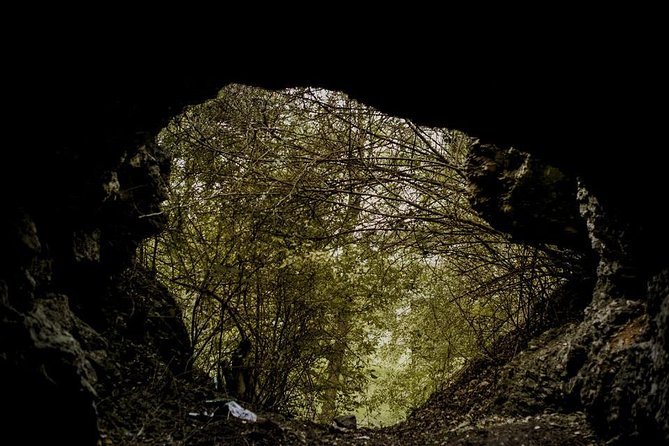
Much of the site does not look like a conventional memorial complex. A participant described it as surreal because little remained of the destroyed camp. That absence can be difficult. At Auschwitz, buildings and displays guide your attention. At Plaszow, you may find open ground, uneven paths, hills, and fragments that require explanation.
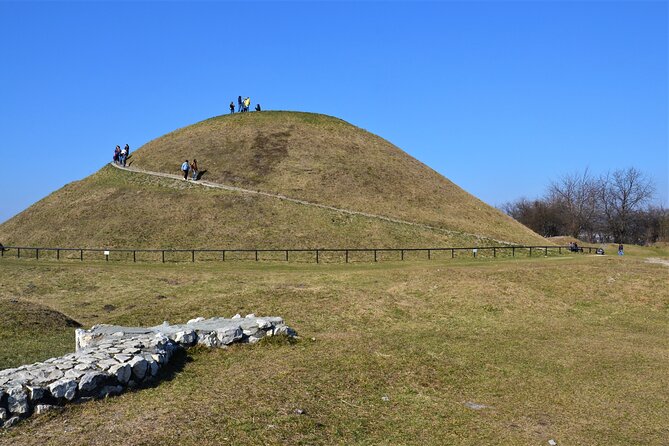
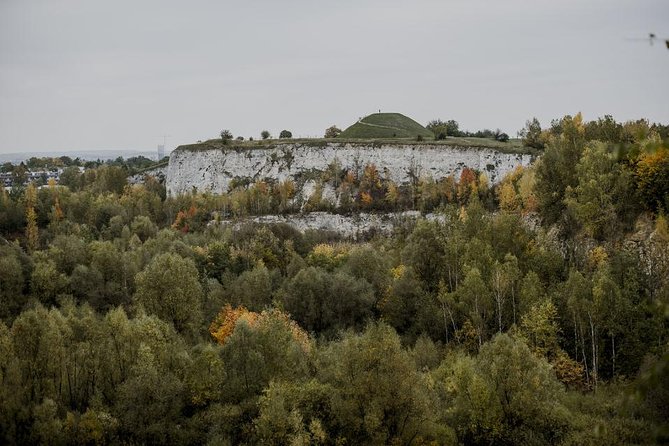
The route includes the Liban Quarry, which helps show the labor system connected to the camp. You also climb toward Krakus Mound, with the tour ending near Henryka Kamieńskiego 57. The climb adds a physical element that you should take seriously, especially in wet weather.
Wear sturdy, comfortable shoes. Muddy patches and slopes can make this section tiring, and the weather can change the feel of the site completely. One person specifically praised the tour but warned about hilly, muddy ground. That is practical advice, not a minor footnote.
Plaszow is less polished and less visitor-oriented than Auschwitz. That may appeal to you if you want a quieter, less managed place where the lack of visible remains forces you to listen closely. It may disappoint you if you expect extensive buildings, displays, or a clearly marked memorial route.
This is the point where guide quality matters most. The physical remains alone cannot explain the camp’s organization, its forced labor, or the deportations from the ghetto. Dominika was praised for making the area understandable despite bad weather, while another guide was criticized for giving a generalized account and showing too little attention to the ghetto. The difference between those experiences is significant.
The role of the guide on a difficult subject
A good guide does more than recite dates. You need someone who can explain how the ghetto, factory, labor camp, quarry, and deportation routes fit together without turning the afternoon into a cold lecture.
The strongest feedback centers on clear English, patience, local knowledge, and a humane tone. Dominika was praised for waiting patiently when a group was late, speaking clearly, and explaining the horror of the occupation in a way that remained easy to follow. Matthew was praised for combining wartime history with Krakow’s present-day community life.
Still, no tour is guaranteed to feel identical every day. One poor experience described a guide who seemed rushed and offered a broad account rather than a detailed explanation of the ghetto. That criticism is worth taking seriously because the sites themselves cannot carry the whole experience.
If possible, ask for Dominika when booking, since her name appears repeatedly in the strongest praise. You cannot assume she will lead every departure, but knowing the guide can make a difference when the subject is this demanding.
The group limit of 25 is reasonable, though you should not expect a private tour. Stay close enough to hear clearly, especially outdoors where wind, traffic, or distance between stops may affect the explanation.
Timing, transport, and physical effort
The tour takes about five hours. That is enough time to visit the museum and cover the outdoor sites without reducing every stop to a photograph and a quick sentence.
The starting point is Schindler’s Factory at Lipowa 4. The tour ends near Henryka Kamieńskiego 57, so plan your next activity from that location rather than assuming you will finish back in central Krakow.
A tram ticket is not included. Public transportation is available near the route, but the supplied details do not specify the exact tram service or ticket price. Check your route before departure and allow extra time to reach Lipowa 4.
Most people can take part, but the walk and climb deserve attention. Plaszow includes uneven, hilly, and muddy sections, so this is not the right choice if you need a fully level route.
Free cancellation is available if you cancel at least 24 hours before the start time. Changes or cancellations inside that window are not accepted, and a minimum group size is required for the departure.
Who should book this tour?
I would choose this tour if you want to understand Krakow’s World War II history through places as well as museum displays. It suits people who have already seen the Old Town and want a more serious look at Podgórze, the former ghetto, and Plaszow.
It is also a good choice if you dislike planning several complicated stops on your own. The guide handles the connections, and the museum entry is included.
You may prefer a different plan if your main interest is Oskar Schindler’s personal biography. The museum is broader than that. You may also want to skip this tour if muddy paths, hills, and a five-hour walking schedule would make the afternoon uncomfortable.
The route is not designed to replace a full visit to Auschwitz. It offers a different experience, centered on occupied Krakow and sites within the city. That makes it especially useful for a short break when you want to understand what happened locally rather than spend a full day outside Krakow.
Should you book the Schindler’s Factory and Plaszow tour?
Book it if you value local context, outdoor history sites, and a guide who can explain what is no longer visible. The 93 percent recommendation rate and 4.6 rating point to a strong experience overall, but the uneven guide feedback shows why expectations matter.
For $76.33, you receive five hours, professional guiding, and admission to Schindler’s Factory. Add the tram fare and wear sensible shoes. If you request Dominika and prepare for a serious, sometimes muddy afternoon, this tour offers one of Krakow’s most meaningful wartime routes.
FAQ
How long does the tour last?
The tour lasts approximately five hours.
Where does the tour begin?
It begins at Schindler’s Factory, Lipowa 4, 32-051 Kraków, Poland.
Where does the tour end?
The tour ends at Henryka Kamieńskiego 57, 30-644 Kraków, Poland.
Is admission to Schindler’s Factory included?
Yes. The entrance ticket to Schindler’s Factory Museum is included.
Is public transportation included?
No. A tram ticket or other public transportation ticket is not included.
Is Schindler’s Factory a biography museum?
No. Its main exhibition focuses on Krakow under Nazi occupation from 1939 to 1945. It is not primarily a biographical museum about Oskar Schindler.
How large can the group be?
The tour can have a maximum of 25 participants.
Can I cancel for a full refund?
Yes, if you cancel at least 24 hours before the experience begins. Cancellations made less than 24 hours before the start time are not refunded.
Just added in Krakow
- Auschwitz-Birkenau – Skip the Line Tickets★ 3.5 · 29 reviews
- Auschwitz-Birkenau: Fast-Track Ticket & Guided Tour No Transfers★ 3.5 · 17 reviews
- Zakopane & Sleigh Ride with Bonfire – Group Tour from Kraków★ 5.0 · 2 reviews
- Sleigh Ride & Bonfire in Zakopane with Funicular – Private Trip★ 5.0 · 48 reviews
- Thermal Baths & Zakopane – Private Trip from Krakow★ 5.0 · 1 review
- Zakopane & Gubalowka Funicular – Private Winter Tour from Krakow★ 5.0 · 10 reviews
- Divine Mercy Sanctuary – Private Tour from Krakow★ 5.0 · 4 reviews
- stag dog chase Krakow prank★ 5.0 · 4 reviews