
REVIEW · SCHINDLER'S FACTORY TOURS
Krakow: Jewish Quarter and Schindler’s Factory Guided Tour
Krakow’s past is written into its streets. This 210-minute tour pairs a walk through Kazimierz Jewish Quarter with entry to Schindler’s Factory, giving you both the district’s long story and its painful wartime chapter. I like the route because it covers major sights such as the Old Synagogue, Remuh Synagogue, and nearby cemetery while also showing you Kazimierz as it is today, with cafes, shops, and a lively art scene.
I also like that a live guide adds human detail to places that can otherwise feel like a list of monuments. Guides such as Anna and Anieska have earned praise for their care and clear explanations. The main drawback is the lack of a scheduled break during the long afternoon, and the museum can feel tight when the group is large.
In This Review
- Key points to know before booking
- Why this Kazimierz and factory combination works
- Starting at the Old Synagogue in Kazimierz
- Remuh Synagogue and the cemetery nearby
- Kazimierz today, cafes, shops, and street life
- Schindler’s Factory and Krakow during World War II
- The guide can make or break the afternoon
- Timing, comfort, and museum rules
- Who should book this $69 tour?
- My verdict on the Kazimierz and Schindler’s Factory route
- FAQ
- How long does the tour last?
- What does the tour include?
- Is food included?
- Where does the tour meet?
- Which languages are available?
- Is Schindler’s Factory suitable for children?
- Do men need to cover their heads inside the synagogues?
- What should I bring?
- Do I need identification for the museum?
Key points to know before booking
- Two very different Krakow stories in one tour: You begin with centuries of Jewish life in Kazimierz, then move into the wartime story told at Schindler’s Factory.
- The walk starts at the Old Synagogue: This gives you an immediate historical setting before the guide explains how the district developed from the 14th century onward.
- Remuh Synagogue and cemetery add a personal scale: These stops help connect broad historical events with religious tradition and individual lives.
- Kazimierz is not only a memorial district: You also see its modern cafes, fashionable shops, and art-focused atmosphere.
- Schindler’s Factory is emotionally demanding: The museum contains tragic material and is not recommended for children under 14.
- Plan for a continuous 3.5 hours: Wear comfortable shoes, carry water, and do not count on a meal stop during the tour.
Why this Kazimierz and factory combination works
Many Krakow tours focus on one period. This one links several. You start with Jewish life in Kazimierz, learn how the community was separated from the rest of Krakow for centuries, and then confront the destruction caused by World War II.
That order matters. At the beginning, Kazimierz is not presented only as a backdrop to the Holocaust. You first hear about a community that lived, worshipped, worked, and built institutions there over many generations. Only then does the tour move toward deportation and wartime persecution.
I find that approach useful because it gives the district a fuller identity. You see Kazimierz as a living part of Krakow, not simply a memorial zone. Its cafes and shops are part of the modern picture, but they sit beside buildings connected to a much older story.
The tour lasts 210 minutes, or three and a half hours. That is enough time to cover the neighborhood at a thoughtful pace and visit the museum, but it is also a serious block of your day. If you have limited time in Krakow, the combination saves you from arranging two separate visits.
The cost is $69 per person. I consider that reasonable if you value a guide and want Schindler’s Factory included. You are paying for the walking tour, the live commentary, and the museum admission, not for food or drinks. If you prefer to read signs at your own speed and move independently, you may find a self-guided visit less expensive. The value here is the connection between the places.
More Schindler Factory tours:
- Krakow: Oskar Schindler’s Factory Entry Ticket & Guided Tour
★ 4.2 · 3,793 reviews - Krakow: Schindler’s Factory Tour with Entrance Ticket
★ 4.5 · 3,182 reviews - Krakow: Schindler’s Factory Skip-the-Line Ticket
★ 4.4 · 3,105 reviews
Starting at the Old Synagogue in Kazimierz
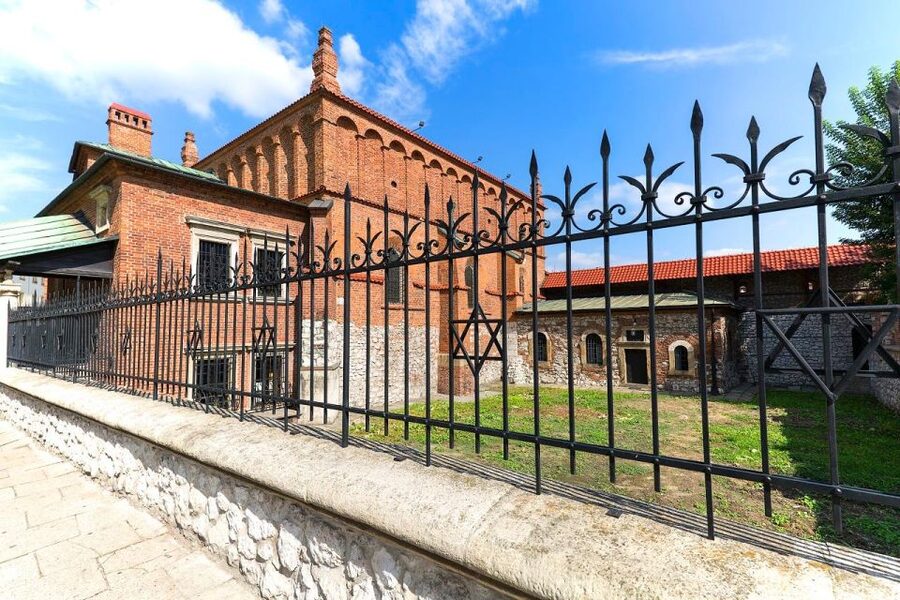
You meet your guide on the steps of the Old Synagogue. The meeting point can vary with the option you book, so check the confirmed instructions carefully rather than assuming every departure begins in exactly the same spot.
The Old Synagogue is a strong starting point. It places you inside the former center of Jewish life in Kazimierz and gives the guide a clear setting for explaining the district’s past. You learn about its development from the 14th century and the long period during which Jewish residents remained separated from other parts of the city until the 19th century.
I like beginning here because the history is tied to an actual neighborhood. You are not standing in a generic museum room while someone lists dates. You are looking at the streets and buildings where those changes took place.
The guide’s role is especially important during this section. The tour is offered in English, Spanish, Italian, German, and French, and the strongest part of the experience appears to be the guide’s ability to explain rather than simply point. Paul described his guide as showing real passion and care, while Karen praised the quality of the explanations. Those qualities make a difference in a subject that can quickly become heavy or confusing.
Remuh Synagogue and the cemetery nearby
The walk continues to Remuh Synagogue, with a view of the Jewish cemetery nearby. This section gives you another angle on the district’s religious and social life.
The synagogue is a meaningful stop even if you do not enter during the guided visit. If you plan to go inside after the tour, men must cover their heads. That small rule is worth knowing before you arrive, especially if you want to explore the synagogue more closely rather than only see it from outside.
The cemetery adds a quieter note to the walk. You get a sense of how close the places of worship and burial are to the streets of modern Kazimierz. The stop may be brief, but it helps turn the district’s past into something visible and physical.
I would not expect a long period of private reflection here. This is a guided route with a fixed schedule, and the museum visit still has to fit into the afternoon. If you want to spend extended time inside each synagogue or cemetery, you may prefer to return independently later.
Kazimierz today, cafes, shops, and street life
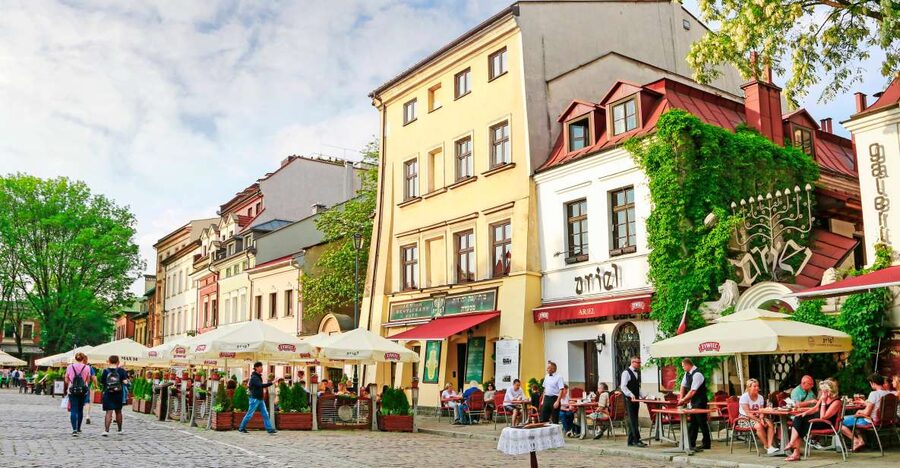
The tour does not treat Kazimierz as frozen in the past. Your guide also points out the district’s current cafe culture, fashionable shops, and art scene.
That contrast is one of the most useful parts of the walk. You see how a neighborhood marked by loss has also become one of Krakow’s popular areas for eating, meeting friends, and browsing. The modern atmosphere does not erase the history, but it does show that Kazimierz is still part of everyday city life.
I like this balance. A tour that focused only on tragedy could leave you with a narrow view of the district. Here, you can notice the beatnik feel and creative energy alongside synagogues, cemeteries, and historic streets.
There is one practical point to keep in mind: this is a walking tour, not a food tour. Food and drinks are not included, and one person specifically found the uninterrupted schedule difficult, with no pause during a tour lasting from late morning into the afternoon. Have water with you and eat before you begin, or plan your meal after the museum.
More Jewish heritage tours in Krakow:
- Krakow: Schindler’s Factory & Ghetto Guided Tour
★ 4.7 · 1,694 reviews - Krakow: Jewish Quarter and Former Ghetto Tour
★ 4.9 · 1,441 reviews - Krakow: Bike Tour of Old Town, Jewish Quarter and the Ghetto
★ 4.9 · 1,155 reviews - Krakow: Kazimierz Jewish Quarter Walking Tour
★ 4.8 · 571 reviews
Schindler’s Factory and Krakow during World War II
The second half takes you to Schindler’s Factory Museum. Entry is included, and the tour includes skip-the-ticket-line access, which can be helpful when you are working with a fixed schedule.
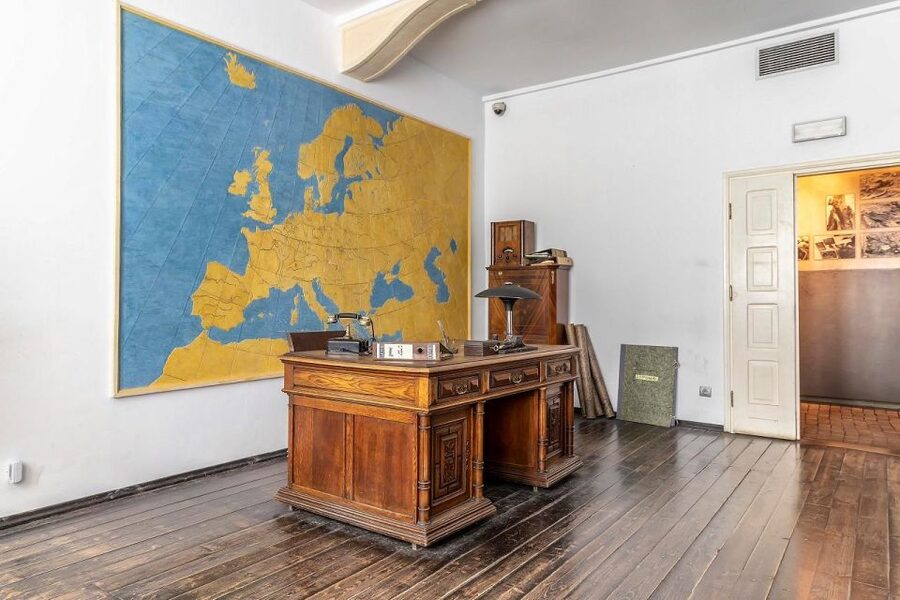
The museum tells the story of Krakow during World War II and the destruction of the city’s Jewish population through deportations. It also explains the role of Oskar Schindler, the German entrepreneur whose efforts to save many Jewish people later inspired the film Schindler’s List.
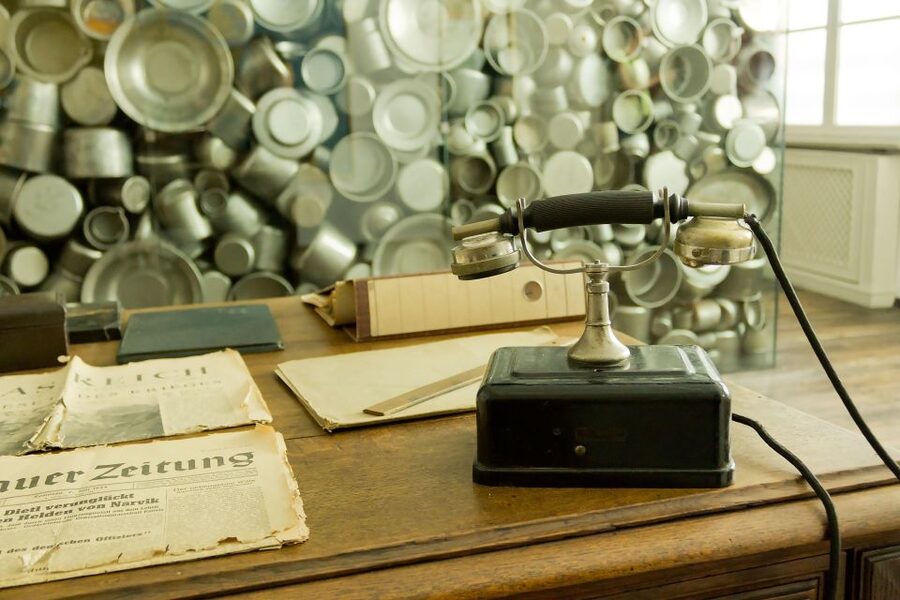
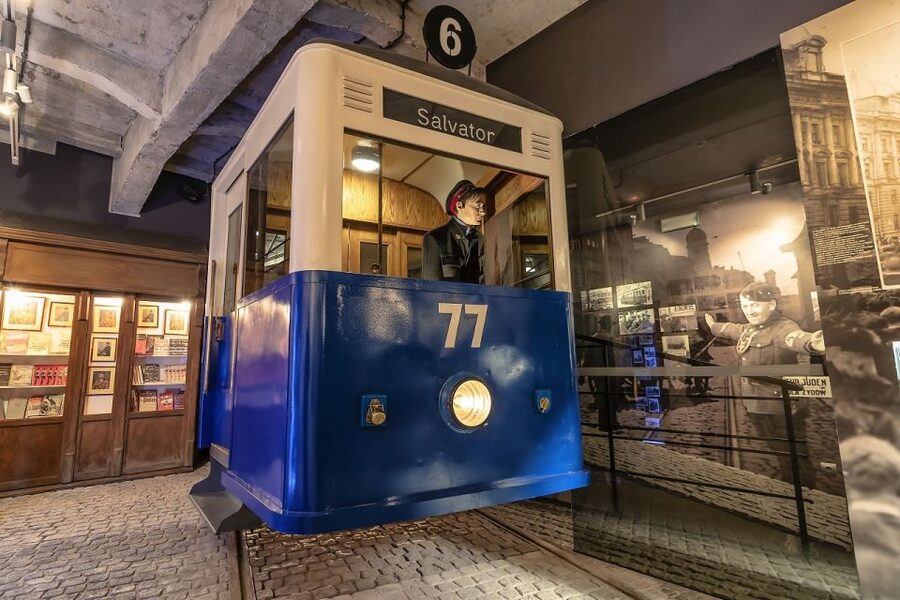
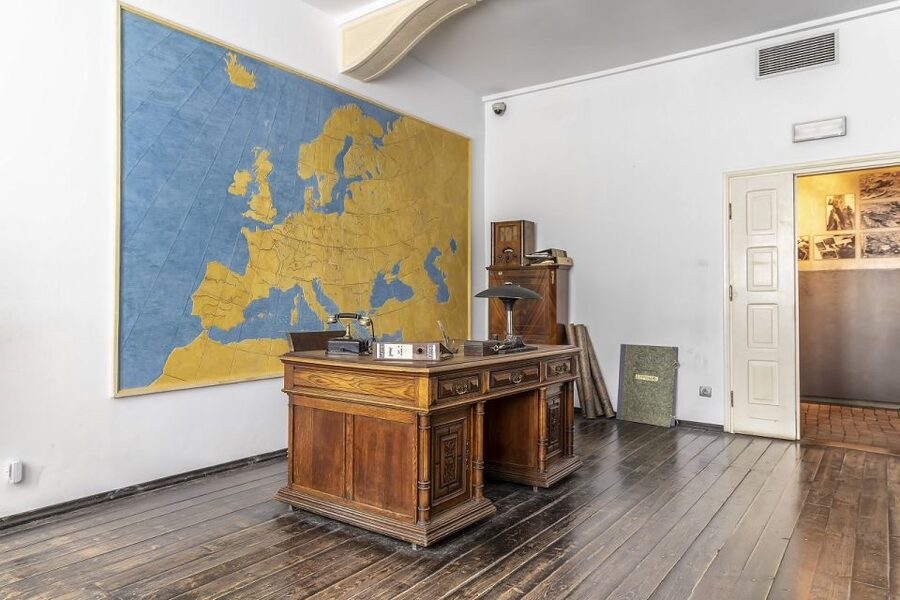
This part is not a light historical attraction. The museum contains tragic stories, documents, period furniture, and clothing. You should expect difficult material rather than a simple biography of Schindler.
I think the museum works best after the Kazimierz walk because you have already heard about the community that existed before the war. The exhibition then gives the wartime events a stronger human and local setting. You are not just hearing about World War II in general. You are following what happened in Krakow.
The museum itself can be narrow for a large group. Anne-Claire found the display full of documents, furniture, and clothing from the period, but noted that the space felt tight when her group was sizeable. That is a fair warning. If you dislike crowded interiors or need plenty of room to pause at every display, the museum section may feel rushed or compressed.
Still, the factory visit is the part that gives the tour its emotional weight. The earlier walk explains the community and the city. The museum shows what was lost and how individual choices mattered during the war.
The guide can make or break the afternoon
This tour covers sensitive material, so a good guide is more than a convenience. You need someone who can explain the past clearly, keep the group moving, and handle painful subjects with respect.
The strongest praise has focused on the guides. Anna was described as wonderful and highly recommended. Anieska, with the spelling possibly varying, was praised for revealing places that were not obvious and for bringing care to the afternoon. Paul also highlighted passion and attention, while Karen singled out the guide’s strong command of the subject.
That is encouraging, but the guide you receive will depend on the date, language, and assigned staff member. I would book this tour if you want a person to connect the buildings, dates, and stories for you. I would not book it expecting a private guide or a slow, fully personalized visit.
The tour is available in five languages: English, Spanish, Italian, German, and French. Be sure to select the language that lets you follow serious historical explanations without strain.
Timing, comfort, and museum rules
Comfortable shoes are essential. The route includes a substantial walk through Kazimierz before the museum, and the full schedule lasts three and a half hours.
Bring water. Food and drinks are not included, and the schedule may not provide a formal rest stop. That matters more than it might sound. The tour begins with outdoor walking and ends in a museum, so you are committing to a long continuous period on your feet.
Children under 14 are not suited to this tour because of the tragic stories in Schindler’s Factory Museum. That does not mean every teenager will react the same way, but the official guidance is clear. I would choose a different activity for younger children and discuss the subject carefully with older children before booking.
From January 1, 2026, museum times are approximate and may change because of the factory’s scheduling. You can choose a preferred time, but the exact time is not guaranteed. When booking for that period, you must provide the full names of every participant and bring a passport or other identification to enter. Without those details, admission may be refused.
The meeting point may also vary depending on the option you select. Read the final booking instructions closely, especially if you have planned another Krakow activity before or after this one.
Who should book this $69 tour?
I would recommend it to you if you want a clear introduction to Krakow’s Jewish quarter and prefer having the major historical context explained as you walk. It suits first-time visitors who might otherwise miss the connection between Kazimierz and the wartime museum.
It is also a good fit if you want to visit Schindler’s Factory but do not want to handle the route and admission on your own. The included ticket and guided structure remove some planning work, while the neighborhood walk gives you more than a single museum visit.
You may want to skip it if you dislike group tours, need frequent breaks, or prefer to spend as long as you like inside each site. The museum can feel cramped with a large group, and there is no included meal or scheduled pause.
The subject matter should guide your decision. This is not a casual sightseeing stroll with a little history added. It includes segregation, deportation, and wartime suffering. The modern cafes and shops lighten the street portion, but Schindler’s Factory remains serious.
My verdict on the Kazimierz and Schindler’s Factory route
I would book this tour if you want one substantial afternoon that connects Jewish life in Kazimierz with Krakow’s World War II story. The best features are the thoughtful route, the highly praised guide service, and the museum entry included in the price.
Go prepared: eat beforehand, carry water, wear good shoes, and allow flexibility around the museum time. If you do that, the $69 price offers solid value for a guided walk, multilingual commentary, and admission to one of Krakow’s most important historical museums.
FAQ
How long does the tour last?
The tour lasts 210 minutes, or three and a half hours.
What does the tour include?
It includes a guided walking tour of Kazimierz and an entry ticket to Oscar Schindler’s Factory Museum.
Is food included?
No. Food and drinks are not included.
Where does the tour meet?
The meeting point may vary depending on the option booked. One stated meeting point is on the steps of the Old Synagogue.
Which languages are available?
The live guide may conduct the tour in English, Spanish, Italian, German, or French.
Is Schindler’s Factory suitable for children?
The museum contains tragic stories that may upset children under 14, and the tour is not suitable for children under 14.
Do men need to cover their heads inside the synagogues?
Yes. If you wish to enter the synagogues after the tour, men must cover their heads.
What should I bring?
Bring comfortable shoes and water.
Do I need identification for the museum?
From January 1, 2026, you must provide the full names of all participants when reserving and bring a passport or ID for entry. Without these, entry may be denied.
Just added in Krakow
- Auschwitz-Birkenau – Skip the Line Tickets★ 3.5 · 29 reviews
- Auschwitz-Birkenau: Fast-Track Ticket & Guided Tour No Transfers★ 3.5 · 17 reviews
- Zakopane & Sleigh Ride with Bonfire – Group Tour from Kraków★ 5.0 · 2 reviews
- Sleigh Ride & Bonfire in Zakopane with Funicular – Private Trip★ 5.0 · 48 reviews
- Thermal Baths & Zakopane – Private Trip from Krakow★ 5.0 · 1 review
- Zakopane & Gubalowka Funicular – Private Winter Tour from Krakow★ 5.0 · 10 reviews
- Divine Mercy Sanctuary – Private Tour from Krakow★ 5.0 · 4 reviews
- stag dog chase Krakow prank★ 5.0 · 4 reviews