
REVIEW · SCHINDLER'S FACTORY TOURS
Cracow: Guided Tour of Schindler’s Factory & Jewish Ghetto
Krakow’s wartime story comes alive here. This three-hour walking tour links Schindler’s Factory with the streets of Podgórze, giving you both the museum’s carefully arranged exhibits and the real places tied to the Jewish Ghetto. I especially like the visit to the Under the Eagle pharmacy and the Empty Chair Monument, two quiet but moving stops that add human scale to a difficult subject. I also like that a professional guide leads the museum visit, since the exhibition can be dense without context.
The main drawback is pacing. One Finnish guest found the guide excellent but felt the tour could have been shorter, with the outing lasting about three and a half hours. You should also note that museum entry times can shift, and from January 1, 2026, your exact preferred time is not guaranteed.
In This Review
- Key points at a glance
- Why Schindler’s Factory works best with a guide
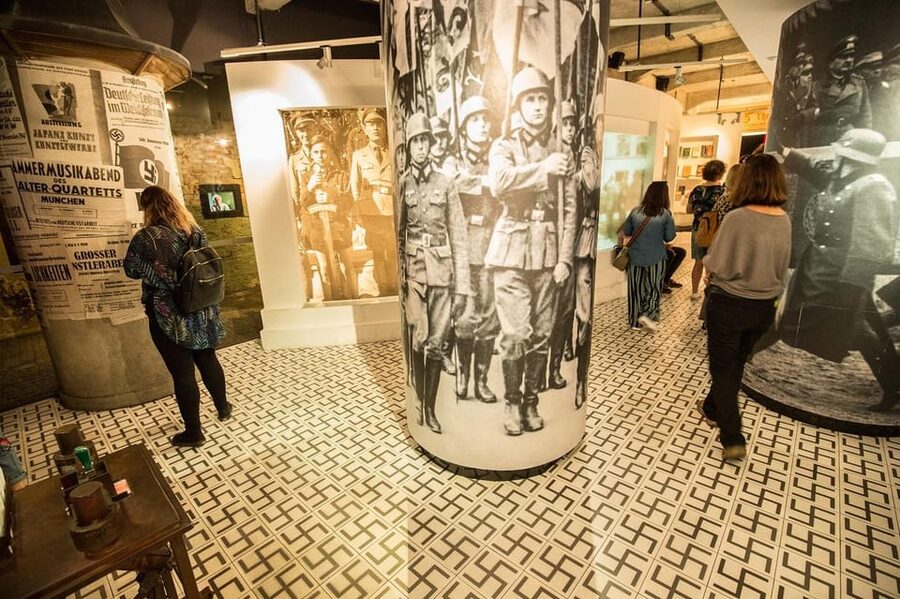
- Inside the exhibition Krakow Under Nazi Occupation
- Walking through Podgórze and the former Jewish Ghetto
- The Under the Eagle pharmacy and the story of help
- The Empty Chair Monument and 68 symbolic seats
- What $58 per person gets you
- Timing, meeting point, and languages
- Who will get the most from this tour
- Practical tips for a more thoughtful visit
- Should you book the Schindler’s Factory and Jewish Ghetto tour?
- FAQ
- How long does the tour last?
- What is included in the price?
- Is hotel pickup included?
- Where does the tour meet?
- What languages are available?
- Does the tour include food or drinks?
- Can I skip the ticket line?
- Can I cancel for a full refund?
- Can I reserve now and pay later?
- Do I need identification for museum entry?
Key points at a glance
- Schindler’s Factory entry is included: You visit the museum with a guide and skip the ticket line.
- Podgórze adds place to the story: The walk includes a preserved section of the former ghetto wall and buildings connected with displaced Jewish residents.
- Under the Eagle pharmacy is a key stop: This landmark helps explain the courage and daily work involved in helping Jews during the Nazi occupation.
- The Empty Chair Monument is hard to forget: Its 68 chairs represent the people forced from their homes.
- Guiding is the strongest feature: Guides such as Margherita and Phill received especially warm praise for being prepared, engaging, and generous with information.
- The tour costs $58 per person: That is reasonable if you want museum admission, a live guide, and the connected street walk in one booking.
Why Schindler’s Factory works best with a guide
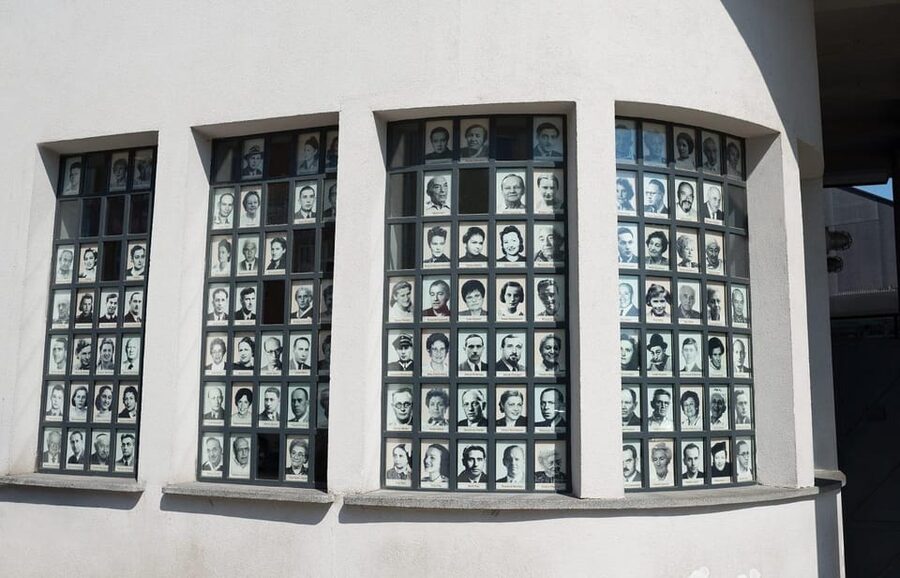
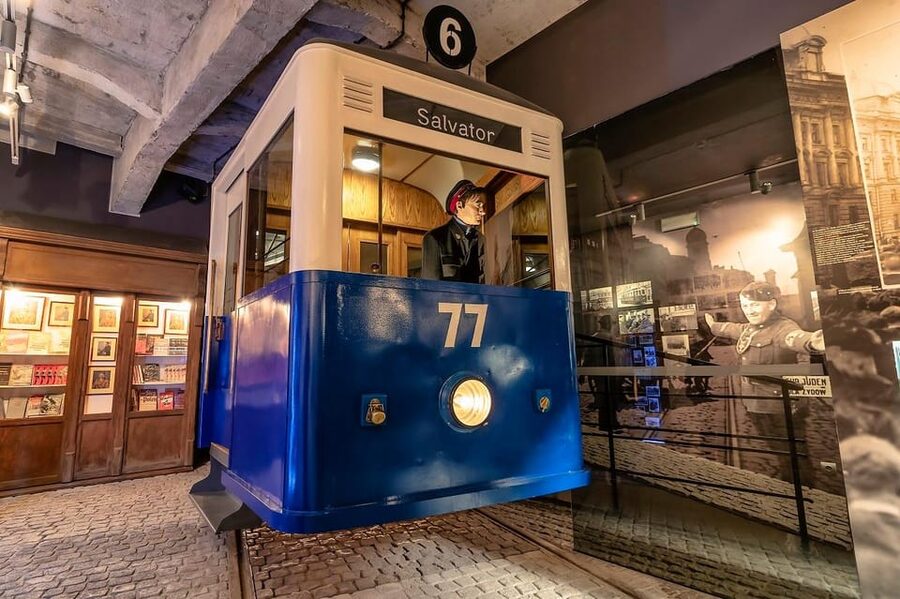
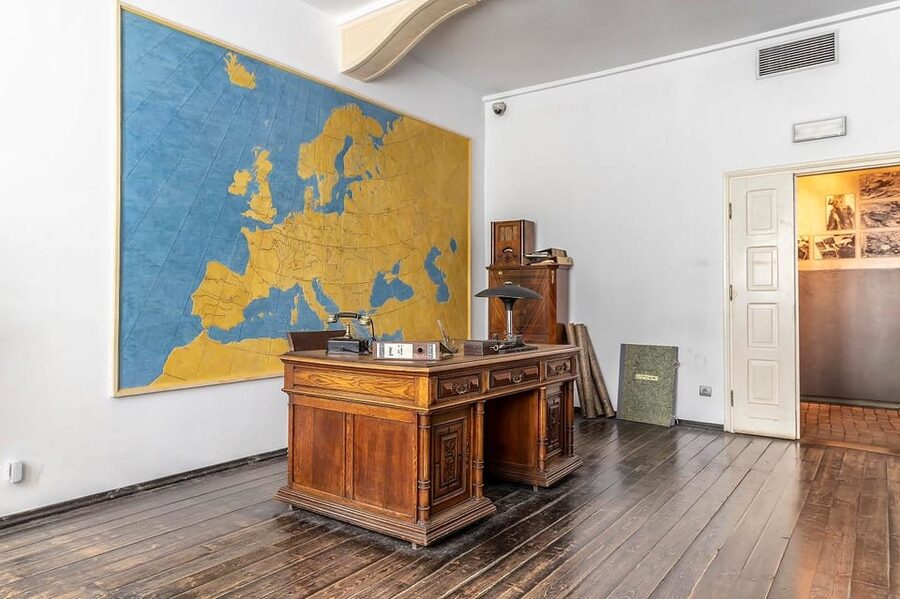
Schindler’s Factory is not simply a museum about one famous German businessman. Its main exhibition, Krakow Under Nazi Occupation, places Oskar Schindler’s actions inside the wider story of Krakow under Nazi rule.
That distinction matters. Schindler became known around the world through the film Schindler’s List, but the museum’s focus is broader. You learn about occupation, forced displacement, work, fear, survival, and the daily choices people faced. Schindler’s efforts to protect numerous Jewish workers are part of the story, not the whole story.
I would choose a guided visit here rather than wandering through alone, especially if this is your first serious look at wartime Krakow. A guide can connect the displays to the streets outside and explain why certain objects, rooms, or documents matter. The strongest feedback for this experience focuses on the guides. Margherita was described as warm, well prepared, and engaging, while Phill was praised for his enthusiasm and the amount of information he shared.
The praise is not just polite background noise. It points to the real value of this booking. The ticket gets you through the door, but the guide helps you sort the personal stories from the larger political events.
More Schindler Factory tours:
- Krakow: Oskar Schindler’s Factory Entry Ticket & Guided Tour
★ 4.2 · 3,793 reviews - Krakow: Schindler’s Factory Tour with Entrance Ticket
★ 4.5 · 3,182 reviews - Krakow: Schindler’s Factory Skip-the-Line Ticket
★ 4.4 · 3,105 reviews
Inside the exhibition Krakow Under Nazi Occupation
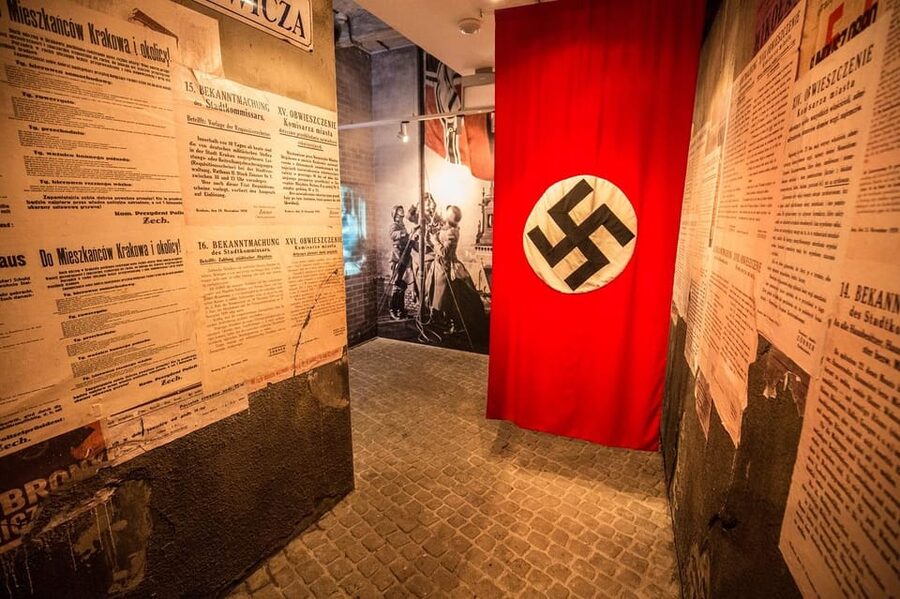
You should expect a serious museum visit rather than a light sightseeing stop. The exhibition examines how Nazi occupation changed life in Krakow and how Jewish residents were displaced and controlled.
The subject matter is painful. You may encounter information about restrictions, forced relocation, and the conditions faced by people living under occupation. The tour is best suited to visitors who want time for reflection and historical explanation, not to anyone looking for a quick celebrity-movie connection.
The guide’s role is especially useful because the exhibition covers a lot in a limited time. Three hours includes both the museum and the outdoor walk, so you are not likely to spend unlimited time at every display. If you like to read every panel slowly, the schedule may feel brisk. The Finnish guest found the total outing slightly long, at around three and a half hours, while other guests praised the guide’s generous explanations. That suggests the pace may depend partly on the guide and the group.
The good news is that the museum is not treated as an isolated attraction. The walk afterward gives you a way to place the exhibition in the actual setting of Podgórze.
Walking through Podgórze and the former Jewish Ghetto
After the museum, you walk through Podgórze, the district associated with the Jewish Ghetto during the Second World War. This is where the tour changes from museum interpretation to physical evidence.
You see a preserved section of the ghetto wall, a direct reminder that the area was controlled and enclosed. You also pass residences where thousands of displaced Jews once lived. These are not theatrical reconstructions. The value lies in seeing ordinary streets and buildings while understanding the events connected with them.
That combination can be more affecting than a display behind glass. You are moving through a neighborhood, yet the guide helps you recognize how completely daily life was altered. A street, a wall, or a former home can carry more weight once you understand who was forced there and why.
Wear comfortable shoes. The experience is a walking tour, and the route connects several locations rather than keeping you inside one museum. Hotel pickup and drop-off are not included, so you need to make your own way to the starting point and plan your onward route after the tour.
The Under the Eagle pharmacy and the story of help
The Under the Eagle pharmacy, also called Pod Orłem, is one of the tour’s most important stops. It is linked with the wartime Jewish Ghetto and with people who tried to help Jews during the occupation.
This stop gives the tour a human focus. Instead of discussing only orders, borders, and military control, you consider the practical acts of assistance that could make a difference under extreme conditions. The pharmacy is also tied to the story of the German entrepreneur Oskar Schindler, whose efforts to aid Jewish people became widely known.
You should not expect a long separate visit with a full meal break or extended free time here. It is one part of a compact route. Still, its inclusion makes sense because it helps connect Schindler’s story with the wider network of people and places involved in survival.
The guide’s explanation is important. Without context, a pharmacy may look like just another historic building. With the story explained, it becomes a place connected with moral courage and the daily risks of helping others.
More Jewish heritage tours in Krakow:
- Krakow: Schindler’s Factory & Ghetto Guided Tour
★ 4.7 · 1,694 reviews - Krakow: Jewish Quarter and Former Ghetto Tour
★ 4.9 · 1,441 reviews - Krakow: Bike Tour of Old Town, Jewish Quarter and the Ghetto
★ 4.9 · 1,155 reviews - Krakow: Kazimierz Jewish Quarter Walking Tour
★ 4.8 · 571 reviews
The Empty Chair Monument and 68 symbolic seats
The Empty Chair Monument in Heroes’ Square is the tour’s most visually striking outdoor stop. The square is marked by 68 chairs, symbolizing the Jewish residents who were removed from their homes.
You do not need a long explanation to understand the basic image. Empty chairs suggest people who should be present but are not. The number gives the monument a specific link to those who were forced away, rather than leaving the memorial as a general symbol of wartime suffering.
This is a good place to pause. The tour covers difficult facts, and the monument gives you a quiet visual moment to absorb them. I like that the route includes this public memorial instead of keeping the whole experience inside a museum. You see how Krakow remembers the people who were displaced and lost.
If you prefer fast sightseeing, this stop may feel slow. That is not a flaw in the monument or the tour. It is simply part of the experience’s purpose. You are being asked to pay attention, not just collect another photograph.
What $58 per person gets you
The price is $58 per person. That includes entry to Schindler’s Factory, a professional live guide, and the walking tour through Podgórze.
For many visitors, the price is fair because it combines two things you would otherwise need to arrange separately: museum admission and a guided neighborhood walk. You also avoid the ticket line, which can make the visit easier to manage on a tight Krakow schedule.
The value depends on how much help you want with the subject. If you are happy to read museum panels alone and explore Podgórze without explanations, you may prefer a cheaper independent visit. If you want the museum and outdoor sites tied together by one person who can explain the connections, $58 is easier to justify.
Food and drinks are not included. This is not a food tour, and you should plan refreshments separately. Hotel pickup and drop-off are also excluded, so the cost is for the cultural experience itself rather than door-to-door transport.
The high rating of 4.7 from eight reviews is encouraging, but the sample is small. The most consistent positive point is the guiding. That is where I would place the greatest weight when deciding if the price suits you.
Timing, meeting point, and languages
The tour lasts three hours, though you should allow a little flexibility. One outing ran about three and a half hours, and the Finnish guest considered the guide informed but the overall experience somewhat longer than needed.
Meet your guide in front of the main entrance to Schindler’s Factory Museum. Look for the excursions.city sign. Arriving at the correct entrance matters because the museum is the fixed starting point, and there is no hotel pickup.
The tour is offered with a live guide in English, Italian, French, Spanish, or German. Make sure you select the language that suits you when booking. A strong guide can make a major difference on a subject this complex, so language choice is not a minor detail.
From January 1, 2026, museum scheduling affects the start time. You may choose a preferred time, but the exact time is not guaranteed. Build some room into your day rather than booking a train, restaurant, or other timed activity immediately afterward.
You also need to provide the full names of everyone in your party when reserving. Bring a passport or identity card for entry. Because museum tickets are personalized, missing names or identification could lead to denied entry.
Who will get the most from this tour
I would recommend this tour to you if you want a focused introduction to Krakow during the Nazi occupation and prefer explanations over independent reading. It suits first-time visitors who want the museum and the Podgórze sites in one organized outing.
It is also a good choice if Schindler’s story interests you but you want more than a film-related visit. The route places his actions beside the experiences of Jewish residents, the ghetto, the pharmacy, and the memorials. That broader frame makes the story more useful and less centered on one well-known individual.
You may want a different plan if you prefer complete control over museum timing. The exact start time may change, and the guide may spend extra time explaining key points. The total route can also run beyond three hours.
Families with older children and teenagers may find the tour meaningful, but the subject is serious. The supplied information does not specify a minimum age or a family format, so you should judge the material according to your group.
Practical tips for a more thoughtful visit
Book this early enough to leave flexibility around the start time, especially for visits from January 1, 2026 onward. Write every participant’s full name accurately and carry the required identification.
Meet at the museum entrance, not at your hotel. Since the tour is on foot and no transport is included, plan your route to Schindler’s Factory before the day begins.
Give yourself mental space after the tour. The exhibition and memorial sites deal with displacement, persecution, and loss. I would avoid placing another demanding attraction immediately afterward unless you know you prefer a packed schedule.
Finally, listen for the guide’s connections between the stops. The wall, the former residences, the pharmacy, and the 68 chairs are most meaningful when you see them as parts of one story rather than separate photo opportunities.
Should you book the Schindler’s Factory and Jewish Ghetto tour?
Book it if you want a guided, three-hour introduction to Krakow’s wartime past, with museum admission and a real walk through Podgórze included for $58. The strongest reason to choose it is the quality of the guiding. Margherita and Phill were singled out for warmth, preparation, enthusiasm, and clear explanation.
Skip it if you need a fixed timetable, dislike serious historical subjects, or prefer to spend long stretches reading every museum display at your own pace. For everyone else, this is a well-focused way to connect Schindler’s Factory with the streets, memorials, and places that made Krakow’s wartime story painfully real.
FAQ
How long does the tour last?
The stated duration is three hours. Allow extra time, since one reported outing lasted about three and a half hours.
What is included in the price?
The $58 price includes admission to Schindler’s Factory Museum, a professional tour guide, and the walking tour.
Is hotel pickup included?
No. Hotel pickup and drop-off are not included.
Where does the tour meet?
The guide meets you in front of the main entrance to Schindler’s Factory Museum. Look for the excursions.city sign.
What languages are available?
Live guiding is available in English, Italian, French, Spanish, and German.
Does the tour include food or drinks?
No. Food and drinks are not included.
Can I skip the ticket line?
Yes. Skip-the-line access is included.
Can I cancel for a full refund?
Yes. You can cancel up to 24 hours in advance for a full refund.
Can I reserve now and pay later?
Yes. The reserve now and pay later option lets you hold your place without paying at the time of booking.
Do I need identification for museum entry?
From January 1, 2026, you must bring a passport or identity card and provide the full names of all participants when reserving. Without these documents, entry may be denied.
Just added in Krakow
- Auschwitz-Birkenau – Skip the Line Tickets★ 3.5 · 29 reviews
- Auschwitz-Birkenau: Fast-Track Ticket & Guided Tour No Transfers★ 3.5 · 17 reviews
- Zakopane & Sleigh Ride with Bonfire – Group Tour from Kraków★ 5.0 · 2 reviews
- Sleigh Ride & Bonfire in Zakopane with Funicular – Private Trip★ 5.0 · 48 reviews
- Thermal Baths & Zakopane – Private Trip from Krakow★ 5.0 · 1 review
- Zakopane & Gubalowka Funicular – Private Winter Tour from Krakow★ 5.0 · 10 reviews
- Divine Mercy Sanctuary – Private Tour from Krakow★ 5.0 · 4 reviews
- stag dog chase Krakow prank★ 5.0 · 4 reviews