
REVIEW · AUSCHWITZ-BIRKENAU MEMORIAL TOURS
Kraków: Jewish Quarter, Auschwitz, And Salt Mine 3-Day Tour
Three days, three powerful chapters of Kraków. This tour links the city’s Jewish quarter, wartime history, Auschwitz-Birkenau, and the Wieliczka Salt Mine in one carefully arranged program. I like the way it combines guided walks with major museum visits, and I especially like that transport is provided for the two out-of-town days.
The strongest points are the excellent communication from the operator and the quality of the walking guide, who was singled out for making the first day especially engaging. The main consideration is emotional and physical: Auschwitz is a difficult visit, while Wieliczka involves extensive walking underground, so comfortable shoes and a steady pace matter.
In This Review
- Key details at a glance
- Why this three-day plan works in Kraków
- Day one in Kazimierz: streets, memory, and modern Kraków
- Ghetto Heroes Square and the cast-iron chairs
- Day two at Auschwitz-Birkenau: a demanding but essential visit
- Day three underground at Wieliczka Salt Mine
- Guides and communication make a difference
- Is $237 per person good value?
- Who should book this experience?
- Should you book it?
- FAQ
- How long does the tour last?
- Where does the tour begin?
- Where does the tour end?
- Is hotel pickup and drop-off included?
- Which language is the tour conducted in?
- Are entrance tickets included?
- Is transport to Auschwitz included?
- Is transport to Wieliczka included?
- What identification do I need for Auschwitz?
- What should I bring?
Key details at a glance
- Kazimierz comes first: You explore Kraków’s historic Jewish quarter, its artistic streets, independent galleries, and vintage fashion shops.
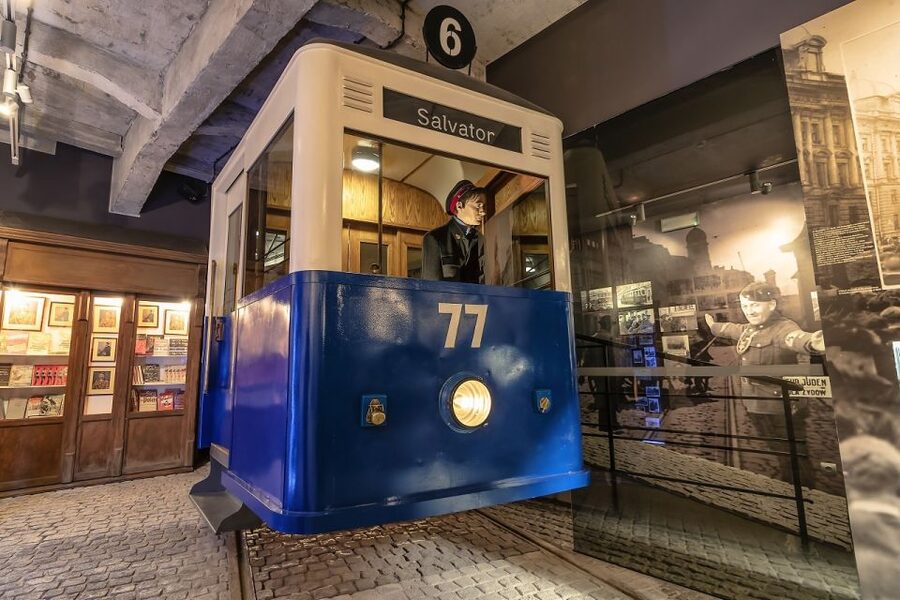
- Schindler’s Factory adds wartime context: The museum visit helps connect Kraków’s World War II story with Oskar Schindler and the city’s Jewish population.
- Ghetto Heroes Square uses art to remember loss: Several dozen cast-iron chairs represent belongings left behind after the Kraków Ghetto was liquidated.
- Auschwitz is a serious, preserved memorial: The visit includes former camp buildings and ruins, crematoria, gas chambers, and the railway platform.
- Wieliczka changes the mood: Salt chambers, corridors, sculptures, legends, and underground engineering bring a very different experience on day three.
- The price covers the big-ticket items: At $237 per person, admission to all three major sites and transport for the two longer excursions are included.
Why this three-day plan works in Kraków
Kraków can feel like several cities at once. Its old streets carry medieval and royal associations, Kazimierz reflects Jewish life and memory, and the districts beyond the center tell the story of occupation and wartime destruction. Just outside the city, Auschwitz and Wieliczka add two very different journeys.
I like the pacing of this plan because each day has a clear purpose. Day one stays in Kraków and builds local context. Day two is given to Auschwitz, where you need time and concentration. Day three heads underground at Wieliczka, providing a change of subject after the solemn memorial visit.
You do not need to arrange separate museum admissions, intercity transport, or guides for each stop. That saves planning time, which is a real part of the value here. The tradeoff is less freedom than you would have with independent visits. You follow the arranged schedule and meet at the designated starting point rather than being collected from your hotel.
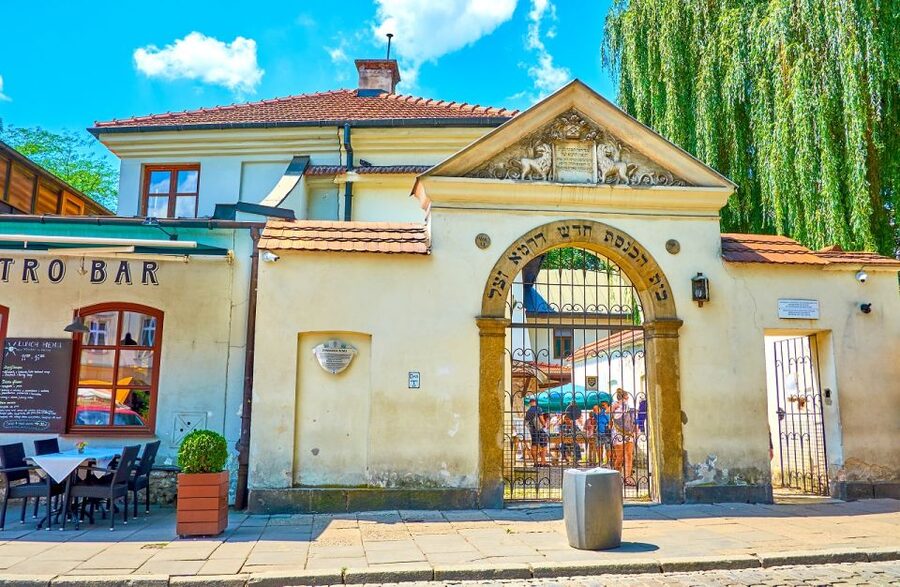
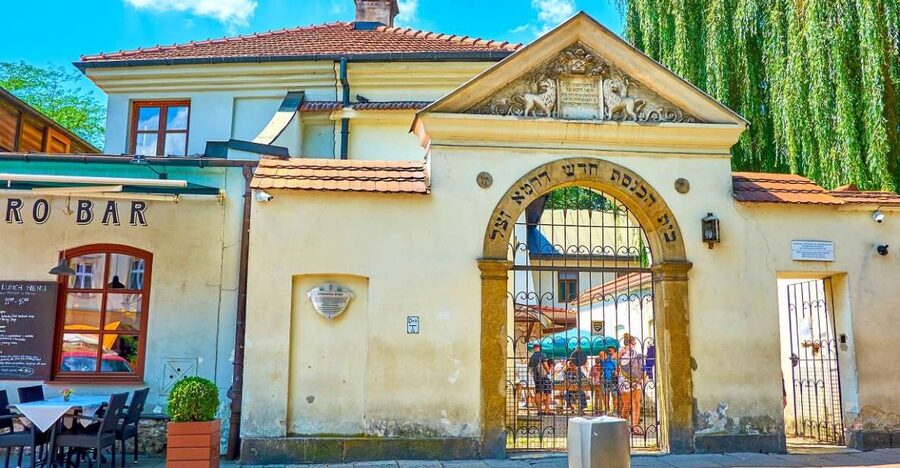
The meeting point is on the steps of the Old Synagogue in Kazimierz. Look for a guide holding an excursions.city sign. The activity finishes back at that same meeting point, so you should plan your hotel route and evening plans around central Kazimierz.
More Auschwitz-Birkenau memorial tours:
- Auschwitz-Birkenau & Salt Mine Tour in One Day from Krakow
★ 4.9 · 38 reviews - Krakow: Wieliczka Salt Mine and Auschwitz-Birkenau Tour
★ 4.3 · 34 reviews - See the Best of Krakow, Wieliczka & Auschwitz in 3 Days
★ 5.0 · 1 review
Day one in Kazimierz: streets, memory, and modern Kraków
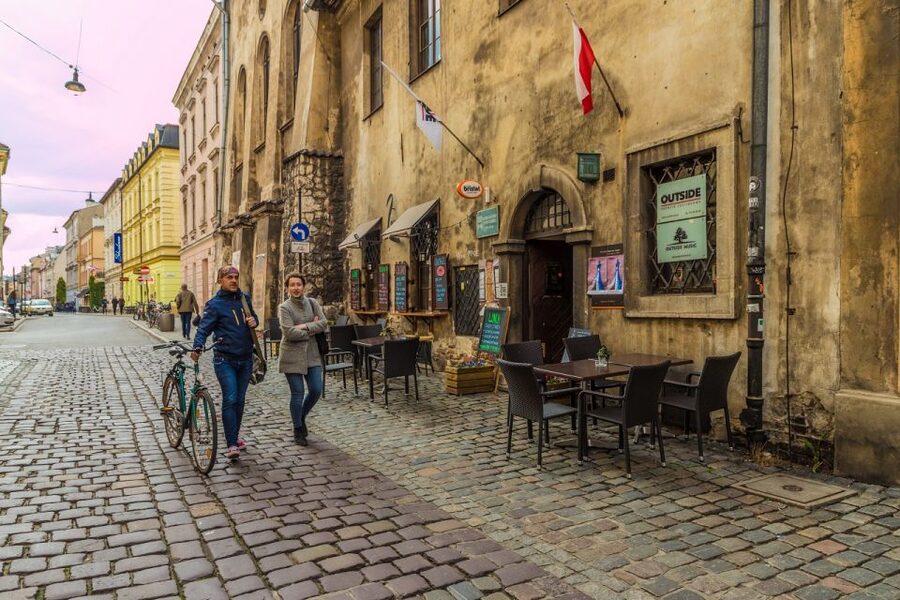
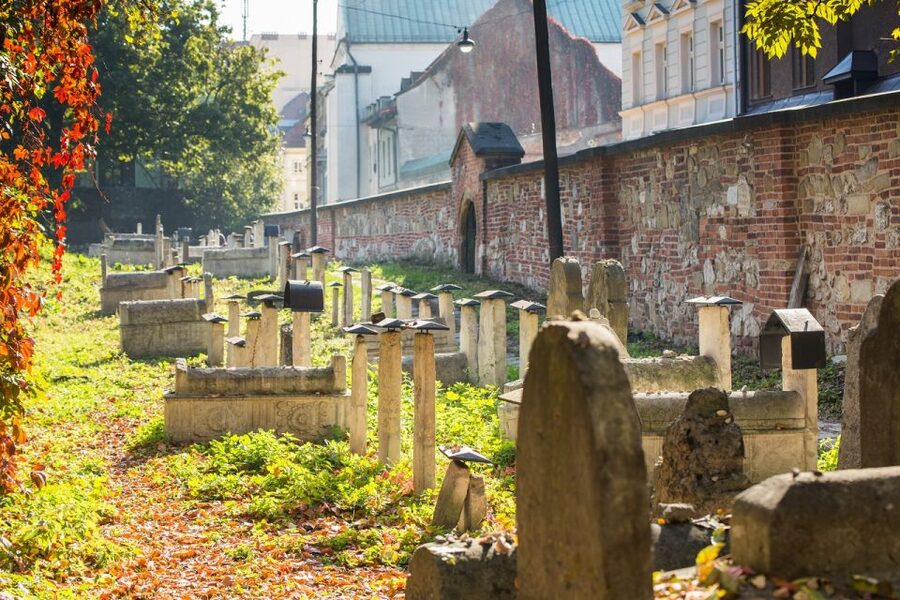
Kazimierz is not just a museum district. It is a part of Kraków where historical sites share space with art galleries, vintage clothing shops, and independent businesses. The walking portion gives you a useful introduction to the area before the tour moves indoors.
I like this opening because a guide can point out the connection between the streets and the people who once lived here. The supplied information does not promise a set number of stops, so expect a guided orientation rather than a checklist of every synagogue and square. The value is in seeing the quarter as a living part of the city, not only as a backdrop for wartime history.
Wear shoes you can walk in for several hours. The first day involves Kazimierz streets, the museum visit, and a short walk around the former Kraków Ghetto. The pace should suit most people who are comfortable with ordinary city walking, but this is not a sit-back sightseeing day.
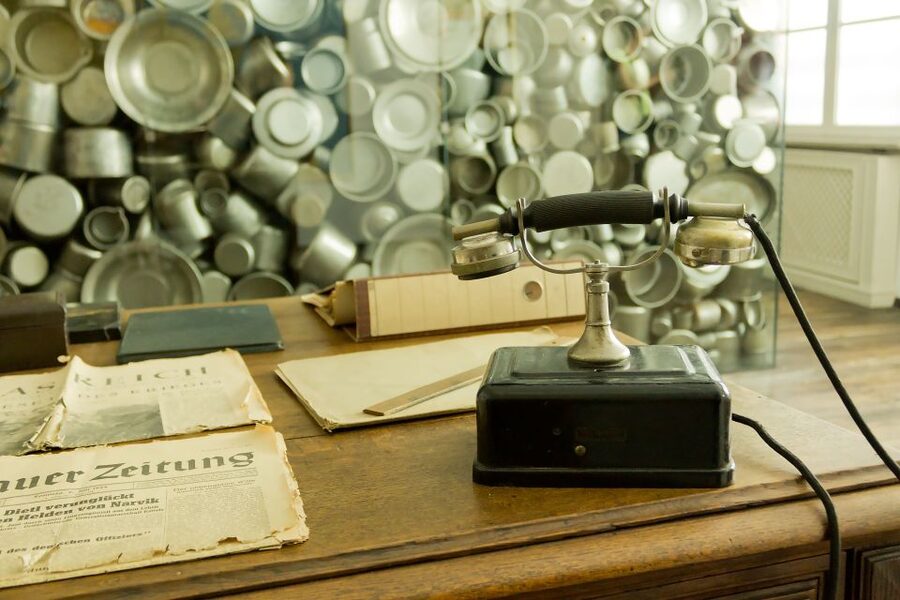
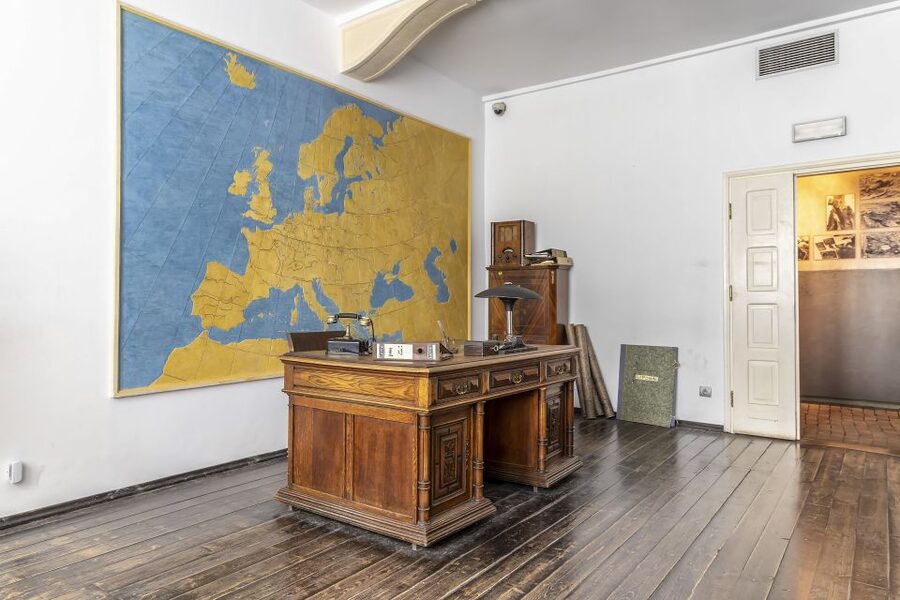
The tour then visits Oskar Schindler’s Enamel Factory. The former factory now contains two museums: the Museum of Contemporary Art and a branch of the Historical Museum of the City of Kraków. This experience includes admission to the Schindler’s Factory museum, with the focus placed on Kraków during World War II and Schindler’s role in that period.
That distinction matters. You are not simply visiting a building connected with a famous film. The museum helps explain the city’s wartime experience and the lives affected by Nazi occupation. If you know Schindler mainly through popular culture, the museum offers a broader setting for understanding the story.
The supplied details do not confirm that this package includes time inside the Museum of Contemporary Art. The included ticket is described as admission to Oskar Schindler’s Enamel Factory museum, so you should not assume every exhibition in the complex is part of the visit.
Ghetto Heroes Square and the cast-iron chairs
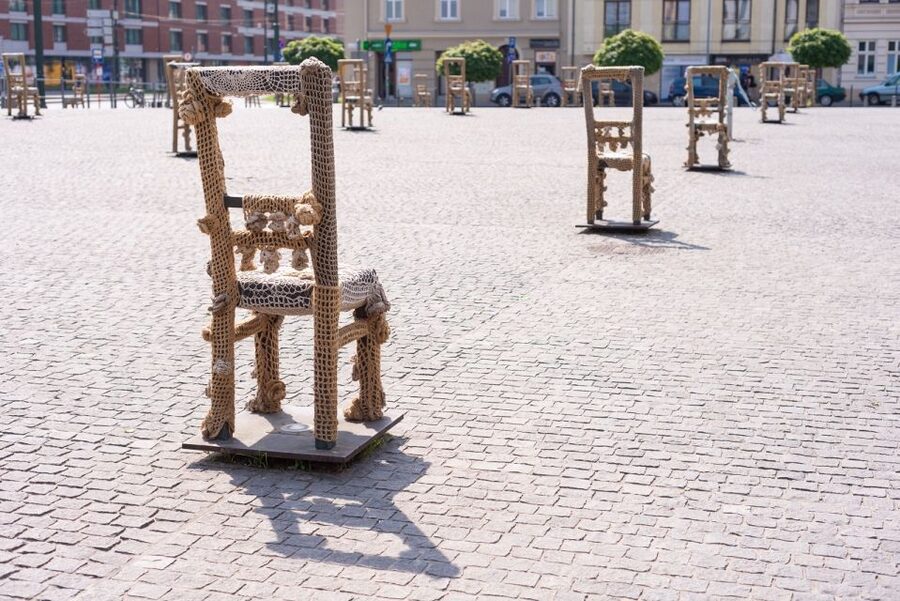
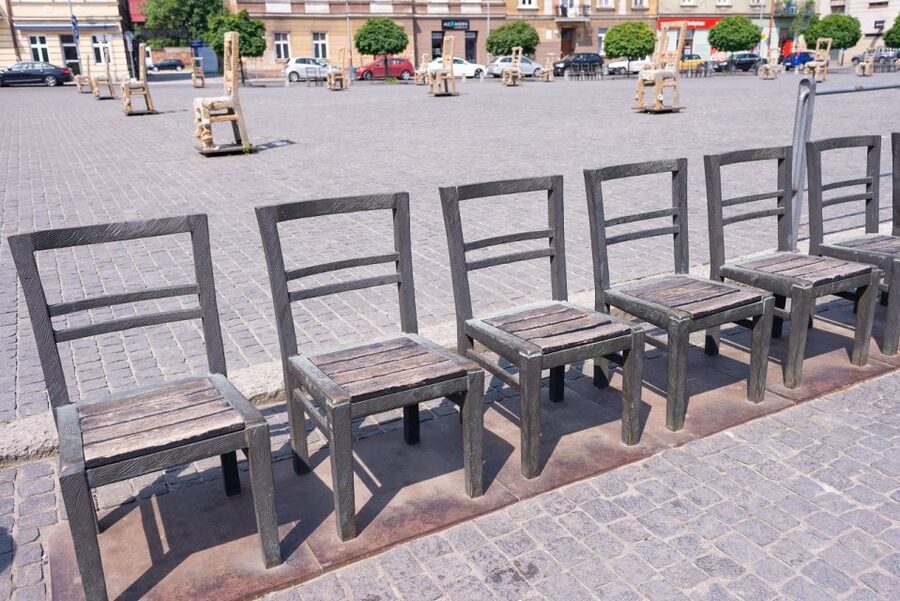
After the factory, you take a short guided walk through the former Kraków Ghetto. The key stop is Plac Bohaterów Getta, or Ghetto Heroes Square, where several dozen cast-iron chairs sit separately across the square.
The chairs symbolize the scattered belongings of the Jewish community after the ghetto was liquidated in 1942 and 1943. It is a simple public artwork, but its meaning is hard to miss. Instead of filling the square with explanatory structures, the installation uses empty space and repeated objects to suggest absence.
This is one of the tour’s most effective moments because the guide’s explanation gives the square a human dimension. You are not just passing through another historic plaza. You are being asked to notice what is missing.
The day includes both the Jewish quarter and the former ghetto, which are related but not identical parts of Kraków’s story. That pairing gives you a better sense of how the city’s Jewish heritage, wartime persecution, and present-day memory fit together.
Day two at Auschwitz-Birkenau: a demanding but essential visit
The second day travels from Kraków to Oświęcim, the Polish town where the former Nazi concentration camp of Auschwitz is located. Transport between Kraków and Oświęcim is included, as is admission to the Auschwitz-Birkenau Memorial and Museum.
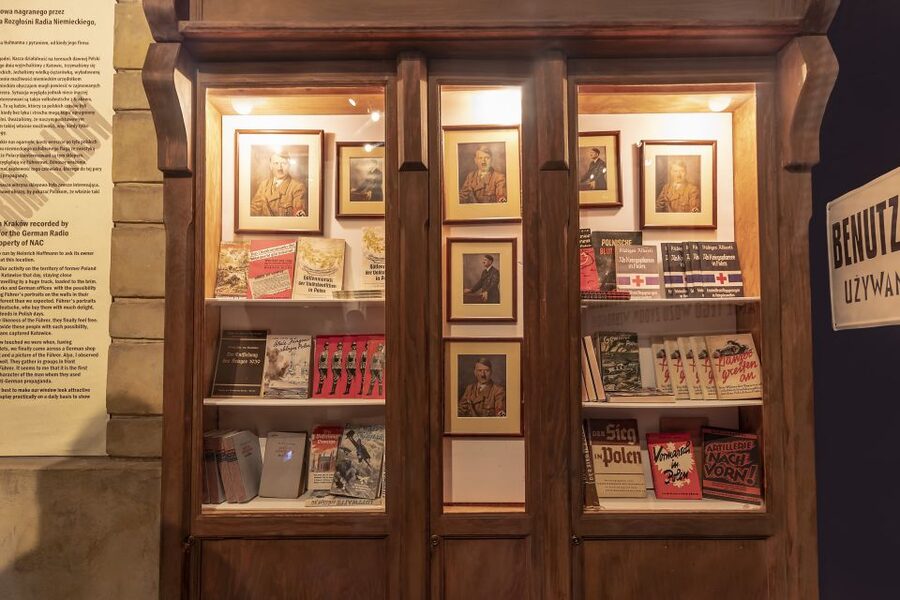
Auschwitz is preserved as a memorial to the crimes committed against humanity. The museum area includes former camp structures and ruins, crematoria, gas chambers, the railway platform, and other surviving elements of the camp complex. Your guide provides context during the visit, helping you understand what you are seeing rather than leaving you to read disconnected displays on your own.
This is not a light sightseeing stop. I would avoid booking it on a day when you want a cheerful evening afterward. The subject demands attention and respect, and the physical setting can be stark. Warm clothing and rain gear are sensible because the visit includes outdoor areas, while sunglasses and a sun hat can help in strong weather.
The tour requires the full name of every participant exactly as it appears on the passport or identity document. Auschwitz admission is personal, and special registration is required. Bring your passport or ID card. This is not a minor formality, so check every name carefully when booking.
The package is particularly useful here because admission and return transport are already arranged. Getting to Auschwitz independently is possible, but it adds another set of transport and entry details to manage. With this tour, you can focus on the memorial rather than the route.
One point remains unclear from the available information: the exact departure time, return time, and length of the Auschwitz visit depend on the selected date. Check availability before booking, especially if you have evening plans or a train to catch.
More Wieliczka Salt Mine tours:
- Krakow: Wieliczka Salt Mine Skip-the-Line Live Guided Tour
★ 4.5 · 462 reviews - From Krakow: Wieliczka Salt Mine Guided Tour
★ 4.4 · 323 reviews - From Krakow: Wieliczka Salt Mine Half-Day Trip with Pickup
★ 4.5 · 140 reviews - From Krakow: Wieliczka Salt Mine Guided Tour
★ 4.5 · 115 reviews
Day three underground at Wieliczka Salt Mine
The third day heads from Kraków to the Wieliczka Salt Mine and back. Transport and admission are included. The mine is described as one of the oldest in the world, with large chambers, long corridors, salt sculptures, legends, and other underground features.
Wieliczka provides a useful contrast after Auschwitz. Both sites are historical, but their emotional tone is very different. The salt mine is a place of labor, engineering, craft, and folklore. You move through a built environment shaped by generations of mining rather than through a memorial designed to confront mass murder.
I like putting the mine on the third day because it gives the itinerary a change of rhythm. You can expect plenty of walking, however. The tour specifically advises comfortable shoes, and that recommendation should be taken seriously. Warm clothing also helps underground, while rain gear is useful for the journey between the vehicle and the entrance.
The description promises magnificent chambers, countless corridors, and salt sculptures, but it does not specify which chambers or the exact route. That means you should book this for the overall underground experience rather than for one particular famous room.
The mine may suit you if you enjoy unusual places with a strong sense of setting. It may be less suitable if stairs, long walks, or enclosed spaces cause problems. The available information does not provide accessibility details, so ask the operator directly if you need specific assistance.
Guides and communication make a difference
This tour depends heavily on the guides. The most enthusiastic praise is directed toward the walking guide on day one, who was described as exceptional. That is important because Kazimierz and the former ghetto benefit from explanation, not just navigation.
The operator also uses WhatsApp and email to keep people updated. That practical communication can make a three-day arrangement feel much less uncertain. Questions were answered promptly, and the trip was described as well organized from start to finish.
No individual guide names are provided, so I cannot tell you who will lead each day. Guide quality can vary by date, but the feedback points to a strong standard, particularly for the Kraków walking portion.
The language is English. If you need another language, this is not the right package based on the information available.
Is $237 per person good value?
At $237 per person, the tour is not a budget day-trip purchase. It covers three days, expert guides, admission to Schindler’s Factory, Auschwitz-Birkenau, and Wieliczka Salt Mine, plus return transport from Kraków to Auschwitz and Wieliczka.
That makes the price easier to understand. You are paying for several major entrance tickets and two longer transfers, not only for a guide walking you around Kraków. Independent booking might cost less in some cases, but you would need to compare separate admissions, transport fares, timing, and the value of having someone explain the sites.
The strongest value comes if you want a ready-made historical program and do not want to coordinate several bookings. You also benefit from the included museum access and the ability to reserve now and pay later. Food and drinks are not included, and there is no hotel pickup or drop-off, so budget for meals and your own route to Kazimierz.
The package is less attractive if you prefer to set your own pace, linger at one museum, or replace one of the three main visits with free time. It is a structured tour, and its strength is organization rather than flexibility.
Who should book this experience?
I would recommend it to a first-time visitor who wants the major historical sites covered without building a separate plan for each one. It is also a good fit if you want English-language guidance and prefer prearranged transport for Auschwitz and Wieliczka.
History-focused visitors will get the most from the combination of Kazimierz, Schindler’s Factory, the former ghetto, and Auschwitz. The itinerary gives you both local Kraków context and the two major excursions most associated with the region.
You should think carefully if your trip is very short, your mobility is limited, or you want a relaxed schedule. Three consecutive days of walking, museum time, outdoor memorial visits, and an underground mine can be tiring. The emotional weight of Auschwitz also makes this more demanding than a standard city sightseeing package.
Bring your passport or ID card, comfortable shoes, warm clothing, sunglasses, a sun hat, and rain gear. Check the booking details carefully, especially participant names for Auschwitz and the starting times available on your chosen dates.
Should you book it?
Book this tour if you want Kraków’s major Jewish, wartime, memorial, and industrial-history sites connected in one plan. Its best features are the thoughtful first-day route, the included admissions, the return transfers, and strong communication from the operator.
Skip it if you want complete independence or prefer to spread serious museum visits across a slower schedule. For most first-time visitors with three available days, however, $237 is a fair price for the amount of transport, guiding, and admission included. Just arrive prepared for long walks and a solemn second day.
FAQ
How long does the tour last?
The experience lasts three days. Starting times depend on availability for your chosen date.
Where does the tour begin?
Meet your guide on the steps of the Old Synagogue. The guide will hold a sign marked excursions.city.
Where does the tour end?
The activity ends back at the meeting point by the Old Synagogue.
Is hotel pickup and drop-off included?
No. Hotel pickup and drop-off are not included, so you must reach the Old Synagogue meeting point yourself.
Which language is the tour conducted in?
The live guided tour is conducted in English.
Are entrance tickets included?
Yes. Admission to Oskar Schindler’s Enamel Factory museum, Auschwitz-Birkenau Memorial and Museum, and Wieliczka Salt Mine is included.
Is transport to Auschwitz included?
Yes. Return transport between Kraków and Oświęcim is included.
Is transport to Wieliczka included?
Yes. Return transport between Kraków and Wieliczka is included.
What identification do I need for Auschwitz?
Bring your passport or ID card. Each Auschwitz ticket is personal, and every participant’s first and last name must match the identity document used for registration.
What should I bring?
Bring comfortable shoes, warm clothing, sunglasses, a sun hat, and rain gear. Food and drinks are not included.
More Jewish Heritage Tours in Wieliczka
- Krakow: Schindler’s Factory, Jewish Ghetto & Salt Mine Tour
★ 5.0 · 9 reviews - Krakow: Schindler’s Factory, Jewish Ghetto & Salt Mine Tour
★ 5.0 · 3 reviews - Krakow: Schindler’s Factory & Ghetto Guided Tour
★ 4.7 · 1,694 reviews - Krakow: Jewish Quarter and Former Ghetto Tour
★ 4.9 · 1,441 reviews
Just added in Wieliczka
- Krakow: Wieliczka Salt Mine and Auschwitz-Birkenau Tour★ 4.3 · 34 reviews
- Krakow: Wieliczka Salt Mine Tour with Private Transfers★ 4.7 · 6 reviews
- Krakow: Wawel & Salt Mine Experience with Lunch★ 5.0 · 1 review
- Krakow: Vistula River Cruise and Wieliczka Salt Mine Tour★ 4.6 · 3 reviews
- Kraków: Street Food and Historical Adventure★ 4.8 · 3 reviews
- Krakow: Schindler’s Factory, Jewish Ghetto & Salt Mine Tour★ 5.0 · 9 reviews
- Krakow: Schindler’s Factory, Jewish Ghetto & Salt Mine Tour★ 5.0 · 3 reviews
- Krakow’s River Cruise with Group Tour of Wieliczka Salt Mine★ 5.0 · 1 review