
REVIEW · AUSCHWITZ-BIRKENAU MEMORIAL TOURS
Krakow: Wieliczka Salt Mine and Auschwitz-Birkenau Tour
History and salt, packed into one day. This 12-hour Krakow tour links two of Lesser Poland’s most important sights: the Auschwitz-Birkenau Memorial and the Wieliczka Salt Mine. I like the efficient transport, the licensed guides, and the chance to see both places without arranging separate tickets or trains.
I also like that the day covers two very different parts of Polish history, from the evidence of Nazi persecution to centuries of salt mining underground. The main drawback is the pace: one recent booking described the guided visit as rushed, and the schedule leaves little room for delays or quiet reflection.
In This Review
- Key points to know before booking
- Why combine Auschwitz-Birkenau and Wieliczka?
- Leaving Krakow in an air-conditioned vehicle
- Auschwitz: seeing the evidence, not just hearing the story
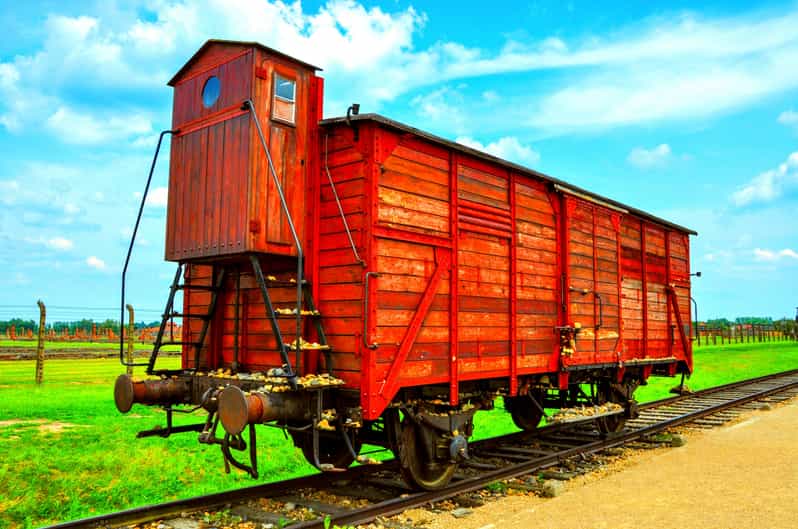
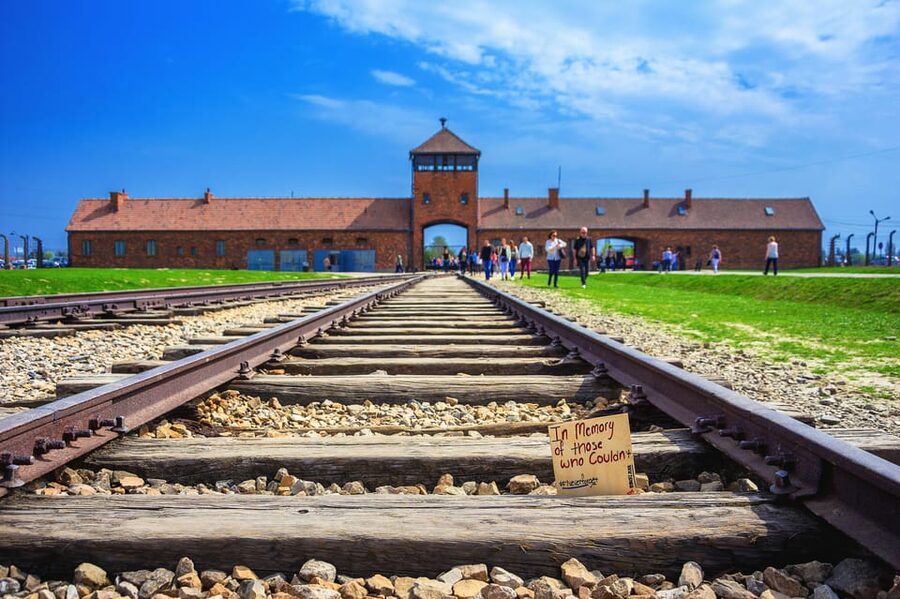
- Birkenau and the railway ramp
- The transfer and lunch break
- Wieliczka Salt Mine: a city below the city
- How the 12-hour schedule feels
- Is $111 a fair price?
- What to bring and what to leave behind
- Who will appreciate this day most?
- Should you book the Auschwitz and Wieliczka combination?
- FAQ
- How long is the Krakow Auschwitz-Birkenau and Wieliczka tour?
- Is transportation included?
- Are entrance tickets included?
- Is food included?
- What identification do I need?
- Is the tour suitable for children or people with mobility difficulties?
Key points to know before booking
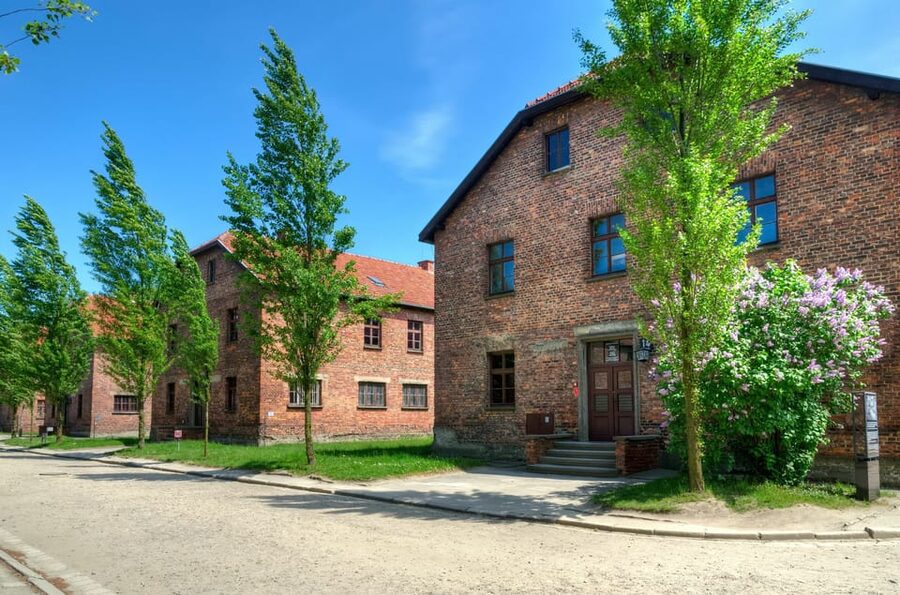
- Auschwitz and Birkenau are separate parts of one memorial complex, with original buildings, prison blocks, gas chamber remains, and the railway ramp where prisoners arrived.
- The Wieliczka Salt Mine is a major underground attraction, with salt-carved statues and chapels far below ground.
- The 12-hour schedule is practical but demanding, especially when both sites are visited in one day.
- A clean, comfortable coach and good pickup communication can make a big difference on such a long outing.
- You need the exact ID used at booking, since Auschwitz entry can be refused if the name does not match.
- The $111 price includes transportation, admission, and guides, but not food or drinks.
Why combine Auschwitz-Birkenau and Wieliczka?
Krakow has enough major sights to fill several days, yet these two places often sit at the top of a first visit. They also offer sharply different experiences.
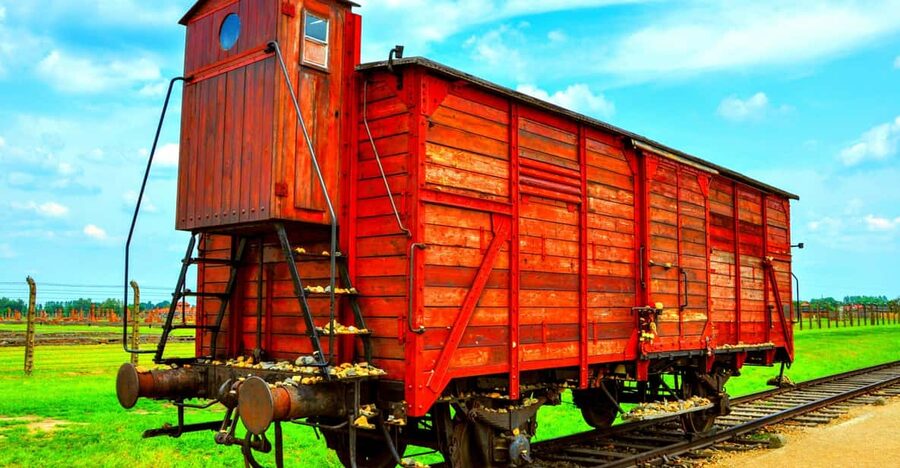
Auschwitz-Birkenau is a memorial to mass murder and persecution. You go to see the original camp grounds, prison blocks, gas chamber remains, and the railway ramp at Birkenau. It is serious, difficult, and emotionally heavy.
Wieliczka is a historic salt mine with an entirely different mood. The route takes you underground through chambers, sculptures, and chapels cut from rock salt. Its special underground climate and micro-element filled air are linked with healing properties, though the main reason to visit is the remarkable workmanship and history of salt extraction.
I think the pairing works because the contrast gives the day shape. You begin with one of Europe’s most painful historical sites and later see a place shaped by labor, religion, art, and geology. Still, this is not a light sightseeing day. The first stop can leave you drained, and the second requires more walking and attention.
More Auschwitz-Birkenau memorial tours:
- Auschwitz-Birkenau & Salt Mine Tour in One Day from Krakow
★ 4.9 · 38 reviews - Kraków: Jewish Quarter, Auschwitz, And Salt Mine 3-Day Tour
★ 4.8 · 5 reviews - See the Best of Krakow, Wieliczka & Auschwitz in 3 Days
★ 5.0 · 1 review
Leaving Krakow in an air-conditioned vehicle
The tour includes pickup from a meeting point in Krakow rather than a hotel pickup at every address. You should check the precise meeting instructions carefully and arrive early. A missed departure would be especially costly because the activity is non-refundable.
The vehicle is air-conditioned, which matters on a full-day trip involving several hours on the road. One recent booking praised the coach as clean and comfortable, along with clear communication about pickup. That is the kind of practical detail that helps when you are leaving Krakow early and facing a long day.
An English-speaking driver is available for questions during the journey. The driver is not the same as the licensed guides at the sites, so you should expect the formal historical commentary to take place after arrival.
Pickup reliability deserves attention. One booking reported waiting an hour at the meeting point without being collected or reaching the operator by phone. That appears to be an exception rather than the general pattern, but it is a useful warning: save the provider’s contact information, keep your phone charged, and confirm the meeting point before departure.
Auschwitz: seeing the evidence, not just hearing the story
At Auschwitz, a licensed guide leads the visit through the former camp. The value of a guided tour here is clear. The site contains many buildings and layers of evidence, and a guide helps explain how the camp operated and why each area matters.
You can expect to see original structures, including prison blocks and remains of the gas chambers. These are not reconstructed attractions designed for easy viewing. They are physical evidence of a system that imprisoned, exploited, and murdered people during World War II.
The visit is likely to feel restrained and formal. That is appropriate. You are not visiting a museum designed for entertainment, and the best approach is to allow time for the information to register. A tightly organized group tour can help you see the key areas, but it can also limit how long you pause at each one.
One recent booking described the guided visit as proceeding at a run. You should take that seriously if you prefer a slow museum visit or need time to read every display. The schedule has to serve a large number of people and then move on to Birkenau, so this is a structured introduction rather than a private study day.
Birkenau and the railway ramp
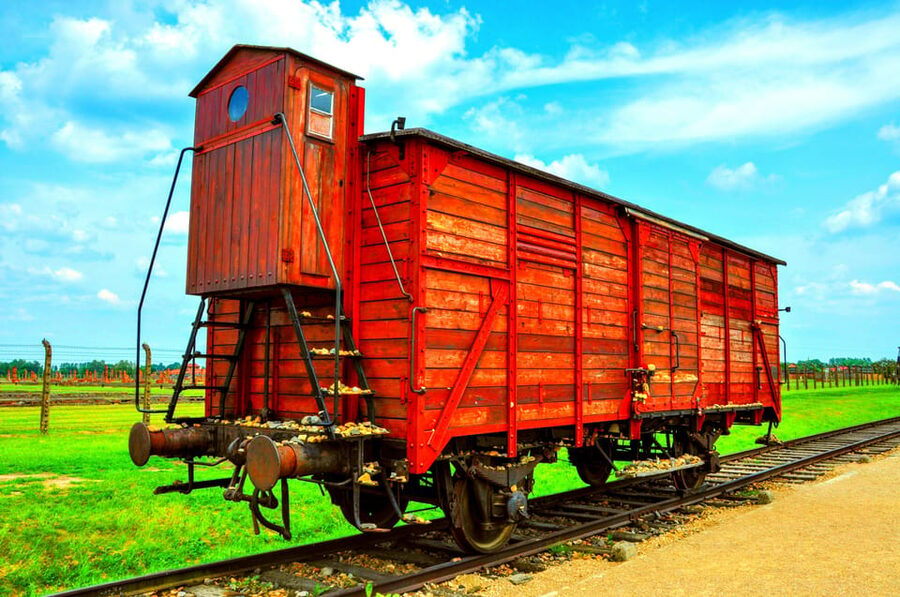
Birkenau gives the memorial a much larger physical scale. The remains of the railway ramp show where prisoners arrived, were processed, and faced immediate decisions about their fate. The open grounds, surviving structures, and long distances between sections make the operation of the camp easier to grasp than photographs alone.
You will also see the remains of gas chambers and other camp structures. The site is stark, and its size can be difficult to take in. A guide helps connect the railway, barracks, selection process, and killing facilities into one understandable account.
Wear shoes that can handle a long period of walking. Comfortable footwear is specifically recommended, and that advice applies to both memorial sites and the salt mine. Warm clothing is also useful because the day includes an underground visit and the conditions may feel cooler below the surface.
This part of the day is not suitable for everyone. The tour is not recommended for children aged 13 and under. Families with older teenagers should also consider the subject matter carefully, since the visit deals directly with genocide, imprisonment, and murder.
More Wieliczka Salt Mine tours:
- Krakow: Wieliczka Salt Mine Skip-the-Line Live Guided Tour
★ 4.5 · 462 reviews - From Krakow: Wieliczka Salt Mine Guided Tour
★ 4.4 · 323 reviews - From Krakow: Wieliczka Salt Mine Half-Day Trip with Pickup
★ 4.5 · 140 reviews - From Krakow: Wieliczka Salt Mine Guided Tour
★ 4.5 · 115 reviews
The transfer and lunch break
Between the two major stops, you receive a 40 to 60 minute lunch break. Food and drinks are not included, so you need to budget for your own meal.
The break is useful because the day has no natural pause at either memorial site. It gives you a chance to eat, use facilities, and reset before entering Wieliczka. At the same time, an hour is not a long restaurant meal if service is slow, so a quick and simple lunch makes the most sense.
Keep the schedule in mind when choosing this tour. You are not getting a leisurely morning at Auschwitz followed by an unhurried afternoon underground. You are choosing a practical way to cover two major sights in one day.
Wieliczka Salt Mine: a city below the city
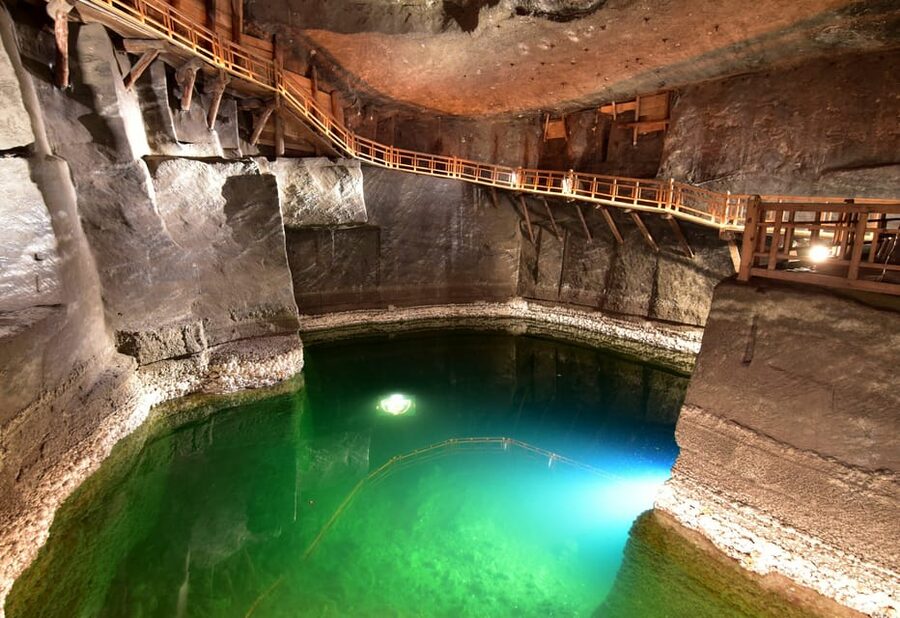
The Wieliczka Salt Mine changes the mood completely. A local guide leads you through the underground route and explains salt extraction dating back to the Middle Ages.
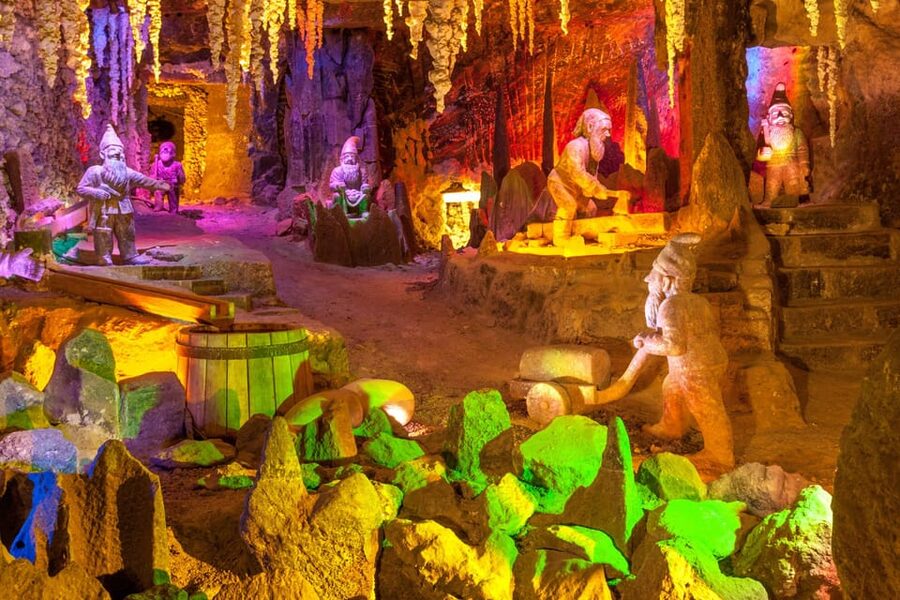
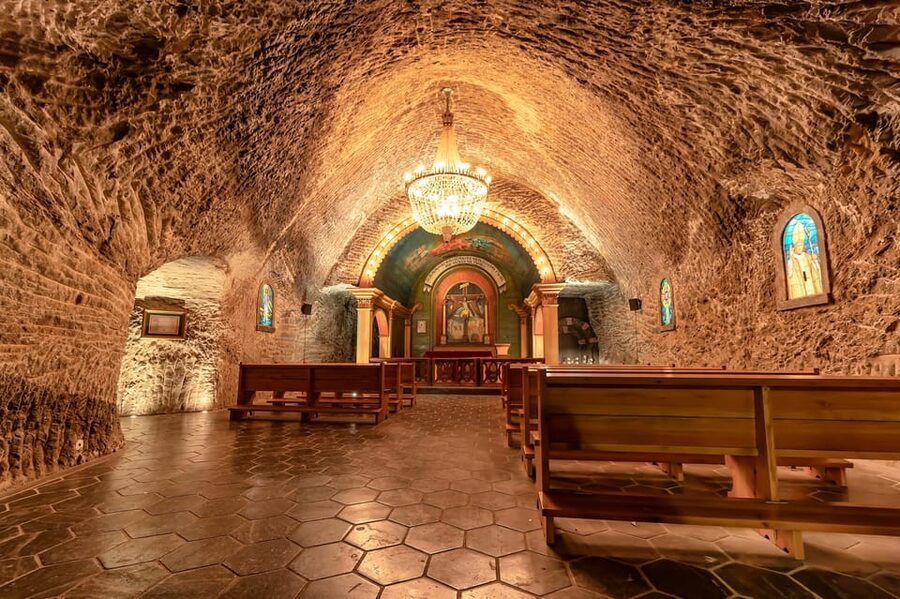
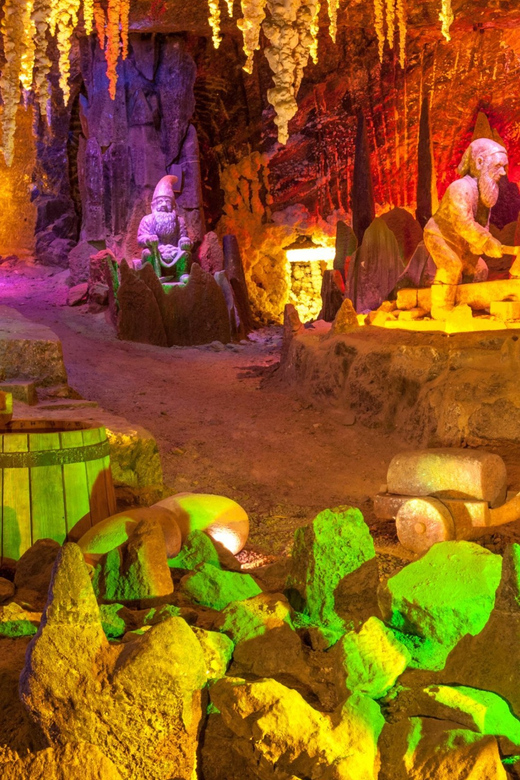
The phrase underground city is useful here because the mine is more than a single cavern. You encounter a network of chambers and spaces shaped by centuries of work. Statues and chapels carved from rock salt give the visit an artistic side that many people do not expect from a working mine.
I like this stop because it shows how ordinary labor can create something extraordinary over time. The mine is not merely a place to look at salt. It reflects technical skill, religious life, and the determination needed to work below ground for generations.
The air is described as containing beneficial micro-elements, with a special climate associated with healing properties. You should treat that as part of the mine’s character rather than the main reason to book. The strongest appeal is the combination of underground architecture, salt carving, and the history of extraction.
The mine is not an ideal choice if you dislike enclosed spaces. The tour is specifically not recommended for people with claustrophobia. You should also expect walking, so it is not suitable for people with mobility impairments.
How the 12-hour schedule feels
Twelve hours is a long time for any organized excursion. Here, the length reflects the distance from Krakow, the two major sites, guided visits, transfers, and lunch.
The advantage is efficiency. You pay once, ride in one vehicle, and have entrance tickets and guides arranged for both locations. If you have only a few days in Krakow, this can save planning time and prevent you from spending a day figuring out transport between separate attractions.
The cost is flexibility. You cannot easily shorten one visit because the coach must continue to the next stop. A delayed start, long lunch, or slow movement through the memorial can affect the rest of the schedule. You should choose this tour if seeing both places matters more to you than setting your own pace.
I would not book it as a casual add-on after a busy morning in Krakow. The subject matter at Auschwitz requires emotional energy, and Wieliczka adds substantial physical effort. Plan a quiet evening afterward rather than another major attraction.
Is $111 a fair price?
At $111 per person, the price is reasonable for what is included. You receive transportation in an air-conditioned vehicle, admission to both Auschwitz-Birkenau and the Wieliczka Salt Mine, and live English-language guides at each site.
Buying the elements separately could require more planning and expose you to ticket availability problems, especially for Auschwitz, where entry is controlled and names must match identification. The package also removes the need to navigate between Krakow, the memorial, and the mine on your own.
The price does not include lunch or drinks, so add those costs. You should also consider the value of your time. If you would prefer a full day at one museum with a slow, detailed visit, $111 may not feel like good value. If you want both sights handled in one organized outing, the combination is more compelling.
The non-refundable policy is important. Auschwitz requires full names and contact details for all participants, and entry can be refused if the booking name differs from the passport or ID presented. Check every name carefully before paying, and do not assume you can change your mind later.
What to bring and what to leave behind
Bring the following:
- Passport or ID card matching the booking details
- Comfortable walking shoes
- Warm clothing
- Valid student card, if you booked a student ticket
Student tickets require valid student identification, and the student must be no older than 25. Someone aged 25 must purchase an adult ticket, according to the stated conditions.
Do not bring pets, smoking materials for use on the tour, or large bags. Baby carriages and luggage larger than 30 by 20 by 10 centimeters are not permitted inside. If you are bringing a baby or small child, bring a child seat or sling rather than relying on a stroller.
The luggage rule is especially important if you are touring on checkout day. This is not a good substitute for a luggage transfer unless your bags meet the stated size limit.
Who will appreciate this day most?
I would recommend this tour to a first-time Krakow visitor who wants to cover two major sights with one transport arrangement. It suits people who value convenience, prefer English-language guiding, and can manage a long day of walking and serious historical content.
It is also a good fit if you are nervous about arranging Auschwitz tickets or reaching Wieliczka independently. The included admission and site guides remove several points of uncertainty.
I would hesitate to recommend it to anyone who needs a slow pace, has difficulty walking, or feels uncomfortable in enclosed spaces. It is also a poor match for young children. Even older children may find the Auschwitz portion upsetting, so parents should decide based on maturity rather than simply age.
Couples and solo visitors should think about the emotional balance of the day. The mine provides a change of subject, but it does not erase the weight of the morning. You may prefer to visit Auschwitz on its own day if you want time for quiet reflection.
Should you book the Auschwitz and Wieliczka combination?
Book it if you want maximum sightseeing efficiency and a guided introduction to both places. The clean vehicle, included admissions, English-speaking guides, and sensible lunch pause make the $111 price fair for a full day.
Skip it if you want control over timing or need a gentle schedule. The day can feel rushed, pickup communication has not been flawless in every case, and the non-refundable terms leave little room for error.
Before paying, double-check your meeting point, enter every name exactly as it appears on each ID, and prepare for a serious, physically demanding day. If those conditions suit you, this is a practical way to connect two very different but important places near Krakow.
FAQ
How long is the Krakow Auschwitz-Birkenau and Wieliczka tour?
The tour lasts 12 hours, including transportation, guided visits, and a 40 to 60 minute lunch break between the two main stops.
Is transportation included?
Yes. Pickup from a meeting point in Krakow and transportation in an air-conditioned vehicle are included.
Are entrance tickets included?
Yes. The price includes entrance tickets and live English-language guides for both the Wieliczka Salt Mine and the Auschwitz-Birkenau Concentration Camp.
Is food included?
No. Food and drinks are not included. The schedule provides a 40 to 60 minute lunch break between the two attractions.
What identification do I need?
You need a passport or ID card. The name on your identification must match the full name provided during booking, or entrance to Auschwitz may be refused.
Is the tour suitable for children or people with mobility difficulties?
The tour is not recommended for children under 13, people with mobility impairments, or people with claustrophobia. Baby carriages and large luggage are also not permitted inside.
Just added in Wieliczka
- Krakow: Wieliczka Salt Mine Tour with Private Transfers★ 4.7 · 6 reviews
- Krakow: Wawel & Salt Mine Experience with Lunch★ 5.0 · 1 review
- Krakow: Vistula River Cruise and Wieliczka Salt Mine Tour★ 4.6 · 3 reviews
- Kraków: Street Food and Historical Adventure★ 4.8 · 3 reviews
- Krakow: Schindler’s Factory, Jewish Ghetto & Salt Mine Tour★ 5.0 · 9 reviews
- Krakow: Schindler’s Factory, Jewish Ghetto & Salt Mine Tour★ 5.0 · 3 reviews
- Krakow’s River Cruise with Group Tour of Wieliczka Salt Mine★ 5.0 · 1 review
- Krakow: River Cruise and Wieliczka Salt Mine Group Tour★ 3.9 · 5 reviews