
REVIEW · CITY TOURS
Katowice: city center walking tour
Katowice rewards curious walkers. I like the way this two-hour tour connects the former coal-mining district with modern architecture, public monuments, and grand churches. I also like the route’s clear sense of place, especially the Culture Zone, Spodek, and the Katowice Modernism Trail. One consideration is the price: at $103 per person, it is costly for a two-hour walk.
The route covers about 3 kilometers and includes a few gentle uphill stretches. Guide Piotr received specific praise for his impressive command of the city and region, which matters here because Katowice makes more sense when its industrial, political, and cultural stories are explained together.
In This Review
- Key points to know before booking
- Why this two-hour walk gives Katowice useful context
- Starting in Katowice’s Culture Zone
- Spodek and the Silesian Insurgents Monument
- Wojciech Korfantego Avenue and the main square
- Old railway buildings and St. Mary’s Church
- The Silesian Parliament and the Katowice Modernism Trail
- Ending at Christ the King Cathedral
- Walking conditions, languages, and practical planning
- Who will get the most from this tour?
- Should you book the Katowice city center walking tour?
- FAQ
- Where does the Katowice walking tour begin?
- Where does the tour finish?
- How long is the walking route?
- How long does the tour last?
- Which languages are available?
- Is the tour wheelchair accessible?
Key points to know before booking
- The tour begins at a former coal mine: Katowice’s Culture Zone now holds major cultural buildings, including the Silesian Museum and the Polish National Radio Symphony Orchestra.
- Spodek gives the walk its most recognizable landmark: The UFO-shaped arena is one of the city’s essential photo stops.
- You see Katowice through several eras: The route moves from 19th-century tenement houses to modernist buildings, political monuments, and post-industrial cultural spaces.
- The walk ends at a major cathedral: Christ the King Cathedral is one of Poland’s largest, giving the tour a strong final stop.
- The route is practical but not effortless: Comfortable shoes matter, and you should check the weather before setting out.
- Several languages are available: Tours are offered in Polish, English, Spanish, Russian, and German.
Why this two-hour walk gives Katowice useful context
Katowice is often treated as a gateway to other Silesian sights. That is a mistake. The city center offers a compact lesson in Poland’s industrial past, 20th-century politics, modern architecture, and present-day cultural life.
This tour works because it does not focus only on old buildings. You begin in a former mining area, pass large civic monuments, cross the central market area, see old railway and church buildings, then finish at a monumental cathedral. The route shows how Katowice has changed without pretending its coal-mining past has vanished.
The walk lasts two hours, so expect an overview rather than an inside look at every attraction. Most stops are photo stops or outdoor visits. That makes the tour a good first introduction, especially if you want help choosing which places deserve more of your own time later.
At $103 per person, the cost deserves a close look. It is not a bargain for a short walk, particularly since meals, drinks, hotel transfers, and personal expenses are not included. The value comes from the guide’s interpretation, the number of major sights covered, the choice of starting point, and the availability of five languages. If you prefer exploring alone with a guidebook, the price may be hard to justify. If you want the city explained in one efficient route, it can make sense.
More Walking Tours in Poland:
- Warsaw: Old Town Highlights Walking Tour in English
★ 4.7 · 1,516 reviews - Old Town Krakow & Wawel Castle Walking Tour
★ 5.0 · 1,508 reviews - Creepy Krakow: 2-Hour City Walking Tour
★ 4.7 · 1,131 reviews
Starting in Katowice’s Culture Zone
The meeting point is the main entrance to the Polish National Radio Symphony Orchestra building, known locally as NOSPR. In poor weather, you meet inside instead. This is a practical arrangement, since the Culture Zone is an important part of the tour rather than a simple meeting point.
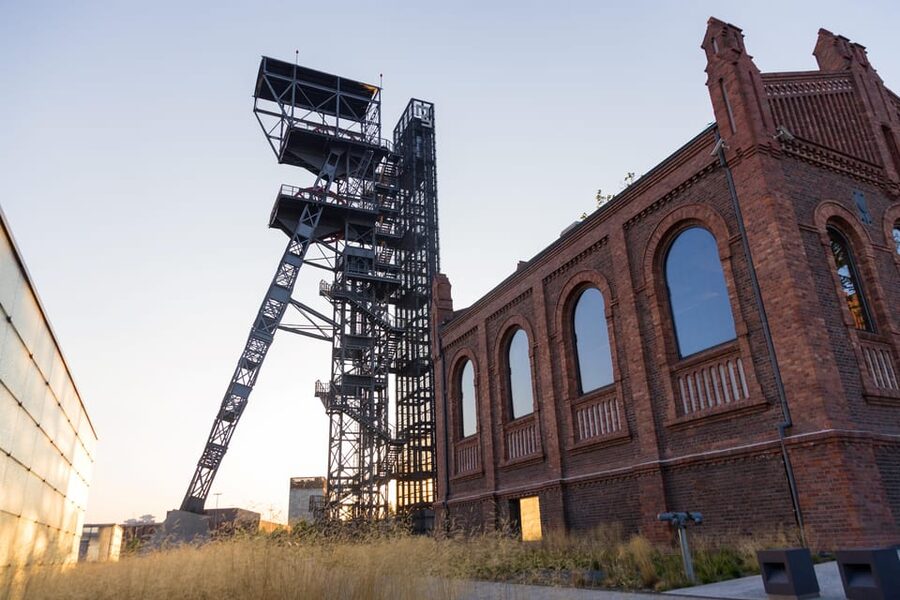
The area was once a coal mine. Today, its former industrial setting is home to several major cultural institutions. The Silesian Museum, NOSPR, and the Katowice International Congress Centre give this part of town a very different purpose.
You will have about 10 minutes for a photo stop at the Silesian Museum and another 10 minutes at NOSPR. These pauses allow your guide to explain the change from mining site to cultural center, while you get a look at the buildings and their surroundings.
The International Congress Centre is passed rather than visited. That distinction matters. You should not expect an interior tour or a long architectural presentation inside each building. The emphasis is on the relationship between the institutions and the former mine site.
I consider this opening one of the strongest parts of the route. It gives Katowice a clear starting point. Instead of beginning with a generic square, you begin with the city’s defining industrial story and its current cultural life.
Spodek and the Silesian Insurgents Monument
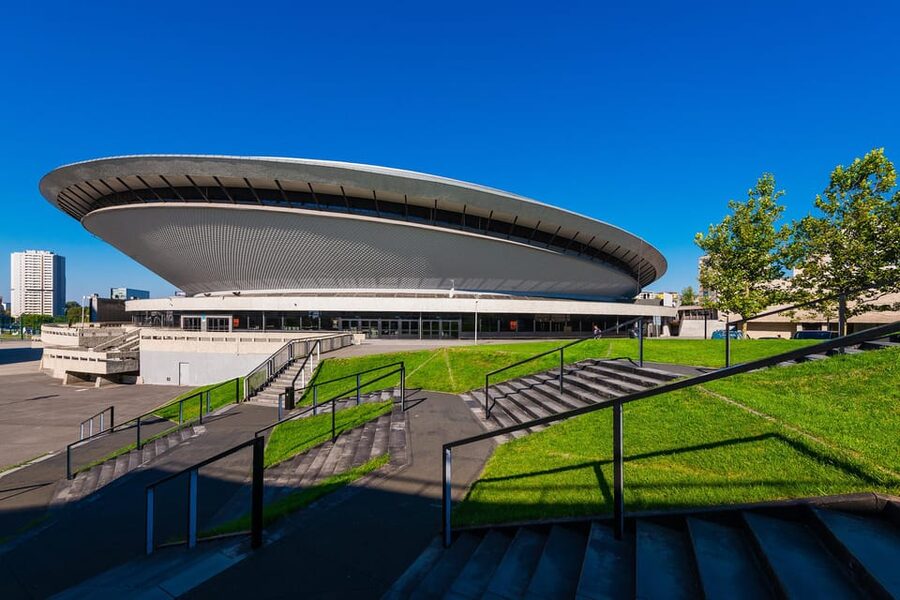
From the Culture Zone, the walk continues toward Spodek, Katowice’s best-known building. Its rounded, flying-saucer shape is hard to mistake, and the tour includes about 10 minutes for photographs.
Spodek is more than an unusual arena. It is the city’s showpiece, and its form reflects the bold architecture associated with postwar Katowice. You may not have time for an interior visit, but the exterior gives you one of the clearest visual markers of the city.
The next major stop is the Silesian Insurgents Monument. You spend about 15 minutes here. The monument recalls the Silesian uprisings, an important part of the region’s political story and its relationship with Poland.
This is where a local guide can add real value. A monument made of sweeping metal wings or other dramatic forms can be admired quickly, but its meaning is easier to understand when you know what it commemorates. Listen for the regional context, since Silesia has its own identity and complicated political past.
The route’s first section therefore moves from industrial work to modern culture, then to regional memory. That progression is more useful than a list of unrelated sights.
Wojciech Korfantego Avenue and the main square
The walk follows Wojciech Korfantego Avenue toward the center. This section links the Culture Zone with the city’s public heart and gives you time to see how large avenues, monuments, and commercial streets fit together.
The September Scouts Monument is another 15-minute visit. It honors young people connected with the defense of Katowice during the September campaign. Like the Silesian Insurgents Monument, it is a place where the guide’s explanation helps turn a public sculpture into a piece of local memory.
You then reach Rynek, the main square, for about 10 minutes. The square is an important orientation point. It helps you understand the city center’s layout and gives you a break from the monumental scale of the avenue.
Do not expect a long café stop or free time for shopping. The schedule is fairly tight, and the square is one part of a continuous walking route. If you want to sit down, browse shops, or take extended photographs, you may need to return on your own later.
The nearby 19th-century tenement houses add a different note. These buildings help show the period when Katowice was growing rapidly as an industrial city. They are not treated as isolated museum pieces. Instead, they form part of the ordinary urban fabric around the square.
A few more in Poland
- From Katowice: Auschwitz-Birkenau Skip-the-Line Guided Tour
★ 4.7 · 373 reviews - Pub Crawl 1hr Unlimited Beer + Vodka then Clubs in Katowice
★ 4.2 · 22 reviews - Katowice Old Town Highlights Private Walking Tour
★ 4.9 · 14 reviews - From Krakow: “The Witcher” Ogrodzieniec Castle Private Trip
★ 5.0 · 7 reviews
Old railway buildings and St. Mary’s Church
The route passes the old train station, identified as Stary Dworzec. The stop is listed as a pass-by of about 10 minutes, so you should think of it as an exterior look rather than a full railway history visit.
Railways mattered greatly to industrial Katowice. A station is a fitting part of the story because mines, factories, workers, and goods all depended on transport links. The old building also provides a change of scale after the broad avenues and large monuments.
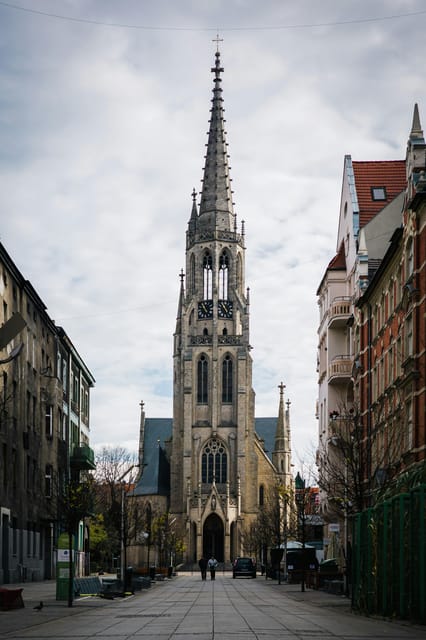
The walk then reaches the oldest preserved Catholic church in the city center, St. Mary’s Church. You have about 10 minutes for photographs. The church gives the route another useful contrast: after mining, modern arenas, political monuments, and commercial streets, you see an older religious building at the center of the city.
The schedule again favors a short stop. If you are especially interested in church interiors, art, or religious architecture, ask your guide what can be seen inside during the visit. The available information confirms a photo stop, not a detailed interior tour.
This part of the route suits travelers who like cities with several layers visible at once. Katowice is not presented as a perfectly preserved old town. Instead, you see fragments from different periods placed close together.
The Silesian Parliament and the Katowice Modernism Trail
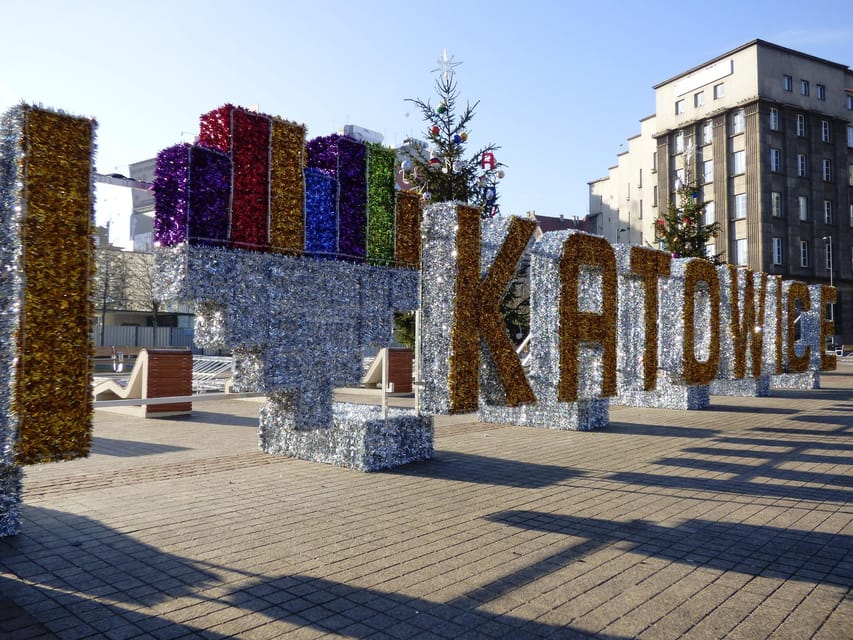
The walk continues south to Plac Sejmu Śląskiego, or Silesian Parliament Square. You spend about 15 minutes here. The historic Silesian Parliament building points to Katowice’s political importance and to the region’s special place within Poland.
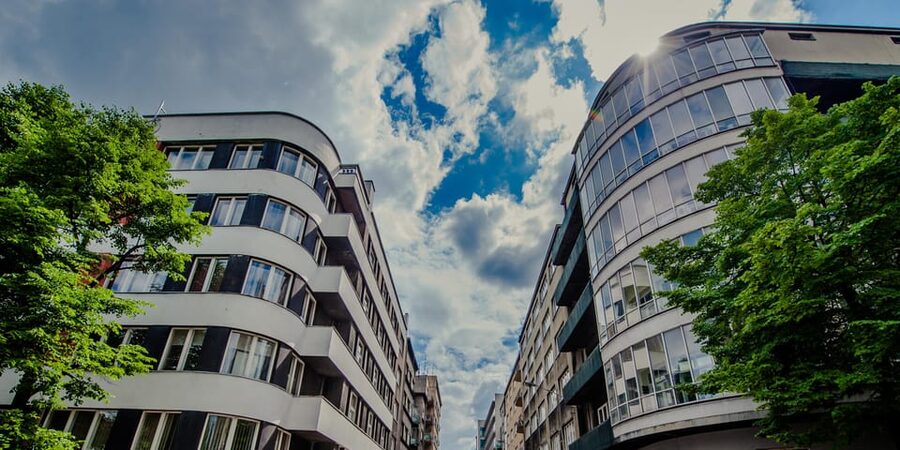
This is also where the tour’s architectural theme becomes clearer. Along the way, you see buildings associated with the Katowice Modernism Trail. Modernist architecture can be easy to miss if you walk quickly. Its clean lines, practical forms, and restrained decoration do not always call attention to themselves.
A guide helps you notice what you might otherwise pass without a second glance. Look up at facades and consider how these buildings differ from the older tenements near the main square. The tour does not list every modernist building by name, so the experience depends on the route and the guide’s explanation.
For me, this section is a good reason to choose a guided walk rather than simply following a map. The main monuments are easy to find alone. Architectural details and political context are less obvious.
The drawback is time. Two hours is enough to see the main examples, but not enough for a slow architectural study. If modernism is your main interest, you may want to note the buildings you like and return for a longer self-guided walk.
Ending at Christ the King Cathedral
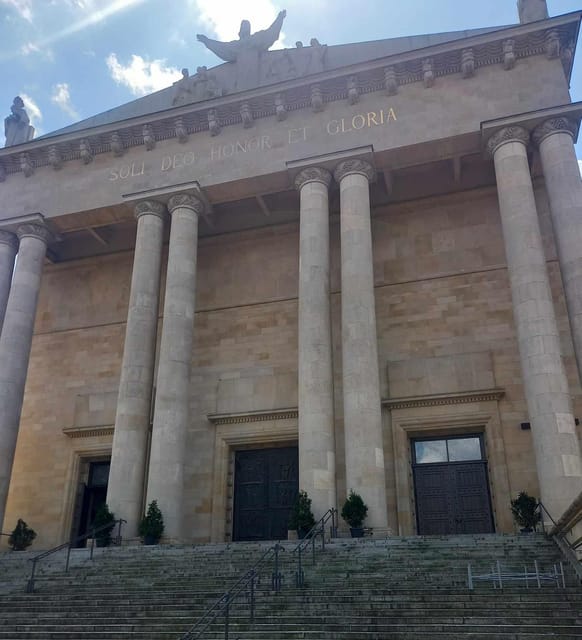
The final stop is the Cathedral of Christ the King, a majestic building and one of the largest cathedrals in Poland. The tour ends here after a 10-minute photo stop.
Ending at the cathedral gives the walk a strong visual finish. Its scale is very different from the modern Culture Zone and the civic buildings around Plac Sejmu Śląskiego. It also returns the story to religion and public identity after the tour has focused on industry, politics, and architecture.
Because the tour ends at the cathedral, you are not returned to the starting point. Plan your next move before you set out. The provided details do not include hotel pickup, hotel drop-off, or transport back to NOSPR.
The final stop is best treated as an exterior introduction unless your guide confirms that an interior visit is possible. The schedule names a photo stop, and the tour’s main purpose is to connect the city’s major sights rather than offer detailed access to each one.
Still, it is a fitting conclusion. You finish with one of Katowice’s most important religious buildings, rather than ending in an ordinary street or transport hub.
Walking conditions, languages, and practical planning
The route covers approximately 3 kilometers. That is not a long distance for most people, but the walk is partly uphill. Comfortable shoes are essential, especially if you plan to spend the rest of the day exploring on foot.
Weather matters. Much of the experience takes place outdoors, with several stops for photographs and explanations. Check the forecast and dress for the conditions. In bad weather, the meeting arrangement moves inside the NOSPR building, but the walk itself still requires outdoor time.
Live guiding is available in Polish, English, Spanish, Russian, and German. This makes the tour useful for a wide range of visitors, though you should check the available starting time for your preferred language before booking.
The tour is wheelchair accessible. Since the route includes a few slightly uphill sections, it is wise to confirm any specific mobility needs in advance, particularly if you need detailed information about surfaces or access at individual stops.
There is no meal or drink included. That is not a serious problem on a two-hour route, but you should carry what you need. The tour is tightly timed, so do not count on a long café break during the walk.
Free cancellation is available up to 24 hours before the start for a full refund. You can also reserve now and pay later, which helps if your Katowice plans are still changing.
Who will get the most from this tour?
I would recommend this walk to a first-time visitor who wants a fast orientation before exploring Katowice independently. It is especially useful if you are curious about the city’s mining background, modern buildings, and regional politics rather than only looking for an old-town stroll.
It also suits visitors with limited time. In two hours, you see the Culture Zone, Spodek, two major monuments, the main square, the old station, a historic church, the Silesian Parliament, modernist buildings, and Christ the King Cathedral.
Architecture fans should find plenty to note, though they should not expect a specialist-length study. The Katowice Modernism Trail appears as part of a wider city walk, not as the sole subject.
The route may be less suitable for anyone who wants museum admission, long interior visits, food tasting, or hotel transportation. It is also not the best choice if $103 feels high for a short outdoor tour.
Should you book the Katowice city center walking tour?
Book it if you want the city’s major sights explained in a logical order and you value a local guide’s regional knowledge. The strongest feature is the route itself: it shows how a former mining center became a cultural and political capital of Silesia.
I especially like the opening at the Culture Zone and the close at Christ the King Cathedral. Spodek, the Silesian Insurgents Monument, and the modernist buildings add variety, while the main square and old church keep the walk connected to the older city.
The price is the main question. At $103 per person for two hours, this is a premium walking tour. I would choose it if you have limited time, want guiding in one of the five listed languages, or prefer a clear introduction to Katowice’s complicated story. If you enjoy planning your own walks and reading about monuments as you go, save the money and explore the same central areas at your own pace.
FAQ
Where does the Katowice walking tour begin?
The tour begins at the main entrance to the Polish National Radio Symphony Orchestra building, NOSPR. In bad weather, the meeting point is inside the building.
Where does the tour finish?
The walk finishes at the Cathedral of Christ the King in Katowice.
How long is the walking route?
The route is approximately 3 kilometers long and includes some slightly uphill sections.
How long does the tour last?
The guided walk lasts 2 hours. Starting times vary, so you need to check availability for your preferred date.
Which languages are available?
Live guiding is available in Polish, English, Spanish, Russian, and German.
Is the tour wheelchair accessible?
Yes, the activity is listed as wheelchair accessible. The route does include some slightly uphill sections, so consider your specific mobility needs when planning.
Just added in Poland
- Historical Walking Tour of Jewish Warsaw★ 5.0 · 68 reviews
- Deluxe Polish Food Tour Experience in Warsaw★ 5.0 · 19 reviews
- CO2-Offset Arrival Transfer from Warsaw Airport to Warsaw City★ 5.0 · 1 review
- Amazing photo walk through the Old town of Warsaw★ 5.0 · 32 reviews
- 8-day tour around Poland by private car★ 5.0 · 2 reviews
- 2 Hour Super Segway City Tour of Warsaw★ 5.0 · 5 reviews
- Electric Scooter Tour: Full Tour – 3-Hours of Magic!★ 5.0 · 3 reviews
- 2h Rental of Motorboat for 10 in Warsaw no License Needed★ 5.0 · 1 review
City Tours, compared.

City Sightseeing Tour Eco Electric Buggy Golf Cart
Read our review →
Gdańsk City Sights & History Guided Walking Tour in English
Read our review →
Extended City Sightseeing Tour – Eco Buggy Golf Cart
Read our review →
Browse the lists this tour appears in