
REVIEW · OLD TOWN WALKING TOURS
Gdansk Old Town: German Influence Walking Tour
History gets personal here. This private Gdansk walking tour follows German connections through the Old Town, from the High Gate and royal route to St. Mary’s Church and the Motlawa River. I especially like the private format, which lets your guide adjust the pace and explain the past in your language. I also like the focus on real places, including Artus Court, Neptune’s Fountain, and the old Hanseatic port. The main consideration is price: at $108 per person, this is far more costly than a standard group walk, especially if you are traveling alone.
The guide service earns strong praise for being friendly and competent, which matters on a tour dealing with several centuries of changing borders and identities. You should also note the two tour lengths: the 2-hour option includes St. Mary’s Church, while the 3-hour option adds admission to Artus Court. The shorter tour does not include an Artus Court ticket.
In This Review
- Key points to know before you book
- Why German history belongs in Gdansk
- Starting beneath the High Gate
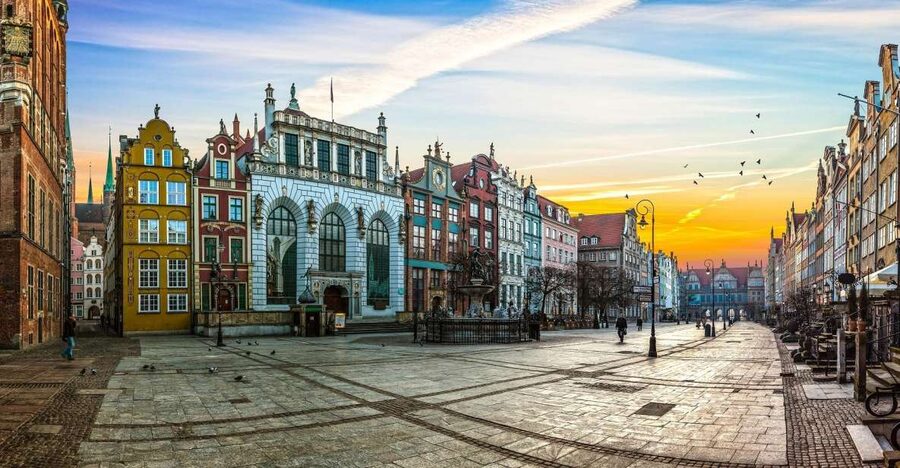
- Walking the royal route from Golden Gate to Long Market
- Artus Court and the business of the Hanseatic League
- Neptune’s Fountain and the city’s public symbols
- The Motlawa River and Gdansk’s port history
- The people behind the German connection
- Inside St. Mary’s Church
- Choosing two hours or three
- Who gets the best value from this private walk
- Practical details that affect the day
- Should you book the Gdansk German Influence Walking Tour?
- FAQ
- How long does the Gdansk German Influence Walking Tour last?
- What languages are available?
- Is St. Mary’s Church included?
- Is Artus Court included?
- Where does the tour begin and end?
- Is hotel pickup available?
Key points to know before you book
- The tour follows a German trail through Gdansk, connecting the Teutonic Order, Prussia, the German Reich, merchants, writers, and artists to the city you see today.
- St. Mary’s Church is included on both options, though church access can be limited during Mass, concerts, and special events.
- Artus Court is included only on the 3-hour tour, making the longer option the better choice for Hanseatic League history.
- The route begins under the High Gate, about eight minutes from Gdansk Main Railway Station, and ends at the same meeting point.
- This is a private tour in German or Polish, with a licensed guide and an itinerary adjusted to your needs.
- Pickup is available in the Old Town, but accommodations farther than 1.5 kilometers from the meeting point require you to meet at the High Gate.
Why German history belongs in Gdansk
Gdansk is often presented as a Polish city, and rightly so. But its past cannot be understood through one national story. Over more than 1,000 years, the city has been shaped by Polish rulers, German-speaking citizens, Prussian power, the German Reich, Baltic trade, and the changing fortunes of the port.
That is the central idea behind this walk. You are not simply looking at attractive facades and checking off famous sights. You are tracing how people, goods, languages, and political systems moved through Gdansk.
The tour explains that Gdansk became part of the Teutonic Order for 146 years, then belonged to Prussia and the German Reich for 126 years. Those figures give you a useful framework as you walk. They also explain why German influence appears in the city’s architecture, trade traditions, literary culture, and public buildings.
I find this approach more useful than treating German influence as a collection of isolated facts. The history becomes easier to follow when you see it in the streets, gates, churches, and merchant halls around you.
More Walking Tours in Gdańsk
- Gdańsk City Sights & History Guided Walking Tour in English
★ 4.8 · 876 reviews - Main Town Gdańsk Walking Tour
★ 5.0 · 644 reviews - Discover Gdansk Walking Tour
★ 5.0 · 495 reviews
Starting beneath the High Gate
The meeting point is in front of the tourist information sign beneath the High Gate, or Brama Wyżynna, at Wały Jagiellońskie 2A. It is about eight minutes from Gdansk Main Railway Station, so the location is practical if you are arriving by train.
The High Gate is a fitting place to begin. It marks the entrance to the historic center and leads you toward the old royal route. From here, your guide introduces the political and cultural forces that shaped Danzig, the German name used for Gdansk during much of its past.
If you stay in the Old Town, pickup may be possible from your accommodation. You need to provide the full address when booking. If your lodging is more than 1.5 kilometers from the meeting point, or if you do not provide the address, you will meet the guide at the High Gate instead.
The activity is private, so you are not tied to the pace of a large group. That is a real advantage in a city where a few extra minutes at a doorway or church interior can make the difference between simply seeing a building and understanding it.
Walking the royal route from Golden Gate to Long Market
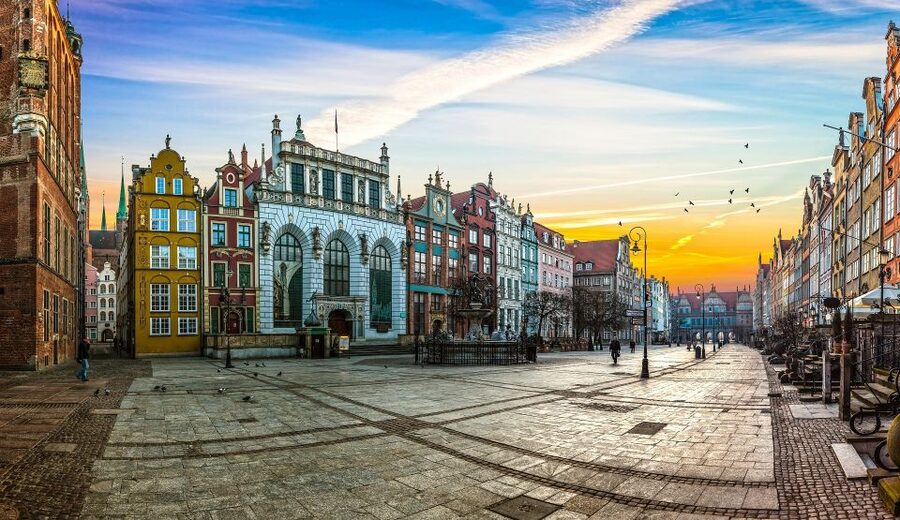
From the High Gate, the route follows the main ceremonial path toward the Golden Gate and Long Market. This is the section where Gdansk’s grand urban face comes into view.
The walk introduces you to wealthy German merchants who came to Danzig during its strongest trading years. Amber was one attraction, but it was not the only valuable commodity moving through the city. The wider point is that Gdansk prospered because it connected inland goods with Baltic shipping routes.
As you walk, pay attention to how the route feels like a stage for civic power. Gates, formal streets, grand residences, and public buildings all helped communicate the wealth of the city. Your guide places those sights into the setting of German trade networks and the Hanseatic League.
I like this part of the tour because it links the city’s appearance with its economy. The ornate architecture is not just decoration. It reflects the influence of merchants who wanted their city, homes, and meeting places to show status.
Artus Court and the business of the Hanseatic League
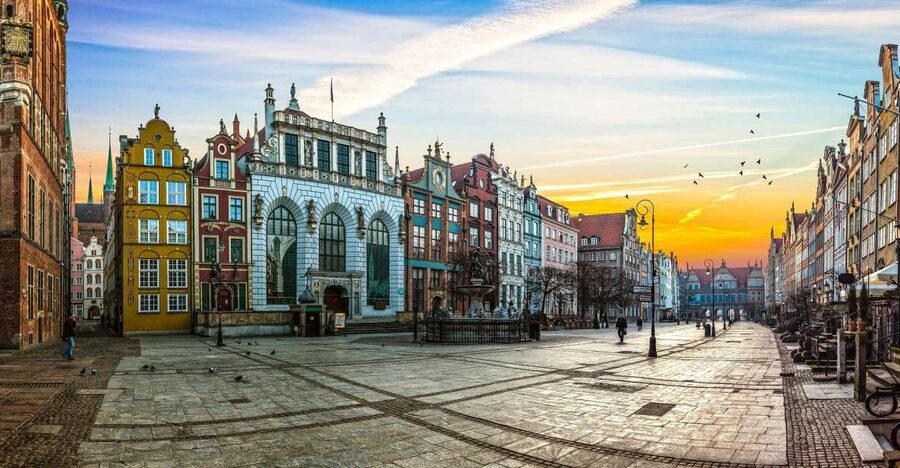
Artus Court is one of the key reasons to choose the 3-hour tour. The building served as an exclusive meeting place for merchants and became a symbol of Gdansk’s power during the 16th and 17th centuries.
Inside, your guide points out German influences and explains how the court functioned within the city’s trading culture. If you are interested in the Hanseatic League, this is the most useful stop on the longer route. It gives you a place where commercial ambition, civic identity, and social rank came together.
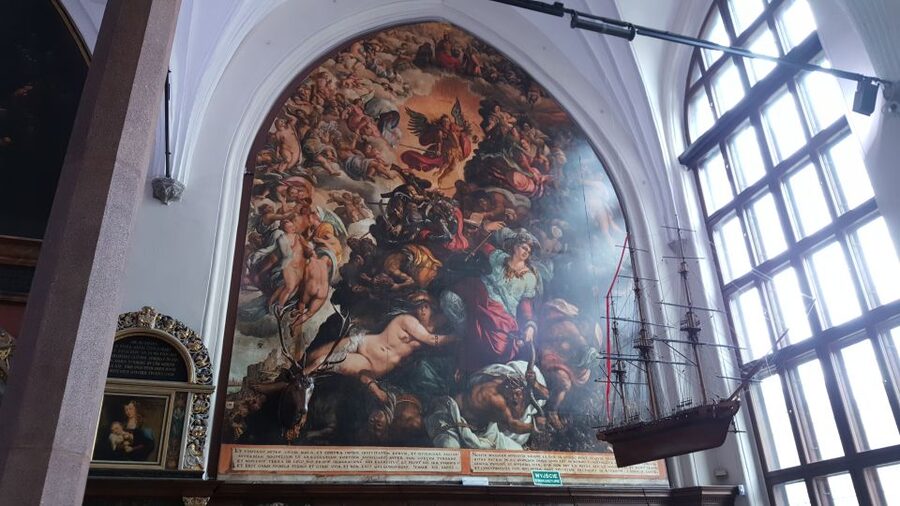
The interior also includes the controversial Last Judgment painting by Anton Möller. That work adds a human and religious dimension to the commercial setting. It is not simply another decorative painting in a grand hall. Your guide can connect it to the values, anxieties, and public life of the city.
The ticket is included with the 3-hour tour, but not with the 2-hour option. This is an important difference. If Artus Court is high on your list, book the longer version rather than trying to add it later.
At $108 per person, the 3-hour tour remains a significant purchase. But the price includes a private guide, St. Mary’s Church admission, and Artus Court admission. For two people or a small family who want a focused history walk in German or Polish, that may be reasonable. For a solo visitor mainly seeking orientation, a less expensive group tour may offer better value.
More Old Town walks in Gdansk:
- Gdańsk: Sightseeing EcoCruise around the Old Town of Gdansk
★ 4.6 · 719 reviews - Gdańsk: Old Town Private Walking Tour with Legends and Facts
★ 4.9 · 245 reviews - Gdansk Old Town 2-Hour Walking Tour
★ 4.5 · 94 reviews - Sunset on the Shipyard and Old Town Evening Cruise
★ 4.5 · 86 reviews
Neptune’s Fountain and the city’s public symbols
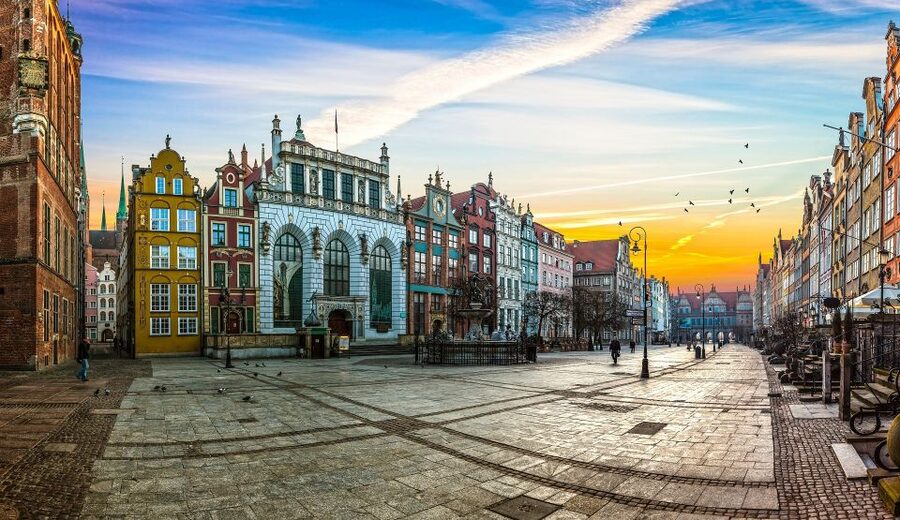
The route passes Neptune’s Fountain, one of the most recognizable sights in Gdansk. The fountain is a natural pause in the walk, but the real value comes from hearing how public monuments helped express the city’s identity and prosperity.
This is also where the tour can help you see the difference between looking and observing. On your own, you may take a photograph and move on. With a guide, you can ask how the fountain fits into the royal route, the merchant city, and the wider contest over who controlled Gdansk.
Because the tour is private, you can spend more time on the subjects that interest you. If you care about architecture, ask about building styles. If trade is your priority, ask how the port supported the city. If the German-Polish relationship is your main reason for booking, ask your guide to explain how political control affected daily life.
The Motlawa River and Gdansk’s port history
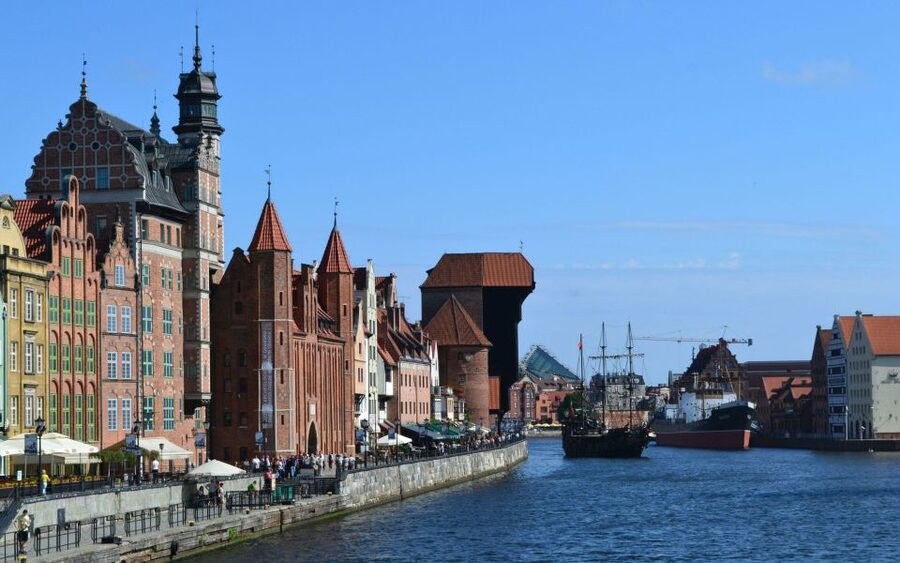
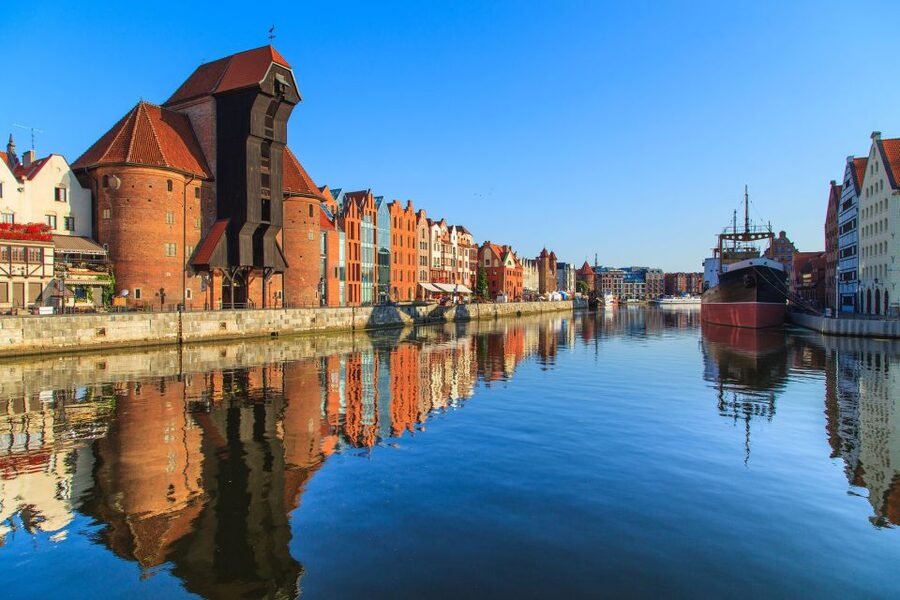
The walk continues toward the Motlawa River, once one of the most important ports connected to the Hanseatic League. This is where the commercial story becomes easier to picture.
Goods arrived, merchants negotiated, and the city’s fortunes rose and fell with Baltic trade. The river also helps explain why Gdansk mattered far beyond its immediate streets. Its position allowed it to serve as a link between inland Europe and maritime routes.
You get a moment to take in the sights and sounds beside the water. That pause is useful after the dense architectural detail of the Old Town. It gives the story physical scale. Gdansk’s history was not confined to churches and town halls. It depended on ships, cargo, warehouses, and access to wider markets.
The route does not turn into a boat trip or a port excursion. This remains a walking tour, so you should choose it for historical context rather than for extended time by the water.
The people behind the German connection
One strength of the tour is its use of individual figures. Names give the broad political story a human shape.
You may meet Johann Bernoulli, the astronomer associated with the city’s intellectual life. You also hear about Günter Grass, the Nobel Prize-winning author who set his Danzig Trilogy, including The Tin Drum, in Gdansk. His work gives the city a literary identity shaped by memory, language, and the tensions of a changing region.
Barthel Ranisch is another figure connected to the walk. He is credited with building the eye-catching Royal Chapel. The chapel helps show how German-speaking artists and builders contributed to the city’s religious and architectural appearance.
These details are especially useful if you have already read The Tin Drum or plan to visit Gdansk’s churches and historic buildings independently. You leave with names to remember, not just a string of dates.
Inside St. Mary’s Church
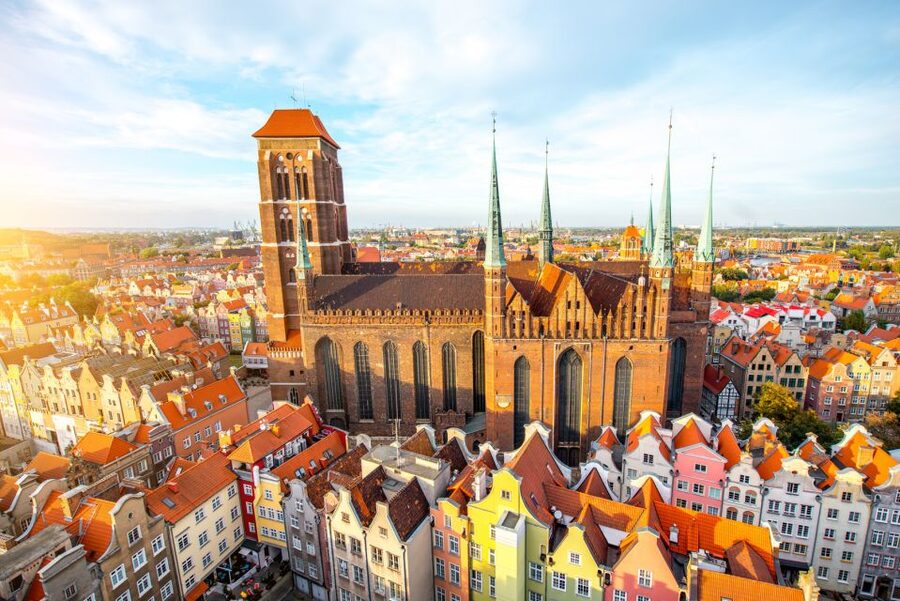
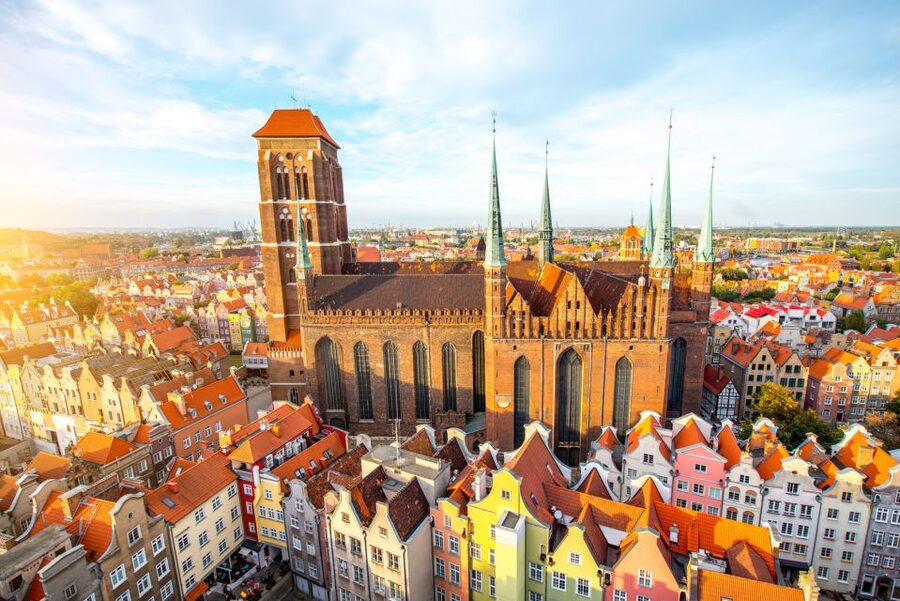
Both tour options include free admission to St. Mary’s Church. The church is the final attraction on the standard German trail and gives the walk a strong closing point.
Your guide explains the connection with Martin Opitz, a German Baroque poet buried inside the church. This is another example of how the tour avoids a simple Polish-versus-German story. The church belongs to Gdansk’s religious and civic world, while the people connected to it reflect the city’s changing cultural links.
St. Mary’s Church is magnificent, but you should set realistic expectations about the guided portion. Tours inside churches are limited during Mass and special events, including scheduled concerts. In those cases, your guide may give the explanation outside rather than inside.
The church tower is not included. Tickets to climb it are separate, so do not assume that the church admission covers the tower. If you want a high view of Gdansk, check the tower arrangements independently.
Choosing two hours or three
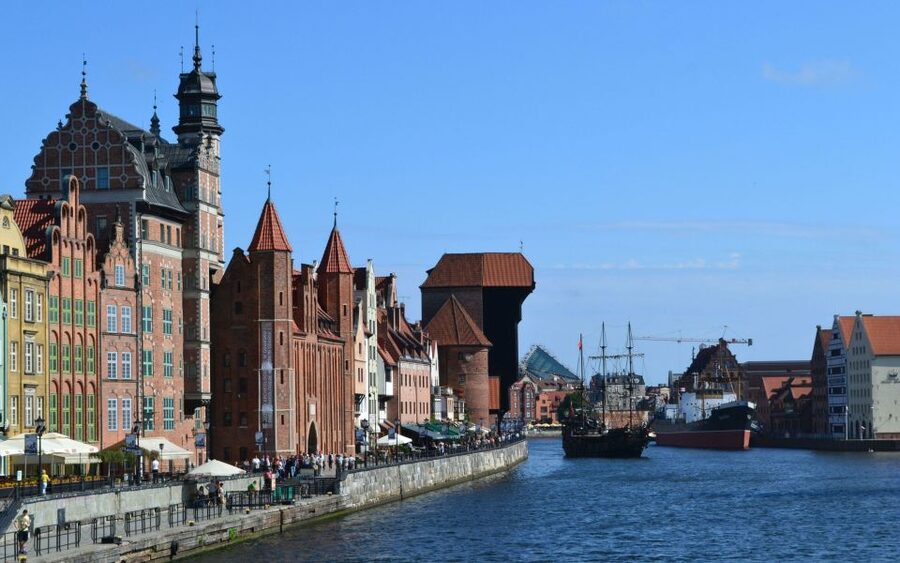
The 2-hour tour is the sensible pick if you want the main route, the German-Polish background, and St. Mary’s Church without making the walk a major part of your day. It covers the High Gate, Golden Gate, Long Market, Artus Court from the outside, Neptune’s Fountain, the Motlawa River, notable German personalities, and the church.
The 3-hour tour gives you more breathing room and includes Artus Court admission. That extra hour is not just time added to the clock. It gives the merchant history a proper interior setting and lets you examine the building’s German connections more closely.
I would choose the 3-hour version if you are interested in trade, the Hanseatic League, architecture, or the role of German citizens in Gdansk. I would choose two hours if your schedule is tight or if you already plan to visit Artus Court separately.
Both versions end back at the meeting point. That makes it easy to continue sightseeing in the Old Town afterward, but it also means the tour does not provide transport to another part of the city.
Who gets the best value from this private walk
This tour suits you best if you want a focused explanation of German influence rather than a general introduction to Gdansk. It is also a good fit if you prefer to ask questions, move at your own pace, and use German or Polish.
Families and couples may value the private setting, especially if different members of the group have different levels of interest in history. You can ask the guide to spend more time on trade, religion, architecture, or literature instead of following a fixed group script.
The tour is wheelchair accessible, which is helpful for visitors who need an accessible walking experience. The itinerary can be adjusted for pickup within the Old Town, though you should provide your accommodation address in advance.
This is less suitable if you want a low-cost overview, a large social group, or a tour conducted in a language other than German or Polish. The price makes the most sense when you share it with a small group and care about the subject.
Practical details that affect the day
The tour lasts two to three hours, depending on the option you select. Starting times vary, so check availability before planning other tickets or meals around it.
You meet beneath the High Gate unless an Old Town pickup has been arranged. Check your email the day before, since the meeting details and any important updates will be sent there.
Free cancellation is available up to 24 hours before the activity for a full refund. You can also reserve now and pay later, which is useful if your Gdansk schedule is still shifting.
The guide is a 5-Star licensed local expert and speaks the language selected at booking. The most praised quality is the friendly, competent guiding style. That matters here because the subject can become complicated quickly. A good guide needs to explain changing borders without flattening the story into slogans.
Should you book the Gdansk German Influence Walking Tour?
Book it if you want to understand why Gdansk feels Polish, German, Baltic, and mercantile all at once. The route covers the city’s best-known Old Town sights, but its real purpose is to connect them through people, trade, buildings, and political change.
For the best version, I would choose the 3-hour tour. Artus Court is central to the story, and seeing its interior makes the Hanseatic League section much stronger. The 2-hour option still works well for a shorter visit, but you should know that Artus Court admission is not included.
At $108 per person, this is not a bargain walk. It is a private history lesson with a licensed guide, St. Mary’s Church admission, and, on the longer option, Artus Court admission. If that level of personal attention matches your interests and budget, it offers good value. If you simply want to see the Old Town’s main sights, spend less on a general walking tour and explore the German connections through a museum or guidebook instead.
FAQ
How long does the Gdansk German Influence Walking Tour last?
You can choose a 2-hour or 3-hour private tour. Starting times depend on availability.
What languages are available?
The live guide speaks German or Polish, depending on the language selected when booking.
Is St. Mary’s Church included?
Yes. Admission to St. Mary’s Church is included on both tour options. Guided access inside may be limited during Mass, concerts, and other special events.
Is Artus Court included?
Artus Court admission is included with the 3-hour tour only. The 2-hour tour does not include the ticket.
Where does the tour begin and end?
The meeting point is beneath the High Gate, or Brama Wyżynna, at Wały Jagiellońskie 2A. The tour ends back at the same meeting point.
Is hotel pickup available?
Pickup is available from accommodations in the Old Town if you provide the full address. If your accommodation is more than 1.5 kilometers from the meeting point, you will meet the guide under the High Gate.
Just added in Gdansk
- Wolf’s Lair private tour from Gdansk★ 5.0 · 1 review
- Whisky Tasting in Gdańsk★ 5.0 · 3 reviews
- Transfer from Gdańsk or Airport Gdańsk (GDN) to Kościerzyna★ 5.0 · 1 review
- Westerplatte – 2h private trip by luxury car|★ 5.0 · 4 reviews
- Westerplatte private tour led by Expert-Guide (door to door)★ 5.0 · 5 reviews
- Gdansk EVERYDAY Vodka Tasting Tour★ 5.0 · 6 reviews
- Undercover City Games: Gdynia★ 5.0 · 34 reviews
- VIP transfer from airport Gdansk (GDN) to Hotel in Gdansk / Sopot★ 5.0 · 2 reviews
Old Town Walking Tours, compared.



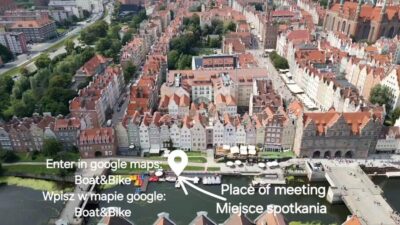
Sightseeing EcoCruise around the Old Town of Gdansk
Read our review →
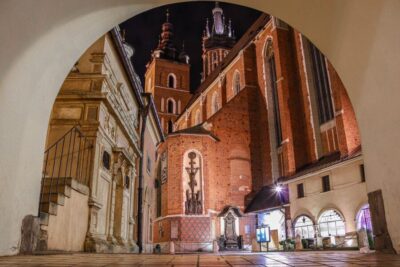
Old Town & Wawel Castle Walking Tour in English
Read our review →Browse the lists this tour appears in