
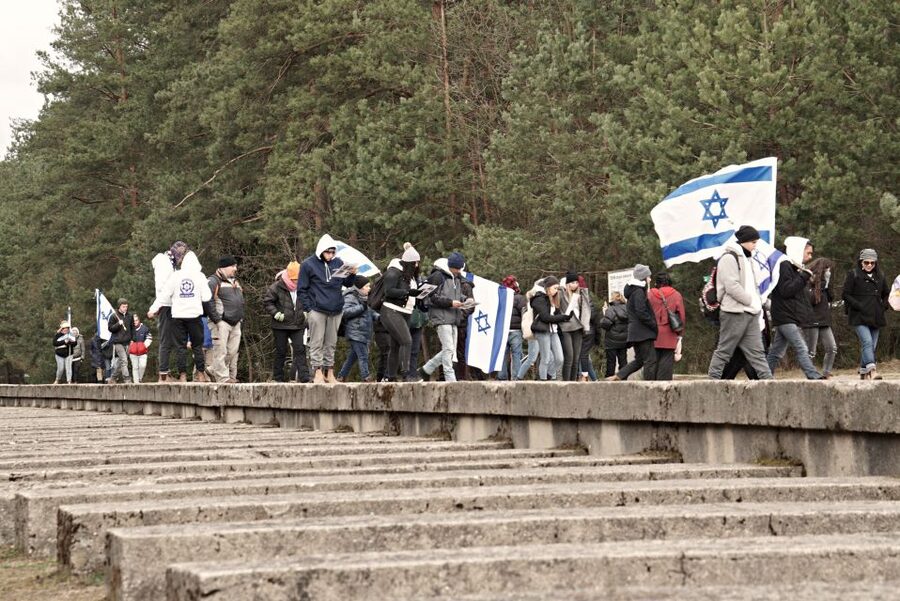
REVIEW · WARSAW TOURS
From Warsaw: Treblinka Camp 6-Hour Private Tour
Treblinka makes history feel painfully close. This six-hour private trip from Warsaw combines the former Treblinka I penal labor camp and Treblinka II extermination camp with a museum visit, a local lunch, and time for quiet thought. I like the hotel pickup, which removes the trouble of arranging transport, and I like the private format, where your guide can explain difficult subjects at your pace.
I also value the time set aside at the memorial stones, rather than rushing from one stop to the next. The main consideration is the subject itself: this is a serious, emotionally heavy visit, and it involves a moderate amount of walking. The tour is not recommended for children under 14.
In This Review
- Key points to know before booking
- Why Treblinka belongs on a Warsaw history itinerary
- The 90-minute drive from central Warsaw
- Treblinka I and the story of forced labor
- Treblinka II, the railway ramp, and the memorial
- The museum model, recovered objects, and survivor testimony
- A local lunch after a difficult morning
- What the $205 price means in practical terms
- Who should take this tour
- Tips for making the day worthwhile
- Should you book this Treblinka tour?
- FAQ
- How long does the Treblinka tour last?
- How long is the drive from Warsaw to Treblinka?
- Is hotel pickup included?
- Is the tour private?
- What language is the tour conducted in?
- Does the tour include lunch?
- Which Treblinka sites are included?
- Is the tour wheelchair accessible?
- Is the tour suitable for young children?
Key points to know before booking
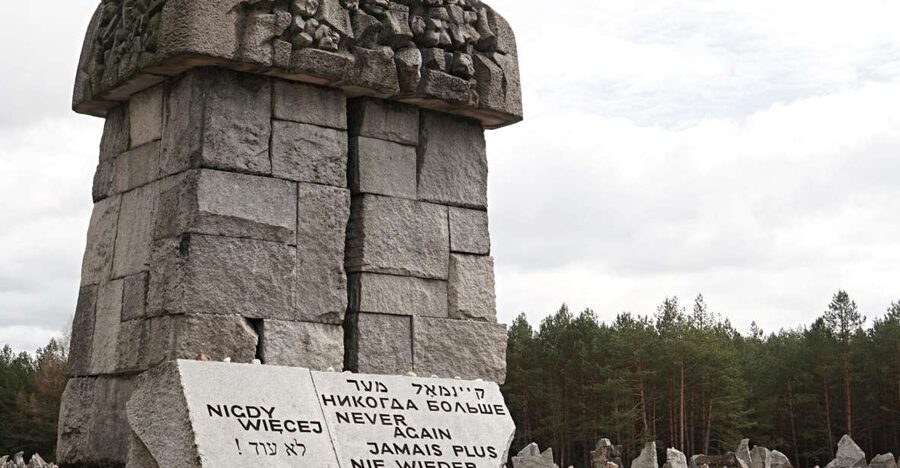
- The drive takes about 90 minutes each way: The road trip gives your guide time to introduce the history before you arrive, but roughly three hours of the six-hour day are spent on transport.
- You visit both Treblinka sites: The tour includes Treblinka I, the former penal labor camp, and Treblinka II, the extermination camp and memorial area.
- The private guide is also often the driver: Past guides named Konrad and Marcin received especially warm praise for clear explanations, good communication, and a personable approach.
- The museum helps fill in what the site cannot show: The grounds have few original structures, so the camp model, recovered personal items, and survivor testimony film are important parts of the visit.
- Lunch is included at a local restaurant: Food, drinks, and conversation with your guide make the long return day more comfortable.
- This is a place for reflection, not entertainment: Comfortable shoes, patience, and the right emotional preparation matter more than a packed sightseeing schedule.
Why Treblinka belongs on a Warsaw history itinerary
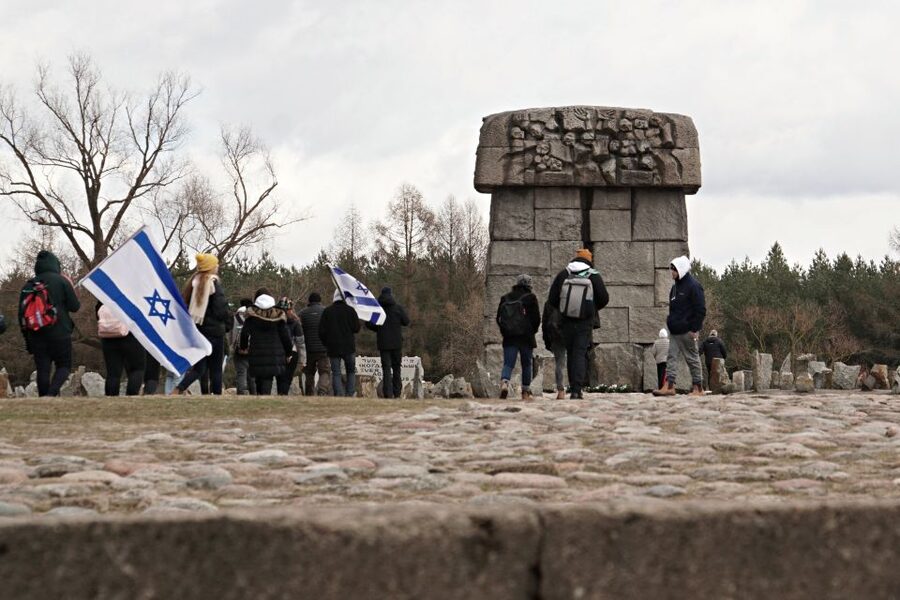
Warsaw has no shortage of World War II sites, but Treblinka offers a different kind of visit. Instead of a busy city museum or a preserved urban building, you travel into Mazovia Province to a site connected with one of the worst crimes of the Nazi era.
Treblinka was the second largest death camp in Europe after Birkenau. The camp complex included Treblinka I, a Nazi penal labor camp, and Treblinka II, an extermination camp. The memorial today asks you to confront that history without turning it into a spectacle.
I find the absence of large original camp structures especially important. You do not walk through a preserved block or enter a surviving gas chamber. Much of the place must be understood through the memorial, the museum displays, the guide’s explanation, and your own imagination. That can make the visit harder, but also more reflective.
The symbolic railway ramp is one of the key places you see during the visit. Rail transport played a central role in the camp’s operation, so this feature helps connect the physical site with the movement of people who were brought there. Your guide explains the setting and the events connected with it, giving the visit a clear historical frame.
A few more in Warsaw
- Warsaw: Chopin Concert in the Old Town
★ 4.8 · 2,287 reviews - Warsaw: Traditional Galar Cruise on The Vistula River
★ 4.6 · 1,640 reviews - Warsaw: Old Town Highlights Walking Tour in English
★ 4.7 · 1,516 reviews
The 90-minute drive from central Warsaw
Your day begins with pickup from the lounge of a centrally located Warsaw hotel. This restriction matters: the service only collects from central hotels, so you should confirm your lodging location before booking. The guide picks you up and drives you to Treblinka in a luxury van.
The journey takes about an hour and a half in each direction. That means the drive is not a minor transfer tucked between attractions. It is a major part of the day, but it also gives the guide room to prepare you for what you will see.
One particularly useful feature is that the historical conversation can begin on the way through Warsaw. A guide named Sanna described how the stories and explanations began during the drive, rather than waiting until arrival. That approach makes the route feel connected to the city’s wartime past instead of treating Treblinka as an isolated stop.
The guide is often the driver as well as the person leading the visit. Konrad and Marcin were praised by name for being clear, personable, and well prepared. This arrangement keeps the group private and direct, though it also means you should not expect a large team with separate transport staff and museum specialists.
Pickup and return are included, and the private group format gives you more control over questions and quiet time. You will not be folded into a large coach party. For a difficult site, that smaller setting can feel more respectful and less distracting.
Treblinka I and the story of forced labor
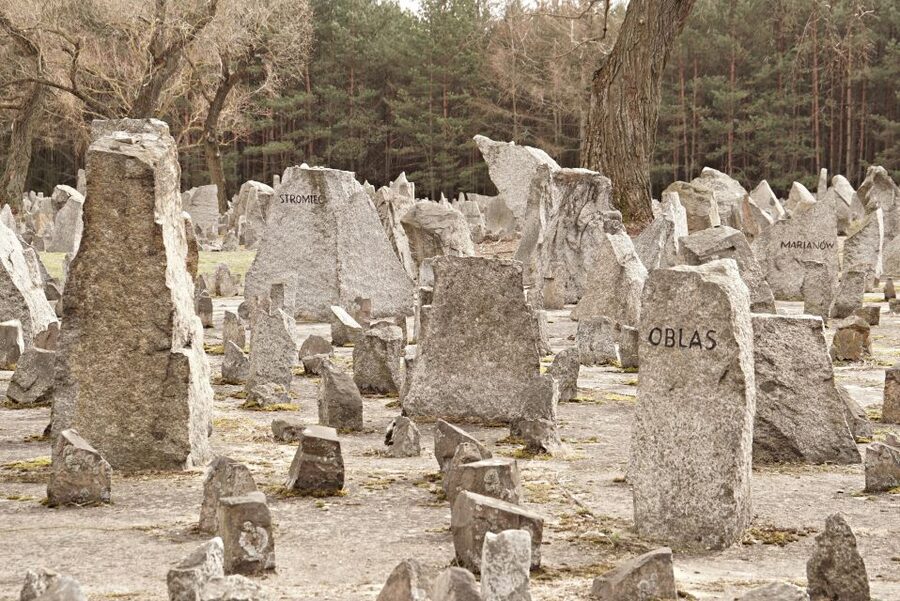
The first part of the site visit includes Treblinka I, the Nazi penal labor camp. This camp is part of the wider Treblinka story and shows that the location was not only connected with mass murder, but also with forced labor and brutal imprisonment.
Your guide leads you through the grounds and explains how Treblinka I fitted into the camp system. Since the visit is guided in English, you can ask for clarification when the chronology or terms become difficult to follow.
Do not expect a conventional museum-style tour at every point. The site calls for careful listening and attention to the spaces themselves. Comfortable shoes are a must, since the visit requires a moderate amount of walking and includes outdoor areas.
This stop also helps prevent a common misunderstanding: Treblinka was not one single facility with one single function. Seeing Treblinka I and Treblinka II together gives you a broader view of the site and the machinery of persecution connected with it.
Treblinka II, the railway ramp, and the memorial
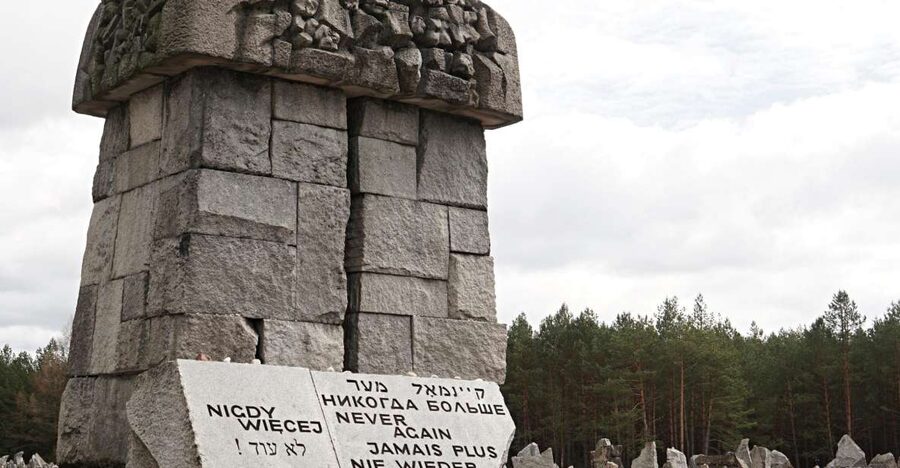
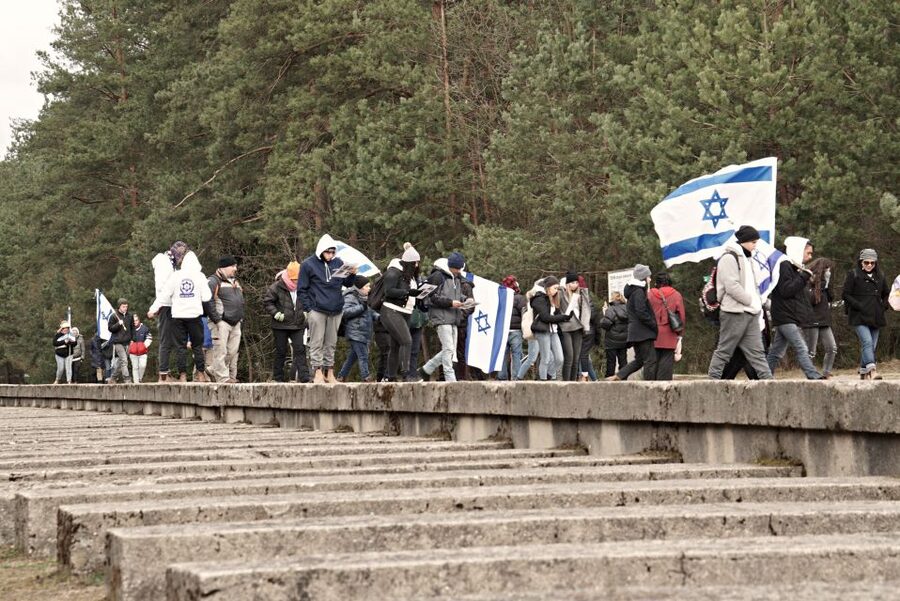
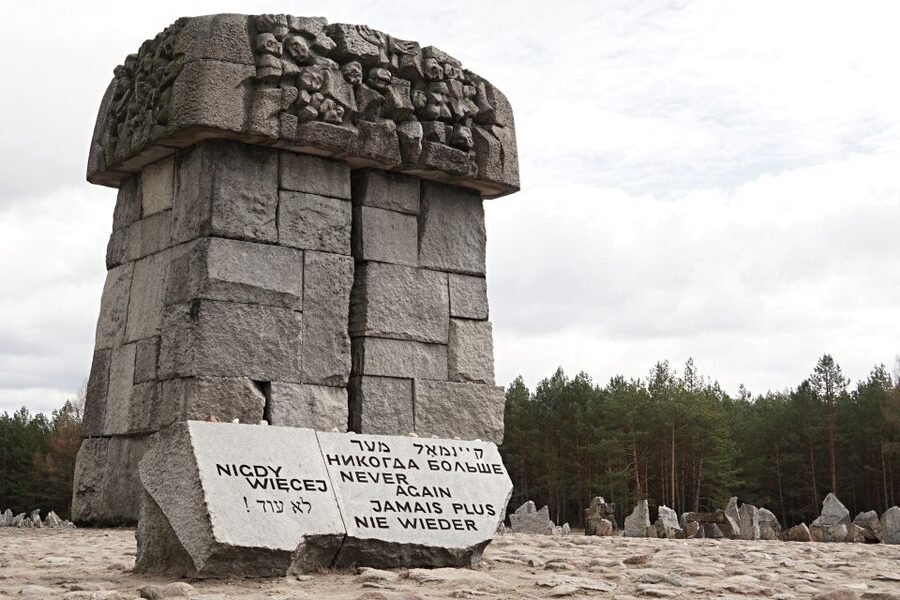
Treblinka II is the most emotionally demanding part of the visit. Here, the guide explains the extermination camp and the events that took place there. The symbolic railway ramp gives you a physical point of reference for the arrival process and the role of the rail line.
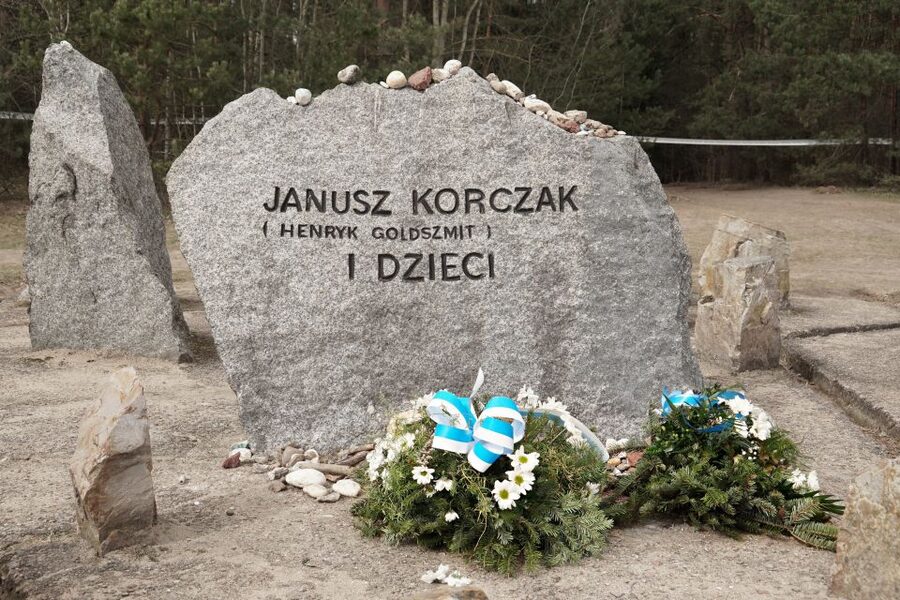
The memorial area is not a quick photo stop. Give yourself time to look, listen, and think. One of the strongest features of this private tour is the chance for personal reflection at the memorial stones after the guided explanation.
The memorial uses symbolic forms rather than a collection of preserved buildings. That can leave you with fewer obvious objects to examine, but it also places responsibility on the guide and on your own attention. The stones, plaques, and open grounds ask you to consider the scale of what happened without turning the place into a display of shock.
A French visitor described the memorial as especially powerful because the lack of original structures forces you to imagine the tragedy. I think that is a fair way to prepare yourself. Treblinka may not offer the visual evidence of a fully preserved camp, but the symbolic setting can be deeply affecting.
Your guide’s role matters here. The best part of the experience is not a long list of dates. It is the connection between the site, the victims, the camp system, and the human decisions behind it. The guides on this tour have been praised for adding anecdotes and historical stories during the journey and for allowing silence when explanations are no longer needed.
Something quite different:
- Warsaw Concert: Chopin – Painted by Candlelights with Wine
★ 4.8 · 1,442 reviews - Warsaw: City Sightseeing Hop-On Hop-Off Bus Tour
★ 3.6 · 1,415 reviews - Warsaw: POLIN Museum of the History of Polish Jews Ticket
★ 4.7 · 1,142 reviews - #1 Pub Crawl Warsaw with Optional Premium 1 Hour Open Bar
★ 5.0 · 790 reviews
The museum model, recovered objects, and survivor testimony
The Museum of Struggle and Martyrdom gives you the visual and documentary support that the outdoor memorial cannot provide by itself. Inside, you see a model of the Treblinka I and II camps, personal items found around the site, and a short film featuring testimonies from survivors.
The camp model is particularly useful because it helps you understand the relationship between the two sites. On the ground, the memorial areas can feel spare and symbolic. A model offers a clearer sense of how the camp complex was organized and why different parts of the visit matter.
The recovered personal items add a human scale. Large numbers can become hard to grasp, especially when you are hearing about crimes committed against entire communities. Personal belongings bring the story back to individual lives, families, and ordinary objects.
The survivor testimony film is brief, but it gives the museum a direct human voice. You should not expect a long screening or a full cinema program. Instead, treat it as a focused part of the museum visit that supports what your guide has already explained.
Because the tour is private, you can ask questions as they arise. You also have more room to pause over the model, the objects, or the film than you might on a tightly managed group outing. That said, the exact amount of time at each display depends on the day’s schedule and your guide.
A local lunch after a difficult morning
Lunch at a local restaurant is included, along with drinks. This is a practical touch, but it also serves a useful purpose. After several hours of concentration and emotional strain, sitting down for a proper meal gives you time to reset before the drive back to Warsaw.
The meal is not presented as a separate food tour, and you should not book this experience for culinary discovery. Its value is convenience and comfort. You do not need to search for a restaurant in an unfamiliar area, and you can continue the conversation with your guide in a more relaxed setting.
Past visitors praised the food and the chance to speak with the guide over lunch. That personal exchange is one of the private tour’s advantages. You can ask about details from the site, clarify the history, or simply let the conversation become less formal after the memorial visit.
The lunch also helps keep the six-hour schedule practical. Without it, you would need to arrange food during a demanding day that already includes long transfers and outdoor walking.
What the $205 price means in practical terms
At $205 per person, this is not a budget outing. The price covers private transport in a luxury van, central hotel pickup and return, English guidance, entry to Treblinka I, Treblinka II, and the memorial, plus lunch and drinks.
The value depends heavily on how you want to reach Treblinka. If you prefer to arrange transport, admission, food, and a guide on your own, you may find a lower-cost route. But the private package removes several chores and combines them into one half-day plan.
I think the strongest value comes from the guide. Treblinka is not a place where a quick walk and a few signs can easily explain the full story. A guide who can place the penal labor camp, extermination camp, railway ramp, memorial, and museum together gives the visit shape.
The private format also matters. You are paying for a personal experience rather than simply a seat in a vehicle. You can ask questions, move at a sensible pace, and have time for reflection without keeping up with a large group.
The cost is easier to justify for two or more people sharing a private experience, or for anyone who places high value on comfort and clear historical guidance. If your main goal is the cheapest possible way to reach the site, this will not be the best fit.
Who should take this tour
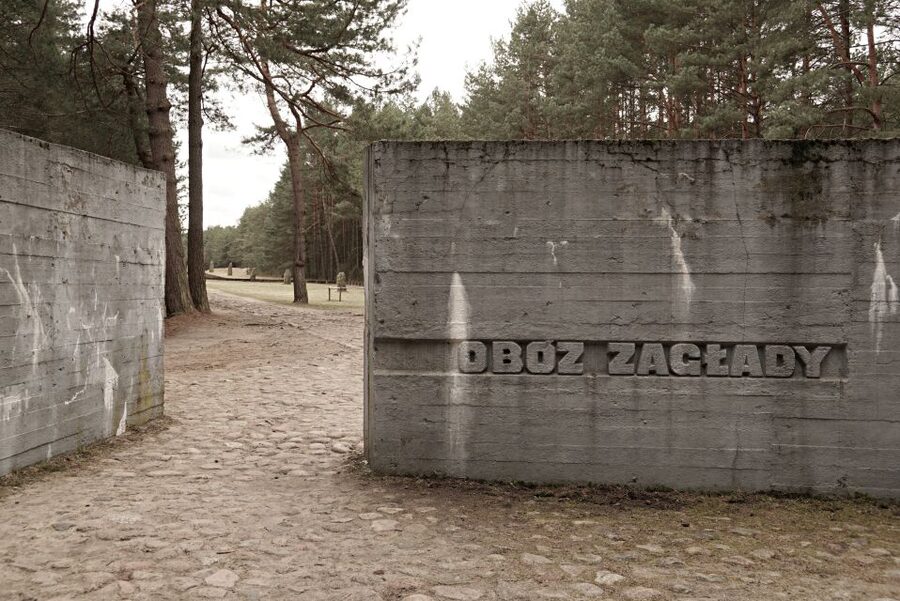
This tour suits adults and older teenagers who want a serious World War II history visit outside Warsaw. The minimum recommended age is 15, and the subject matter requires emotional maturity.
It is also a good choice if you prefer a planned day with hotel pickup. You do not need to work out the route to Treblinka, find a suitable lunch stop, or manage admission separately.
I would choose it for someone who wants both explanation and quiet time. Some guided visits fill every minute with talk. Here, the structure includes time to reflect at the memorial, which is just as important as hearing the facts.
The tour is wheelchair accessible, according to the supplied details, but it still requires a moderate amount of walking. You should bring comfortable shoes and consider your personal mobility needs before booking.
I would not recommend it for younger children, for anyone looking for a light sightseeing break, or for visitors who want a short, casual attraction close to central Warsaw. The drive is long, and the subject is severe.
Tips for making the day worthwhile
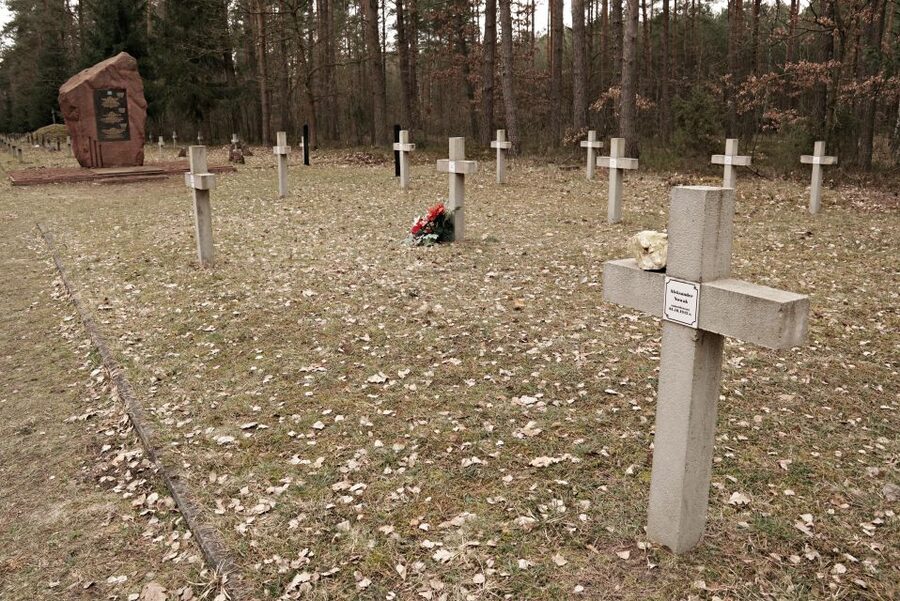
Wear comfortable shoes and clothing suitable for walking outdoors. The site visit includes the camp grounds and memorial area, not only indoor museum rooms.
Allow yourself mental space after the visit. The tour lasts six hours, but the emotional effect may continue beyond the return to Warsaw. Avoid packing the rest of your day with demanding activities if you know you need quiet after difficult historical sites.
Read the pickup details carefully. Only centrally located hotels are included, with collection from the hotel lounge. If your hotel is outside the central pickup area, confirm the arrangement before paying.
Use the drive to ask questions. The guide may begin explaining Warsaw and Treblinka before you arrive, and this is a good chance to place the site within the wider World War II story.
At the memorial, do not feel pressured to keep talking. Personal reflection is part of the experience. The private group makes it easier to pause without worrying about a large party waiting for you.
The tour offers free cancellation up to 24 hours before departure and a reserve now, pay later option. Those terms are useful if your Warsaw schedule is still changing, but you should still check the available start time before booking.
Should you book this Treblinka tour?
Book it if you want a private, guided visit with transport, museum entry, lunch, and time for reflection. The most praised qualities are the guides’ clear historical explanations, the smooth hotel pickup, the local meal, and the respectful pace at the memorial.
The main tradeoff is simple: you spend about three hours of the six-hour day in the van, and you pay a premium for private convenience. The visit itself is also emotionally hard, with outdoor walking and no large collection of original camp buildings to tour.
For a focused World War II experience from Warsaw, I think the package makes good sense. It gives you the structure and context needed for Treblinka, while leaving room for the quiet thought that this site demands.
FAQ
How long does the Treblinka tour last?
The tour lasts six hours, including transport from Warsaw, the guided visit, museum time, lunch, and the return trip.
How long is the drive from Warsaw to Treblinka?
The drive takes about 1.5 hours each way, or roughly 90 minutes from Warsaw to Treblinka.
Is hotel pickup included?
Yes. Central hotel pickup and drop-off are included, with pickup from the hotel lounge. Only centrally located hotels are served.
Is the tour private?
Yes. This is a private group tour rather than a shared group experience.
What language is the tour conducted in?
The live tour guide provides the experience in English.
Does the tour include lunch?
Yes. Lunch with drinks at a local restaurant is included.
Which Treblinka sites are included?
Entry is included for Treblinka I, Treblinka II, and the Treblinka Memorial.
Is the tour wheelchair accessible?
Yes, the activity is described as wheelchair accessible. It also requires a moderate amount of walking.
Is the tour suitable for young children?
No. The tour is not recommended for children aged 14 or younger, and children under 14 are not considered suitable for the activity.
Just added in Warsaw
- Historical Walking Tour of Jewish Warsaw★ 5.0 · 68 reviews
- Deluxe Polish Food Tour Experience in Warsaw★ 5.0 · 19 reviews
- CO2-Offset Arrival Transfer from Warsaw Airport to Warsaw City★ 5.0 · 1 review
- Amazing photo walk through the Old town of Warsaw★ 5.0 · 32 reviews
- 8-day tour around Poland by private car★ 5.0 · 2 reviews
- 2 Hour Super Segway City Tour of Warsaw★ 5.0 · 5 reviews
- Electric Scooter Tour: Full Tour – 3-Hours of Magic!★ 5.0 · 3 reviews
- 2h Rental of Motorboat for 10 in Warsaw no License Needed★ 5.0 · 1 review
Warsaw Tours, compared.
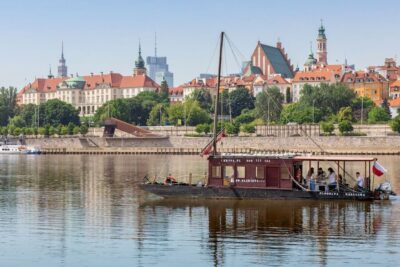
Traditional Galar Cruise on The Vistula River
Read our review →
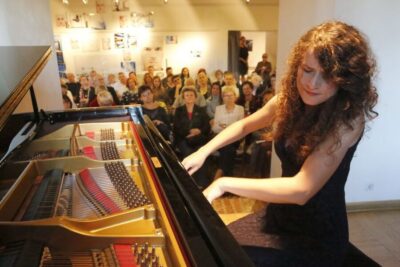
Warsaw Concert: Chopin – Painted by Candlelights with Wine
Read our review →
POLIN Museum of the History of Polish Jews Ticket
Read our review →
#1 Pub Crawl Warsaw with Optional Premium 1 Hour Open Bar
Read our review →
Browse the lists this tour appears in