
REVIEW · AUSCHWITZ-BIRKENAU MEMORIAL TOURS
From Warsaw: Guided Tour to Auschwitz-Birkenau and Krakow
Some journeys ask more of you.
This 16-hour trip links Warsaw with Krakow and Auschwitz-Birkenau in one long, tightly planned day. I like the direct train departure from Warsaw Central Station, which avoids hotel pickups, and I like having a proper Auschwitz guide rather than trying to make sense of the memorial alone. The main drawback is the distance: you may spend roughly five hours on trains and three hours in road transport.
The day is well suited to you if Auschwitz is a priority and you have only one day available. It is less suitable if you want a relaxed Krakow visit, dislike early starts, or find long walks and stairs difficult.
In This Review
- Key points to know before booking
- A very long day that covers a great deal
- Leaving Warsaw Central Railway Station
- Krakow as a practical transfer point
- Entering Auschwitz I
- Walking through Birkenau
- A guide makes the difference
- Two hours near Krakow’s Old Town
- The return to Warsaw
- What to bring and what to leave behind
- Is $181 good value?
- Who should book this day trip?
- Should you book it?
- FAQ
- Where does the tour begin?
- Where does the tour end?
- How long is the complete experience?
- How long is the train ride between Warsaw and Krakow?
- How do I reach the meeting point in Krakow?
- How long is the guided visit at Auschwitz-Birkenau?
- Is transport from Krakow to Auschwitz included?
- Is the Auschwitz admission ticket included?
- What languages are available?
- Do I need to bring identification?
- Can I bring a large bag into the museum?
- Is the tour suitable for wheelchair users?
- Can I cancel for a refund?
Key points to know before booking
- A 16-hour day from Warsaw: You leave and return at Warsaw Central Railway Station, with the day built around fixed train times.
- About 3.5 hours at Auschwitz-Birkenau: Expect roughly two hours at Auschwitz I and one hour at Auschwitz II-Birkenau.
- A serious, carefully handled visit: The guides are praised for clear facts, emotional restraint, and respectful explanations of the Holocaust.
- Krakow gets about two hours: You have time near the Old Town, but not enough for a full city tour or major museum visits.
- Train tickets are assigned: You receive carriage, seat, and departure details, but tickets and museum entry are personal, so bring your passport or ID.
- Pack light and dress for walking: Bags larger than an A4 sheet are not allowed inside the museum, and Birkenau is mostly outdoors.
A very long day that covers a great deal
At $181 per person, this is not a cheap day trip. Still, I think the price can make sense if you want to see Auschwitz from Warsaw without arranging separate trains, road transport, admission, and a guide yourself.
The package includes return train tickets between Warsaw and Krakow, transport from Krakow to the memorial, skip-the-line entrance, the guided visit, and free time in Krakow. That removes several pieces of planning from a complicated day. You also avoid changing hotels or spending a second day in Krakow.
The tradeoff is comfort and pace. The full schedule is about 16 hours, and the exact train times can vary. Some departures have been very early, including one around 5:23 AM, while other schedules have used a later morning departure. Read the final instructions carefully and keep your plans before and after the tour flexible, since the museum’s available guided-entry times can alter the schedule.
I would not book this expecting a leisurely Polish city break. Think of it as an Auschwitz visit with a useful Krakow stop attached.
More Auschwitz-Birkenau memorial tours:
- Warsaw: Tour to Krakow and Auschwitz by Train with Pickup
★ 4.6 · 603 reviews - From Warsaw Auschwitz and Krakow one day tour by train with pick up and drop off
★ 4.5 · 267 reviews - From Warsaw: Auschwitz-Birkenau Tour by Car
★ 4.5 · 215 reviews
Leaving Warsaw Central Railway Station
The tour begins at Warsaw Central Railway Station, a sensible meeting point in the middle of the city. If you are staying nearby, you can walk. Otherwise, an Uber or taxi is the simplest choice, especially for an early departure.
You receive train tickets with the departure time, carriage number, and seat numbers. This is helpful, but the arrangements require you to pay attention. At least one departure involved people waiting for an escort at the station when they already had the tickets needed to board. If your instructions do not clearly say that someone will meet you, check your email or contact the operator rather than standing around as the train clock ticks.
The train ride to Krakow takes about two and a half hours. Train conditions may not be perfect. One journey was delayed by more than 30 minutes and had no air-conditioning. For that reason, I would carry water, a snack, and a light layer instead of assuming the train will provide a smooth hotel-like start to the day.
The long ride does have one benefit: you can rest before the emotionally demanding part of the tour.
Krakow as a practical transfer point
After arriving in Krakow, you have a short break before joining the road transfer to Auschwitz. The meeting point is about a seven-minute walk from the train station, and you receive a map and directions.
That short walk matters. Krakow’s station area can feel confusing when you are watching the clock, carrying luggage, or arriving with a group. Keep your phone charged, follow the supplied map, and allow enough time to find the vehicle rather than stopping for a full meal.
The drive from Krakow to Auschwitz takes about 90 minutes. Depending on the group and vehicle, transport may be by car, minivan, or bus. Drivers have generally been praised for safe, punctual service, and several have helped explain the next steps. One practical weakness is that instructions from the front may be hard to hear from the rear of a minibus, so move closer or ask for information to be repeated if needed.
The schedule can also feel hurried during transfers. That is partly unavoidable: the museum has fixed entry times, the return train is waiting, and Krakow still needs to fit into the day.
Entering Auschwitz I
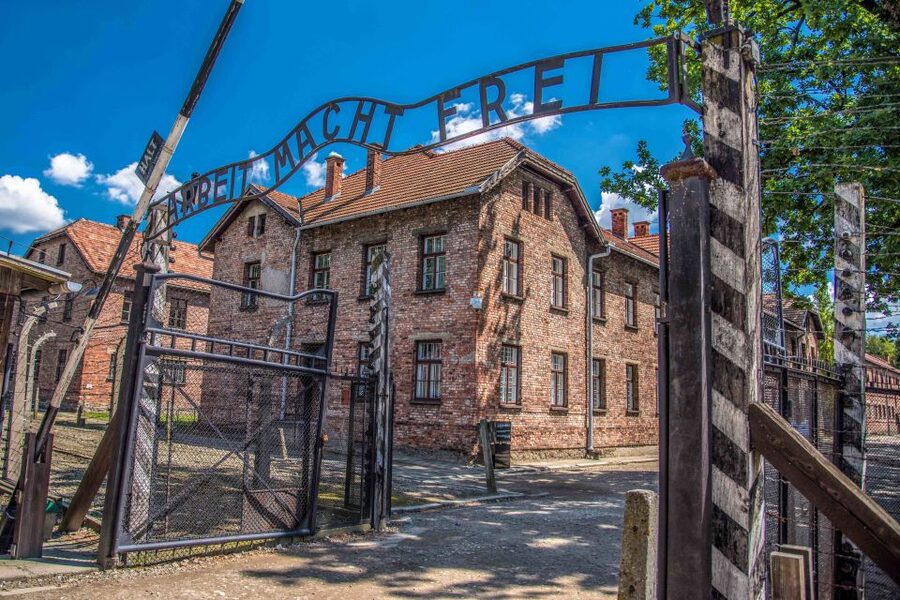
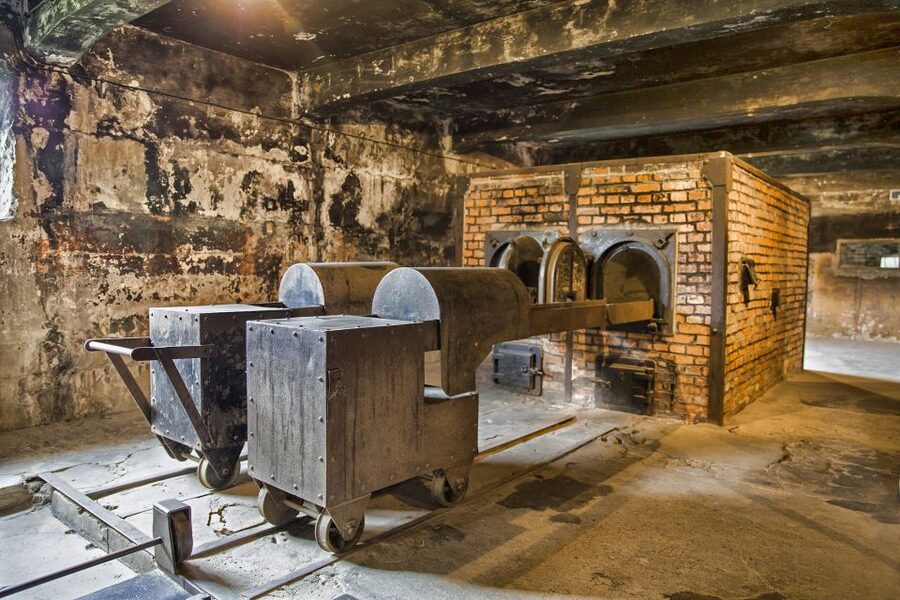
Auschwitz I is the first major visit, lasting about two hours. This section includes the original camp buildings, barracks, guard towers, and cremation facilities. The scale is different from what many people expect. Rather than a distant site viewed from a bus, you walk through the grounds and buildings where prisoners were held and murdered.
The guided format is important here. A well-prepared guide can explain the function of the camp, the difference between political imprisonment and mass extermination, and the human stories behind the buildings. The strongest guides use plain facts and a measured tone. Anna, Magdalena, and a guide identified as Jacob have each been praised for combining historical accuracy with sensitivity.
This is not a light sightseeing stop. You may see rooms and objects that make the crimes feel horribly concrete. I recommend giving yourself permission to listen quietly rather than trying to photograph everything or keep up a constant conversation.
The route involves substantial walking and some stairs. Tight spaces can also be part of the visit. You need comfortable shoes and enough stamina to remain with the group for the full period.
A few more in Warsaw
- Warsaw: Chopin Concert in the Old Town
★ 4.8 · 2,287 reviews - Warsaw: Traditional Galar Cruise on The Vistula River
★ 4.6 · 1,640 reviews - Warsaw: Old Town Highlights Walking Tour in English
★ 4.7 · 1,516 reviews - Warsaw Concert: Chopin – Painted by Candlelights with Wine
★ 4.8 · 1,442 reviews
Walking through Birkenau
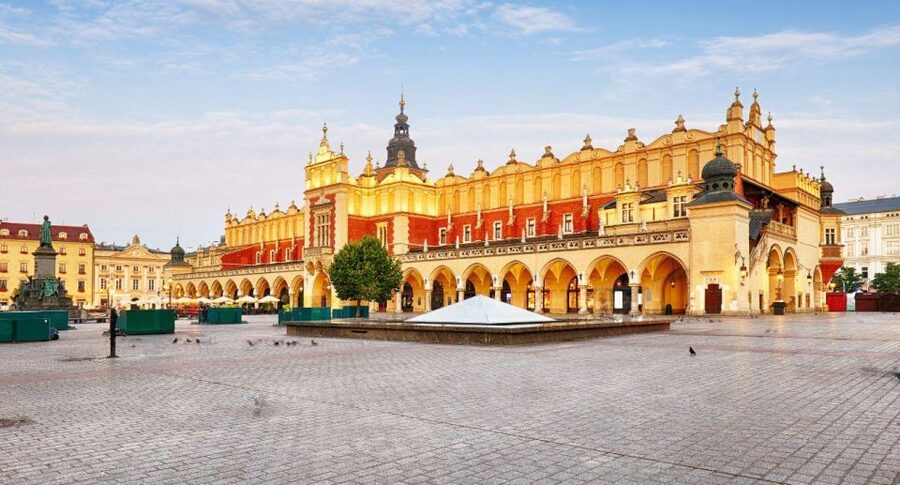
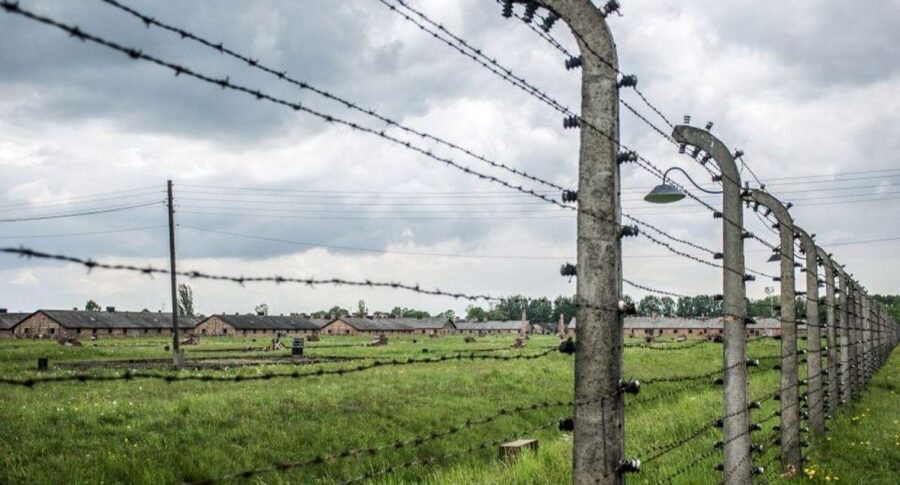
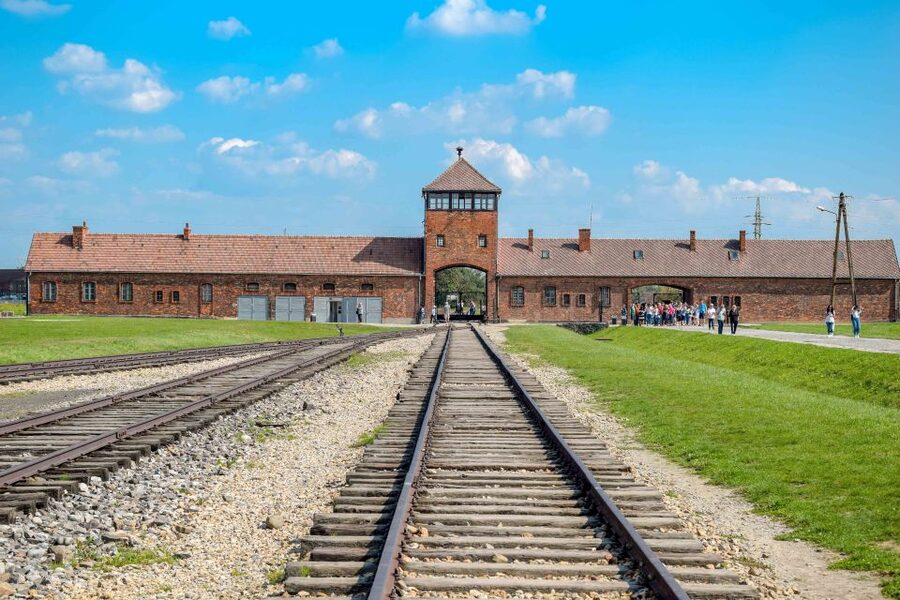
A bus transfer takes you to Auschwitz II-Birkenau, where you spend about one hour. This part of the memorial is much more open, with barracks, watchtowers, railway tracks, and the remains of cremation sites spread across a large area.
The outdoor setting changes the experience. In warm weather, the sun can be strong. In rain, the ground and open-air route can be uncomfortable. In November, Birkenau can feel especially cold because much of the visit takes place outside. Bring water, sunscreen, a hat, and an umbrella or raincoat according to the forecast.
The time at Birkenau may feel short. A three-and-a-half-hour museum visit sounds substantial, but the site is large and the subject matter is heavy. Crowds can slow the group, and guides must keep everyone on schedule. One visit felt rushed, though the limited time was understandable given the number of people and the fixed transport plan.
The purpose of the guide is not merely to point out buildings. The guide helps connect the physical remains with the systematic process of deportation, imprisonment, forced labor, and extermination. That context is why I prefer this organized visit to arriving without preparation.
A guide makes the difference
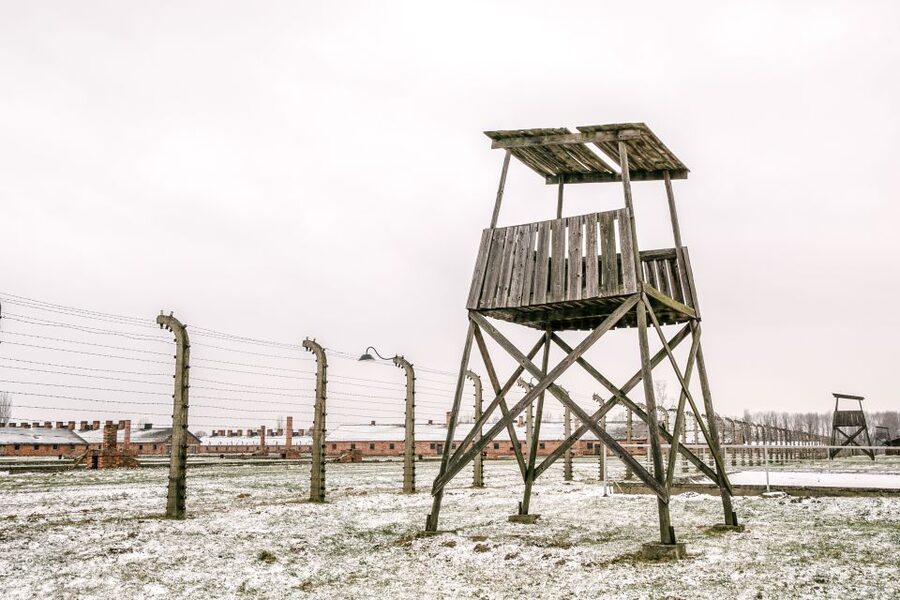
The strongest part of this experience is the museum guide. The names can vary, and English or Spanish is available. If the language you selected is not available, the tour will be conducted in English.
Several guides have been praised for getting the tone right. That matters at Auschwitz. A guide who rushes, jokes, or treats the site like an ordinary attraction can damage the visit. The best guides described here were respectful, factual, and willing to answer questions without turning the tour into a performance.
One guide was described as having about 20 years of experience and bringing more than basic dates to the subject. Another guide, Alexandra, was praised for explaining the events with care. The overall standard appears strong, though one account described a guide as hasty and rude. I would treat that as a possibility rather than a pattern, but it is fair to say that the guide experience can vary.
The museum visit is conducted with other people, so you will not control every pause. If you want long periods of private reflection, a private visit may suit you better. If you want the site explained clearly and efficiently, this format offers better value.
Two hours near Krakow’s Old Town
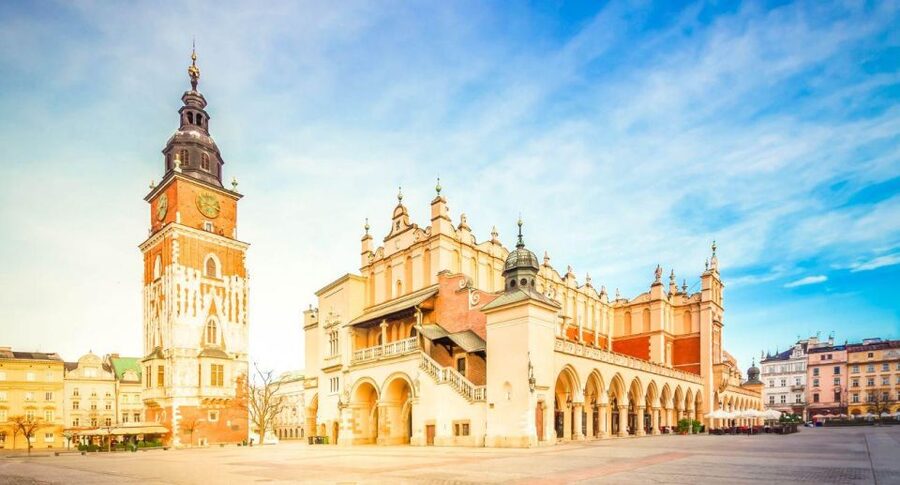
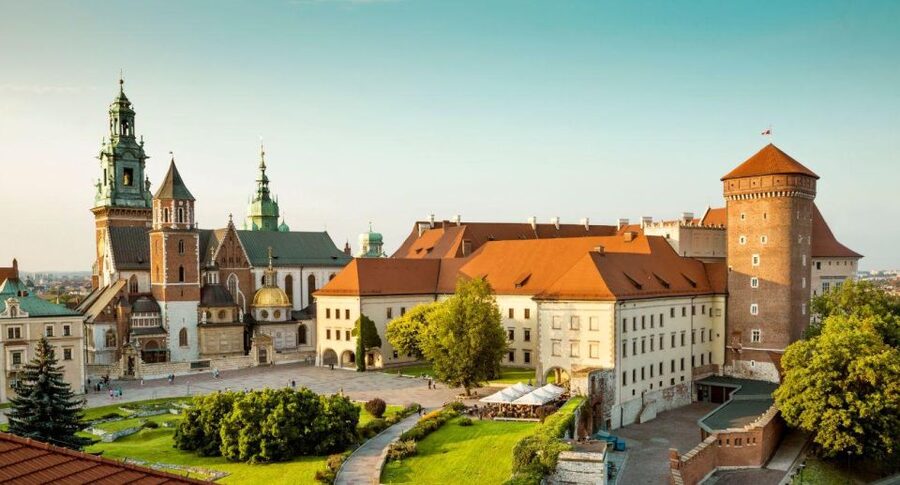
After Auschwitz-Birkenau, you return to Krakow by road and have about two hours of free time. This is enough for a walk around the Old Town, a quick meal, or a look at the central market square.
Krakow’s Main Market Square is one of Europe’s largest medieval squares and part of the UNESCO-listed historic center. The stop gives you a taste of the city’s architecture and street life after the solemnity of the memorial. Being dropped near the Old Town is especially useful because you do not lose much of the short break reaching the center.
But keep expectations modest. There is no included guided walking tour of Krakow, and two hours is not enough to cover the castle, museums, churches, and historic streets in any serious way. You might manage a meal and a walk, but you should not book a timed attraction unless the operator confirms that the schedule allows it.
The order of the Krakow stop may change. On some days, free time comes before Auschwitz rather than after it. This can affect your mood and your appetite, so listen carefully when the driver explains the day’s sequence.
The return to Warsaw
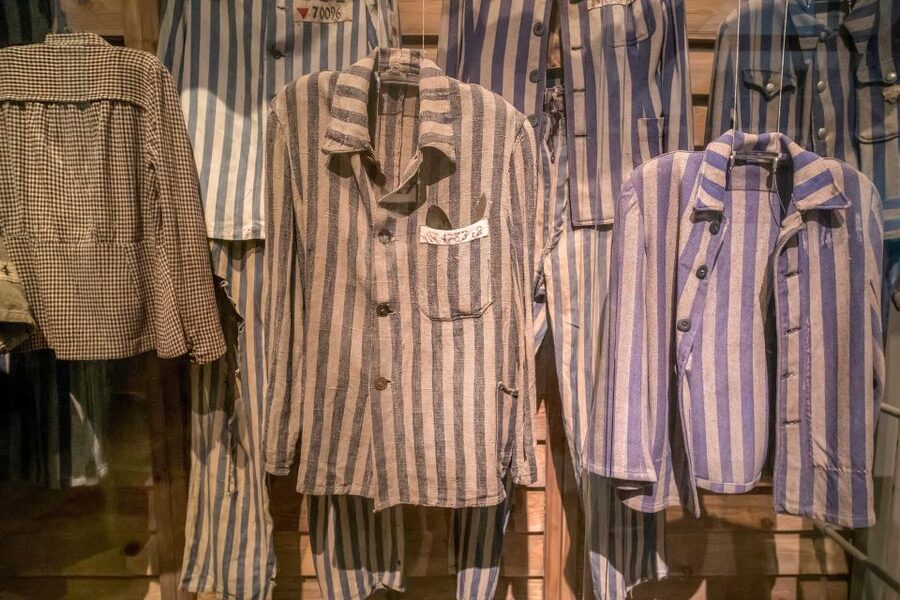
The final road transfer returns you to Krakow station, followed by another two-and-a-half-hour train ride to Warsaw Central Station. Depending on the departure time and any delays, arrival can be late, sometimes around 11:15 PM.
This is where the day’s length catches up with you. You will have walked for hours, taken several vehicles, and processed difficult material. A small dinner stop may be possible, but you should not rely on it. Carry food that can serve as breakfast, lunch, and an emergency evening meal.
The return train is also why I would avoid scheduling an airport transfer, show, or important meeting immediately afterward. Even a well-organized day has several points where a delay can occur.
What to bring and what to leave behind
A little preparation makes this tour much easier.
- Bring your passport or national ID. Both the train tickets and Auschwitz admission are personal, and checks can take place on the train and at the museum.
- Pack a small bag no larger than an A4 sheet. Larger bags cannot enter the museum, though you can leave them on the bus during the visit.
- Wear sturdy, comfortable shoes. You will walk long distances and may encounter stairs and tight areas.
- Take water and food. The schedule offers only short breaks.
- Check the weather for Birkenau. Sunscreen, a hat, umbrella, or raincoat can all be useful.
- Keep your phone charged so you can read last-minute instructions and find the Krakow meeting point.
- Avoid making firm plans around the listed departure and arrival times. The final schedule can change.
The tour is not suitable for wheelchair users or people with mobility impairments. Families with young children should also think carefully about the walking, long transport time, and serious subject matter, although the supplied information does not set a specific age limit.
Is $181 good value?
I see the value in this tour mainly as a transport solution. Warsaw and Auschwitz are far apart, and the package handles the Warsaw to Krakow train, the Krakow to Auschwitz transfer, museum entry, and the return journey. Booking each part separately could save money in some cases, but it would require more research and leave you responsible for matching train times with museum admission.
The value is weaker if your main goal is Krakow. You get only about two hours there, with no included city guide. If you want to see Krakow properly, stay overnight and visit Auschwitz from Krakow instead.
For a single day, however, the price buys convenience and a professional guided visit at the most important site on the route. I consider that fair value for a visitor with limited time, provided you accept the exhausting schedule.
Who should book this day trip?
I would choose this tour if you:
- Have a limited stay in Warsaw
- Consider Auschwitz a priority
- Prefer fixed transport and reserved admission
- Want an English or Spanish guide
- Can manage long walks, stairs, and a full day on the move
- Are happy with a short introduction to Krakow
I would choose a slower plan if you:
- Want several hours for Krakow’s museums and historic center
- Need guaranteed departure and arrival times
- Prefer private transport
- Find long train and minibus rides tiring
- Need step-free access
- Want more time for reflection at Auschwitz
Free cancellation is available up to three days before departure for a full refund, which gives you some protection if your plans change. Still, check the final instructions closely before the day itself.
Should you book it?
Book this experience if you want to see Auschwitz-Birkenau from Warsaw in one day and value organization over comfort. The guides, especially those praised for their calm and respectful approach, are the reason this is more than a transport package.
Do not book it as a relaxed Krakow excursion. The day is long, the schedule can shift, and the Krakow stop is only a brief introduction. For a serious visit to Auschwitz with a practical rail connection and a glimpse of Krakow, I would consider it a worthwhile choice. Just bring food, wear good shoes, and leave the next morning free.
FAQ
Where does the tour begin?
The tour begins at Warsaw Central Railway Station.
Where does the tour end?
You return to Warsaw Central Railway Station at the end of the day.
How long is the complete experience?
The stated duration is 16 hours.
How long is the train ride between Warsaw and Krakow?
Each train journey takes about two and a half hours.
How do I reach the meeting point in Krakow?
The meeting point for the Auschwitz transfer is about a seven-minute walk from Krakow railway station. A map and clear directions are provided.
How long is the guided visit at Auschwitz-Birkenau?
The museum visit lasts about three and a half hours in total, with around two hours at Auschwitz I and one hour at Auschwitz II-Birkenau.
Is transport from Krakow to Auschwitz included?
Yes. Transport by car, minivan, or bus between Krakow and Auschwitz is included.
Is the Auschwitz admission ticket included?
Yes. Skip-the-line entrance tickets to Auschwitz and Birkenau are included.
What languages are available?
Live guiding is available in English and Spanish. If the selected language is unavailable, the tour takes place in English.
Do I need to bring identification?
Yes. Bring a passport or ID card for every person in your party. Train tickets and Auschwitz admission are personal, and checks may take place.
Can I bring a large bag into the museum?
No. Bags larger than an A4 sheet are not allowed inside the museum. You can leave larger belongings on the bus during the visit.
Is the tour suitable for wheelchair users?
No. The tour is not suitable for wheelchair users or people with mobility impairments.
Can I cancel for a refund?
You can cancel up to three days in advance for a full refund.
Just added in Warsaw
- Historical Walking Tour of Jewish Warsaw★ 5.0 · 68 reviews
- Deluxe Polish Food Tour Experience in Warsaw★ 5.0 · 19 reviews
- CO2-Offset Arrival Transfer from Warsaw Airport to Warsaw City★ 5.0 · 1 review
- Amazing photo walk through the Old town of Warsaw★ 5.0 · 32 reviews
- 8-day tour around Poland by private car★ 5.0 · 2 reviews
- 2h Rental of Motorboat for 10 in Warsaw no License Needed★ 5.0 · 1 review
- 2 Hour Super Segway City Tour of Warsaw★ 5.0 · 5 reviews
- Electric Scooter Tour: Full Tour – 3-Hours of Magic!★ 5.0 · 3 reviews