
REVIEW · WALKING TOURS
World War II in Krakow Walking Tour in English
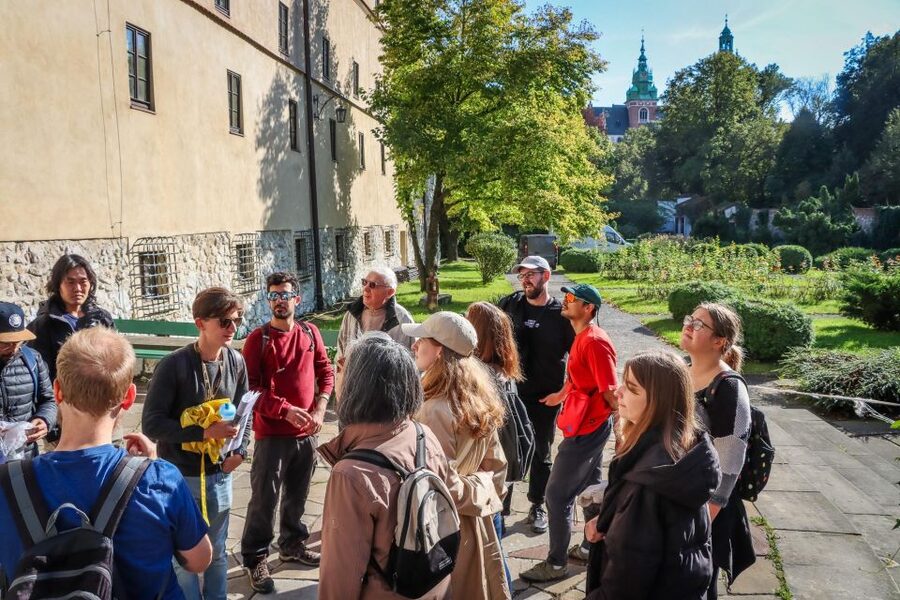
Krakow’s past is written on its walls. This 150-minute walk follows the marks left by German occupation, from the Katyń wooden cross to Nazi prison cells bearing inscriptions made by victims. I like the human focus, which moves beyond dates and battles to courage, fear, betrayal, and impossible choices. I also like the guide-led storytelling, especially with guides such as Big Tomasz, praised for his warmth, humor, and local insight.
The main consideration is emotional weight. This is not a light sightseeing stroll, and the subject matter includes imprisonment, repression, and death. You should also protect the full two and a half hours, since one participant had to leave early to catch a train and missed the end.
In This Review
- Key points to know before you book
- Seeing Krakow through its wartime scars
- Starting beside Wawel Hill and Grodzka Street
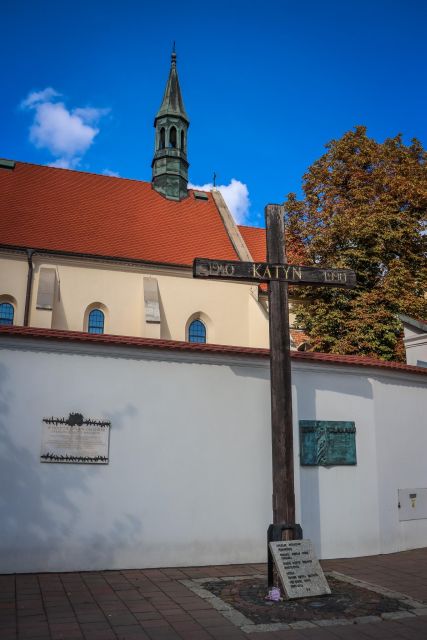
- The Katyń wooden cross and the cost of remembrance
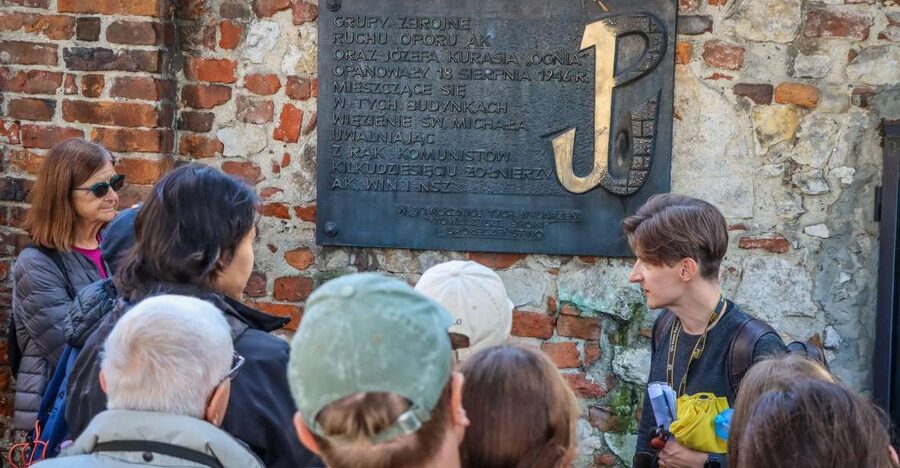
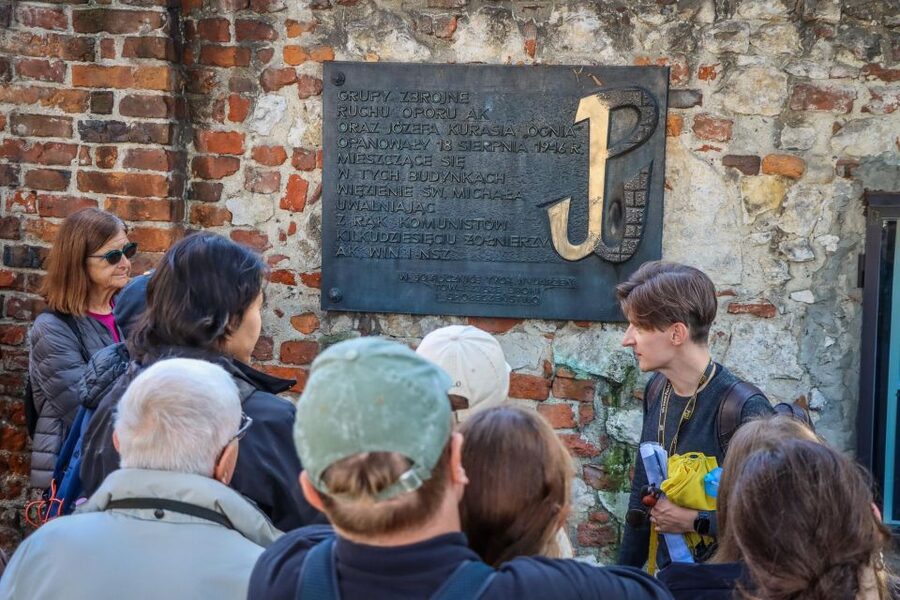
- St. Michael’s prison and the inscriptions on the walls
- The former Gestapo headquarters and the machinery of control
- Bomb shelters in Park Krakowski
- A story built around courage, fear, and impossible choices
- Is $26 good value for 150 minutes?
- Who will get the most from this walk?
- Practical advice for a better experience
- Should you book the World War II in Krakow Walking Tour?
- FAQ
- How long does the World War II in Krakow Walking Tour last?
- What language is the tour conducted in?
- Where does the tour begin?
- Which places are included on the route?
- Are the Nazi prison cells part of the experience?
- Is the tour wheelchair accessible?
Key points to know before you book
- The route connects four wartime sites: You visit the Katyń wooden cross, St. Michael’s prison, the former Gestapo headquarters, and bomb shelters in Park Krakowski.
- The prison cells carry personal evidence: You can read inscriptions left on the walls by people held there, giving the tour a direct and difficult human element.
- The stories focus on choices: The guide explains how ordinary people resisted, cooperated, stayed silent, or took great risks under Nazi rule.
- Big Tomasz receives especially warm praise: His style is described as engaging, passionate, funny in the right places, and full of local knowledge.
- The walk lasts 150 minutes: Arrive 10 minutes early and avoid scheduling a train or other fixed appointment immediately afterward.
- The $26 price covers more than a basic reservation: It includes the reservation fee and guide payment for a general pay as you wish tour, with an English-speaking local guide.
Seeing Krakow through its wartime scars
Krakow is easy to admire for its architecture, churches, and handsome old streets. This tour asks you to look again. The same city that feels welcoming today was reshaped by occupation, surveillance, imprisonment, fear, and resistance during the Second World War.
I like that the walk treats the war as something that happened to people in familiar streets, not as a remote chapter found only in a museum. The guide connects places in the city with the choices made by those who lived through the occupation. A minor act could bring serious consequences, and the tour keeps returning to that uncomfortable point.
The approach is serious, but it is not simply a list of atrocities. You hear about some of the most brutal officers in the Nazi system and the methods used to control and punish victims. You also hear about individuals and organized groups who opposed the regime. That balance matters. It gives you a clearer sense of both the machinery of repression and the courage required to resist it.
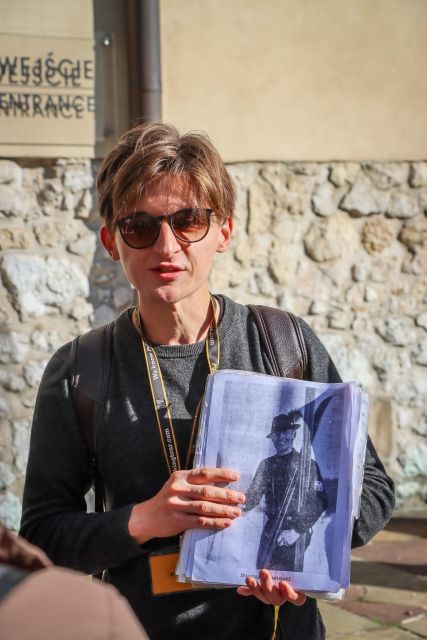
The experience is conducted in English with a live local guide. The strongest praise goes to the guides rather than to any single scenic moment. Big Tomasz, also called Tomasz in the comments, is described as warm, engaging, passionate, and willing to add a little good humor. That combination can make a difficult subject easier to follow without making it feel casual or cheap.
More Walking Tours in Kraków
- Old Town Krakow & Wawel Castle Walking Tour
★ 5.0 · 1,508 reviews - Creepy Krakow: 2-Hour City Walking Tour
★ 4.7 · 1,131 reviews - Krakow: The Old Town Walking Tour
★ 4.8 · 794 reviews
Starting beside Wawel Hill and Grodzka Street
The meeting point is at Triangle Square next to Wawel Hill, at the end of Grodzka Street. This is a useful central location, but you should not treat it as a place to arrive at the last second. The instructions ask you to be there 10 minutes before the start.
That early arrival gives you time to find the square, identify the guide, and settle in before the story begins. Since the tour covers 150 minutes on foot, it also gives you a moment to check that you have comfortable shoes and anything you need for the weather.
The tour does not include hotel pickup or drop-off, so you make your own way to the starting point. Snacks are not included either. Those are small details, but they matter on a walk lasting two and a half hours. I would eat beforehand and carry water, especially if you prefer not to interrupt a serious story with a search for refreshments.
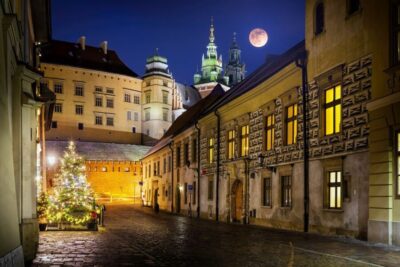
The meeting point near Wawel Hill also gives the tour a strong sense of place. You begin in one of Krakow’s best-known areas, then look past the postcard view to the marks of occupation that remain less obvious to the casual visitor.
The Katyń wooden cross and the cost of remembrance
One listed stop is the Katyń wooden cross. Its presence brings the tour into the wider story of wartime loss and remembrance. Rather than treating the walk as a string of unrelated locations, the guide uses sites like this to show how public memory is attached to Krakow’s streets.
The cross is also a reminder that wartime history does not end when the fighting stops. People continue to remember, mourn, argue, and mark what happened. You may find this stop especially meaningful if you want to understand how Krakow carries painful history in public spaces.
The supplied details do not specify how long the group remains at each location, so you should expect the guide to shape the pace. That is one reason the guide matters so much here. A good explanation can turn a brief stop into a clear piece of the larger story, while a rushed visit would leave you with little more than a name.
St. Michael’s prison and the inscriptions on the walls
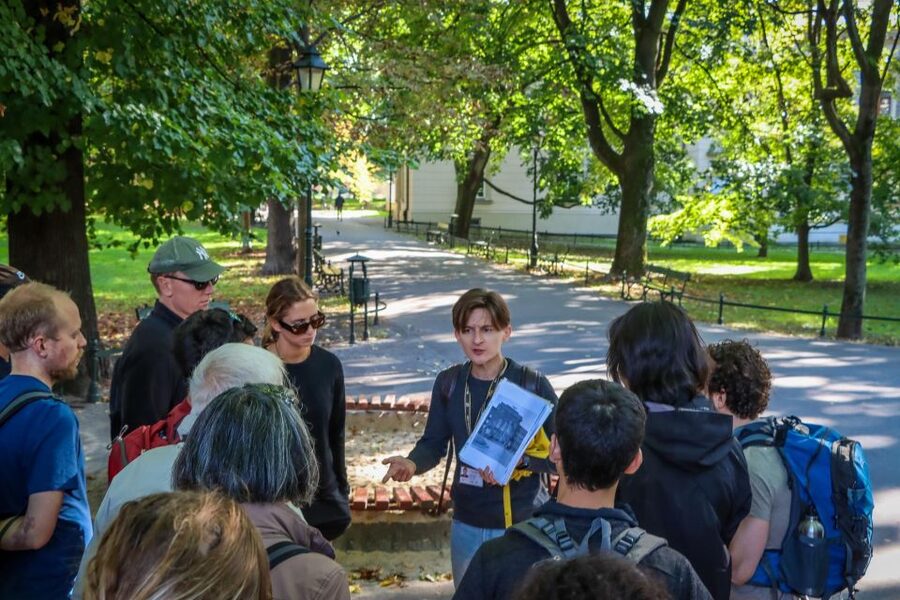
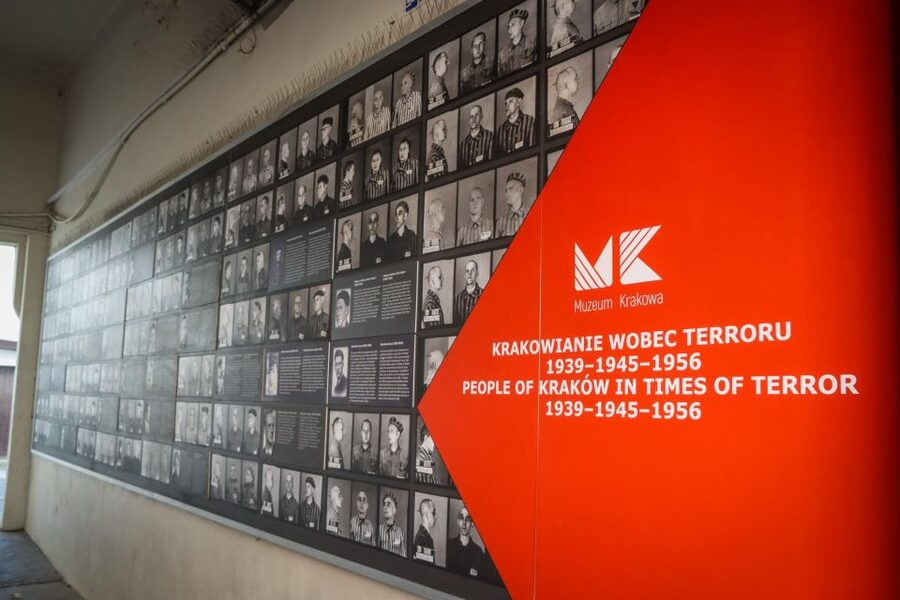
The prison visit is likely to be the most affecting part of the route. You visit Nazi prison cells and can read inscriptions left on the walls by victims. These marks change the scale of the story. Instead of thinking only about official orders, military units, and political systems, you are confronted with people who were held in those rooms.
I appreciate this kind of evidence because it does not need much decoration. A name, message, or scratch on a wall can say more than a long explanation. The guide’s role is to provide the context without burying the physical evidence under too many words.
This stop may also be difficult. The tour description makes clear that the subject includes repression, sacrifice, fear, and death. If you prefer cheerful sightseeing or find prison sites upsetting, you should think carefully before booking. The tour is designed to confront hard questions, including what you might have done when every option carried danger.
The prison is not presented as a theatrical attraction. Its value comes from the connection between the place and the people who suffered there. You should give yourself time afterward to process what you have seen, rather than rushing straight into another busy activity.
Something quite different:
- From Krakow: Auschwitz-Birkenau Guided Tour & Hotel Pickup
★ 4.5 · 33,358 reviews - From Krakow: Auschwitz-Birkenau Guided Tour & Hotel Pickup
★ 4.5 · 29,340 reviews - Krakow: Auschwitz Guided Tour with Optional Hotel Pickup
★ 4.5 · 15,280 reviews - Krakow–Zakopane: Cable Car, Chocholow Baths, Cheese & Vodka
★ 5.0 · 10,720 reviews
The former Gestapo headquarters and the machinery of control
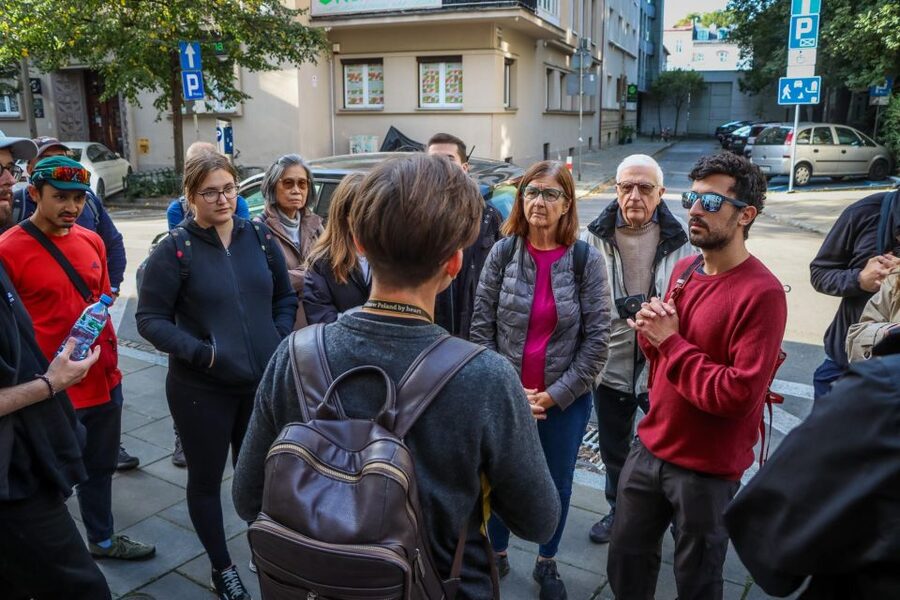
Another stop is the former Gestapo headquarters. Here, the focus shifts from individual imprisonment to the larger system that made occupation work. The guide explains the officers and tools used to repress victims, helping you understand how fear was organized and enforced.
I like this part of the route because it places personal stories within a structure. It is easy to hear about brave individuals and imagine that courage happened in isolation. A stop at the former headquarters shows the pressure they faced, the power held by the occupiers, and the danger attached to even small decisions.
The walk also explores the actions of people who opposed the Nazi regime. Some resistance came from organized groups, while other stories concern ordinary people who became quiet heroes. The description promises examples of spectacular resistance actions, but it also keeps attention on less visible forms of courage.
That mix gives the tour a useful moral balance. You are not encouraged to divide everyone neatly into heroes and villains without considering circumstance. Instead, you are asked to think about fear, loyalty, betrayal, silence, and the choices people made under extreme pressure.
Bomb shelters in Park Krakowski
The route includes bomb shelters in Park Krakowski, giving the tour another physical reminder of wartime life. The shelters help shift attention from political offices and prisons to the danger experienced by civilians.
This stop can make the war feel less abstract. Occupation was not only about arrests and official control. It also changed how people moved through the city, where they sought safety, and how daily life was interrupted by violence.
The supplied details do not say how much of the shelters you enter or how long the group remains there. You should follow the guide’s instructions on the day. The important point is that the shelter stop adds another layer to the route, showing how war affected public spaces and ordinary routines.
Park Krakowski may also offer a change of setting after the more enclosed and difficult prison material. Do not expect the park to turn the tour into a relaxing walk, though. The guide keeps the focus on wartime Krakow and the decisions that shaped people’s lives.
A story built around courage, fear, and impossible choices
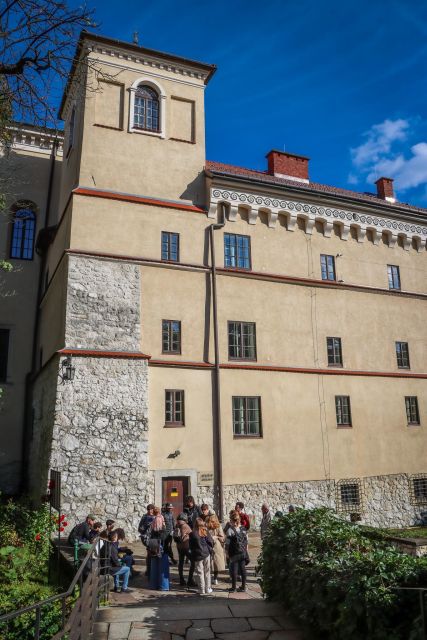
The central strength of this tour is its narrative. The description promises a carefully constructed story, and the praised guides appear to deliver it with energy and feeling. Big Tomasz is singled out for insight, local knowledge, passion, and a touch of humor. Another participant called him warm and engaging, which is exactly the kind of presence that helps during a serious walk.
I would choose this tour if you want more than a list of monuments. The guide asks you to think about what you would do under pressure. That question can feel uncomfortable, but it gives the tour lasting value. You are not just memorizing names and locations. You are considering how people respond when the safe or easy choice disappears.
The tone is important. Humor can help a group stay attentive during a long and heavy subject, but it must be handled carefully. The praise for Big Tomasz suggests that he uses it to keep the walk human and approachable, not to make light of suffering.
The available rating is five out of five from six reviews, with the most repeated praise directed at the guide’s ability to explain, engage, and bring local understanding to the subject. One person found the tour so worthwhile that they regretted leaving early for a train. That is also a practical warning: schedule the walk when you can stay for the entire story.
Is $26 good value for 150 minutes?
At $26 per person, this is a reasonable price for a 150-minute guided walk, particularly because the cost includes an expert local guide and the guide’s payment. The arrangement is described as a general pay as you wish tour, but in this booking the amount you pay covers both the reservation fee and the guide’s payment.
The value depends on what you want from Krakow. If you are looking for quick photo stops and broad sightseeing, you may find the tour too serious and too focused. If you want historical context tied to real places, the long format gives the guide enough time to build a connected story.
You are paying for interpretation, not transport, food, or entry to a large collection of attractions. There is no hotel pickup or drop-off, and snacks are not included. The price makes the most sense if you value an English-speaking guide who can explain the sites and connect them to the wider experience of occupation.
The strong marks for Tomasz and the other guides are significant here. On a walking tour, the guide shapes much of the value. A clear, passionate explanation can make a modest-looking site memorable. Without that explanation, a cross, building, or shelter might pass unnoticed.
Who will get the most from this walk?
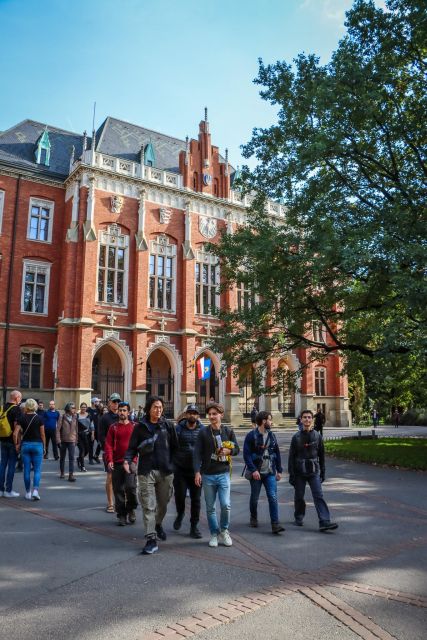
I would recommend this experience to you if you enjoy history told through places. It suits people who want to understand how the German occupation transformed Krakow and how individuals responded to it.
It is also a good choice if you have already seen the city’s main sights and want a different view of familiar streets. The tour offers a way to look beyond Krakow’s charm and consider the scars beneath it.
You should be comfortable walking for 150 minutes and listening to emotionally heavy material. The tour is listed as wheelchair accessible, which is useful for planning, though you may still want to confirm any personal route requirements before booking.
Families with older children may find the subject valuable, but the material is serious. Parents should decide if stories of Nazi imprisonment, victims, and resistance are suitable for their group. Anyone interested in the human side of wartime history will find more here than a simple timeline.
Practical advice for a better experience
Arrive 10 minutes early at Triangle Square beside Wawel Hill, at the end of Grodzka Street. That gives you time to find the guide without making the group wait.
Wear comfortable shoes and plan for a full two and a half hours. The route is on foot, and the experience works best when you can give the guide your full attention.
Do not book it immediately before a train. One person had to leave before the walk ended, so allow extra time after the scheduled finish. The final stories may be as important as the opening ones.
Eat before you go and bring water because snacks are not included. You can cancel up to 24 hours before the activity for a full refund, and the reserve now, pay later option lets you hold a place without paying on the day of booking.
Should you book the World War II in Krakow Walking Tour?
Book it if you want Krakow’s wartime past explained through actual streets, prison cells, inscriptions, memorials, and shelters. The best reason to choose it is the guide-led story, with Big Tomasz receiving particular praise for warmth, humor, passion, and local understanding.
Skip it if you want a light introduction to Krakow or if you have only a short gap before a train. The subject is painful, and the full 150 minutes deserve your time and attention.
For an English-speaking visitor who wants to understand how occupation changed the city and how ordinary people found the courage to resist, $26 is a fair price. You will leave with fewer easy answers, but you may look at Krakow’s streets with a more serious and human eye.
FAQ
How long does the World War II in Krakow Walking Tour last?
The tour lasts 150 minutes, or two and a half hours.
What language is the tour conducted in?
The tour is conducted in English with a live English-speaking guide.
Where does the tour begin?
The meeting point is Triangle Square next to Wawel Hill, at the end of Grodzka Street.
Which places are included on the route?
The route includes the Katyń wooden cross, St. Michael’s prison, the former Gestapo headquarters, and bomb shelters in Park Krakowski.
Are the Nazi prison cells part of the experience?
Yes. The tour includes a visit to Nazi prison cells where you can read inscriptions left on the walls by victims.
Is the tour wheelchair accessible?
Yes, the activity is listed as wheelchair accessible.
Just added in Krakow
- From Krakow: Zakopane Full-Day Tour with Lunch Option★ 4.4 · 62 reviews
- From Krakow: Zakopane and Dunajec River Rafting Tour★ 4.6 · 31 reviews
- From Krakow: Zalipie and Painted Village Guided Tour★ 4.0 · 4 reviews
- From Krakow: Zakopane and Gubałówka Cable Car Private Tour★ 4.3 · 12 reviews
- Zakopane: Snowmobile Ride with Bonfire and Private Driver★ 5.0 · 1 review
- From Krakow: Zakopane Tatra Mountains & Hot Springs Tour★ 3.0 · 29 reviews
- From Krakow: Hot Springs and Zakopane with Gubałówka★ 4.7 · 25 reviews
- From Krakow: Zakopane and the Tatra Mountains★ 4.7 · 36 reviews
Walking Tours, compared.
Gdańsk City Sights & History Guided Walking Tour in English
Read our review →
Old Town & Wawel Castle Walking Tour in English
Read our review →Browse the lists this tour appears in