
REVIEW · AUSCHWITZ-BIRKENAU MEMORIAL TOURS
Stutthof Concentration Camp:Guided Tour with Transportation
Some places ask you to slow down.
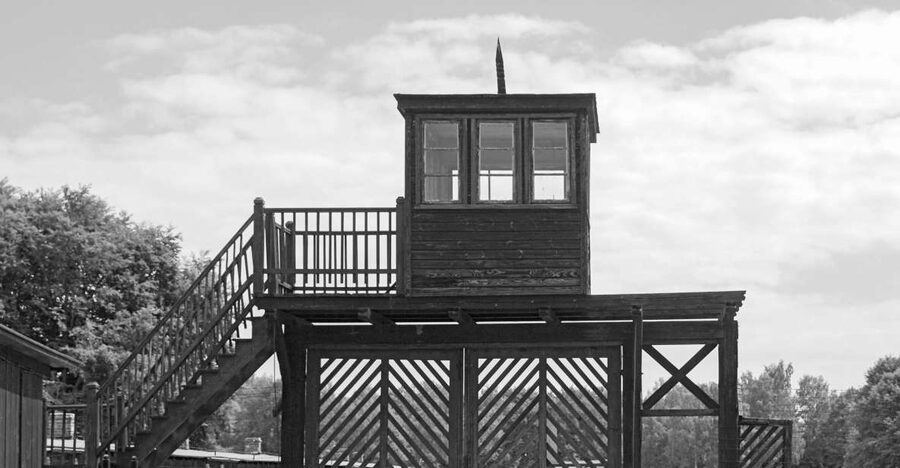
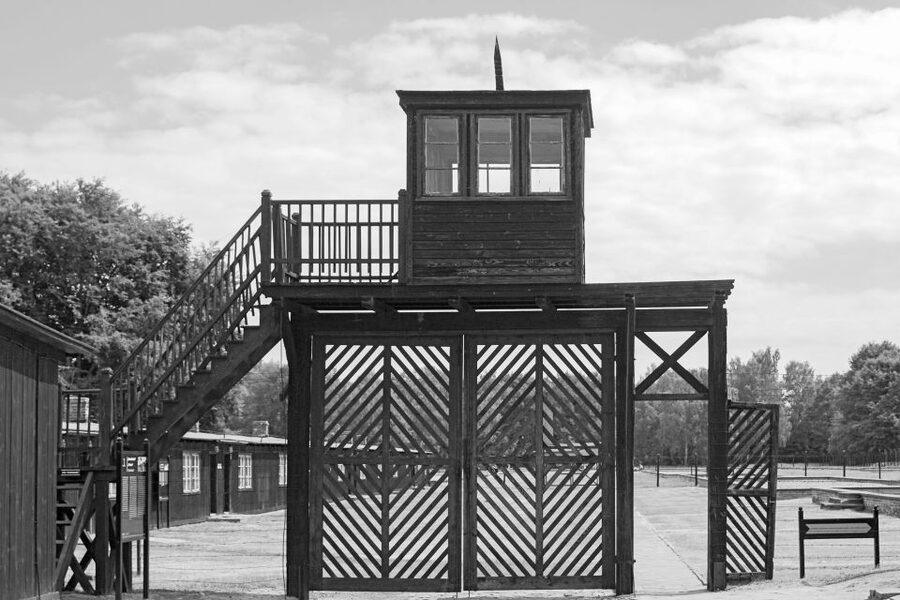
This Stutthof tour takes you from Gdansk, Sopot, or Gdynia to Poland’s first concentration camp built by the Nazis. I like the door-to-door transport, which removes a serious planning chore, and I like the guaranteed two-hour guided visit at the museum, even if traffic delays the drive. The main consideration is emotional: the barracks, gas chambers, exhibitions, and survivor material make this a heavy day, not a casual sightseeing outing.
The tour costs $269 per person and lasts five to seven hours, depending on the option you choose. That is a substantial price, but it includes transport, museum admission, a guide, and an optional second Gdansk sight. For a private group or cruise-port pickup, the convenience may justify it. If you only want a quick museum visit, it may feel expensive.
In This Review
- Key points to know before you book
- Why Stutthof deserves a full day from Gdansk
- Door-to-door pickup from Gdansk, Sopot, and Gdynia
- Entering the Stutthof Museum and camp grounds
- The guides make the difference
- The museum cinema and survivor documentary
- The Baltic beach walk after a difficult morning
- Choosing Westerplatte in the seven-hour option
- Choosing the Museum of the Second World War
- Choosing a Gdansk Old Town walk
- Is $269 per person good value?
- Who should book this experience?
- Useful booking details in one place
- Should you book the Stutthof tour?
- FAQ
- How long does the Stutthof tour last?
- Where does pickup take place?
- Is transport included?
- How much time is guaranteed at Stutthof?
- What is included at the Stutthof Museum?
- Which languages are available?
- Can I add another Gdansk sight?
- Is the tour suitable for children?
Key points to know before you book
- Stutthof was Poland’s first Nazi concentration camp: The visit gives you a direct look at the camp system and its effect on people from the surrounding area.
- You are guaranteed two hours at the camp: Traffic cannot reduce the core guided visit below that promised time.
- The guide adds essential context: Guides such as Marek, Robert, and Adam have been praised for clear explanations, local knowledge, and personal storytelling.
- Transport is included from three coastal cities: Pickup and drop-off are available at accommodation or cruise ports in Gdansk, Sopot, and Gdynia.
- You can add one major Gdansk sight: The seven-hour version includes Westerplatte, the Museum of the Second World War, or a walking tour of the Old Town.
- The day ends with a Baltic beach walk: The white sand and sea view offer a quiet change of scene after the museum, though they do not make the subject matter feel light.
Why Stutthof deserves a full day from Gdansk
Stutthof is not a museum you squeeze between lunch and a shopping street. The camp’s location and preserved structures make the visit a serious historical stop outside Gdansk, and the guided format helps you understand what you are seeing.
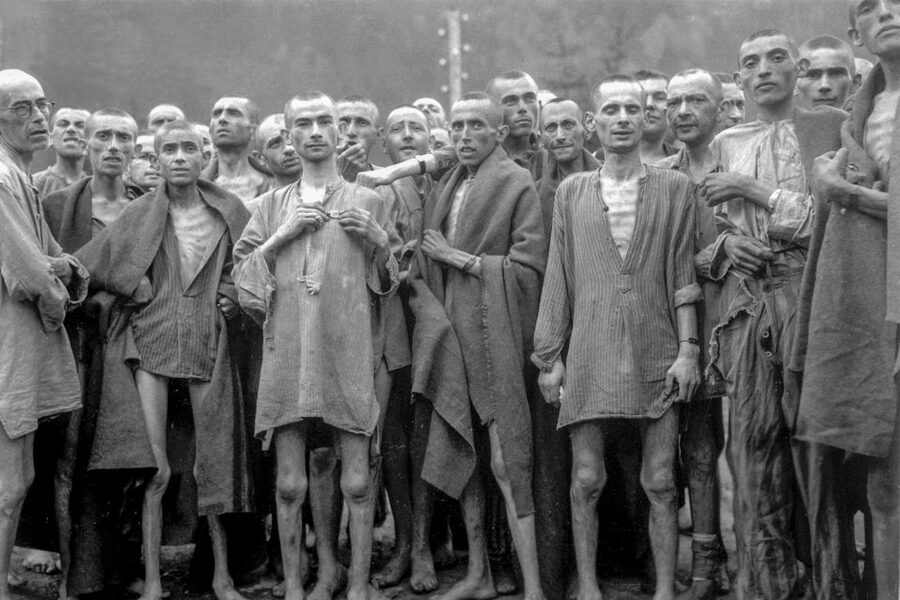
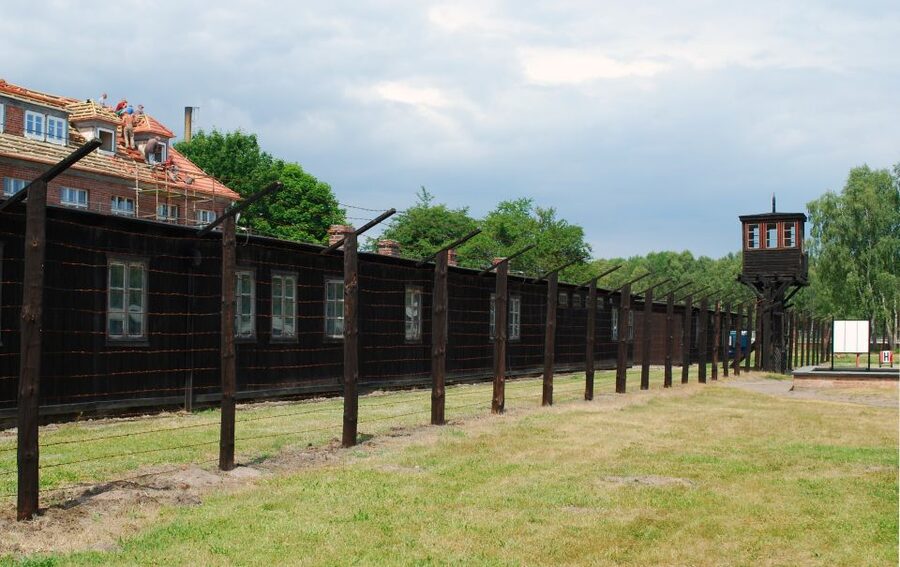
The camp operated for five years during the Nazi occupation of Poland. Prisoners came from 28 countries. More than 110,000 people were imprisoned, forced to work, tortured, or killed in the gas chambers. Those figures are difficult to absorb on their own. Seeing the barracks and camp grounds gives the numbers a physical setting.
I find the guide particularly important here. A self-guided visit can show you buildings and displays, but a good guide explains how the camp functioned and how the local population was affected. The tour promises facts that are available only at the site, and that local setting matters. You are not studying an isolated chapter in a book. You are visiting a place tied to the wartime history of Pomerania.
This is also why the minimum age is 13. The subject matter includes imprisonment, forced labor, torture, and mass death. Parents should consider the child’s maturity rather than treating the age limit as a simple box to tick.
More Auschwitz-Birkenau memorial tours:
- Gdansk: Stutthof Concentration Camp Regular Tour
★ 4.7 · 361 reviews - Stutthof Concentration Camp English Tour with Gdansk Hotel pickup
★ 4.5 · 73 reviews - Stutthof Concentration Camp tour including transfer from Gdansk
★ 5.0 · 34 reviews
Door-to-door pickup from Gdansk, Sopot, and Gdynia
The day begins with pickup at your accommodation or cruise port in Gdansk, Gdynia, or Sopot. You ride in an air-conditioned car with an English-speaking driver, and the arrangement includes return drop-off.
That detail has real value. Stutthof is outside the main city sightseeing area, so you do not need to work out separate transport, transfers, or return timing. Cruise passengers will especially appreciate the direct pickup and drop-off arrangement, although you should still check the schedule carefully against your ship’s departure time.
The trip is listed as five to seven hours. The shorter version centers on Stutthof. The longer version adds one of three Gdansk experiences. Traffic can affect the road journey, but the operator guarantees at least two hours of guided sightseeing at Stutthof in your chosen language.
That guarantee is one of the strongest practical features. A road delay is frustrating on any excursion, but it is worse when a long drive leaves you with only a rushed museum visit. Here, the promised two hours protects the main purpose of the outing.
Check your email the day before departure for important information. It is a small step, but pickup tours depend on clear meeting details, and you do not want to start a serious day by searching for the vehicle.
Entering the Stutthof Museum and camp grounds
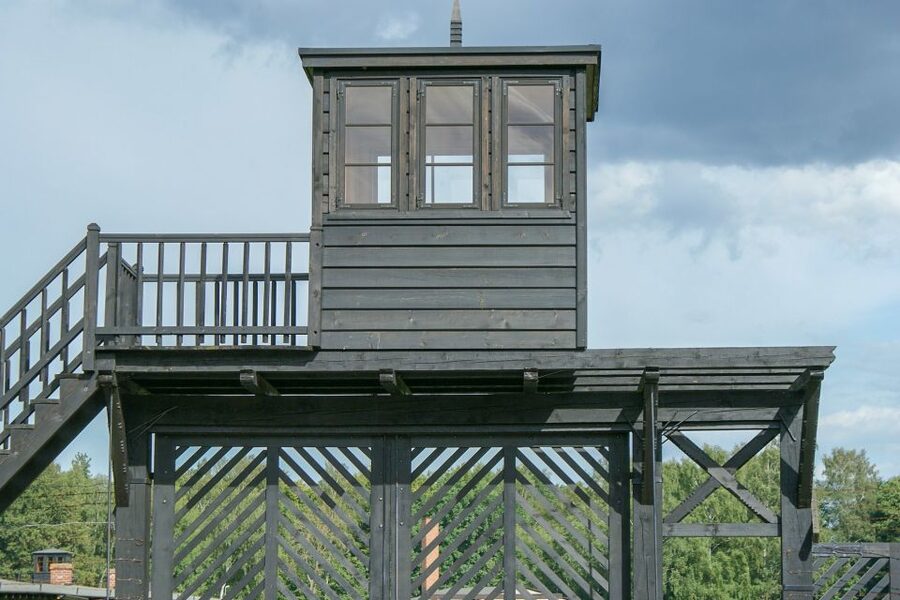
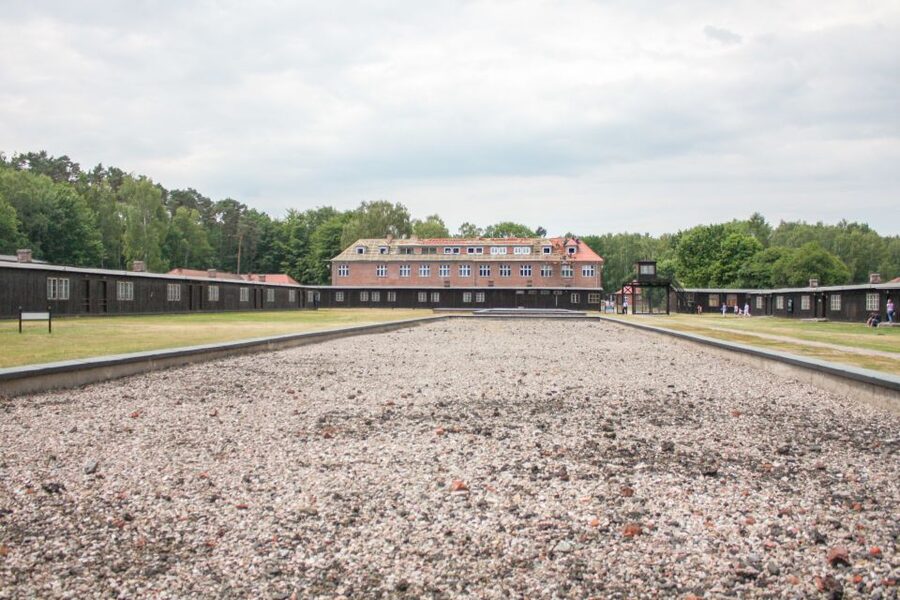
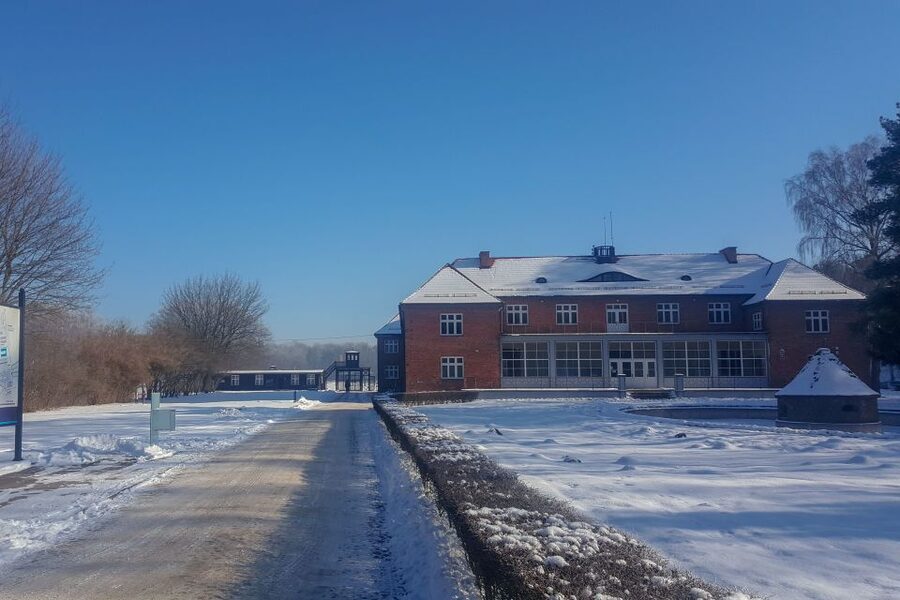
At Stutthof, you visit the museum and the former camp area with a licensed guide. The tour includes entry to the museum and admission to the museum cinema.
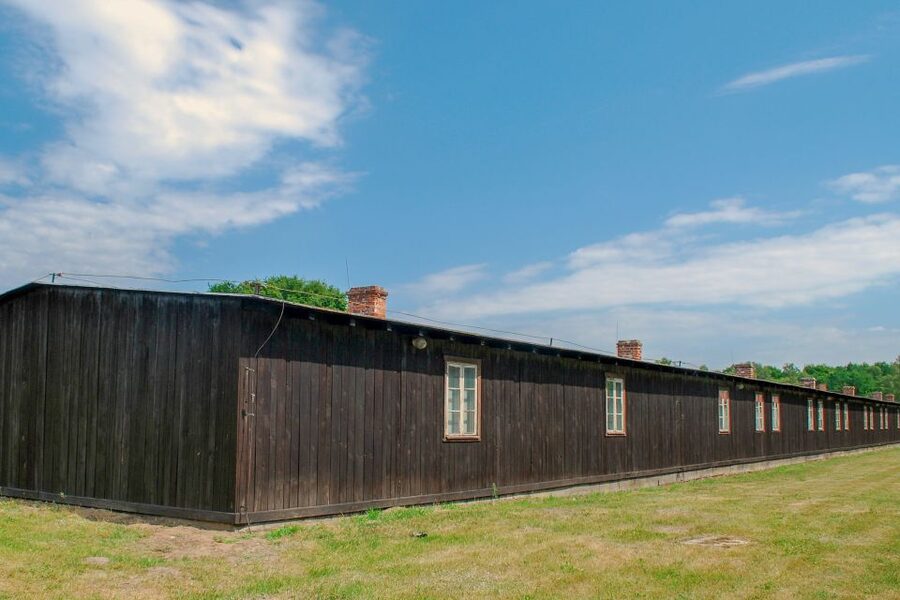
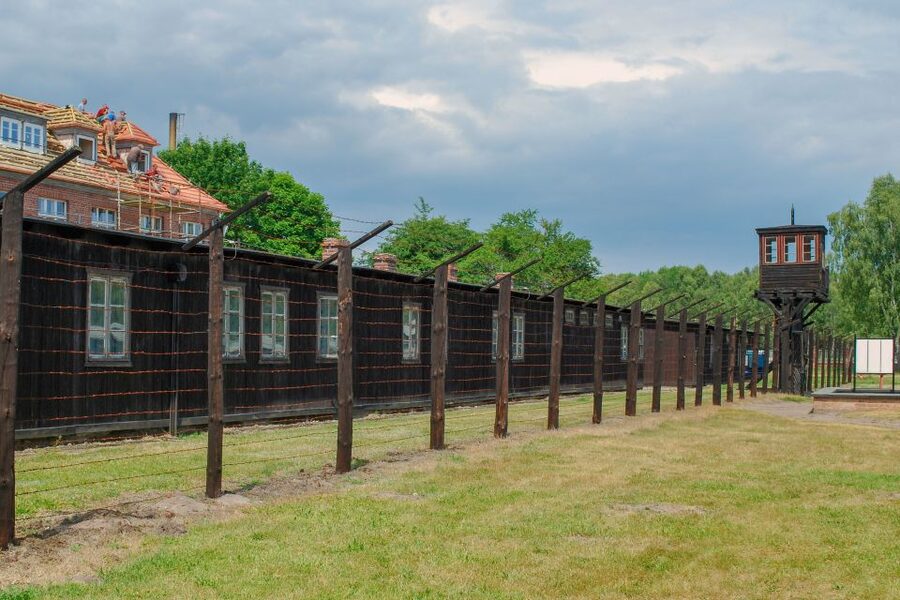
The preserved barracks help you understand the cramped, controlled nature of camp life. The gas chambers are an especially difficult part of the visit. This is not a place for photographs taken for fun or quick sightseeing habits. Give yourself time to listen, look carefully, and accept that some parts may be upsetting.
The guide’s role is not just to point at buildings. You learn how the camp operated during the occupation, what happened to prisoners, and how the place fits into the wider history of twentieth-century Gdansk and Poland. That background turns the visit from a collection of grim sites into a connected account of persecution and wartime power.
The guaranteed two-hour visit should be enough for a substantial introduction, but it is not unlimited time for every display. If you want to read every panel closely, you may feel pressed. The tour is designed to provide a guided overview of the whole area, not a full day of independent research.
Language choice is broad. Tours are offered in English, German, Polish, Norwegian, Swedish, Spanish, French, Italian, and Russian. That makes the historical explanation more accessible, especially at a site where exact wording and context matter.
The guides make the difference
The strongest praise for this experience centers on the people leading it. Marek has been singled out for clear commentary, a pleasant manner, and strong command of the subject. Adam is praised for the small stories he shares about the camp’s population, details that can make a large historical event easier to understand.
Robert’s role appears to go beyond driving. He has been praised for sharing facts about places along the route, adding a Gdansk tour, and making sure a cruise passenger returned promptly to the ship. That kind of practical care matters when your schedule is tight.
The Stutthof guide who grew up in the area was also praised for a personal and serious approach. A local connection does not replace historical accuracy, but it can help explain why this site remains important to the region.
Guide quality can vary on any guided excursion, so I would treat these names as useful expectations rather than guarantees. Still, the repeated praise for clear explanations and thoughtful storytelling points to the main strength of the tour: you are not left alone with a difficult subject and a map.
More Stutthof memorial tours:
- Stutthof Concentration Camp Half-Day Private Tour
★ 4.8 · 29 reviews - Private transportation to the Stutthof Concentration Camp 4h
★ 4.7 · 28 reviews - Stutthof Concentration Camp: Private Guided Tour with Transport
★ 4.5 · 26 reviews - Stutthof Concentration Camp Regular Tour from Gdansk
★ 5.0 · 23 reviews
The museum cinema and survivor documentary
The museum cinema is included, and the tour includes a ticket to watch the film there. The experience also offers the full documentary Stutthof Survivors by email after the tour, if you request it.
This is a useful addition for anyone who wants more than a two-hour visit. Personal testimony can place human voices beside the buildings and statistics. I would request the documentary if you have time to watch it after returning home, when you can give it your full attention.
Do not expect the film to make the day easier. It may extend the emotional weight of the visit. That is not a flaw, but you should plan some quiet time afterward instead of scheduling a demanding evening.
The Baltic beach walk after a difficult morning
On the way back, the itinerary includes a relaxing walk toward the beach. You see white sand and the Baltic Sea, with time to take in the coastal view before returning to your accommodation or port.
This change of setting is useful. After the camp, a quiet walk gives you room to process what you have seen. It is not presented as a tourist attraction that competes with Stutthof. It is simply a calmer final stop.
The description refers to the sea view and great scenery, but keep your expectations modest. The core value of the excursion is the museum and guided camp visit. The beach walk is a pause at the end, not a reason to book the tour by itself.
Choosing Westerplatte in the seven-hour option
The extended version can add sightseeing at Westerplatte. This former military base is linked to the beginning of the Second World War. You see a small military cemetery and a large monument to the defenders of the Polish Coast.
Westerplatte works well if you want to connect the concentration camp visit with another major wartime site around Gdansk. The two places address different parts of the conflict: one focuses on imprisonment and Nazi persecution, while the other recalls military resistance at the opening of the war.
The drawback is time. Every additional stop makes the day longer, and Stutthof remains the reason most people book this experience. Choose Westerplatte if you want a broad wartime overview and prefer outdoor monuments to a second indoor museum.
Choosing the Museum of the Second World War
You can choose the Museum of the Second World War instead of Westerplatte. It is described as one of Poland’s best museums and presents detailed material about the conflict from different points of view.
This option suits you if you want more historical context after Stutthof. The museum can help place the camp within the wider story of the war, occupation, and competing national experiences. The guide provides context and explanation rather than simply leaving you to find your way through.
The tradeoff is emotional and practical. Another substantial museum may be too much after Stutthof, especially if you prefer time outdoors or need to return to a ship. If you enjoy organized historical exhibits and want a fuller picture of the war, this is likely the most informative extension.
Choosing a Gdansk Old Town walk
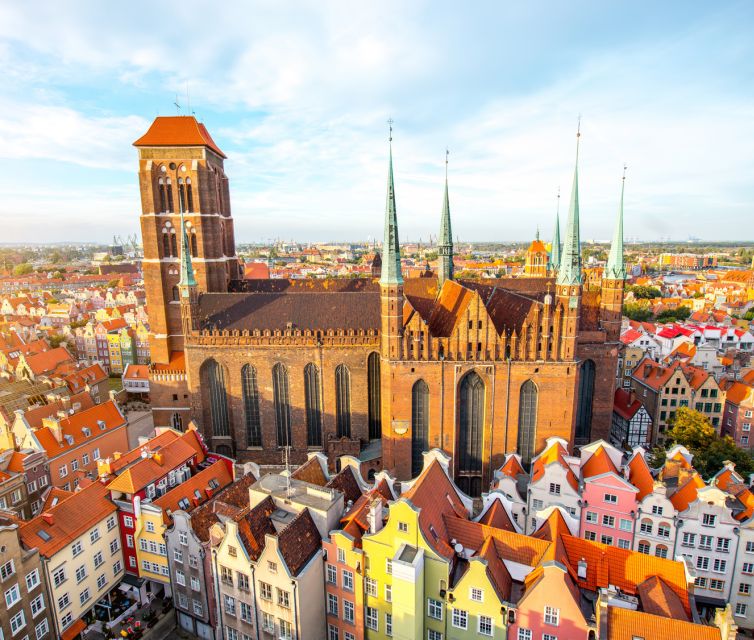
The third extended option is a walking tour through Gdansk Old Town. The route includes St. Mary’s Church, described as the world’s largest brick church, along with Arthur’s Court, the Crane, the Golden Gate, and other central sights.
This is the lightest add-on and a sensible choice if your main Gdansk sightseeing has been limited. You get major landmarks without spending the rest of the day in another war museum. It also creates a sharp contrast between the solemn camp visit and the architectural character of the city.
The concern is pace. A five to seven-hour day that includes transport, Stutthof, a beach walk, and Old Town can feel full. Pick this option if you value seeing several headline sights in one outing. If you want slow time in the Old Town, book a separate visit instead.
Is $269 per person good value?
At $269 per person, this is not a budget excursion. The price includes pickup and drop-off, air-conditioned transport, the expert-led Stutthof tour, museum entry, the cinema ticket, and a guaranteed two-hour visit in your selected language.
For a private group, the value improves because the day is built around your party rather than a large shared coach. The optional Gdansk stop also adds value if you would otherwise pay for a separate city tour.
Still, you should compare the price with your priorities. If you are staying in central Gdansk and only want entry to the museum, this package includes more transport and guiding than you need. If you are visiting from a cruise port, traveling with limited time, or want a guide to explain a difficult site in your language, the convenience is easier to justify.
The five to seven-hour duration also saves you from piecing together several bookings. You pay for a full outing, not just a ticket. That is expensive, but it reduces the risk of missed connections and poor timing.
Who should book this experience?
I would recommend it to adults and mature teenagers who want historical context, dependable transport, and a guided visit rather than a quick look around. It is especially useful for people based in Gdansk, Sopot, or Gdynia, and for cruise passengers who need a planned return to port.
Choose it if you value a serious guide. Marek and Adam are praised for their explanations and personal stories, while Robert is praised for practical help and adding extra sightseeing when time allowed. Those details suggest a tour built around human guidance, not just a vehicle transfer.
I would hesitate if you find concentration camp sites too distressing, dislike long combined excursions, or want a relaxed holiday morning. Children under 13 are not suited to this activity, and older children should be prepared for the subject before departure.
The private-group option is worth considering if you want a quieter pace or have a fixed schedule. The standard details do not state the private-group price, so check that cost before booking.
Useful booking details in one place
You can cancel up to 24 hours before the tour for a full refund. You can also reserve now and pay later, which helps if your Gdansk plans are still changing.
Starting times vary, so check availability for your date. Pickup and drop-off are included from accommodation or cruise ports in Gdansk, Gdynia, and Sopot. The operator asks you to check your email the day before for important instructions.
The tour is available in nine languages: English, German, Polish, Norwegian, Swedish, Spanish, French, Italian, and Russian. It is also possible to book a private group.
Should you book the Stutthof tour?
Book this tour if Stutthof is important to your visit and you want the day handled from start to finish. The strongest reasons are the guaranteed two-hour guided visit, broad language choice, included transport, and guides who bring careful explanation and local perspective.
Choose the Museum of the Second World War for more historical context, Westerplatte for a military memorial, or Old Town for a lighter city walk. If you are unsure, I would choose the Old Town only when your schedule leaves no other time for central Gdansk.
At $269, this is a considered purchase, not an impulse tour. For a cruise passenger or a private group, it offers solid convenience and a clear plan. For an independent visitor with plenty of time, arranging a cheaper visit may make more sense. Either way, approach Stutthof with patience and respect. It is a place for listening first and sightseeing second.
FAQ
How long does the Stutthof tour last?
The experience lasts five to seven hours. Check availability for the starting time and the exact option you want.
Where does pickup take place?
Pickup and drop-off are available at your accommodation or cruise port in Gdansk, Gdynia, or Sopot.
Is transport included?
Yes. Transportation is provided in an air-conditioned car with an English-speaking driver.
How much time is guaranteed at Stutthof?
The tour guarantees at least two hours of guided sightseeing at Stutthof, regardless of traffic delays.
What is included at the Stutthof Museum?
The package includes admission to the Stutthof Museum and a ticket for the film shown in the museum cinema.
Which languages are available?
Guided tours are available in English, German, Polish, Norwegian, Swedish, Spanish, French, Italian, and Russian.
Can I add another Gdansk sight?
Yes. The seven-hour option lets you choose Westerplatte, the Museum of the Second World War, or a walking tour of Gdansk Old Town.
Is the tour suitable for children?
The activity is not suitable for children under 13. The subject includes concentration camp conditions, forced labor, torture, and deaths in gas chambers, so older children should be prepared for the content.
Just added in Gdansk
- Wolf’s Lair private tour from Gdansk★ 5.0 · 1 review
- Whisky Tasting in Gdańsk★ 5.0 · 3 reviews
- Transfer from Gdańsk or Airport Gdańsk (GDN) to Kościerzyna★ 5.0 · 1 review
- Westerplatte – 2h private trip by luxury car|★ 5.0 · 4 reviews
- Westerplatte private tour led by Expert-Guide (door to door)★ 5.0 · 5 reviews
- Gdansk EVERYDAY Vodka Tasting Tour★ 5.0 · 6 reviews
- Undercover City Games: Gdynia★ 5.0 · 34 reviews
- VIP transfer from airport Gdansk (GDN) to Hotel in Gdansk / Sopot★ 5.0 · 2 reviews