
REVIEW · AUSCHWITZ-BIRKENAU MEMORIAL TOURS
Stutthof Concentration Camp Half-Day Private Tour
Remembering comes before sightseeing. This private trip from Gdańsk takes you to Stutthof Concentration Camp, where a small group and a dedicated guide make a painful subject easier to understand. I like the door-to-door pickup from Gdańsk, Sopot, or Gdynia, and I like that the five-hour schedule gives you about two hours at the museum instead of rushing through the grounds. The main consideration is emotional: the gas chambers, crematorium, and accounts of mass murder are extremely difficult, so this is not a casual day out or a suitable visit for children under 13.
The private format is the real advantage. You can ask questions as they arise, hear the guide explain the persecution of Pomerania and Gdańsk, and avoid being folded into a large group. The price of $461 for up to three people is high for one person, but becomes much more reasonable when shared by two or three.
In This Review
- Key points to know before you go
- Why Stutthof deserves a place on your Gdańsk plans
- Leaving Gdańsk in a private van
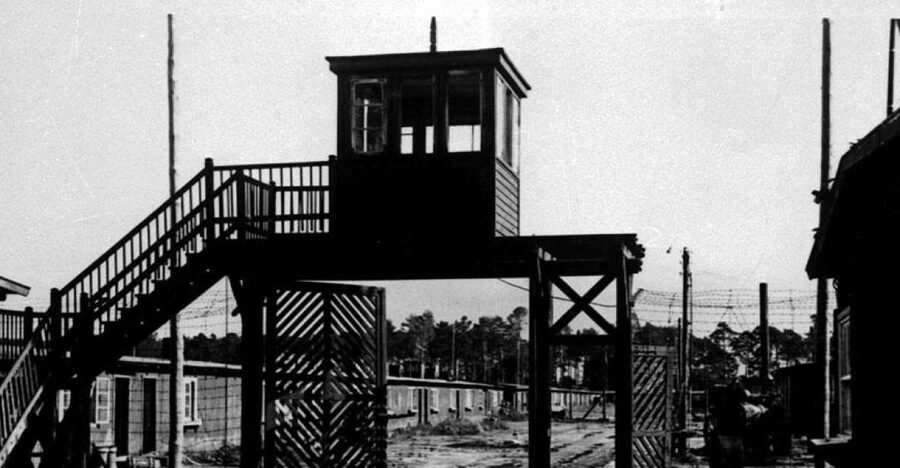
- Entering the old and new camp quarters
- The commander’s villa and the machinery of control
- Gas chambers and crematorium: the hardest part
- Paying respects at the victims’ monument
- The 30-minute break at Morska 32
- What the private format adds
- Is five hours enough?
- Price, cancellation, and who gets the best value
- Who should book this Stutthof visit?
- Should you book it?
- FAQ
- Where does the Stutthof tour begin?
- How long does the tour last?
- How long is the drive to Stutthof?
- How much time is spent at the museum?
- What sites are included at Stutthof?
- Is museum admission included?
- What languages are available?
- Are children allowed on the tour?
Key points to know before you go
- Stutthof was the first Nazi concentration camp on Polish territory, established in 1939 near Gdańsk.
- The tour covers both the old and new camp quarters, along with the commander’s villa, gas chambers, crematorium, and victims’ monument.
- Private transportation takes about one hour each way, with pickup from hotels or apartments in Gdańsk, Sopot, and Gdynia.
- A private guide leads the museum visit, with English, German, and Polish available.
- The price is $461 per group of up to three, including transport, admission, parking, and the guide.
- The museum recommends the experience for people aged 13 and older because of its graphic and distressing content.
Why Stutthof deserves a place on your Gdańsk plans
Gdańsk is full of attractive streets, handsome waterfront views, and lively cafés. Stutthof offers something entirely different. It asks you to leave the pleasant center behind and confront what happened in Pomerania during the Nazi occupation.
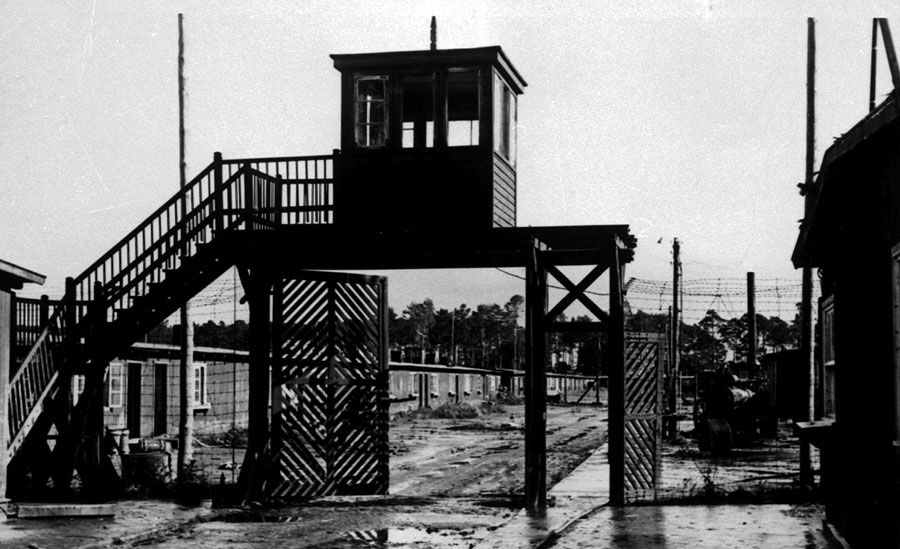
Stutthof was created in 1939, soon after the German invasion of Poland. Its first prisoners included Jewish people and members of the Polish intelligentsia from Pomerania and the Free City of Gdańsk. The camp was initially intended for about 3,000 prisoners, but its purpose and scale changed over time.
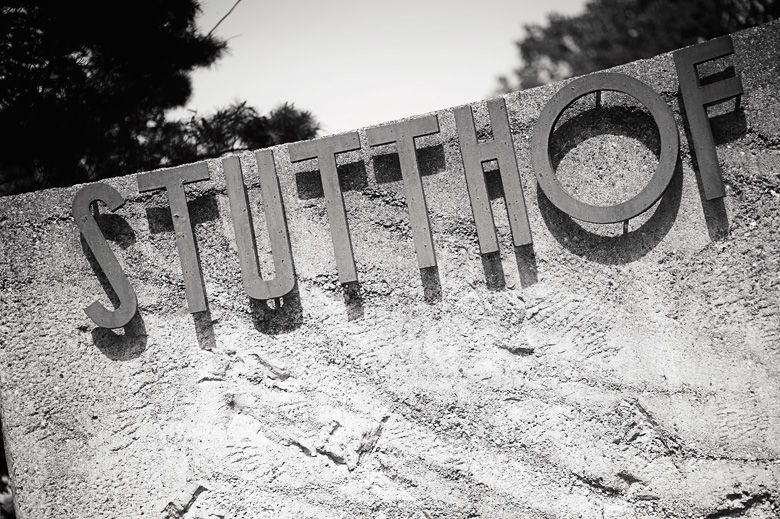
More than 110,000 people from 26 countries were imprisoned there. Many were forced into labor, starved, tortured, or murdered. The camp remained in operation longer than any other Nazi concentration camp established on Polish territory.
That background matters because the visit is not only about buildings. You are looking at the machinery of persecution, occupation, forced labor, and mass murder. A good guide helps connect the physical remains to the people who were held there, which keeps the experience from becoming a silent walk past old structures.
I would not treat Stutthof as a quick stop between other attractions. Give yourself a calm evening afterward. The material can stay with you, and a little quiet time is more useful than rushing straight into a busy restaurant or packed sightseeing schedule.
More Auschwitz-Birkenau memorial tours:
- Gdansk: Stutthof Concentration Camp Regular Tour
★ 4.7 · 361 reviews - Stutthof Concentration Camp English Tour with Gdansk Hotel pickup
★ 4.5 · 73 reviews - Stutthof Concentration Camp:Guided Tour with Transportation
★ 4.7 · 57 reviews
Leaving Gdańsk in a private van
Pickup is available from hotels or apartments in Gdańsk, Sopot, and Gdynia. You provide the address when booking, then travel in private transportation to the museum. The drive takes about one hour each way, making the total road time a significant part of this half-day outing.
That private vehicle is especially useful if you are staying outside central Gdańsk. You do not need to work out a separate combination of public transportation and local connections, and parking fees are included. The operator also provides a driver, so the trip is straightforward from the moment you leave your accommodation.
The drive can also help prepare you for the visit. One past participant especially appreciated the driver’s explanations about the area along the way. That is a worthwhile touch because the trip is not simply a transfer from one address to another. Your guide or driver may help place Stutthof within the wider setting of Pomerania and the former Free City of Gdańsk.
Still, the one-hour journey each way means you should not expect a long museum session. Of the five-hour schedule, about two hours are set aside for the guided visit, with roughly 30 minutes for a break. The rest is transport and pickup time.
Entering the old and new camp quarters
The guided visit begins at the Stutthof Museum and lasts about two hours. You see the old camp quarters first, then the later sections that show how the site grew beyond its original purpose.
The distinction between old and new quarters helps explain the camp’s development. Stutthof was not a fixed place with one unchanging design. It expanded as more prisoners arrived and as forced labor became a larger part of the camp system.
The preserved buildings and grounds can feel stark. That is part of the power of the site. Rather than presenting the past as an abstract lesson, the museum places you among the structures where prisoners were confined and controlled.
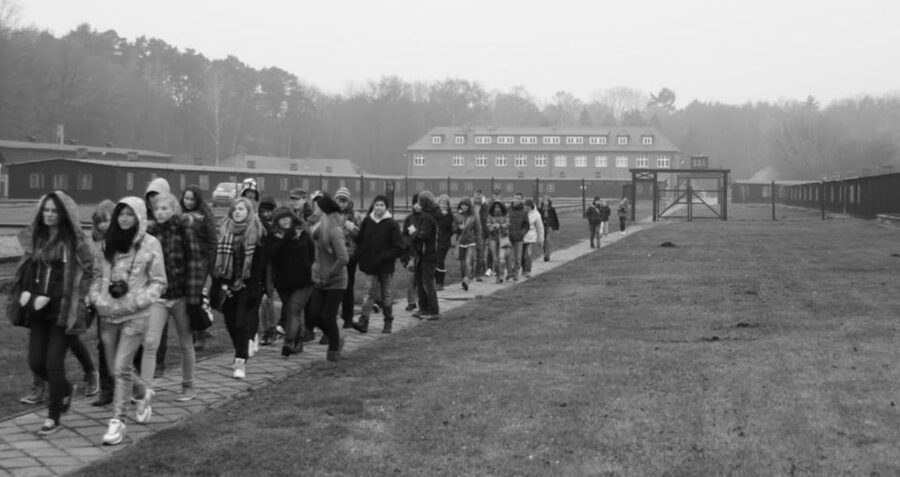
A private tour gives you room to stop and ask why a particular building mattered or how a section fit into the camp’s operation. In a large group, you may hear the same information, but it can be harder to ask personal questions or pause when you need a moment.
You should expect a serious pace. This is not a performance, and it should not be. The best guide will explain clearly, avoid sensational language, and allow the evidence to speak for itself. The tour is described as historically accurate and respectful, and the strong ratings reflect praise for guides who explain the background well and make space for questions.
The commander’s villa and the machinery of control
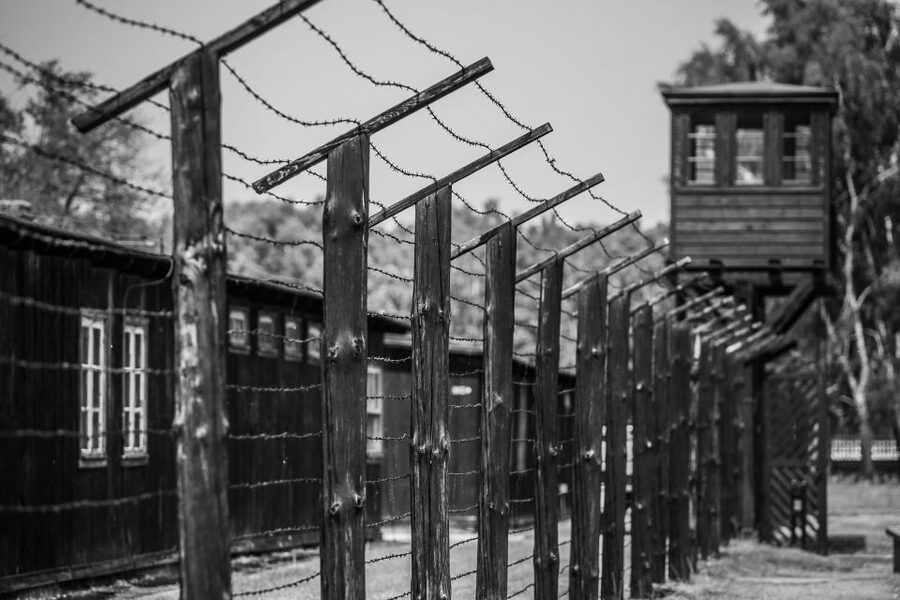
One of the stops is the commander’s villa. Its presence is disturbing for a reason that does not require much explanation. A private home connected to the camp administration sits within the same visit as prisoner quarters, punishment sites, and places of mass death.
Seeing the villa adds a human dimension to the camp’s structure of authority. It reminds you that the camp was administered by people who made decisions, gave orders, and lived ordinary domestic lives close to extraordinary cruelty.
Your guide can help explain how the command structure functioned and how the camp fitted into the occupation of Pomerania. That context is important. Without it, you might see a house and a collection of barracks but miss the system that linked them.
This is also one reason I prefer the private option for a place like Stutthof. You can ask about the relationship between the villa, the camp grounds, and the wider Nazi administration without worrying about holding up a large party.
More Stutthof memorial tours:
- Stutthof Concentration Camp tour including transfer from Gdansk
★ 5.0 · 34 reviews - Private transportation to the Stutthof Concentration Camp 4h
★ 4.7 · 28 reviews - Stutthof Concentration Camp: Private Guided Tour with Transport
★ 4.5 · 26 reviews - Stutthof Concentration Camp Regular Tour from Gdansk
★ 5.0 · 23 reviews
Gas chambers and crematorium: the hardest part
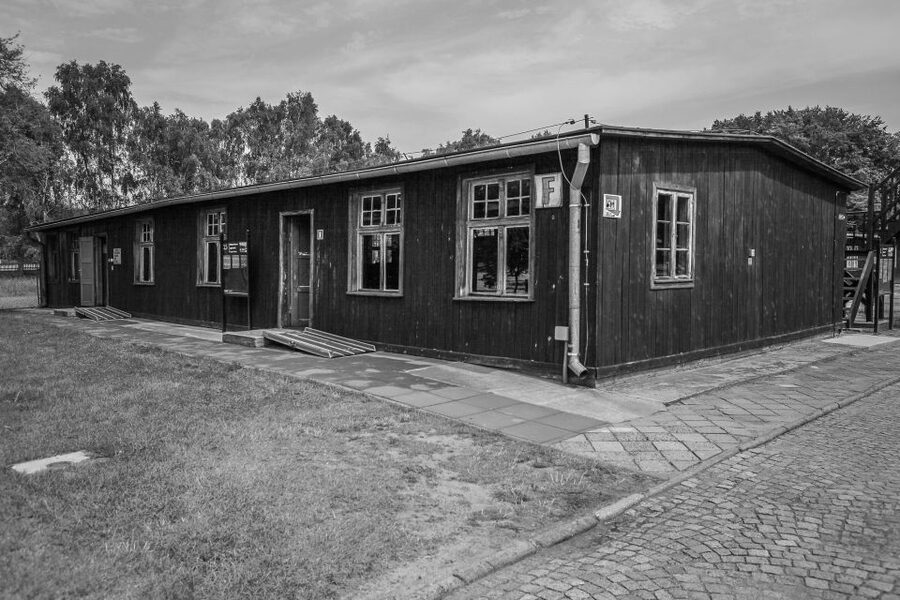
The gas chambers and crematorium are among the most distressing stops. Here, the visit moves from imprisonment and forced labor to the organized murder of human beings.
You will hear accounts of mass executions and the conditions prisoners faced. The subject is graphic and emotionally intense. The age recommendation of 13 and older is not a minor technical detail. Families should think carefully about the maturity and emotional readiness of each child, even if someone is close to that age.
I would also plan your clothing and schedule with comfort in mind, though the supplied information does not specify particular facilities or weather arrangements at the museum. The important practical point is to avoid booking this immediately before another demanding activity.
The guide’s role matters most here. A strong explanation gives facts, names the system of violence, and avoids turning suffering into spectacle. The praise for this tour repeatedly centers on guides who are well prepared, engaged, and willing to answer questions. That is exactly what you want at a site where visitors may struggle to know what to ask.
You may find that the quiet is as important as the commentary. Do not feel obliged to speak throughout the visit. A private tour does not mean constant conversation. It means you have the freedom to ask when you need clarification and to remain silent when the place calls for it.
Paying respects at the victims’ monument
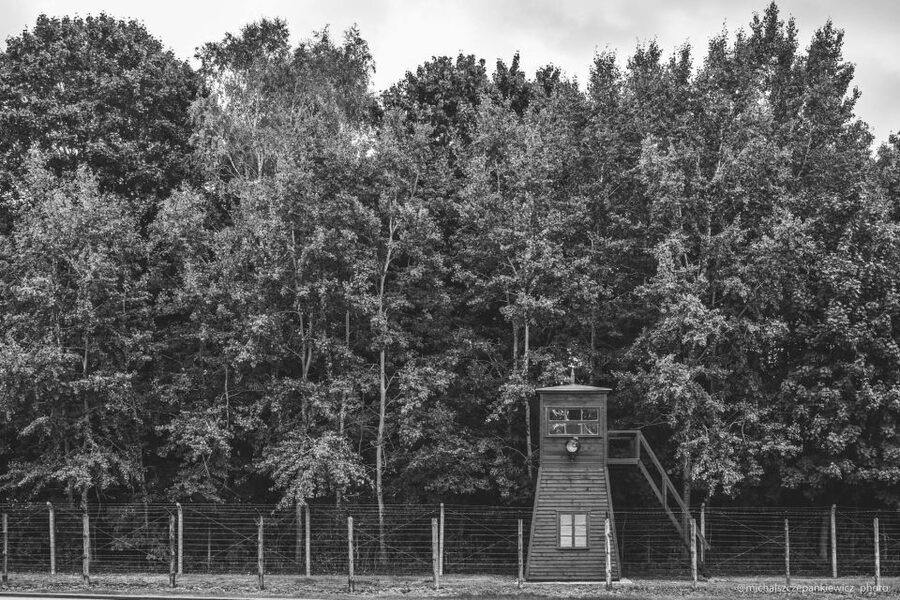
The tour also reaches the monument to the camp’s victims. This gives the visit a clear point for reflection after the buildings and evidence of violence.
A memorial does not erase the grim details you have just learned. It gives you a place to acknowledge the people behind the numbers. More than 110,000 prisoners from 26 countries passed through Stutthof, and the monument helps shift your attention from the camp’s machinery back to the individuals who suffered there.
The stop may be brief, but do not underestimate its value. Many people need a final moment away from the museum explanations. The private setting lets you take that time without being hurried along by a large party.
The 30-minute break at Morska 32
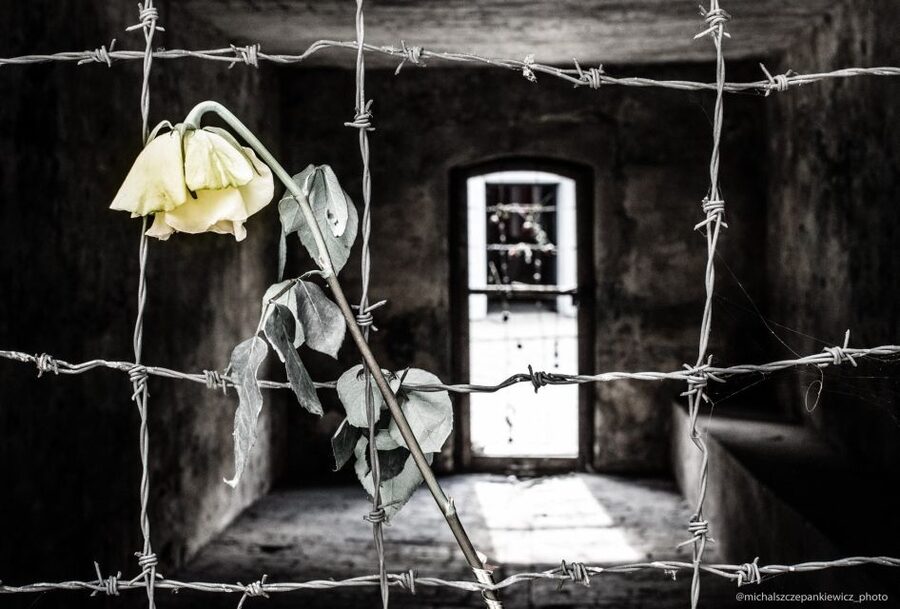
After the museum visit, the schedule includes about 30 minutes of break time at Morska 32. The supplied details do not specify the exact services available there, so you should regard this as a planned pause rather than build a meal around it.
That break is useful after two hours of difficult material. You can collect your thoughts, have a drink or something to eat if available, and prepare for the drive back to Gdańsk.
Do not expect the break to transform the trip into a relaxed outing. Its value is practical and emotional. It gives you a little space before returning to the vehicle and continuing the journey.
What the private format adds
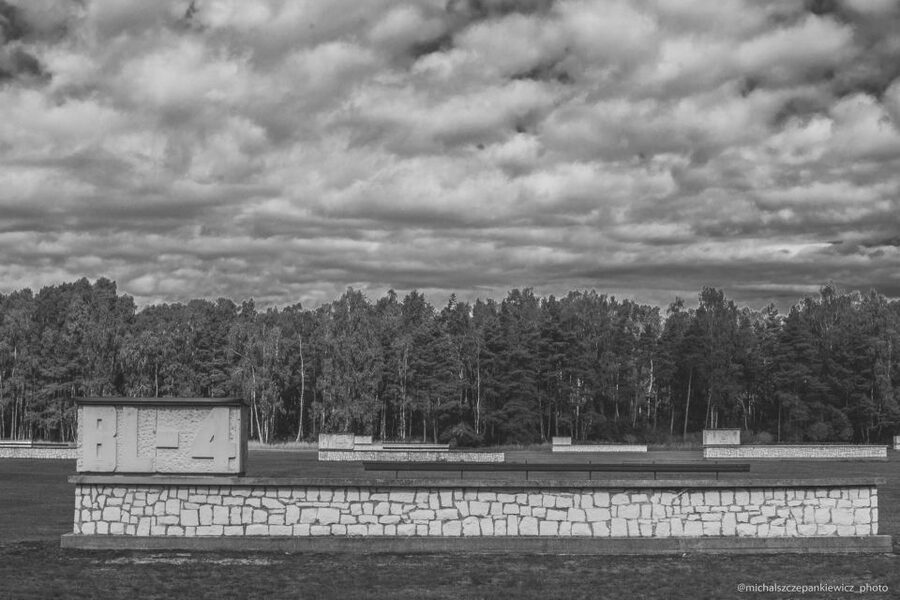
The group is private, with the price covering up to three people. English, German, and Polish guides are available. This means you can choose the language that lets you follow historical details most clearly, and you can ask questions without waiting for a scheduled question period.
The smaller setting also changes the mood. One Swedish participant described a group of four as especially comfortable, while another found a private tour more intimate than a large group. The listed rate covers up to three people, so confirm the price if your party is larger. The same private style may be available for larger groups, but the supplied price does not establish the cost beyond three.
The guide is a major part of the value. One participant praised the guide’s ability to explain the background and answer questions, while another highlighted the driver’s friendly commentary during the journey. These details suggest that the experience is strongest when you treat the transport and guiding as one connected service rather than viewing the van as merely a taxi.
There is a practical tradeoff. A private tour costs more than joining a shared excursion when you are alone. But if two or three people split $461, the cost per person becomes easier to justify, especially since it includes the vehicle, guide, museum tickets, and parking.
Is five hours enough?
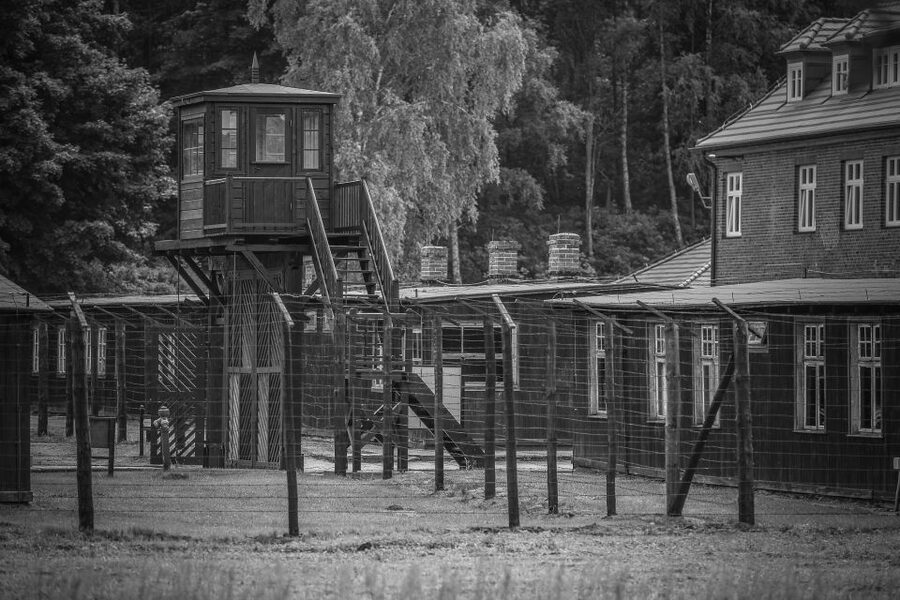
Five hours is a sensible length for a visit from Gdańsk. The journey takes about two hours total, the museum tour lasts about two hours, and the break uses around 30 minutes. Pickup and drop-off account for the remaining time.
You will not see every part of the museum in great depth during that schedule. The purpose is a focused introduction to the camp grounds and the major sites connected with its operation. If you want a slow, research-heavy visit, you may prefer to arrange more time independently, if the museum permits it.
For most people, the five-hour format is useful because it fits into a Gdańsk sightseeing plan without taking a full day. I would schedule it on a day when you can keep the evening flexible. The subject deserves more than a quick emotional reset before another tour.
Price, cancellation, and who gets the best value
At $461 per group of up to three, this is not a budget excursion for a solo visitor. For three people, however, the cost works out to about $154 per person before considering the included transport, parking, admission, and private guide. For two people, it is about $231 each.
The price makes the most sense when you value comfort, privacy, and direct pickup. You are paying for a complete half-day arrangement rather than piecing together transportation and museum admission yourself.
The tour allows cancellation up to 24 hours before departure for a full refund, and you can reserve now and pay later. That flexibility is helpful when your Gdańsk schedule is still changing. Check availability for the starting times because the exact departure time is not fixed in the supplied details.
Who should book this Stutthof visit?
I would recommend it for adults and mature teenagers who want a serious understanding of Nazi persecution in Pomerania. It suits people who prefer a private guide, need hotel pickup, or want to ask detailed questions in English, German, or Polish.
It is also a good choice for families with older teenagers, provided everyone understands the content before booking. The museum is not suitable for children under 13, and even older children may react strongly to the material.
I would be more cautious if you are looking for a light cultural excursion or have several emotionally intense sites scheduled on the same day. Stutthof is a place of remembrance, not a standard attraction to tick off between lunch and a walking tour.
Should you book it?
Book this tour if you want a respectful, guided visit with private transport from Gdańsk, Sopot, or Gdynia. The strongest reasons are the small group, the well-prepared guides, and the chance to ask questions while seeing the old and new camp quarters, commander’s villa, gas chambers, crematorium, and victims’ monument.
Skip it if you are traveling alone on a tight budget, cannot spare five hours, or feel unprepared for graphic material about starvation, torture, forced labor, and mass murder.
For two or three people, the cost is easier to defend. You receive a door-to-door service, museum admission, parking, and a dedicated guide. Most important, you get a structured way to approach a difficult place with care and context.
FAQ
Where does the Stutthof tour begin?
Pickup is available from hotels or apartments in Gdańsk, Sopot, and Gdynia. You provide the pickup address when booking.
How long does the tour last?
The full experience lasts approximately five hours, including transportation between Gdańsk and the museum.
How long is the drive to Stutthof?
The van journey takes about one hour each way.
How much time is spent at the museum?
The guided visit at the Stutthof Museum lasts about two hours.
What sites are included at Stutthof?
The tour includes the old and new camp quarters, the commander’s villa, the gas chambers, the crematorium, and the monument to the victims.
Is museum admission included?
Yes. The entrance ticket to the Concentration Camp Museum is included in the tour price.
What languages are available?
Live guiding is available in English, German, and Polish.
Are children allowed on the tour?
The experience is not suitable for children under 13 because the exhibition contains graphic and emotionally intense material.
Just added in Gdansk
- Wolf’s Lair private tour from Gdansk★ 5.0 · 1 review
- Whisky Tasting in Gdańsk★ 5.0 · 3 reviews
- Transfer from Gdańsk or Airport Gdańsk (GDN) to Kościerzyna★ 5.0 · 1 review
- Westerplatte – 2h private trip by luxury car|★ 5.0 · 4 reviews
- Westerplatte private tour led by Expert-Guide (door to door)★ 5.0 · 5 reviews
- Gdansk EVERYDAY Vodka Tasting Tour★ 5.0 · 6 reviews
- Undercover City Games: Gdynia★ 5.0 · 34 reviews
- VIP transfer from airport Gdansk (GDN) to Hotel in Gdansk / Sopot★ 5.0 · 2 reviews