
REVIEW · SCHINDLER'S FACTORY TOURS
Schindler’s Factory Small-Group Guided Tour
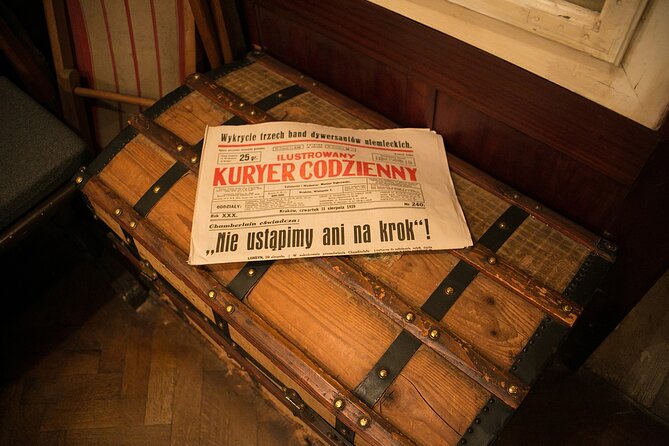
History feels close here. This guided visit to Schindler’s Enamel Factory uses streets, rooms, film, and sound to show how Krakow changed under Nazi rule from 1939 to 1945. I like the strong museum design and the chance to ask a guide questions as you go. I also like that admission is included, so you do not need to manage a separate museum ticket.
The main thing to understand is that this is not mainly a biography of Oskar Schindler. The focus is occupied Krakow, including the lives of Polish and Jewish residents, the German occupation, the ghetto, and the Płaszów camp. If you expect factory machines and a detailed account of Schindler’s workers, you may find the subject broader than expected.
In This Review
- Key Points Before You Book
- What You Are Really Visiting at Lipowa 4
- A Walk Through Occupied Krakow
- The Ghetto and Płaszów Sections
- Where Oskar Schindler Fits Into the Visit
- Why a Guide Makes a Difference
- The 90-Minute Schedule, and Why to Allow More Time
- Is $45.38 a Fair Price?
- Who Will Get the Most From This Tour?
- My Verdict on Schindler’s Factory
- FAQ
- Where does the Schindler’s Factory tour start?
- Where does the tour finish?
- How long does the tour last?
- Is museum admission included?
- How large can the group be?
- Can I cancel for a full refund?
Key Points Before You Book
- The museum tells Krakow’s wartime story: The exhibition covers daily life, persecution, occupation, and the fate of the city’s Polish and Jewish population.
- It is more than a display of objects: You walk through recreated streets, a hairdresser, a photographer, a Jewish apartment, and a tram setting with film shown through the windows.
- The guide adds real value: A professional guide explains the meaning behind the rooms and gives you time to ask questions.
- Schindler is only one part of the story: The factory owner appears within a larger account of wartime Krakow, rather than as the sole subject.
- The advertised time is 90 minutes: One past booking ran closer to two hours, so I would leave extra room in your day.
- The group can reach 25 people: That is still a manageable size, but do not expect a private visit.
What You Are Really Visiting at Lipowa 4
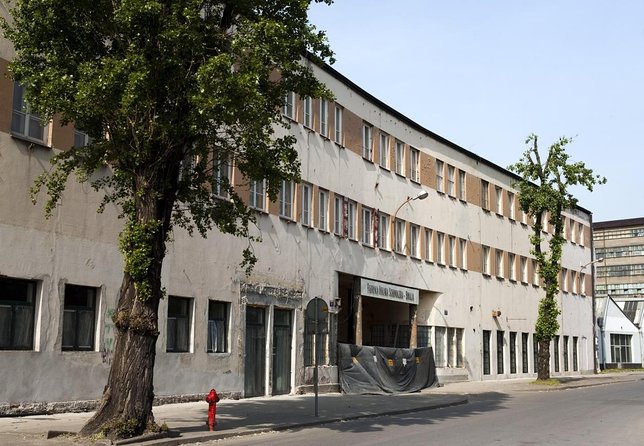
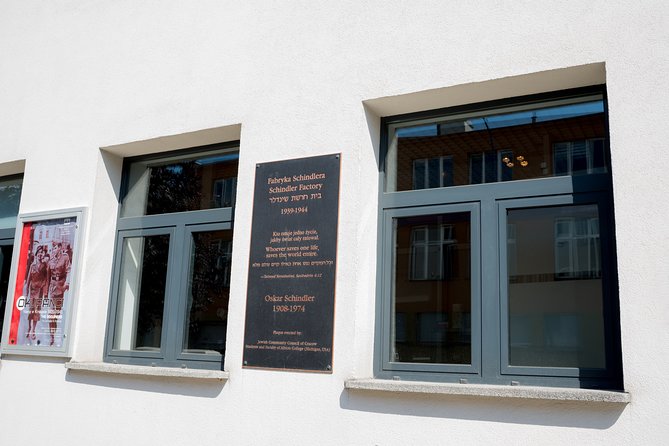
The tour begins at Lipowa 4 in Krakow, inside the former administrative building of Oskar Schindler’s Enamel Factory. The building now houses the exhibition Kraków under Nazi Occupation 1939 to 1945, part of the Historical Museum of Krakow.
That wording matters. You are not walking into a preserved industrial floor filled with original production equipment. The interior has been turned into a museum about the city during the war. The exterior and only the office area inside are original, according to the practical information provided for this visit.
I would set your expectations before you arrive. If the 1993 film made you curious about Schindler’s factory, you will find the connection here, but the exhibition gives equal or greater weight to the people of Krakow and the changes forced upon them. The factory is the setting. Occupied Krakow is the subject.
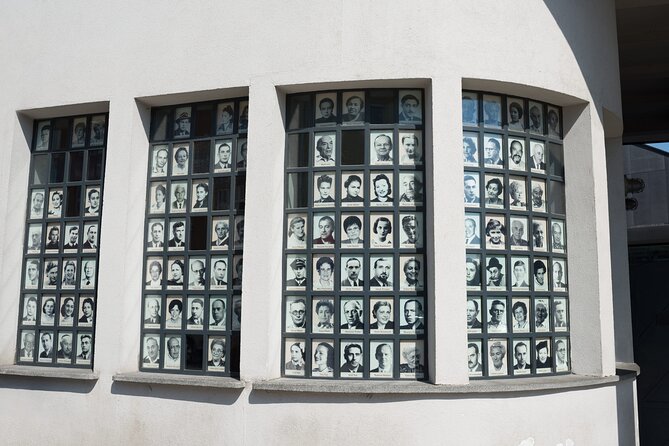
That broader focus is one of the tour’s strengths. Schindler’s story is dramatic, but it can also make the war seem like a tale centered on one unusual man. This museum places his actions beside the lives of ordinary people, the policies of the German occupiers, and the destruction of Jewish life in the city.
More Schindler Factory tours:
- Krakow: Oskar Schindler’s Factory Entry Ticket & Guided Tour
★ 4.2 · 3,793 reviews - Krakow: Schindler’s Factory Tour with Entrance Ticket
★ 4.5 · 3,182 reviews - Krakow: Schindler’s Factory Skip-the-Line Ticket
★ 4.4 · 3,105 reviews
A Walk Through Occupied Krakow
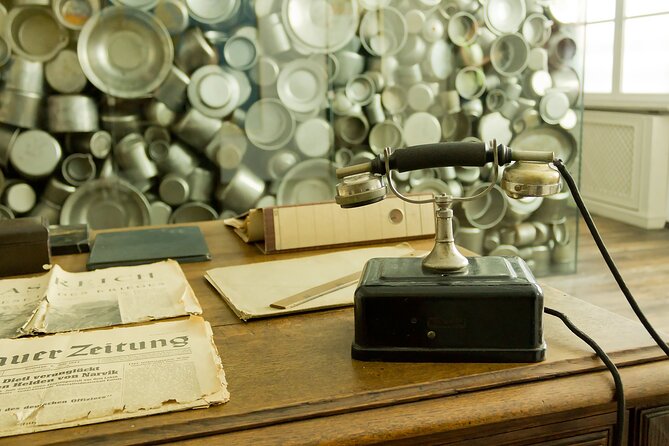
The exhibition is arranged so that you move through a version of wartime Krakow rather than simply reading labels in a line of glass cases. The guide helps connect each setting to the larger story, which is especially useful when the rooms use symbols, sound, film, and staged environments.
You might enter a recreated hairdresser or photographer. These places make the period feel less remote because they represent normal city life, work, and personal routines. The point is not just to look at an old-fashioned interior. It is to see how familiar parts of city life continued, changed, or became dangerous under occupation.
One of the more memorable sections uses an authentic photoplasticon. This type of viewing device fits the exhibition’s interest in how people saw and remembered the city. It is an unusual detail, and it gives the museum a physical experience that a standard display of documents could not provide.
The tour also takes you into a tram setting. Through the windows, you watch a film about life in Krakow. That simple idea works well: you are seated or moving through a familiar form of transport while the city’s wartime story unfolds outside. The museum repeatedly uses this kind of staging to turn a difficult subject into something you can follow room by room.
The Ghetto and Płaszów Sections
The route becomes more serious as it leads into a narrow ghetto setting, including a Jewish apartment. Here the design shifts from public city spaces to restricted, private ones. The narrow passages and cramped layout help show how quickly ordinary homes and streets could become places of fear and control.
This part should not be rushed. You may be tempted to keep moving because the exhibition has many rooms, but the guide’s explanation gives the scenes their meaning. Without context, a recreated apartment can seem like a set. With context, it becomes part of a story about families, displacement, and the loss of normal life.
The exhibition then connects ghetto residents with the camp at Płaszów. That link is important because it shows that the story did not stop at the ghetto walls. The route follows the progression of occupation and persecution, using multimedia to bring you from the city’s daily life toward the camp system.
I appreciate that the museum does not rely only on large dramatic objects. The emotional effect comes from the combination of scale, sound, images, rooms, and the guide’s narration. You are asked to think about people moving through a city that was being remade around them.
Where Oskar Schindler Fits Into the Visit
Oskar Schindler is present, but you should not treat this as a personal museum devoted to his life. The exhibition shows him as the German factory owner whose story became widely known through Steven Spielberg’s 1993 film, while placing him within the larger events of occupied Krakow.
That distinction is the most important booking tip. If you have seen the film and read about Schindler, you may already know the broad outline of his wartime role. The museum will likely give you more about the city, the occupation, and the people affected by it than about factory production or Schindler’s private life.
One past participant expected to see machines, more of the factory, and more about its workers. That expectation was not fully met, even though the site and guide were considered excellent. I think that is a fair warning, not a criticism of the museum itself.
You should book this visit for the exhibition’s account of Krakow under Nazi rule. Book it for Schindler as one thread in that account. If you want a strictly industrial museum or a Schindler-only biography, this may not fit what you have in mind.
A few more in Krakow
- From Krakow: Auschwitz-Birkenau Guided Tour & Hotel Pickup
★ 4.5 · 33,358 reviews - From Krakow: Auschwitz-Birkenau Guided Tour & Hotel Pickup
★ 4.5 · 29,340 reviews - Krakow: Auschwitz Guided Tour with Optional Hotel Pickup
★ 4.5 · 15,280 reviews - Krakow–Zakopane: Cable Car, Chocholow Baths, Cheese & Vodka
★ 5.0 · 10,720 reviews
Why a Guide Makes a Difference
You can gain more from this museum with a guide than by simply walking through it alone. The route includes recreated spaces and multimedia scenes, but the meaning behind them is not always obvious at a glance. A professional guide can explain what you are seeing, place it in sequence, and answer questions as they arise.
The strongest praise for this experience centers on the guide’s preparation and enthusiasm. One guide was described as setting the scene very well, while another was praised for keeping the visit lively and making room for questions and photographs. Those are useful qualities in a museum where the subject matter is heavy and the displays cover a lot of ground.
I would especially value the guide at the transition points. Why move from a hairdresser to a tram? What does the ghetto apartment add? How does the factory owner fit beside the wider fate of the city? A good explanation keeps the exhibition from feeling like a collection of separate rooms.
The group limit is 25 people. That is small enough for a guided museum visit to remain practical, though it is not an intimate private tour. You should be able to hear the guide and ask questions, but the experience may feel less personal when the group is full.
The 90-Minute Schedule, and Why to Allow More Time
The stated duration is about one hour and 30 minutes. That is a reasonable length for the main route, but I would not plan a tight connection immediately afterward. A previous visit took about two hours, and the extra time may come from questions, photographs, or the pace of the group.
That difference matters in Krakow. You do not want to rush out of a serious museum simply because you have booked lunch or another timed attraction across town. Give yourself a little breathing room after the planned end time.
The tour starts and finishes at Lipowa 4, 32-051 Krakow, Poland. It is near public transportation, which makes the meeting point fairly practical. You will not need to arrange a separate transfer as part of this experience, and the return to the same meeting point keeps the day simple.
Children must be accompanied by an adult. Most people can take part, but the museum’s subject matter includes war, persecution, and the destruction of Jewish communities. I would think about a child’s age and comfort with difficult history before booking.
Is $45.38 a Fair Price?
At $45.38 per person, this is not the cheapest way to enter a Krakow museum. The value depends on how much help you want with the material.
Admission is included, which removes one small task. More important, the price pays for a guided route through a museum that depends on context. If you are already well prepared, read every display carefully, and prefer to set your own pace, you may decide that a self-guided visit gives you better control.
I think the tour makes the most sense for a first visit to Schindler’s Factory, especially if you have limited time in Krakow. You get a structured explanation, a clear route, and an opportunity to ask questions. The small-group format also gives you more support than a large coach tour.
The price is harder to justify if your only goal is to see original factory machinery or Schindler’s personal workplace. The museum’s focus is wider, and the surviving interior is limited. Go for the historical exhibition and the guide, not for an industrial tour.
This experience is booked on average 29 days ahead. That does not guarantee every date will sell out, but it tells me you should not leave it until the last morning if this museum is important to you. You can cancel for a full refund up to 24 hours before the start time. Inside that window, refunds are not available, and changes are not accepted.
Who Will Get the Most From This Tour?
I would recommend it most strongly to you if you want a guided introduction to Krakow during World War II. The tour suits people who prefer a museum to tell a connected story rather than present isolated objects.
It is also a good match if you watched Spielberg’s film and want to see where the real story fits within the city’s wartime experience. Just keep your expectations in check. The film may make Schindler your main interest, but the museum will keep returning to the residents of Krakow and the machinery of occupation.
You may want to skip this particular guided format if you dislike staged museum settings or prefer a quiet, self-directed visit. The recreated streets, tram, and multimedia displays are central to the experience, so this is not a plain old factory tour.
I would also think twice if your schedule allows no flexibility. The official time is 90 minutes, but the visit can run closer to two hours. That is not a problem by itself, but it can be one if you have another fixed booking right afterward.
My Verdict on Schindler’s Factory
I like this tour because it gives the museum a human scale. You do not simply read about occupied Krakow. You move through settings that suggest how people worked, travelled, lived, and lost control over their own city.
The guide is the main reason I would choose this option over going alone. The exhibition can be powerful without help, but the guide makes the connections clearer and keeps the story moving. The best parts are the recreated city scenes, the tram film, the Jewish apartment, and the route toward Płaszów.
Book it if you want the history of Krakow under Nazi occupation, with Schindler included as part of that story. Do not book it expecting a factory-floor tour, a display of machines, or a full biography of Schindler. At $45.38, the cost is reasonable when you value interpretation and included admission, especially on a first visit.
FAQ
Where does the Schindler’s Factory tour start?
The tour starts at Lipowa 4, 32-051 Krakow, Poland, at Schindler’s Enamel Factory.
Where does the tour finish?
The activity ends back at the meeting point at Lipowa 4.
How long does the tour last?
The stated duration is about one hour and 30 minutes. You may want to allow closer to two hours because the visit can run longer.
Is museum admission included?
Yes. An admission ticket is included in the tour price.
How large can the group be?
The tour has a maximum of 25 participants.
Can I cancel for a full refund?
Yes. You can cancel at least 24 hours before the experience start time for a full refund. Cancellations or changes made less than 24 hours before the start time are not accepted, and the amount paid will not be refunded.
Just added in Krakow
- Auschwitz-Birkenau – Skip the Line Tickets★ 3.5 · 29 reviews
- Auschwitz-Birkenau: Fast-Track Ticket & Guided Tour No Transfers★ 3.5 · 17 reviews
- Zakopane & Sleigh Ride with Bonfire – Group Tour from Kraków★ 5.0 · 2 reviews
- Sleigh Ride & Bonfire in Zakopane with Funicular – Private Trip★ 5.0 · 48 reviews
- Thermal Baths & Zakopane – Private Trip from Krakow★ 5.0 · 1 review
- Zakopane & Gubalowka Funicular – Private Winter Tour from Krakow★ 5.0 · 10 reviews
- Divine Mercy Sanctuary – Private Tour from Krakow★ 5.0 · 4 reviews
- stag dog chase Krakow prank★ 5.0 · 4 reviews