
REVIEW · SCHINDLER'S FACTORY TOURS
Schindler’s Factory Museum in Krakow – Guided Tour
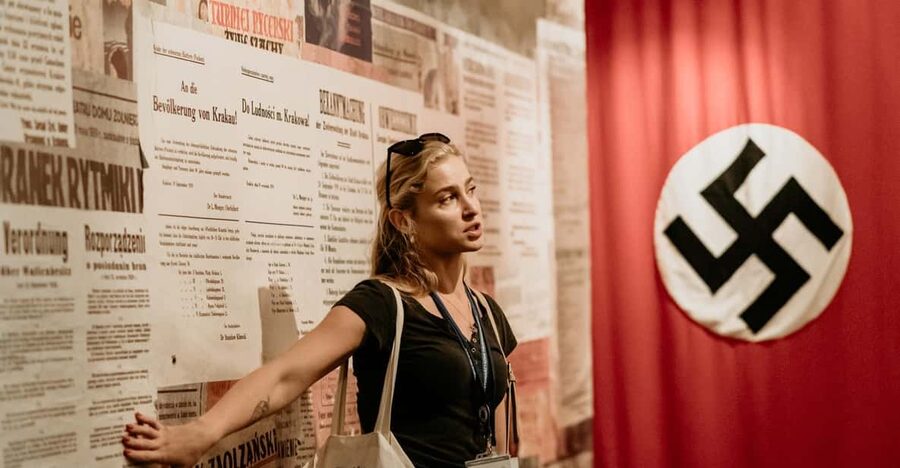
History hits hard here. Housed in Oskar Schindler’s former enamel factory, this 90-minute tour tells far more than the story made famous by film. You follow Krakow through Nazi occupation, seeing how war changed Jewish and non-Jewish residents alike. I especially like the expert guide and the carefully built rooms, which make the past feel close and human.
I also like the skip-the-line entry, a real help at one of Krakow’s most visited museums. The main caution is pace: a guide must keep the group moving, so you may not have enough time to read every display. Group size can also affect how clearly you hear and how close you stand to the guide.
In This Review
- Key points to know before you go
- Entering Oskar Schindler’s former factory
- The first galleries show a city under pressure
- Krakow’s Jewish community takes center stage
- Schindler’s role is told within the larger story
- What the 90-minute route feels like
- Is the $50 price good value?
- The guides are the tour’s biggest strength
- The emotional tone is serious, not casual
- Who should book this guided visit?
- My verdict on Schindler’s Factory
- FAQ
- How long does the Schindler’s Factory guided tour last?
- What exhibition does the tour include?
- Is admission to Schindler’s Factory included?
- What languages are available?
- Where is the meeting point?
- Do I need identification for entry?
- Can I cancel the tour?
Key points to know before you go
- The factory tells Krakow’s wartime story: Schindler’s personal story is part of a much wider account of occupation, persecution, deportation, and survival.
- The 90-minute visit moves at a firm pace: You get a clear guided structure, but independent reading time may be limited.
- Skip-the-line access has real value: It saves time at a popular museum, though the $50 price is mainly paying for the guide and convenience.
- The setting is intentionally unsettling: Narrow, dim rooms and reconstructed spaces create pressure rather than a light museum visit.
- Guide quality shapes the experience: English, French, German, Spanish, and Italian tours are available, and strong language skills have been praised.
- Bring identification from January 1, 2026: Full participant names are required at booking, and each person must bring a passport or ID.
Entering Oskar Schindler’s former factory
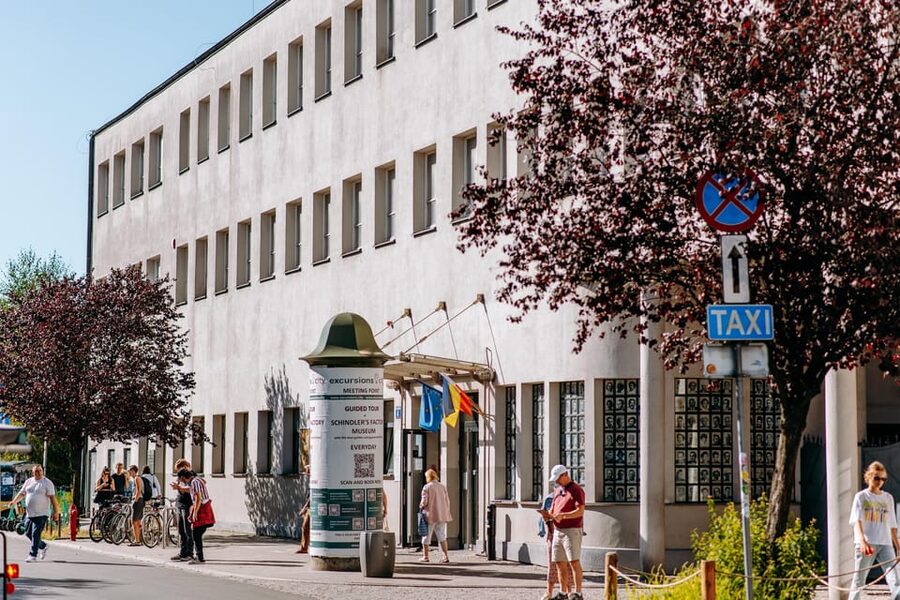
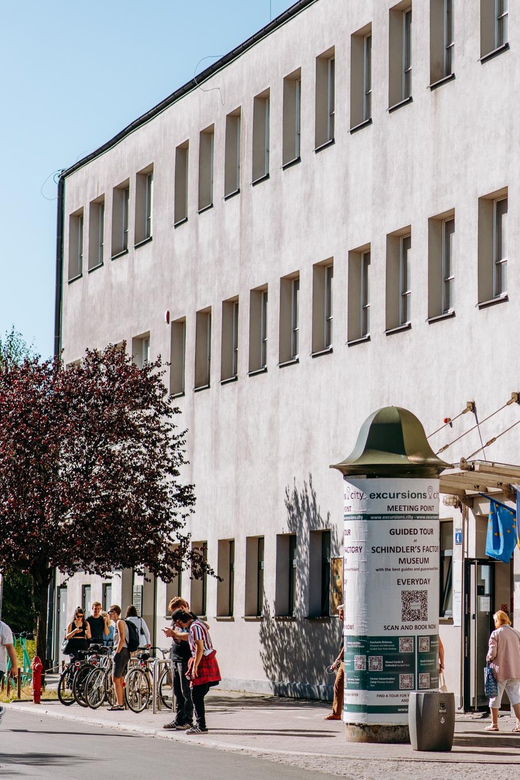
The museum sits in Krakow’s former industrial district, inside the enamel factory linked to Oskar Schindler. The meeting point is directly in front of the entrance. Look for the person holding an excursions.city sign.
That simple meeting arrangement matters. You do not need to search the surrounding streets for a separate office or ticket booth. Still, arrive with enough time to find the entrance and your guide, especially if you are unfamiliar with this part of Krakow.
Once inside, the focus quickly expands beyond Schindler himself. This is not a small display about one industrialist. It is a museum about Krakow under Nazi Occupation 1939 to 1945, with Schindler’s factory providing the physical and emotional setting.
Your guide gives the visit a clear shape. Instead of trying to work out the museum’s route on your own, you move through the story in sequence. That is useful here because the exhibition combines objects, photographs, reconstructions, and written material. Without direction, it would be easy to spend too long in one room and miss the larger thread.
More Museums in Kraków
- Auschwitz-Birkenau Museum and Memorial Guided Tour from Krakow
★ 4.5 · 1,510 reviews - Krakow: Rynek Underground Museum Guided Tour
★ 4.6 · 1,122 reviews - Krakow Schindler’s Factory Museum Guided Tour in English
★ 4.5 · 650 reviews
The first galleries show a city under pressure
The early part of the tour establishes what Nazi occupation meant for Krakow. You see the city not as an abstract backdrop, but as a place where ordinary routines, work, family life, and public space were altered by force.
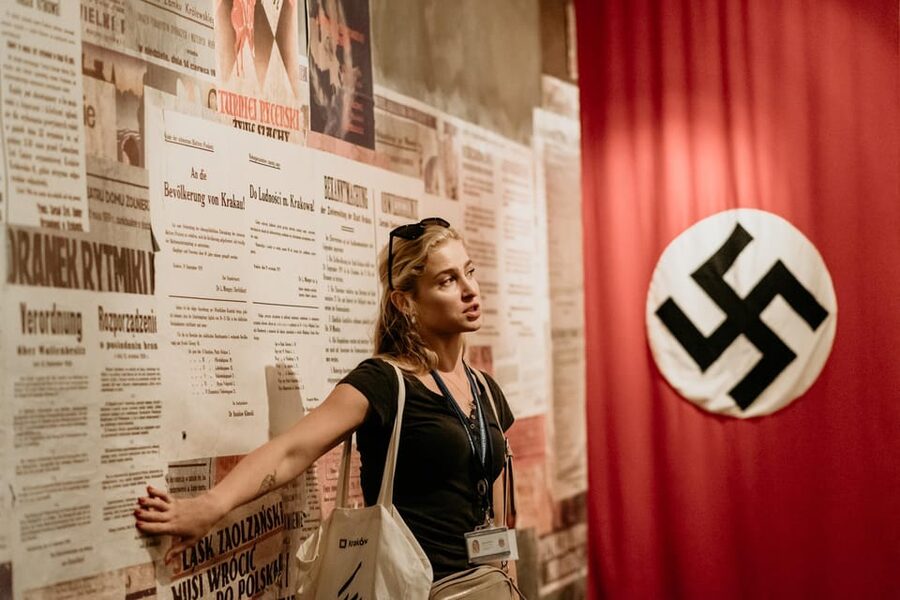
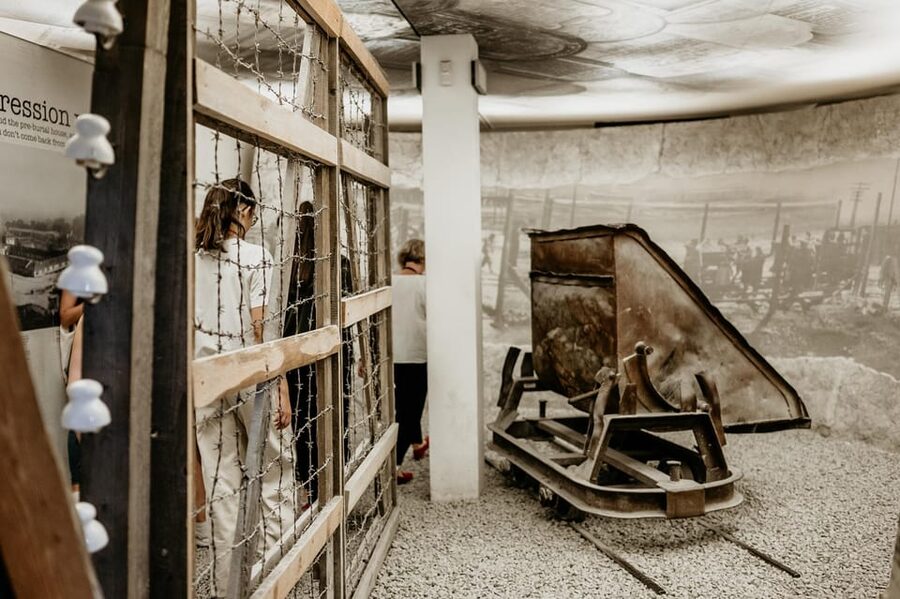
The exhibition includes authentic artifacts and photographs. These give the story weight, but the museum also uses reconstructed rooms and strong visual design. The result is more atmospheric than a traditional row of cases with labels.
You should expect the tone to be serious from the start. Narrow passages and dim lighting are used on purpose. They suggest confinement, fear, and uncertainty, helping you understand the emotional strain of life under Nazi rule.
I find this approach effective, though it is not restful museum design. If you prefer bright galleries and plenty of quiet time with each object, the setting may feel intense. The atmosphere serves the subject, but it can also make the visit tiring.
Krakow’s Jewish community takes center stage
A major strength of the exhibition is its attention to the people of Krakow, especially the city’s Jewish residents. The story covers persecution, deportations, and the destruction of the Jewish community, while also showing how non-Jewish residents lived through the same occupation.
That wider view keeps Schindler’s story in proportion. His actions matter, but they did not happen outside the larger machinery of Nazi rule. You see the scale of the harm around the individual acts of courage.
For me, this is the main reason to choose a guided visit. A guide can explain how separate displays connect, and can point out why a photograph, object, or recreated room matters. You are less likely to leave thinking only about one heroic figure.
The museum asks you to pay attention to contrasts. One room may suggest routine work, while another points toward fear and loss. The physical movement through the factory helps you sense how quickly normal life could be replaced by control and danger.
Schindler’s role is told within the larger story
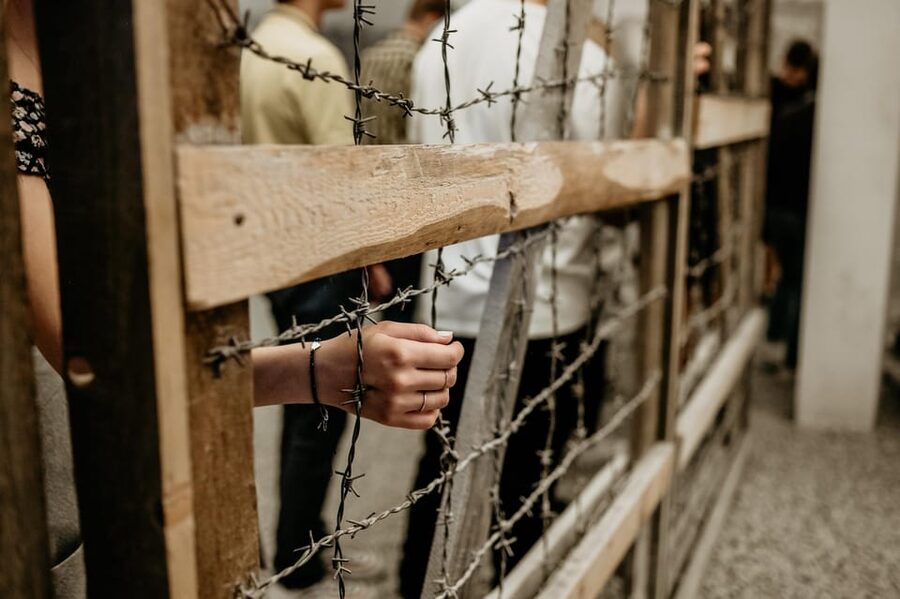
Oskar Schindler’s enamel factory became a place of refuge for more than a thousand Jewish workers. The tour explains how that protection fits into the wider story of occupation and persecution.
You learn about Schindler not as a simple movie character, but as a person operating inside a violent and corrupt system. The factory’s role becomes meaningful because you first understand what Jewish workers faced outside its walls.
This balance is important. The visit does not reduce Krakow’s wartime experience to one man’s decisions. At the same time, it does not lose sight of the fact that individual choices could save lives.
The experience is likely to mean the most to you if you already know a little about Schindler or the occupation, but prior study is not required. The guide supplies the basic context and keeps the story moving. If you arrive without much background, you can still follow the main events.
More Schindler Factory tours:
- Krakow: Oskar Schindler’s Factory Entry Ticket & Guided Tour
★ 4.2 · 3,793 reviews - Krakow: Schindler’s Factory Tour with Entrance Ticket
★ 4.5 · 3,182 reviews - Krakow: Schindler’s Factory Skip-the-Line Ticket
★ 4.4 · 3,105 reviews - Krakow: Schindler’s Factory Tour with Entrance Ticket
★ 4.6 · 1,737 reviews
What the 90-minute route feels like
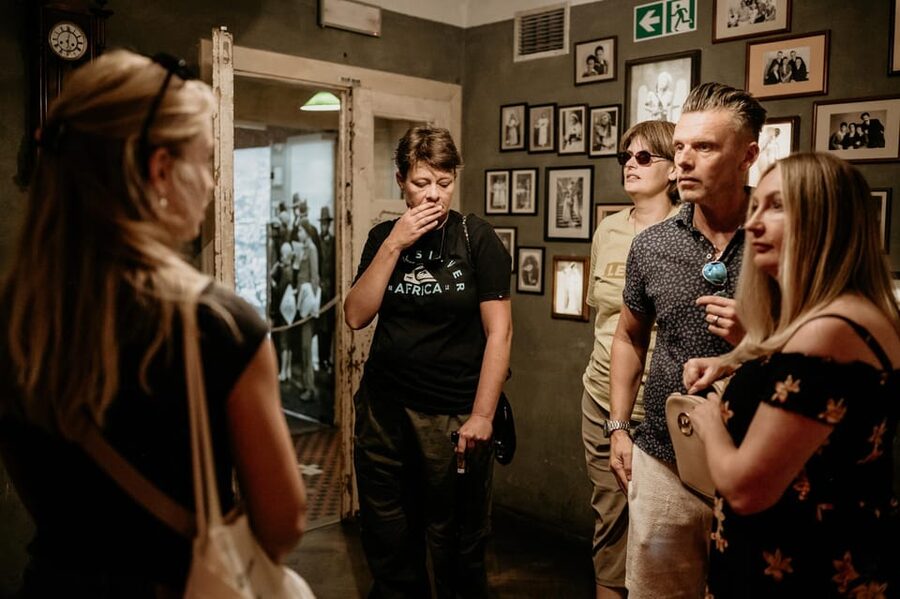
The advertised duration is 90 minutes. That is long enough for a strong overview, but not long enough to absorb every panel and artifact at leisure.
One useful way to approach the visit is to let the guide carry the main narrative. Listen for the key events, people, and changes in the city. Then pause mentally on the displays you may want to revisit later, if museum access allows, rather than trying to read every line while keeping up with the group.
A guide reported as speaking excellent English helped keep one group together, and the Italian option has also received praise for clear language delivery. French, German, Spanish, English, and Italian are offered. Language fit is worth checking when you reserve, since a moving historical story loses force when you are straining to follow every point.
The group format is both a benefit and a limit. You have a live person to answer questions and explain the exhibition, but you do not control the speed. One visitor felt the guide moved slightly too quickly and wished for a smaller group. That is a fair concern, especially in rooms where people gather around a display.
Groups of 15 or more receive headsets. This should help with hearing the guide in a crowded room, but it does not change the fact that you may need to stand behind others or move along before you have read everything.
Is the $50 price good value?
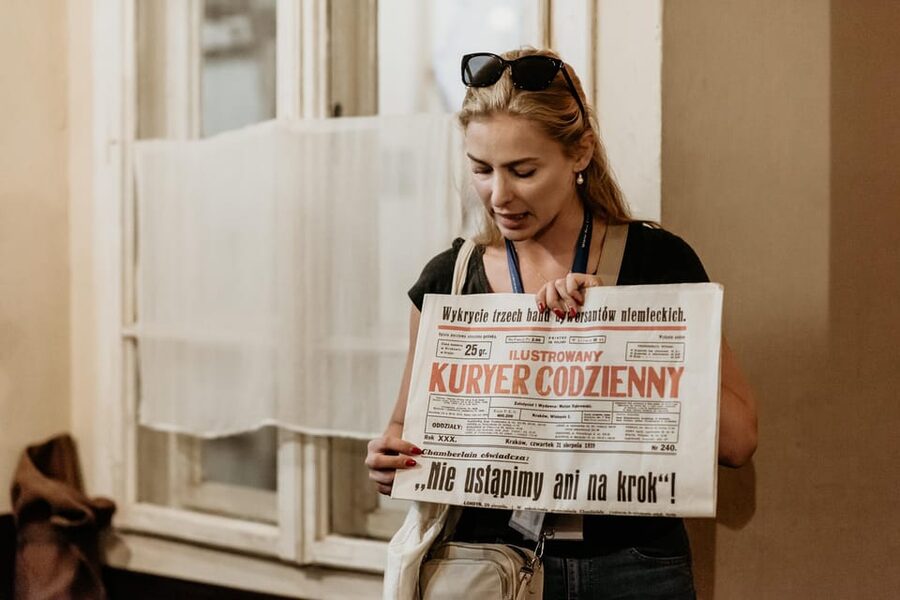
At $50 per person, this is not the cheapest way to enter Schindler’s Factory. One booking problem resulted in a visitor paying again at the museum, where the direct ticket was reported as about 7 euros. That makes it especially important to understand what you are paying for.
The value is in the guided structure, line-saving convenience, and language support. If you want a clear explanation of the exhibition and do not want to manage the museum’s entry process yourself, the higher price may be reasonable.
If you mainly want to inspect displays at your own speed, the price is harder to justify. The tour gives you only 90 minutes, and a group route may limit reading time. Independent admission could suit a patient museum visitor better, assuming tickets are available and the entry arrangements work for your date.
The skip-the-line feature has practical value during busy periods. Schindler’s Factory is one of Krakow’s most popular museums, and avoiding a long ticket queue protects a fixed sightseeing schedule. You are paying for time and organization, not simply for the admission ticket.
From January 1, 2026, the museum’s personalized ticket system adds another reason to double-check your booking. You must provide the full names of all participants and bring a passport or ID. Without those documents, entry may be refused. The scheduled time is also approximate and can change because of the museum’s scheduling.
The guides are the tour’s biggest strength
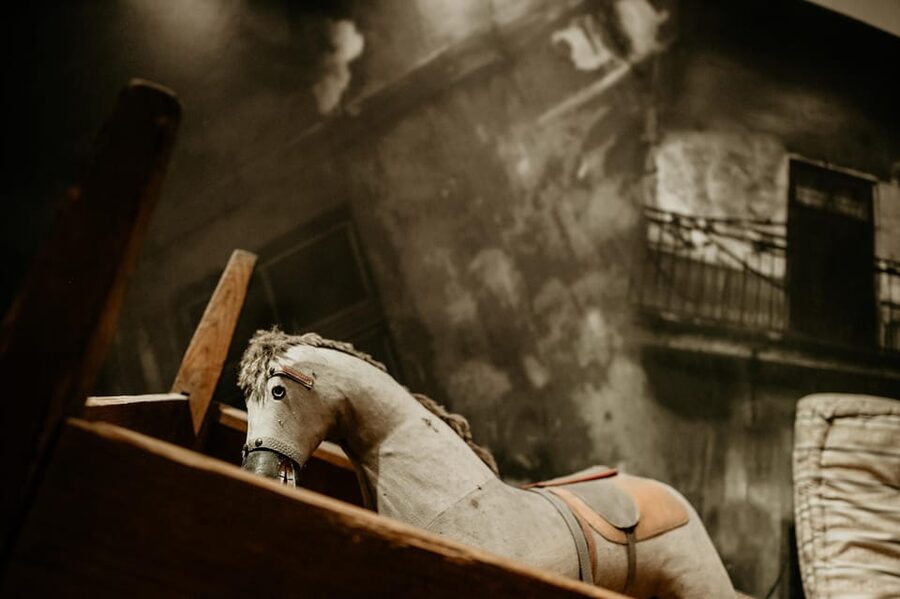
The guide can make this visit either focused and moving or rushed and difficult to follow. The strongest feedback points to guides who speak their assigned language clearly, keep the group together, and explain the painful parts of the story with care.
The English guide praised in one group was described as very good at keeping everyone together. An Italian-language guide was praised for speaking Italian perfectly and presenting a short but touching account of Poland’s wartime experience.
Those details tell you what to look for. You want a guide who can connect the individual exhibits, not someone who simply repeats dates. A good guide also knows when to let the room speak for itself.
There is no guarantee that every group will have the same guide or pace. The experience provider is Hello Cracow, while the meeting staff use the excursions.city sign. Check the selected language carefully, and keep your expectations realistic about group size.
The emotional tone is serious, not casual
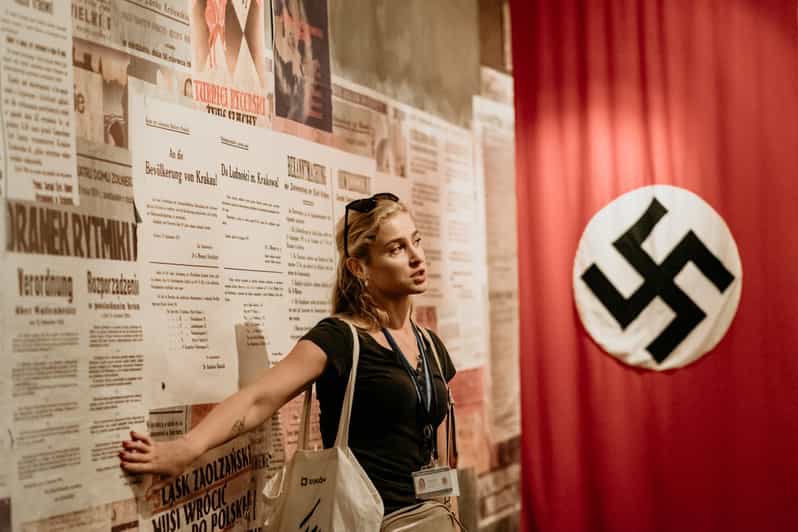
This is not a quick attraction to fit between lunch and shopping. The rooms are dark and narrow by design, and the subject includes deportations, persecution, and the destruction of a community.
The exhibition’s visual choices can help you understand the pressure of the period. They also mean you may want a quiet break afterward. I would not schedule another emotionally heavy museum immediately after this tour.
The story includes courage and survival, but it does not turn wartime Krakow into an uplifting tale. Schindler’s efforts are important, yet they are presented against enormous suffering. That balance makes the visit more honest.
You may find the experience especially meaningful if you want to understand how occupation affected daily life. It is less suitable if you are looking for a light historical stop or a museum focused only on film memorabilia.
Who should book this guided visit?
I would choose this tour if you want a structured introduction to wartime Krakow and prefer learning through spoken explanation. It suits first-time visitors who want the major story without having to plan their own route through a complex exhibition.
It is also a good fit for families with older children, history students, and anyone interested in the relationship between personal courage and mass persecution. The guide can provide context that a quick solo walk through the galleries may not give you.
You should think twice if you dislike group tours or need generous time at every label. A smaller group would make it easier to hear, ask questions, and stand near the guide. The tour is wheelchair accessible, which makes it practical for visitors who need step-free access, though the supplied information does not describe every gallery detail.
Book with care if your schedule is tight after the museum. The tour lasts 90 minutes, but the exact start time may change from January 1, 2026, because of museum scheduling. Free cancellation is available up to 24 hours in advance, and reserve-now-pay-later booking can help if your Krakow plans are still shifting.
My verdict on Schindler’s Factory
Schindler’s Factory Museum offers a serious, well-shaped account of Krakow during Nazi occupation. Its best feature is the decision to place Schindler’s actions inside the much larger story of Jewish and non-Jewish residents, persecution, deportation, and survival.
The guides and skip-the-line access justify much of the extra cost for visitors who value help and convenience. The tradeoff is a firm pace, a group setting, and a price far above a basic museum ticket.
Book this tour if you want the museum’s main story explained clearly and you are comfortable with an emotional 90-minute visit. Choose independent entry instead if reading every exhibit matters more to you than having a guide. Either way, allow yourself time afterward to process what you have seen.
FAQ
How long does the Schindler’s Factory guided tour last?
The guided tour lasts 90 minutes.
What exhibition does the tour include?
The tour covers the exhibition Krakow under Nazi Occupation 1939 to 1945.
Is admission to Schindler’s Factory included?
Yes. The experience includes skip-the-line admission to Schindler’s Factory.
What languages are available?
Live guiding is available in French, German, Spanish, English, and Italian.
Where is the meeting point?
Meet in front of the entrance to Oskar Schindler’s Enamel Factory. Look for the person holding an excursions.city sign.
Do I need identification for entry?
From January 1, 2026, you must provide the full names of all participants when booking and bring a passport or ID. Entry may be denied without them.
Can I cancel the tour?
You can cancel up to 24 hours in advance for a full refund. Reserve-now-pay-later booking is also available.
Just added in Krakow
- Auschwitz-Birkenau – Skip the Line Tickets★ 3.5 · 29 reviews
- Auschwitz-Birkenau: Fast-Track Ticket & Guided Tour No Transfers★ 3.5 · 17 reviews
- Zakopane & Sleigh Ride with Bonfire – Group Tour from Kraków★ 5.0 · 2 reviews
- Sleigh Ride & Bonfire in Zakopane with Funicular – Private Trip★ 5.0 · 48 reviews
- Thermal Baths & Zakopane – Private Trip from Krakow★ 5.0 · 1 review
- Zakopane & Gubalowka Funicular – Private Winter Tour from Krakow★ 5.0 · 10 reviews
- Divine Mercy Sanctuary – Private Tour from Krakow★ 5.0 · 4 reviews
- stag dog chase Krakow prank★ 5.0 · 4 reviews