
REVIEW · SCHINDLER'S FACTORY TOURS
Schindler’s Factory in Krakow: Guided Tour & Skip the Line Ticket
Krakow’s wartime story begins behind a factory door. This visit takes you into Oskar Schindler’s former enamelware factory, then through a moving museum about Krakow under Nazi and Soviet occupation. I like the timed entry, which helps protect your sightseeing schedule, and the chance to hear a guide explain the photographs, recordings, and personal stories. The main catch is that the museum focuses more on Krakow’s wartime experience than on Schindler himself.
The $35.70 price is easiest to justify when you choose a good guide. Guides such as Natalia, Elizabeth, Marta, Barbara, and Wojtek have provided clear, engaging explanations, but the experience can suffer if the guide rushes or the meeting point is poorly managed. Bring your passport or ID, arrive early, and expect a serious history museum rather than a movie-themed attraction.
In This Review
- Key points to know before you book
- What this Schindler Factory visit really is
- Meeting at Lipowa 4 in central Krakow
- The short introduction to Oskar Schindler
- Inside the museum: Krakow before and during the war
- Schindler’s office and the enamelware displays
- Why the guide can make or break the experience
- Group size, timing, and the museum’s narrow spaces
- Is $35.70 good value?
- Who should book the guided option?
- Practical tips for a smoother visit
- Should you book Schindler’s Factory with a guide?
- FAQ
- Where does the Schindler Factory tour start?
- How long does the experience last?
- Is the entrance ticket included?
- Is the tour offered in English?
- Can I choose between a guided and self-guided visit?
- Do I need identification?
- How many people can be in the group?
Key points to know before you book
- Schindler’s office is only one part of the visit: The museum gives much more space to Krakow during World War II than to Schindler’s personal story.
- Timed entry is the practical advantage: A reserved admission time helps you get inside a popular museum without gambling on same-day availability.
- A good guide adds vital context: The displays are powerful, but a well-paced guide can explain how each room fits into Krakow’s wartime story.
- The tour may feel quick: The stated duration is about 1 hour 30 minutes, although the detailed schedule describes nearly two hours inside.
- The meeting point can be confusing: Tour staff are not always easy to identify, so arrive at Lipowa 4 early and confirm who is leading your group.
- Small groups work best: The maximum is 25 people, but a group of about 14 or fewer makes it much easier to hear and keep up.
What this Schindler Factory visit really is
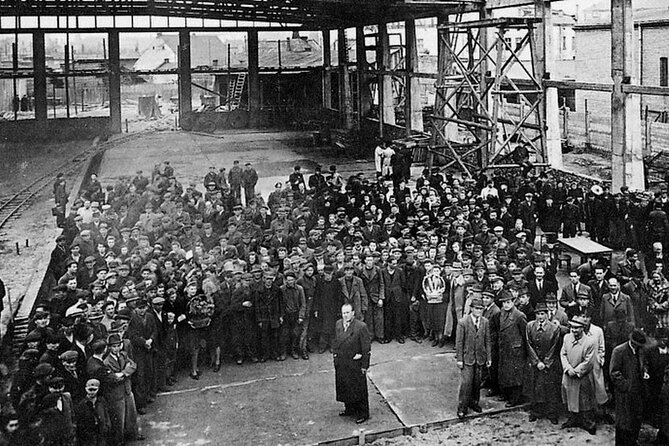
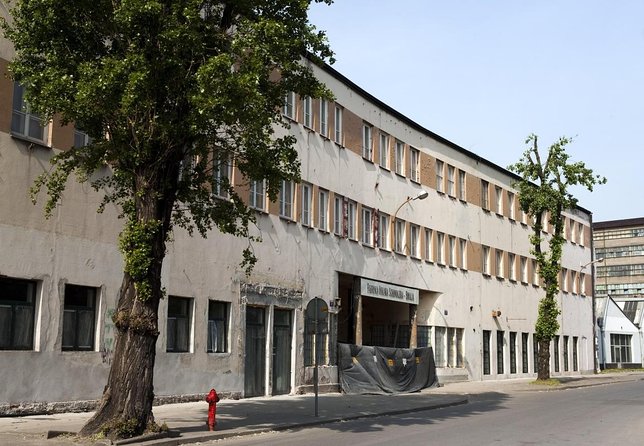
The Oskar Schindler Enamel Factory Museum occupies the actual factory building at Lipowa 4 in Krakow. During World War II, Oskar Schindler employed Jewish workers there, producing pots, pans, tins, and other enamelware for the German army.
That setting gives the visit its emotional force. You are not simply looking at a movie prop or a reconstructed workplace. You are walking through a real place where people worked under Nazi rule, and where employment could help protect Jewish workers from deportation to concentration camps.
Still, you should set your expectations correctly. This is not a museum devoted only to Schindler. The exhibition uses the factory as a starting point for a much broader account of Krakow during the war, including the city’s fear, resistance, prisons, ghettos, and changing political control.
I think that wider focus makes the museum more valuable, but it can disappoint anyone expecting a detailed biography of Schindler or a tour built around scenes from Schindler’s List. The film helps explain why many people know the site, yet the museum itself is more serious and historical than cinematic.
More Schindler Factory tours:
- Krakow: Oskar Schindler’s Factory Entry Ticket & Guided Tour
★ 4.2 · 3,793 reviews - Krakow: Schindler’s Factory Tour with Entrance Ticket
★ 4.5 · 3,182 reviews - Krakow: Schindler’s Factory Skip-the-Line Ticket
★ 4.4 · 3,105 reviews
Meeting at Lipowa 4 in central Krakow
You make your own way to Fabryka Emalia Oskara Schindlera at Lipowa 4. The building is near public transportation, but the meeting arrangements deserve care.
With the guided option, you meet the guide outside before entering. Some guides are easy to find, while others may not be holding a sign, umbrella, or wearing clearly marked clothing. That has caused confusion, especially when several groups gather near the entrance at the same time.
I recommend arriving at least 15 minutes before your scheduled time. Keep your booking details ready, and look for the tour representative rather than assuming the first group outside is yours. In one especially frustrating case, people waited outside because they understood that the guide would meet them there, while the guide expected them to be inside. That sort of mix-up can cost you the beginning of the tour.
Your ticket is issued in the individual name supplied at booking. Carry a valid passport or identity card, since museum staff may ask to see it. This is not the moment to leave your identification at the hotel.
The short introduction to Oskar Schindler
A guided visit begins with an introduction to Schindler and the public interest created by Steven Spielberg’s 1993 film, Schindler’s List. This opening helps place the factory in context before you enter the exhibition.
Schindler was a German industrialist who employed Jewish workers during the war. The factory’s production mattered because having a job could mean avoiding transport to a concentration camp. The museum also tells the stories of some of the approximately 1,200 Jewish workers associated with Schindler.
The introduction is useful, but it is brief. You will not receive a full, room-by-room biography of Schindler. Instead, his story is woven into the larger account of Krakow’s occupation.
That distinction is important when deciding between a self-guided and guided visit. If you already know the basic story and prefer to read at your own pace, the self-guided choice may suit you. If the period is new to you, I would choose the guide, since the museum presents a large amount of information in a compact space.
Inside the museum: Krakow before and during the war
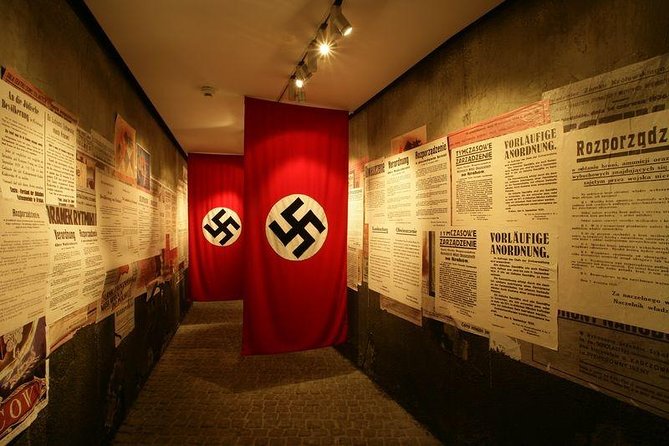
The exhibition takes you beyond the factory floor and into the history of Krakow before, during, and after World War II. Photographs show the city’s cobbled streets and daily life, while documents and artifacts explain how occupation changed ordinary routines.
You will see material about resistance activity, prisons, and the fear that shaped life under Nazi rule. Original film and radio recordings add a human sound to the displays. These are not decorative extras. They help you understand how quickly public life became controlled, dangerous, and uncertain.
The museum also addresses the later Soviet period. That broader timeline gives you a clearer sense of how Krakow moved from one form of occupation and political pressure into another. It is a strong choice if you want to understand the city rather than only visit a famous film location.
The drawback is pace. A guide must keep a group moving through rooms that invite close reading. Several people have found the visit rushed, with too little time to absorb every photograph and panel. The museum itself could easily reward three or four hours, while this booked experience gives you roughly 90 minutes, or possibly closer to two hours depending on the schedule and guide.
If you want to read every label, study each document, and pause with the recordings, a self-guided entry may suit you better. If you want a clear route and a compact explanation, the guided format is more efficient.
A few more in Krakow
- From Krakow: Auschwitz-Birkenau Guided Tour & Hotel Pickup
★ 4.5 · 33,358 reviews - From Krakow: Auschwitz-Birkenau Guided Tour & Hotel Pickup
★ 4.5 · 29,340 reviews - Krakow: Auschwitz Guided Tour with Optional Hotel Pickup
★ 4.5 · 15,280 reviews - Krakow–Zakopane: Cable Car, Chocholow Baths, Cheese & Vodka
★ 5.0 · 10,720 reviews
Schindler’s office and the enamelware displays
One of the visit’s most important stops is Schindler’s office. You also see examples of the enamelware produced at the factory, including the pots, pans, and tins made for the German military.
These objects make the story concrete. The factory was not only a backdrop for Schindler’s decisions. It was a working industrial site, and the products made there were tied to the wartime economy. The connection between factory work and survival is one of the clearest ideas in the museum.
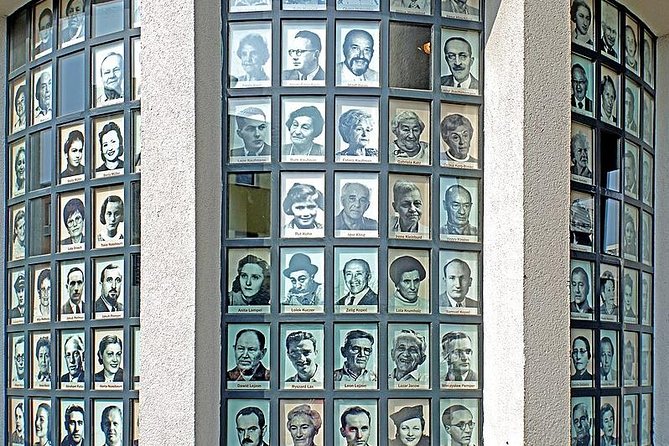
You will also hear about the fates of some of the Jewish employees. The exhibition does not treat the workers as a single anonymous group. Their individual stories give weight to the number 1,200, reminding you that each person had a separate life before, during, and after the war.
This is also where some visitors expect more Schindler material than the museum provides. His office and the factory products are meaningful, but they are not the largest part of the exhibition. If your main goal is to follow Schindler’s personal life, you may find the focus limited.
Why the guide can make or break the experience
The best reason to book the guided option is explanation. A strong guide connects the rooms, dates, people, and events so you do not have to build the whole story from wall text.
Natalia has been praised for concise information, clear English, and a pace that gives the group time to follow. Elizabeth has been described as friendly and engaging, while Marta has earned praise for guiding groups through a busy museum without rushing them. Barbara has also been singled out for adding useful context and answering questions in a warm way.
Wojtek has received both positive and negative reactions, which shows how much the guide affects the result. On a good day, he has been described as well informed and effective. On another visit, the experience suffered from an abrupt manner, weak organization, and confusion when members of the group briefly separated.
That range is worth knowing before you pay extra for a guided tour. A guide is not automatically better than the museum’s own displays. The benefit depends on clear speaking, sensible pacing, and the ability to keep a group together.
Headphones are not consistently provided. Some groups have used them, while others have not. In the narrow rooms, a guide who walks ahead can become difficult to hear. Stay near the guide, especially when the group is large, and ask for a pause if you miss an explanation.
Group size, timing, and the museum’s narrow spaces
The maximum group size is 25 people. That is manageable in theory, but it is a lot for rooms with narrow corridors and busy displays.
A smaller group, around 14 people, is more comfortable. You can hear the guide, see the objects, and ask questions without blocking the route. A full group may feel hurried, especially when several tours are moving through the same section.
The official duration is approximately 1 hour 30 minutes. The detailed schedule describes about two hours of exploration, so allow some flexibility. The actual experience can depend on museum traffic, the guide’s pace, and how much time the group spends at each display.
I would not schedule a major activity immediately afterward. Give yourself time to find the meeting point, enter, and absorb the museum. The experience ends outside the building, where you can continue exploring Krakow independently or follow directions back toward the city center or your hotel.
The museum is accessible to most participants, and lifts are available, but some areas may feel difficult for anyone who finds narrow spaces or a fast walking pace challenging. Mention your needs when arranging the visit, rather than waiting until the group is already moving.
Is $35.70 good value?

At $35.70 per person, this is not the cheapest museum admission in Krakow. The price includes the entrance ticket and, when selected, a professional guide. It also buys you a timed place at a museum where getting an independent ticket can be difficult.
That last point matters. The skip-the-line and guaranteed-entry element may be the best value here, particularly during busy periods. A self-guided ticket may contain the same museum access, but finding a convenient time on your own is not always simple.
The guided upgrade is worthwhile for first-time visitors to Krakow’s wartime history, people who prefer spoken explanation, and anyone who wants help understanding how the rooms fit together. It is less compelling if you read quickly, already know the period well, or want several hours to study the exhibits.
The price does not include food or drinks, so plan those separately. This is a focused museum visit, not a meal stop or a full city tour.
Who should book the guided option?
I would choose this tour if you want a structured introduction to Krakow during World War II and do not want to risk arriving without a ticket. It suits history-minded visitors, first-time Krakow visitors, and people who find personal stories easier to follow when a guide supplies the links.
It is also a good choice if Schindler’s List brought you to the museum but you want to understand the real setting behind the film. The visit will give you the factory, the office, the enamelware, and the stories of Jewish workers, while also correcting the idea that this is only a film attraction.
I would hesitate if you want a slow museum afternoon. The tour can move quickly, and you may not have time to read everything. In that case, select the self-guided option if available, or treat the guided visit as an introduction and continue through the museum at your own pace if the ticket arrangements allow it.
Practical tips for a smoother visit
- Arrive early at Lipowa 4 and confirm the guide before the scheduled start.
- Bring the same full-name identification details used when booking.
- Carry your passport or ID because museum staff may request it.
- Stay close to the guide if no headphones are supplied.
- Ask questions when the guide pauses. The strongest guides welcome them.
- Allow more than 90 minutes if you want time to read and reflect.
- Remember that the museum is mainly about Krakow’s wartime experience, not only Schindler.
- Do not expect food or drinks to be included.
- If you are sensitive to crowded rooms or a brisk pace, a smaller group is preferable.
Should you book Schindler’s Factory with a guide?
Yes, if your priority is guaranteed timed entry and a clear explanation of Krakow under occupation. The museum is worth seeing, and a capable guide can turn a dense exhibition into a coherent story. Natalia, Elizabeth, Marta, and Barbara are examples of the kind of guides who can make the extra cost worthwhile.
Book with care, not blindly. The meeting point has caused confusion, group size can reach 25, headphones are not guaranteed, and a rushed guide may leave you feeling that you saw the museum without truly taking it in. If you mainly want Schindler’s personal story, adjust your expectations. If you want the wider story of wartime Krakow, this is a strong and serious visit, with skip-the-line access as a useful bonus.
FAQ
Where does the Schindler Factory tour start?
The tour starts at Oskar Schindler’s Enamel Factory, Lipowa 4, 30-702 Kraków, Poland. You make your own way to the museum and meet the guide outside if you selected the guided option.
How long does the experience last?
The stated duration is approximately 1 hour 30 minutes. The detailed schedule describes close to two hours of exploration, so the exact length may vary.
Is the entrance ticket included?
Yes. The entrance ticket is included in the experience price.
Is the tour offered in English?
Yes. The experience is offered in English.
Can I choose between a guided and self-guided visit?
Yes. The experience provides a choice between a self-guided visit and a guided option, depending on the selection made when booking.
Do I need identification?
Yes. Museum tickets are issued in individual names, so you should provide each participant’s full name when booking and bring a valid passport or identity document.
How many people can be in the group?
The activity can have a maximum of 25 participants. Smaller groups may be easier to hear and follow inside the museum.
Just added in Krakow
- Auschwitz-Birkenau – Skip the Line Tickets★ 3.5 · 29 reviews
- Auschwitz-Birkenau: Fast-Track Ticket & Guided Tour No Transfers★ 3.5 · 17 reviews
- Zakopane & Sleigh Ride with Bonfire – Group Tour from Kraków★ 5.0 · 2 reviews
- Sleigh Ride & Bonfire in Zakopane with Funicular – Private Trip★ 5.0 · 48 reviews
- Thermal Baths & Zakopane – Private Trip from Krakow★ 5.0 · 1 review
- Zakopane & Gubalowka Funicular – Private Winter Tour from Krakow★ 5.0 · 10 reviews
- Divine Mercy Sanctuary – Private Tour from Krakow★ 5.0 · 4 reviews
- stag dog chase Krakow prank★ 5.0 · 4 reviews