
REVIEW · SCHINDLER'S FACTORY TOURS
Schindler’s Factory Guided Tour
History hits hard here. Schindler’s Factory Guided Tour gives you far more than the story behind one famous name, with original artifacts, reconstructed 1940s streets, and a clear account of life in Nazi-occupied Kraków. I especially like the strong focus on ordinary Jewish and non-Jewish residents and the guides’ ability to connect personal stories with the wider events. The main drawback is pace: 90 minutes can feel rushed in narrow rooms packed with photographs and objects.
I also like that the tour does not treat Oskar Schindler as the whole story. The exhibition, Kraków under Nazi Occupation 1939 to 1945, places his actions within the destruction of the Kraków ghetto and the daily fear faced by the city’s people. Guides such as Ewa, Eva, and Phil have been praised for clear, passionate explanations, although a group of up to 25 can make it difficult to stop and read everything.
In This Review
- Key points to know before booking
- What Schindler’s Factory actually tells you
- Meeting your guide at the entrance
- The opening rooms: Kraków before and after invasion
- The Kraków ghetto and everyday survival
- Finding Oskar Schindler within the wider story
- The factory building and what you will not see
- Why the guide is worth paying for
- Price, duration, and group size
- Who will appreciate this tour most
- Practical tips for a better visit
- Should you book Schindler’s Factory Guided Tour?
- FAQ
- How long does the Schindler’s Factory Guided Tour last?
- How much does the tour cost?
- What does the tour include?
- Is the tour only about Oskar Schindler?
- Is the original factory machinery still inside?
- What languages are available?
- How early should I arrive?
- Do I need to provide participant names?
- Can I cancel the tour?
Key points to know before booking
- The museum is about occupied Kraków first and Schindler second: You will learn about Schindler, but much of the visit covers the wider wartime experience.
- The 90-minute tour follows a tightly packed route: Narrow passageways and detailed displays make the guide’s commentary useful, but you may not have time to study every artifact.
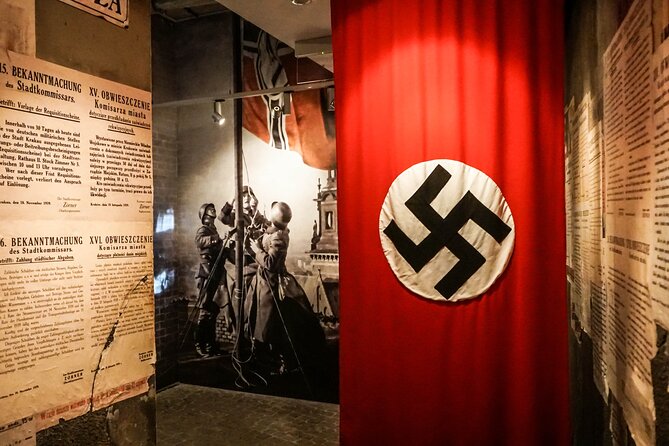
- Original objects and reconstructions create a strong sense of place: Photographs, personal belongings, and recreated streets help explain daily life under Nazi rule.
- The building is not a working factory museum: It once housed Schindler’s enamel factory, but the original production equipment is no longer there.
- The guide makes a major difference: English, German, French, Spanish, and Italian tours are available, with particularly warm praise for guides including Ewa and Eva.
- Arrive early and book carefully: Get there at least 10 minutes before departure, provide every participant’s full name, and choose one tour language for the whole group.
What Schindler’s Factory actually tells you
The name can create a false expectation. You might arrive expecting rows of enamel machinery and a museum devoted almost entirely to Oskar Schindler. Instead, you enter a carefully designed account of Kraków from the German invasion in 1939 through the occupation and the war’s end.
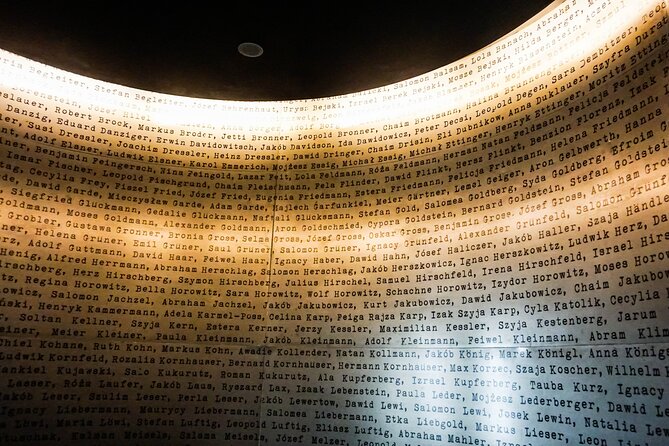
That wider focus is the museum’s great strength. Schindler’s story matters because he employed Jewish workers and used his position, contacts, and money to help protect them from deportation. More than 1,000 men and women survived through his efforts. But the exhibition asks you to understand the terrible system around him, not simply admire one courageous man.
You will see how Jewish and non-Jewish residents faced fear, restrictions, forced removal, and uncertainty. The displays connect public events with personal experiences, giving you a better sense of how occupation changed work, family life, movement, and survival.
I think this approach makes the visit more useful than a simple biographical exhibition. If you know only the broad outline from Schindler’s List, the museum adds the setting and human detail that a film cannot fully provide.
More Schindler Factory tours:
- Krakow: Oskar Schindler’s Factory Entry Ticket & Guided Tour
★ 4.2 · 3,793 reviews - Krakow: Schindler’s Factory Tour with Entrance Ticket
★ 4.5 · 3,182 reviews - Krakow: Schindler’s Factory Skip-the-Line Ticket
★ 4.4 · 3,105 reviews
Meeting your guide at the entrance
The meeting point is directly in front of the main entrance to Schindler’s Factory Museum, on the right-hand side. Look for a guide holding a Schindler’s Factory Guided Tour sign.
This is not the moment to cut things fine. You are asked to arrive at least 10 minutes before the scheduled start. Once the group has entered, late arrivals cannot be accommodated, and the ticket is non-refundable.
The museum uses personalized tickets, so you must provide the full names of everyone in your booking. This is an easy detail to overlook, but it matters because incorrect or missing names can lead to denied entry. One booking experience also raised questions about identification requirements, so I would bring your identification and check the current entry instructions before setting out.
The final start time may be adjusted because of museum scheduling. You can request a preferred time, but it is not guaranteed. That means you should avoid arranging another fixed activity immediately afterward.
The opening rooms: Kraków before and after invasion
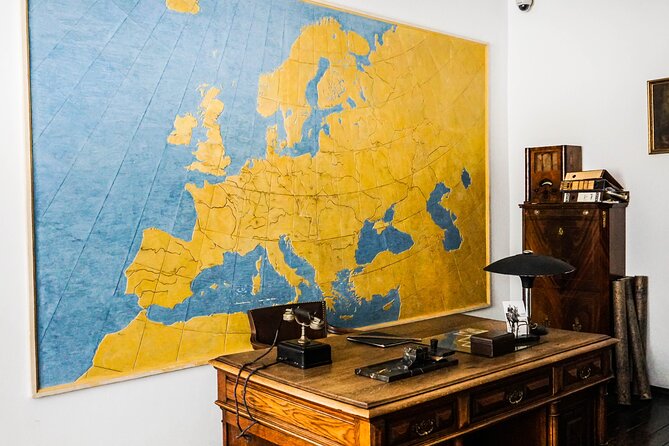
The tour begins by establishing what Kraków looked like before the war and how quickly German occupation changed the city. This context is important because it prevents the exhibition from becoming a collection of disconnected tragedies.
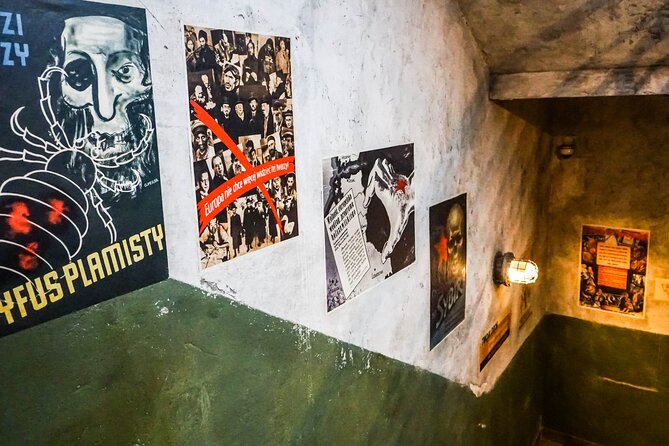
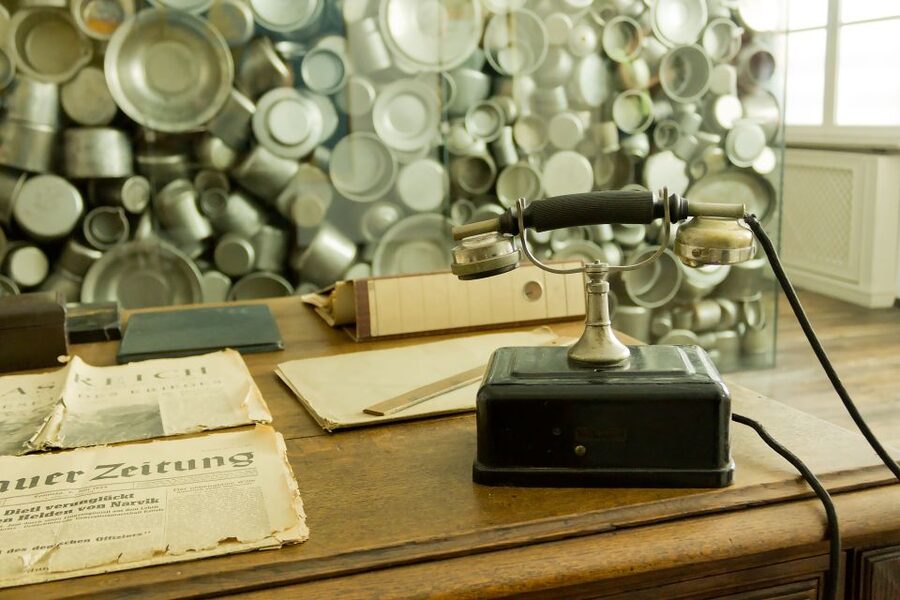
Your guide explains the pressure placed on residents and the new rules imposed on Jewish people. Photographs and personal objects give the events a human scale. Instead of seeing only dates and military movements, you encounter the daily consequences of discrimination and control.
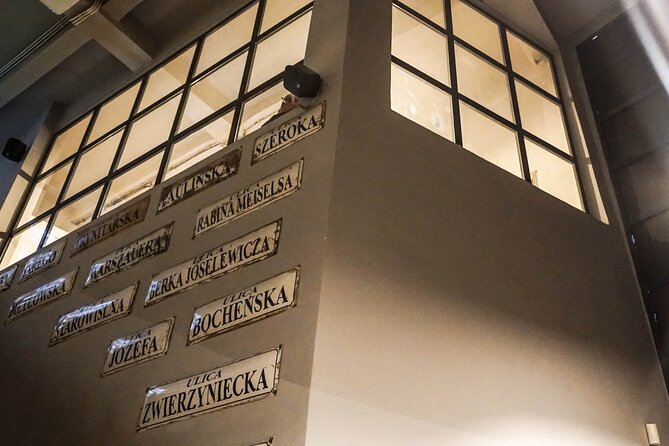
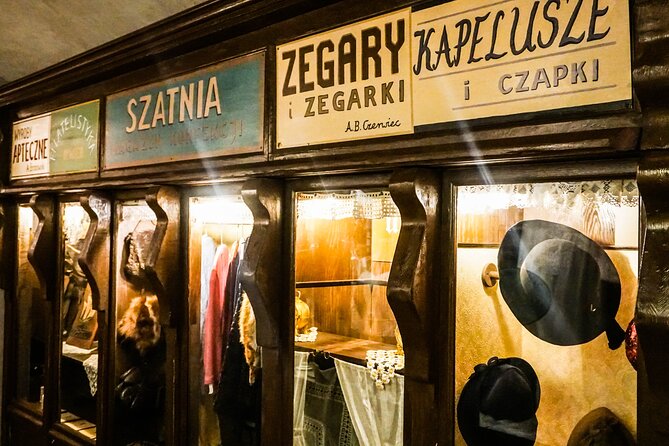
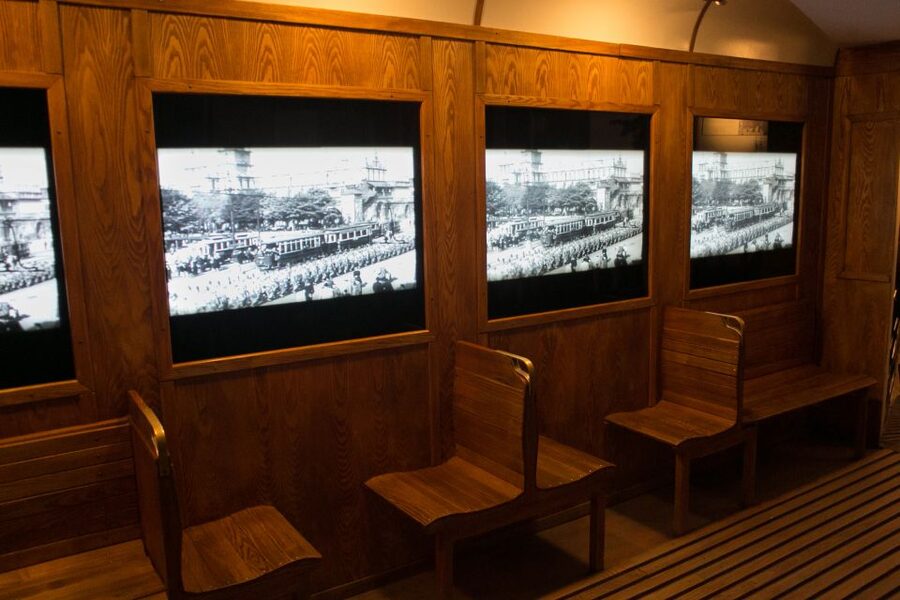
The exhibition uses recreated streets and period-style settings to move you through the story. These reconstructions are not original wartime streets, but they help you understand how the city’s spaces were divided and controlled.
The layout also has a practical downside. Passageways are narrow, and a group of up to 25 people can bunch together. If you are near the back, you may need to move forward to see a display or hear the guide clearly.
The Kraków ghetto and everyday survival
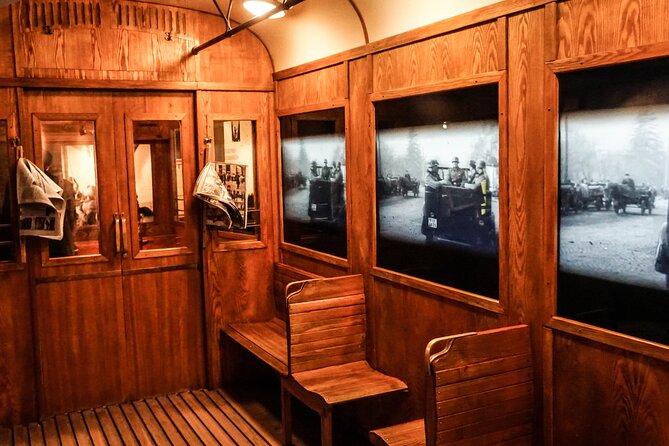
The section on the Kraków ghetto is among the most important parts of the visit. Here the tour shifts from general occupation policy to the lived experience of people forced into an increasingly harsh and dangerous situation.
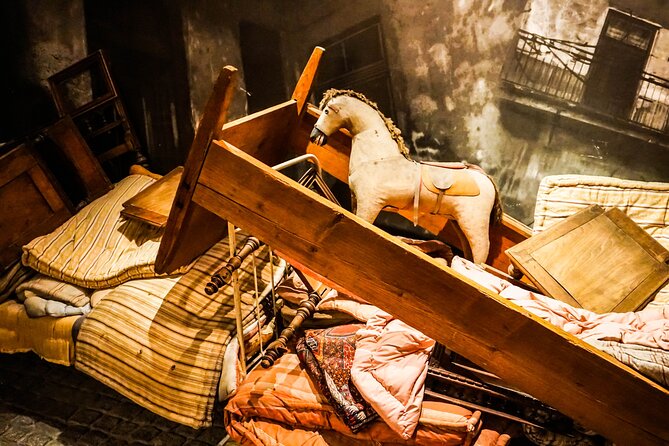
Your guide links photographs, documents, objects, and testimony to explain how residents endured the war. The emphasis is not only on major acts of resistance or rescue. You also learn about fear, separation, shortages, uncertainty, and the constant threat of deportation.
This is where the museum’s staged design works best. Reconstructed streets and rooms help you follow the story physically, while the objects keep it personal. You are not simply passing through a gallery of labels. You are being shown how a city’s social order was broken apart.
The guide’s role is crucial. A good explanation helps you understand why a small decision could become a matter of life or death. Several guides have been singled out for their ability to tell these stories with care and clarity. Ewa, in particular, has been praised for combining strong historical knowledge with a friendly, engaging manner. Eva has also been remembered for clear explanations, and Phil for a warm and well-informed tour.
The tone remains serious. This is not a light sightseeing stop, and you should allow yourself some quiet time afterward if the subject affects you strongly.
A few more in Kraków
- From Krakow: Auschwitz-Birkenau Guided Tour & Hotel Pickup
★ 4.5 · 33,358 reviews - From Krakow: Auschwitz-Birkenau Guided Tour & Hotel Pickup
★ 4.5 · 29,340 reviews - Krakow: Auschwitz Guided Tour with Optional Hotel Pickup
★ 4.5 · 15,280 reviews - Krakow–Zakopane: Cable Car, Chocholow Baths, Cheese & Vodka
★ 5.0 · 10,720 reviews
Finding Oskar Schindler within the wider story
Schindler enters the exhibition as a factory owner and businessman operating within the German occupation. His position allowed him to employ Jewish workers and intervene on their behalf. The tour shows how his choices developed and why his actions became so important.
You will hear about the workers later known as Schindlerjuden, or Schindler’s Jews. Their survival is central to his legacy, but the museum avoids presenting him as a lone hero floating above the period. His story is placed beside the experiences of the people he tried to save and the much larger number who were not saved.
That balance is worth understanding before you go. If you want a museum devoted solely to Schindler’s personality, business career, or the making of the film, this may not meet your expectations. If you want to understand how his actions fit into the occupation of Kraków, the broader approach is exactly the point.
One useful way to think about the tour is this: Schindler is the thread that helps you enter the story, but occupied Kraków is the subject.
The factory building and what you will not see
The building originally functioned as Schindler’s enamel factory. Today it operates as a museum, and it no longer contains the original production equipment.
This distinction matters. The name Schindler’s Factory suggests an industrial museum, but the visit is primarily a historical exhibition. You will not tour a preserved factory floor filled with the machinery used during production.
For some people, this will be a disappointment. One visitor expected a more traditional factory visit and found that the machinery was in another museum. If industrial history is your main interest, check the details before booking so you know what you are paying to see.
For me, the absence of machinery does not weaken the main exhibition. The museum’s purpose is to explain the people and events connected with the occupation. Still, clear expectations make for a better visit.
Why the guide is worth paying for
The museum can be interesting on your own, but a guide gives the displays a much stronger thread. You are shown where Schindler’s choices fit, how the ghetto developed, and why certain photographs or objects matter.
A guide also helps you avoid getting lost in the amount of material. The exhibition contains more than you can comfortably absorb in a short visit. A good guide selects the key stories and makes connections that may not be obvious from individual labels.
The tradeoff is time. The group must keep moving, and several people found there was not enough time to read every panel, study each photograph, or examine every artifact. One visitor described the pace as an express train. That is a fair warning if you enjoy slow museum visits.
I suggest treating the guided tour as your first pass. Listen closely, note the rooms or subjects you want to revisit, and ask whether you can stay afterward if museum rules allow. The supplied details do not guarantee extra viewing time, so do not plan on it, but you may find that the guided route gives you enough direction to return to the most important displays.
Price, duration, and group size
The tour costs $49 per person and lasts 90 minutes. That is not the cheapest museum entry in Kraków, so value depends on how much help you want with the material.
The price includes a professional licensed guide and fast-track admission. For a first visit, I think the cost is reasonable if you want the historical setting explained in English or another listed language. The guide turns a difficult subject into a structured story and saves you from trying to piece together the chronology alone.
The value is less clear if you prefer to read every label at your own speed. Ninety minutes is enough for a strong overview, but not enough for a leisurely examination of the full exhibition.
Group size is limited to 25 people. That limit is better than an uncontrolled crowd, but the narrow rooms can still feel tight. A smaller private tour would likely give you more room and more time for questions, though this experience is sold as a group visit.
Tours are conducted in a single language. You choose German, French, Spanish, Italian, or English when booking, and the group does not switch between languages during the visit.
Who will appreciate this tour most
I would recommend it to anyone visiting Kraków who wants the city’s wartime story explained with care. It suits adults, older children, students, and anyone planning to visit Auschwitz who wants more background first.
One useful suggestion is to schedule it early in your Kraków stay. The exhibition gives you context for the city’s Jewish history and the occupation, so later visits to places connected with the war may carry more meaning.
You should also book it if you like museums that use objects and reconstructed settings rather than relying only on text. The design helps keep the story moving and gives you a sense of how people experienced the city.
I would hesitate to recommend it to someone expecting a cheerful attraction, a short celebrity biography, or a preserved industrial site. The subject is painful, the pace is firm, and the factory machinery is not here.
Practical tips for a better visit
- Arrive at least 10 minutes early. Late entry is not accepted once the group has gone inside.
- Enter every participant’s full name correctly when booking.
- Choose your preferred language carefully because each group uses one language only.
- Wear comfortable shoes and be prepared for narrow passageways.
- Listen first, then read. The guide may not stop long enough for you to examine every panel.
- Keep your expectations focused on the occupation exhibition, not original factory equipment.
- Leave room in your schedule afterward. The tour can be emotionally heavy and may prompt you to reflect.
- If you are visiting Auschwitz, consider seeing this museum beforehand for useful historical background.
Cancellation is available up to 24 hours before the tour for a full refund, and you can reserve now while paying later. Those options help if your Kraków schedule is still taking shape, but they do not remove the need to arrive on time or submit complete names.
Should you book Schindler’s Factory Guided Tour?
Book it if you want a guided account of Kraków under Nazi occupation, not simply a look at Oskar Schindler’s workplace. The most praised part of the experience is the guide’s ability to explain difficult events with clarity and feeling. The museum’s artifacts, photographs, and reconstructed streets add weight to those explanations.
Go in knowing that the visit is tightly timed. You may not read every display, and the narrow route can feel crowded with a full group. You also will not see the original factory machinery.
At $49, I think the tour offers good value for a first visit, especially if you want context before Auschwitz or prefer a clear English, German, French, Spanish, or Italian presentation. If you are a slow museum reader, consider using the tour as an introduction and allowing extra time if the museum permits you to continue afterward.
FAQ
How long does the Schindler’s Factory Guided Tour last?
The tour lasts 90 minutes. Starting times vary, so you need to check availability when booking.
How much does the tour cost?
The listed price is $49 per person. Fast-track admission and a professional licensed guide are included.
What does the tour include?
It includes a professional licensed guide and fast-track admission to Schindler’s Factory Museum.
Is the tour only about Oskar Schindler?
No. The exhibition focuses on Kraków under Nazi occupation from 1939 to 1945. Schindler’s life and his efforts to protect Jewish workers are part of a wider account of Jewish and non-Jewish residents during the war.
Is the original factory machinery still inside?
No. The building was originally Schindler’s enamel factory, but it now operates as a museum and no longer contains the original production equipment.
What languages are available?
The tour is offered in English, German, French, Spanish, and Italian. Each group uses one language.
How early should I arrive?
You should arrive at least 10 minutes before the scheduled start. Late arrivals cannot be accommodated after the group enters, and the ticket is non-refundable.
Do I need to provide participant names?
Yes. The museum issues personalized tickets, so you must provide the full names of all participants when booking. Missing information may result in denied entry.
Can I cancel the tour?
You can cancel up to 24 hours in advance for a full refund. A reserve now and pay later option is also available.
Just added in Kraków
- Auschwitz-Birkenau – Skip the Line Tickets★ 3.5 · 29 reviews
- Auschwitz-Birkenau: Fast-Track Ticket & Guided Tour No Transfers★ 3.5 · 17 reviews
- Zakopane & Sleigh Ride with Bonfire – Group Tour from Kraków★ 5.0 · 2 reviews
- Sleigh Ride & Bonfire in Zakopane with Funicular – Private Trip★ 5.0 · 48 reviews
- Thermal Baths & Zakopane – Private Trip from Krakow★ 5.0 · 1 review
- Zakopane & Gubalowka Funicular – Private Winter Tour from Krakow★ 5.0 · 10 reviews
- stag dog chase Krakow prank★ 5.0 · 4 reviews
- Divine Mercy Sanctuary – Private Tour from Krakow★ 5.0 · 4 reviews