
REVIEW · SCHINDLER'S FACTORY TOURS
Schindler’s Factory Guided Tour in Krakow & skip the line ticket
History hits harder here. This guided visit to Krakow’s Schindler Factory Museum offers a moving look at life under Nazi occupation, from the first weeks of the war through the Soviet arrival in 1945. I like the powerful personal stories about Krakow’s Jewish population, and I like the guaranteed skip-the-line entry, especially when museum queues are long.
The main catch is that the name sets an expectation the museum does not quite meet. You will learn about Oskar Schindler and the people he helped, but much of the visit focuses on Krakow under Nazi rule rather than the factory floor, Schindler’s private life, or the making of the film. Large groups, crowded rooms, and the lack of headsets can also make the guide difficult to hear.
In This Review
- Key points before you book
- What this Schindler’s Factory tour really covers
- Inside Oskar Schindler’s former factory
- The first stage: Krakow before and during the invasion
- The Krakow Ghetto and Płaszów section
- How the 90-minute guided format works
- The guide question: is a guided tour worth it?
- Skip-the-line access and the $42.95 price
- Who will get the most from this visit?
- What to know about Schindler himself
- Should you book the guided tour?
- FAQ
- How long does the Schindler’s Factory guided tour last?
- What does the museum cover?
- Is the tour only about Oskar Schindler?
- Is the original factory shop floor included?
- Does the ticket include museum admission?
- Does the tour include skip-the-line entry?
- Is transportation or hotel pickup included?
Key points before you book
- The museum is about wartime Krakow first: Schindler’s story is part of a larger account of Polish and Jewish life under Nazi occupation.
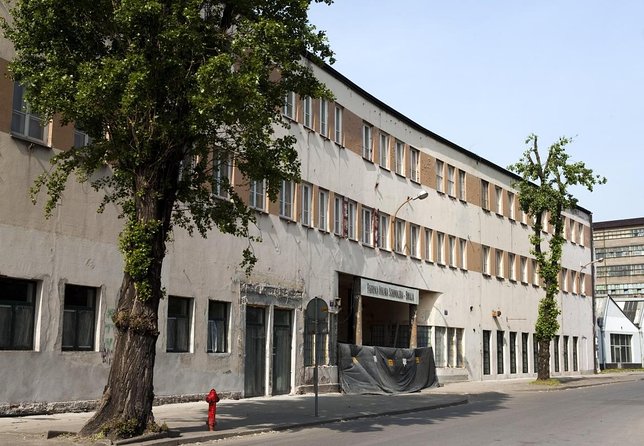
- The original factory building remains important: The museum is housed in Oskar Schindler’s former enameled-goods factory, but you should not expect to tour a preserved shop floor.
- Skip-the-line entry saves time: Admission is included, and the booking promises priority access to the long entrance queues.
- Group size can shape the whole visit: Groups of around 20 or more have made it hard for some people to hear, read displays, or fit into small rooms.
- Guide quality varies: Guides such as Alicia, Eva, Ava, and Joanna have been praised for warmth and strong storytelling, but some visitors found the spoken English difficult to follow.
- A self-guided visit may suit careful readers better: If you want to stop at photographs, survivor accounts, and video displays, a group tour may feel too fast.
What this Schindler’s Factory tour really covers
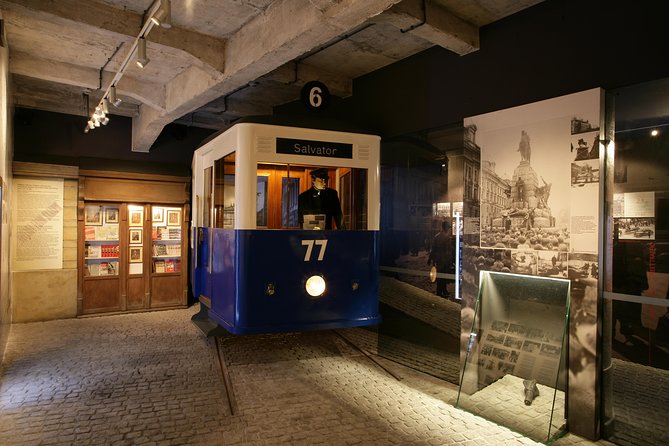
The museum’s permanent exhibition is called Kraków Under Nazi Occupation 1939-1945. That title tells you more about the visit than the tour name does.
You begin with Krakow shortly before the Second World War, then follow the city through the German invasion, the first months of occupation, the persecution of Jewish residents, the Krakow Ghetto, and the Płaszów Concentration Camp. The story continues until the Soviet Army arrived in 1945.
That broad scope is one of the museum’s strengths. You are not being handed a simple Hollywood version of events. Instead, you get a difficult account of what happened to both Jewish and Polish residents, how daily life changed, and how Nazi control tightened over time.
I appreciate this approach because Schindler’s List can make Oskar Schindler seem like the entire story. He was important, but the people of Krakow, the machinery of occupation, the ghetto, forced labor, and the camp system form the larger picture. If you come expecting only Schindler, you may feel shortchanged. If you want to understand Krakow during the war, the subject is much better matched.
More Schindler Factory tours:
- Krakow: Oskar Schindler’s Factory Entry Ticket & Guided Tour
★ 4.2 · 3,793 reviews - Krakow: Schindler’s Factory Tour with Entrance Ticket
★ 4.5 · 3,182 reviews - Krakow: Schindler’s Factory Skip-the-Line Ticket
★ 4.4 · 3,105 reviews
Inside Oskar Schindler’s former factory
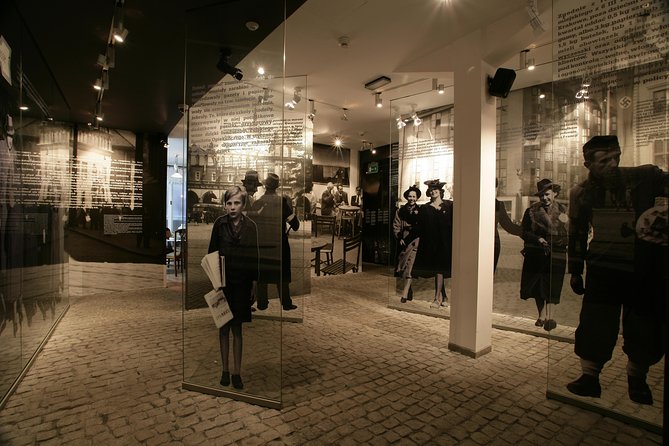
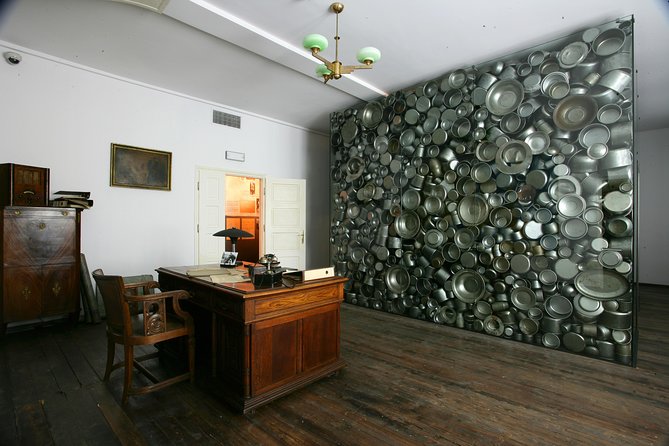
The museum opened to the public in June 2010 after years of preparation. It occupies the original Oskar Schindler Enameled Goods Factory, which gives the visit a strong sense of place even though the presentation is a modern museum exhibition.
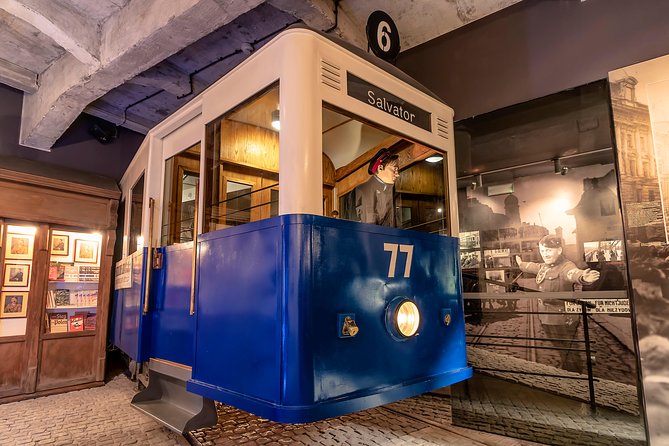
You walk through rooms arranged to tell a chronological story. The displays include photographs, written panels, historical material, survivor statements, and video elements. The design aims to put you inside the atmosphere of occupied Krakow rather than simply line up objects in glass cases.
This is also where expectations matter most. Several people have arrived hoping to see the actual factory machinery, production areas, or shop floor connected directly to the workers. That is not what this experience provides. The factory building is authentic, but the exhibition itself is largely a constructed museum presentation.
I would describe it as a museum about Krakow’s wartime experience, located in Schindler’s former workplace. That is still meaningful, but it is not the same as a factory tour.
The first stage: Krakow before and during the invasion
The opening part sets the scene before the German invasion and explains how the occupation began. This section matters because it avoids treating the war as a sudden, isolated event. You see Krakow and its people at the point when ordinary life was being disrupted and controlled.
A good guide can make this section especially useful. The strongest guides do not simply recite dates. They connect political decisions with the effect on families, neighborhoods, work, religion, and movement around the city.
Guides named Alicia, Eva, Ava, and Joanna have been praised for explaining the material with care and feeling. Alicia was described as adding thoughtful questions, while Eva and Ava were praised for helping people understand the events rather than merely looking at displays. Joanna was also praised for allowing enough time to pause and look around.
That quality is not guaranteed. Some guides have spoken too quickly, too softly, or with English that was difficult to understand. In a small, crowded room, even a strong explanation is of little use if you are standing at the back and cannot hear it.
The Krakow Ghetto and Płaszów section
The middle part of the exhibition is the most emotionally demanding. It covers the persecution of Krakow’s Jewish population, the creation of the ghetto, and the later history of Płaszów Concentration Camp.
You should expect disturbing material. The purpose is not entertainment, and the stories can be upsetting. I would not choose this visit for a light museum afternoon, but I do think the difficult subject is handled as a serious account of people and place.
The value of a guide is clearest here. A well-prepared guide can explain how separate events fit together and draw attention to personal accounts that you might otherwise pass quickly. The best tours help you understand what the photographs and written testimony mean in human terms.
The problem is pace. A group may move forward before you have finished reading an account or examining a photograph. If you are near the back, other groups may pass through the same rooms, making it harder to gather around the guide.
For that reason, I would make a simple choice before entering. If you prefer a spoken overview and want someone to explain the sequence of events, stay with the guide. If you read carefully and need quiet time, plan to return independently or choose a self-guided entry instead.
A few more in Krakow
- From Krakow: Auschwitz-Birkenau Guided Tour & Hotel Pickup
★ 4.5 · 33,358 reviews - From Krakow: Auschwitz-Birkenau Guided Tour & Hotel Pickup
★ 4.5 · 29,340 reviews - Krakow: Auschwitz Guided Tour with Optional Hotel Pickup
★ 4.5 · 15,280 reviews - Krakow–Zakopane: Cable Car, Chocholow Baths, Cheese & Vodka
★ 5.0 · 10,720 reviews
How the 90-minute guided format works
The advertised duration is about 1 hour and 40 minutes, with the museum tour itself described as roughly 90 minutes. That is enough time for a clear introduction to the exhibition, but it is not enough for a slow reading of every panel.
You are moving through a museum with small rooms and a fixed flow. Once a guide gathers a group, the pace may be shaped by closing time, other groups, or the next scheduled entry. One group was told at the start that it needed to hurry, which naturally made the visit feel pressured.
A 90-minute tour can work well if the guide keeps the group focused. It works less well when 20 or more people fill a room and the guide has no sound system. The back of the group may hear only fragments, while people at the front may be asked to move before they have looked at everything.
The museum is also reported to become hot and crowded. Wear comfortable shoes and keep your attention on where the group is gathering. It is easy to lose the thread when several groups are moving through the same narrow spaces.
The guide question: is a guided tour worth it?
This is the central decision. A strong guide can make the museum far more understandable, particularly if you have limited time or do not know much about Krakow’s wartime history.
The best examples are guides who combine accuracy with sensitivity. They explain the context, point out details, and give you a human connection to the photographs and accounts. Some guides have been praised for being passionate, personable, and willing to ask questions that make you think.
Yet a guide is not automatically an improvement. Without headsets, hearing depends on your place in the group and the guide’s volume. The museum does not currently provide headsets for this service, and some tour groups have found themselves listening without any audio equipment.
I would ask for a place near the guide from the start. Do not hang back if the group begins moving. If you cannot hear after the first few minutes, politely say so. Otherwise, you may spend the rest of the tour trying to catch up with half-heard explanations.
The self-guided option has a clear advantage: you can stop, read, watch, and think at your own pace. Several people who disliked the guided format still felt the museum itself was worth returning to. That is an important distinction. The exhibition and the group experience are not always the same thing.
Skip-the-line access and the $42.95 price
The tour costs $42.95 per person and includes admission, the professional museum guide when the guided option is selected, and guaranteed skip-the-line access.
The queue benefit is real value if the museum is busy. Saving time can matter on a short Krakow visit, especially when you are fitting in the old town, Kazimierz, and other wartime sites. The experience is also commonly booked about 16 days ahead, so advance planning is sensible if your dates are fixed.
The price is harder to defend if your main goal is simply entry. Direct museum admission may cost less, and a self-guided visit gives you more freedom inside. The extra money here pays for convenience and interpretation, not for a longer or more complete museum visit.
I would consider the price fair for someone who values a scheduled entry and a guide who can provide context. I would consider it poor value for a careful reader who dislikes fixed pacing, especially if the group is large or the guide is hard to hear.
There is no food, drink, hotel pickup, drop-off, or transport included. You arrange your own way to the attraction, which is near public transportation. Confirmation is provided when you book, and children must be accompanied by an adult.
Who will get the most from this visit?
I think this tour suits you best if:
- You want a structured introduction to Krakow during the Second World War.
- You have about 90 minutes and do not want to plan a museum visit yourself.
- You value a guide’s explanation of the ghetto, occupation, and Płaszów.
- You want to avoid a potentially long entrance queue.
- You are comfortable with serious and upsetting subject matter.
- You can stay close to the guide in a crowded museum.
I would choose a self-guided visit if you are a careful reader, want to study survivor accounts, or hope to spend several hours with the displays. I would also think twice about the guided option if the only thing you want is information about Oskar Schindler himself.
Service animals are allowed, and most people can participate. The attraction is near public transportation, but transportation to and from it is not included.
What to know about Schindler himself
Schindler matters here, but he is not present in every room and does not dominate the exhibition. The museum places his actions within the wider history of occupation and persecution.
That can be educational, especially if your knowledge comes mainly from the film. The movie is a useful starting point, but this visit gives you a broader Polish and Jewish context. You will hear about the people of Krakow, not just the industrialist who became famous for helping more than 1,000 Jews.
If you want a detailed account of Schindler’s personality, business dealings, or the film’s production, this may not satisfy you. The tour does not recreate the movie, and it does not offer a full walk through the working factory.
I would go with an open mind and treat Schindler as the doorway into the museum’s larger subject. That approach makes the visit more rewarding.
Should you book the guided tour?
Book it if you want a concise, guided account of Krakow under Nazi occupation and value priority entry. The right guide can bring the exhibition to life, and the subject is important enough to justify a place on a Krakow itinerary.
Skip the guided version if you want to examine every display, dislike crowded groups, or expect a tour of the factory floor. In that case, self-guided entry may give you more for your money, even if you have to manage the queue yourself.
My practical verdict is simple: the museum is more reliable than the group tour. A good guide can make this a moving and illuminating 90 minutes. A large group without headsets can turn the same visit into a rushed walk through rooms you never have time to absorb.
Because the booking is non-refundable and cannot be changed after purchase, choose carefully before paying. For a serious introduction to wartime Krakow, I would book it only if the skip-the-line access and guided structure matter to you. For a Schindler-focused or slow museum visit, I would choose another format.
FAQ
How long does the Schindler’s Factory guided tour last?
The experience lasts approximately 1 hour and 40 minutes. The guided museum visit itself is described as about 90 minutes.
What does the museum cover?
It covers Krakow from shortly before the Second World War through the arrival of the Soviet Army in 1945. Main subjects include Nazi occupation, the Krakow Ghetto, the Jewish population of Krakow, and Płaszów Concentration Camp.
Is the tour only about Oskar Schindler?
No. Oskar Schindler is an important part of the story, but the permanent exhibition focuses more broadly on Krakow under Nazi occupation and the experiences of Polish and Jewish residents.
Is the original factory shop floor included?
The museum is located in Schindler’s original enameled-goods factory, but the guided experience does not provide a tour of the actual factory shop floor.
Does the ticket include museum admission?
Yes. Admission is included, along with a professional museum guide when the guided tour option is selected.
Does the tour include skip-the-line entry?
Yes. The experience includes guaranteed access intended to avoid the long entrance lines.
Is transportation or hotel pickup included?
No. Hotel pickup, drop-off, and transportation to and from the attraction are not included. The museum is near public transportation.
Just added in Krakow
- Auschwitz-Birkenau – Skip the Line Tickets★ 3.5 · 29 reviews
- Auschwitz-Birkenau: Fast-Track Ticket & Guided Tour No Transfers★ 3.5 · 17 reviews
- Zakopane & Sleigh Ride with Bonfire – Group Tour from Kraków★ 5.0 · 2 reviews
- Sleigh Ride & Bonfire in Zakopane with Funicular – Private Trip★ 5.0 · 48 reviews
- Thermal Baths & Zakopane – Private Trip from Krakow★ 5.0 · 1 review
- Zakopane & Gubalowka Funicular – Private Winter Tour from Krakow★ 5.0 · 10 reviews
- Divine Mercy Sanctuary – Private Tour from Krakow★ 5.0 · 4 reviews
- stag dog chase Krakow prank★ 5.0 · 4 reviews