
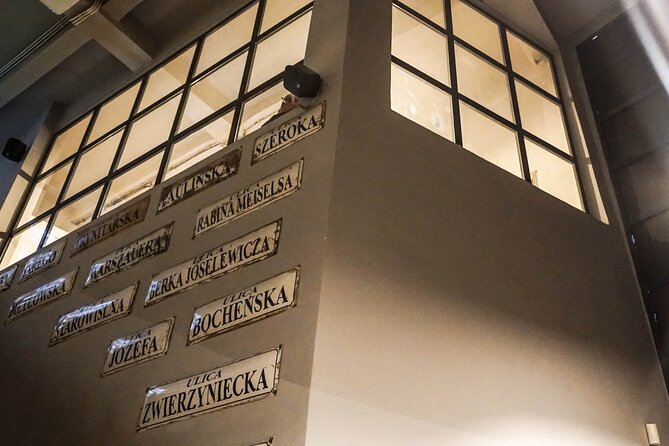
REVIEW · SCHINDLER'S FACTORY TOURS
Schindler’s Factory -Guided Tour
Schindler’s name is only part of the story. I like the way this 90-minute tour places Krakow’s wartime experience around the factory, and the skip-the-line entry is useful when the museum queue is long. The main drawback is that the museum is not a preserved factory tour, and a group of up to 25 can feel crowded inside its narrow rooms.
I also like having a professional English-speaking guide explain the exhibits instead of trying to piece together the story alone. The best guides give you time to look, link Schindler’s actions to the wider Nazi occupation, and explain details that the famous film does not cover. But if you want plenty of time to read every display, the fixed pace may feel rushed.
In This Review
- Key points at a glance
- What Schindler’s Factory really is
- Starting at Lipowa 4 in Krakow
- The first part: Krakow before and during World War II
- Schindler’s role, beyond the movie
- The exhibits and the walk through the museum
- Why the guide can make or break the visit
- Crowds, pacing, and the 90-minute limit
- Is $45.87 a fair price?
- How to fit it into your Krakow plans
- Who should book this guided tour?
- Should you book Schindler’s Factory guided tour?
- FAQ
- Where does the Schindler’s Factory guided tour start and end?
- How long does the tour last?
- Is admission to the museum included?
- Is transportation included?
- What language is this tour offered in?
- How many people can join the tour?
- Can I cancel for a full refund?
Key points at a glance
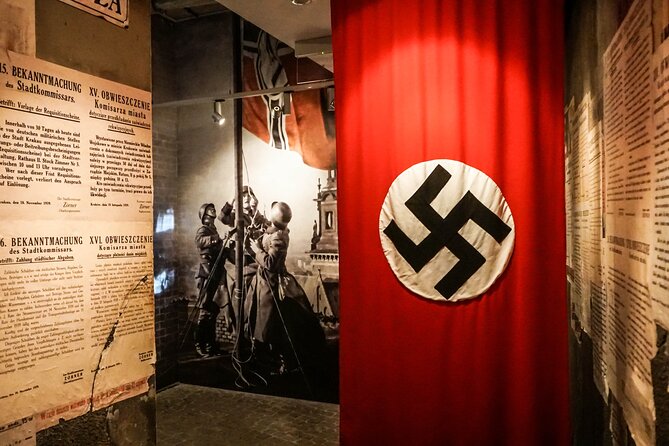
- The museum is about wartime Krakow, not just Schindler: Expect a broad account of the Nazi invasion, persecution of Polish Jews, daily life, and survival.
- Skip-the-line entry can save real time: A long queue has been reported, making the included admission ticket useful.
- The tour lasts about 90 minutes: It starts and ends at Lipowa 4, with no transportation included.
- Headsets may help, but quality can vary: They are useful in a group, though faulty or weak audio has caused problems.
- The group limit is 25 people: That is manageable on paper, but narrow museum rooms can still feel packed.
- The price pays for guidance and access: At $45.87 per person, it is far more than the standard museum admission noted in the feedback, so the guide must matter to you.
What Schindler’s Factory really is
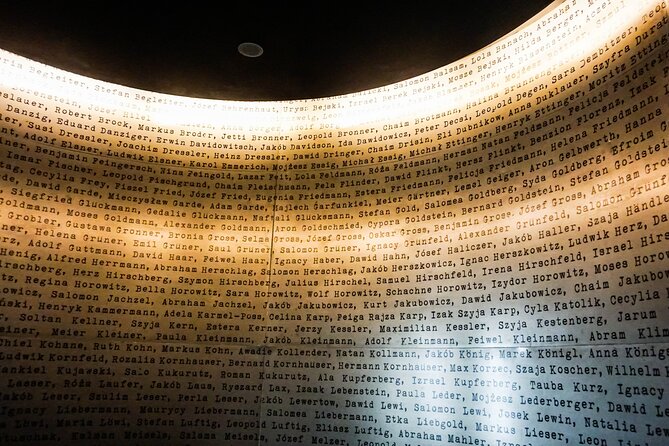
The name can create a very specific expectation: a working enamel factory, original machinery, and a tour focused almost entirely on Oskar Schindler and the Jewish workers he protected. That is not what you should expect here.
Fabryka Emalia Oskara Schindlera is now a museum devoted largely to Krakow under Nazi occupation. Schindler and his factory form an important thread, but the visit also examines the destruction of Jewish life, the occupation of Poland, work camps, forced labor, and the difficult choices people faced during the war.
That broader focus is the museum’s strength. It gives Schindler’s story a setting. You learn not only about the German industrialist and Nazi Party member who eventually used his position to save more than 1,000 Jewish workers, but also about the system around him.
It is also the source of the biggest disappointment for some visitors. The building does not offer a full factory-floor experience. Much of the museum occupies the former administration area, and the displays have an exhibition and gallery feel. If your main goal is to see the machinery and production rooms from the film, you may find the title misleading.
More Schindler Factory tours:
- Krakow: Oskar Schindler’s Factory Entry Ticket & Guided Tour
★ 4.2 · 3,793 reviews - Krakow: Schindler’s Factory Tour with Entrance Ticket
★ 4.5 · 3,182 reviews - Krakow: Schindler’s Factory Skip-the-Line Ticket
★ 4.4 · 3,105 reviews
Starting at Lipowa 4 in Krakow
The tour begins at Lipowa 4, 32-051 Kraków, and returns to the same meeting point. Transportation is not included, so you need to make your own way there. The site is near public transportation, which makes the location practical within a Krakow sightseeing day.
Bring the mobile ticket shown with your booking confirmation. Confirmation is issued at booking, but one piece of practical advice is worth noting: make sure you can locate the actual ticket or voucher, not only the confirmation page. A ticket issue caused one booking to fail, while another customer found the voucher links confusing.
The tour is offered in English. The group can contain up to 25 people. That limit is not especially small for a museum with tight rooms, so your position in the group can affect what you see and hear.
Arrive ready to begin on time. A guide-led visit works best when the group moves together, and a late start can make the already brisk schedule feel even faster.
The first part: Krakow before and during World War II
The tour does not rush straight to Schindler. It first sets up Krakow before and during World War II, then shows how the invasion changed everyday life.
You will hear about the Nazi approach to controlling Poland and persecuting the Jewish population. The museum’s story reaches beyond the factory walls to explain how the occupation affected the city and its people.
This wider account received the strongest praise from the available feedback. The guides were often valued for giving a clear picture of Poland’s wartime experience, not simply repeating the Schindler film plot. For many people, this is the most worthwhile part of the visit because it explains the conditions in which Schindler’s decisions mattered.
The displays are thoughtfully assembled and use the museum setting to create a chronological path through the period. One film, shown in a comfortable cinema area, was singled out as an excellent way to set the scene for everything that follows.
The subject is painful, and the museum treats it seriously. Expect material about persecution, camps, forced labor, loss, and survival. This is not a light sightseeing stop, and younger visitors should be prepared for difficult wartime themes. At the same time, a family group with children aged 12 and 15 found the tour accessible and engaging, suggesting that older children with an interest in history may follow it well.
Schindler’s role, beyond the movie
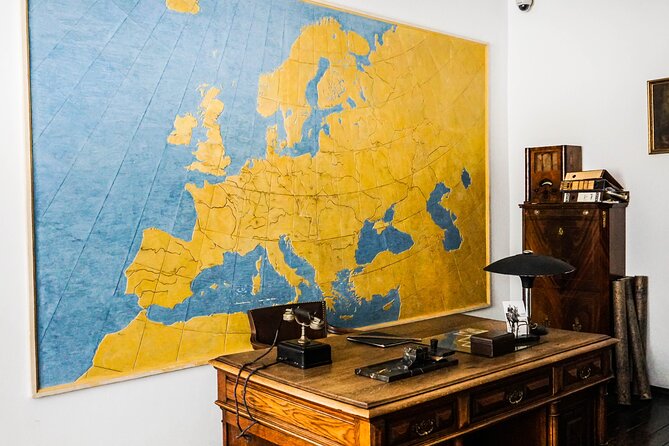
Oskar Schindler is present, but the museum is not built as a shrine to him. The tour places him within the political and business world of Nazi-occupied Krakow.
You learn about his factory, his relationship with Jewish employees, and the way he eventually worked to protect more than 1,000 people. The guide also explains details of his life that differ from the popular film version, which is useful if Schindler’s List shaped your expectations before arriving.
That distinction matters. The movie gives you a powerful personal drama. The museum gives you a larger account of occupation, bureaucracy, persecution, and the fate of Krakow’s Jewish community. The two complement each other, but this visit is not a scene-by-scene film location tour.
The tour may devote only a small portion of its 90 minutes directly to factory life. If you want the Schindler story in its full historical setting, that balance works well. If you want every room connected to Schindler himself, you may leave wishing for more.
A few more in Krakow
- From Krakow: Auschwitz-Birkenau Guided Tour & Hotel Pickup
★ 4.5 · 33,358 reviews - From Krakow: Auschwitz-Birkenau Guided Tour & Hotel Pickup
★ 4.5 · 29,340 reviews - Krakow: Auschwitz Guided Tour with Optional Hotel Pickup
★ 4.5 · 15,280 reviews - Krakow–Zakopane: Cable Car, Chocholow Baths, Cheese & Vodka
★ 5.0 · 10,720 reviews
The exhibits and the walk through the museum
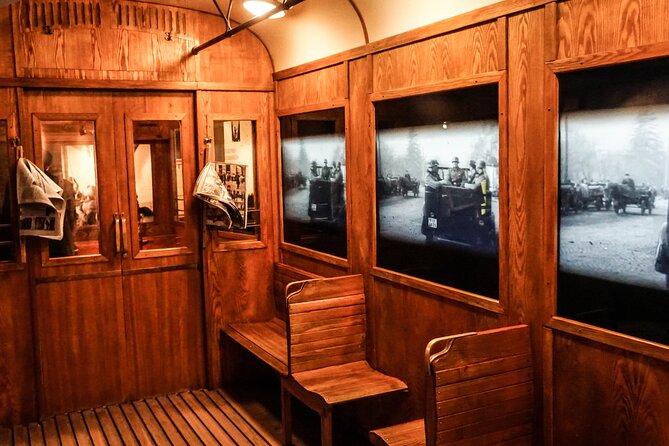
The exhibitions are designed to guide you through the period rather than simply display objects in isolated cases. Details about Krakow, Polish life, Jewish life, German rule, and the factory appear along the route.
You may notice changing floor surfaces and patterns as you move through the museum. This is a small detail, but it helps create a sense of transition from one section to another. There is also a film area with comfortable cinema seats, a welcome break in a visit where seating elsewhere can be limited.
The museum rooms are narrow. A group of 21 people was already considered too large by one visitor, especially when the guide needed to show an item to everyone at once. With the maximum set at 25, you should expect occasional crowding and limited room to pause.
This affects how you use your time. You may get a strong explanation of a display but not have enough quiet minutes to read every label. You may also need to wait for other people to move before seeing a small object properly.
I would treat the guided tour as an introduction and interpretation service, not a slow museum study session. If you want to read all the text, you may prefer to return independently if the ticket arrangement permits, though that possibility is not stated as part of this experience.
Why the guide can make or break the visit
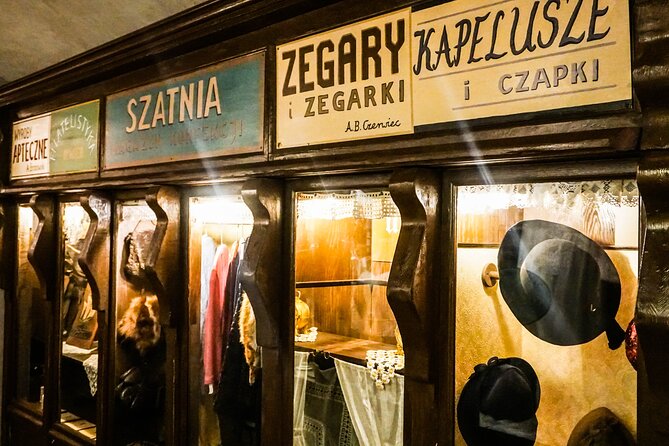
A good guide gives the museum a human voice. The best accounts describe guides as lively, well organized, clear, and dedicated. They explain Krakow’s wartime changes, connect the exhibits, and leave space for careful viewing.
That matters because the museum covers a lot in 90 minutes. Dates, policies, locations, and personal stories can blur together when you read them without context. A guide can point out what deserves your attention and explain how Schindler’s business decisions became a means of rescue.
The experience is not consistent for every group. One guide spoke extremely quickly and hurried the group through the rooms. Another was well informed but not fully confident speaking English. Those problems are especially noticeable in a museum where you are already trying to read signs and study objects.
Headsets are supplied in the guided format and can help you hear in a group. Still, audio equipment has been reported as unreliable, with several people experiencing problems during the visit. If your headset fails, tell the guide at once rather than trying to follow silently from the back.
Your best strategy is to stay near the guide, check that the headset works at the beginning, and politely ask for a slower explanation if needed. The tour is conducted in English, but individual speaking speed and clarity can vary.
Crowds, pacing, and the 90-minute limit
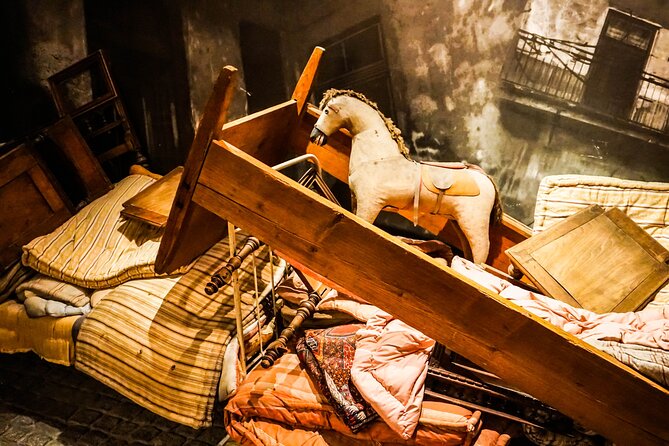
The advertised duration is about one hour and 30 minutes, and one group finished at exactly 90 minutes. That is long enough for a meaningful overview, but short for a museum with this much material.
The schedule has two competing effects. A guide keeps the visit moving, which is helpful if you have limited time in Krakow. The same structure can prevent you from standing back to read, think, or revisit a display.
The building’s narrow design makes group size more important than the number alone suggests. Twenty-five people might work comfortably in a large gallery. Here, it can mean blocked views, close quarters, and a guide who cannot gather everyone around a single object.
If you have flexibility, a weekday visit may help reduce crowd pressure. That is not a guarantee, but it is a sensible choice based on the museum’s limited space and the reports of long queues.
The skip-the-line feature is valuable when the entrance is busy. It gets you past the public queue, but it does not create extra room inside. You trade waiting outside for moving with a scheduled group.
Is $45.87 a fair price?
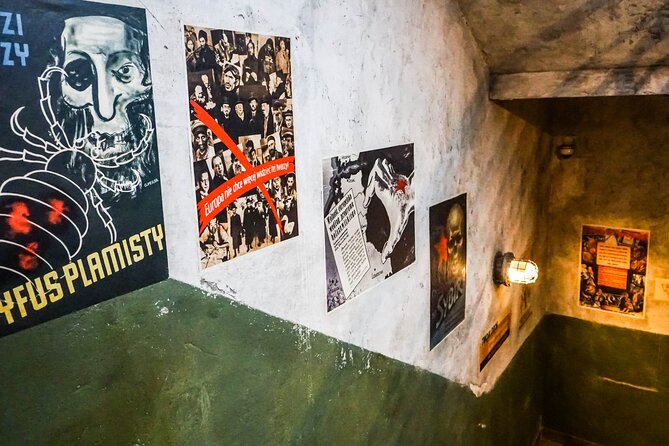
At $45.87 per person, this is a premium way to visit the museum. The fee includes the admission ticket and a professional guide in your selected language. It does not include transportation.
The price makes the most sense for you if you want the historical explanation delivered in person, have limited time, or feel uncertain about navigating a serious museum on your own. The guide can connect the displays into one story and explain the parts of Schindler’s life that popular culture often simplifies.
The value is weaker if you mainly want entry. Standard admission was described in the feedback as about 20 zloty, making the guided option much more expensive. You are paying for the guide, the organized access, and the convenience of a timed visit, not for a different museum.
There is also a tradeoff between information and freedom. You may learn more from a strong guide, but you may have less time to read independently. You may enter faster, but you still share the rooms with a group.
For a history-focused visitor, the premium can be reasonable. For someone who wants to wander slowly or see factory machinery, it is harder to justify.
How to fit it into your Krakow plans
The museum works well as part of a World War II and Jewish heritage day in Krakow. Another museum, the Eagle Pharmacy, is about a five-minute walk away and was described as a useful companion visit. The Gestapo museum can complete a three-stop memory route through the city’s wartime story.
That combination gives you different angles on the same period. Schindler’s Factory provides the broad city and occupation story. The nearby pharmacy adds another local setting, while the Gestapo museum addresses the machinery of repression.
Allow enough emotional and mental space between sites. These are not quick photo stops. The subject matter demands attention, and moving through several wartime museums in one day may become heavy.
If you have only one available visit, Schindler’s Factory is the strongest choice for understanding Krakow during the war. If your interest is specifically Schindler’s factory operation, set your expectations before you go.
Who should book this guided tour?
I would recommend it most strongly to you if:
- You want a clear overview of Krakow during World War II.
- You prefer a guide to explain difficult historical material.
- You have limited time and value skip-the-line entry.
- You are interested in the rescue of Jewish workers but also want the wider Polish and Jewish story.
- You are visiting with older children who can engage with serious history.
- You plan to connect the visit with the Eagle Pharmacy or Gestapo museum.
I would think twice if your priority is a preserved factory, original production equipment, or a tour devoted almost entirely to Schindler. I would also be cautious if you dislike group pacing, crowded galleries, or paying a large premium over standard admission.
The overall rating attached to this experience is 3.9 out of 5 from 32 ratings. That fits the pattern here: the museum and the subject receive strong praise, while the weaker points involve guide speed, headsets, crowding, ticket problems, and expectations about the word factory.
Should you book Schindler’s Factory guided tour?
Book it if you want the story of Krakow under Nazi occupation, with Schindler’s role explained as part of that larger tragedy. The most praised feature is the quality of the historical account when the guide is clear and engaging. The skip-the-line ticket also helps when the queue is long.
Do not book it expecting a full factory tour. You will see a museum in the former factory complex, with exhibitions about the war, persecution, Jewish life, and Schindler’s rescue work. At $45.87, the guided format earns its price only if interpretation and convenience matter to you.
For the best chance of a good visit, check your mobile ticket carefully, arrive at Lipowa 4 on time, test your headset, stay close enough to hear, and consider a weekday slot. I would choose this tour for context and explanation, then visit the Eagle Pharmacy nearby if you want to build a fuller picture of Krakow’s wartime past.
FAQ
Where does the Schindler’s Factory guided tour start and end?
It starts at Lipowa 4, 32-051 Kraków, Poland, and ends back at the same meeting point.
How long does the tour last?
The tour lasts approximately one hour and 30 minutes. One visit finished exactly within that time.
Is admission to the museum included?
Yes. The price includes a skip-the-line entrance ticket to the museum and a professional guide in your chosen language.
Is transportation included?
No. You must arrange your own transportation to the meeting point. The location is near public transportation.
What language is this tour offered in?
The experience is offered in English. Headsets may be provided to help you hear the guide within the group.
How many people can join the tour?
The maximum group size is 25 people. Since some museum rooms are narrow, the space may feel crowded even with that limit.
Can I cancel for a full refund?
Yes. You can cancel at least 24 hours before the experience start time for a full refund. Cancellations or changes made less than 24 hours before the start time are not accepted for a refund.
Just added in Krakow
- Auschwitz-Birkenau – Skip the Line Tickets★ 3.5 · 29 reviews
- Auschwitz-Birkenau: Fast-Track Ticket & Guided Tour No Transfers★ 3.5 · 17 reviews
- Zakopane & Sleigh Ride with Bonfire – Group Tour from Kraków★ 5.0 · 2 reviews
- Sleigh Ride & Bonfire in Zakopane with Funicular – Private Trip★ 5.0 · 48 reviews
- Thermal Baths & Zakopane – Private Trip from Krakow★ 5.0 · 1 review
- Zakopane & Gubalowka Funicular – Private Winter Tour from Krakow★ 5.0 · 10 reviews
- stag dog chase Krakow prank★ 5.0 · 4 reviews
- Divine Mercy Sanctuary – Private Tour from Krakow★ 5.0 · 4 reviews