
REVIEW · NOWA HUTA TOURS
Nowa Huta: Steelworks Administration Buildings/Shelters Tour
Cold War Krakow is hiding in plain sight. This 90-minute Nowa Huta tour takes you beyond the usual Old Town circuit and into former steelworks administration buildings, underground shelters, radio rooms, executive offices, and a workers’ theater. I especially like the access to interiors that are not generally open to the public, plus the guide’s local stories and humor. The main drawback is that the tour is not suitable for wheelchair users or people with mobility impairments, and the pace may feel brisk if you want to study every room.
The tour costs $24 per person, which is fair for a small-scale historical experience with an English-speaking guide. I also like the optional vintage-car element, especially if you enjoy old vehicles and want a memorable photo before or after the walk. Just remember that this tour visits the administration side of the complex, not the operating part of the steelworks.
In This Review
- Key points at a glance
- Why Nowa Huta belongs on your Krakow plan
- Meeting the guide at the Kombinat gate
- Two steelworks buildings with a story to compare
- Down into the bomb shelter and command center
- Offices, workers’ theater, and the human side of the plant
- The vintage car option
- What the $24 price really buys you
- Who will enjoy this tour most
- Practical advice before you go
- Should you book the Nowa Huta steelworks tour?
- FAQ
- How long does the Nowa Huta steelworks tour last?
- What language is the tour conducted in?
- Where does the tour begin and end?
- Does the tour include the operating part of the steelworks?
- Is the tour suitable for wheelchair users?
- Can I cancel the tour or pay later?
Key points at a glance
- Walk through two near-twin steelworks buildings: Compare their layouts and learn why their similarities matter.
- Enter a Cold War bomb shelter: The underground route includes a connecting tunnel, communication rooms, and a command center.
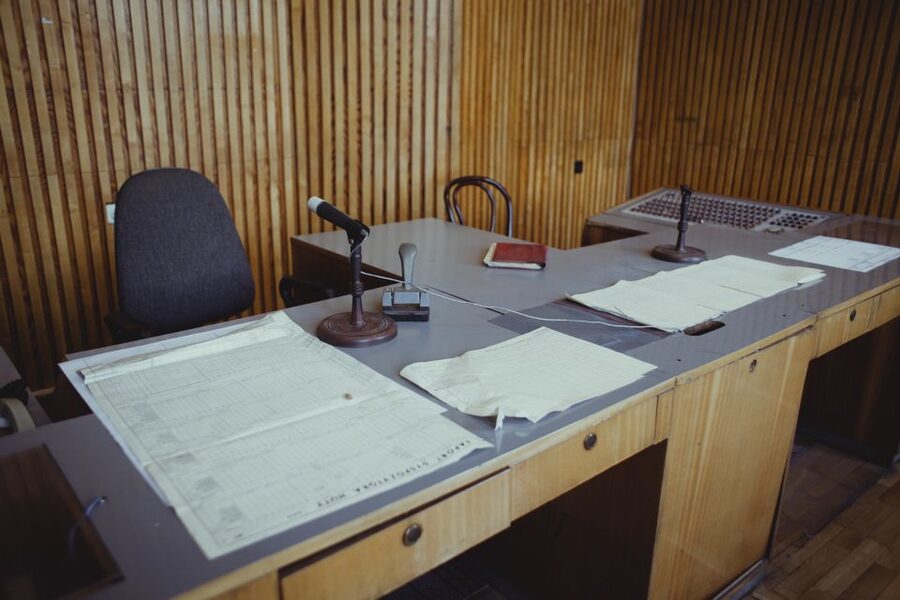
- See offices left in place: Executive rooms, engineers’ offices, radio facilities, and decorative stone interiors give the tour its time-capsule feel.
- Hear local stories from an engaging guide: Mateusz, also called Matthias by some English-speaking visitors, has been praised for humor, clear explanations, and personal connections to Nowa Huta.
- Add a vintage-car option: The communist-era car makes a striking backdrop for photographs and can add character to the outing.
- Reach it by public transport: Meet at the steel mill entrance near the Kombinat stop, then finish at the same place.
Why Nowa Huta belongs on your Krakow plan
Krakow often means medieval streets, church towers, and handsome squares. Nowa Huta offers a sharp change of scene. It was planned in the 1950s as an ideal socialist city under strong Soviet influence, built around a huge steelworks and designed to serve the workers who came to live there.
That history gives the district a different mood from central Krakow. The architecture is not simply old or pretty. It reflects authority, industrial ambition, Cold War fears, and the visual language of communist Poland. The steelworks administration buildings make those ideas tangible because you are not just hearing about the period in a museum. You are walking through rooms where directors, engineers, radio operators, and staff once worked.
I like this tour for that reason. It adds political and industrial history to a city trip that can otherwise lean heavily toward royal Poland and the Middle Ages. If you have an interest in 20th-century Europe, the Cold War, architecture, or changing urban life, Nowa Huta gives you a useful second view of Krakow.
More Nowa Huta tours:
- Krakow: Nowa Huta Guided Tour in Vintage Car
★ 4.9 · 277 reviews - Legendary Private Nowa Huta Communism Tour with Crazy Guides
★ 5.0 · 262 reviews - Krakow: Private Nowa Huta Adventure Tour in Communist Cars
★ 4.9 · 114 reviews
Meeting the guide at the Kombinat gate
The starting point is the main gate of the steel mill. Look for the building on the left with the information point, and meet your English-speaking guide at the entrance. From Krakow’s center, you can reach the area by tram or bus and get off at the Kombinat stop.
Allow enough time to find the right entrance. The meeting point is not in central Krakow, and the complex is large enough that rushing in at the last minute could be stressful. It is worth checking the route before leaving your hotel, especially if you have booked an early start.
The tour ends back at the same meeting point. That makes the outing easier to plan with public transport, and you do not need to arrange a separate pickup from another part of Nowa Huta.
The tour lasts about 1.5 hours. That is a good length for a focused historical visit. You get enough time to move through the buildings and shelter without giving up half a day of sightseeing. Some people may find the pace quick in places, especially if they want to photograph every doorway or ask many questions, but the guide allows time for photos and discussion.
Two steelworks buildings with a story to compare
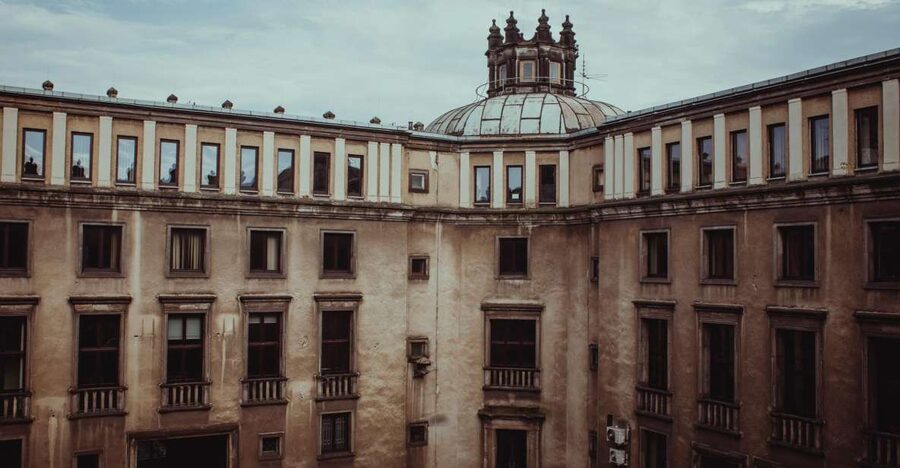
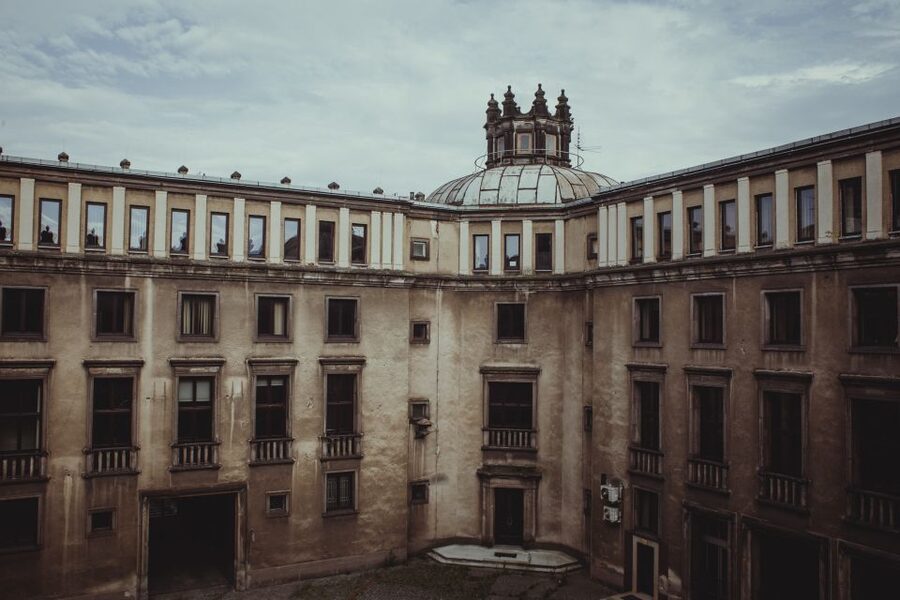
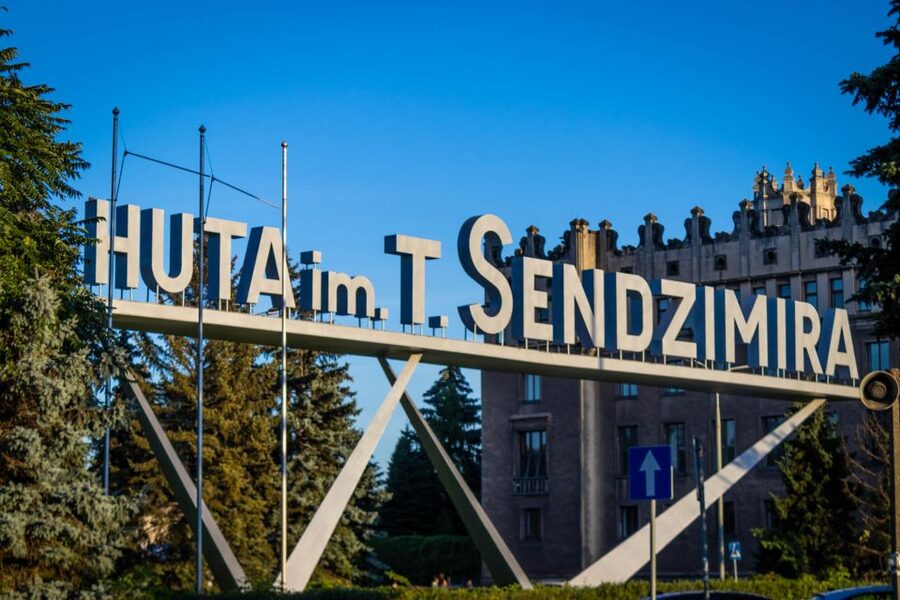
The first major part of the tour takes you inside two almost twin administration buildings. Their similar forms invite comparison, and your guide points out the differences between them as you move through the complex.
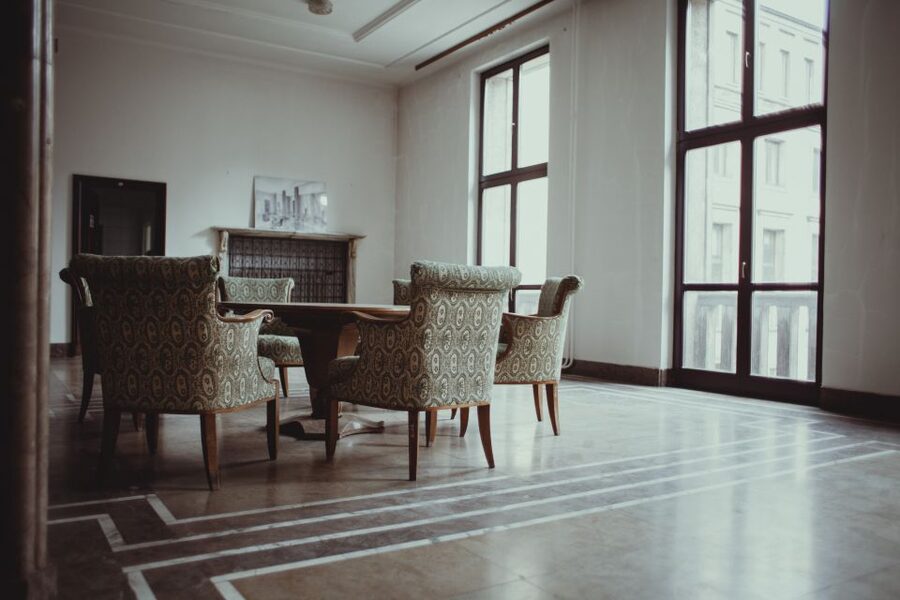
This is more interesting than a simple corridor walk. The buildings reveal how the steelworks was organized and how rank shaped the workplace. You can see the contrast between the grander spaces used by directors and the more practical corner offices associated with engineers and staff.
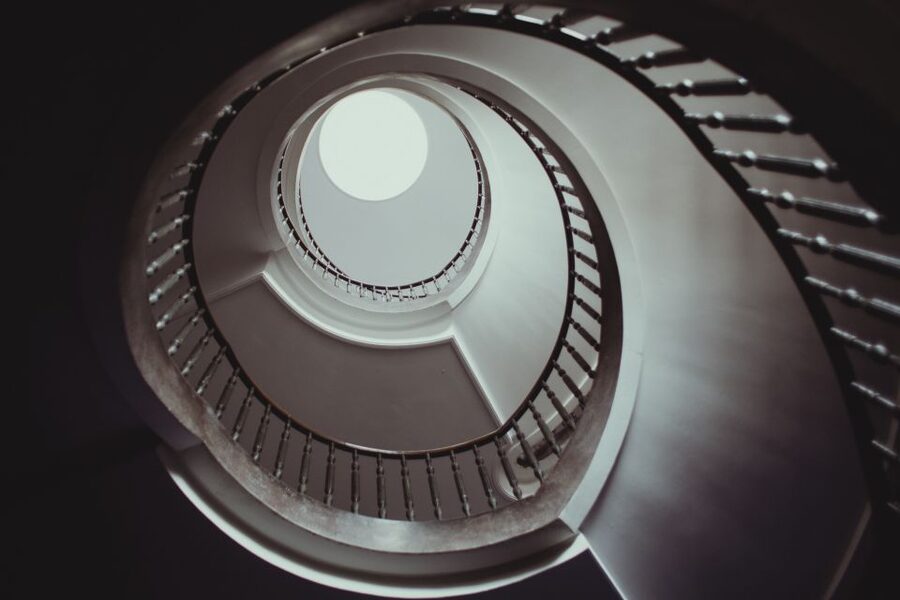
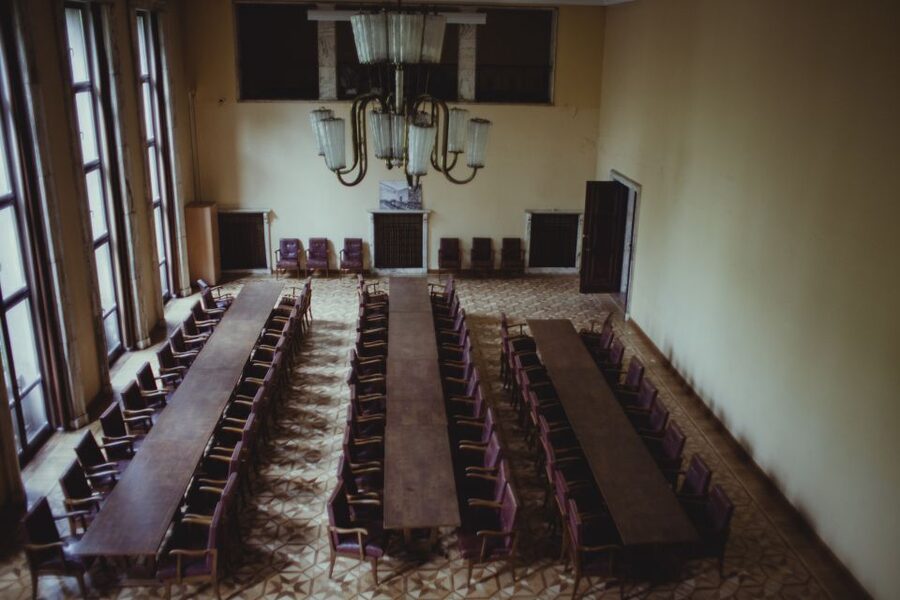
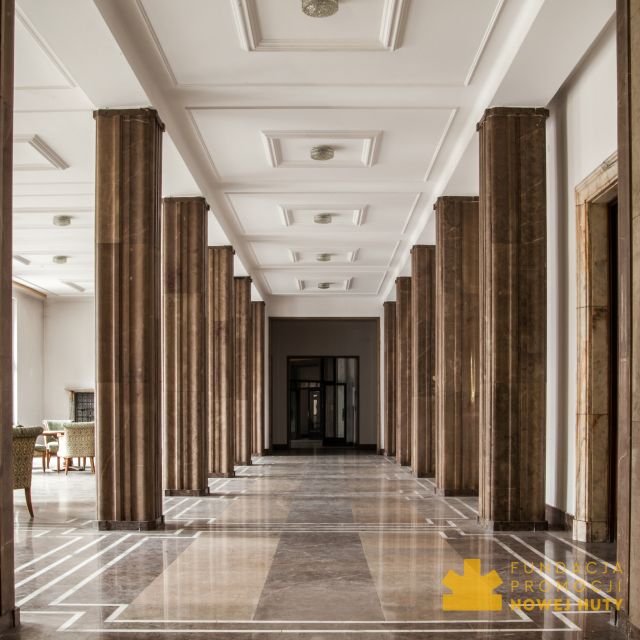
The entrance hall is one of the most memorable interiors. Its broad staircase recalls Renaissance design, an unexpected flourish inside a communist-era industrial office complex. Ornamental stone was used generously in rooms connected with the plant’s directors, showing how much attention was given to status and appearance.
That detail adds a useful wrinkle to the usual image of communist architecture as plain and purely functional. The buildings were meant to project power and seriousness. They also had to impress the people who worked there and the officials who visited.
You will see executive offices, engineers’ corner rooms, and one of the eight oval corner staircases found across the two buildings. These features are valuable because they remain tied to their original purpose. A display case in a modern museum can explain an office, but standing inside the office lets you notice its scale, materials, and arrangement for yourself.
Some interiors are partly abandoned, so do not expect a polished historic house or a fully restored museum. That is part of the appeal, but it also means conditions may feel rough around the edges. If you prefer carefully labeled exhibits and pristine rooms, this experience may seem less tidy. If you enjoy places that retain signs of their working life, the unfinished quality adds atmosphere.
Down into the bomb shelter and command center
The tour then moves below ground through a tunnel connecting the two buildings. This is where the Cold War atmosphere becomes most direct.
The shelter shows how the steelworks prepared for the dangers of the second half of the 1950s. You can see how underground protection was arranged and visit the command and communication areas associated with the site.
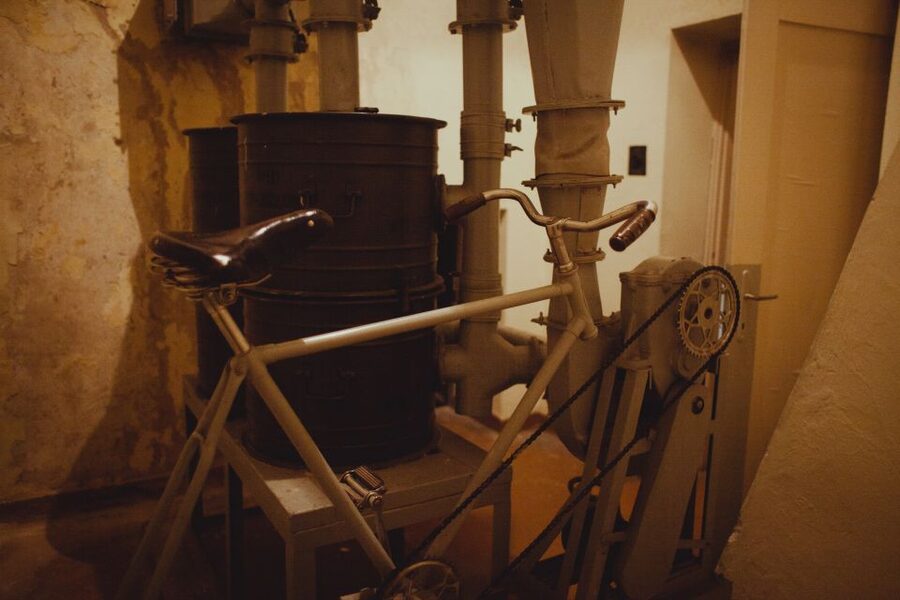
The radio control room and radio station are especially strong parts of the tour. You can hear authentic recordings made there, which gives the underground rooms a human and practical dimension. Instead of treating the shelter as a dark curiosity, the guide explains how communication worked and why the facility mattered.
The underground command center also helps you understand the scale of Cold War planning. The threat was not an abstract topic in a history book. Industrial sites were important, and the people running them had to think about continuity, orders, communication, and protection.
Expect a more confined setting below ground, with tunnels and staircases forming part of the route. The experience is specifically listed as unsuitable for people with mobility impairments and wheelchair users. If you have concerns about stairs, uneven surfaces, or confined areas, check before booking.
The shelter is not a sensational attraction. Its strength is the plain evidence of how daily work and military planning overlapped. You are looking at a practical facility built for a frightening possibility, then hearing the old radio material in the rooms where those systems were operated.
A few more in Krakow
- From Krakow: Auschwitz-Birkenau Guided Tour & Hotel Pickup
★ 4.5 · 33,358 reviews - From Krakow: Auschwitz-Birkenau Guided Tour & Hotel Pickup
★ 4.5 · 29,340 reviews - Krakow: Auschwitz Guided Tour with Optional Hotel Pickup
★ 4.5 · 15,280 reviews - Krakow–Zakopane: Cable Car, Chocholow Baths, Cheese & Vodka
★ 5.0 · 10,720 reviews
Offices, workers’ theater, and the human side of the plant
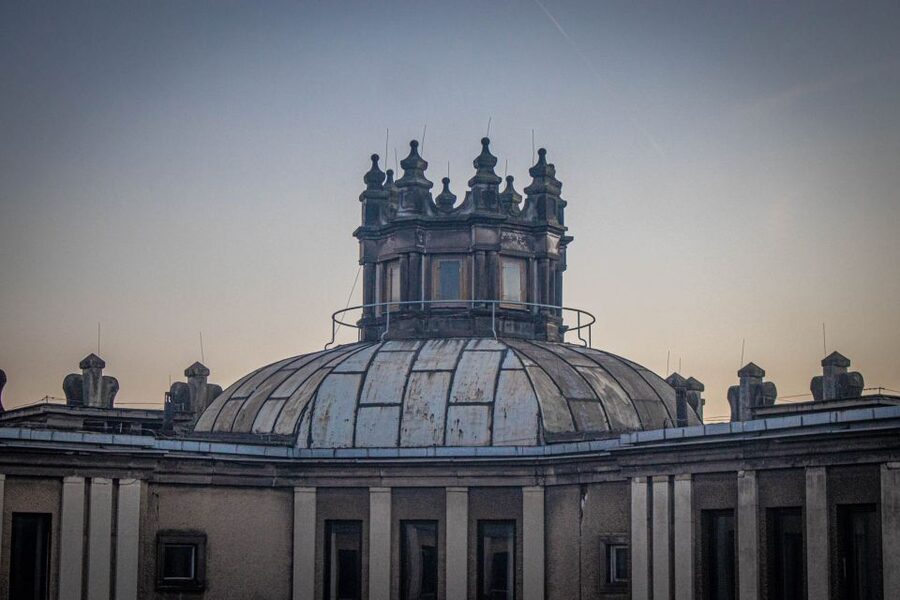
The tour is not only about senior officials. You also visit the workers’ building and its theater hall, which is still used today.
That contrast matters. The administration rooms show hierarchy and authority, while the theater points to the social life built around the steelworks. A large industrial plant was not just a place where people clocked in. It shaped the district’s institutions, culture, and sense of identity.
The theater hall also gives the tour a more practical connection to the present. While some rooms feel frozen in the past, this space continues to have a use. It reminds you that Nowa Huta is not merely a historical set piece. The district and its buildings have changed, but parts of the old system still fit into modern life.
The guide is important here. Mateusz, sometimes introduced as Matthias, has received strong praise for his English, humor, and ability to connect large political events with ordinary family stories. One memorable quality of his tours is the use of anecdotes about his grandmother and her experience during the communist era.
That personal angle helps keep the tour from becoming a string of dates and official slogans. You get the structure of the steelworks, but also a sense of how the period affected people who lived and worked in Nowa Huta. Other guides may lead the experience, yet the repeated praise for the team’s energy and local connection suggests that the human storytelling is a central part of the outing.
The vintage car option
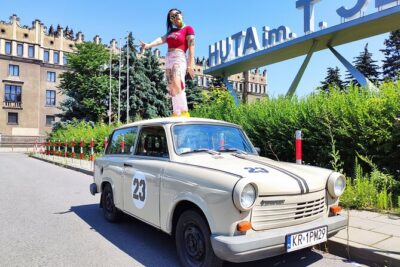
You can add a vintage-car version of the tour. The communist-era car is presented for photographs, and the upgraded option includes a tour in the vehicle.
This is not essential if your main goal is architecture or Cold War history. The buildings and shelter provide the substance of the experience. Still, the car adds a visual link to the period and can make the meeting or departure feel more distinctive.
I would choose the car option if you enjoy old vehicles, want unusual photographs, or are looking for a more playful way to explore communist-era Krakow. If you are watching your budget closely, the standard walking tour should still provide the main historical value.
The car is also a good fit for people who want to combine serious history with a lighter touch. Nowa Huta can be a weighty subject, and a period vehicle gives the outing a little color without changing its focus.
What the $24 price really buys you
At $24, this is not a general sightseeing bus tour. You are paying for access to a restricted and partly abandoned section of a working industrial complex, a guide in English, and a route through spaces that are difficult to understand without explanation.
The value comes from the combination of place and interpretation. An empty office can be interesting for five minutes. An empty office connected to the steelworks, the socialist city, Cold War planning, and local family life becomes much more meaningful.
The price also compares well with the tour’s length. At 90 minutes, it fits neatly into a day that includes other Nowa Huta sights or a return to central Krakow. You are not committing an entire day to a single subject, yet you get a focused look at an unusual part of the city.
The operating part of the steelworks is not included. That limitation is important. This is not a factory-floor tour, and you should not expect to watch current steel production. The visit concentrates on the administration buildings and shelter, which are the places where the period’s offices, planning, and civil defense systems remain visible.
Who will enjoy this tour most
I would recommend this experience to you if you enjoy:
- Cold War history and communist-era Poland
- Industrial architecture and old workplaces
- Abandoned or partly preserved interiors
- Local stories that connect politics with everyday life
- Unusual Krakow experiences beyond the Old Town
- Guided visits with time for questions and photographs
It is particularly good for people who have already seen Krakow’s central monuments and want a different side of the city. It also suits anyone curious about how a planned socialist district functioned around a major steelworks.
Families with older children may find the shelter and radio rooms engaging, though the material is more historical than entertainment-focused. Architecture fans will appreciate the entrance hall, ornamental stone, oval staircases, and office layouts. Photographers should enjoy the textures and period details, but the guide may need to keep the group moving.
You should think twice if you dislike industrial settings, underground spaces, or buildings that are not fully restored. The tour is also not suitable for wheelchair users or people with mobility impairments. A small dog was allowed to join at least one tour, but pet access is not stated as a general policy, so ask before booking if that matters to you.
Practical advice before you go
Book at least one day ahead. The experience has set starting times, and checking availability before you plan your day is sensible.
Wear shoes you can walk in comfortably. The route includes two buildings, a connecting underground tunnel, shelters, and staircases. The provided information does not describe the exact surface conditions, so practical footwear is the safest choice.
Bring a few questions. The guides are praised for making time for discussion, and this is the sort of place that becomes more rewarding when you ask how a room was used or how the steelworks shaped local life.
If you are interested in seeing more of Nowa Huta, ask about expanding the experience into a private tour of the wider district with a local guide. The administration buildings make more sense when placed beside the planned city that grew around them.
The tour offers free cancellation up to 24 hours before departure, with a full refund, and you can reserve now and pay later. Those terms are useful if your Krakow schedule is still shifting.
Should you book the Nowa Huta steelworks tour?
Book it if you want a focused, atmospheric look at Cold War Poland that feels different from standard Krakow sightseeing. The strongest parts are the preserved offices, the underground shelter, the radio recordings, and the guides’ ability to explain the site with humor and local detail.
I would not book it expecting access to active steel production or a polished museum. Instead, expect a partly abandoned historic workplace, a brisk 90-minute route, and a direct encounter with the ideas and fears that shaped Nowa Huta.
For $24, it offers good value, especially if you have an interest in 20th-century history. Add the vintage car if that detail appeals to you, but the standard tour contains the essential experience. If your Krakow plans include only the Old Town, this is a worthwhile change of direction.
FAQ
How long does the Nowa Huta steelworks tour last?
The tour lasts 1.5 hours, or about 90 minutes. Starting times vary, so check availability when booking.
What language is the tour conducted in?
The tour is conducted in English with a live English-speaking guide.
Where does the tour begin and end?
Meet the guide at the main gate entrance of the steel mill, at the building on the left with the information point. The tour ends back at the same meeting point. The nearest listed public transport stop is Kombinat.
Does the tour include the operating part of the steelworks?
No. Entry to the operating part of the steelworks is not included. The visit focuses on the administration buildings and underground shelter.
Is the tour suitable for wheelchair users?
No. The activity is listed as unsuitable for wheelchair users and people with mobility impairments.
Can I cancel the tour or pay later?
You can cancel up to 24 hours in advance for a full refund. A reserve-now-and-pay-later option is also available.
Just added in Krakow
- Auschwitz-Birkenau – Skip the Line Tickets★ 3.5 · 29 reviews
- Auschwitz-Birkenau: Fast-Track Ticket & Guided Tour No Transfers★ 3.5 · 17 reviews
- Zakopane & Sleigh Ride with Bonfire – Group Tour from Kraków★ 5.0 · 2 reviews
- Thermal Baths & Zakopane – Private Trip from Krakow★ 5.0 · 1 review
- Zakopane & Gubalowka Funicular – Private Winter Tour from Krakow★ 5.0 · 10 reviews
- Sleigh Ride & Bonfire in Zakopane with Funicular – Private Trip★ 5.0 · 48 reviews
- Divine Mercy Sanctuary – Private Tour from Krakow★ 5.0 · 4 reviews
- stag dog chase Krakow prank★ 5.0 · 4 reviews
Nowa Huta Tours, compared.
Legendary Private Nowa Huta Communism Tour with Crazy Guides
Read our review →
Private Nowa Huta Adventure Tour in Communist Cars
Read our review →
Communist Krakow – Nowa Huta Walking Tour in English
Read our review →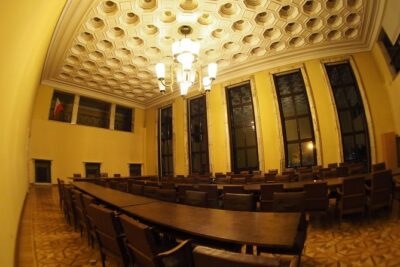
Nowa Huta Steel Mill Administration Buildings and Shelters with local NGO
Read our review →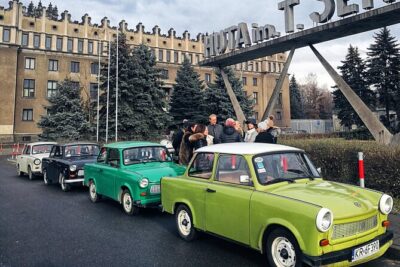
1.5h Crazy Guides’ Communism Tour of Nowa Huta in Classic Car
Read our review →
Nowa Huta Tour from Krakow: Communist City, Vodka & Zapiekanka
Read our review →Browse the lists this tour appears in