
REVIEW · NOWA HUTA TOURS
Nowa Huta Steel Mill Administration Buildings and Shelters with local NGO
Communist history has a concrete address. This Nowa Huta tour takes you inside the former Lenin Steelworks administration buildings, where grand Socialist Realist rooms, preserved offices, a workers’ theater, and an underground Cold War shelter make Poland’s past feel close at hand. I like the access to places that are usually closed to casual visitors, and I like the local focus provided by guides such as Mateusz, who has family ties to the steelworks. The main drawback is that the buildings are aging and the experience can feel long if abandoned interiors and industrial history are not your thing.
You spend about 90 minutes to two hours on foot, in a group limited to 15 people, with the same meeting and ending point at Ujastek 1. I also like the use of historic recordings from the steelworks’ radio station, which adds an authentic voice to the story. Just keep in mind that some displays have been gathered into an exhibition, so not every object necessarily remains in its original room.
In This Review
- Key points to know before booking
- Why Nowa Huta matters beyond central Krakow
- Meeting the former Lenin Steelworks at Ujastek 1
- Inside the S and Z administration buildings
- Socialist Realist design you can actually walk through
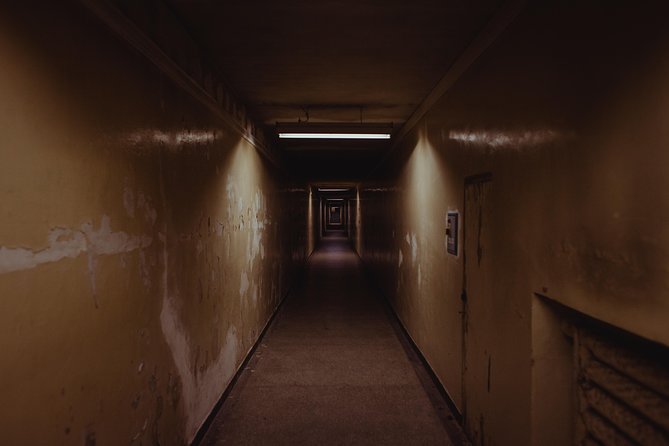
- The shelter and tunnels beneath the offices
- The workers’ theater and the sound of the factory
- What the guide adds to the experience
- Is $27.63 a fair price?
- Who should book this Nowa Huta visit?
- Practical details that can shape your visit
- My call: book it for the history, not the polish
- FAQ
- Where does the Nowa Huta steelworks tour begin?
- Where does the tour end?
- How long does the experience last?
- What language is the tour offered in?
- What is the price?
- How large is the group?
- Is hotel pickup included?
- What buildings do you visit?
- Are children allowed?
- Can I cancel for a full refund?
Key points to know before booking
- Enter two former steelworks administration buildings: The S and Z buildings preserve offices, meeting rooms, corridors, and architectural details linked to the Sendzimir steelworks.
- Go underground into a Cold War shelter: Tunnels and bunker spaces provide the most striking part of the visit, especially for anyone interested in civil defense.
- See Socialist Realism at full scale: Grand design, formal interiors, and planned symbolism show how architecture served the communist state.
- Hear the steelworks through old radio recordings: Historic tapes help turn an empty industrial complex into a place with voices and daily routines.
- Expect a small, English-language group: A maximum of 15 people makes it easier to ask questions and follow the guide through the buildings.
- Plan for a moderate physical effort: You will walk through aging buildings and underground areas, so sensible shoes matter.
Why Nowa Huta matters beyond central Krakow
Nowa Huta was built as a planned industrial district beside Krakow. Its steelworks became a major symbol of postwar communist Poland, and the administrative buildings were designed to project order, power, and state control. This is not the polished, postcard side of Krakow. It is a working-class and industrial chapter of the city, told through concrete, brick, offices, shelters, and institutional rooms.
The former Lenin Steelworks later became associated with the Sendzimir steelworks. That change in name reflects a wider shift in Poland, from a factory owned and directed by the communist state to an industrial site shaped by the political and economic changes that followed.
I find this setting useful because it makes communism easier to understand as a system of daily work, management, architecture, and public messaging. You are not simply hearing dates in a museum. You are moving through the buildings where decisions were made, workers were managed, and the factory presented its own image.
The experience also avoids reducing Nowa Huta to a simple story of bad design or gloomy politics. One useful point raised during the visit is that differences between management spaces and workers’ spaces should not automatically be blamed on communism alone. Similar gaps existed in industrial plants elsewhere, including in the capitalist West. That kind of comparison makes the history fairer and more useful.
More Nowa Huta tours:
- Krakow: Nowa Huta Guided Tour in Vintage Car
★ 4.9 · 277 reviews - Legendary Private Nowa Huta Communism Tour with Crazy Guides
★ 5.0 · 262 reviews - Nowa Huta: Steelworks Administration Buildings/Shelters Tour
★ 4.9 · 160 reviews
Meeting the former Lenin Steelworks at Ujastek 1
The tour begins and ends at Ujastek 1, 31-752 Krakow. The meeting point is on the opposite side of the street from the site, so pay attention to the exact directions before setting out. The location is near public transportation, but hotel pickup and return are not included.
That arrangement suits the tour. You arrive at an active part of Nowa Huta rather than being collected in the old town and whisked away without context. It also means you need to allow time for your own journey across Krakow. The area is not the same as the central historic district, so build the meeting point into your day instead of treating this as a quick walk from the Main Market Square.
The tour is offered in English. Confirmation comes when you book, and the group can include no more than 15 people. That is a good size for an old administrative building. A larger crowd would make narrow passages, office rooms, and the shelter less comfortable, while a small group gives you a better chance to ask about specific details.
Children must be accompanied by an adult. The stated fitness level is moderate, which is a sensible warning. You should expect walking, stairs or uneven movement through older interiors, and time underground. The exact route can vary with the buildings and access conditions, so wear shoes that you can trust on hard floors.
Inside the S and Z administration buildings
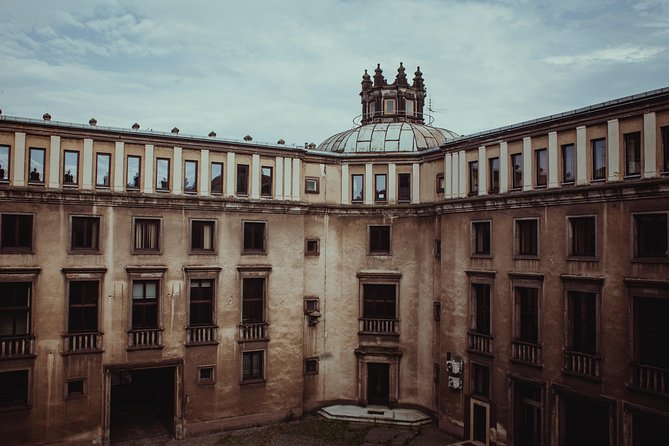
The heart of the visit is the pair of former administration buildings, usually identified as the S and Z buildings. These were not anonymous factory sheds. Their role demanded a formal face, and the architecture reflects that purpose.
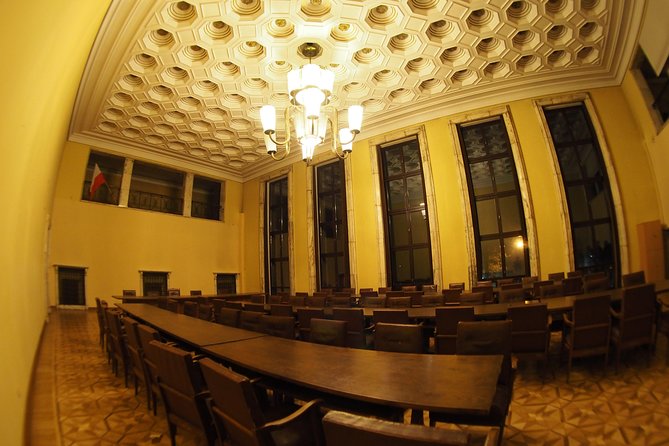
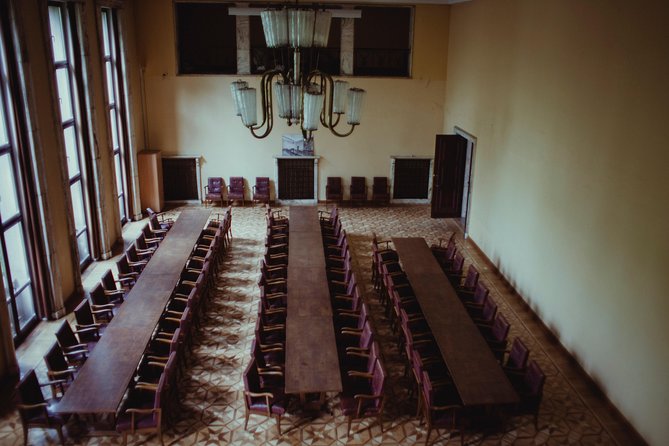
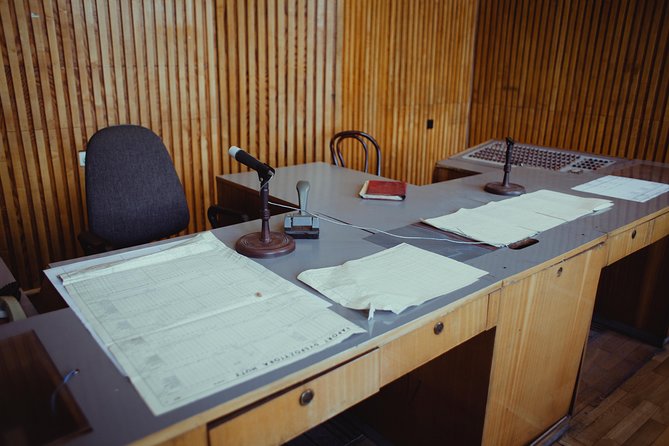
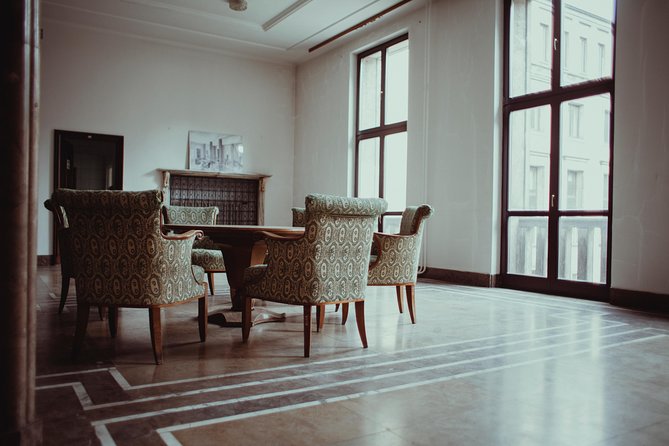
You can expect to move through offices, meeting rooms, corridors, and rooms containing older furniture or industrial-era objects. The style is associated with Socialist Realism, which favored monumental scale, order, symmetry, and visual messages about the importance of the state and the worker. Even when rooms are empty, the proportions do much of the talking.
What I like here is the sense of a place left between eras. One building has reportedly been unused for more than a decade, and age is beginning to show. Peeling surfaces and worn rooms are not flaws to be hidden. They are part of the evidence. The building no longer performs its official role, so you can look at it as both architecture and an archaeological record of changing political systems.
At the same time, do not expect every object to be untouched in its original position. The local foundation has assembled some materials into an exhibition, and objects may come from different periods, from the 1950s through the 2000s. That is important to know if you are hoping for a perfectly frozen time capsule. The building itself provides the atmosphere, while some displays have been arranged to explain the wider story.
The former offices have also been used as settings for films. That makes sense once you see the formal rooms and dated interiors. The rooms carry a visual quality that would be hard to reproduce convincingly on a modern film set.
Socialist Realist design you can actually walk through
A book can explain Socialist Realism, but these buildings let you see how the style worked at human scale. The point was not only decoration. Architecture communicated hierarchy and purpose.
A large entrance, a formal meeting room, or a carefully planned corridor could make the institution feel permanent and powerful. The style also helped turn an industrial site into a symbol of national progress. The steelworks was presented as part of a grand state project, not simply as a place where people earned wages.
Your guide explains why the interior design looks the way it does and how the buildings fit into life in Nowa Huta across several decades. This is where a strong guide matters most. The rooms alone can be striking, but the political meaning comes from connecting materials, layout, management, and everyday experience.
Mateusz is especially associated with this tour. He has been praised for his clear explanations, energy, and personal connection to the plant through his family. If he is your guide, ask him about the factory’s changing role and his family link. Even if another guide leads the tour, the local approach is one of the experience’s main strengths.
The best guides also keep the story from becoming a lecture about communism in the abstract. They bring it back to people, workplaces, and the way the district changed over time. You should hear about how life varied across different decades in Nowa Huta, rather than receiving one flat picture of the entire communist period.
A few more in Krakow
- From Krakow: Auschwitz-Birkenau Guided Tour & Hotel Pickup
★ 4.5 · 33,358 reviews - From Krakow: Auschwitz-Birkenau Guided Tour & Hotel Pickup
★ 4.5 · 29,340 reviews - Krakow: Auschwitz Guided Tour with Optional Hotel Pickup
★ 4.5 · 15,280 reviews - Krakow–Zakopane: Cable Car, Chocholow Baths, Cheese & Vodka
★ 5.0 · 10,720 reviews
The shelter and tunnels beneath the offices
The underground Cold War shelter is the most unusual section of the tour. You leave the grand public rooms and enter the defensive side of the complex, where fear of war shaped practical planning.
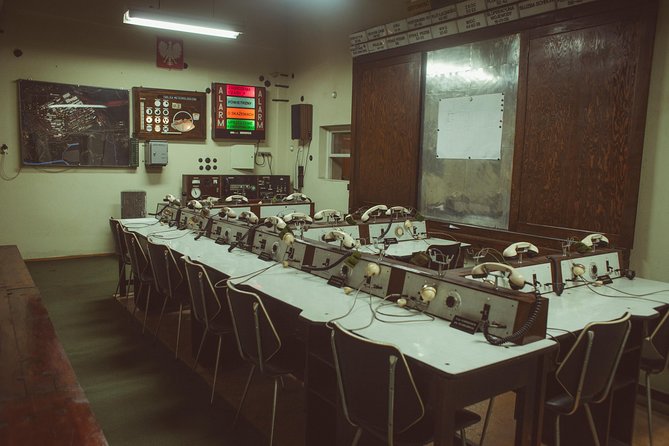
The shelter and tunnels show how civil defense was woven into major institutions. In the event of conflict, an important industrial site could not simply depend on its offices and production halls. It needed protected spaces, routes, and plans for survival.
I would give this part your full attention. Underground rooms can feel more immediate than display cases because the purpose is so clear. The bunker is not just a historical prop. It reveals what the authorities feared and how they expected the industrial system to function during a crisis.
The shelter also changes the pace of the visit. Above ground, you are looking at design and administration. Below ground, you are thinking about war, secrecy, and the possibility that normal life could end quickly. The tunnels are fascinating, but they also explain the moderate fitness note. If you dislike confined or rough spaces, this section may be less comfortable.
The workers’ theater and the sound of the factory
The tour includes a workers’ theater, another reminder that the steelworks was more than a production line. Large industrial communities needed social and cultural institutions, and the theater helped shape the life of the workforce.
This detail matters because it complicates the usual picture of a factory town. The steelworks affected leisure, identity, public culture, and the way the state presented community life. A workers’ theater could be a place for genuine enjoyment, official programming, or both.
Historic recordings from the steelworks radio station add another layer. Hearing old broadcasts gives the site a human voice. Instead of relying only on the guide’s narration, you get a sense of how the factory communicated with its workforce and how institutional language sounded at the time.
The recordings are a particularly good fit for a building that can otherwise feel silent. Empty offices show the physical remains, while the audio helps you imagine the place operating. I would not expect a full historical broadcast archive, but the tapes are a distinctive feature and one reason this visit feels different from a standard architecture walk.
What the guide adds to the experience
This is a guide-led experience, and the quality of the explanation is central to its value. The route is not difficult to understand physically, but the meaning of the rooms depends on context.
A good guide will explain the architectural choices, the organization of the steelworks, and the way Nowa Huta changed over time. The strongest guides appear to be passionate without pressing a political script too hard. That balance matters in a place where history can quickly become a simple argument about communism.
Mateusz has received particular praise for detailed explanations and for his personal connection to the plant. One unusual kindness associated with him is giving a visitor a lift in his Lada. You should not treat that as a promised part of the tour, but it gives you a sense of the personal, informal approach that can make this experience memorable.
The tour is also a good place to ask questions. With no more than 15 people, you are not lost in a crowd. Ask about the S and Z buildings, the Sendzimir name, the shelter, or what happened to the site after the communist period. A question can turn a short explanation into the part you remember most.
Is $27.63 a fair price?
At $27.63 per person, this is not the cheapest way to spend two hours in Krakow. It is also not a typical sightseeing walk. The price pays for access to unusual interiors, a local guide, historical interpretation, and a small group rather than a mass-market route.
I consider it good value if you care about modern European history, architecture, abandoned buildings, industrial sites, or Cold War planning. The combination is hard to reproduce on your own, especially when the buildings are not presented as an ordinary public museum.
The value is less clear if you want polished galleries, restored rooms, or a short introduction to Krakow. Some areas are worn, and the tour can take close to two hours. Objects from different periods may be grouped for display, so you are paying for guided interpretation and atmosphere, not a perfectly preserved original arrangement.
Group discounts may be available, which can improve the price for families or larger parties. Souvenir photos are not included, though they can be purchased. Hotel pickup and drop-off are also excluded, so count local transportation and your time getting to Ujastek 1 when setting your budget.
The experience is booked, on average, about 19 days ahead. That is not a rule, but it is a useful sign that you should reserve ahead during a busy Krakow visit, especially if you want a particular date or a smaller group.
Who should book this Nowa Huta visit?
I would recommend it first to anyone with an interest in Poland’s communist period. You will get the most from the tour if you want to understand how political ideas appeared in real buildings and institutions.
It also suits people who enjoy:
- Abandoned or partly abandoned buildings
- Industrial and labor history
- Cold War shelters and civil defense
- Socialist Realist architecture
- Film locations and preserved interiors
- Local guides with a personal connection to the subject
Families with older children may find the bunker and tunnels engaging, but children must stay with an adult. The moderate fitness requirement makes this a better choice for people comfortable walking through older buildings and underground spaces.
I would hesitate to recommend it to someone who wants Krakow’s prettiest streets, restored interiors, or a relaxed café-centered afternoon. This is a serious history visit with rough edges. The rough edges are part of its appeal, but they will not suit everyone.
Practical details that can shape your visit
You meet at Ujastek 1 and return to the same location. The meeting point is opposite the site across the street, so check the map carefully before you leave. The tour is in English and includes both a local guide and a professional guide.
The scheduled length is approximately one hour and 30 minutes to two hours. Plan for the longer end, particularly if the group asks questions or the route through the buildings takes time. I would avoid scheduling a tight appointment immediately afterward.
The maximum group size is 15. That keeps the visit personal and helps in rooms where a large crowd would block the view. You still need to keep an eye on the guide, since an old industrial complex is not the place to wander off.
Free cancellation is available if you cancel at least 24 hours before the start time. Cancellations or changes made less than 24 hours before the experience are not accepted for a refund. The policy uses local time, so check the clock carefully if your plans change.
My call: book it for the history, not the polish
I would book this tour if I wanted a serious, unusual look at Krakow’s communist and industrial past. The combination of S and Z administration buildings, Socialist Realist interiors, the underground shelter, workers’ theater, and radio recordings gives the visit real range.
The biggest reason to go is the guide. Mateusz has been singled out for his personal connection and strong storytelling, though another guide may lead your departure. The buildings provide atmosphere, but the explanations turn them into history.
Book it if you can accept worn interiors, mixed-period displays, and a moderate amount of walking. Skip it if you want a quick, polished attraction in central Krakow. For the right visitor, this is one of the city’s most distinctive history experiences, and the 4.9 rating from 33 published ratings, with 100 percent recommending it, fits the tour’s clear strengths.
FAQ
Where does the Nowa Huta steelworks tour begin?
It begins at Ujastek 1, 31-752 Krakow, Poland. The meeting point is on the opposite side of the street from the site.
Where does the tour end?
The tour ends at Ujastek 1, the same location where it begins.
How long does the experience last?
The visit lasts approximately one hour and 30 minutes to two hours.
What language is the tour offered in?
The tour is offered in English.
What is the price?
The listed price is $27.63 per person.
How large is the group?
The group has a maximum of 15 people.
Is hotel pickup included?
No. Hotel pickup and drop-off are not included.
What buildings do you visit?
The experience visits the S and Z administration buildings of the former steelworks, along with an underground Cold War-era shelter.
Are children allowed?
Yes, but children must be accompanied by an adult.
Can I cancel for a full refund?
Yes. You can receive a full refund if you cancel at least 24 hours before the experience begins. Changes or cancellations made less than 24 hours before the start time are not accepted for a refund.
Just added in Krakow
- Auschwitz-Birkenau – Skip the Line Tickets★ 3.5 · 29 reviews
- Auschwitz-Birkenau: Fast-Track Ticket & Guided Tour No Transfers★ 3.5 · 17 reviews
- Zakopane & Sleigh Ride with Bonfire – Group Tour from Kraków★ 5.0 · 2 reviews
- Sleigh Ride & Bonfire in Zakopane with Funicular – Private Trip★ 5.0 · 48 reviews
- Thermal Baths & Zakopane – Private Trip from Krakow★ 5.0 · 1 review
- Zakopane & Gubalowka Funicular – Private Winter Tour from Krakow★ 5.0 · 10 reviews
- stag dog chase Krakow prank★ 5.0 · 4 reviews
- Divine Mercy Sanctuary – Private Tour from Krakow★ 5.0 · 4 reviews
Nowa Huta Tours, compared.

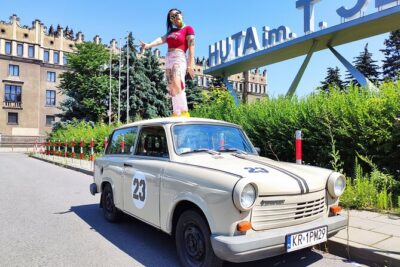
Legendary Private Nowa Huta Communism Tour with Crazy Guides
Read our review →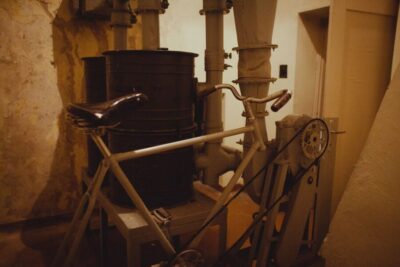
Nowa Huta: Steelworks Administration Buildings/Shelters Tour
Read our review →
Private Nowa Huta Adventure Tour in Communist Cars
Read our review →
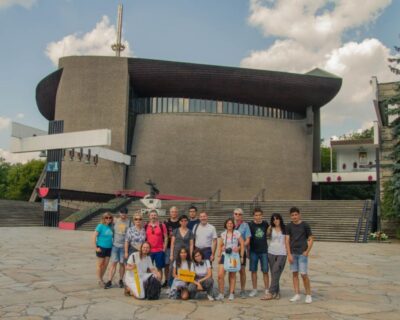
Communist Krakow – Nowa Huta Walking Tour in English
Read our review →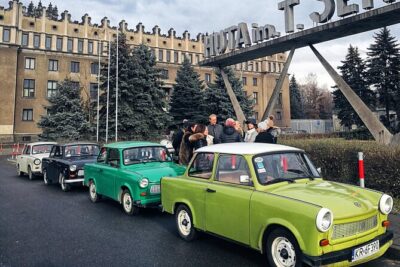
1.5h Crazy Guides’ Communism Tour of Nowa Huta in Classic Car
Read our review →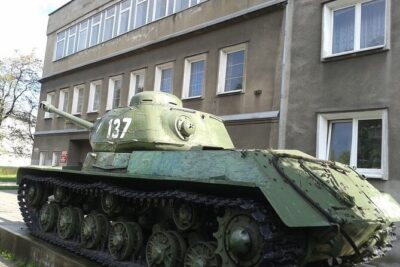
Nowa Huta Tour from Krakow: Communist City, Vodka & Zapiekanka
Read our review →Browse the lists this tour appears in