
REVIEW · SCHINDLER'S FACTORY TOURS
Krakow: Schindler’s Factory Guided Tour
History feels close here. This two-hour tour takes you through the former administration building of Oskar Schindler’s Enamel Factory, where the story of Krakow under Nazi occupation is told through daily life, personal loss, and the people Schindler helped save. I especially like the live guide in English or Spanish and the chance to see Schindler’s actual desk, still in his former office. The main drawback is that some groups feel hurried, especially when the museum is crowded.
I also like that your skip-the-line ticket removes one bit of fuss from a very popular Krakow museum. Guides such as Barb have been praised for making a serious subject clear and human, while other guides have added family connections to the Second World War. Still, group size and guide style can shape the experience, and some visitors have had too little time to read the exhibits after the talk.
In This Review
- Key points at a glance
- Why Schindler’s Factory matters in Krakow
- Starting outside the former enamel factory
- The first part: Krakow under German occupation
- Schindler’s office and the famous desk
- How the museum tells the story
- Guide quality and group size
- Is $42 a fair price?
- Who should book this experience?
- Practical rules that affect your visit
- My verdict: book it for context, not for a factory deep dive
- FAQ
- How long does the Schindler’s Factory guided tour last?
- What languages are available?
- Is the museum entrance included?
- Do I need to bring identification?
- Are children allowed on the tour?
- Can I take photos or bring a large bag?
Key points at a glance
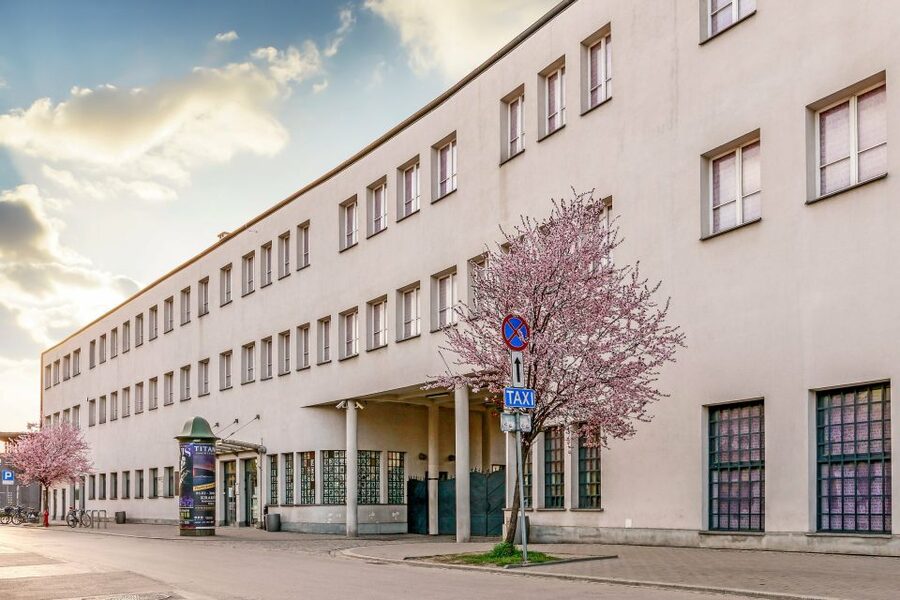
- Schindler’s former office: See the authentic desk associated with Oskar Schindler, still kept in his office.
- Krakow from 1939 to 1945: Follow the effects of German occupation on Jewish and Polish citizens in their homes, streets, and workplaces.
- A two-hour guided visit: The guide supplies the story and context, though a crowded group may limit your time with individual displays.
- Headsets can help: Some groups receive audio headsets, making it easier to follow the guide in busy rooms.
- Skip the ticket line: The entrance ticket is included, which is useful at one of Krakow’s most visited museums.
- Best for older children and adults: The museum is not suitable for children under 14 and deals with painful wartime events.
Why Schindler’s Factory matters in Krakow
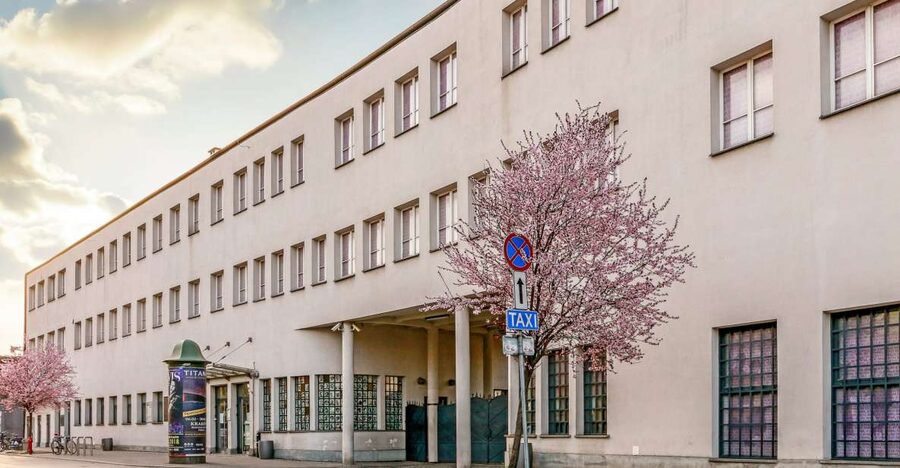
The name Schindler often brings the film Schindler’s List to mind. The museum gives you a broader picture than the film alone, placing Oskar Schindler’s actions inside the daily reality of Krakow under Nazi rule from 1939 to 1945.
The original enamel factory, known in German as Deutsche Emailwarenfabrik, was founded in 1937. After Nazi Germany invaded Poland on September 1, 1939, Schindler arrived in Krakow around September 6, when German troops entered the city. As a Sudeten German, he soon took control of the factory and employed more than 1,000 Jewish workers from the Krakow ghetto.
That fact is important, but it is not the whole point of the museum. You see how a huge political crime reached into ordinary lives. Work, housing, food, family, fear, forced movement, and survival all become part of the story.
The museum also avoids treating history as a list of dates. The wider actions of the Nazi regime are linked to individual people and their personal dramas. That approach can make the visit more difficult emotionally, but it also makes the past easier to understand.
More Schindler Factory tours:
- Krakow: Oskar Schindler’s Factory Entry Ticket & Guided Tour
★ 4.2 · 3,793 reviews - Krakow: Schindler’s Factory Tour with Entrance Ticket
★ 4.5 · 3,182 reviews - Krakow: Schindler’s Factory Skip-the-Line Ticket
★ 4.4 · 3,105 reviews
Starting outside the former enamel factory
Your meeting point is directly in front of the entrance to Oskar Schindler’s Enamel Factory museum. Look for a greeter carrying a GetYourGuide banner. Arrive with your physical passport or photo ID, because every participant must show one to enter.
This is worth taking seriously. A digital copy on your phone may not be accepted, and without the required ID you may not be allowed inside. The activity is non-refundable, so a missing document can turn an expensive cultural visit into a very short walk around the block.
The included skip-the-line entrance ticket is useful here. It does not make the museum private or empty, but it removes the need to sort out a separate admission line. The museum is popular, and the entrance can become crowded with several groups arriving close together.
The tour lasts two hours, with starting times depending on availability. English and Spanish are the listed tour languages. If you need another language, this particular experience will not suit you.
The first part: Krakow under German occupation
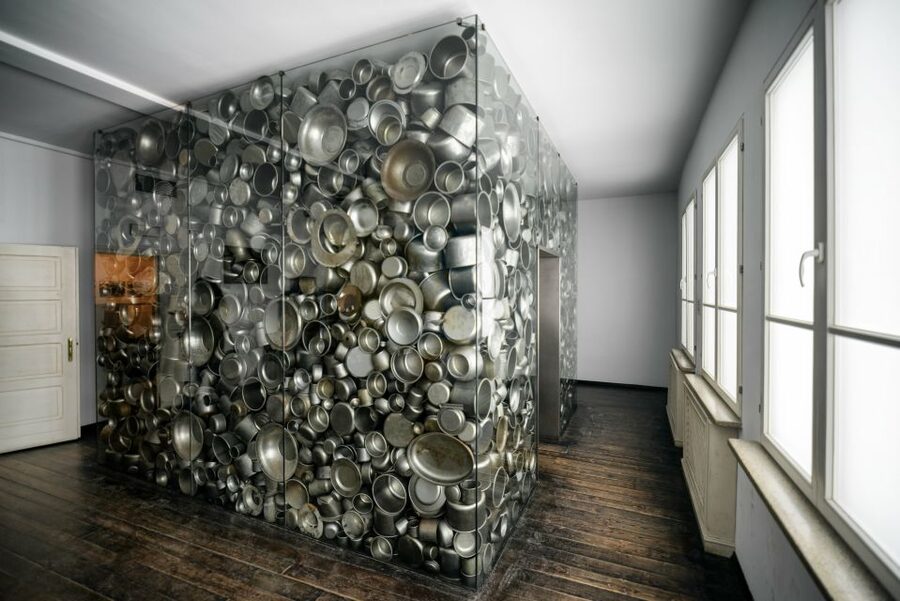
Once inside, the guide sets out the story of Krakow during the Nazi occupation. This is not simply a factory tour focused on machinery or production. Much of the visit explains what happened to the city’s residents and how occupation changed daily life.
You will learn about the Jewish population of Krakow, the creation of the ghetto, and the pressure placed on people who had once lived and worked as part of the city’s normal social fabric. The tour also considers the experience of Polish citizens under German rule.
This wider focus is one of the strongest reasons to book a guide. Museum displays can give you names, objects, photographs, and dates, but a good guide connects them. Several guides have been praised for a lively presentation, careful detail, and a personal approach to a very painful period.
One guide, Barb, received especially warm praise for keeping the whole two hours interesting and for using headsets so everyone could hear. Another guide was praised for bringing personal family connections to the Second World War into the explanation. That sort of human touch can help you understand the subject, provided it remains respectful and historically balanced.
A caution is needed here. One visitor felt that a guide made unfair comments about Austrians and Germans who suffered after the war. The museum deals with Nazi persecution, but a responsible account should also recognize the suffering of civilians from different backgrounds. If a guide’s personal opinions become too strong, the experience can feel less even-handed.
Schindler’s office and the famous desk
The visit includes the building that once served as part of the administration of Schindler’s factory. The most distinctive object named for this tour is Schindler’s authentic desk, still in his office.
That desk is a small object, but it carries weight. You are not only hearing about a man from a distant textbook. You are seeing a workplace object connected with the person whose factory became a place of protection for more than 1,200 Jews from Krakow.
Keep your expectations realistic. This is not presented as a factory-floor visit filled with industrial equipment. The experience is mainly about the museum’s account of wartime Krakow, the ghetto, the factory’s role, and the people caught in the occupation.
That distinction matters because the title can suggest a focused industrial tour. If your main interest is how enamel products were made, you may find the visit less satisfying. If you want to understand Schindler’s place within the wider events of Krakow, the museum’s approach makes more sense.
The original factory dates to 1937, but the building and displays are used to tell a much larger story. The desk acts as an anchor, linking the public story of Schindler with the private setting of his office.
A few more in Krakow
- From Krakow: Auschwitz-Birkenau Guided Tour & Hotel Pickup
★ 4.5 · 33,358 reviews - From Krakow: Auschwitz-Birkenau Guided Tour & Hotel Pickup
★ 4.5 · 29,340 reviews - Krakow: Auschwitz Guided Tour with Optional Hotel Pickup
★ 4.5 · 15,280 reviews - Krakow–Zakopane: Cable Car, Chocholow Baths, Cheese & Vodka
★ 5.0 · 10,720 reviews
How the museum tells the story
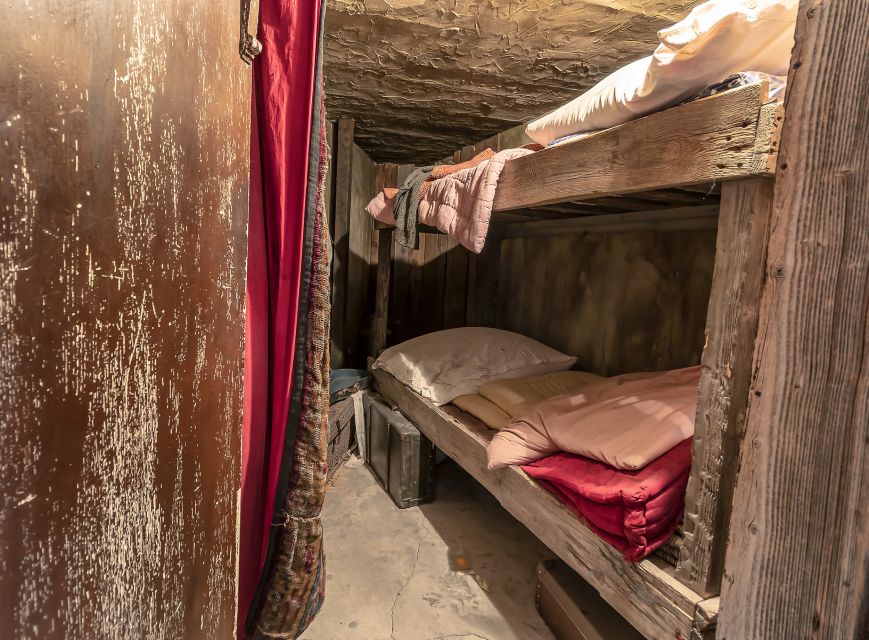
The museum places personal lives beside major events. Instead of hearing only that the occupation began or that the ghetto was created, you are shown how those changes affected people’s choices and routines.
The approach is serious and often somber. You may see exhibits that ask for more time than the guided schedule allows, especially if you want to read every panel or enter every room arranged for closer exploration. One visitor felt rushed and wanted more time to learn about a family member who had been sent to work for the Germans as a 17-year-old.
That is the central tradeoff of this guided format. A live guide gives you structure, answers, and context. You do not have to work out the basic story alone. But the group moves according to the guide’s schedule, not your own pace.
Some groups have finished in about an hour and a half despite the advertised two-hour duration. When that happens, you may not be permitted to go back inside for the unused time if your ticket was purchased through an outside company. For this reason, ask about the precise format and return-entry rules before booking if you want a slow, exhibit-by-exhibit visit.
Guide quality and group size
The guide is the main variable in this experience. The strongest guides have been praised for energy, passion, clear explanations, and a high level of detail. They can turn a solemn museum into a coherent story rather than a string of disconnected displays.
Headsets are another practical plus when they are provided. You can listen while standing in a crowded gallery instead of trying to stand shoulder to shoulder with the guide. This matters because several groups may be moving through the museum at once.
Group size can work against the tour. A large group may block displays, make it harder to hear without a headset, and leave too little time to examine the rooms. If the guide speaks for too long in front of one display, the people at the back may have to choose between listening and seeing.
I would book this guided format if you prefer a clear route and historical explanation. I would be more cautious if you read every museum panel, take notes, or have a family connection that makes certain exhibits especially important. In that case, ask whether the ticket allows independent time before or after the guided portion.
Is $42 a fair price?
At $42 per person, this is not the cheapest museum admission in Krakow. The price includes the professional guide, your selected language, and skip-the-line entry, so you are paying for interpretation as well as access.
The value depends on how you visit museums. If you would otherwise spend two hours trying to assemble the story from wall text, a strong guide can make the fee worthwhile. The best guides add context about the occupation, Schindler’s workers, the ghetto, and the personal consequences of Nazi policy.
The value drops if your group is large, the tour ends early, or you are left without enough time to read the displays. One visitor felt that the main historical explanation took priority over the factory itself and that some rooms received too little attention.
My practical advice is simple: book it for the guide, not just for the building. The skip-the-line ticket is helpful, but the main reason to pay $42 is to have the wartime story explained in a logical way. If you want maximum control over your pace, compare this option with a direct museum booking before committing.
Who should book this experience?
This tour suits adults and visitors aged 14 or older who want a guided account of Krakow during the Second World War. It is especially useful if you know little about the occupation or want a structured introduction before visiting other wartime sites in the region.
It can also suit people who have already seen Schindler’s List and want to place the film’s story in a real Krakow setting. The museum gives you a chance to consider what the film highlights and what a museum can add through documents, objects, and accounts of ordinary life.
I would not choose it for young children. The activity is specifically not suitable for children under 14, and the subject includes persecution, forced labor, the ghetto, and mass suffering.
I would also think twice if you dislike guided groups or need a very slow pace. The museum may reward extra reading time, and the two-hour schedule does not always provide it. People with mobility needs should note that the activity is wheelchair accessible, though large groups can still make movement around exhibits less comfortable.
Practical rules that affect your visit
Bring a physical passport or photo ID with a photograph for every person in your party. This is an entry requirement, not a suggestion.
Leave large luggage at your accommodation. Large bags are not permitted inside the museum, and no animal shelter is provided, so pets cannot accompany you. Weapons, sharp objects, alcohol, drugs, and smoking are prohibited.
Photography rules are strict. Flash photography and video recording are not allowed inside. You can expect to observe the displays rather than film the tour for later.
Food and drinks are not included. Plan those separately rather than expecting a café stop to form part of the two-hour experience.
The museum is wheelchair accessible, but the tour’s pace and crowd level can still affect comfort. If you need extra time or specific assistance, contact the provider before arrival.
My verdict: book it for context, not for a factory deep dive
I recommend this tour to you if you want a serious, guided account of Krakow under Nazi occupation and prefer someone to explain how individual lives fit into the larger events. The authentic desk, Schindler’s connection to more than 1,200 Jewish workers, and the museum’s focus on everyday life give the visit real substance.
The strongest part is the guide. A passionate speaker such as Barb can make the two hours clear, personal, and memorable. The main weaknesses are crowding, uneven pacing, and the possibility of finishing early with too little time to read.
Book it if structure and explanation matter more to you than complete independence. If your priority is a detailed look at every exhibit or the factory’s industrial past, check the direct museum option and ask about time for self-guided viewing. At $42, this is a fair choice when the guide is strong and the group is manageable, but it is not a carefree sightseeing stop. Give it your full attention, bring your ID, and allow the subject the seriousness it deserves.
FAQ
How long does the Schindler’s Factory guided tour last?
The advertised duration is two hours. Some visitors have found that the guided portion ended after about an hour and a half, so ask about the exact schedule and any independent museum time before booking.
What languages are available?
The tour is offered with a live guide in English or Spanish.
Is the museum entrance included?
Yes. The price includes a skip-the-line entrance ticket to Oskar Schindler’s Enamel Factory museum.
Do I need to bring identification?
Yes. Every participant must bring a physical passport or photo ID. Without it, you may not be allowed to enter the museum.
Are children allowed on the tour?
The activity is not suitable for children under 14.
Can I take photos or bring a large bag?
Large luggage is not permitted, and flash photography and video recording are prohibited inside the museum. Pets, weapons, sharp objects, smoking, alcohol, and drugs are also not allowed.
Just added in Krakow
- Auschwitz-Birkenau – Skip the Line Tickets★ 3.5 · 29 reviews
- Auschwitz-Birkenau: Fast-Track Ticket & Guided Tour No Transfers★ 3.5 · 17 reviews
- Zakopane & Sleigh Ride with Bonfire – Group Tour from Kraków★ 5.0 · 2 reviews
- Thermal Baths & Zakopane – Private Trip from Krakow★ 5.0 · 1 review
- Zakopane & Gubalowka Funicular – Private Winter Tour from Krakow★ 5.0 · 10 reviews
- Sleigh Ride & Bonfire in Zakopane with Funicular – Private Trip★ 5.0 · 48 reviews
- Divine Mercy Sanctuary – Private Tour from Krakow★ 5.0 · 4 reviews
- stag dog chase Krakow prank★ 5.0 · 4 reviews