
REVIEW · SCHINDLER'S FACTORY TOURS
Krakow: Schindler’s Factory Guided Tour with Entry Ticket
History feels close here. Inside Oskar Schindler’s former enamel factory, you follow Kraków from the weeks before World War II through Nazi occupation, the ghetto, Płaszów, and liberation in 1945. The museum is not simply a collection of objects about one famous industrialist. It is a carefully staged account of what happened to Polish and Jewish residents of Kraków, with Schindler’s story becoming one important part of a much larger picture.
I like the excellent English-speaking guides, especially guides such as Kamil, Kate, Ava, Ewa, Eva, Joanna, and Michael, who are praised for clear explanations and real feeling for the subject. I also like the skip-the-line entry, since advance tickets can matter when the museum is busy. The main drawback is the pace: 100 minutes is enough for a strong introduction, but the narrow rooms and crowded displays can make it hard to hear everything or read every document.
In This Review
- Key points to know before you book
- What the former enamel factory tells you
- Beginning with Kraków before the war
- Following the first months of Nazi occupation
- Kraków’s Jewish ghetto and Płaszów
- Oskar Schindler and the 1,200 people he saved
- Why a guided visit is worth the extra cost
- The pace, group size, and sound problem
- Who will get the most from this tour
- Practical details at ul. Lipowa 4
- Is Schindler’s Factory worth $25?
- Should you book this Kraków museum tour?
- FAQ
- Where does the Schindler’s Factory tour meet?
- How long does the guided tour last?
- What does the ticket include?
- What language is the tour offered in?
- Does the tour cover more than Oskar Schindler?
- Can I stay in the museum after the guided tour?
- What should I bring to the museum?
Key points to know before you book
- The factory is now a history museum: You do not tour a working enamel plant or a film set. You visit the permanent exhibition Kraków Under Nazi Occupation 1939-1945.
- Schindler is only part of the story: The tour gives major attention to Kraków’s Jewish community, Nazi rule, the ghetto, and Płaszów Concentration Camp.
- A guide adds real value: The exhibition contains a great deal of text, photographs, film, sound, and documents. A good guide helps you grasp the main story within the limited time.
- The tour lasts 100 minutes: You return to the same museum entrance, and you may be able to stay afterward to see films and documents at your own pace.
- Busy galleries can affect the experience: Some rooms are tight, and people at the back of a group may struggle to hear.
- The price is about $25 per person: That is fair if you want a structured history lesson and reserved entry, but less appealing if you prefer to move slowly and read everything yourself.
What the former enamel factory tells you
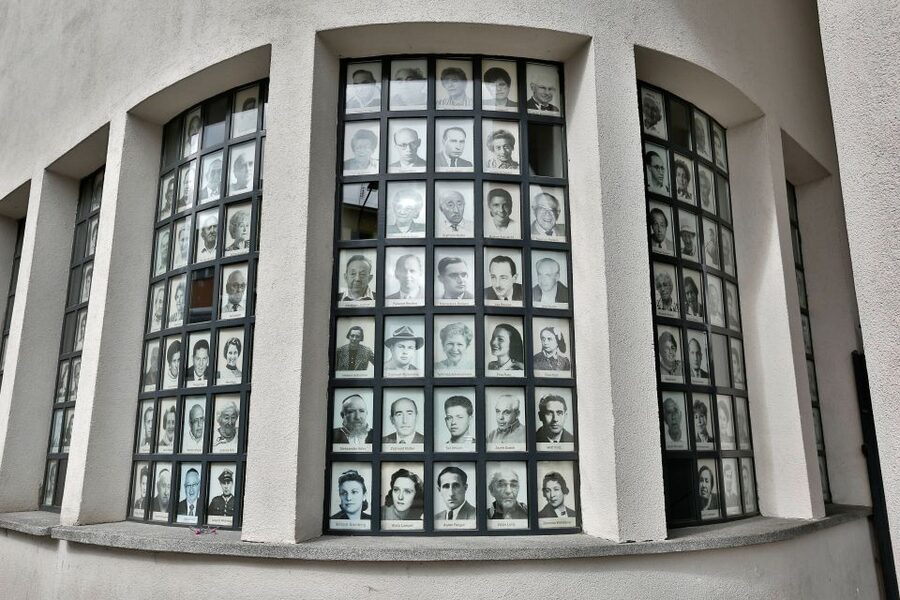
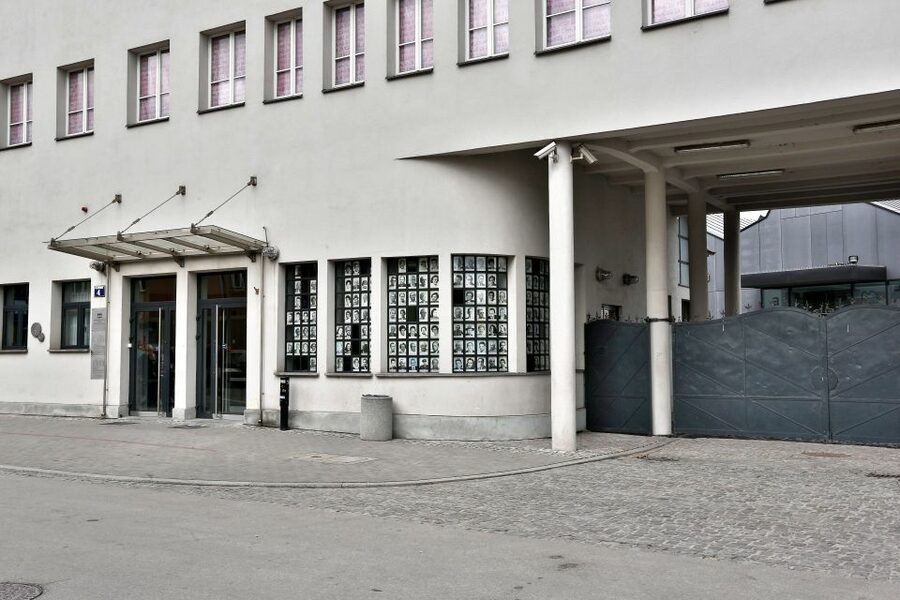
The museum occupies the original Oskar Schindler Enameled Goods Factory at ul. Lipowa 4. Its setting matters. You are not in a separate modern hall built only to explain the past. The building is tied directly to the man made famous around the world by the film Schindler’s List.
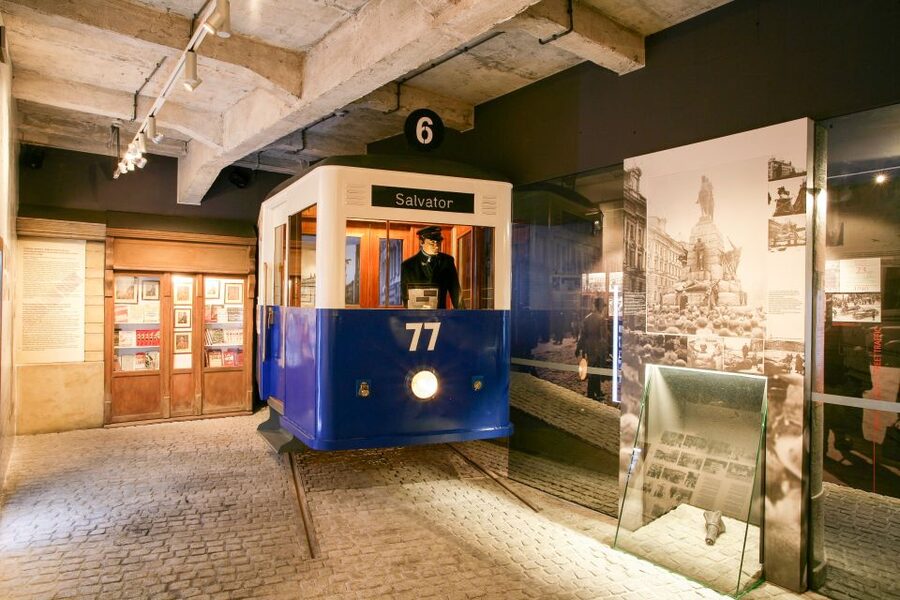
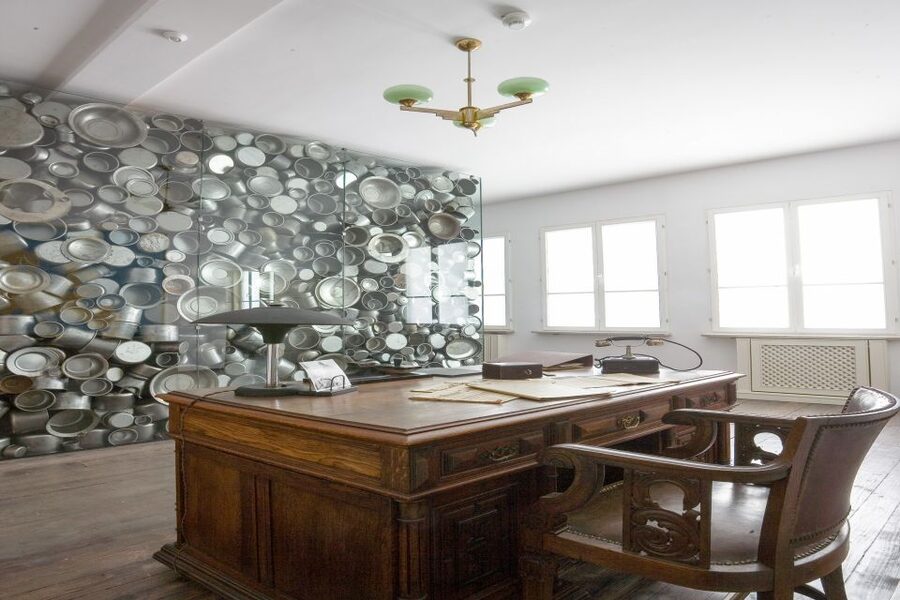
Still, you should adjust your expectations before arriving. This is not a visit to the movie set, and it is not a traditional factory tour with rows of old machinery. The main attraction is the permanent exhibition, which uses rooms, photographs, sound, film, personal documents, and recreated period details to explain Kraków during the war.
That approach is useful because Schindler’s actions make more sense when you first understand the world around him. The exhibition shows the city before the German invasion, then follows the rapid changes brought by occupation. You see how ordinary life was restricted, reordered, and eventually destroyed.
More Schindler Factory tours:
- Krakow: Oskar Schindler’s Factory Entry Ticket & Guided Tour
★ 4.2 · 3,793 reviews - Krakow: Schindler’s Factory Tour with Entrance Ticket
★ 4.5 · 3,182 reviews - Krakow: Schindler’s Factory Skip-the-Line Ticket
★ 4.4 · 3,105 reviews
Beginning with Kraków before the war
The tour starts before the most familiar part of Schindler’s story. You learn about Kraków and its inhabitants in the month before the war, including the city’s Polish and Jewish communities.
This opening is easy to underestimate, but it gives the exhibition a human scale. The people later described as victims or prisoners first had homes, jobs, families, religious lives, friendships, and daily routines. The museum’s photographs and personal accounts help you see the Jewish community as part of Kraków’s life before Nazi persecution.
A guide is particularly helpful here. The displays contain more information than you can comfortably absorb in one visit, especially when a group is moving from room to room. A strong guide points out the details that shape the larger story rather than asking you to read every panel.
The best guides also place local events in a wider setting. Several guides have been praised for explaining the run-up to the war, wartime changes, and the postwar period in clear English. Michael, Kamil, and Ewa are among the names singled out for strong command of the subject, calm organization, and an engaging delivery.
Following the first months of Nazi occupation
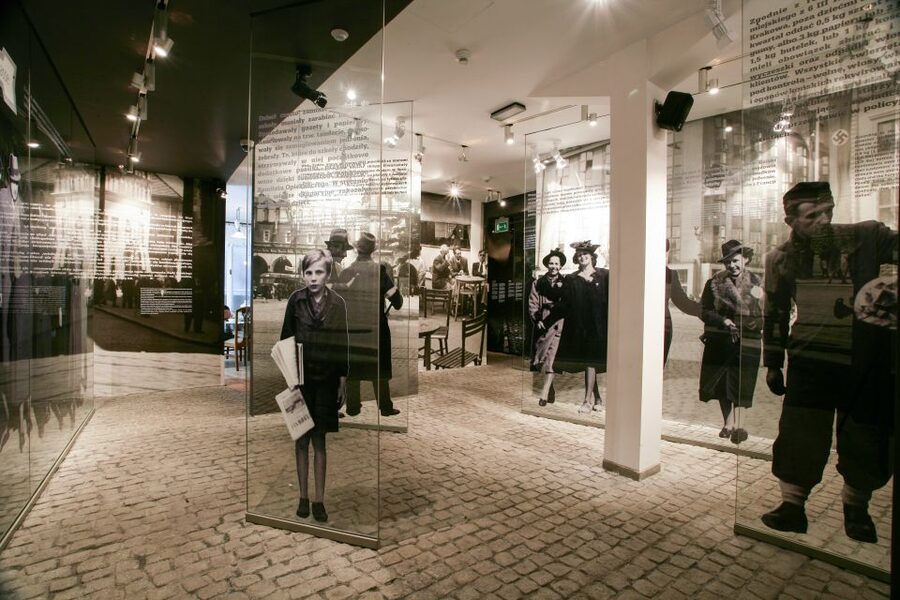
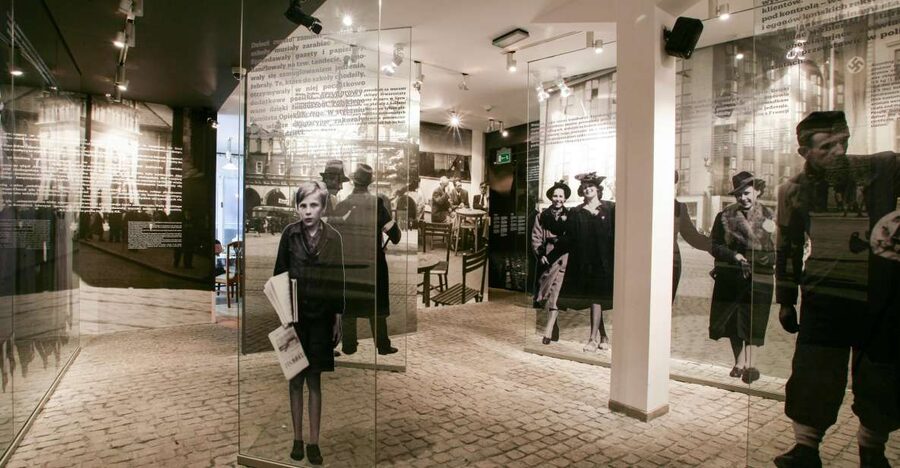
The next section shows how German occupation changed Kraków. The tone becomes more severe as the museum traces the first months of Nazi rule and the treatment of the city’s population.
This is where the tour moves beyond a single heroic story. You see how official rules and daily acts of control narrowed people’s choices. The exhibition helps connect large political events with the experience of residents in Kraków.
Sound and film add force to these rooms, though they can also create a practical problem. The museum may be crowded, and the background noise can make a guide difficult to hear. One useful tip is to stay close to the guide, especially in the first rooms, and consider bringing your own headphones if the tour uses an audio system. A past visitor found the supplied mono earpiece less effective in a noisy gallery.
The group format also affects the pace. If you are near the back, you may miss a sentence or two. The rooms can be narrow, so listen first, then return to a display if the guide allows time. Do not expect to study every photograph during the talk.
Kraków’s Jewish ghetto and Płaszów
The sections on the Kraków Ghetto and Płaszów Concentration Camp are among the most serious parts of the visit. They explain the setting in which Schindler’s workers lived and the dangers they faced.
The museum uses photographs, testimony, documents, and other personal material to show the human cost of Nazi policy. That evidence is often more affecting than a long speech. You see individual faces and read fragments of real lives instead of receiving only a list of dates.
This part also explains why a visit to Schindler’s Factory can pair well with a separate visit to Auschwitz-Birkenau. The factory museum focuses on Kraków and its residents. It gives you local context before you encounter the much larger camp complex outside the city.
Do not expect the exhibition to give equal time to every subject. Some visitors felt that the final material about the ghetto and the people Schindler saved moved too quickly. That is a fair concern. The ghetto section deserves time, and the group may be ready to leave just as the most specific Schindler material begins.
A few more in Krakow
- From Krakow: Auschwitz-Birkenau Guided Tour & Hotel Pickup
★ 4.5 · 33,358 reviews - From Krakow: Auschwitz-Birkenau Guided Tour & Hotel Pickup
★ 4.5 · 29,340 reviews - Krakow: Auschwitz Guided Tour with Optional Hotel Pickup
★ 4.5 · 15,280 reviews - Krakow–Zakopane: Cable Car, Chocholow Baths, Cheese & Vodka
★ 5.0 · 10,720 reviews
Oskar Schindler and the 1,200 people he saved
Only after the broader wartime story does the tour reach the rooms dedicated to Oskar Schindler and the roughly 1,200 Jewish people whose lives he helped save.
This order is one of the museum’s strengths. The film made Schindler the central figure, but the museum gives you a more balanced picture. You learn about his factory, his relationship with Nazi officials, and his change from a businessman seeking profit to a man using his position to protect Jewish workers.
The exhibition also helps separate historical record from Hollywood presentation. The film brought Schindler’s story to a huge audience, but the museum gives you documents, photographs, and local wartime context. You leave with a clearer sense that the rescue did not happen in isolation. It took place amid deportations, forced labor, ghetto violence, and the machinery of Nazi persecution.
The guides add different strengths. Ava was praised for explaining Schindler’s actions from more than one angle. Michael was noted for a personal connection to Kraków and for presenting the subject with energy. Kamil was valued for adding lesser-known facts to the basic account. The exact guide you receive will vary, but the guided format is useful because the subject is morally complicated and easy to reduce to a simple movie plot.
Why a guided visit is worth the extra cost
At about $25 per person, this is not the cheapest museum entry in Kraków. The price includes admission and a professional English-speaking guide, so the value depends on how you like to visit museums.
I think the guide is worth paying for if you have limited time, want a clear historical framework, or plan to visit Auschwitz-Birkenau afterward. The exhibition is text-heavy and packed with material. Without guidance, you can spend hours reading, but you may not know which details are most important.
The tour also includes reserved entry, which helps when the museum is busy or tickets are limited. Several visitors found advance booking easy, and the skip-the-line element is useful for a short Kraków stay.
The trade-off is freedom. A guide has to keep the group moving, and 100 minutes can feel short. One visitor called it an information-packed two hours, while another wished the tour lasted longer so there was more time to examine the displays. If you want to read every caption, study every photograph, and watch the films, plan to remain after the guided portion if permitted.
The pace, group size, and sound problem
The formal duration is 100 minutes. The supplied description also refers to a tour of about 90 minutes, so allow roughly an hour and a half to one hour and forty minutes for the guided section, with extra time if you stay afterward.
The pace varies with the guide and the size of the group. Some guides pause to answer questions and make sure people keep up. Others move quickly through the narrow rooms, especially when the museum is crowded.
A smaller group is easier. It lets you hear the explanation, see the objects, and stand close enough to follow the guide. Larger groups can bunch up in the galleries, and the person at the back may lose parts of the talk. Families with older children and teenagers can enjoy the tour, but younger children may find the subject matter and long explanations demanding.
Wear comfortable shoes, though this is not a walking tour around Kraków. You spend the time indoors, moving between exhibition rooms. Bring a passport or identity card, since one is listed among the required items.
Who will get the most from this tour
I would choose this experience if you:
- Have seen Schindler’s List and want the local history behind it
- Want to understand Kraków’s wartime experience before visiting Auschwitz-Birkenau
- Prefer a guide to explain dense museum displays
- Have only one afternoon or morning for the museum
- Want a serious historical visit rather than a light sightseeing stop
- Are comfortable with difficult material about Nazi persecution and the Holocaust
You may prefer an unguided visit if you read quickly, dislike group pacing, or want to spend several hours with individual documents and photographs. Even then, advance entry is sensible because the museum can be busy and may sell out.
The museum is officially listed as not suitable for wheelchair users. One past participant did complete the visit while pushing a wheelchair and found the guide patient, but you should not treat that as a guarantee of access. Contact the provider directly if accessibility is essential.
Practical details at ul. Lipowa 4
Meet in front of the entrance to Schindler’s Factory Museum at ul. Lipowa 4 in Kraków. The activity begins and ends at the museum, so there is no separate coach transfer or complicated meeting arrangement.
The tour is offered in English with a live guide. Food and drinks are not included, and they are not part of the museum experience. The ticket covers entry and the guide when the guided option is selected.
Booking conditions are traveler-friendly. You can reserve now and pay later, and cancellation is allowed up to 24 hours before the start for a full refund. Check the available starting times when booking, since the tour runs at scheduled times rather than whenever you arrive.
Is Schindler’s Factory worth $25?
For a 100-minute guided visit, $25 is a reasonable price, especially when you count the reserved entry and the work a good guide does in organizing a complicated subject.
I would not call it a bargain for someone who wants only to see Schindler’s name or a few movie references. The museum is much broader than that. Its value comes from the way it explains Kraków’s Polish and Jewish communities, Nazi occupation, the ghetto, Płaszów, and the personal cost of war.
The price makes the most sense for first-time visitors with limited time. If you can stay afterward to watch films and examine documents, the visit becomes better value. If you are on a strict schedule, the guide helps you get the main story without spending half a day reading every wall.
Should you book this Kraków museum tour?
Yes, I would book it if you want a clear, serious introduction to wartime Kraków and prefer expert guidance over wandering alone. The most praised part is the guides’ strong English, command of the subject, and ability to make the material understandable without turning it into a dry lecture.
Book with realistic expectations. This is not a factory-floor tour and not a walk through a Spielberg set. It is a museum about Kraków under Nazi occupation, with Schindler’s rescue of about 1,200 Jews forming its emotional center.
Choose an earlier or less crowded time if possible, stay near the guide, and leave extra time for the displays. If that sounds right for you, the tour offers a thoughtful use of 100 minutes and a useful foundation for understanding Kraków during World War II.
FAQ
Where does the Schindler’s Factory tour meet?
Meet in front of the entrance to Schindler’s Factory Museum at ul. Lipowa 4 in Kraków.
How long does the guided tour last?
The listed duration is 100 minutes. The tour description also refers to a guided portion of about 90 minutes, so allow approximately one and a half hours to one hour and forty minutes.
What does the ticket include?
The price includes entrance to the museum and a professional guide when the guided tour option is selected.
What language is the tour offered in?
The live guided tour is offered in English.
Does the tour cover more than Oskar Schindler?
Yes. It covers Kraków before and during World War II, the Nazi occupation, the city’s Jewish community, the Kraków Ghetto, Płaszów Concentration Camp, and the arrival of the Soviet Army in 1945.
Can I stay in the museum after the guided tour?
The tour information says you can easily extend your visit to watch films and explore documents connected with the story. Allow extra time if you want to see more of the exhibition.
What should I bring to the museum?
Bring a passport or identity card. Food and drinks are not included, and the activity is listed as not suitable for wheelchair users.
Just added in Krakow
- Auschwitz-Birkenau – Skip the Line Tickets★ 3.5 · 29 reviews
- Auschwitz-Birkenau: Fast-Track Ticket & Guided Tour No Transfers★ 3.5 · 17 reviews
- Zakopane & Sleigh Ride with Bonfire – Group Tour from Kraków★ 5.0 · 2 reviews
- Sleigh Ride & Bonfire in Zakopane with Funicular – Private Trip★ 5.0 · 48 reviews
- Thermal Baths & Zakopane – Private Trip from Krakow★ 5.0 · 1 review
- Zakopane & Gubalowka Funicular – Private Winter Tour from Krakow★ 5.0 · 10 reviews
- Divine Mercy Sanctuary – Private Tour from Krakow★ 5.0 · 4 reviews
- stag dog chase Krakow prank★ 5.0 · 4 reviews