
REVIEW · SCHINDLER'S FACTORY TOURS
Krakow Schindler’s Factory Guided Tour with Admission Ticket
History feels close here. This 90-minute guided visit uses Schindler’s former enamel factory to explain daily life in Krakow under Nazi occupation, not simply the story shown in the film. I like the clear historical setting and the chance to ask an English-speaking guide questions. The main drawback is pace: some groups move quickly, leaving little time to read every display or take photographs.
I also like the practical timed admission, since queues at the museum can be long, and the tour gives your visit a fixed shape. Guides such as Alice, Hannah, and Kinga have earned praise for their warm storytelling and strong command of the subject. Still, group sizes can reach 25, despite the advertised cap of 15 in some tour options, so the experience may feel crowded.
In This Review
- Key points to know before you book
- What the factory visit is really about
- Meeting your guide at Lipowa 4
- Inside Krakow under Nazi occupation
- The Schindler connection and the film question
- Why a guide can be worth the $35 price
- Group size, crowding, and the pace inside
- What to wear and what to carry
- Scheduling and the 2026 timing warning
- Who will enjoy this visit most
- Should you book the Krakow Schindler’s Factory tour?
- FAQ
- Where does the tour begin?
- Where does the activity end?
- How long does the tour last?
- Is museum admission included?
- Is a guide included?
- What language is offered?
- What is the maximum group size?
- Do I need identification?
- Can I cancel for a full refund?
Key points to know before you book
- This is not mainly a Schindler biography: The museum focuses on Krakow under Nazi occupation from 1939 to 1945, with Schindler forming only one part of the story.
- The guided visit lasts about 90 minutes: That is enough for a useful overview, but not always enough to read every panel at your own pace.
- A guide adds important context: The displays make more sense when someone explains how occupation changed work, family life, movement, and survival in Krakow.
- Group size matters: The tour may be offered to small groups, but the stated maximum can reach 25 people.
- The museum can feel warm and crowded: Lockers are available for coats and bags, and you may want to leave bulky items before entering.
- Bring identification: Personalized museum tickets require the full names of everyone booking, plus a passport or ID at entry.
What the factory visit is really about
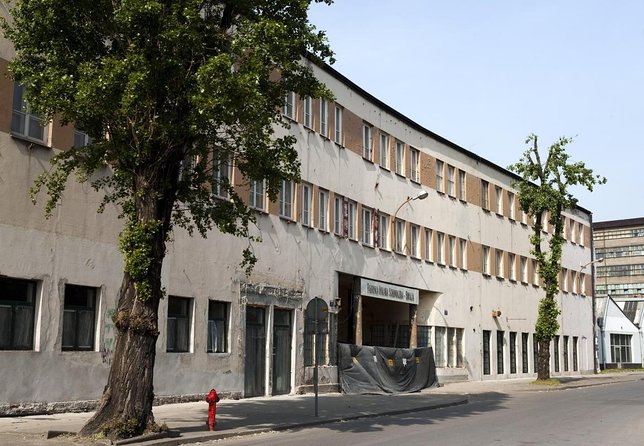
The building at Lipowa 4 is linked to Oskar Schindler, the German industrialist whose wartime actions helped save Jewish lives. Yet the museum inside is not a straightforward biography of Schindler, and it is not simply a tour of an old factory floor.
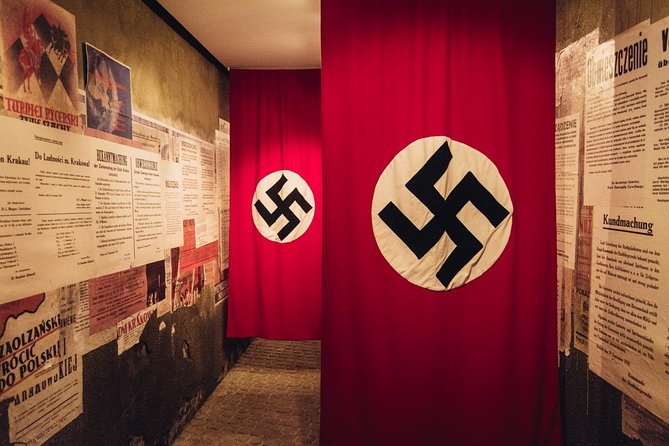
Its main exhibition, Krakow under Nazi Occupation 1939 to 1945, tells the story of the city before, during, and after the German occupation. You learn how political control affected ordinary work and home life, as well as the persecution of Jewish people and Poles.
That distinction matters. If you arrive expecting a room-by-room recreation of the movie Schindler’s List, you may feel surprised. The film can provide a useful starting point, but this museum takes a wider view. Schindler appears within the larger story of Krakow rather than occupying every room.
I think that wider approach is one of the museum’s strengths. You are not given a polished hero story detached from its setting. Instead, the guide explains how the occupation shaped the city and how Schindler’s factory fitted into that painful reality.
More Schindler Factory tours:
- Krakow: Oskar Schindler’s Factory Entry Ticket & Guided Tour
★ 4.2 · 3,793 reviews - Krakow: Schindler’s Factory Tour with Entrance Ticket
★ 4.5 · 3,182 reviews - Krakow: Schindler’s Factory Skip-the-Line Ticket
★ 4.4 · 3,105 reviews
Meeting your guide at Lipowa 4
The meeting point is Lipowa 4, Krakow, and the activity begins and ends there. The location is near public transportation, so you can fit it into a day that also includes other parts of the city.
Arrive at the front door and look for the guide rather than automatically joining the longest queue. The entrance can be busy, and people waiting for general admission may form a line. Guided groups are directed separately, so standing to one side and watching for your guide can save confusion.
The guide may contact you by phone if the meeting point is unclear. Keep your phone available and allow extra time to find the entrance. This is especially useful on a crowded day, when several groups may be gathering at once.
The English-language option is the one described here. Guides have been praised for friendly, empathetic delivery. Alice received special praise for the way she told difficult stories, while Hannah was noted for being approachable and very well prepared. Kinga was singled out for making the material engaging rather than turning it into a dry lecture.
Those personal touches matter in a museum about war and persecution. A good guide needs to explain facts without rushing past the human cost. The strongest parts of this experience seem to come when the guide connects objects, photographs, letters, and city life into one clear story.
Inside Krakow under Nazi occupation
Once inside, expect a museum experience built around the history of Krakow during the Second World War. The displays cover the city before and during the occupation, helping you understand that the war did not begin as an abstract event on a distant battlefield.
The guide explains how German Nazi rule affected people in Krakow and how Jewish residents and Polish residents faced different forms of danger, control, and loss. The exhibition includes personal material, including letters from people held in ghettos that have been translated into English.
Those letters are among the details that can make the visit feel direct and personal. Instead of seeing only dates and official documents, you encounter individual voices. I would pay close attention here, even if the group is moving on, because these smaller pieces can be easy to miss.
The exhibition also shows why the factory setting is only part of the subject. The museum is concerned with the city as a whole, including ordinary routines and the way occupation changed daily choices. The guide’s role is to give you the background needed to understand what you are seeing.
This is where a guided visit offers real value. If you walk through alone, you can study each object for as long as you like, but you need to supply the historical links yourself. With a good guide, a photograph or document can become part of a larger explanation of Krakow’s wartime experience.
The Schindler connection and the film question
The film connection attracts many people to this museum, but it can also create the wrong expectations. The visit does refer to Schindler and his role, yet the exhibition is not devoted entirely to him or to the making of the movie.
You will not spend 90 minutes following a cinematic version of Schindler’s life. Instead, you see how his factory fits into the wider story of occupation, forced labor, Jewish persecution, and survival.
I consider this a benefit, provided you know it in advance. The museum gives you more than a film location or a hero portrait. It places Schindler in the difficult setting that shaped his choices and affected the people around him.
If your main interest is the film itself, a separate tour focused on movie locations or film-related aspects may suit you better. If you want to understand Krakow during the war, this museum provides the stronger choice.
A few more in Krakow
- From Krakow: Auschwitz-Birkenau Guided Tour & Hotel Pickup
★ 4.5 · 33,358 reviews - From Krakow: Auschwitz-Birkenau Guided Tour & Hotel Pickup
★ 4.5 · 29,340 reviews - Krakow: Auschwitz Guided Tour with Optional Hotel Pickup
★ 4.5 · 15,280 reviews - Krakow–Zakopane: Cable Car, Chocholow Baths, Cheese & Vodka
★ 5.0 · 10,720 reviews
Why a guide can be worth the $35 price
At about $35 per person, the experience costs more than simply entering a museum on your own. The value depends on what you want from the visit.
You are paying for museum admission, a planned entry time, and an English-speaking professional guide. The guide can explain the exhibition’s structure, point out important material, and answer questions as you go. Several guides have been praised for making the history feel clear and human rather than delivering a list of dates.
The price is easier to justify if you have limited time in Krakow. The museum is popular, and long queues can interfere with the rest of your day. Timed entry gives you a more predictable schedule, although you still need to arrive at the meeting point on time.
The value is less certain if you prefer to read every panel, stop for photographs, and set your own pace. Some people found the tour rushed, especially when another group was ahead and one was close behind. The guide may need to keep moving, even when you want another few minutes with an exhibit.
Food and drinks are not included, though that is not a serious issue for a 90-minute museum visit. You return to the same meeting point at the end, so you can make your own plans afterward.
Group size, crowding, and the pace inside
Group size is the most important practical concern. The highlights describe groups capped at 15, which would be a comfortable number for a museum with personal documents and small displays. The additional information, however, gives a maximum of 25 people.
That difference is worth checking when you book. A 15-person group is easier to hear and follow. A 25-person group can block displays, make it harder to stay close to the guide, and create a stop-and-start feeling in narrow rooms.
Some people found the museum crowded and the group too large. Others still enjoyed the visit because the guide was strong. Your experience may depend on the departure time, the number of other museum groups, and how well the guide manages the room.
You may also feel rushed. The tour lasts about an hour and a half, and the guide needs to cover a large amount of material. If you stop to take photographs or read more, you may fall behind. In some cases, the guide holds the locker key, giving you another reason to remain with the group.
A practical solution is to treat the guided visit as your first pass through the museum. Stay with the group for the main explanations, then ask whether you can spend extra time afterward if museum scheduling permits. That possibility is not guaranteed, so do not build your entire plan around it.
What to wear and what to carry
The museum can be warm inside, and the rooms may feel crowded. You can leave coats and bags in a secure locker at reception. If the guide keeps the locker key, remain near the group so you can collect your belongings without delay.
Carry as little as possible. A small bag, phone, identification, and booking details should be enough. The museum requires the full names of all participants for personalized tickets, and you must bring a passport or ID for entry. Without the required identification, admission may be refused.
Children must be accompanied by an adult. Most people can take part, but the visit involves moving through the museum with the group and keeping pace with the guide. Families should prepare children for serious subject matter involving war, persecution, and genocide.
Scheduling and the 2026 timing warning
The tour offers a choice of departure times, which is useful if you are building a full Krakow sightseeing day. You can place the museum between other activities rather than surrendering an entire morning or afternoon.
From January 1, 2026, the selected time is only a preferred time. Museum scheduling may change the exact entry time, so you should avoid arranging another fixed booking immediately afterward.
At the time of booking, confirmation is provided. The activity requires a minimum number of people, and if that minimum is not reached, you can be offered another date or experience, or receive a full refund.
Free cancellation is available until 24 hours before the start time. If you cancel or request changes less than 24 hours ahead, you should not expect a refund or an accepted change.
Who will enjoy this visit most
I would recommend this tour to you if you want a clear introduction to Krakow during the Second World War and prefer listening to a guide rather than doing all the research yourself. It also suits anyone who wants timed admission and has a tight sightseeing schedule.
The tour is especially useful before visiting Auschwitz, since the museum focuses on personal life and city-level events while Auschwitz shows the scale of the Nazi camp system. The two experiences serve different purposes and should not be treated as substitutes.
You may prefer a ticket-only visit if you enjoy quiet study, need time for photographs, or dislike moving with a group. You can read more slowly and linger over letters and objects. The tradeoff is that you lose the guide’s explanations and may face the museum’s queues.
Film fans should book only after adjusting their expectations. This is a museum about Krakow under occupation, with a smaller section devoted to Schindler. That broader story is serious, useful, and often more revealing than a narrow film-focused visit.
Should you book the Krakow Schindler’s Factory tour?
Book it if you want a well-organized introduction to occupied Krakow, value an English-speaking guide, and can accept a fixed pace. The best guides bring order and feeling to a difficult subject, and timed admission can save you from a frustrating wait.
Think twice if your priority is Schindler’s personal biography or unhurried museum study. Check the expected group size, arrive early at the front door, bring your ID, and leave extra time in your schedule in case the museum adjusts the entry time.
For most first-time visitors interested in Krakow’s wartime story, the $35 cost is reasonable. You are not just paying to enter a former factory. You are paying for the explanation that turns a set of displays into a clearer picture of what occupation meant for people living in this city.
FAQ
Where does the tour begin?
The tour begins at Schindler’s Factory, Lipowa 4, 32-051 Krakow, Poland.
Where does the activity end?
The activity ends back at the meeting point at Lipowa 4.
How long does the tour last?
The visit lasts approximately 1 hour and 30 minutes.
Is museum admission included?
Yes. The entrance ticket to the museum is included with the guided tour option.
Is a guide included?
A professional guide is included with the guided tour option. A guide is not included with the ticket-only option.
What language is offered?
The tour is offered in English.
What is the maximum group size?
The tour information states a maximum of 25 people. Some tour details describe groups capped at 15, so you should check the selected option when booking.
Do I need identification?
Yes. Because the museum uses personalized tickets, you must provide the full names of all participants and bring a passport or ID for entry.
Can I cancel for a full refund?
Yes, if you cancel at least 24 hours before the experience begins. Cancellations or changes made less than 24 hours before the start time are not accepted for a refund.
Just added in Krakow
- Auschwitz-Birkenau – Skip the Line Tickets★ 3.5 · 29 reviews
- Auschwitz-Birkenau: Fast-Track Ticket & Guided Tour No Transfers★ 3.5 · 17 reviews
- Zakopane & Sleigh Ride with Bonfire – Group Tour from Kraków★ 5.0 · 2 reviews
- Sleigh Ride & Bonfire in Zakopane with Funicular – Private Trip★ 5.0 · 48 reviews
- Thermal Baths & Zakopane – Private Trip from Krakow★ 5.0 · 1 review
- Zakopane & Gubalowka Funicular – Private Winter Tour from Krakow★ 5.0 · 10 reviews
- Divine Mercy Sanctuary – Private Tour from Krakow★ 5.0 · 4 reviews
- stag dog chase Krakow prank★ 5.0 · 4 reviews