
REVIEW · SCHINDLER'S FACTORY TOURS
Krakow: Schindler’s Factory Guided Tour
World War II becomes personal here. This guided visit takes you through the former enamel factory linked to Oskar Schindler, then places Krakow’s wartime story beside the daily struggles of its residents. I like the personal stories and the carefully staged rooms, which help you picture occupation life rather than simply read dates on a wall. I also like the skip-the-line entry, especially when museum queues are long. The main drawback is that this is not really a factory tour, so anyone expecting demonstrations of enamelware production may feel misled.
You meet your guide outside the museum entrance and spend about 90 minutes to two hours inside. The tour is offered in English or Spanish, costs about $46 per person, and is aimed at visitors aged 14 and older. Groups can be fairly large, and busy displays may feel crowded when several groups meet.
In This Review
- Key points to know before you book
- What the former enamel factory tells you
- Meeting the guide outside Schindler’s entrance
- Krakow under Nazi occupation, told through daily life
- Oskar Schindler’s office and the Survivor’s Ark
- Why the guided format is worth considering
- Is $46 a fair price?
- Practical rules inside the museum
- Who will appreciate this Krakow tour
- Should you book Schindler’s Factory?
- FAQ
- How long does the Schindler’s Factory tour last?
- What languages are available?
- Where do I meet the guide?
- Do I need to bring identification?
- Is the museum wheelchair accessible?
- Can I bring luggage, pets, or a camera?
Key points to know before you book
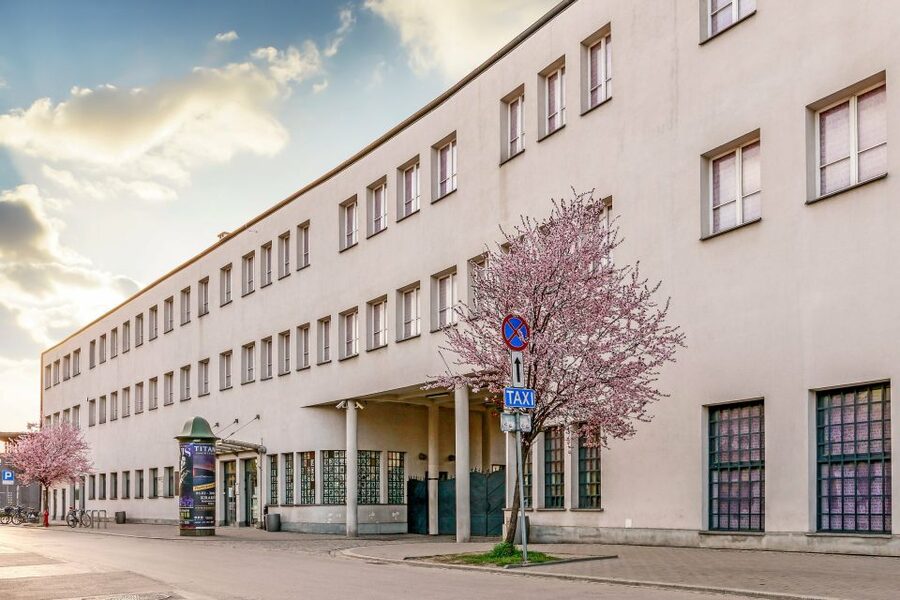
- This is a World War II museum visit, not a working-factory demonstration: The building is original, but most of the experience focuses on Krakow under Nazi occupation.
- Schindler’s office provides the strongest connection to the film and the man: You see his personal office and the symbolic Survivor’s Ark.
- The guide adds human detail: Personal accounts help explain how occupation affected ordinary people, not just military leaders.
- The tour lasts 90 minutes to two hours: That is enough for a guided overview, but not necessarily for a slow look at every display.
- Bring a physical passport or photo ID: Every participant needs one for museum entry.
- The price pays for structure and access: At $46, the tour makes the most sense if you want context, a guide, and skip-the-line admission rather than a quick self-guided museum visit.
What the former enamel factory tells you
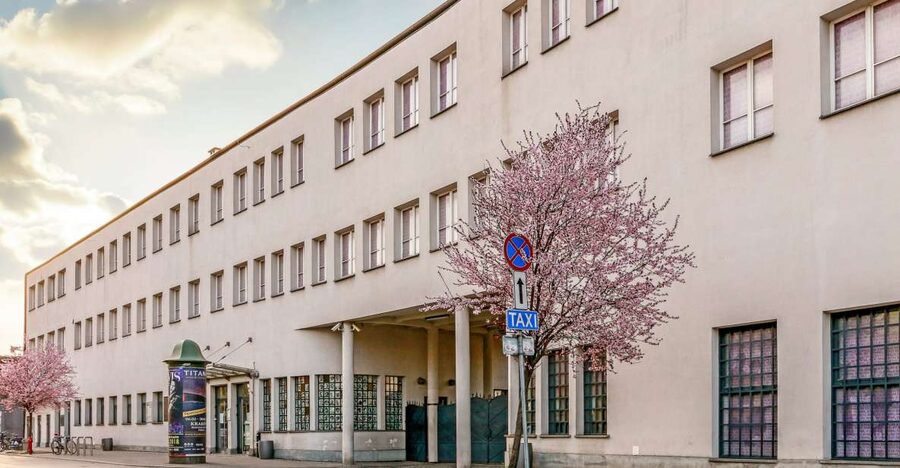
The building began as an enamel factory in 1937. After Nazi Germany invaded Poland on September 1, 1939, Oskar Schindler, a Sudeten German, arrived in Krakow around September 6, when German troops entered the city.
That background matters because the museum connects a real workplace with the much wider story of occupation. You are not simply entering a film location. You are stepping into a place associated with employment, forced labor, survival, and Schindler’s efforts to protect more than 1,000 people.
The visit is built around the occupation of Krakow, which lasted nearly six years. Your guide explains how official Nazi policies reached into ordinary homes, jobs, streets, and family lives. That focus gives the museum weight. The subject is enormous, but the tour keeps bringing it back to individual choices and personal loss.
You should arrive expecting a museum exhibition in a historic factory building. The factory setting gives the visit its identity, but the displays do not recreate an old production line for you to watch. One disappointed participant expected to learn how pots were made and instead found a large exhibition filled with information about wartime Krakow. That is a useful warning: book this for wartime history, not industrial heritage.
More Schindler Factory tours:
- Krakow: Oskar Schindler’s Factory Entry Ticket & Guided Tour
★ 4.2 · 3,793 reviews - Krakow: Schindler’s Factory Tour with Entrance Ticket
★ 4.5 · 3,182 reviews - Krakow: Schindler’s Factory Skip-the-Line Ticket
★ 4.4 · 3,105 reviews
Meeting the guide outside Schindler’s entrance
The meeting point is directly in front of the entrance to the Oskar Schindler Enamel Factory museum. Look for a greeter carrying a banner with the GetYourGuide logo.
This arrangement is simple, but you still need to pay attention. The factory is a well-known Krakow sight, and a group meeting outside can be easy to miss if you arrive at the last minute. Give yourself enough time to find the entrance, check that you have your ID, and locate the correct greeter.
The guide leads the group inside using a skip-the-line ticket. That saves you from dealing with the ticket queue, though it does not guarantee a quiet visit. One recent rating praised the value, while another noted that the group was quite large. If you prefer a calm, unhurried museum experience, group size is the main issue to consider.
The tour is available in English and Spanish. Check the language carefully when booking. A Spanish-language booking was changed to English shortly before one visit because no Spanish guide was available. The visitor accepted the change, but the problem caused unnecessary confusion at the meeting point. If the language matters to you, confirm it before committing to a non-refundable booking.
Krakow under Nazi occupation, told through daily life
Once inside, the guide shifts your attention from Schindler alone to the people of Krakow. This is the most valuable part of the visit.
You hear about how residents lived under German rule and how larger political decisions affected them personally. The tour looks at the overlap between public events and private dramas. That approach helps you understand why occupation cannot be reduced to a list of battles, dates, and government orders.
I like this format because it gives the museum an emotional center without turning the visit into a film-themed attraction. The subject is serious, but the guide’s role is to make the evidence understandable. Instead of moving past displays in silence, you get explanations about what you are seeing and why it mattered.
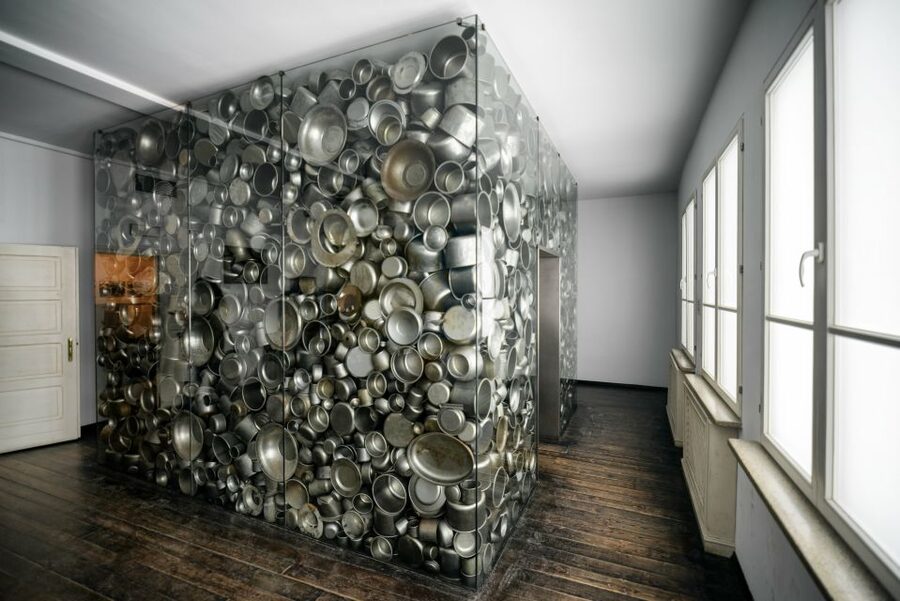
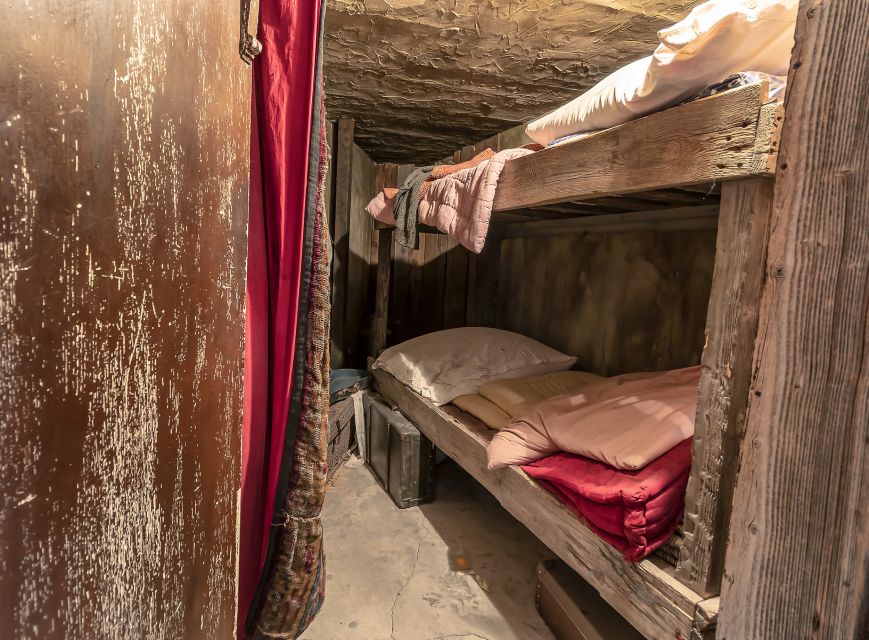
The exhibition uses reconstructions and recreated settings to give shape to the period. A French visitor praised the way these reconstructions made the historical places feel more real. They are especially useful if you do not already know much about Krakow during the war. Rooms and staged details can show the pressures of daily life more clearly than a wall of text.
At the same time, the museum can feel like a large maze of information. That is not necessarily a flaw, since the subject itself is complicated, but it means the guide is important. You will get more from the exhibition if you listen closely and let the guide explain how one section connects to the next.
Oskar Schindler’s office and the Survivor’s Ark
The stop most closely connected with Oskar Schindler is his personal office. Here, you learn more about the man who is credited with saving more than 1,000 lives.
The office gives the visit a clear focal point. Schindler is widely known through the film Schindler’s List, but the museum places him within the real setting of his factory and the wider occupation. The symbolic Survivor’s Ark adds a strong visual reminder of the people whose lives were saved.
This part is meaningful, but you should not expect the entire tour to revolve around Schindler. The exhibition is really about Krakow and its citizens under Nazi rule. Schindler’s story is one important thread, not the whole visit.
That distinction makes the tour better for visitors who want context. You learn about a person who acted within a brutal system, then consider the many people affected by that system. The office is a memorable stop, but the broader exhibition gives it meaning.
The most powerful guide experience described in the available feedback came from a guide who personally knew a survivor connected with Schindler’s List and shared some of her experiences. That kind of spoken connection cannot be promised on every departure, but it shows what a good guide can add. A personal account can make the material feel immediate without replacing the museum’s documented displays.
A few more in Kraków
- From Krakow: Auschwitz-Birkenau Guided Tour & Hotel Pickup
★ 4.5 · 33,358 reviews - From Krakow: Auschwitz-Birkenau Guided Tour & Hotel Pickup
★ 4.5 · 29,340 reviews - Krakow: Auschwitz Guided Tour with Optional Hotel Pickup
★ 4.5 · 15,280 reviews - Krakow–Zakopane: Cable Car, Chocholow Baths, Cheese & Vodka
★ 5.0 · 10,720 reviews
Why the guided format is worth considering
You can visit a museum on your own, but this tour is designed for people who want help making sense of a demanding subject.
A guide gives you a route through the exhibition and points out the parts most relevant to Krakow under occupation. You do not have to guess which displays explain Schindler, which ones describe local life, or how the different stories fit together.
The guide also sets the pace. The visit lasts between 90 minutes and two hours, depending on the departure and the movement of the group. That makes it a manageable addition to a Krakow sightseeing day. You get a focused historical visit without giving up an entire afternoon.
There is a trade-off. A guided group cannot stop everywhere for as long as you might like. If you read every panel carefully, you may want extra time before or after the guided portion, but the supplied details do not promise a separate extended museum period. At busy times, groups may cross paths, which can make the route feel less smooth.
The strongest ratings praise the guide and the educational value. One visitor called the experience well worth the trip and described the guide as exceptional. Another found it very interesting and learned new things about World War II. Those comments point to the tour’s real strength: interpretation, not access to an empty historic building.
Is $46 a fair price?
At about $46 per person, this is not the cheapest way to enter a museum. The value depends on what you want from the visit.
You are paying for an expert guide, a tour in your selected language, and a skip-the-line entrance ticket. If you would otherwise spend the visit trying to understand a large exhibition on your own, the added explanation can justify the price.
The tour is also useful if your Krakow schedule is tight. A 90-minute to two-hour visit gives you a clear introduction to the city’s wartime experience. You can leave with a basic framework for understanding the museum instead of trying to absorb every display without guidance.
The price is less convincing if you mainly want to see the factory as an industrial site. You will not get a hands-on look at enamel production based on the information provided. In that case, a self-guided museum visit might suit your expectations better, though you would give up the guide and skip-the-line service.
The overall rating is 4.2 from 12 reviews, with several top scores praising the guide, the value, and the information about World War II. The lower scores focus on two practical points: the exhibition did not match one visitor’s idea of a factory tour, and language or meeting-point communication caused trouble for another. Both concerns are easy to understand and worth factoring into your decision.
Practical rules inside the museum
Bring a physical passport or photo ID with a photograph for every person in your group. Without it, you may not be allowed to enter.
Large bags and luggage are not permitted inside. Do not arrive with suitcases and assume they can be stored at the museum. Pets are also not allowed, and the museum does not provide animal shelters.
Smoking and open fires are strictly prohibited. Flash photography and video recording are not permitted inside the museum either. Plan to keep your camera use quiet and respectful.
The museum is wheelchair accessible. Children under 14 are not considered suitable for this activity, so families with younger children should choose a different Krakow attraction.
Food and drinks are not included. Since the visit is relatively short, that is not a major issue, but plan any meal or coffee stop separately.
The activity is non-refundable. That makes it especially important to confirm the date, language, group arrangements, and ID requirement before booking.
Who will appreciate this Krakow tour

I would recommend this experience most strongly to adults and older teenagers who want a guided introduction to Krakow’s World War II story. It suits you if personal accounts help you connect political events with real lives.
It is also a good fit if you prefer a clear route through a museum and do not want to manage the ticket line. First-time visitors to Krakow may find the guide’s explanations particularly useful because the exhibition covers a large amount of material.
You should think twice if you want a quiet, highly detailed museum visit. A large group can limit your pace, and groups may cross in the exhibition. You should also reconsider it if your main interest is the technical process of making enamel pots and dishes.
This is a serious visit. The subject includes occupation, suffering, victims, and survival. The minimum age of 14 reflects the tone of the material. I would not treat it as a casual stop between lighter attractions.
Should you book Schindler’s Factory?
Book this tour if you want the former factory to serve as a doorway into Krakow’s wartime experience. The best parts are the personal stories, the reconstructed settings, Schindler’s office, and the guide’s help in connecting separate displays.
At $46, I think it is fair value for visitors who want skip-the-line entry and a live explanation in English or Spanish. The tour is particularly worthwhile when your time is limited or when you learn better through spoken stories than through museum panels.
Skip it if you expect an industrial demonstration, dislike group visits, or need a guaranteed Spanish guide without confirming availability. Bring your physical ID, leave large luggage behind, and arrive knowing that this is a World War II exhibition first and an enamel factory visit second.
FAQ
How long does the Schindler’s Factory tour last?
The tour lasts between 90 minutes and two hours. Starting times vary, so check availability when selecting your visit.
What languages are available?
The live guide is available in English and Spanish. Confirm the selected language before booking, since guide availability can change.
Where do I meet the guide?
Meet in front of the entrance to the Oskar Schindler’s Enamel Factory museum. The greeter carries a banner with a GetYourGuide logo.
Do I need to bring identification?
Yes. Every participant must bring a physical passport or photo ID. Without it, you may not be allowed to enter the museum.
Is the museum wheelchair accessible?
Yes, the activity is wheelchair accessible.
Can I bring luggage, pets, or a camera?
Large luggage and bags are not permitted. Pets are not allowed, and the museum has no animal shelter. Flash photography and video recording are also prohibited inside.
Just added in Kraków
- Auschwitz-Birkenau – Skip the Line Tickets★ 3.5 · 29 reviews
- Auschwitz-Birkenau: Fast-Track Ticket & Guided Tour No Transfers★ 3.5 · 17 reviews
- Zakopane & Sleigh Ride with Bonfire – Group Tour from Kraków★ 5.0 · 2 reviews
- Sleigh Ride & Bonfire in Zakopane with Funicular – Private Trip★ 5.0 · 48 reviews
- Thermal Baths & Zakopane – Private Trip from Krakow★ 5.0 · 1 review
- Zakopane & Gubalowka Funicular – Private Winter Tour from Krakow★ 5.0 · 10 reviews
- stag dog chase Krakow prank★ 5.0 · 4 reviews
- Divine Mercy Sanctuary – Private Tour from Krakow★ 5.0 · 4 reviews