
REVIEW · SCHINDLER'S FACTORY TOURS
Krakow: Schindler’s Factory Guided Tour
The past waits behind a factory door. Krakow’s Schindler’s Factory Museum turns Nazi occupation into a series of carefully staged rooms, using photographs, objects, sound, and recreated spaces to show how the war changed daily life. I like the clear focus on Krakow and the chance to see Oskar Schindler’s former office. I also like that a live guide helps connect the displays instead of leaving you to puzzle them out alone.
The main drawback is time. Ninety minutes moves quickly through a large museum, and some visitors have found that the group size made it harder to follow or that not every room was covered. You should think of this as a guided introduction, not a slow, complete inspection of every exhibit.
In This Review
- Five things to know before you go
- What the Schindler’s Factory Museum actually offers
- Starting at Lipowa 4 near the main entrance
- The opening rooms: photographs, streets, and daily life
- The officer’s room and the darker side of occupation
- The prison cell, tram, and railway scenes
- The Krakow Jewish Ghetto and Płaszów setting
- Finding Oskar Schindler inside the larger story
- How the guide affects the quality of the visit
- Is $50 good value for 90 minutes?
- Who will get the most from this museum tour?
- Practical tips for a smoother visit
- Should you book Schindler’s Factory Guided Tour?
- FAQ
- Where does the tour meet?
- How long does the guided visit last?
- What is included in the price?
- Which languages are available?
- Do I skip the ticket line?
- Do I need identification?
- Can I cancel or pay later?
Five things to know before you go
- The museum tells Krakow’s wartime story first: Schindler matters, but the exhibition also focuses on ordinary residents, the Jewish Ghetto, occupation, imprisonment, and Płaszów.
- The rooms change character as you move: Expect a photo salon, old tram, railway setting, prison cell, officer’s room, and recreated wartime streets.
- The guide is the main value: The tour is offered in English, Italian, Spanish, French, and German, with history explained in a direct, organized way.
- The former factory offices are included: You can see Schindler’s office and secretariat, though the tour gives broader attention to Krakow under Nazi rule.
- Allow for a fast pace: The museum is popular, groups can feel large, and 90 minutes may not cover every room.
- Bring identification from January 1, 2026: Full names are required at booking, and each participant must bring a passport or ID for admission.
What the Schindler’s Factory Museum actually offers
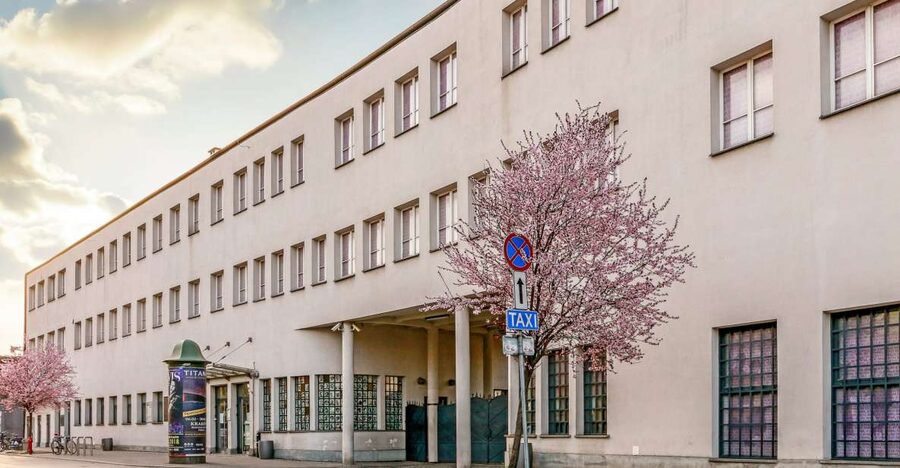
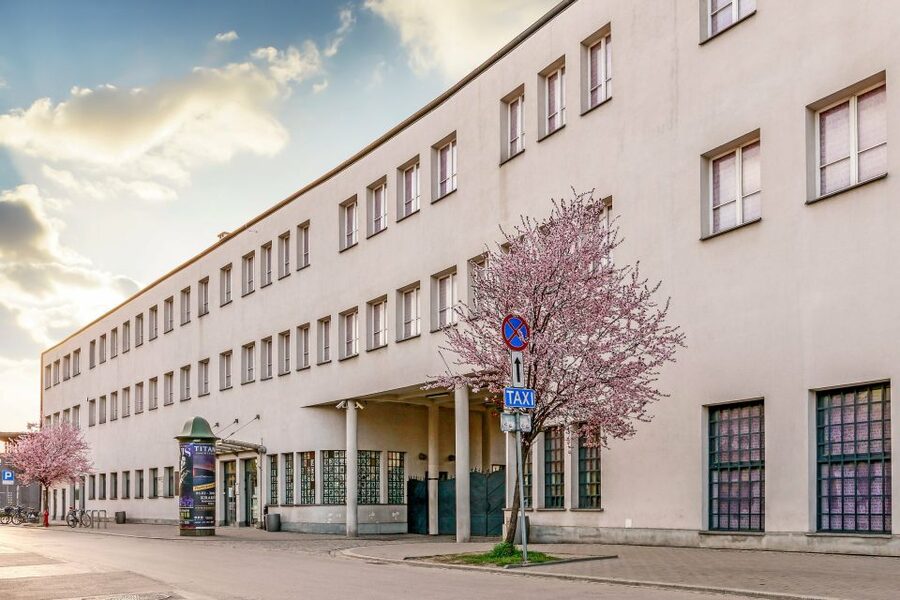
The museum occupies the former enamel factory associated with Oskar Schindler, but this is not simply a display about one businessman made famous by film. The exhibition uses the factory setting as an entry point into Krakow during World War II.
That distinction matters. If you arrive expecting a museum devoted only to Schindler’s personal story, you may find the visit broader and more serious than expected. You will learn about his role, but you will also see how occupation affected Jewish and non-Jewish residents, workers, prisoners, families, and people trying to manage ordinary life under extraordinary pressure.
The exhibition is relatively young, yet it has become one of Krakow’s most popular museums. Its approach is highly visual. Instead of placing every object in a traditional glass case, the museum arranges each room to suggest a particular place or moment.
I find that method useful for this subject. A long line of dates can explain a war, but a recreated street or tram gives you a better sense of how public life was controlled and changed. The mood shifts from room to room, so the visit feels more like a carefully arranged passage through the city than a standard collection of artifacts.
More Schindler Factory tours:
- Krakow: Oskar Schindler’s Factory Entry Ticket & Guided Tour
★ 4.2 · 3,793 reviews - Krakow: Schindler’s Factory Tour with Entrance Ticket
★ 4.5 · 3,182 reviews - Krakow: Schindler’s Factory Skip-the-Line Ticket
★ 4.4 · 3,105 reviews
Starting at Lipowa 4 near the main entrance
Your meeting point is Lipowa 4, 30-702 Krakow, near the main entrance to the factory. Look for the guide holding an excursion.city sign.
The entrance detail is worth taking seriously. The museum is popular, and a clear meeting point saves you from wandering around the former industrial complex looking for the group. The admission ticket is included, and the activity is designed to let you skip the ticket line.
From January 1, 2026, museum scheduling adds an important wrinkle. You can choose a preferred time when booking, but the exact start time is not guaranteed because the museum assigns personalized entry times. Build a little flexibility into your Krakow plans rather than scheduling another important activity immediately afterward.
You must also provide the full names of everyone in your party when reserving. Bring a passport or ID for each person. Without the required identification, entry may be refused. This is one of those small administrative points that can decide whether an enjoyable museum visit happens at all.
The opening rooms: photographs, streets, and daily life
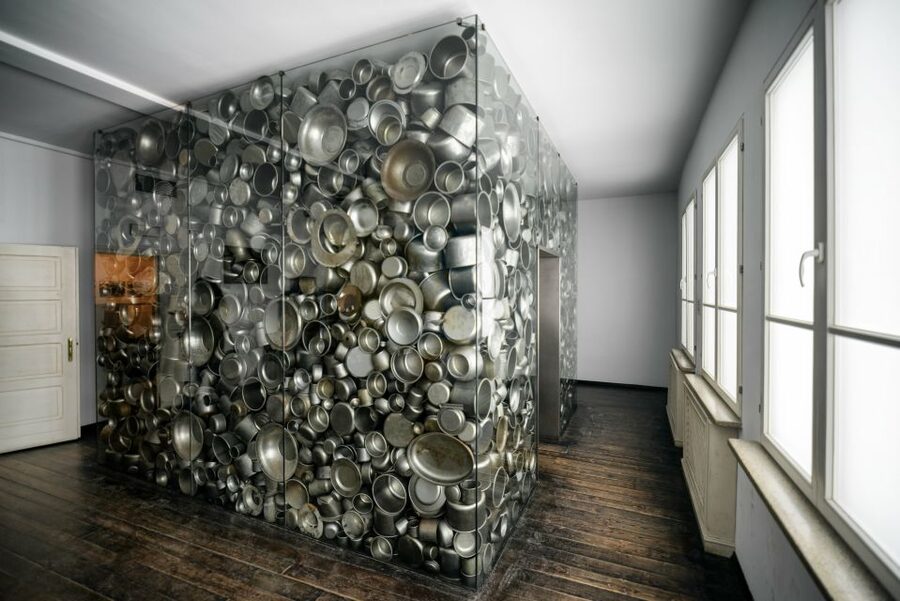
The tour gradually moves you back into the wartime city. One early setting resembles a photo salon, followed by streets of Krakow and other scenes that show how public life changed under occupation.
These displays are valuable because they keep the story grounded. You are not only hearing about military orders and political decisions. You are also looking at the visual world people faced every day: official symbols, controlled public spaces, uniforms, flags, weapons, and the pressure of living under a system that reached into ordinary routines.
The exhibition’s multimedia elements help keep the information moving. They also make the museum more accessible if you are not already familiar with the details of occupied Krakow. The guide’s job is to explain what you are seeing and select the events that matter most, rather than burying you under every possible fact.
That selection is both a strength and a limit. A good guide keeps the tour from becoming a history lecture with no end. The tradeoff is that you will receive a focused path through the museum, not every detail available in every room.
The officer’s room and the darker side of occupation
One of the more striking settings is an officer’s room marked by a swastika pattern. The design is not there for decoration. It creates an uncomfortable reminder of the authority and ideology that shaped the occupied city.
You will also encounter uniforms, flags, and weapons. These objects can feel stark, but they help show the machinery of occupation in concrete terms. The museum does not rely only on personal stories or atmospheric rooms. It places the symbols and tools of the period directly in front of you.
The guide adds context here. Without explanation, a uniform or flag is just an old object. With a guide, you can better understand how these signs of authority operated within Krakow’s streets, offices, transport systems, and prisons.
The atmosphere becomes increasingly grim as the route continues. This is not a light sightseeing stop, and you should plan your day accordingly. The museum presents persecution and war plainly, with recreated spaces that can feel more immediate than a conventional gallery.
A few more in Krakow
- From Krakow: Auschwitz-Birkenau Guided Tour & Hotel Pickup
★ 4.5 · 33,358 reviews - From Krakow: Auschwitz-Birkenau Guided Tour & Hotel Pickup
★ 4.5 · 29,340 reviews - Krakow: Auschwitz Guided Tour with Optional Hotel Pickup
★ 4.5 · 15,280 reviews - Krakow–Zakopane: Cable Car, Chocholow Baths, Cheese & Vodka
★ 5.0 · 10,720 reviews
The prison cell, tram, and railway scenes
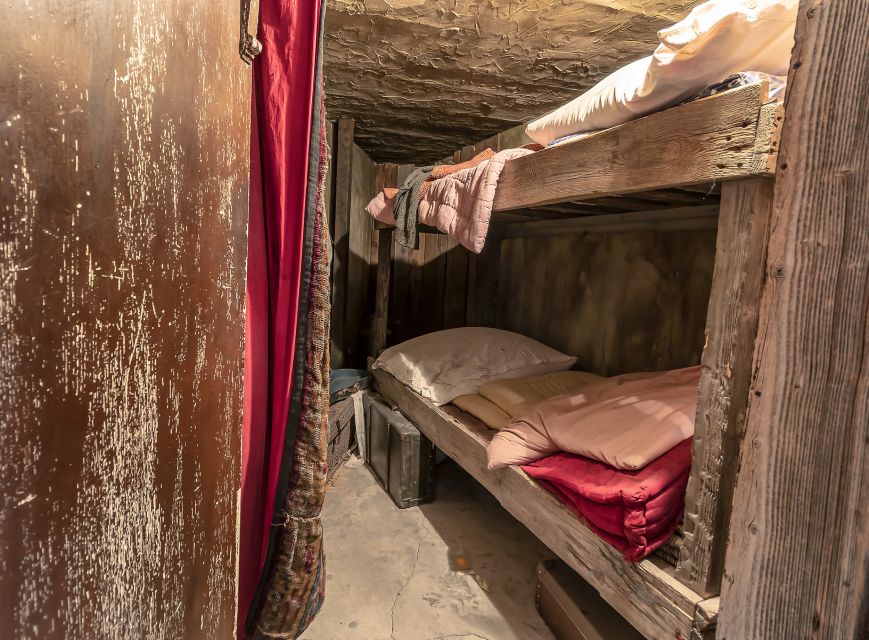
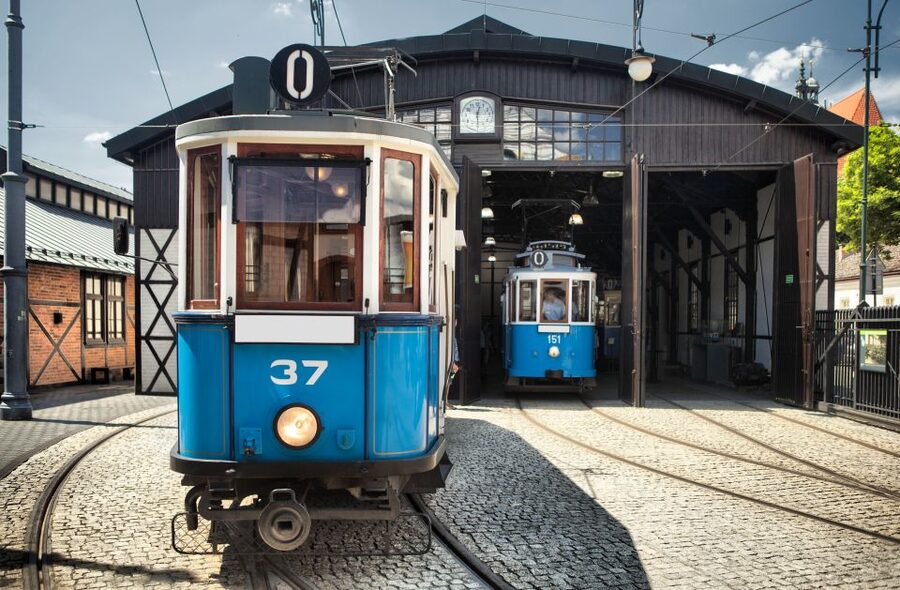
The route includes a prison cell, an old tram, railway settings, and a railway station. These are some of the most useful spaces for understanding movement during the war.
A tram suggests public transportation and daily routines, but in an occupied city, travel was not neutral. A railway station can represent work, departure, separation, or forced movement. A prison cell reduces the scale again, bringing the story from citywide systems to the confinement of an individual.
I like this mix of large and small settings. The exhibition can move from the broad story of Krakow to a single room where a person had very little control over what happened next. That change in scale keeps the visit from becoming abstract.
The downside is the pace. The museum has many rooms and recreations, while the guided visit lasts only 90 minutes. One Italian-language review described the tour as fast and well edited, with the guide moving directly to the important events without unnecessary detours. That is good for a first visit, but it also means you may pass through some spaces quickly.
The Krakow Jewish Ghetto and Płaszów setting
The tour reaches displays connected with the grounds of the Krakow Jewish Ghetto and a room resembling part of Płaszów concentration camp. These are among the most serious sections of the visit.
The Jewish Ghetto section helps place persecution within Krakow itself. This was not a distant event shown only through maps and dates. The museum’s room arrangements bring the subject into the city’s streets and lived spaces, making the connection between policy and personal experience easier to grasp.
The Płaszów setting shifts the mood again. It is not a substitute for visiting the actual site, but it gives the guided visit a physical way to address forced labor, imprisonment, and the camp system. The recreated area is part of a larger story about what happened to people after the ghetto was established and dismantled.
You should give yourself emotional room after this section. The museum does not treat the period as a dramatic backdrop for a celebrity biography. Schindler’s name draws many people through the door, but the human cost of Nazi occupation is the central subject.
Finding Oskar Schindler inside the larger story
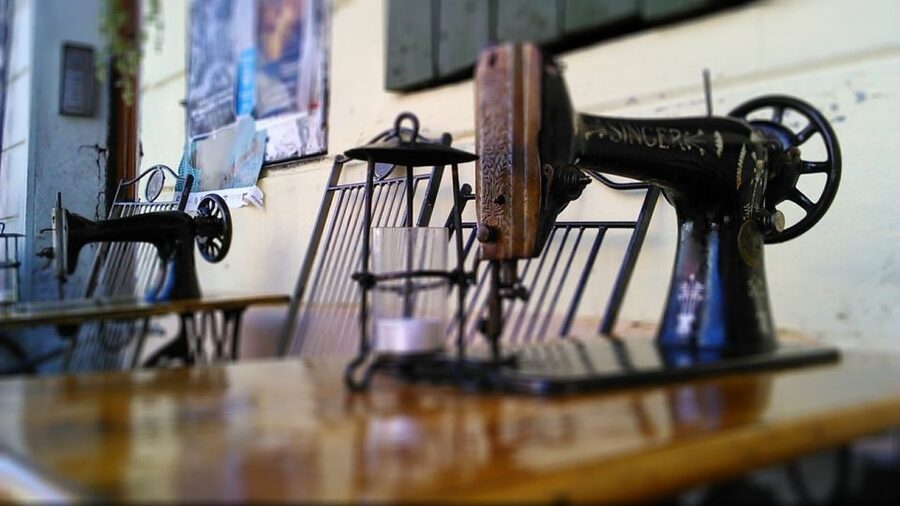
For many people, Schindler is the reason to book. The museum does not ignore that interest. You can see the former factory director’s office and the secretariat, which provide a direct link to the factory’s best-known figure.
The office matters because it connects the personal story to a real workplace. Schindler was not simply a character in a film or a name on a plaque. His factory, employees, and decisions belong to the history of Krakow during occupation.
Still, you should not expect the entire 90 minutes to focus on Schindler. The guide will explain his role, but the exhibition covers the city and its people on a much wider scale. That is a better choice for historical understanding, even if it is slightly different from what the name on the museum suggests.
If your main goal is Schindler’s biography, pay close attention when the tour reaches the office and secretariat. If your goal is to understand Krakow during World War II, the surrounding rooms may be even more important.
How the guide affects the quality of the visit
This tour lives or dies by its guide. The strongest feedback centers on clear explanations, good pacing, and guides who can select useful facts without wandering into long side stories.
One Italian-language tour was led by a Polish guide who spoke Italian and was described as engaging. Another Italian-language assessment praised the guide’s preparation. A French-language visit was also valued for its small group and excellent sound quality.
The same experience can feel less comfortable in a large group. Two separate comments point to crowd size as a concern, especially because the museum rooms can be tight. A group that is too large makes it harder to hear, gather around the guide, or take in a display before the route moves on.
You should therefore treat group size as a real consideration. The tour may be excellent when the guide can hold the group together, but a crowded room can blunt the impact of even the best explanation. If you have a choice of times, select the option that fits your schedule while keeping in mind that the museum’s popularity may mean a busy visit.
The available languages are English, Italian, Spanish, French, and German. The English option is especially useful if you want more than a silent walk through the displays. A live explanation gives names, causes, and connections that may not be obvious from the objects alone.
Is $50 good value for 90 minutes?
At $50 per person, this is not the cheapest way to see a Krakow museum. The value depends on what you want from the visit.
You are paying for entry, a live guide, and a structured route through one of Krakow’s most popular museums. The guide can save you from spending the first part of the visit figuring out the layout or deciding which events deserve your attention. The ticket-line benefit also has practical value when the museum is busy.
The price is harder to justify if you prefer a slow, independent visit. Ninety minutes is short for a museum with this many settings, and the guided pace may leave you wanting more time in particular rooms. Some people also prefer to read every panel and pause with photographs rather than move with a group.
I see the tour as a reasonable choice for a first visit, especially if your Krakow schedule is tight or you want historical framing in your own language. It is less attractive if you already know the subject well or plan to spend several hours studying the museum on your own.
Free cancellation up to 24 hours before the activity and the reserve-now, pay-later option make the booking less rigid. Those terms are useful if your Krakow plans are still shifting, but they do not change the basic question: can you accept a brisk 90-minute introduction?
Who will get the most from this museum tour?
I would recommend it most strongly to people who:
- Want a guided introduction to Nazi-occupied Krakow
- Are interested in Schindler but also want the wider city story
- Prefer visual displays and recreated rooms to a wall of text
- Need an English, Italian, Spanish, French, or German guide
- Have limited time and want a clear route through the museum
- Appreciate historical context supplied by a live person
You may want another approach if you need a quiet, unhurried museum visit. The tour can also feel compressed if your particular group is large or if you want to examine every room in detail.
Families and younger visitors may find the changing settings easier to follow than a traditional museum layout, but the subject is difficult. The prison, ghetto, and Płaszów sections deal with persecution and death. Consider the emotional readiness of everyone in your party before booking.
Practical tips for a smoother visit
Arrive at Lipowa 4 with enough time to find the main entrance and the excursion.city sign. Since the exact time may change from January 1, 2026, keep your schedule flexible and check the confirmed arrangements before setting off.
Use the tour as a guided framework. Listen closely when the guide introduces the city scenes, railway displays, ghetto, Płaszów section, and Schindler’s office. These are the parts where a short explanation can make the recreated setting much easier to understand.
Do not assume that seeing the factory office means the museum is mainly about Schindler. Save attention for the ordinary people and citywide changes around it. That is where the visit gains its weight.
Bring a passport or ID for every participant from January 1, 2026, and make sure the booking includes each person’s full name. These requirements are simple, but they are not optional.
Should you book Schindler’s Factory Guided Tour?
Book it if you want a focused, guide-led introduction to Krakow under Nazi occupation, with Schindler’s office included as part of the story. The multimedia rooms, recreated streets, tram, railway settings, prison cell, Jewish Ghetto section, and Płaszów display give the 90 minutes a strong historical range.
Think twice if you want to see every room slowly or dislike group tours. The $50 price is fair for admission plus a live multilingual guide, but the value drops if a large group makes the route hard to follow.
For most first-time visitors with limited time, I would choose the tour. Go in expecting a serious city history lesson with a Schindler connection, not a full biography of one man.
FAQ
Where does the tour meet?
Meet the guide at Lipowa 4, 30-702 Krakow, near the main entrance to Schindler’s Factory. The guide will hold an excursion.city sign.
How long does the guided visit last?
The tour lasts 90 minutes. Starting times vary, so you need to check availability when booking.
What is included in the price?
The $50 price per person includes the entrance ticket and a live guide.
Which languages are available?
The tour is offered in English, Italian, Spanish, French, and German.
Do I skip the ticket line?
Yes. Skip-the-ticket-line entry is included with this activity.
Do I need identification?
From January 1, 2026, every participant must bring a passport or ID. You must also provide the full names of all participants when reserving.
Can I cancel or pay later?
You can cancel up to 24 hours in advance for a full refund. The reserve-now, pay-later option lets you book without paying immediately.
Just added in Krakow
- Auschwitz-Birkenau – Skip the Line Tickets★ 3.5 · 29 reviews
- Auschwitz-Birkenau: Fast-Track Ticket & Guided Tour No Transfers★ 3.5 · 17 reviews
- Zakopane & Sleigh Ride with Bonfire – Group Tour from Kraków★ 5.0 · 2 reviews
- Sleigh Ride & Bonfire in Zakopane with Funicular – Private Trip★ 5.0 · 48 reviews
- Thermal Baths & Zakopane – Private Trip from Krakow★ 5.0 · 1 review
- Zakopane & Gubalowka Funicular – Private Winter Tour from Krakow★ 5.0 · 10 reviews
- Divine Mercy Sanctuary – Private Tour from Krakow★ 5.0 · 4 reviews
- stag dog chase Krakow prank★ 5.0 · 4 reviews