
REVIEW · SCHINDLER'S FACTORY TOURS
Kraków: Oskar Schindler’s Factory Tour and Admission Ticket
History feels different inside this factory. Oskar Schindler’s Enamel Factory offers a moving look at Kraków under Nazi occupation, not simply a biography of the businessman made famous by film. I like the excellent local guides, who add context and answer questions, and I like the multimedia displays that turn a difficult subject into something you can follow. The main drawback is pace: 90 minutes can feel rushed if you want to read every panel.
This is a group tour with a fixed entry time, so punctuality matters. The museum does not admit late arrivals, and there is no refund for missing the start. At $50 per person, the price makes the most sense if you want a guided explanation rather than a quick self-guided museum visit.
In This Review
- Key points to know before you go
- Why Schindler’s Factory matters in Kraków
- Meeting the guide near the factory entrance
- The first part of the exhibition: Kraków under occupation
- Schindler’s role within the larger story
- What a strong guide adds in 90 minutes
- The emotional weight of the visit
- Is the $50 price good value?
- Timing, tickets, and the details that can spoil the visit
- Who should take this tour?
- What to do after the museum
- Should you book Oskar Schindler’s Factory Tour?
- FAQ
- How long does the Oskar Schindler’s Factory tour last?
- Is the museum mainly about Oskar Schindler?
- What languages are available for the live guide?
- Where do I meet the guide?
- What happens if I arrive late?
- Do I need identification to enter?
Key points to know before you go
- The museum is about wartime Kraków first: Schindler appears in the story, but the exhibition gives more space to the city, its people, politics, and daily life under Nazi rule.
- A guide adds real value: Guides such as Agnes and Krystof have been praised for clear explanations, strong English, and thoughtful answers to questions.
- The tour lasts 90 minutes: That is enough for a focused visit, but not always enough time to listen carefully and read every display.
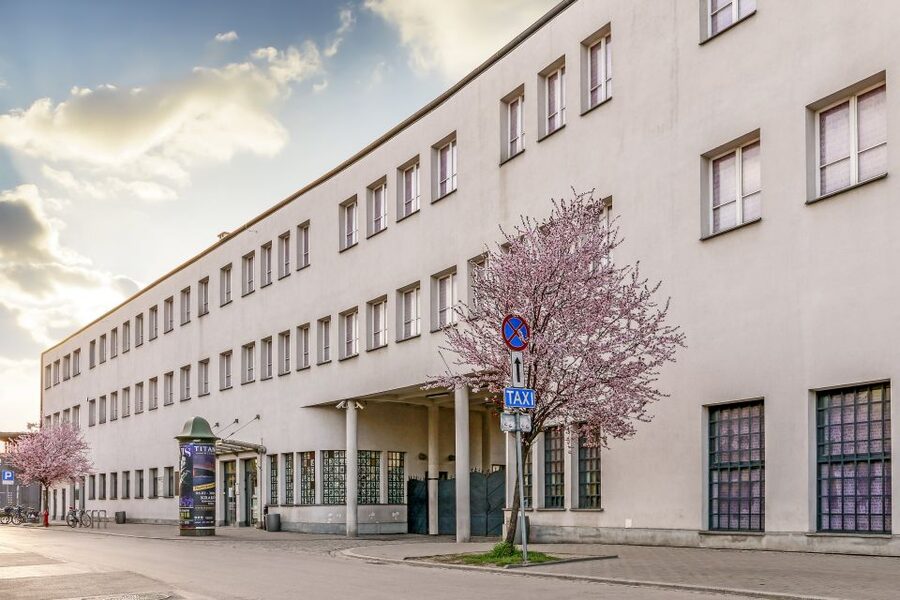
- Entry is tightly timed: Meet near the main entrance, look for the guide holding an excursions.city sign, and arrive early.
- The subject is serious but human: Alongside persecution and loss, the tour draws attention to courage and the lesser-known people who helped others.
- You need identification from January 1, 2026: Personalized tickets require the full names of all participants and a passport or ID at entry.
Why Schindler’s Factory matters in Kraków
The name Oskar Schindler naturally sets up a certain expectation. You may arrive thinking this will be a museum devoted mainly to Schindler, his factory, and the people he saved. That is only part of what you get.
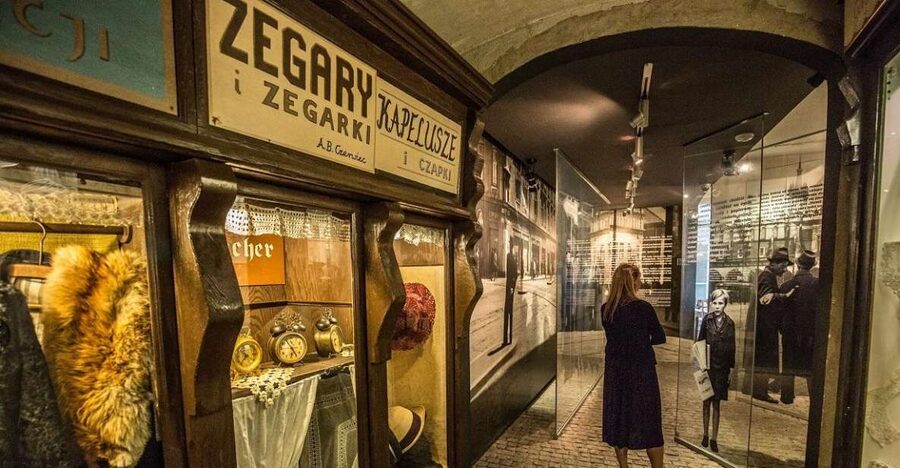
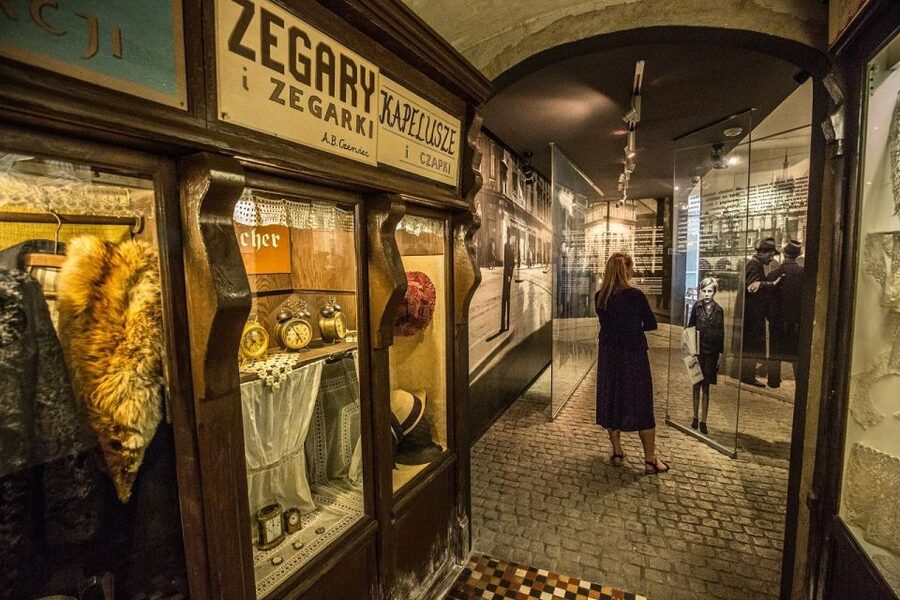
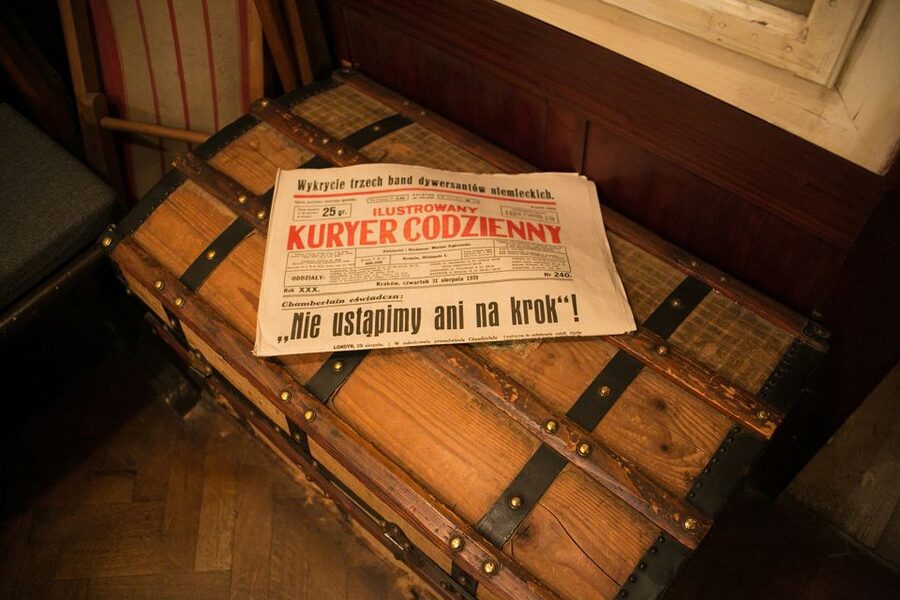
The principal exhibition, Kraków under Nazi Occupation 1939 to 1945, uses the factory as a doorway into the city’s wartime experience. You learn how Kraków changed under occupation and how ordinary people lived through the period. Schindler’s story appears within that larger picture, rather than taking over the entire visit.
That distinction matters. If your main goal is a detailed biography of Schindler, you may want to adjust your expectations before entering. If you want to understand the setting around his actions, this tour gives you far more useful ground.
I find that approach valuable because it prevents one famous figure from becoming the whole story. The exhibition places wartime Kraków, its political pressures, and its human choices at the center. Schindler becomes one thread in a much larger and darker account.
More Schindler Factory tours:
- Krakow: Oskar Schindler’s Factory Entry Ticket & Guided Tour
★ 4.2 · 3,793 reviews - Krakow: Schindler’s Factory Tour with Entrance Ticket
★ 4.5 · 3,182 reviews - Krakow: Schindler’s Factory Skip-the-Line Ticket
★ 4.4 · 3,105 reviews
Meeting the guide near the factory entrance
Your meeting point is near the main entrance to the factory. The guide carries a sign marked excursions.city, which should make the group easier to spot, but I would still arrive with time to spare.
This is not the sort of attraction where you can stroll up a few minutes late and join the next room. Groups enter at a specific time, and the museum does not accept late arrivals. Miss the meeting time and you may lose both the tour and your payment.
That strict schedule is one of the most important practical details. Leave extra time for finding the entrance and gathering your party. If you are visiting with children, older family members, or several people who tend to move at different speeds, set a clear meeting plan before you arrive.
The experience is a group tour, not a private visit. You will follow the guide through the exhibition at the appointed pace. That makes the visit organized and efficient, though it also means you cannot pause for as long as you like in every room.
The first part of the exhibition: Kraków under occupation
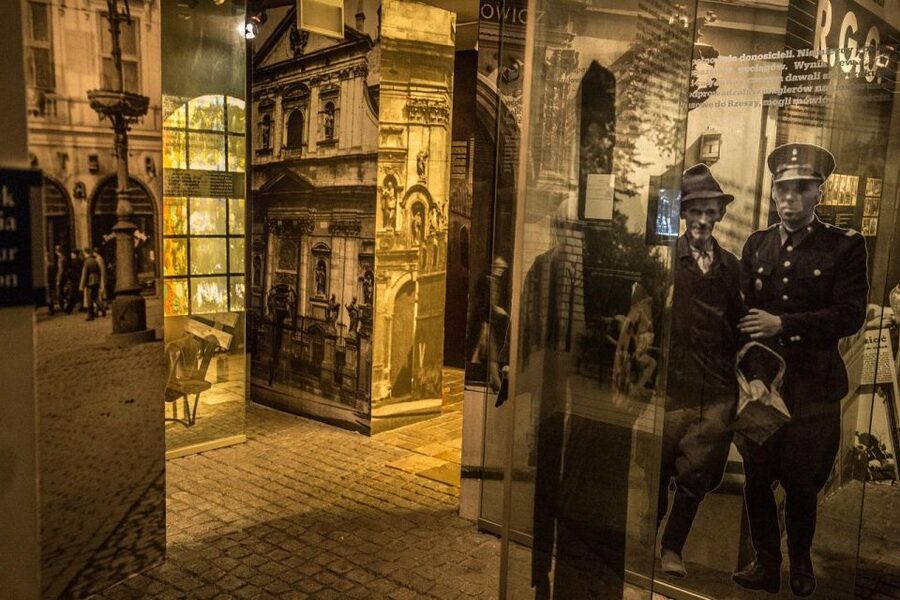
The tour begins with the city and the war, rather than with Schindler alone. The exhibition explains Kraków during the years of Nazi occupation and shows how public life and personal life were shaped by the conflict.
This opening section gives you the setting you need. Without it, Schindler’s role can seem detached from the events around him. With it, you can better understand the political forces, social pressures, and fear that shaped decisions across the city.
The multimedia presentation helps keep the story moving. Instead of relying only on long blocks of text, the museum combines visual material and other displays to create a more direct experience. You may find yourself switching between listening to the guide, looking at the presentation, and trying to absorb written information.
That combination is effective, but it creates the tour’s main tension. The guide keeps the story clear and gives you the important points, yet the 90-minute limit may leave little time to inspect every detail. Marianne, who visited with guide Krystof, found the explanations easy to follow but felt the group moved too quickly through some sections.
My advice is to listen first. The guide’s narrative is one of the main reasons to pay for this format. You can return to particular parts later if the museum allows it, but trying to read everything while keeping up with the group can leave you feeling hurried and distracted.
Schindler’s role within the larger story
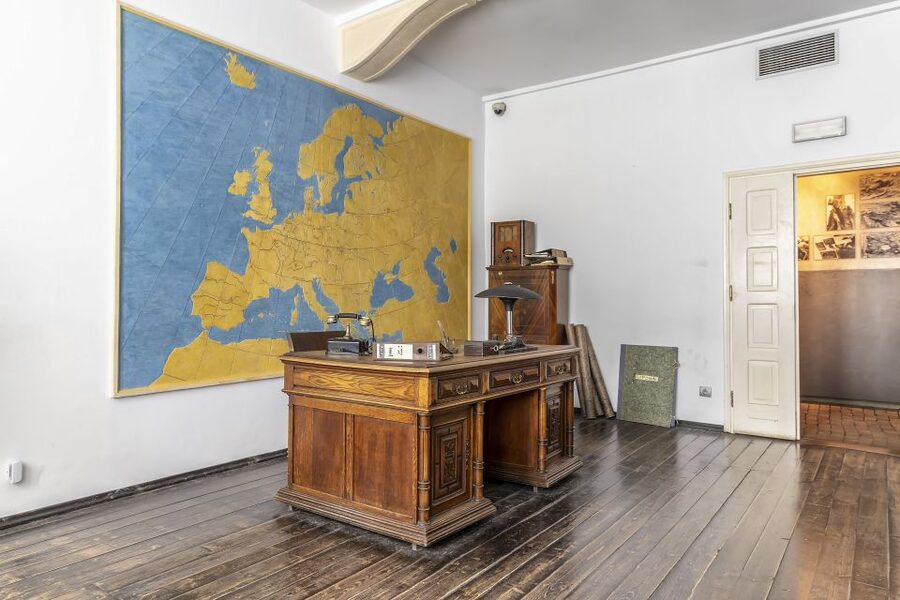
As the tour develops, the focus turns more directly toward Oskar Schindler and the factory. You hear about the man, the place, and the actions associated with him, but the exhibition does not treat his life as the sole subject.
That can be a pleasant surprise if you want a fuller account of wartime Kraków. It can also be a disappointment if you came expecting room after room about Schindler himself. One visitor found the tour highly informative but wished there had been more information about him personally.
The best way to approach this section is to see Schindler as part of the wartime story. The guide helps connect his actions to the surrounding events, which gives the account more weight than a simple portrait of one famous individual.
You also hear about people who are less familiar to the public. The tour brings attention to unknown heroes of the Holocaust, adding a human dimension beyond the most famous names. That is one of the strongest parts of the visit for me, because it widens your understanding of courage during a period when choices were dangerous and often heartbreaking.
A few more in Kraków
- From Krakow: Auschwitz-Birkenau Guided Tour & Hotel Pickup
★ 4.5 · 33,358 reviews - From Krakow: Auschwitz-Birkenau Guided Tour & Hotel Pickup
★ 4.5 · 29,340 reviews - Krakow: Auschwitz Guided Tour with Optional Hotel Pickup
★ 4.5 · 15,280 reviews - Krakow–Zakopane: Cable Car, Chocholow Baths, Cheese & Vodka
★ 5.0 · 10,720 reviews
What a strong guide adds in 90 minutes
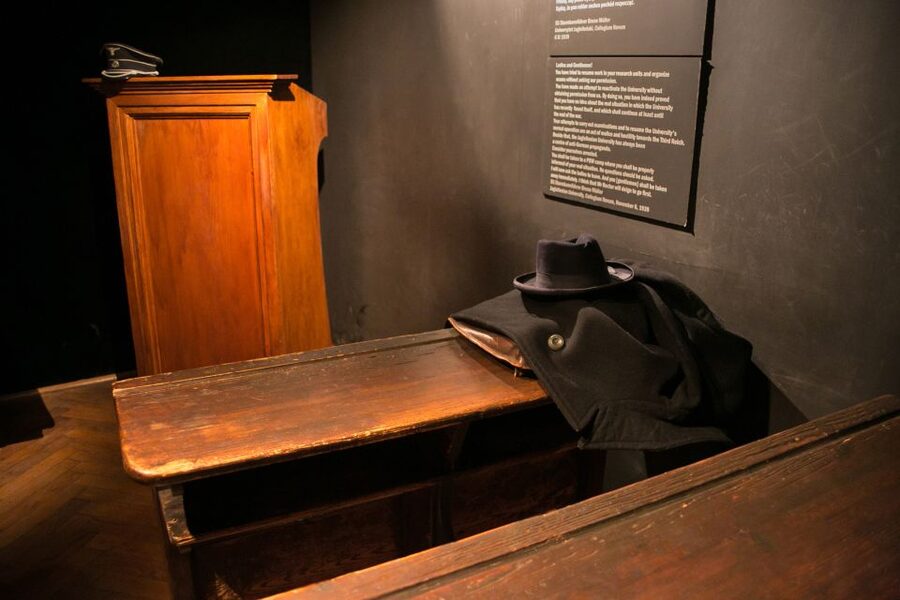
A good guide changes the character of this museum. You are not just moving from display to display. You are being given a route through a complicated subject, with someone there to explain connections and respond to questions.
The guides praised most highly for this experience are described as passionate, clear, friendly, and deeply prepared. Agnes, in particular, was appreciated for responding to questions and even walking afterward toward the nearby Jewish Ghetto Memorial. That extra walk is not part of the stated tour, so you should not count on it, but it shows the kind of personal attention a guide can bring.
A guide named Krystof was also noted for explaining difficult material in a way that was easy to follow. Other guides have been praised for speaking excellent English and offering their own thoughtful perspective on the subject.
The available languages are English, French, German, Spanish, and Italian. When booking, check that your preferred language is offered at the time you select.
The guide’s role is especially important for families. One parent found that the museum helped children connect school lessons about the war with real places and personal stories. That does not make the material easy, but it can make the subject more understandable and less abstract.
The emotional weight of the visit
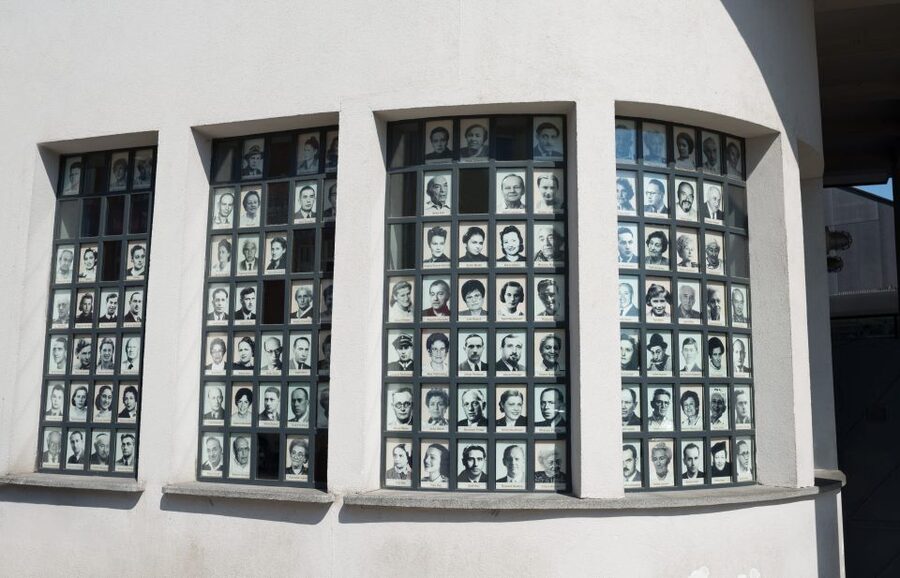
This is a serious museum, and the tour deals with Nazi occupation, World War II, persecution, and the Holocaust. You should not expect a light attraction that fits neatly between lunch and shopping.
The tone described by past visitors is sad, but not without hope. Stories of people who helped others and acts of courage give the visit some balance. The aim is not to turn suffering into entertainment. It is to show how a city and its people were affected, and how individuals responded under terrible conditions.
I would allow yourself a little quiet time after the tour. Ninety minutes is the official duration, but the subject may stay with you longer. If you are planning another emotionally demanding museum immediately afterward, think about the order of your day.
Families can visit, but parents should decide how much detail their children are ready to handle. The museum can make classroom history feel real, as one family discovered, yet real history is often more difficult than a lesson in a book.
Is the $50 price good value?
At $50 per person, this is not a budget museum entry. You are paying for two things: admission and a live professional guide.
The value is strongest when you want explanation, structure, and the chance to ask questions. A guide can point out details you might pass without noticing and explain how the museum’s different sections fit together. Several visitors felt they learned much more with a guide than they would have alone.
The value is weaker if you prefer to read every panel at your own speed. The fixed group pace means you may have to choose between following the commentary and studying the displays. If you already know the history well and want a slow, private visit, a guided group may feel restrictive.
The 90-minute duration also affects the calculation. You get a concentrated presentation rather than a whole afternoon in the museum. For a short Kraków visit, that can be useful. You know the tour will cover the main story without requiring hours of planning.
The price may also be easier to justify for families or first-time visitors who want the city’s wartime history explained in plain language. For a solo visitor who enjoys independent research, the guided ticket is less obviously necessary.
Timing, tickets, and the details that can spoil the visit
You can cancel up to 24 hours in advance for a full refund, and the reservation option allows you to book now and pay later. Those policies help if your Kraków schedule is still changing.
The strict entry rule deserves more attention than the cancellation policy. Arrive early, not exactly on time. The museum has a defined schedule, and late admission is not allowed.
From January 1, 2026, museum scheduling may affect the exact start time. You can select a preferred time, but that time is approximate and may change. Personalized tickets also mean you must provide the full names of everyone in your party when booking and bring a passport or ID to the museum.
That paperwork is easy to overlook. Check the names carefully before confirming your reservation, and make sure every participant has the required identification. Without it, entry may be refused.
Who should take this tour?
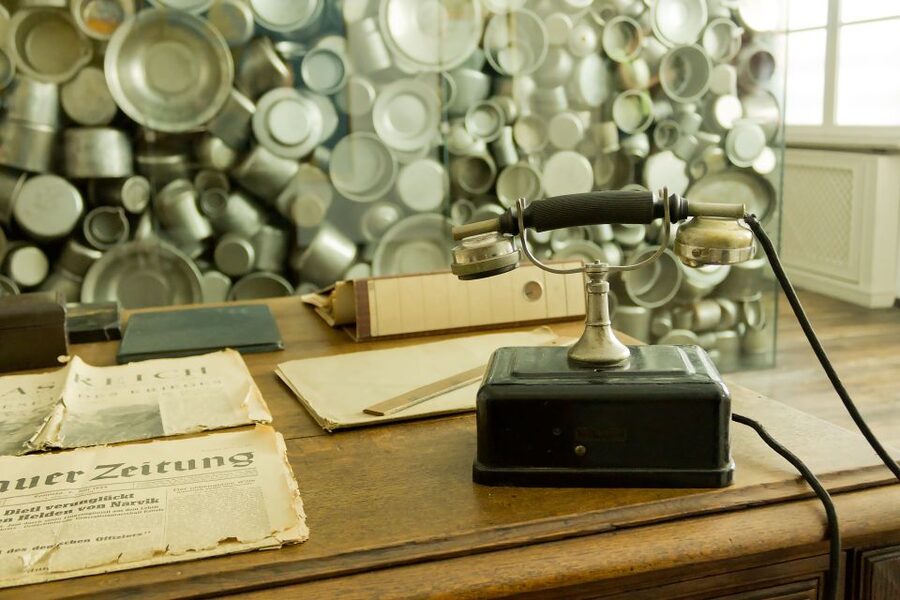
I would recommend this experience to you if you want a guided introduction to Kraków during World War II. It works particularly well for first-time visitors, families connecting the museum to school history, and anyone who wants a local guide to explain difficult material.
It is also a good choice if your time in Kraków is limited. The tour gathers the main exhibition into a 90-minute visit, giving you a clear starting point for understanding the city’s wartime past.
You may want a different arrangement if you need long periods to read, take photographs, or reflect in each room. The group moves on schedule, and one visitor found it hard to listen, read, and keep pace at the same time.
I would also reconsider if your only interest is Oskar Schindler’s personal biography. His story is included, but the museum’s main subject is Kraków under Nazi occupation. That wider focus is a strength, as long as you know it in advance.
What to do after the museum
The tour itself ends after about 90 minutes, but the subject connects naturally with other places in Kraków. The nearby Jewish Ghetto Memorial is one possible next stop. One guide, Agnes, walked in that direction after the tour, though this should be treated as a personal courtesy rather than part of the scheduled activity.
You can also use the visit as a foundation for seeing more of the city. Once you understand the exhibition’s account of occupied Kraków, other historical sites may feel less disconnected. The museum gives you a framework, while the rest of the city helps you place that history in space.
Do not pack the rest of the day too tightly. You may want time to discuss what you have seen, especially if you are visiting with children or relatives. A short break afterward can make the experience more meaningful than racing straight to the next attraction.
Should you book Oskar Schindler’s Factory Tour?
Book it if you want a focused, guided account of Kraków during Nazi occupation, with Schindler’s story placed inside that wider history. The strongest reasons are the passionate guides, the multimedia exhibition, the chance to ask questions, and the attention given to people whose names are less well known.
Skip it, or choose a slower independent visit, if you dislike fixed group schedules or need to examine every display at your own pace. Also remember that this is not a museum devoted only to Schindler.
For most visitors, the guide makes the $50 cost worthwhile, provided you arrive early and accept the brisk pace. Go in expecting a serious account of wartime Kraków, not a movie-themed attraction, and you will have a clearer idea of what this important museum offers.
FAQ
How long does the Oskar Schindler’s Factory tour last?
The tour lasts 90 minutes. The fixed duration gives you a focused visit, but you may not have time to read every display in detail.
Is the museum mainly about Oskar Schindler?
No. The main exhibition is Kraków under Nazi Occupation 1939 to 1945. Schindler’s life and actions are included, but the broader focus is Kraków and its people during World War II.
What languages are available for the live guide?
Live tours are available in English, French, German, Spanish, and Italian.
Where do I meet the guide?
Meet near the main entrance to the factory. The guide will hold a sign saying excursions.city.
What happens if I arrive late?
The museum does not accept late arrivals. Because the group enters at a strictly scheduled time, late participants may be refused entry and cannot receive a refund.
Do I need identification to enter?
From January 1, 2026, you must provide the full names of all participants when booking and bring a passport or ID. The tickets are personalized, and entry may be denied without these documents.
Just added in Kraków
- Auschwitz-Birkenau – Skip the Line Tickets★ 3.5 · 29 reviews
- Auschwitz-Birkenau: Fast-Track Ticket & Guided Tour No Transfers★ 3.5 · 17 reviews
- Zakopane & Sleigh Ride with Bonfire – Group Tour from Kraków★ 5.0 · 2 reviews
- Sleigh Ride & Bonfire in Zakopane with Funicular – Private Trip★ 5.0 · 48 reviews
- Thermal Baths & Zakopane – Private Trip from Krakow★ 5.0 · 1 review
- Zakopane & Gubalowka Funicular – Private Winter Tour from Krakow★ 5.0 · 10 reviews
- Divine Mercy Sanctuary – Private Tour from Krakow★ 5.0 · 4 reviews
- stag dog chase Krakow prank★ 5.0 · 4 reviews