
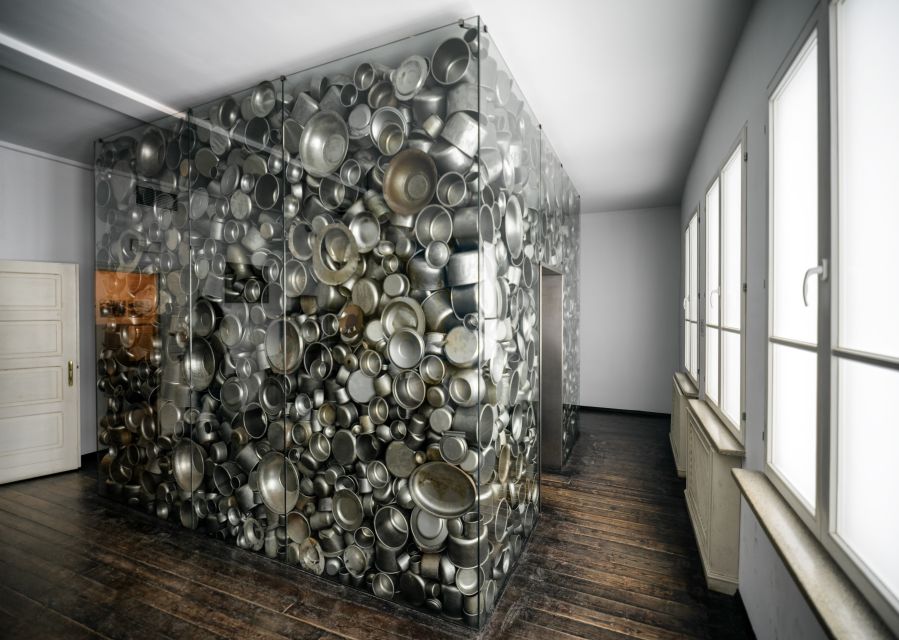
REVIEW · SCHINDLER'S FACTORY TOURS
Krakow: Oskar Schindler’s Factory Skip-The-Line Ticket
War stories fill Schindler’s old factory. This 90-minute museum visit uses photographs, objects, recordings, and personal stories to explain daily life in Krakow under Nazi occupation. I like the easy skip-the-line entry and the way the exhibition connects major events to ordinary people. The main drawback is that the museum is less about Oskar Schindler himself than many first-time visitors expect.
I also like the thoughtful layout, which moves you through the occupation in a clear timeline. Still, group tours can make the rooms crowded, and this is a self-guided ticket only, with no guide or audio rental included.
In This Review
- Key points to know before you go
- What the $24 ticket actually buys you
- Getting the real ticket from Krakowbooking
- Passing the queue at the factory entrance
- The exhibition begins with Krakow under occupation
- Personal stories make the history immediate
- Schindler’s office and the Survivor’s Ark
- Why self-guided visitors usually do well
- How long the 90-minute visit feels
- Accessibility, bags, and practical limits
- Best ways to fit it into your Krakow day
- Who should book this Krakow museum ticket
- Should you book the $24 ticket?
- FAQ
- How long does the Oskar Schindler’s Factory visit last?
- Does the ticket include a guide?
- How will I receive my museum ticket?
- Can I use the voucher shown in my booking app?
- Do I need to bring identification?
- How early or late can I arrive?
- Is the museum suitable for children?
- Is the museum wheelchair accessible?
- Can I bring a large bag or luggage?
- Can I take photographs or record video?
Key points to know before you go
- Your ticket arrives separately: Krakowbooking sends the actual admission ticket by email or WhatsApp, usually the day before your visit.
- Entry times are strict: Arrive no more than 10 minutes early or 10 minutes late, and bring a physical passport or photo ID for every person.
- The museum is broader than Schindler: Expect a detailed account of Krakow and Poland during World War II, not only the factory owner’s life.
- The skip-the-line option matters: Queues can stretch outside, especially when tour groups arrive, though there may not be a separate marked lane.
- Plan for a serious visit: The exhibition is emotional, packed with material, and best suited to children aged 14 and older.
- Allow for uneven surfaces: The building has lifts, but cobbled sections may be difficult for some wheelchair users.
What the $24 ticket actually buys you
At $24 per person, this is not simply a door-opening fee. It buys you timed admission to one of Krakow’s most important museums and, during busy periods, can save a long wait outside.
The value depends on your visit date. If the museum is quiet, the advantage is smaller. Several people have entered with little or no queue at less busy times. But when the line stretches down the street, walking past it is worth the price, especially when your Krakow schedule is tight.
You do not receive transportation, hotel pickup, or a personal guide. The ticket is for admission only. That makes this a good choice if you like moving at your own pace and reading the displays yourself. English explanations are available beside the exhibits, so you do not need a guided tour to follow the main story.
The ticket is non-refundable, so check your plans before booking. The date and time printed on the digital ticket control your entry. Do not assume the time you first selected during booking is the final one, since the assigned time can differ slightly.
More Schindler Factory tours:
- Krakow: Oskar Schindler’s Factory Entry Ticket & Guided Tour
★ 4.2 · 3,793 reviews - Krakow: Schindler’s Factory Tour with Entrance Ticket
★ 4.5 · 3,182 reviews - Krakow: Schindler’s Factory Skip-the-Line Ticket
★ 4.4 · 3,105 reviews
Getting the real ticket from Krakowbooking
This part deserves close attention. The admission ticket does not arrive as the standard GetYourGuide voucher. Krakowbooking, the local operator, sends the museum ticket by email or WhatsApp, normally one day before your visit.
Enter your contact details carefully when booking. If the email does not appear, check your spam and offers folders. The supplier specifically directs customers to [email protected] if the message is missing, with phone support listed from 9 a.m. to 6 p.m.
At the museum, show the digital ticket at the exhibition entrance. A physical passport or photo ID with a photograph is required for every participant. This is not a minor suggestion. Without it, you may be refused entry even if the barcode is valid.
There has been some confusion when people arrive holding a voucher from a different company or app. If staff tell you to wait outside, contact Krakowbooking directly and ask them to resend the actual ticket by WhatsApp. Keeping the email and phone details handy can save time and frustration.
Passing the queue at the factory entrance

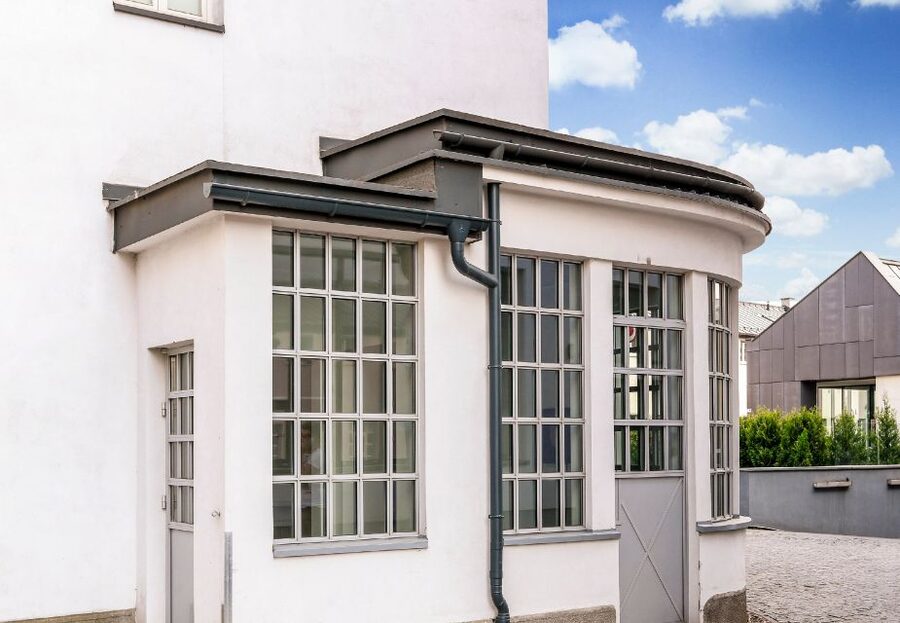
The original building is known as Oskar Schindler’s Deutsche Emailwarenfabrik, or DEF. It was established in 1937, before Nazi Germany invaded Poland on September 1, 1939. German troops entered Krakow on September 6, and Schindler arrived in the city around that time.
Today, you enter through the former factory building, but do not expect a preserved production floor filled with machinery. The site now houses a carefully designed museum exhibition. The factory setting gives the story weight, yet the focus is the city and its people during the occupation.
Look for the entrance queue and present your supplier-issued ticket rather than casually joining the waiting line. Some ticket holders simply walk past the queue and go through the front door. At other times, staff may need to confirm where your ticket came from, so leave yourself enough time to sort out any question.
The arrival window is narrow: no more than 10 minutes before or 10 minutes after the assigned time. A late arrival is not treated casually. I would aim to reach the area early, then wait nearby rather than risk missing the slot.
The exhibition begins with Krakow under occupation
Inside, the exhibition places you in the story of Krakow during nearly six years of Nazi occupation. Instead of presenting the war only through military dates, it shows how occupation changed work, family life, identity, movement, and personal safety.
The rooms follow a broad timeline from the first days of the war toward its end. Photographs, documents, objects, and recorded memories give the displays a human scale. You might pause over an ordinary item and then find that it explains a much larger change in life under German rule.
That approach is one of the museum’s strengths. You are not simply memorizing a sequence of events. You are seeing how the Nazi regime affected people who had to make daily decisions in a frightening and unstable city.
The exhibition also explains the culture and history of Krakow’s Jewish community. Its story is not treated as a side note to Schindler’s biography. Instead, the Jewish experience forms a central part of the account of the city, the occupation, persecution, and survival.
A few more in Krakow
- From Krakow: Auschwitz-Birkenau Guided Tour & Hotel Pickup
★ 4.5 · 33,358 reviews - From Krakow: Auschwitz-Birkenau Guided Tour & Hotel Pickup
★ 4.5 · 29,340 reviews - Krakow: Auschwitz Guided Tour with Optional Hotel Pickup
★ 4.5 · 15,280 reviews - Krakow–Zakopane: Cable Car, Chocholow Baths, Cheese & Vodka
★ 5.0 · 10,720 reviews
Personal stories make the history immediate
The recorded interviews with survivors are among the most affecting parts of the visit. They connect the printed information to voices and memories, reminding you that the events on the walls were lived by real people.
This can be an emotional stop. Give yourself time to listen, even if that means moving more slowly than a nearby group. The museum contains a lot of material in a compact route, and rushing through the recordings would weaken one of the best parts of the visit.
English text appears beside many sections, which helps if you prefer reading rather than joining a guided group. The exhibition also includes interactive elements, giving you more than a series of framed photographs and labels.
The compact layout helps visitors who find large museums tiring or hard to follow. Each area leads into the next, and the timeline gives you a clear sense of progress. The tradeoff is that a compact museum can feel crowded when several groups arrive at once.
Schindler’s office and the Survivor’s Ark
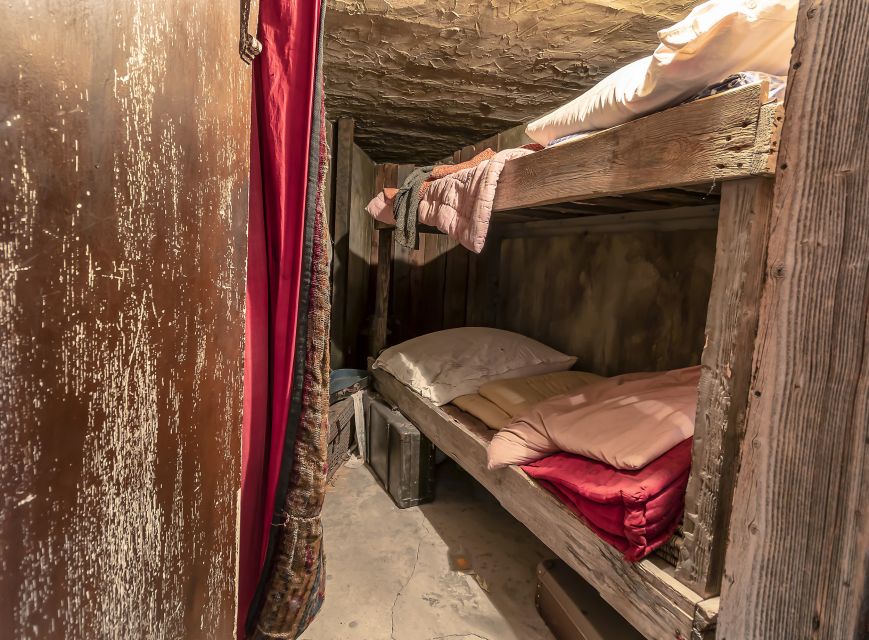
The museum does not ignore Schindler. You learn about the Sudeten German industrialist who belonged to the Nazi Party and worked as an Abwehr agent, then used his position and factory to help save more than 1,000 Jewish lives.
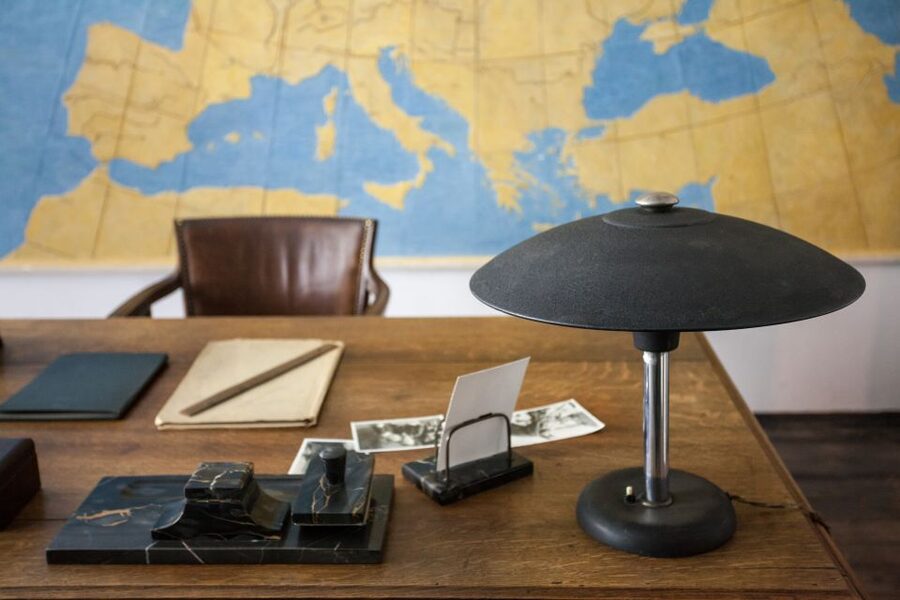
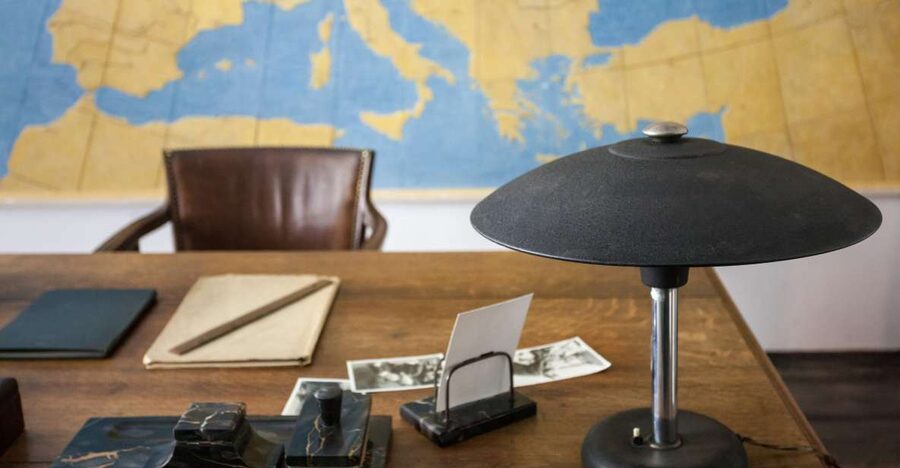
One of the important stops is his personal office, where you see the symbolic Survivor’s Ark. This provides a direct link between the man, the factory, and the people he protected.
Still, keep your expectations in check. The museum does not tell Schindler’s complete story at every turn. Its larger purpose is to show Krakow during the war, with Schindler’s actions placed within that wider setting.
If you arrive expecting a full biography of Schindler, you may feel that the exhibition gives him too little space. The displays explain what he did and why it mattered, but the museum is more a World War II and Krakow occupation museum than a personal house museum devoted to one man.
That broader focus is also why the visit has value. Schindler’s story becomes more meaningful when you understand the political system, social divisions, and daily pressures around him.
Why self-guided visitors usually do well
The ticket includes no guide. That may sound like a limitation, but the museum provides enough written English information for you to make sense of the route without hiring help.
A self-guided visit also lets you stop at the photographs and survivor recordings that interest you most. You can move past sections that are less relevant, though I would not rush the final rooms simply because the entrance time allowed only 90 minutes.
The main challenge is crowd flow. Guided groups can occupy narrow sections and make it hard to stand in front of a display. On a busy day, you may need to wait for a group to move before reading a panel or listening to a recording.
Some visitors have found it useful to stay near the end of a guided group and listen from a respectful distance. I would not count on this as a substitute for a paid tour, but it can help you catch extra context if the route is crowded.
There is no guide included and no headphone rental mentioned with this ticket. If you want a structured explanation from start to finish, book a guided option instead. If you are comfortable reading and setting your own pace, the standard admission ticket is enough.
How long the 90-minute visit feels
The stated duration is 90 minutes, but the amount of material can make that feel short. You can walk through the main route in that time, yet the photographs, recordings, and personal accounts reward a slower pace.
Some people could spend much longer taking everything in. If you have a strong interest in World War II or Krakow’s Jewish history, do not fill the rest of your day with an immediate appointment across town.
At the same time, the exhibition is structured well enough for a shorter visit. You are not left wandering through unrelated rooms. The chronological route gives you a practical way to keep moving if your time is limited.
The building can become difficult to navigate when many tour groups arrive together. A calm weekday or less crowded time may give you a better chance to hear the recordings and read the English panels without standing shoulder to shoulder.
Accessibility, bags, and practical limits
The activity is listed as wheelchair accessible, and lifts are available in the building. However, some flooring is cobbled, which may make movement hard for certain wheelchairs. If smooth surfaces are important for your visit, contact the operator before booking rather than assuming every part will be easy to cross.
Large bags and luggage are not allowed. Pets are also prohibited, along with weapons, sharp objects, alcohol, drugs, and entry while intoxicated. Flash photography and video recording are not permitted.
Bring your physical passport or photo ID. A phone displaying the ticket is useful, but it does not replace the required identification.
Children under 14 are not considered suitable for this activity. The subject matter includes persecution, war, and survival, so families should take the age guidance seriously.
Best ways to fit it into your Krakow day
The factory is in Krakow’s Lesser Poland region, but this ticket does not include transportation. You must arrange your own way there and back.
Because the ticket is timed, build your day around the museum rather than treating it as a casual stop. Arrive early enough to find the entrance, but remember that staff may not admit you more than 10 minutes before your slot.
Do not combine it with a rigid schedule that leaves only a few minutes afterward. The museum may take the full 90 minutes, and the emotional material can make you want a quiet break before moving on.
There is a cafe across the road, which can be handy before or after the visit. It has been praised for English breakfast and coffee, giving you a simple place to gather yourself after the exhibition.
Who should book this Krakow museum ticket
I recommend it most strongly if you want to understand Krakow through personal stories rather than only grand monuments and dates. It suits adults, older teenagers aged 14 and above, history fans, and visitors interested in the Jewish community of prewar and wartime Krakow.
It is also a sensible choice if you dislike standing in queues. The skip-the-line benefit can be substantial when the outside line is long, and advance booking is wise during busy periods.
You may want another option if your main goal is an extended biography of Oskar Schindler. You will learn about his office, the Survivor’s Ark, his position in the Nazi system, and the lives he helped save, but much of the exhibition covers the wider war in Krakow and Poland.
I would also think twice if you need a quiet, open museum with lots of personal space. The rooms are compact, and tour groups can make some sections feel crowded.
Should you book the $24 ticket?
Yes, if your Krakow plans include the museum and you want reliable timed entry. The best part of the purchase is not luxury or personal service. It is the practical ability to avoid a potentially long queue and enter a powerful exhibition with clear English information.
Book it only after checking your schedule carefully. The ticket cannot be refunded, the assigned time may vary slightly from your original choice, and missing the narrow entry window can ruin the plan.
For most adults interested in Krakow’s wartime past, the price is fair. Just arrive with the right ticket, a physical ID, modest expectations about Schindler’s share of the exhibition, and enough time to pause when the personal stories demand it.
FAQ
How long does the Oskar Schindler’s Factory visit last?
The stated duration is 90 minutes. The exhibition contains a large amount of material, so you may need to keep a steady pace to see it within that time.
Does the ticket include a guide?
No. The ticket includes skip-the-line entrance only. A guide, transportation, and pickup or drop-off are not included.
How will I receive my museum ticket?
Krakowbooking sends the actual admission ticket by email or WhatsApp, usually one day before the visit. It is not the standard GetYourGuide voucher.
Can I use the voucher shown in my booking app?
You should present the digital ticket sent by Krakowbooking. A voucher from another company or app may not be accepted as the museum admission ticket.
Do I need to bring identification?
Yes. Every participant must bring a physical passport or photo ID. Without it, you may not be allowed into the museum.
How early or late can I arrive?
You may arrive no more than 10 minutes before or 10 minutes after the time printed on your ticket. The museum is strict about this entry window.
Is the museum suitable for children?
The activity is not suitable for children under 14. The subject matter covers Nazi occupation, persecution, war, and survival.
Is the museum wheelchair accessible?
The building has lifts and is listed as wheelchair accessible. Some cobbled flooring may still be difficult for certain wheelchair users.
Can I bring a large bag or luggage?
No. Luggage and large bags are not allowed inside. Pets, weapons, sharp objects, alcohol, and drugs are also prohibited.
Can I take photographs or record video?
Flash photography and video recording are not allowed. Follow the museum’s rules throughout the exhibition.
Just added in Krakow
- Auschwitz-Birkenau – Skip the Line Tickets★ 3.5 · 29 reviews
- Auschwitz-Birkenau: Fast-Track Ticket & Guided Tour No Transfers★ 3.5 · 17 reviews
- Zakopane & Sleigh Ride with Bonfire – Group Tour from Kraków★ 5.0 · 2 reviews
- Sleigh Ride & Bonfire in Zakopane with Funicular – Private Trip★ 5.0 · 48 reviews
- Thermal Baths & Zakopane – Private Trip from Krakow★ 5.0 · 1 review
- Zakopane & Gubalowka Funicular – Private Winter Tour from Krakow★ 5.0 · 10 reviews
- Divine Mercy Sanctuary – Private Tour from Krakow★ 5.0 · 4 reviews
- stag dog chase Krakow prank★ 5.0 · 4 reviews