
REVIEW · JEWISH QUARTER TOURS
Krakow: Kazimierz Jewish District Private Guided Tour
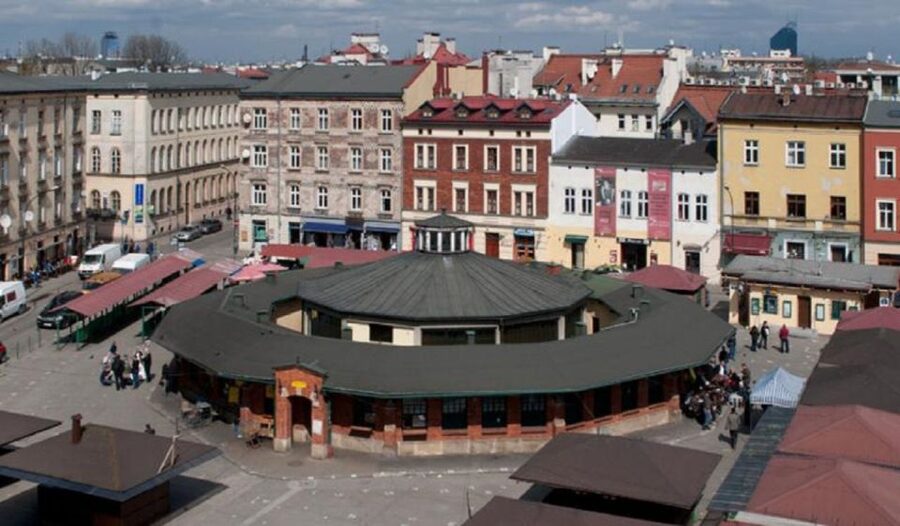
Kazimierz rewards slow walking. This private four-hour tour brings Krakow’s Jewish quarter into focus through its seven main synagogues, old cemeteries, market streets, and wartime remains. I like the personal format, and I like that the tour connects Jewish life before the war with the community’s place in Krakow today. The main consideration is that this is a serious history walk, not a light sightseeing stroll.
The meeting point at the Jewish Cultural Center is easy to understand, and your guide waits with a sign bearing your name. Guides such as Marzena, Agnieszka, Catherine, and Nargarita have earned especially warm praise for being prepared, kind, and flexible. Still, you should wear good shoes and bring weather-ready clothing, since four hours on foot can feel long on a wet or cold day.
In This Review
- Key points to know before you book
- Why Kazimierz deserves four hours
- Starting at the Jewish Cultural Center
- Szeroka Street and the old Jewish quarter
- The seven synagogues and what they reveal
- Remu Synagogue and the old cemetery
- The Old Synagogue and Jewish Museum
- Ghetto wall remains and the Holocaust story
- Schindler’s List locations beyond the movie
- A private guide makes the difference
- What happens to the district after the war
- Is $16 a good value?
- Who should book this Kazimierz walk?
- FAQ
- Where does the tour begin?
- How long is the Kazimierz tour?
- Is this a private tour?
- Which languages are available?
- Is the tour wheelchair accessible?
- What should I bring?
- Should you book it?
Key points to know before you book
- Seven synagogues in one historic district: Kazimierz contains Krakow’s largest concentration of Jewish monuments, giving you a clear look at religious life, community buildings, and changing traditions.
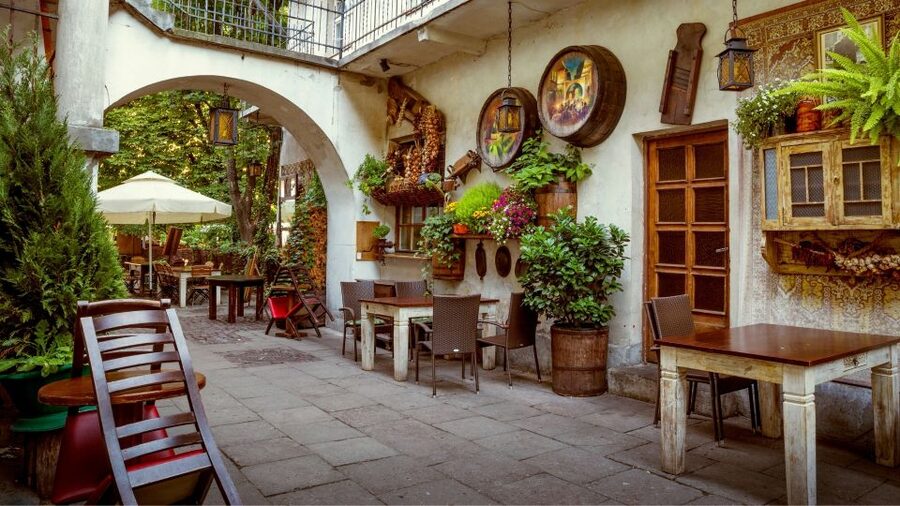
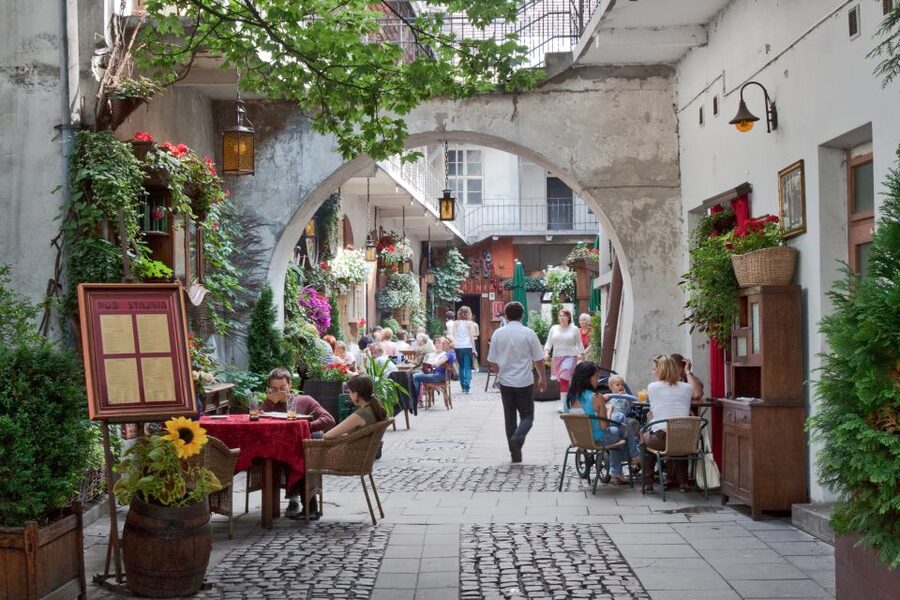
- Szeroka Street is the heart of the walk: This atmospheric street brings together synagogues, Jewish restaurants, public spaces, and the old quarter’s strongest sense of place.
- Remu Synagogue and its cemetery add emotional weight: The synagogue and adjoining old cemetery help explain how worship, burial, and community memory were connected.
- The Holocaust story is part of the route: You see remains of the ghetto walls and learn what happened to Krakow’s Jewish community during and after the war.
- Film locations have a real history behind them: Places associated with Schindler’s List are used as a doorway into the past, not just as movie photo stops.
- Private guiding gives you room to ask questions: The tour can be adapted to your pace and interests, and it is offered in English, French, Italian, Portuguese, Spanish, German, Russian, and Polish.
Why Kazimierz deserves four hours
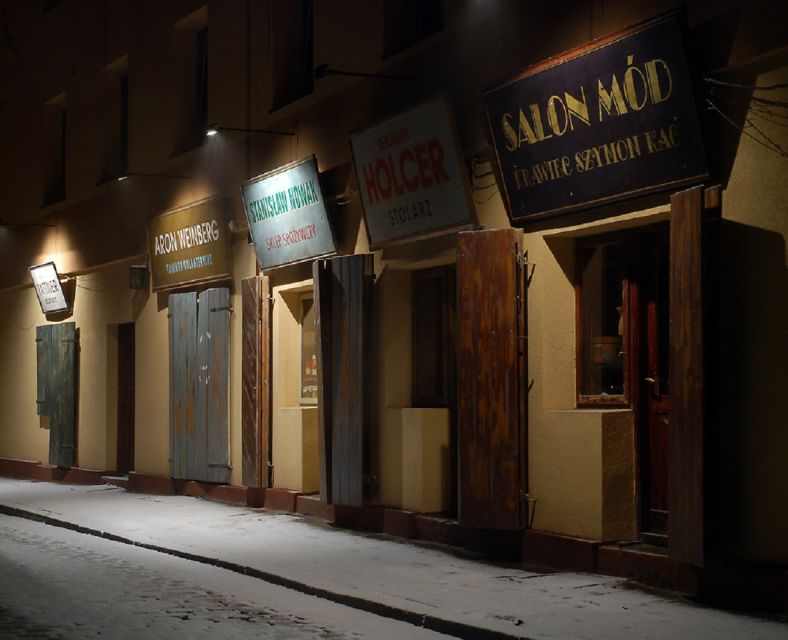
Kazimierz is not simply an old quarter with attractive buildings. It was the center of Jewish life in Krakow for centuries, and its streets still hold signs of religious practice, family life, commerce, persecution, loss, and renewal.
That range is what makes a guided walk useful. On your own, you might notice a synagogue facade or a cemetery gate. A good guide explains how those places fit together. You learn what the Jewish community was like before the war, what happened during the Holocaust, and how Jewish life continues today.
I would allow the full four hours. Kazimierz has enough material for a quick hour-long look, but that shorter visit can leave the important parts disconnected. This tour gives you time to move from monuments to memory, then from wartime history to the present day.
The pace is also worth noting. One booking described a tour that lasted five hours, with the time passing quickly and the route adjusted to personal preferences. The scheduled duration is four hours, but that account suggests the private format may allow some flexibility when the guide and group agree.
More Jewish heritage tours in Kraków:
- Krakow: Schindler’s Factory & Ghetto Guided Tour
★ 4.7 · 1,694 reviews - Krakow: Jewish Quarter and Former Ghetto Tour
★ 4.9 · 1,441 reviews - Krakow: Bike Tour of Old Town, Jewish Quarter and the Ghetto
★ 4.9 · 1,155 reviews
Starting at the Jewish Cultural Center
Your guide meets you at the Jewish Cultural Center, holding a sign with your name. This is a useful arrangement in a district where several streets and landmarks can look similar at first glance.
The opening welcome sets the tone for the walk. Rather than beginning with a list of dates, the guide introduces Kazimierz as a living part of Krakow. You start to see the district not as a museum frozen in the past, but as a neighborhood shaped by a community that was nearly destroyed and is now finding its voice again.
I would use the first few minutes to tell your guide what interests you most. You might want more time on synagogues, the Holocaust, film locations, cemeteries, or modern Jewish life. Since this is a private group, you have a better chance of getting useful answers instead of following a fixed script.
The tour is wheelchair accessible, which is important for anyone who needs an accessible route. Still, the walk includes outdoor streets, monuments, and cemetery areas, so weather and footwear remain practical concerns.
Szeroka Street and the old Jewish quarter
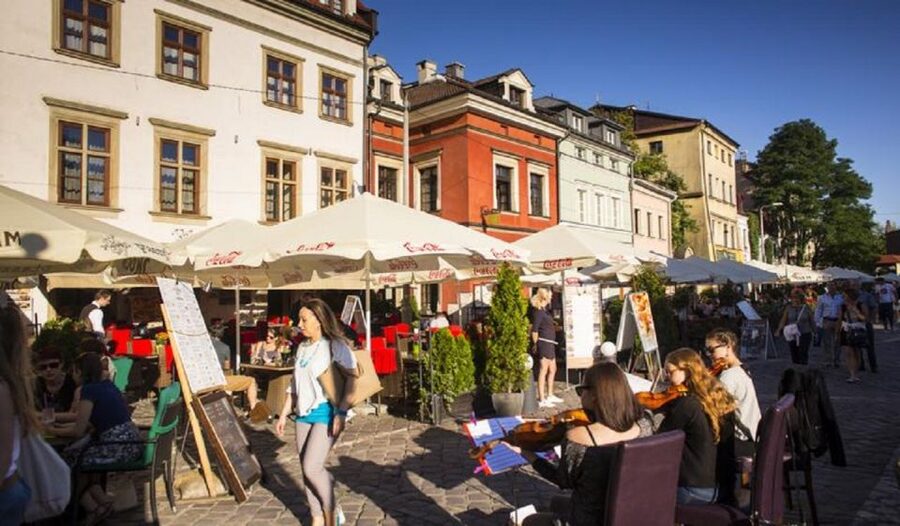
Szeroka Street is one of the most important places on the route. It forms the heart of the old Jewish quarter and brings several parts of Kazimierz together in one view.
Here, you can better understand the relationship between public life and religious life. Synagogues were not isolated attractions. They served communities, families, and traditions. The surrounding streets supported daily routines that included worship, study, trade, food, and social contact.
Your guide points out the main monuments and explains how the quarter developed. This is where a private tour can be more useful than a map. You can stop when a detail catches your attention, ask what changed after the war, and hear how the area is viewed today.
Szeroka Street also helps you get your bearings. Once you understand this central stretch, the rest of the walk makes more sense. You are no longer seeing separate buildings. You are following the outline of a former community.
The seven synagogues and what they reveal
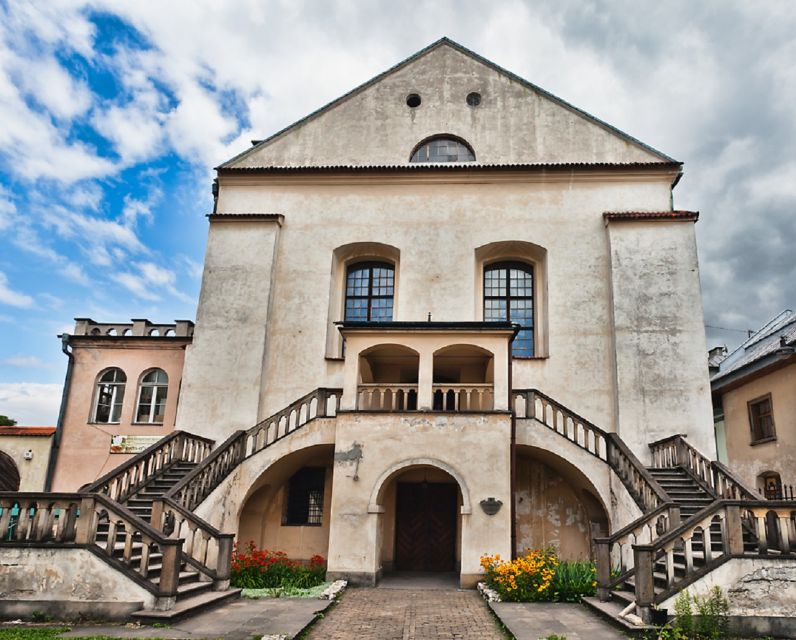
The tour highlights the seven main synagogues in Kazimierz, described as the largest synagogue complex in Europe. Seeing this concentration of Jewish religious buildings is one of the clearest ways to grasp the district’s former importance.
Each synagogue belongs to a wider story about religious practice and community organization. The value of the walk is not only in counting buildings. It is in learning why so many were needed, how they served different groups, and what happened to them through war and the decades that followed.
Expect the guide to focus on the buildings, their place in the quarter, and the community that used them. The tour does not promise entry to every synagogue, and the supplied details do not specify which interiors are included. That means you should treat the route mainly as a guided historic walk, rather than a guaranteed interior tour of seven working buildings.
This is also where the guide’s language skills matter. The tour is available in nine languages, including English, Polish, German, French, Italian, Portuguese, Spanish, Russian, and German. Check the selected language when you book so the historical explanations are easy for you to follow.
A few more in Kraków
- From Krakow: Auschwitz-Birkenau Guided Tour & Hotel Pickup
★ 4.5 · 33,358 reviews - From Krakow: Auschwitz-Birkenau Guided Tour & Hotel Pickup
★ 4.5 · 29,340 reviews - Krakow: Auschwitz Guided Tour with Optional Hotel Pickup
★ 4.5 · 15,280 reviews - Krakow–Zakopane: Cable Car, Chocholow Baths, Cheese & Vodka
★ 5.0 · 10,720 reviews
Remu Synagogue and the old cemetery
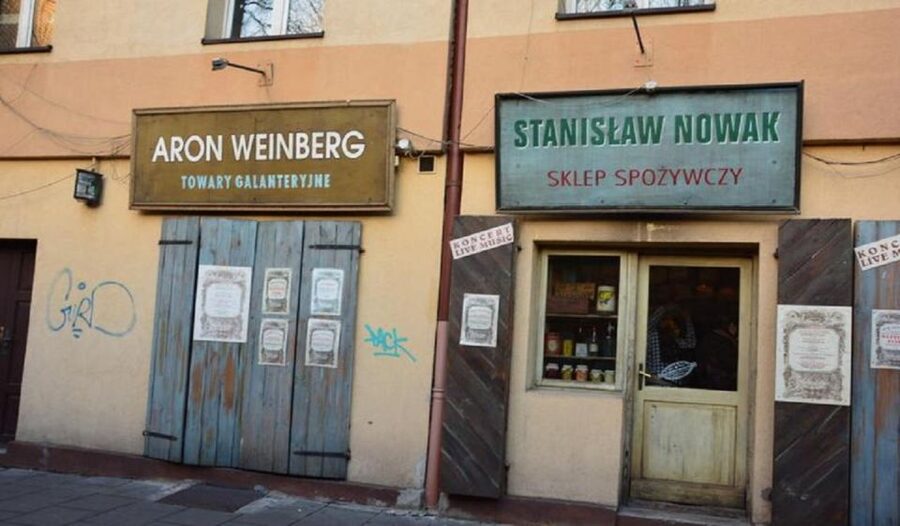
The Remu Synagogue is one of the key stops. Its adjoining old cemetery gives the visit a quieter and more personal character than a street walk alone.
A cemetery can explain community history in a way that a facade cannot. Names, gravestones, layout, and the age of the site help show that Jewish life in Krakow was built across generations. The synagogue and cemetery belong together, making this stop especially useful for understanding religious practice and remembrance.
Your guide also discusses Kirkuts, or Jewish cemeteries, as part of the district’s heritage. You should expect a respectful visit rather than a rushed photo stop. The subject is solemn, and the best guides give you space to look while explaining what you are seeing.
Conditions may vary outdoors, so comfortable shoes are sensible. Weather-appropriate clothing matters too. Four hours walking between streets, monuments, and cemetery areas is not difficult for most people, but it is not a sit-down museum visit.
The Old Synagogue and Jewish Museum
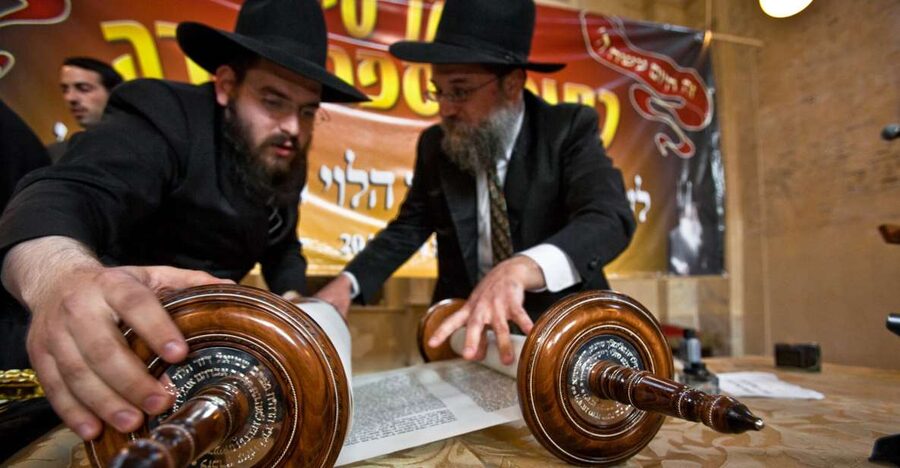
The route includes the old Remu Synagogue, the adjoining cemetery, and the Jewish Museum in the former Old Synagogue. Together, these stops give the tour a strong balance of place and interpretation.
The former Old Synagogue is especially valuable because it connects a historic building with organized displays about Jewish life. You learn about the community before the war, its destruction during the Holocaust, and what followed afterward.
I appreciate this part of the route because it keeps the story from becoming only a series of tragic events. The Jewish community existed long before the Holocaust, with its own religious life, customs, institutions, and identity. That context matters. Without it, the history can feel reduced to loss alone.
The information provided does not state how much time you spend inside the museum or whether admission is included separately, so confirm those details if they affect your plans. The tour includes a guide for four hours, but food, drinks, and any unspecified entrance costs are not included.
Ghetto wall remains and the Holocaust story
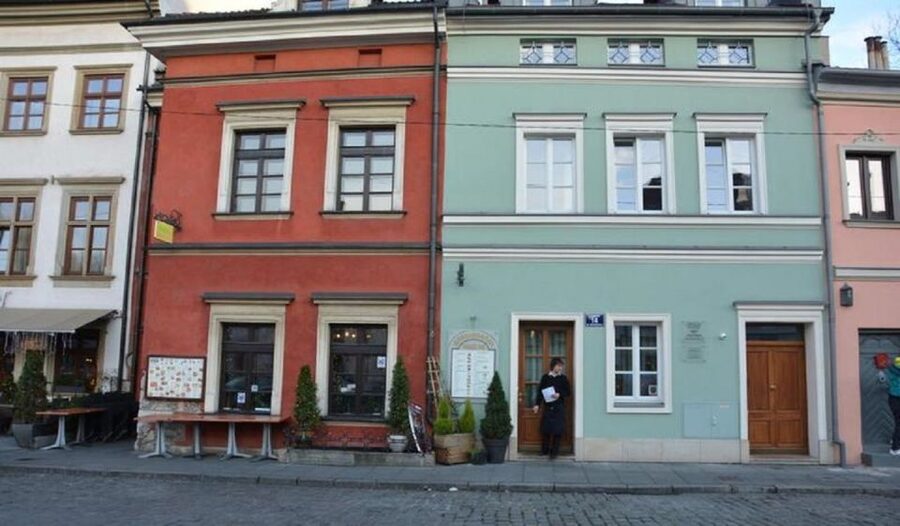
The remains of the ghetto walls bring the wartime history into the streets. This section of the tour explains what happened to Krakow’s Jewish community during the Holocaust and shows how physical remains can make that history more immediate.
The wall fragments are not a complete structure, and you should not expect a large preserved site. Their importance comes from what they represent. A short surviving section can mark the boundaries of forced confinement and help you understand how the city was divided.
This is likely the heaviest part of the walk. You will hear about persecution, displacement, and the destruction of Jewish life. The guide’s role is important here, since a clear explanation can keep the visit grounded in people and events rather than turning difficult history into a list of facts.
I would avoid scheduling this tour when you are tired or trying to squeeze in several unrelated attractions afterward. The subject deserves attention, and you may want some quiet time after the walk.
Schindler’s List locations beyond the movie
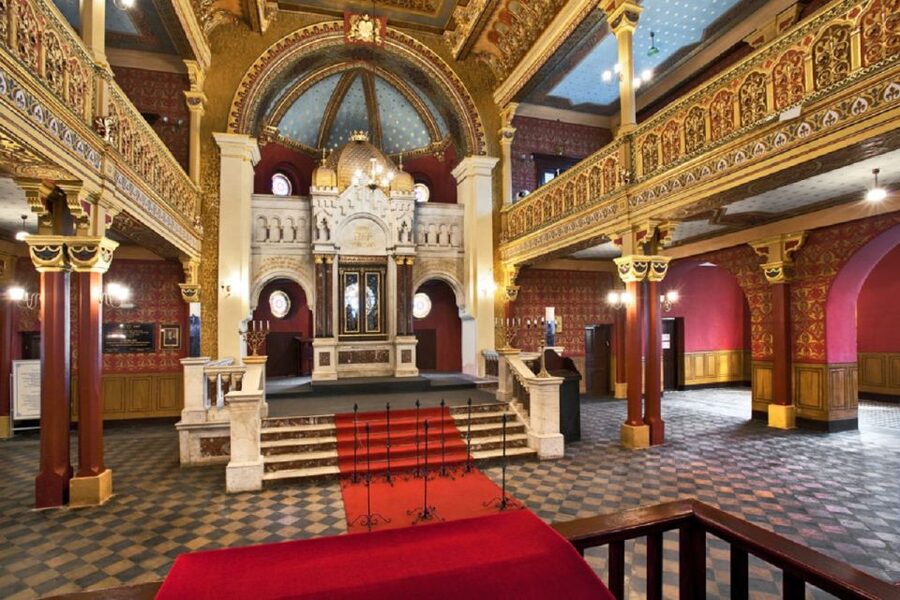
Kazimierz was used as a filming location for Schindler’s List, and the tour includes places made familiar by the film. This is a useful feature if you know the movie, but the real value is in looking past the screen.
Film locations can make the district easier to recognize, especially if you have seen the movie recently. Your guide can point out where scenes were made and then explain how the actual history differs from the film version.
I would not book this as a movie-only tour. The route is much broader, covering synagogues, cemeteries, Jewish community life, the Holocaust, and the neighborhood’s present and future. The film connection adds a visual thread, but it should not replace the history.
That balance is one of the better reasons to choose a private guide. You can ask about the movie without letting it dominate the visit. You see the locations, then return to the people and events that gave them meaning.
A private guide makes the difference
The strongest praise for this experience focuses on the guides. Jason called his guide excellent. Luca described Nargarita as extremely prepared and tireless, noting that a five-hour tour passed quickly. Sophie praised Catherine for explaining a great deal, while Jean-michel found Agnieszka friendly and cultured.
Those comments point to the main strength of the format: the quality of the conversation. A private guide can explain a difficult subject at your pace, repeat a point when needed, and follow your questions instead of moving a large group along.
You also avoid the distance that can come with a big walking tour. If your group wants more time at the cemetery, less time on film locations, or extra explanation about modern Jewish life, you can ask.
Of course, a private tour is only as strong as the guide assigned to you. The excellent feedback is encouraging, but it does not guarantee that every guide will use the same style. The listed languages and named guide praise suggest a strong guiding team, yet your experience will still depend on the individual match.
What happens to the district after the war
The final part of the story looks beyond wartime destruction. Your guide discusses what Jewish life in Krakow is like now and what the future may hold.
That forward-looking element matters. Kazimierz is not presented only as a memorial district. It is also a place where history, memory, culture, and everyday life meet. You get a better sense of how Krakow remembers its Jewish past while supporting a Jewish presence in the present.
The tour does not promise a detailed program of modern institutions or community events, so expect an introduction rather than a full survey of contemporary Jewish Krakow. Still, including the present and future gives the walk a more complete shape.
I especially value this approach for first-time visitors. You leave with more than a collection of old buildings and wartime facts. You have a clearer idea of why Kazimierz matters to Krakow now.
Is $16 a good value?
At $16 per person, the tour offers strong value if your group wants serious context and direct access to a guide. Four hours of private guiding at that price is notably affordable, especially for a route that covers several synagogues, cemeteries, museum history, ghetto wall remains, and film locations.
The price is less attractive if you only want quick photographs or a casual neighborhood stroll. You can walk around Kazimierz independently, and food and drinks are not included. Any separate admission costs should also be checked before booking.
For a couple, family, or small private group, the ability to ask questions makes the price easier to justify. You are paying less for transportation or entertainment and more for explanation, orientation, and historical context.
The tour is also flexible in practical ways. You can reserve now and pay later, and cancellation is free up to 24 hours before the start for a full refund. Those terms help if your Krakow plans are still shifting.
Who should book this Kazimierz walk?
I would choose this tour if you want to understand the district rather than simply pass through it. It suits first-time visitors, people interested in Jewish history, and anyone who wants a thoughtful introduction to the places connected with Schindler’s List.
It is also a good fit for families with older children or teenagers who will ask questions and engage with the subject. The private format lets you adjust the amount of detail and the walking pace.
I would think twice if you want a cheerful food tour, a short orientation walk, or a visit focused only on film scenes. The Holocaust material is central, and the four-hour duration requires attention and comfortable clothing.
FAQ
Where does the tour begin?
The meeting point is the Jewish Cultural Center in Krakow’s Kazimierz district. Your guide waits there holding a sign with your name.
How long is the Kazimierz tour?
The advertised duration is four hours. One guest described a five-hour visit that was adapted to the group’s pace and preferences, but you should plan around the scheduled four-hour duration.
Is this a private tour?
Yes. The experience is offered for a private group, allowing you to ask questions and discuss your interests with the guide.
Which languages are available?
Guiding is available in French, Italian, Portuguese, English, Spanish, German, Russian, and Polish.
Is the tour wheelchair accessible?
Yes, the activity is listed as wheelchair accessible.
What should I bring?
Bring comfortable shoes and clothing suited to the weather. Food and drinks are not included.
Should you book it?
Book this tour if you want Kazimierz explained by a person who can connect its synagogues, cemeteries, ghetto wall remains, and film locations into one clear story. The low price, private format, language choice, and strong praise for guides including Agnieszka, Catherine, Marzena, and Nargarita make it an appealing choice.
Skip it only if you prefer a brief, light visit or do not want several hours devoted to difficult history. For most people seeking a meaningful introduction to Krakow’s Jewish quarter, this is a well-priced and useful way to walk through Kazimierz with purpose.
Just added in Kraków
- Auschwitz-Birkenau – Skip the Line Tickets★ 3.5 · 29 reviews
- Auschwitz-Birkenau: Fast-Track Ticket & Guided Tour No Transfers★ 3.5 · 17 reviews
- Zakopane & Sleigh Ride with Bonfire – Group Tour from Kraków★ 5.0 · 2 reviews
- Thermal Baths & Zakopane – Private Trip from Krakow★ 5.0 · 1 review
- Zakopane & Gubalowka Funicular – Private Winter Tour from Krakow★ 5.0 · 10 reviews
- Sleigh Ride & Bonfire in Zakopane with Funicular – Private Trip★ 5.0 · 48 reviews
- Divine Mercy Sanctuary – Private Tour from Krakow★ 5.0 · 4 reviews
- stag dog chase Krakow prank★ 5.0 · 4 reviews