
REVIEW · CITY TOURS
Wrocław: World War II and the non-existent city of Breslau
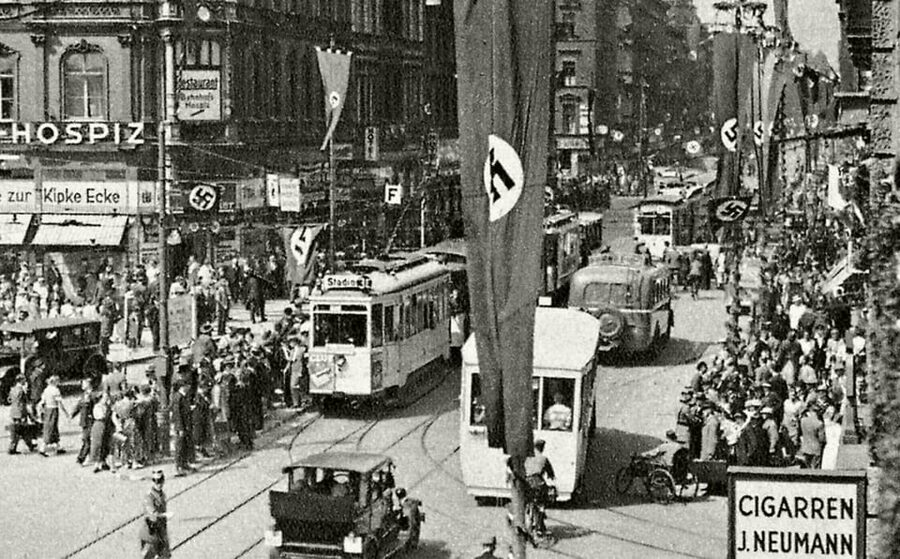
History changes the way you see a city. This two-hour private walk connects modern Wrocław with its former German identity as Breslau, explaining the city’s close ties to the NSDAP, its destruction in 1945, and the dramatic changes that followed. I like the use of historic photographs from 1933 to 1945, and I like that the route reaches places connected with Nazi rallies, city defenses, and the final battles.
The private format is another strong point. Your group receives its own licensed guide, and the route covers a lot without using a bus or adding a separate museum ticket. The main caution is that the experience may depend heavily on the guide’s focus. One booking praised Norbert as outstanding and informative, while another expected much more wartime detail and felt it became a general city tour.
In This Review
- Key points to know before booking
- Why Breslau is central to understanding Wrocław
- Starting beside the Old Town Hall at Rynek
- Solny Square and the first city bunkers
- Plac Wolności, Hotel Monopol, and Nazi public life
- Partisan Hill and the command of Fortress Breslau
- Along the Dunikowski Boulevard toward the final battles
- Ostrów Tumski and the view from Ceglarskie Hill
- What the private format adds to the experience
- Guide quality, languages, and timing
- Who should book this Wrocław history walk?
- Should you book it?
- FAQ
- Where does the tour begin?
- Where does the tour end?
- How long does the tour last?
- How much does the private tour cost?
- What languages are available?
- Is the tour wheelchair accessible?
- Can I cancel or pay later?
Key points to know before booking
- Breslau’s Nazi past: Learn why Wrocław became one of the most important NSDAP centers in eastern Germany.
- A compact historic route: Walk from the Market Square to Ostrów Tumski in about two hours.
- Fortress Breslau: Visit Partisan Hill, where the fortress command and underground bunkers were located.
- Private groups up to 14: The $209 price covers the guide for the whole group, not each person.
- A striking contrast: See wartime photographs, then compare them with today’s restored streets and cathedral district.
- Best for serious history interests: Ask at the start for a strong focus on 1933 to 1945.
Why Breslau is central to understanding Wrocław
Today, Wrocław feels unmistakably Polish. Its German past can be easy to miss if you simply stroll across the Market Square, admire the colorful buildings, and head for the cathedral. This tour gives you the missing layer: before 1945, the city was Breslau, the capital of Silesia, and its public life was closely tied to Nazi Germany.
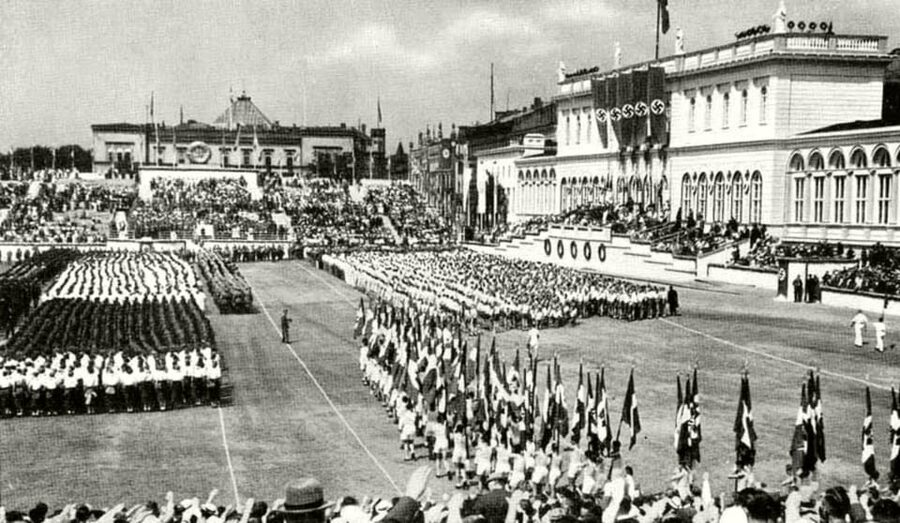
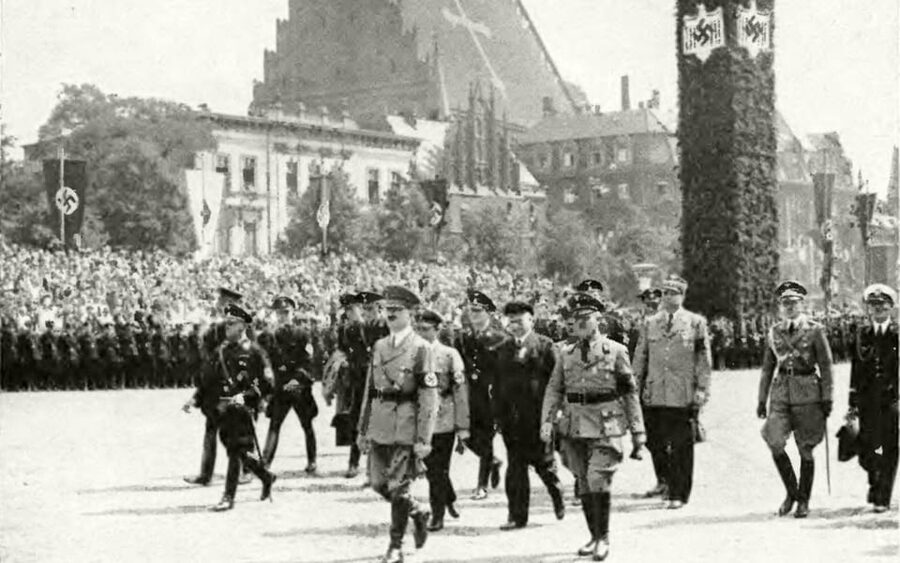
The city had one of the largest NSDAP administrative headquarters in eastern Germany. Adolf Hitler visited Breslau several times, and the route points out places where supporters gathered for parades and torchlight processions. That political history is not treated as a side note. It is the thread linking the city center, the hotels, the public squares, and the military defenses.
The final chapter came in 1945, when Breslau was declared Festung Breslau, or Fortress Breslau. The city became a defensive stronghold, and fighting caused widespread destruction. The tour then asks a useful question: what survived, what vanished, and how did a German city become modern Wrocław?
That question gives the walk more purpose than a basic list of wartime facts. You are not only looking at ruins. You are seeing how street names, buildings, public spaces, and memories changed after the war.
A few more in Wroclaw
- Wroclaw: E-Car Tour and Audio Guide
★ 4.6 · 1,738 reviews - Wroclaw: 2-Hour Private Guided Tour by Electric Car
★ 4.8 · 805 reviews - Wrocław: Old Town and Ostrów Tumski Walking Tour in English
★ 4.8 · 311 reviews
Starting beside the Old Town Hall at Rynek
The meeting point is at the entrance to Piwnica Świdnicka restaurant, beside the Old Town Hall in Rynek. This is a practical place to begin because the Market Square is easy to find and already places you in the center of the story.
The first stop lasts about 30 minutes. You pass through the square while the guide explains how the city’s inhabitants lived until 1945 and how Breslau functioned under Nazi rule. The Old Town Hall is especially important because this part of the city center survived the war and destruction better than many other areas.
That survival creates a useful visual contrast. The square looks polished and historic today, but the tour encourages you to picture it before and after the final battles. Historic photographs help bridge that gap. If you enjoy comparing old images with present-day streets, this is likely one of the best parts of the walk.
The square can also be busy, and a walking tour cannot control crowds or noise. Stay close to the guide and ask for a copy of the wartime images to be held up near the buildings they show. That simple comparison can make the history much easier to follow.
Solny Square and the first city bunkers
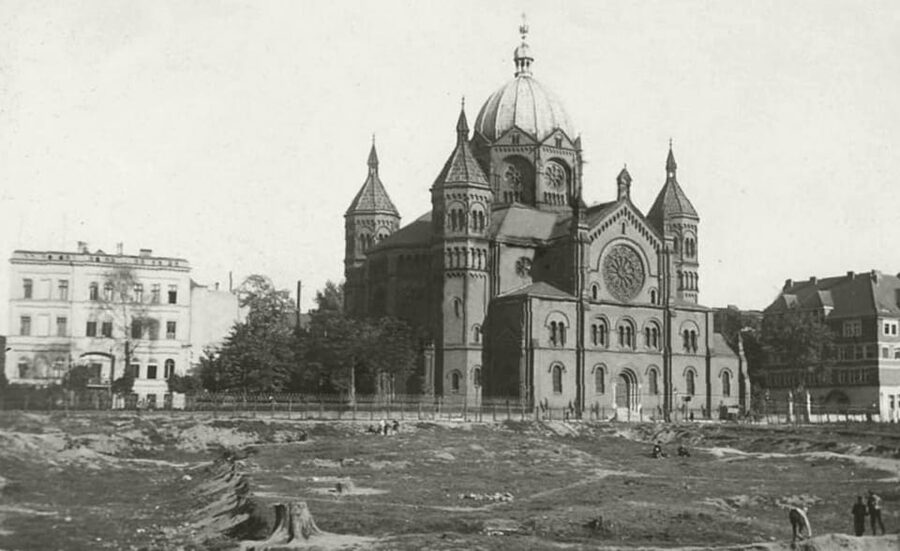
The short walk to Plac Solny takes about 10 minutes. Here, the subject shifts from political theater to civil defense. The first bunkers in the city were built to protect local residents, and the guide discusses whether any traces remain.
This is a good stop for understanding how war affected daily life. Nazi speeches and public ceremonies are one part of the story, but shelters, fear, and protection from air attacks show what ordinary people faced. The tour does not present the city only through leaders and armies. It also brings attention to the people living under the system.
Do not expect a long underground visit at this point. The route passes through the square, and the value comes from the explanation of what was below or near the streets rather than from a large bunker attraction.
Plac Wolności, Hotel Monopol, and Nazi public life
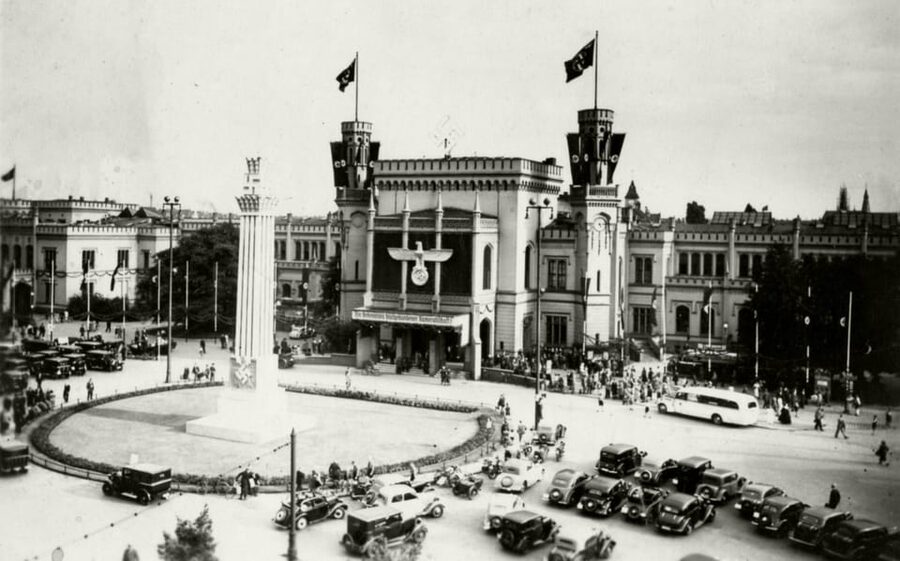
The walk continues to Plac Wolności, formerly Castle Square, where regular Nazi parades and torchlight processions took place before 1945. This stop helps you understand how the regime used urban space. Large squares were not just open areas. They were stages for displays of power, loyalty, and control.
The next stop is Hotel Monopol on Świdnicka Street. Hitler greeted supporters from the hotel balcony during visits to Breslau, making the building a key point in the city’s political story. The street itself was representative and ceremonial, a place where residents gathered to welcome their leader.
The wartime meaning of Świdnicka Street did not end with Nazi rule. In 1945, the victorious Soviet Army entered the city along this route. One street therefore links two sharply different moments: public support for Hitler and the collapse of German Breslau.
I like this part of the itinerary because it avoids treating history as something that happened far away. The events happened at hotel balconies, along shopping streets, and in familiar squares. The drawback is that you mainly view these locations from outside. If you want extensive interior access or displays, this walk may feel light on physical remains.
Something quite different:
- Wroclaw: Private Old Town Guided Walking Tour (2 hours)
★ 4.8 · 275 reviews - Old Town Wrocław Walking Tour
★ 5.0 · 249 reviews - Wroclaw: City Tour Sightseeing By Golf Cart Shared Or Privat
★ 4.8 · 189 reviews - Auschwitz-Birkenau Tour from Wrocław
★ 5.0 · 129 reviews
Partisan Hill and the command of Fortress Breslau
Wzgórze Partyzantów, or Partisan Hill, is the longest stop at about 30 minutes. The hill was formerly known as Lieblichs Hoehe, and during the war it held the command of the Breslau Fortress as well as underground bunkers.
This is the tour’s strongest military-history location. By 1945, Breslau had been declared a fortress, and the city’s fate became tied to its defense. The bunkers remain underground, while the hill above is now a place where residents relax, visit cafes, and sit in beer gardens.
That contrast is hard to miss. A pleasant public hill can conceal the machinery of a desperate final defense. I find that sort of change more revealing than a preserved military site that still looks exactly as it did during the war.
The hill also offers a view over the city. From here, you can begin to understand the route as a whole, from the central squares toward the cathedral district. The stop is listed as both a guided visit and a photo stop, so bring your camera, but expect the guide’s explanation to be the main reason for coming.
The bunkers remain, but the available information does not promise that you will enter them. Ask your guide early whether the underground spaces are accessible during your visit. That question matters if bunker access is the main reason you are booking.
Along the Dunikowski Boulevard toward the final battles
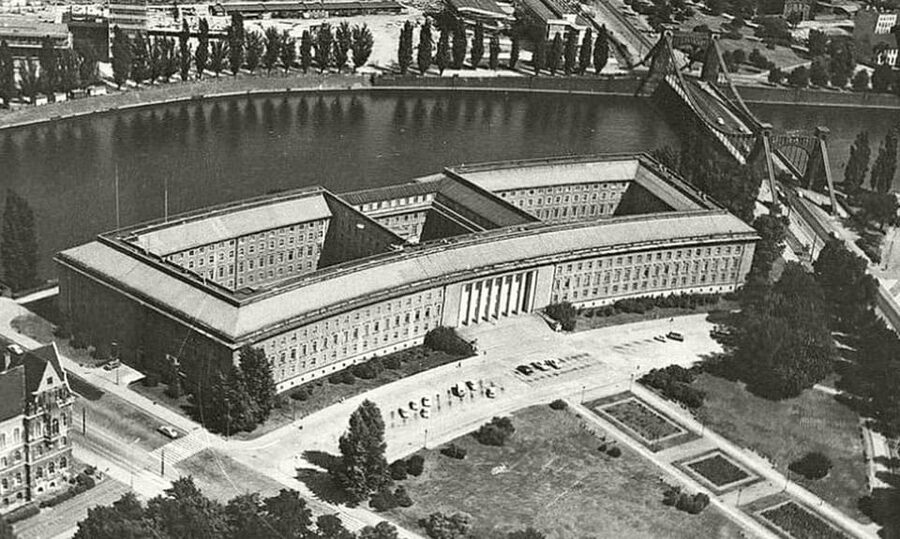
From Partisan Hill, the route continues for about 20 minutes along the Xawery Dunikowski Boulevard. This section leads toward Ostrów Tumski and shifts the story toward the fighting of 1945.
The island district was the scene of some of the fiercest battles for the city. Walking in this direction helps you see how the final defense reached the oldest part of Breslau, rather than remaining confined to military headquarters or government buildings.
This is also where the tour’s theme of change becomes clearest. Wrocław’s riverfront and public spaces are used for daily life today, while the same area formed part of a city under siege in the last months of the war. The route does not need a ruin at every corner to make that point.
The walk is short, but the tour covers several districts and historical names. If you have trouble keeping the old and new identities straight, take brief notes: Breslau refers to the German city before 1945, while Wrocław is the Polish city that developed after the war.
Ostrów Tumski and the view from Ceglarskie Hill
The final stop is Ostrów Tumski, or Cathedral Island, with a five-minute photo stop. The district was badly affected by the 1945 battles, yet its cathedral and surrounding monuments have been restored.
The route views the oldest part of the city from Ceglarskie Hill, also known historically as Holtei-Hoehe. This gives you a chance to take in the cathedral district as a rebuilt historic quarter rather than as a frozen wartime relic.
The tour ends in front of the former headquarters of the NSDAP authorities in Breslau. That is a fitting finish. You begin beside a surviving medieval town hall, pass through spaces used for Nazi spectacle and civil defense, and finish at a building tied directly to the party’s regional power.
The official ending is useful if you want to continue exploring. From Ostrów Tumski, you can visit the cathedral and other monuments on your own. The guide does not need to keep you moving through the district, so you can stay longer if the area catches your interest.
What the private format adds to the experience
The tour costs $209 per group of up to 14 people. That is expensive for one or two people, but the value changes quickly if you fill several places. For a group of 10, the cost works out to about $21 per person. For 14 people, it is about $15 per person.
You are paying for a professionally licensed guide who works only with your group. That can make a real difference on a serious subject. You can ask why a particular building matters, request more detail about the 1945 battles, or slow down when an old photograph needs careful comparison with the present street.
The private setting is also a sensible choice for families or small groups with different levels of interest. Someone who wants more political history can ask for it, while others can focus on architecture and the city’s rebuilding. The tour is wheelchair accessible, and the entire route is on foot.
The main limitation is consistency of subject matter. The advertised theme is very specific, but one German-language booking described receiving something close to a standard city tour with too little discussion of the wartime years. That is a serious concern for anyone choosing this walk specifically for Nazi history and Fortress Breslau.
I would set expectations clearly at the start. Say that you booked for the years 1933 to 1945, ask to see the historical photographs, and request detail about the bunkers and the 1945 battles. That gives the guide a clear target and may prevent the tour from drifting into general sightseeing.
Guide quality, languages, and timing
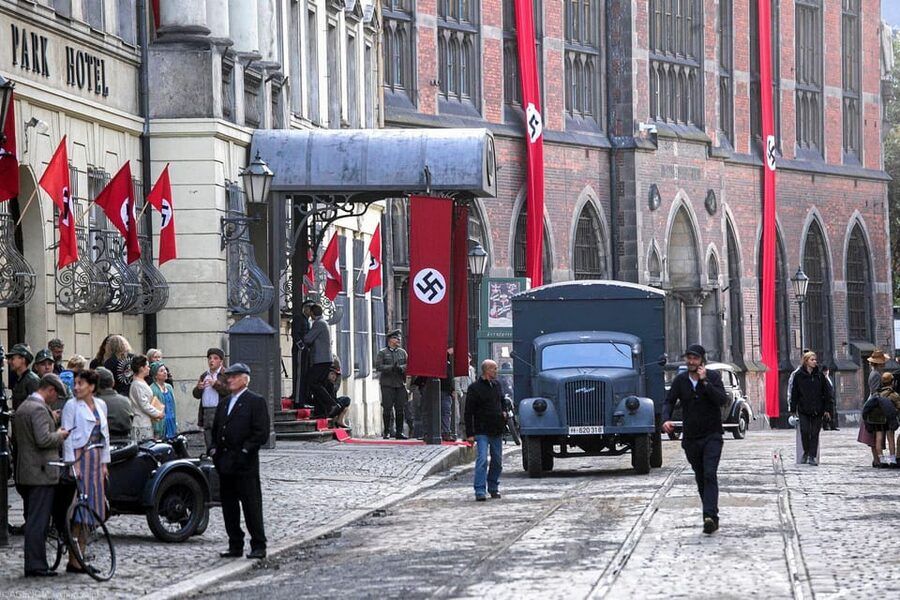
The tour is offered in Polish and German. If you speak German, you may find the subject particularly natural to discuss because the pre-1945 identity of Breslau is central to the route. Polish speakers can approach the same story through the city’s postwar transformation and present-day identity.
The guide matters greatly here. Norbert received especially warm praise for being both informative and excellent with the group. That suggests the experience can be very strong when the guide keeps the promised wartime focus and connects individual places into one story.
The two-hour length is efficient, but it also means the tour cannot provide a full lecture on Nazi politics, civilian life, military strategy, destruction, and postwar resettlement. Think of it as a focused orientation walk. You will leave with a framework and a set of locations to explore further, not a complete history course.
The route includes several photo stops and guided pass-bys. Wear comfortable shoes and allow a little extra time afterward for Ostrów Tumski, since the official walk ends there rather than returning to the Market Square.
Who should book this Wrocław history walk?
I would choose this tour if you want a private introduction to Wrocław’s wartime identity and prefer streets, squares, and surviving buildings to a museum-only experience. It suits history-minded visitors who want to understand how German Breslau became Polish Wrocław.
It is also a good fit for groups of several people. At $209 for up to 14, the cost becomes reasonable when shared, and the private guide gives you more room to ask questions than a large scheduled group usually allows.
I would hesitate if you need guaranteed bunker entry, a long museum-style presentation, or a tightly academic account of the Nazi period. The route includes many important sites, but most are viewed from public streets, and the quality of the historical explanation appears to depend on the guide.
The walk is wheelchair accessible, and the reserve-now, pay-later option keeps the booking flexible. Cancellation is free up to 24 hours before the start time. Those are useful practical advantages, but the real decision comes down to your interest in the topic and your willingness to speak up if you want the full wartime story.
Should you book it?
Book it if you want to connect Wrocław’s main historic districts with the rise of the NSDAP, the declaration of Fortress Breslau, and the city’s destruction in 1945. The route has a strong shape, the old photographs add real value, and Partisan Hill offers the most memorable contrast between wartime bunkers and modern city life.
For the best result, book as a private group, confirm the language, and tell the guide before starting that the 1933 to 1945 period is your priority. If you do that, this can be a thoughtful and useful way to see Wrocław beyond its restored facades.
FAQ
Where does the tour begin?
The tour begins at the entrance to the Piwnica Świdnicka restaurant beside the Old Town Hall in Wrocław’s Market Square.
Where does the tour end?
The tour ends in Ostrów Tumski, where you can continue exploring the cathedral district and its monuments independently.
How long does the tour last?
The tour lasts two hours.
How much does the private tour cost?
The price is $209 for a private group of up to 14 people.
What languages are available?
The tour is available in Polish and German.
Is the tour wheelchair accessible?
Yes, the activity is listed as wheelchair accessible.
Can I cancel or pay later?
You can cancel up to 24 hours in advance for a full refund. You can also reserve the tour and pay later.
Just added in Wroclaw
- Wroclaw: WW2 Tour to Project Riese & Gross-Rosen Museum★ 4.8 · 26 reviews
- Wroclaw : Walking Custom Tour with a Local Guide★ 4.8 · 3 reviews
- Wroclaw: University Baroque Tour★ 5.0 · 19 reviews
- Wroclaw: 3-Hour Bike Tour in English or Polish★ 4.8 · 66 reviews
- Wrocław: Tour of the Old Town in an Imperial E-car★ 4.3 · 13 reviews
- Wrocław: Venice of the North! Monuments on the Odra River 2h★ 5.0 · 2 reviews
- Wroclaw to Rock City in Adrspach and Ksiaz Castle day trip★ 4.9 · 16 reviews
- Wrocław to Rock City in Adrspach and Project Riese day trip★ 5.0 · 5 reviews
City Tours, compared.
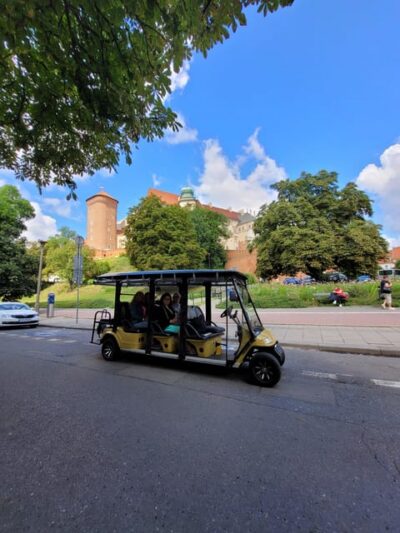
City Sightseeing Tour Eco Electric Buggy Golf Cart
Read our review →
Gdańsk City Sights & History Guided Walking Tour in English
Read our review →
Extended City Sightseeing Tour – Eco Buggy Golf Cart
Read our review →
Browse the lists this tour appears in