
REVIEW · WROCłAW TOURS
Wroclaw Private Guided Tour SHORT AND PROFESSIONAL. 2 pcs., 1 – 9 pers.
Wroclaw has a lot to say in a short walk. This private English tour links the market square, university, copper dwarves, Cathedral Island, and the Oder waterfront into one clear route. I like the local-born guide and the mix of serious history with playful details. I also like that the tour ends at Ostrów Tumski instead of circling back to its starting point. The main consideration is time: two hours gives you a brisk introduction, not a full look inside every landmark.
The price is $164.43 per group, with the supplied details listing groups of up to 15, while the title refers to 1 to 9 people. I would confirm the exact group limit when booking. For a private group, the cost can make good sense, but solo visitors or couples may find it less economical than a shared walk.
In This Review
- Key points at a glance
- Why this two-hour route works
- Starting at Piwnica Świdnicka and the market square
- Wroclaw University and the Fencer Fountain
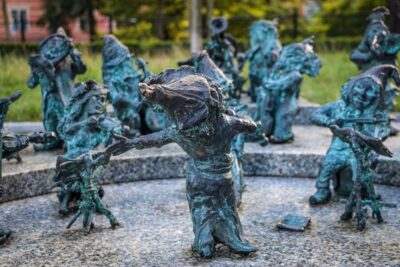
- Spotting Wroclaw’s copper dwarves
- A ten-minute stop at Hala Targowa
- Along the Oder toward the ship pier
- Cathedral Island and St. John the Baptist Cathedral
- What the guide adds to the experience
- Group size, price, and practical value
- Who should book this Wroclaw walk?
- My booking recommendation
- FAQ
- Where does the tour start?
- Where does the tour end?
- How long does the tour last?
- Is the tour private?
- What language is offered?
- What sights are included?
- Is admission to Market Hall included?
- Can I cancel for a full refund?
Key points at a glance
- A local-born guide leads the walk: The guide is from Wroclaw and brings together city history, personal knowledge, and light humor.
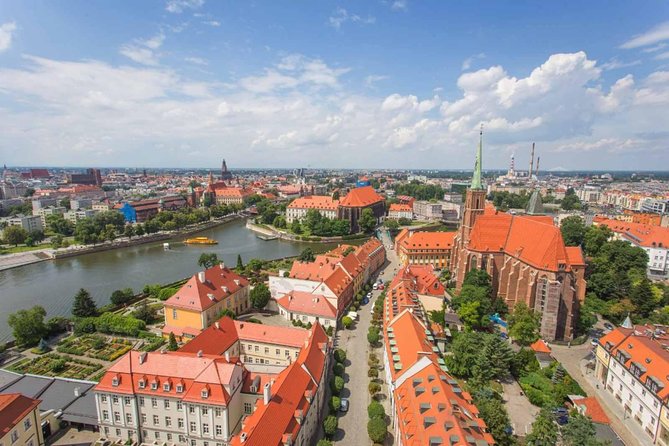
- The route connects major sights efficiently: You move from the market square through the university area and along the Oder to Cathedral Island.
- The copper dwarves add fun to serious history: These small city figures give you an easy way to stay engaged while walking.
- The Market Hall offers a short taste of Silesia: Hala Targowa is included for about 10 minutes, with regional products and free admission.
- The private format keeps the tour focused: Only your group takes part, which is useful if you want to ask questions or keep a steady pace.
- The tour finishes by the cathedral: Ending on Ostrów Tumski puts you in a useful sightseeing area for the rest of your day.
Why this two-hour route works
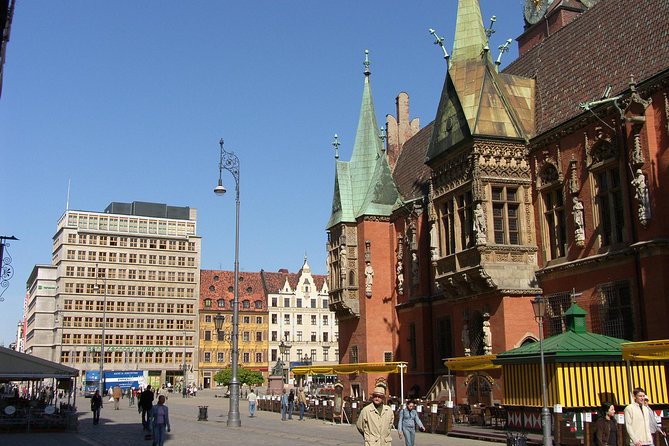
Wroclaw can feel scattered at first. Its central sights sit across a broad area of squares, bridges, university buildings, islands, and river paths. This route gives you a basic map of the city while adding enough detail to make the buildings and streets easier to remember.
I especially like the way the walk shifts tone. The opening section deals with grand architecture and religious buildings. Then the university and the copper dwarves bring in student life and local humor. The final stretch follows the Oder toward Cathedral Island, where the mood becomes quieter and more reflective.
You should think of this as an orientation walk with real content. It is not designed for long museum visits or detailed interior tours. The value comes from seeing how several parts of Wroclaw fit together, with a guide explaining the city’s Polish and Breslau identities along the way.
The private format matters here. You can ask about a building as soon as it catches your eye, and the guide can adjust the pace to your group. The tradeoff is cost. At $164.43, the fee is charged by group rather than per person, so the value improves as more people share it.
A few more in Wroclaw
- Wroclaw: E-Car Tour and Audio Guide
★ 4.6 · 1,738 reviews - Wroclaw: 2-Hour Private Guided Tour by Electric Car
★ 4.8 · 805 reviews - Wrocław: Old Town and Ostrów Tumski Walking Tour in English
★ 4.8 · 311 reviews
Starting at Piwnica Świdnicka and the market square
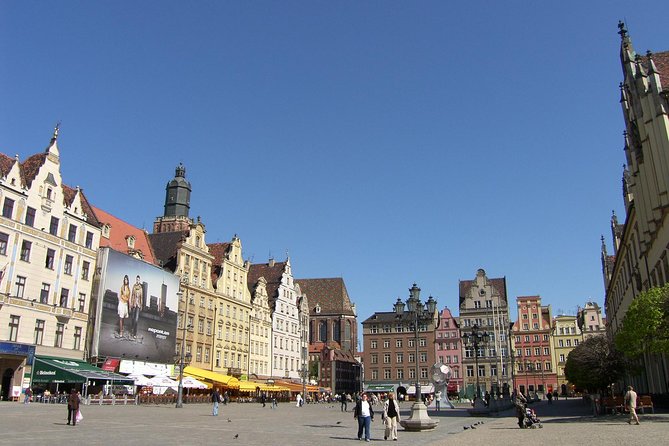
The walk begins at Restauracja Piwnica Świdnicka, at Rynek Ratusz 1A, beside Wroclaw’s market square. This is a practical starting point because the square brings several important sights together in one place.
The first stop includes St. Elisabeth Church and its large Engler organ, described as the largest Engler organ in Silesia. That detail gives the opening stop a clear point of interest beyond the usual square-and-church view. If you enjoy music, church architecture, or unusual regional facts, this should be one of the more memorable early explanations.
A guide can also help you read the square as more than a pretty collection of façades. The tour is meant to connect Wroclaw’s physical center with its changing identity. You will hear about the city in its Polish setting and about Breslau, the name tied to its German past.
Because the walk starts in the center, you do not need to spend time getting to an outlying meeting point. The supplied details also say the tour is near public transportation, which helps if you are staying outside the old town.
Wroclaw University and the Fencer Fountain
From the market area, the route continues to Wroclaw University and the Fencer Fountain. This gives the walk a different subject: student life in Wroclaw and the city’s Breslau period.
The fountain adds a visual pause and a little character to the university stop. It is the sort of place where a short explanation can do more than a long lecture. You get a recognizable object, a historic institution, and a chance to understand how student life fits into the city’s story.
I like this part because it avoids making the tour only about churches and grand public buildings. Wroclaw is also a university city, and the university stop helps you see its everyday energy. The guide’s role is important here, since the value depends on how well the story links the buildings, the fountain, and the city’s past.
The tour does not list an interior visit to Wroclaw University. Plan on seeing the area and hearing about it rather than setting aside time for an extended indoor visit. If you want a detailed look at university rooms or collections, you will need to arrange that separately.
Spotting Wroclaw’s copper dwarves
The copper dwarves are the route’s lightest feature, and that is exactly why they work. You will encounter Wroclaw through small figures rather than only through major monuments. They turn a city walk into a simple search, especially for children and anyone who likes small details.
The tour does not promise a set number of dwarves, and it does not give a separate collection route. Still, including them shows that the guide is not treating Wroclaw as a museum without a sense of humor.
I would use this stop as a reminder to look down and around as you walk. The dwarves may be tiny, but they give the city a more personal feel. They also help break up the denser material about churches, borders, and changing names.
Something quite different:
- Wroclaw: Private Old Town Guided Walking Tour (2 hours)
★ 4.8 · 275 reviews - Old Town Wrocław Walking Tour
★ 5.0 · 249 reviews - Wroclaw: City Tour Sightseeing By Golf Cart Shared Or Privat
★ 4.8 · 189 reviews - Auschwitz-Birkenau Tour from Wrocław
★ 5.0 · 129 reviews
A ten-minute stop at Hala Targowa
Market Hall, or Hala Targowa, brings regional food and shopping into the route. The stop lasts about 10 minutes, and admission is free.
That short timing tells you what to expect. This is a quick look at the hall and its regional products, not a full food tour or a long shopping break. You may find it useful as a snapshot of Silesian market life, but you should not plan on a leisurely meal here during the walk.
The hall adds an everyday counterpoint to the formal sights in the market square and cathedral area. It lets you see a working commercial space as part of the city rather than moving only from monument to monument.
If regional products interest you, pay attention during the guide’s explanation and use the stop to note places you might return to later. Since the tour only allows about 10 minutes, anyone hoping to shop carefully should come back after the walk.
Along the Oder toward the ship pier
The route then reaches Wroclaw’s Oder promenade and the ship pier. This is where the tour opens up physically. After the tighter streets around the square and university, the river gives you a wider view and a calmer walking stretch.
The promenade includes cafes and beer gardens, and a break is possible. That flexibility is useful, especially if your group wants to pause instead of keeping a strict pace. Keep in mind that any break uses part of the approximately two-hour tour, so you may need to choose between sitting down and spending more time at the later sights.
The ship pier also gives the guide a chance to explain the river’s place in Wroclaw’s layout. Even without a boat ride, the waterfront helps you understand why bridges and islands are such a major part of the city experience.
This section may be especially welcome if you have already spent time in busy central streets. It is not a separate river cruise, and no boat ticket is included in the details provided. Think of it as a riverside walking stop with the option to pause near the cafes and beer gardens.
Cathedral Island and St. John the Baptist Cathedral
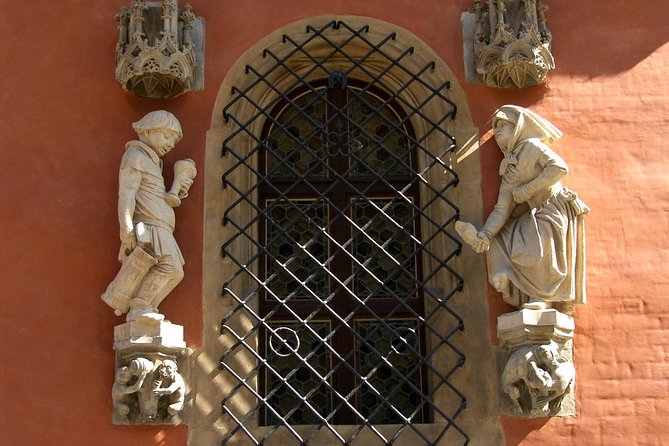
The tour ends at Cathedral Island, known in Polish as Ostrów Tumski, with the Cathedral of St. John the Baptist. This gives the walk a strong finish rather than ending at the same crowded point where it began.
Cathedral Island is a useful final stop because it gathers the religious and historic side of Wroclaw in one area. The cathedral provides the main landmark, while the island setting gives the end of the route a distinct atmosphere from the market square.
The supplied information does not promise entry into the cathedral. You should expect an exterior visit and guided explanation unless your booking confirms otherwise. That is worth remembering if you specifically want to see the interior or attend a service.
Ending here also helps with your next decision. You can continue exploring Ostrów Tumski on your own, or use the area as a new starting point for further sightseeing. The route is therefore more useful than a simple loop because it leaves you in a different part of central Wroclaw.
What the guide adds to the experience
The guide is described as being born in Wroclaw and as enjoying the city’s history. That local connection is the tour’s strongest personal feature. You are not only getting dates and names, but also a guide who can bring together Wroclaw and Breslau in the same conversation.
The most praised quality is the balance of historical and fun facts. That matters on a walking tour because two hours can feel long if every stop is a lecture. The copper dwarves and Fencer Fountain give the guide natural openings for lighter stories, while the churches, university, and Cathedral Island provide more serious material.
You should still keep your expectations realistic. A local guide can make the route engaging, but the tour details do not identify the guide by name, describe a specific language besides English, or promise a particular level of historical depth. The experience will likely suit you best if you want a clear, personable introduction rather than an academic study.
Group size, price, and practical value
The price is $164.43 per group, not per person. The information gives a group price for up to 15 people, while the experience title says 1 to 9 participants, so confirm the exact capacity before paying. This discrepancy is the one practical point I would clarify in advance.
For a larger family group or a group of friends, the private format can be good value. Ten people sharing the stated price would pay far less each than a private booking for one or two people. A couple may still choose it for the privacy and flexibility, but the per-person cost will be higher.
The tour lasts approximately two hours. That is enough time for a broad city introduction, but not enough for long stops at every sight. I would book it early in a Wroclaw visit, then use the guide’s route to decide where you want to return for more time.
The tour is offered in English and comes with a mobile ticket. Confirmation is received at booking. It is near public transportation, service animals are allowed, and most people can participate according to the supplied details.
Free cancellation is available if you cancel at least 24 hours before the local start time. Changes or cancellations made inside that 24-hour window are not accepted for a refund. Keep that cut-off in mind if your arrival schedule is uncertain.
Who should book this Wroclaw walk?
I would recommend it to first-time visitors who want a quick map of central Wroclaw and a guide who can explain both its Polish and Breslau connections. It also suits families, since the copper dwarves add a simple game-like element to the walk.
The private setup is helpful for groups with mixed interests. One person can ask about architecture, another can ask about student life, and the group can decide whether to take a break along the Oder.
You may want something else if your priority is extensive time inside churches, museums, or the university. The route is built around seeing several areas, not settling into one building. It may also be less attractive for a solo visitor or couple focused mainly on the lowest possible price.
My booking recommendation
I would book this tour if you want a short, private orientation with a local-born English-speaking guide, especially at the start of your Wroclaw stay. The route covers the market square, university, copper dwarves, Market Hall, Oder promenade, and Cathedral Island without asking you to organize the connections yourself.
Before booking, confirm the participant limit because the supplied group details do not match. If you are traveling with a family or larger group, the fixed price is easier to justify. If you are traveling alone, compare the private cost with other walking options.
The strongest reason to choose it is the guide’s reported mix of historical and fun facts. The main reason to hesitate is the short length. If you want a lively introduction and a useful finish at Ostrów Tumski, this is a sensible choice. If you want long interior visits or a slower food-focused outing, it will feel too brief.
FAQ
Where does the tour start?
The tour starts at Restauracja Piwnica Świdnicka Wrocław, Rynek Ratusz 1A, 50-106 Wrocław, Poland.
Where does the tour end?
The tour ends at Ostrów Tumski in Wrocław, Poland.
How long does the tour last?
The tour lasts approximately two hours.
Is the tour private?
Yes. Only your group participates in the private tour or activity.
What language is offered?
The tour is offered in English.
What sights are included?
The route includes Wroclaw Market Square, St. Elisabeth Church, the Engler organ, Wroclaw University, the Fencer Fountain, Wroclaw’s copper dwarves, Hala Targowa, Cathedral Island, St. John the Baptist Cathedral, and the Oder promenade with its ship pier.
Is admission to Market Hall included?
Yes. The Market Hall stop has free admission and lasts about 10 minutes.
Can I cancel for a full refund?
Yes, if you cancel at least 24 hours before the experience start time. Cancellations or changes made less than 24 hours before the local start time are not accepted for a refund.
Just added in Wroclaw
- Wroclaw: WW2 Tour to Project Riese & Gross-Rosen Museum★ 4.8 · 26 reviews
- Wrocław: World War II and the non-existent city of Breslau★ 3.6 · 3 reviews
- Wroclaw : Walking Custom Tour with a Local Guide★ 4.8 · 3 reviews
- Wroclaw: University Baroque Tour★ 5.0 · 19 reviews
- Wroclaw: 3-Hour Bike Tour in English or Polish★ 4.8 · 66 reviews
- Wrocław: Tour of the Old Town in an Imperial E-car★ 4.3 · 13 reviews
- Wrocław: Venice of the North! Monuments on the Odra River 2h★ 5.0 · 2 reviews
- Wroclaw to Rock City in Adrspach and Ksiaz Castle day trip★ 4.9 · 16 reviews
Wrocław Tours, compared.
Old Town and Ostrów Tumski Walking Tour in English
Read our review →
Private Old Town Guided Walking Tour (2 hours)
Read our review →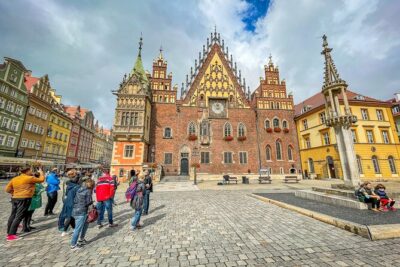
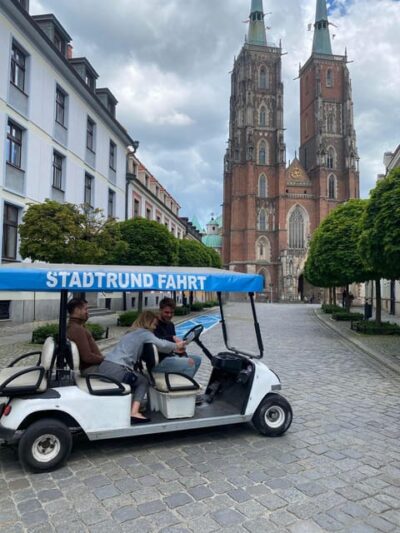
City Tour Sightseeing By Golf Cart Shared Or Privat
Read our review →
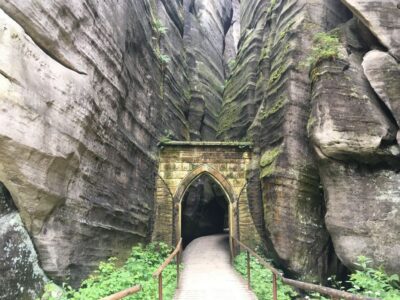
Adršpach: The Chronicles of Narnia Tour with Guide
Read our review →Browse the lists this tour appears in