
REVIEW · AUSCHWITZ-BIRKENAU MEMORIAL TOURS
Wroclaw: Private Gross-Rosen Concentration Camp Trip
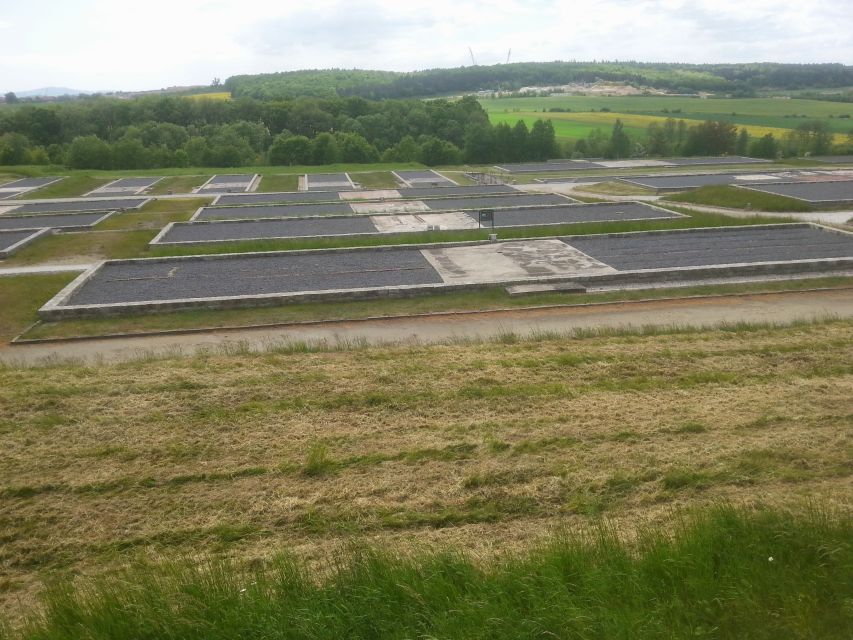
History can be hard to face. This private trip from Wroclaw makes a visit to Gross-Rosen Concentration Camp simple to arrange, with hotel pickup, a private vehicle, entrance fees, an audio guide, and time to watch a documentary at the museum. I like the door-to-door transport and the chance to visit at your own pace rather than being tied to a large group. I also like that the visit includes context about Nazi camp operations, the prisoners forced to work there, and the 3,000 Soviet prisoners of war transferred to Gross-Rosen in 1941.
The main point to consider is that a guided camp tour is not included. You receive an audio guide in English or German, but you should not expect a personal museum guide to lead you through the grounds. The five-hour schedule also includes about two and a half hours on the road, so this is a focused introduction rather than a long, unhurried study visit.
In This Review
- Key points to know before booking
- Why Gross-Rosen matters
- Leaving Wroclaw by private vehicle
- Entering the Gross-Rosen Museum
- Exploring the camp with an audio guide
- What the 5-hour schedule really means
- The value of private transport at $134
- Who will appreciate this visit
- Practical advice for a respectful visit
- Should you book the Gross-Rosen trip?
- FAQ
- How long does the Gross-Rosen trip take?
- How long is the drive from Wroclaw to Gross-Rosen?
- Is hotel pickup included?
- Is transportation private?
- Does the driver wait during the visit?
- Is a guided tour of the concentration camp included?
- Is an audio guide provided?
- Does the trip include entrance fees?
- Is the documentary film included?
- Can I cancel the booking?
Key points to know before booking
- The drive takes 1 hour and 15 minutes each way, leaving limited time for the museum and camp grounds.
- Hotel pickup and drop-off in Wroclaw remove the need to arrange trains, buses, or taxis.
- The private vehicle waits while you visit, so you return directly to your accommodation afterward.
- The audio guide is available in English and German, but a live camp guide is not part of the package.
- The museum documentary covers the site and the 3,000 Soviet POWs sent there in 1941.
- The $134 per person price is easiest to justify for two or more people who value privacy and simple transport.
Why Gross-Rosen matters
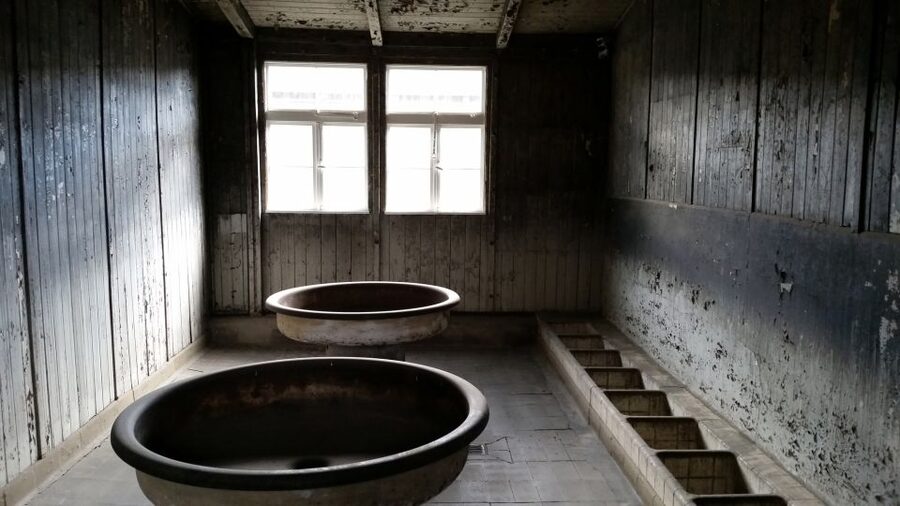
Gross-Rosen was established in 1940 as a satellite camp of Sachsenhausen. Prisoners were forced to work on the construction of a network of subcamps, making the site part of a wider Nazi system rather than an isolated prison camp.
That wider connection is important. A visit here is not only about the buildings and remains you see on the grounds. It helps you understand how the camp system expanded, how forced labor was organized, and how prisoners were moved through Nazi detention networks.
The site was also connected with the Nacht und Nebel policy. The name means Night and Fog, and it referred to prisoners who could disappear without a trace. That detail gives the visit an especially grim focus. The camp was not only a place of imprisonment and forced labor. For some prisoners, it was also a place where information about their fate was deliberately erased.
The trip also highlights the 3,000 Soviet prisoners of war transferred to Gross-Rosen in 1941. The documentary is useful here because it gives you historical background before or during your visit, helping you place what you see within the larger wartime story.
More Auschwitz-Birkenau memorial tours:
- Auschwitz-Birkenau Tour from Wrocław
★ 5.0 · 129 reviews - From Wrocław: Full-Day Auschwitz-Birkenau Guided Tour
★ 4.8 · 117 reviews - Auschwitz-Birkenau Day Tour from Wroclaw
★ 5.0 · 40 reviews
Leaving Wroclaw by private vehicle
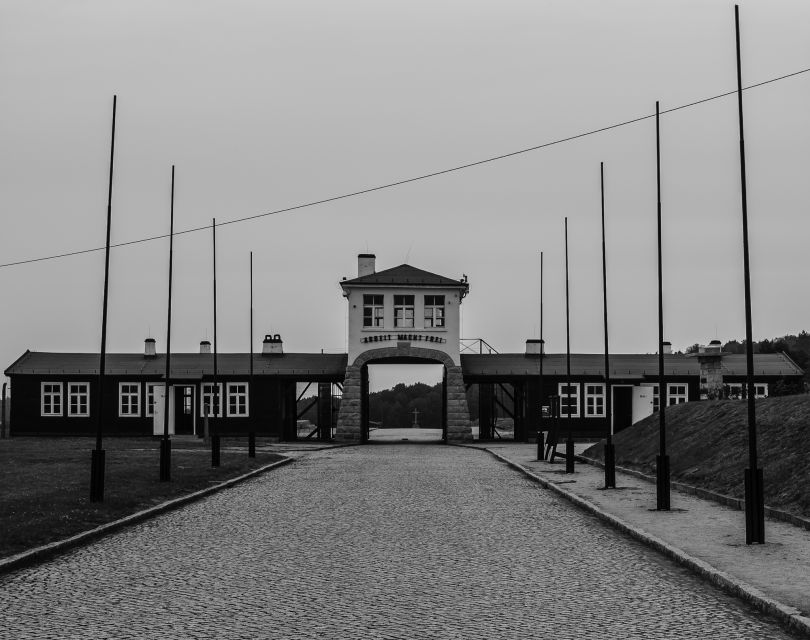
Your driver collects you from your hotel or accommodation in Wroclaw. The vehicle is private, and bottled water is included. That may sound basic, but it matters on a five-hour outing built around a serious museum visit. You do not have to find the meeting point, change transport, or work out the return journey after an emotionally heavy morning or afternoon.
The drive to Gross-Rosen takes about 1 hour and 15 minutes. The return takes roughly the same amount of time, so plan on around two and a half hours in the vehicle. The drive is not a small part of the schedule. It is the price of reaching the site from Wroclaw, and it leaves about two and a half hours for the actual visit.
A private transfer also gives you more control than a shared excursion. You are not collecting other passengers from several hotels, and you return to your own accommodation after the visit. The tradeoff is that the driver is described as English-speaking, but not as a camp historian or museum guide.
I would confirm the pickup details and the role of the driver before departure. The information says that the driver waits while you explore, which is convenient. It does not promise a personal guided walk around the camp.
Entering the Gross-Rosen Museum
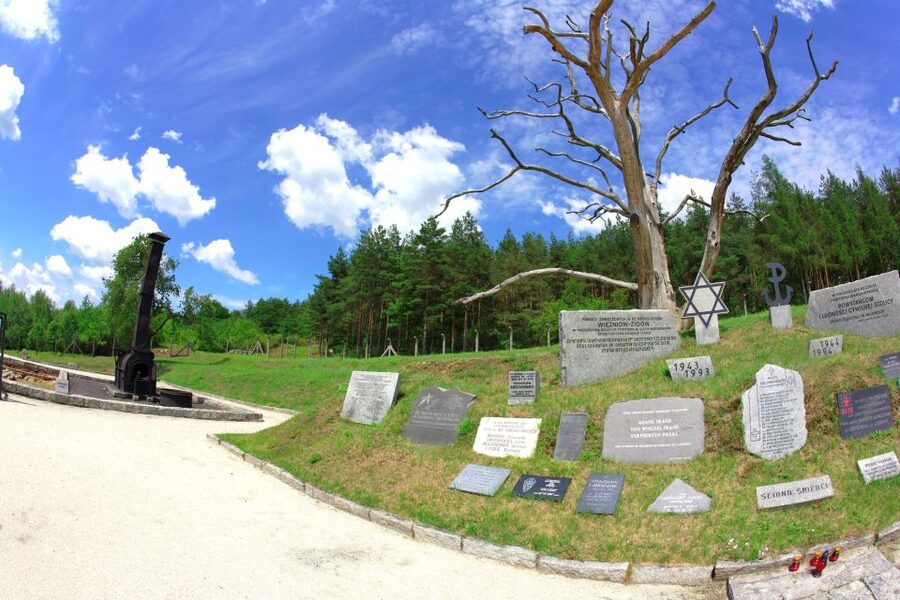
Entrance fees are included, so you can focus on the visit rather than buying tickets after the long drive. The museum forms an important part of the experience because the camp grounds alone cannot explain the full system behind Gross-Rosen.
The documentary film is listed as informative and interesting, with particular attention to the camp and the Soviet prisoners of war transferred there in 1941. Use this film as more than a quick introduction. It can help you understand the camp’s function before you move through the site with the audio guide.
The museum visit also gives you a place to slow down. Gross-Rosen is not a sightseeing stop to rush through with a camera. The documentary and exhibits provide names, dates, and structure for a subject that can otherwise feel overwhelming or fragmented.
The exact museum layout, film length, and order of the visit are not specified. Starting with the documentary may be useful, but you can ask the driver or museum staff how the audio guide and film fit together when you arrive.
Exploring the camp with an audio guide
The audio guide is included in English and German. For English speakers, that makes this trip much more useful than a visit where information is available only through signs or printed material.
An audio guide also suits the private format. You can move through the site at your own pace and pause when you need to. A live guide can add personal explanation, but some people prefer the quieter rhythm of an audio visit at a memorial site.
Still, you should be clear about what you are buying. A guided tour of the concentration camp is not included. The product information also uses the word guide in connection with one positive comment, but the formal inclusions say audio guide only. If a live guide is important to you, ask the provider before booking rather than assuming one will be present.
The camp is described as infamous for brutal treatment of prisoners. That is the central reality of the visit. You are not coming for attractive views, entertainment, or a light cultural outing. You are coming to learn about a system built on imprisonment, forced work, violence, and disappearance.
Because the grounds and museum may affect people differently, give yourself permission to take the visit at a measured pace. The private car is waiting, so you are not trying to catch a departing bus or keep up with a large party. At the same time, the five-hour total places a natural limit on how long you can stay.
A few more in Wroclaw
- Wroclaw: E-Car Tour and Audio Guide
★ 4.6 · 1,738 reviews - Wroclaw: 2-Hour Private Guided Tour by Electric Car
★ 4.8 · 805 reviews - Wrocław: Old Town and Ostrów Tumski Walking Tour in English
★ 4.8 · 311 reviews - Wroclaw: Private Old Town Guided Walking Tour (2 hours)
★ 4.8 · 275 reviews
What the 5-hour schedule really means
The stated duration is five hours, including the drive from Wroclaw and back. With 75 minutes each way, you have approximately 150 minutes at Gross-Rosen, although the precise time may depend on pickup and departure arrangements.
That is enough for a focused museum and camp visit. It is not a full-day research visit, and you may need to be selective about how much you read, watch, and listen to.
I would use the time in this order:
- Watch the documentary to establish the basic story.
- Visit the museum exhibits and pay attention to the camp’s role in the subcamp network.
- Follow the audio guide through the grounds.
- Leave a little time to reflect before returning to the vehicle.
You may prefer a different order, and the private setup gives you some flexibility. But the drive makes time management important. If you stop often with the audio guide, you may not have time for every section of the museum.
Starting times depend on availability. That makes it worth checking the schedule carefully, especially if you have other plans in Wroclaw. The experience takes up roughly half a day, but the emotional weight can make it feel longer than a standard excursion.
The value of private transport at $134
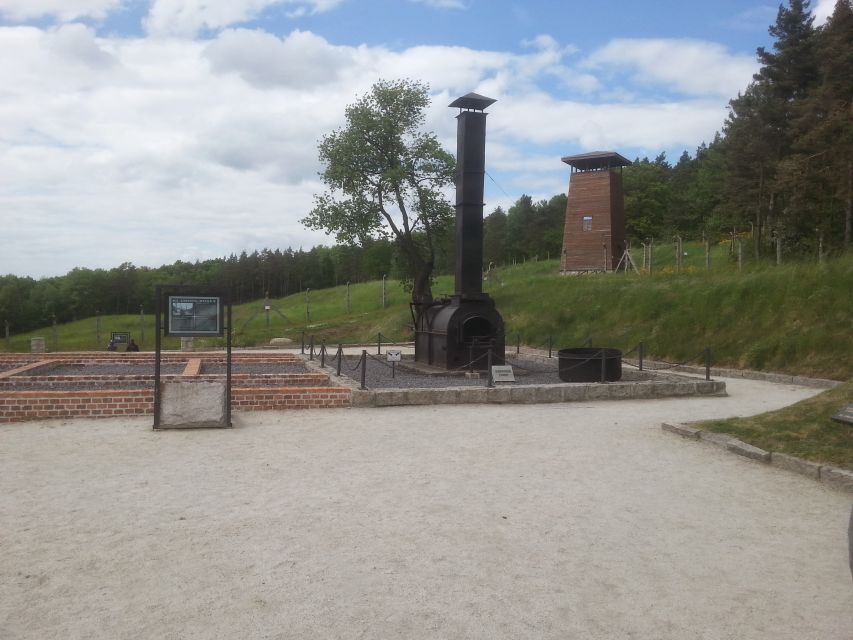
At $134 per person, this is not the cheapest way to visit a memorial site. The price includes private transportation, hotel pickup and drop-off, entrance fees, bottled water, and the audio guide. There is no separate charge for the long drive or the basic admission.
The strongest value comes from convenience. If you are traveling with another person or a small private party, the cost buys a direct journey and avoids the effort of piecing together public transport. It also gives you a driver who waits for you and takes you straight back to your accommodation.
The value is weaker if you mainly want a guided educational experience. A private vehicle does not automatically mean a private historian, and this trip does not include a live camp tour. You are paying for transport and independence more than for expert interpretation.
For many visitors, that may be exactly right. The subject is personal and solemn, and an audio guide lets you listen quietly without having to ask questions in front of a group. Others will want a specialist guide who can explain difficult details, answer questions, and adapt the visit to their interests.
The experience has a rating of 4.8 from 11 reviews, which suggests strong satisfaction, though the small number of ratings is worth keeping in mind. A short comment from Hannele praises the guide, but because the formal details specify no guided camp tour, I would clarify whether that praise refers to the driver, a local staff member, or a different part of the experience.
Who will appreciate this visit
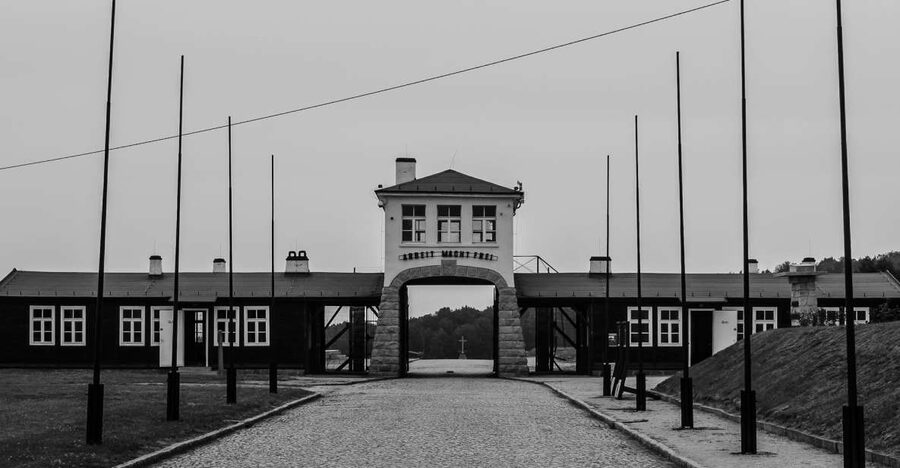
I would recommend this trip to you if you want to visit Gross-Rosen from Wroclaw without managing the transport yourself. It is also a sensible choice if you value a private group, a direct hotel transfer, and the ability to explore with an audio guide.
It suits visitors with a serious interest in World War II, Nazi camp administration, forced labor, and the fate of Soviet prisoners of war. The documentary and audio guide provide more structure than simply arriving at the museum and walking around without context.
This is less suitable if you want a relaxed sightseeing day, a long museum visit, or a live historian guiding every step. The drive is long relative to the time at the site, and the subject matter is emotionally difficult.
Families should think carefully about the age and sensitivity of everyone in the group. The supplied information does not set an age requirement or describe family facilities, so you should make that decision based on the people traveling with you.
Practical advice for a respectful visit
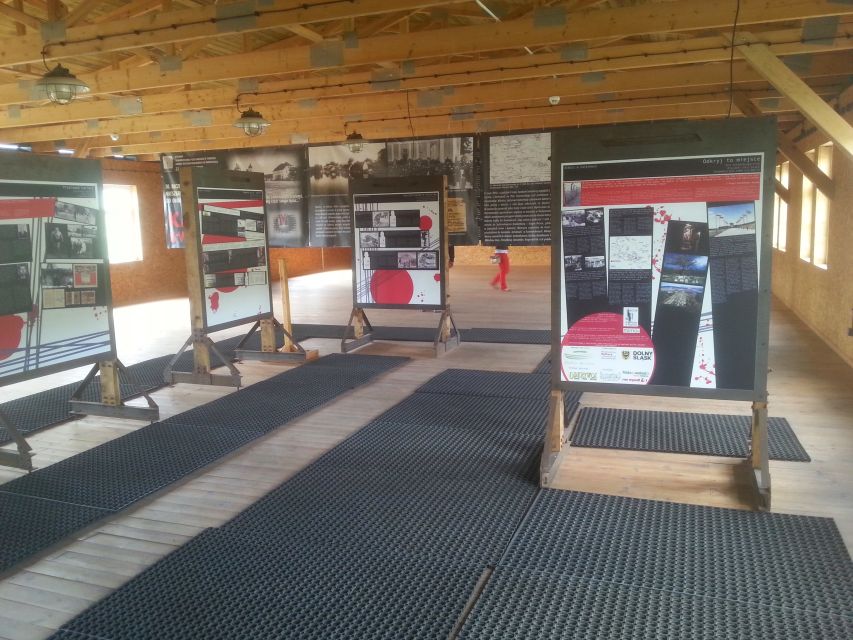
Wear comfortable clothing and plan for a quiet, serious outing. The information does not specify the condition of the paths, the amount of walking, or accessibility arrangements, so ask the provider if those points matter for you.
Bring your attention, not just your camera. The documentary, audio guide, and museum material are the parts that give meaning to the grounds. Without them, you may see a place but miss how Gross-Rosen fit into the Nazi camp network.
English and German audio guides are available. The driver speaks English, while the additional language information identifies English as the tour language. If you need another language, the supplied details do not confirm one.
You can cancel up to 24 hours before the scheduled start for a full refund, and the reserve now, pay later option allows you to hold a place without paying immediately. Those policies are useful if your Wroclaw plans are still changing, but the main decision remains the nature of the visit: a private transfer and self-guided camp experience, not a live guided tour.
Should you book the Gross-Rosen trip?
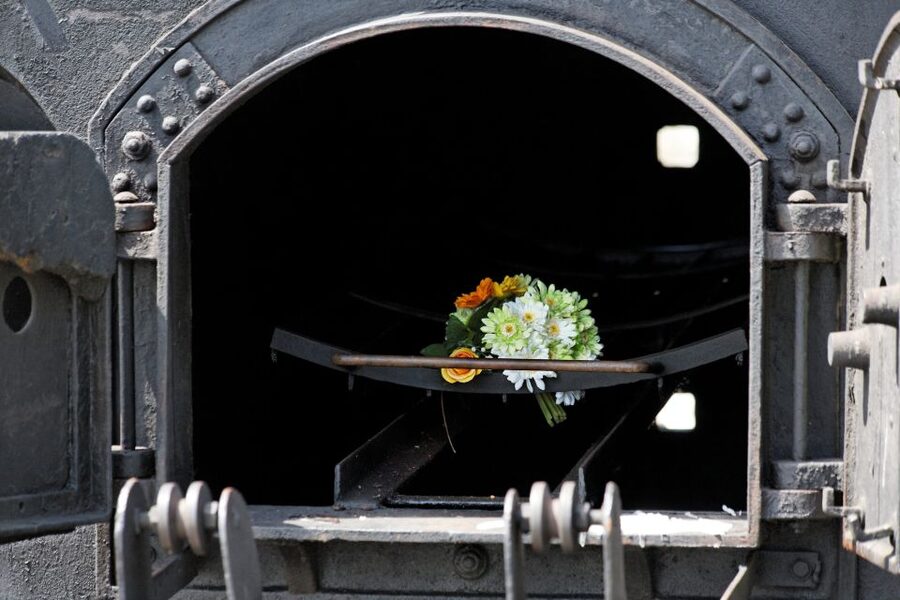
Book it if you want the simplest private route from Wroclaw to Gross-Rosen and you are comfortable using an audio guide rather than joining a live tour. The hotel pickup, waiting driver, included entrance, documentary, and direct return make the outing easy to manage.
Think twice if you need extensive time at the museum or detailed personal commentary from a specialist. Before paying, confirm the pickup time, the exact amount of time available at the site, and whether any live guide can be added.
For a focused half-day visit to an important and sobering memorial site, the arrangement offers solid practical value. Just book it for the right reason: efficient access and quiet personal reflection, not a fully guided history seminar.
FAQ
How long does the Gross-Rosen trip take?
The activity lasts five hours, including transportation between Wroclaw and Gross-Rosen.
How long is the drive from Wroclaw to Gross-Rosen?
The drive takes about 1 hour and 15 minutes each way.
Is hotel pickup included?
Yes. Pickup and drop-off from your hotel or accommodation in Wroclaw are included.
Is transportation private?
Yes. Transportation is provided by private vehicle, and the group type is private.
Does the driver wait during the visit?
Yes. The driver transfers you to Gross-Rosen and waits while you explore the museum and camp.
Is a guided tour of the concentration camp included?
No. A guided tour of the concentration camp is not included.
Is an audio guide provided?
Yes. An audio guide is included in English and German.
Does the trip include entrance fees?
Yes. Entrance fees are included in the price.
Is the documentary film included?
Yes. The visit includes an informative documentary film about Gross-Rosen, including the 3,000 Soviet prisoners of war transferred there in 1941.
Can I cancel the booking?
Yes. You can cancel up to 24 hours in advance for a full refund. You can also reserve now and pay later.
Just added in Wroclaw
- Wroclaw: WW2 Tour to Project Riese & Gross-Rosen Museum★ 4.8 · 26 reviews
- Wrocław: World War II and the non-existent city of Breslau★ 3.6 · 3 reviews
- Wroclaw : Walking Custom Tour with a Local Guide★ 4.8 · 3 reviews
- Wroclaw: University Baroque Tour★ 5.0 · 19 reviews
- Wroclaw: 3-Hour Bike Tour in English or Polish★ 4.8 · 66 reviews
- Wrocław: Tour of the Old Town in an Imperial E-car★ 4.3 · 13 reviews
- Wrocław: Venice of the North! Monuments on the Odra River 2h★ 5.0 · 2 reviews
- Wroclaw to Rock City in Adrspach and Ksiaz Castle day trip★ 4.9 · 16 reviews