

REVIEW · WROCłAW TOURS
Wrocław Centennial Hall and Surroundings Private Tour UNESCO
Architecture meets fresh air here. This private tour gives you a close look at Wrocław’s UNESCO-listed Centennial Hall, then adds the Japanese Garden, Pergola, fountain, Four Domes Pavilion, and WuWa 1929 exhibition area. I like the mix of bold 20th-century design and calm garden scenery, and I like having a licensed guide for a compact two-hour visit. The main concern is simple: inside access can change, especially during concerts, events, or seasonal garden closures.
At $40 per person, the tour can be good value if you want context rather than a quick photo stop. You still pay separately for the Centennial Hall multimedia museum, listed at €8, and the Japanese Garden, also listed at €8. I would confirm opening conditions before booking, particularly outside summer.
In This Review
- Key points before you book
- Why Centennial Hall matters in Wrocław
- The Iglica and the first look at the complex
- Four Domes Pavilion and WuWa 1929
- Pergola, water features, and the Wrocław Fountain
- The Japanese Garden in summer
- Entering Centennial Hall and the multimedia museum
- How the two-hour schedule feels
- The optional boat trip to Wrocław’s old town
- Price, extra fees, and what you receive
- Guide quality and language choice
- Who should book this private tour?
- Should you book the Centennial Hall tour?
- FAQ
- Where does the tour begin?
- How long does the tour last?
- What languages are available?
- Is the tour private?
- Is admission to the Centennial Hall museum included?
- Is admission to the Japanese Garden included?
- Can the Centennial Hall be closed during the tour?
- Is the Japanese Garden open all year?
- Can I return to Wrocław’s old town by boat?
Key points before you book

- The UNESCO focus is the Centennial Hall: The enormous concrete dome is the main reason to come, and the building received UNESCO World Heritage status in 2006.
- The private format keeps the visit focused: A professional licensed guide leads only your group, with Polish and German available.
- The Japanese Garden is best in the warmer months: Its 30-minute visit adds a peaceful contrast to the hard-edged hall and exhibition buildings.
- The Four Domes Pavilion adds a modern architecture angle: The WuWa 1929 exhibition connects the area to experimental housing and design.
- The tour may work around closures: The hall itself can close for concerts or entertainment events, while the multimedia museum is expected to remain open.
- A boat return can be arranged: On request, you may continue from the pier by boat toward Wrocław’s old town.
Why Centennial Hall matters in Wrocław
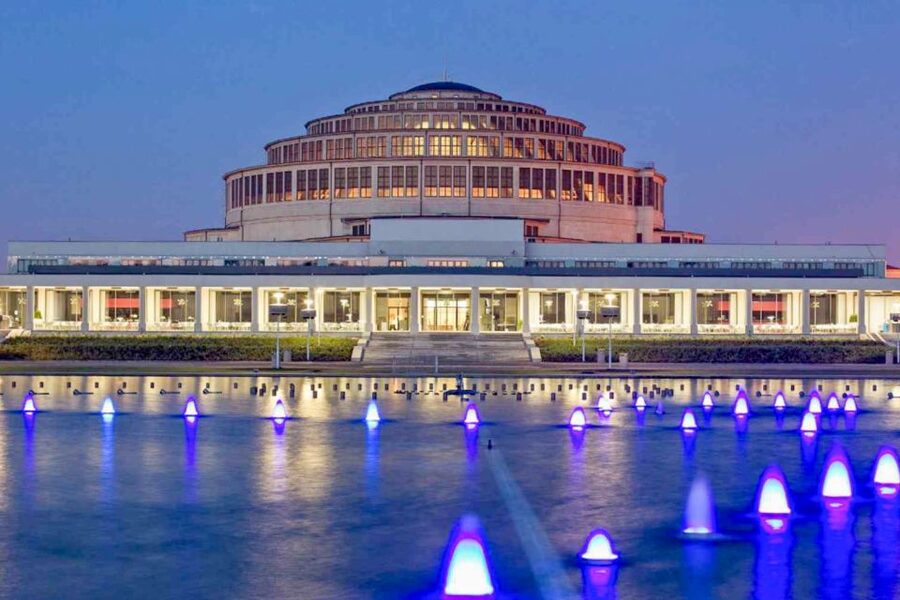
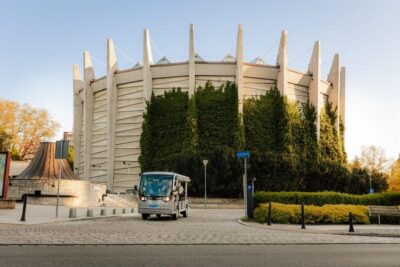
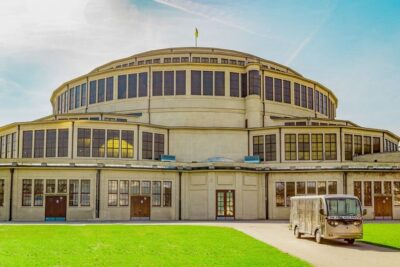
Centennial Hall, once called Hala Ludowa in Polish and Jahrhunderthalle in German, is not a pretty palace or a medieval church. Its appeal is scale and engineering. The huge concrete dome gives the building a severe, industrial look, but the interior volume is the real point. You are looking at a landmark from the early 20th century that still feels physically impressive.
The hall was declared a UNESCO World Heritage Site in 2006. That designation gives the visit useful context, but it does not turn the building into a museum piece. It remains an event venue, which is both a strength and a nuisance. You may see a living public building, but a concert or entertainment event can block interior access.
A guide helps here. Without one, you can admire the dome, take photographs, and move on. With one, you get a clearer sense of why the building matters, how the surrounding complex fits together, and why Wrocław placed so much cultural weight on this part of the city.
The main entrance is easy to identify as the meeting point. You should arrive ready to begin outside, since the tour may start with the grounds, the nearby Iglica, and the wider Centennial Hall complex before entering any exhibition space.
A few more in Wroclaw
- Wroclaw: E-Car Tour and Audio Guide
★ 4.6 · 1,738 reviews - Wroclaw: 2-Hour Private Guided Tour by Electric Car
★ 4.8 · 805 reviews - Wrocław: Old Town and Ostrów Tumski Walking Tour in English
★ 4.8 · 311 reviews
The Iglica and the first look at the complex
The Iglica is a tall landmark near the hall and one of the first sights included in the walking route. The stop is brief, around 10 minutes, so expect an explanation and a short look rather than a long separate visit.
This is a useful opening because it gives you a sense of the scale of the grounds. The Centennial Hall area is not just one building. It is a collection of open spaces, exhibition sites, gardens, water features, and cultural venues.
I would not expect the Iglica stop to carry the tour on its own. Its value comes from orientation. You begin to understand how the hall relates to the Four Domes Pavilion, the Pergola, the fountain, and the Japanese Garden.
Four Domes Pavilion and WuWa 1929
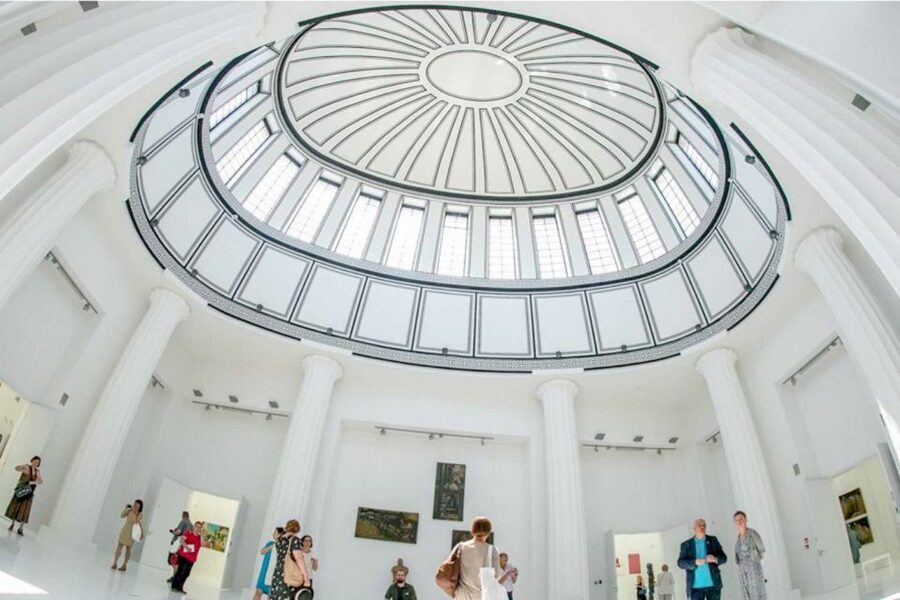
The Four Domes Pavilion is another short stop, listed at about 10 minutes. Its name is memorable, but the more useful detail is its link with the WuWa 1929 exhibition.
WuWa was an important modern housing and design presentation held in Wrocław in 1929. The exhibition examined practical new forms of housing and architecture. That gives the pavilion a different character from Centennial Hall. The hall is a massive public structure, while WuWa points toward experimental homes, planning, and everyday life.
You should keep your expectations measured. The schedule allows only a short visit or pass-by here, so this is not a full architecture course. If modern design interests you, this part may be one of the most rewarding sections. If you mainly want the great dome, it works as supporting material rather than the headline attraction.
The tour’s private format helps because you can ask how the pavilion and WuWa relate to the larger complex. A guide can also help prevent the area from feeling like a collection of disconnected names.
Pergola, water features, and the Wrocław Fountain
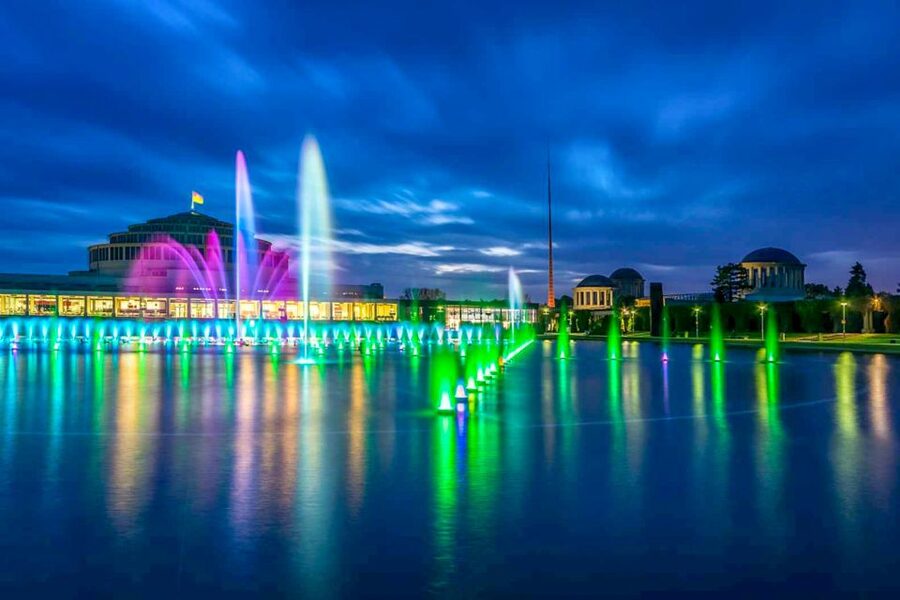
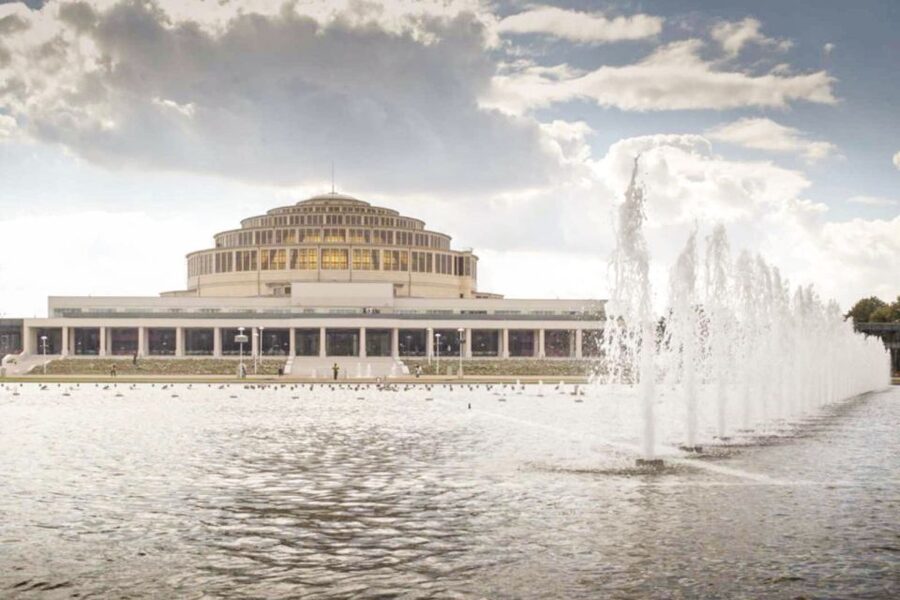
The Pergola brings a change of mood. Instead of concrete and exhibition architecture, you get a long open structure beside water features. In summer, the area is especially attractive, and the multimedia fountain can add movement and sound to the visit.
The fountain stop is listed at around 10 minutes, with sightseeing and, at certain times, possible concert programming. The exact fountain performance is not guaranteed by the tour details, so treat it as a feature of the surroundings rather than a promised show.
The water features are among the easiest parts of the visit to enjoy without specialist knowledge. You can simply walk, look, and take in the open space. This is also a good place to slow the pace after the architectural explanations.
The Pergola is connected with Restauracja Pergola, where you can pause for Polish food, coffee, beer, or dessert. The break is listed at 15 minutes, so this is a short stop, not a full meal. I would use it for a drink or small bite unless you arrange more time.
The best tables are the ones with a view toward the water features. The restaurant stop is optional in spirit, but it gives the tour a practical human touch. You are not rushing from monument to monument without a chance to sit down.
Something quite different:
- Wroclaw: Private Old Town Guided Walking Tour (2 hours)
★ 4.8 · 275 reviews - Old Town Wrocław Walking Tour
★ 5.0 · 249 reviews - Wroclaw: City Tour Sightseeing By Golf Cart Shared Or Privat
★ 4.8 · 189 reviews - Auschwitz-Birkenau Tour from Wrocław
★ 5.0 · 129 reviews
The Japanese Garden in summer
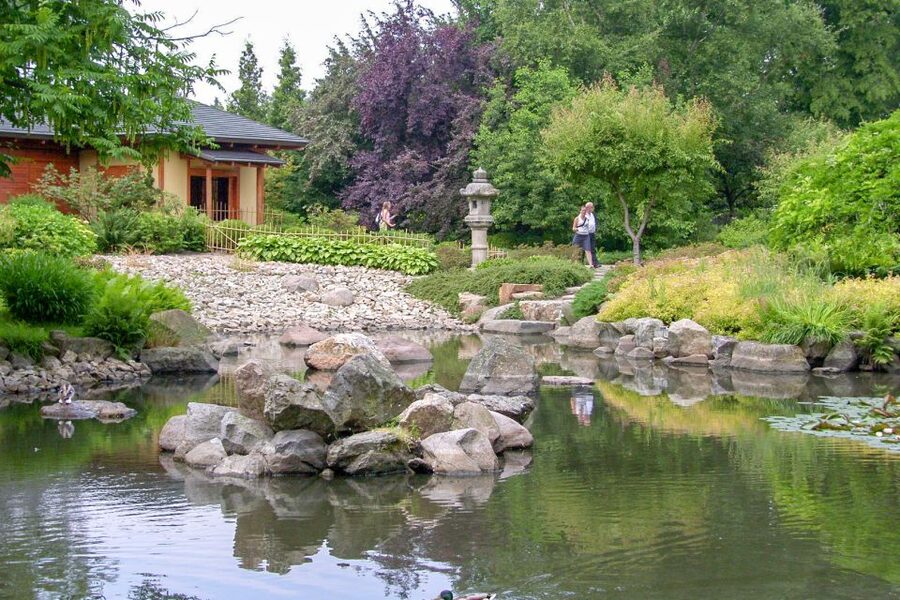
The Japanese Garden is scheduled for roughly 30 minutes, making it the longest stop apart from the hall itself. That tells you something about the tour’s balance. This is not only an architecture outing. You also get a quiet garden visit that breaks up the large structures and paved paths.
The garden is most appealing during the warmer season, when the water, plants, and garden design can be enjoyed outdoors. The supplied tour information specifically points to summer for the best experience. In colder months, the garden may be closed, as happened during a November visit.
That seasonal issue matters. The Japanese Garden has a separate €8 admission fee, and you should check that it is open before you count on this part of the route. If it is closed, the guide may need to adjust the program, but the replacement experience will not necessarily feel equal to a garden visit.
The garden is a good fit for you if you prefer a slower stop and want some visual variety. It may feel less important if your main interest is the hall’s engineering or modern architecture.
Entering Centennial Hall and the multimedia museum
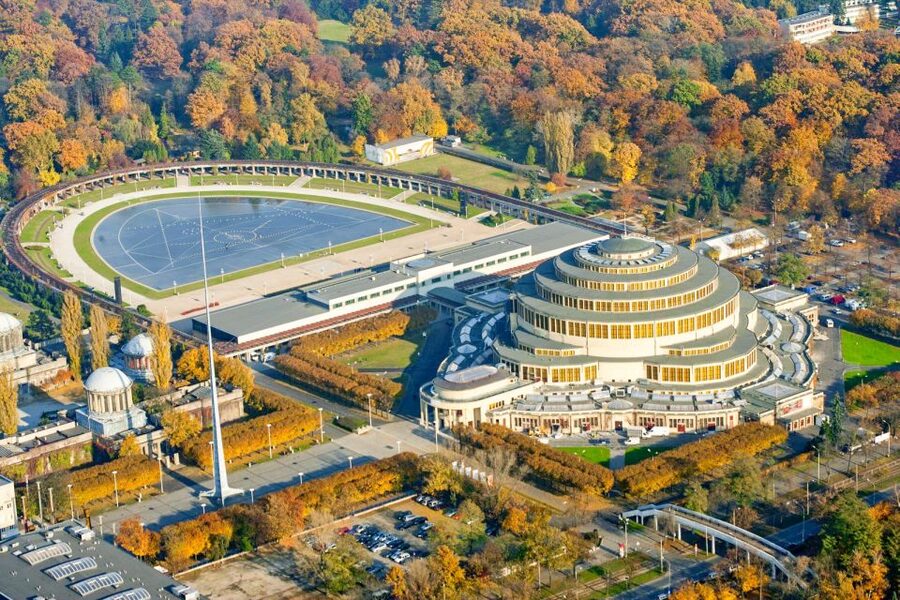
The main event is the hall itself. The visit is listed at about 45 minutes, which gives the guide enough time to explain the building rather than simply point at the dome.
You may choose to visit the Cognitive Center of Centennial Hall, known in Polish as Centrum Poznawcze Hali Stulecia. This is an interactive multimedia exhibition about the hall. The admission fee is listed at €8 per person and is not included in the $40 tour price.
The museum is worth considering if you want information presented through displays rather than only through spoken explanation. It can also be the practical backup when the main hall is closed for an event. The information provided says the multimedia exhibition will be open even when the hall itself cannot be visited inside, although you should still confirm conditions for your date.
The hall’s interior access is the tour’s biggest uncertainty. A closure in 2019 to 2022 made visits difficult, and the renovation was completed in 2023. That is encouraging, but events and concerts can still affect entry. One recent booking found the hall closed on the day, and the Japanese Garden was closed as well. The important lesson is to confirm both sites, not just the renovation status.
If the hall is open, the visit should be the clearest reason to book a guide. The huge dome is easy to appreciate visually, but a proper explanation helps you understand its construction and role in Wrocław.
How the two-hour schedule feels
Two hours is enough for an introduction, not a slow study of every building. The route includes several 10-minute stops, a 30-minute garden visit, a 15-minute restaurant break, and around 45 minutes at Centennial Hall. That is a fairly full program.
I like this length for a first visit because it leaves room in your day for Wrocław’s old town, the zoo, or the Afrikanarium. You get a strong overview without committing to a half-day outing.
The tradeoff is pace. If you stop often for photographs, order food, or ask many questions, the schedule may feel tight. The restaurant pause is short, and the Four Domes Pavilion and Iglica receive only brief attention.
A private group makes the timing more flexible than a large shared tour. Your guide can focus on your interests, but the tour still has a defined route. Tell the guide early if you care most about architecture, the garden, the museum, or the boat option.
The optional boat trip to Wrocław’s old town
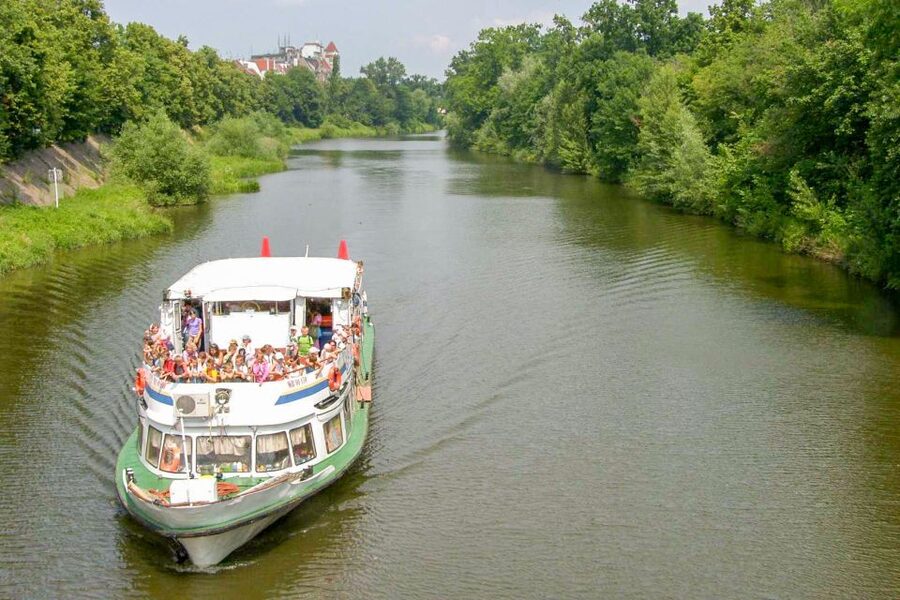
After the walk, you may go independently to the pier and return by ship toward the old town. This is available on request rather than presented as a standard included part of the two-hour tour.
That option can turn the outing into a pleasant link between the Centennial Hall grounds and central Wrocław. It may also suit you if you want a change from walking. The details provided do not state the boat price, departure schedule, or duration, so ask before treating it as part of your plan.
You can also continue to the zoo and Afrikanarium after the tour. The tour ends at Centennial Hall or at the restaurant, so these are onward options, not guided portions of the experience.
Price, extra fees, and what you receive
The listed price is $40 per person. For a private two-hour tour with a professional licensed guide, that is reasonable, especially if you are traveling with several people and want a tailored explanation in Polish or German.
The headline price does not cover the two main admissions. The Centennial Hall multimedia museum costs €8 per person, and the Japanese Garden costs €8 per person. If both are open and you visit both, add €16 per person to your budget.
You should also clarify any costs connected with the boat trip or restaurant before committing. Those details are not included in the supplied price information.
The value depends on your priorities. If you are happy to walk around the grounds and see the dome from outside, you may find the tour expensive for what could become a guided exterior visit. If you want the story behind the UNESCO site, a private guide, and a plan that combines several nearby sights, the price makes more sense.
Guide quality and language choice
The guide is the most important part of a private tour. The service is offered in Polish and German, and the guide is described as a professional licensed guide. That makes the tour suitable for German-speaking visitors who want more than basic directions.
One December booking praised the guide for answering questions clearly and confidently. Because of very low temperatures, the guide also added a small city tour. That is the kind of practical judgment that can rescue a winter visit when outdoor stops are less pleasant.
The experience has not been equally strong in every case. Another booking described the guide as acceptable but criticized the lack of warning about the hall and garden closures. A separate earlier booking reported a late notice about renovation work and found the replacement tour poor.
That mixed record points to a practical rule: ask about the current opening status before your cancellation deadline. A capable guide can adapt, but no guide can replace the central hall interior and Japanese Garden if both are unavailable.
Who should book this private tour?
I would recommend it to you if you have a clear interest in architecture, modern design, UNESCO sites, or Wrocław’s less central cultural sights. It also suits couples, families, and small groups that want to ask questions without being tied to a large public tour.
The private format is useful for German-speaking visitors, since German is one of the available tour languages. It is also a good choice if you want to combine the hall with the Japanese Garden and the Four Domes Pavilion in one organized visit.
I would be more cautious if you are visiting in late autumn or winter and the garden is a major reason for booking. I would also hesitate if seeing the hall interior is non-negotiable and the venue has an event scheduled.
Free cancellation up to 24 hours in advance and reserve-now, pay-later terms make the booking less rigid. Still, flexibility does not remove the need to check closures. The practical question is not only Can I cancel? It is also What exactly will be open when I arrive?
Should you book the Centennial Hall tour?
Book it if you want a compact, private introduction to Wrocław’s Centennial Hall and its surrounding architecture. The strongest version of the tour includes the hall interior, the multimedia museum, the Japanese Garden in summer, and a guide who adjusts the pace to your interests.
Before paying, confirm three things: hall access, Japanese Garden opening hours, and the cost or timing of any boat trip. If the hall is closed, ask what replacement route is planned. With those checks made, this is a useful two-hour experience that combines major architecture, public art, water features, and a garden without taking over your entire day.
FAQ
Where does the tour begin?
The meeting point is the big main entrance to Centennial Hall in Wrocław.
How long does the tour last?
The scheduled duration is two hours.
What languages are available?
The live tour guide is available in Polish and German.
Is the tour private?
Yes. It is arranged as a private group with a professional licensed guide.
Is admission to the Centennial Hall museum included?
No. The multimedia exhibition at the Cognitive Center of Centennial Hall costs €8 per person.
Is admission to the Japanese Garden included?
No. The Japanese Garden entrance fee is listed as €8 per person.
Can the Centennial Hall be closed during the tour?
Yes. The hall may be closed inside because of an entertainment event or concert. The multimedia museum is expected to remain open.
Is the Japanese Garden open all year?
The supplied information does not guarantee year-round access. It is highlighted as a summer attraction, and it has been closed during a November visit.
Can I return to Wrocław’s old town by boat?
On request, you can go to the pier and return by ship toward the old town. Boat pricing and departure details are not specified.
Just added in Wroclaw
- Wroclaw: WW2 Tour to Project Riese & Gross-Rosen Museum★ 4.8 · 26 reviews
- Wrocław: World War II and the non-existent city of Breslau★ 3.6 · 3 reviews
- Wroclaw : Walking Custom Tour with a Local Guide★ 4.8 · 3 reviews
- Wroclaw: University Baroque Tour★ 5.0 · 19 reviews
- Wroclaw: 3-Hour Bike Tour in English or Polish★ 4.8 · 66 reviews
- Wrocław: Tour of the Old Town in an Imperial E-car★ 4.3 · 13 reviews
- Wrocław: Venice of the North! Monuments on the Odra River 2h★ 5.0 · 2 reviews
- Wroclaw To Church of Peace and Project Riese Tour★ 4.8 · 4 reviews
Wrocław Tours, compared.
Old Town and Ostrów Tumski Walking Tour in English
Read our review →
Private Old Town Guided Walking Tour (2 hours)
Read our review →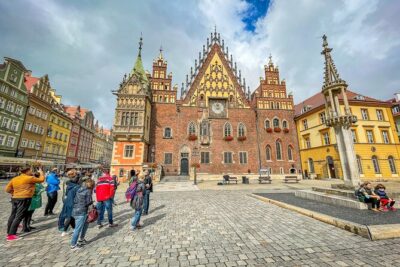
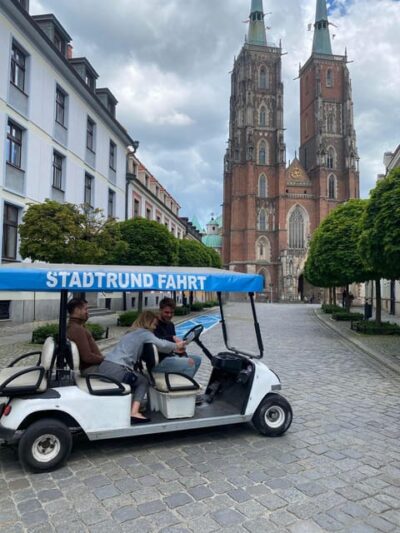
City Tour Sightseeing By Golf Cart Shared Or Privat
Read our review →
Adršpach: The Chronicles of Narnia Tour with Guide
Read our review →Browse the lists this tour appears in