
REVIEW · CITY TOURS
Main City in Gdańsk – tour in Polish
Gdańsk tells big stories in small streets. This 150-minute Polish-language walk introduces you to the city’s grand Main Town, its merchant past, wartime scars, and the people who helped reshape Europe. I like the clear focus on major sights such as the Prison Tower, Great Armory, Artus Court, and Main Town Hall. I also like the guides’ lively style, especially the humor and strong audience contact praised by visitors who toured with Klaudia, Marcin, and Kasia, known as Dynamit.
The main consideration is simple: this tour is in Polish only. That makes it a strong choice for Polish speakers, but not a practical pick if you need English commentary. You should also understand the unusual pay-what-you-see-fit model: the $26 booking amount is described as a tip paid when reserving through GetYourGuide, rather than a standard admission package.
In This Review
- Key points before you book
- Starting at the Golden Gate with Gdańsk in view
- The Prison Tower and Torture Chamber: a harder look at the old city
- The Great Armory and the visual language of wealth
- Artus Court and the world of Danzig merchants
- Main Town Hall and the political story of Gdańsk
- From shipyard workers to the end of communism
- How the Polish-language guiding shapes the experience
- Two and a half hours on foot: the practical side
- Is $26 good value?
- Who should book this Gdańsk walk?
- Should you book the Main City in Gdańsk tour?
- FAQ
- Where does the tour meet?
- How long does the Gdańsk tour last?
- What language is the tour in?
- Which sights are included on the route?
- Is the tour wheelchair accessible?
- What does the $26 price cover?
- Can I cancel the reservation?
Key points before you book
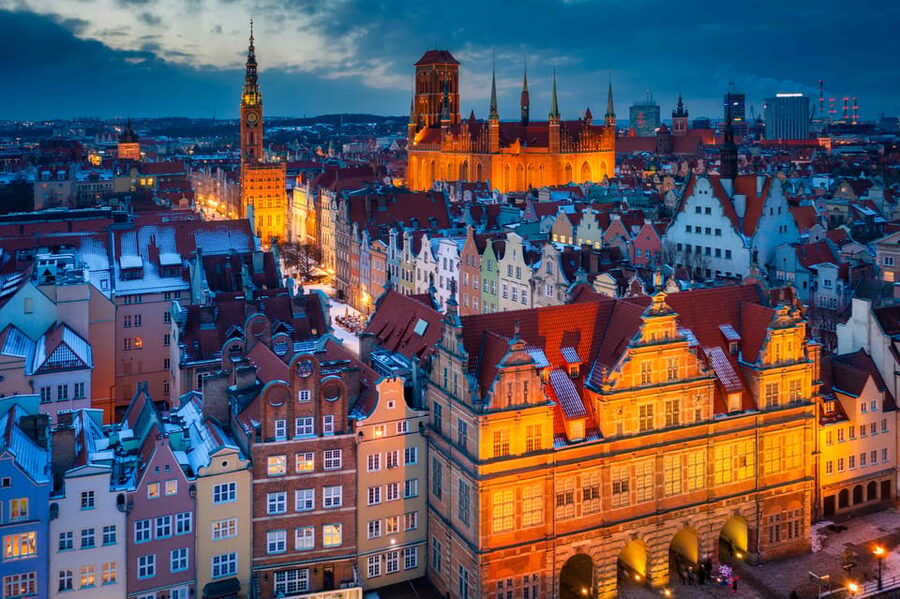
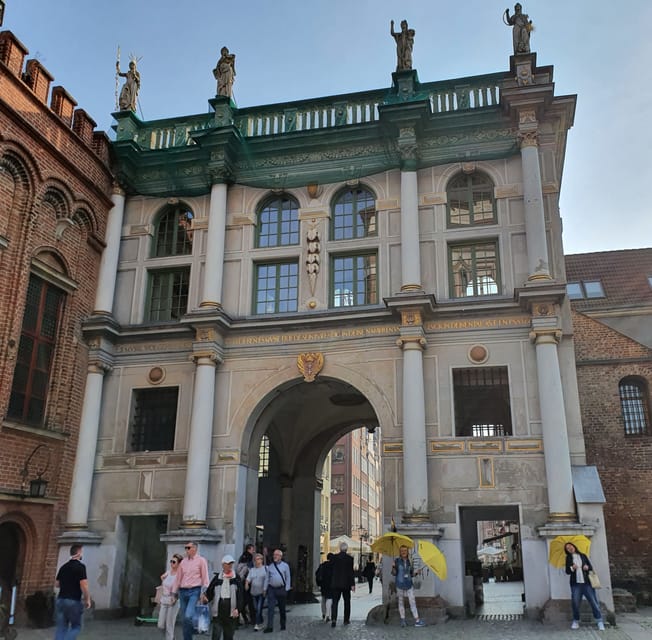
- Meet beneath the yellow umbrellas at the Golden Gate, the clear starting point for the walk.
- Expect 150 minutes on foot, with the focus firmly on Gdańsk’s historic Main Town.
- See four major landmarks, including the Prison Tower and Torture Chamber, Great Armory, Artus Court, and Main Town Hall.
- Hear Gdańsk’s story in Polish, from Baltic trade and amber to World War II and the fall of communism.
- Look for a spirited guide, with Kasia, Marcin, and Klaudia receiving especially warm praise for humor, energy, and clear storytelling.
- Check the final price carefully, since the booking is described as a tip under a pay-what-you-see-fit arrangement.
Starting at the Golden Gate with Gdańsk in view
The tour begins at the Golden Gate, or Złota Brama, one of the easiest meeting points in central Gdańsk. You are told to look for the yellow umbrellas, which is useful in a busy historic center where several streets and landmarks can look similar at first glance.
I like this start because it places you at the threshold of the Main Town right away. You do not spend the first part of the walk finding a coach, boarding transport, or crossing to a distant district. You meet in the center and begin on foot, with the city’s most important streets close at hand.
The Golden Gate also gives your guide a natural opening. Gdańsk is not simply a pretty collection of rebuilt façades. Its identity has shifted through several languages and political systems. You may hear the city named Gdańsk, Gdanzc, Dantzk, Dantzig, or Danzig, each name pointing toward a different period and cultural influence.
That changing identity is one reason a guided walk helps. Without context, the old streets can seem almost too polished and decorative. With a guide, the buildings become part of a story about merchants, port trade, political power, war, and civic pride.
A few more in Gdansk
- Gdansk: City Cruise on Historical Polish Boat
★ 4.8 · 2,913 reviews - Gdańsk: Sunset Cruise on a Historic Polish Boat
★ 4.9 · 977 reviews - Gdańsk City Sights & History Guided Walking Tour in English
★ 4.8 · 876 reviews
The Prison Tower and Torture Chamber: a harder look at the old city
One of the most memorable stops is the Prison Tower and Torture Chamber. This part of the route changes the mood. Gdańsk’s Main Town is famous for grand doors, decorated façades, and amber shops, but the city also preserved places connected with punishment and control.
The stop gives you a useful counterweight to the polished image of the old center. You can expect the guide to explain how authority operated inside the historic city, rather than presenting Gdańsk as a postcard without uncomfortable corners.
I would pay close attention here, especially if the guide connects the site to the city’s merchant government and legal system. The value is less about seeing one more old building and more about understanding who had power, how rules were enforced, and what life could mean for people without wealth or influence.
This is also a place where the guide’s delivery matters. A dry list of dates would make the stop feel grim and remote. The strongest comments about the guides praise their ability to move between serious subjects and lighter moments. That balance should help the historical material remain clear without turning the walk into a solemn lecture.
The Great Armory and the visual language of wealth
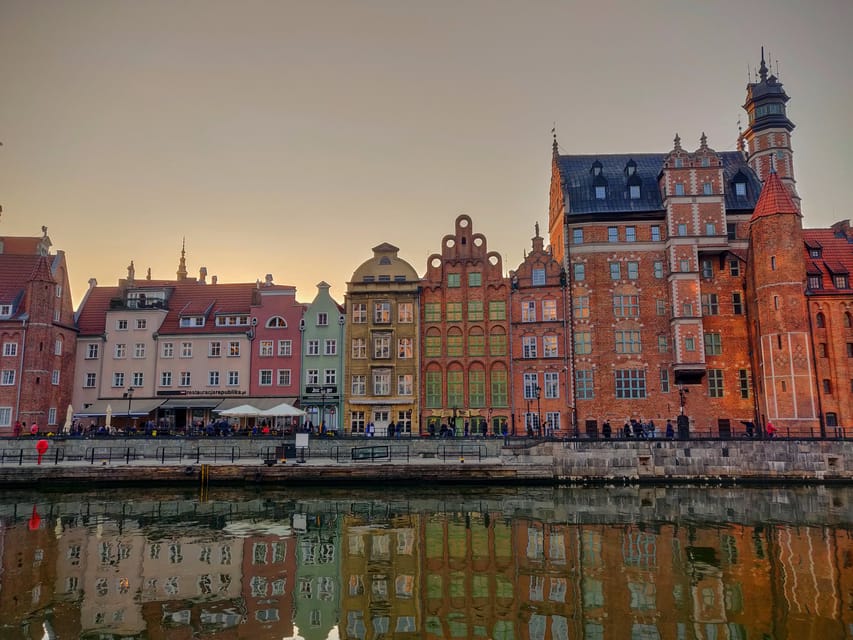
The Great Armory brings you back to the city’s public face. Its elaborate architecture reflects the confidence of a port that grew wealthy through trade. Gdańsk was once the largest port on the Baltic Sea, and grain, timber, and amber helped finance its growth.
Amber is especially tied to the city’s identity. Often called the gold of the Baltic Sea, this fossilized resin moved through the region as a valuable trade item. A guide can help you see the Great Armory not only as a handsome building, but as part of a commercial city that depended on goods moving across borders.
I like this stop because it gives the tour a chance to explain why Gdańsk looks so ornate. The decoration was not random. It sent a message about money, civic ambition, and the importance of the people who controlled trade.
You may also find this section useful if you are trying to understand the difference between Gdańsk’s historic center and a simple medieval old town. The city was shaped by wealthy traders from many parts of Europe, often known as Danzigers, or residents of Gdańsk. That mixed background helps explain the city’s distinct character and the layers of names attached to it.
Artus Court and the world of Danzig merchants
Artus Court is one of the tour’s strongest stops for understanding public life among Gdańsk’s elite. The building is linked with merchants and civic society, so it helps you picture the people who gathered, traded, negotiated, and displayed their status in the city.
A guide can make Artus Court easier to read. On your own, you might admire the scale and decoration but miss the social purpose behind it. The important point is that buildings like this were not just visual ornaments. They were connected to the business and political life of a powerful trading community.
This is where the tour’s citywide perspective becomes useful. Gdańsk produced or welcomed people such as Daniel Fahrenheit, Arthur Schopenhauer, and Günter Grass. Their names belong to different periods and fields, but together they suggest a city with an unusually strong connection to science, literature, and European culture.
Do not expect the walk to turn into a full museum visit at every stop. The experience is a guided outdoor route, and the supplied information confirms a guided walk rather than a program of extended interior tours. If you want detailed time inside each building, ask the guide what the route includes on your date.
Something quite different:
- Gdansk: Firearm Shooting Experience with Instructor
★ 4.8 · 866 reviews - Gdansk: Guided Round-Trip Cruise to Westerplatte
★ 4.3 · 865 reviews - Gdańsk: Sightseeing EcoCruise around the Old Town of Gdansk
★ 4.6 · 719 reviews - Main Town Gdańsk Walking Tour
★ 5.0 · 644 reviews
Main Town Hall and the political story of Gdańsk
The Main Town Hall is another major stop, and it gives the guide room to explain how the city governed itself. Gdańsk’s story includes periods of independence, foreign rule, and political struggle, so the town hall is more than another impressive façade.
Napoleon called Gdańsk the key to everything when he created the first Free City of Danzig. That phrase points to the city’s strategic importance. Its port, location, and access to Baltic trade made it valuable to larger powers that wanted control of the region.
The political story later took a much darker turn. Hitler made Gdańsk one of the largest Nazi cities in Europe, with the headquarters of the NSDAP there. One of the first armed clashes of World War II took place in the city during the defense of the Polish Post Office in the Free City of Gdańsk.
These subjects need careful handling, and this is another reason the guide’s style matters. Kasia was praised for shifting comfortably between humor and serious history, while Marcin was described as colorful, interesting, and highly substantive. Those qualities are useful when a pleasant city walk has to deal with occupation, violence, and political extremism.
From shipyard workers to the end of communism
The tour’s historical range reaches beyond the old center. Gdańsk is closely linked with the shipyard workers’ strike led by Lech Wałęsa, an event that helped begin the end of communism in this part of Europe.
You may not visit every shipyard site on this particular Main Town route, so do not book the walk expecting a dedicated Solidarity tour. Still, the wider story matters. It shows that Gdańsk is not only a city of merchants and historic architecture. It also played a central role in modern European political change.
I appreciate this connection because it prevents the walk from becoming stuck in the distant past. The Prison Tower, Great Armory, Artus Court, and Main Town Hall explain the older city. The wartime and communist-era stories explain why Gdańsk still carries such strong political meaning today.
If your interest is mainly in the Solidarity movement, you may want to pair this walk with separate time focused on the shipyard and Lech Wałęsa. If you want a first orientation to the city, the broader timeline gives you a useful base.
How the Polish-language guiding shapes the experience
This is a Polish-language tour, and you should treat that as the central booking decision. If you understand Polish well, the format may be especially rewarding because the guide can use natural humor, local expressions, and quick exchanges with the group.
The strongest praise focuses on the guides’ personal delivery. Klaudia was described as expressive, energetic, and deeply engaged, with stories and anecdotes that kept attention. Another assessment noted that she maintained excellent contact with the group throughout the walk. Kasia, nicknamed Dynamit, was praised for presenting the city’s history with both humor and seriousness. Marcin was singled out for vivid, well-informed storytelling.
These details suggest a tour that depends heavily on the individual guide. That is normal for a walking tour, but it is worth knowing. The buildings are fixed, while the quality of the experience can change with pacing, explanation, and the guide’s ability to answer questions.
One particularly useful sign is the repeated mention of questions. A January walk continued despite snow and wind, and the guide answered the group’s questions in an interesting and thorough way. That suggests you can expect some interaction rather than a one-way speech, though no exact group size is provided.
Two and a half hours on foot: the practical side
The listed duration is 150 minutes, or two and a half hours. One recent participant described spending more than two and a half hours on the walk, so you should allow a little flexibility if the guide is answering questions or the group is moving slowly.
I would wear comfortable shoes and dress for the day. The January walk was praised even in snow and wind, which tells you the tour operates in difficult weather, but it does not make poor weather comfortable. Gdańsk can feel exposed in cold conditions, so a warm coat and weather protection are sensible in winter.
The tour is listed as wheelchair accessible. That is important, but you should still ask the operator about your specific needs if you require details about surfaces, entrances, or the exact route. The available information confirms accessibility, but it does not describe every section of the walk.
Because this is a central walking tour, you should expect the city itself to be the transport. There is no included vehicle transfer. That is a benefit if you want to get your bearings in the Main Town, but it means the experience is not designed for anyone seeking a seated sightseeing ride.
Is $26 good value?
At $26 per person, the tour can be good value if you want a guided introduction to Gdańsk’s main historic center. You are getting 150 minutes of live commentary and a route that connects architecture with trade, war, dictatorship, and democratic change.
The price needs a closer look, however. The activity is described as operating on a pay-what-you-see-fit basis, with the reservation through GetYourGuide treated as a tip for the guide. That is different from a normal fixed-price tour with clearly separated guide fees and admission charges.
Before paying, read the checkout details carefully so you understand what the $26 represents. Do not assume that every interior visit or museum admission is included. The stated inclusion is a guided walk, and the major sights may be viewed from the route rather than visited through extended paid entries.
The flexible booking terms add practical value. You can reserve now and pay later, and cancellation is allowed up to 24 hours in advance for a full refund. Those options help if your Gdańsk plans may change, but they do not remove the need to understand the tip arrangement.
Who should book this Gdańsk walk?
I would choose this tour if you:
- Understand Polish and want a lively local explanation of the city.
- Are visiting Gdańsk for the first time and want a clear introduction.
- Prefer walking through the center instead of taking transport between sights.
- Enjoy history that reaches from Baltic trade to World War II and the end of communism.
- Like asking questions and listening to a guide who can adjust the pace.
- Want major landmarks in one compact 150-minute route.
I would look elsewhere if you need English, want a private tour, or are seeking a specialist program devoted only to amber, World War II, or the Solidarity movement. The walk covers a wide story, so it is best viewed as an introduction rather than a single-subject study.
Should you book the Main City in Gdańsk tour?
Book it if Polish is comfortable for you and you want the Main Town explained by an expressive guide rather than simply photographed. The route offers an efficient first look at Gdańsk’s best-known landmarks, while the historical story gives those façades real weight.
The strongest reasons to go are the lively guiding style, the chance to ask questions, and the broad timeline from merchant wealth to modern political change. Klaudia, Kasia, and Marcin have each been praised for energy, humor, clarity, and strong command of the material.
Skip it if the language does not work for you or if the pay-what-you-see-fit price feels unclear. For Polish speakers, though, this looks like a spirited and useful way to meet Gdańsk at street level.
FAQ
Where does the tour meet?
The meeting point is the Golden Gate, known in Polish as Złota Brama. Look for the yellow umbrellas.
How long does the Gdańsk tour last?
The listed duration is 150 minutes, or two and a half hours.
What language is the tour in?
The live guided tour is conducted in Polish.
Which sights are included on the route?
The highlights include the Prison Tower and Torture Chamber, Great Armory, Artus Court, and Main Town Hall in Gdańsk.
Is the tour wheelchair accessible?
Yes, the activity is listed as wheelchair accessible.
What does the $26 price cover?
The tour uses a pay-what-you-see-fit model. When you reserve through GetYourGuide, the payment is described as a tip for the guide. Check the booking details for the current amount and arrangement.
Can I cancel the reservation?
Yes. Cancellation is available up to 24 hours in advance for a full refund. You can also reserve now and pay later.
Just added in Gdansk
- Wolf’s Lair private tour from Gdansk★ 5.0 · 1 review
- Whisky Tasting in Gdańsk★ 5.0 · 3 reviews
- Transfer from Gdańsk or Airport Gdańsk (GDN) to Kościerzyna★ 5.0 · 1 review
- Westerplatte – 2h private trip by luxury car|★ 5.0 · 4 reviews
- Westerplatte private tour led by Expert-Guide (door to door)★ 5.0 · 5 reviews
- Gdansk EVERYDAY Vodka Tasting Tour★ 5.0 · 6 reviews
- Undercover City Games: Gdynia★ 5.0 · 34 reviews
- VIP transfer from airport Gdansk (GDN) to Hotel in Gdansk / Sopot★ 5.0 · 2 reviews
City Tours, compared.
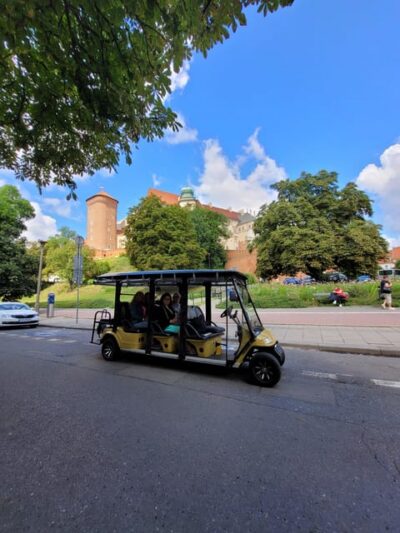

City Sightseeing Tour Eco Electric Buggy Golf Cart
Read our review →
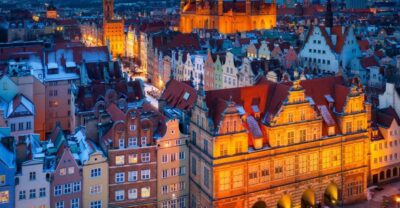
Gdańsk City Sights & History Guided Walking Tour in English
Read our review →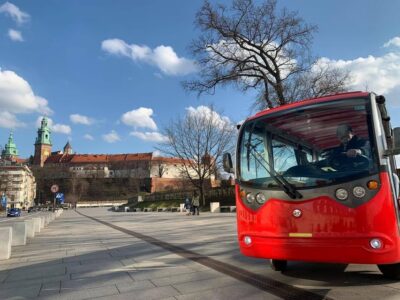
Extended City Sightseeing Tour – Eco Buggy Golf Cart
Read our review →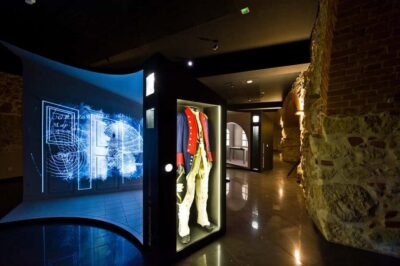
Browse the lists this tour appears in