
REVIEW · POLISH FOOD TOURS
Krakow: 4-Hour Polish Food Tour
Polish food is far more than pierogi. This four-hour walk through Kazimierz and central Krakow serves 10 or more tastings at four to six stops, turning lunch into a generous lesson in Polish culture. I especially like the mix of street food, soups, cold plates, traditional mains, sweets, and drinks. The small group, limited to eight people, also gives guides such as Tomasz and Mateusz room to keep the conversation relaxed and personal.
The food portions are large enough to count as a full meal, which is excellent value at $115 if you arrive hungry. I also like receiving written notes about the dishes and restaurant tips for the rest of your stay. The main drawback is clear: vegetarians may find much of the menu unsuitable, since Polish cooking often relies on pork, and the amount of food can be overwhelming if you eat lunch beforehand.
In This Review
- Key points to know before booking
- Starting with Polish food in Kazimierz
- Four hours of food, not four hours of samples
- Soups, fermented foods, and the Polish table
- From street food to a sit-down Polish meal
- Cold plates, cheese, vodka, and local customs
- The dessert connected with the Vatican
- Walking through Krakow between courses
- The guides make or break the afternoon
- Is $115 a fair price in Krakow?
- Who should book this Krakow food tour?
- Practical details for planning your afternoon
- Should you book it?
- FAQ
- Where does the Krakow Polish food tour begin?
- How long does the food tour last?
- How many food tastings are included?
- How many places will the tour visit?
- Are drinks included?
- Is the tour suitable for vegetarians?
- Can food allergies be accommodated?
- Is hotel pickup included?
- What language is the tour offered in?
Key points to know before booking
- Start in Kazimierz: Meet at Wolnica Square by the statue of the three musicians, near the former Town Hall and Ethnographic Museum.
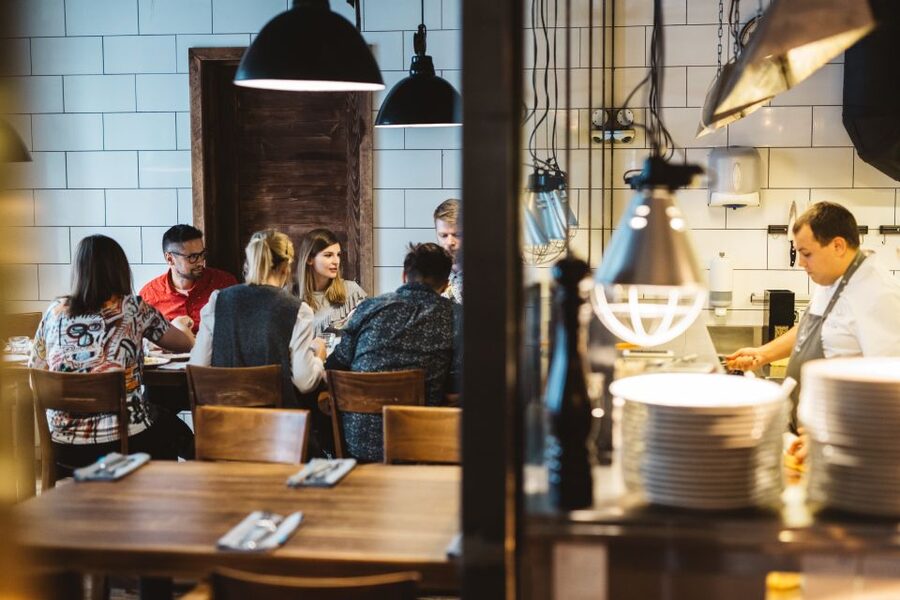
- Expect a full meal: Ten tastings, including dessert, are served at four to six places. This is not a nibble-and-move-on food walk.
- Taste beyond pierogi: You may try Polish soups, cold appetizers, regional specialties, street food, bread, meats, cheeses, sweets, and more.
- Food comes with context: Guides explain Polish habits, food traditions, changing tastes, and the cultural meaning of fermented foods.
- Choose your drink option carefully: Water is served at most venues, while three Polish drink pairings are included only with the pairing option.
- Plan your day around it: The tour lasts four hours, includes a fair amount of walking, and works best near the beginning of your Krakow visit.
Starting with Polish food in Kazimierz
The meeting point is easy to identify: Plac Wolnica, or Wolnica Square, in Krakow’s Kazimierz district. Your guide waits by the statue of the three musicians, past the Ethnographic Museum, in the shade of the trees.
That location sets the tone nicely. Kazimierz is one of Krakow’s most historic areas, and the tour begins here rather than dropping you straight into a polished restaurant. You start on foot, moving through old streets while the guide introduces Krakow and the place food holds in Polish daily life.
The group size matters. With no more than eight participants, you can ask about unfamiliar ingredients without interrupting a large lecture. Guides Tomasz, Mateusz, and other members of the Eat Polska team have been praised for explaining food and history in a friendly, conversational way. Tomasz, in particular, is known for making the tour feel like an afternoon out with an informed local friend rather than a formal classroom session.
I would schedule this on one of your first days in Krakow. The walking route helps you get oriented, and the guide’s recommendations can shape where you eat afterward. One participant found the restaurant suggestions useful for the rest of a stay, which is exactly the kind of practical bonus that makes a food tour more than a single meal.
More Food Tours in Kraków
- Krakow: Zakopane, Thermal Springs, Cable Car, Local Tasting
★ 4.8 · 5,419 reviews - Krakow to Zakopane: Funicular, Tasting and Thermal Baths Day Trip
★ 5.0 · 1,189 reviews - Krakow Food Tasting Tour with Delicious Poland
★ 5.0 · 1,032 reviews
Four hours of food, not four hours of samples
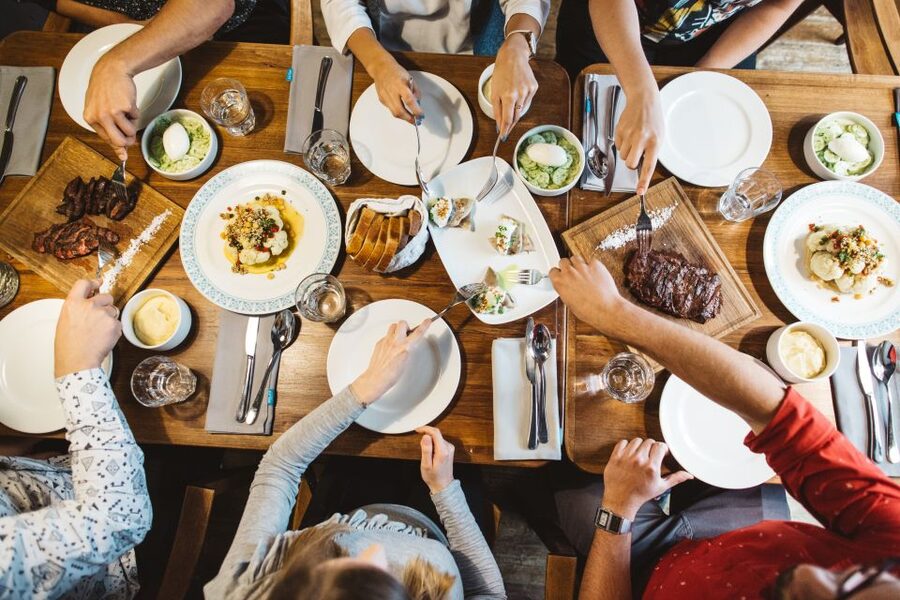
The phrase food tasting can mean anything from a few bites to a proper meal. Here, you should expect the latter. The tour includes about 10 dishes across four to six establishments, with enough food for a full meal and dessert.
The best plan is to eat breakfast, then skip lunch. That advice may sound obvious, but the portions are repeatedly described as generous, and the tour can feel like a progressive dinner spread across Krakow. You will walk between stops, but do not count on the walking to cancel out a large plate of Polish food, a soup course, cold meats, sweets, and drinks.
The exact venues and dishes can vary, but the structure gives you a broad look at Polish cooking. Instead of ordering one famous dish and calling it Polish cuisine, you move through several kinds of food:
- Cold appetizers and spreads
- Traditional soups
- Regional dishes
- Street food
- Meat, potatoes, grains, or vegetables
- Polish cheeses and cold cuts
- Traditional cakes or other sweets
- Optional Polish drink pairings
This range is one of the tour’s strongest features. It shows how Polish food can be hearty, sour, creamy, smoky, sweet, simple, and carefully prepared, sometimes all in the same afternoon.
Soups, fermented foods, and the Polish table
Polish soups are an important part of the meal, and the tour gives them proper attention. A past route included two traditional soups served in a cellar restaurant, with time to discuss ingredients and the customs connected with them.
That pause is useful. Soup can look humble, but in Poland it often carries family habits and regional identity. Your guide explains what you are eating and why the dish matters, rather than simply naming it and moving on.
Fermentation also gets its due. You learn why fermented does not mean spoiled, a useful distinction when trying Polish foods that may taste sour or sharp. This is the kind of explanation that helps you order with confidence later. Without it, an unfamiliar smell or tang might send you back to safer choices.
The tour also tackles the less romantic side of food culture. You hear why Polish people sometimes complain about the quality of their bread and why some still miss food made in the 1970s. Those details give you a better sense of national food memories. Polish cuisine is not presented as a fixed museum display. It is tied to shortages, changing standards, family kitchens, shops, and nostalgia.
From street food to a sit-down Polish meal
The route includes a mix of establishments rather than one long restaurant sitting. You might begin with traditional street food, then move to a cellar restaurant for soup, continue to a more modern Polish dining room, and finish at a cafe or cake shop.
That variety makes the tour feel useful for a first visit. You see how Polish food appears in casual and more formal settings. One route included street food, an upmarket restaurant, a less modern dining room, and a cake shop, giving the afternoon a broad range of settings as well as flavors.
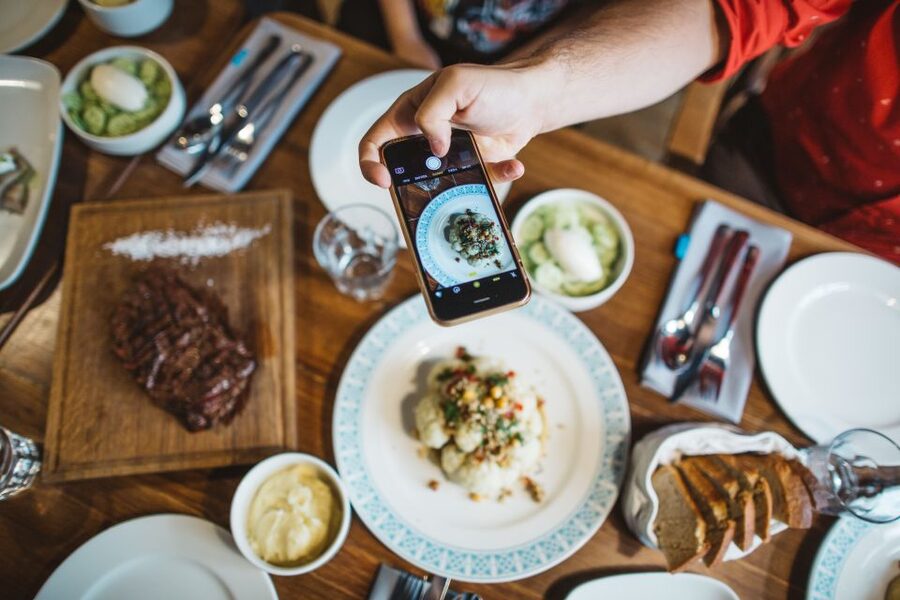
At one sit-down stop, a sharing plate included aged salted beef, potato puree, garlic broccoli, groats with blue cheese, and soda bread. A shared plate is a smart format for a food tour because you can try several things without committing to a full serving of each. It also makes it easier to compare textures and flavors while the guide explains what is traditional and what reflects newer Polish cooking.
You should expect some pork. It is a central part of many Polish dishes, and the tour warns that vegetarians may not find much of the menu suitable. Tell the operator about allergies in advance so the menu can be adjusted. The supplied information does not promise a fully vegetarian route, so anyone avoiding meat should ask before booking rather than assume substitutions will cover every stop.
More Polish Food Tours in Kraków
- Pierogi Cooking Class with Market Shopping and Local Snacks
★ 5.0 · 343 reviews - Krakow Pierogi Cooking Class with Market Visit & Home-Cooked Meal
★ 5.0 · 212 reviews - Krakow: Food Tour of 10 Tastings with Pierogi, Vodka & More
★ 5.0 · 169 reviews - Pierogi Cooking Class: Mastering the Art of Polish Dumplings
★ 5.0 · 129 reviews
Cold plates, cheese, vodka, and local customs
Another part of the route focuses on cold meats, cheeses, spreads, and other foods often served for sharing. This is a good reminder that Polish dining is not only about hot dumplings and soup.
The guide explains how these foods fit into Polish hospitality. The traditional rule is to serve enough food to make the table collapse, and that spirit comes through in the portions. You are not being rushed through a row of tiny samples. You sit down at several points, eat properly, and have time to talk.
A Polish vodka shot may appear among the tastings, depending on the route and included pairing. Three Polish drinks are included if you book the option with drink pairings. Additional drinks are not included, so check the option you select if drinks matter to you.
The drink pairing can make the meal feel more complete, but it is not essential to the food education. If you do not drink alcohol, the core tastings and water at most venues remain the main part of the experience. If you do drink, remember that several stops over four hours can add up. Eat slowly and use the walking time as a break.
The dessert connected with the Vatican
The final sweet course adds a memorable piece of cultural context. You learn about a traditional regional cream cake associated with Pope John Paul II, who was born in Poland. One route finished with the Pope’s favorite cream cake and homemade ice cream.
This story works because it links an ordinary dessert with a figure who matters deeply in Polish national and religious life. You are not just tasting a cake at the end of a long meal. You are learning how food, memory, faith, and identity can overlap.
Dessert also arrives at the right point in the route. By then you have sampled savory dishes, soups, meats, cheese, and street food, so the sweet course feels like a proper finish rather than another random bite. Just do not underestimate it. The tour’s warning about arriving hungry applies to the cake as much as to the main dishes.
Walking through Krakow between courses
The food is the main draw, but the walk adds real value. Between stops, you pass historic streets and Baroque and Renaissance sights as you make your way toward Krakow’s Old Town.
The route is not described as a dedicated architecture tour, so you should not book it expecting detailed coverage of every landmark. Still, food gives the walk a useful shape. You have a reason to move through different parts of the city, and the guide can point out local details while you digest.
Several hours of walking also changes the rhythm of the meal. You sit, eat, talk, walk, and repeat. That makes the generous portions more manageable than if everything arrived at one table in a single sitting.
Wear comfortable shoes. The route crosses central Krakow on foot, and the tour includes enough movement that poor footwear could take the edge off the afternoon. Since the meeting point is in Kazimierz and the route continues toward the Old Town, allow extra time afterward if you have a fixed appointment.
The guides make or break the afternoon
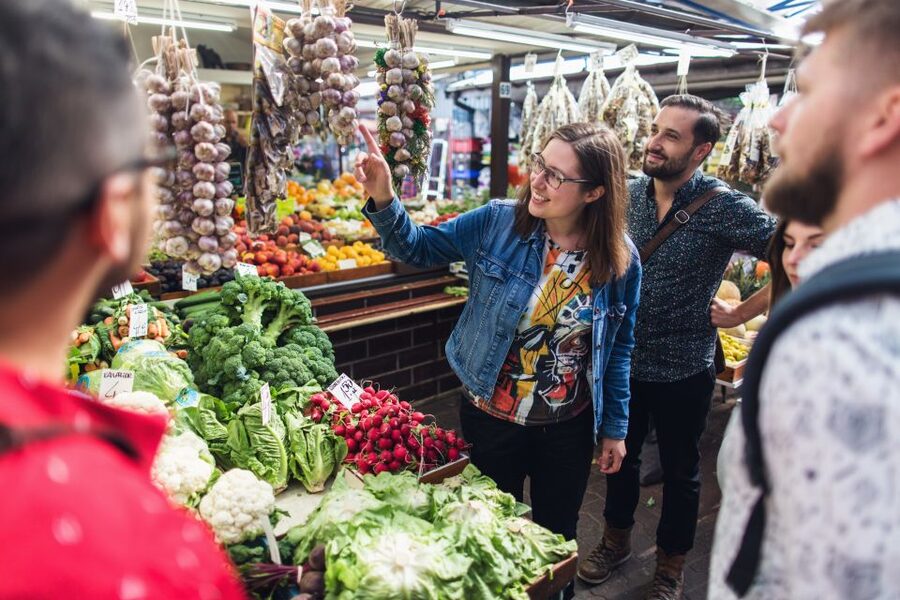
The food is varied, but the guide is what turns it into a worthwhile tour. The strongest guide reports focus on Tomasz, who is described as warm, laid-back, funny, and deeply interested in Polish cuisine and culture.
That combination is important. A guide can list ingredients without giving you a reason to care. Here, the aim is to connect dishes with Polish history, social customs, food production, and family traditions. The best moments come when you can ask why a dish is served in a certain way or how Polish tastes have changed.
Mateusz has also been praised for connecting food with historical and social life. The tour is offered in English, and the guide is bilingual. One participant noted that the guide also helped a group member who was not comfortable in English by explaining things in Polish.
The tour is not scripted as a nonstop speech. Past experiences describe regular chances to sit, discuss the food, and ask questions. That makes it a good match for you if you prefer conversation and explanation over a rigid checklist.
Is $115 a fair price in Krakow?
At $115 per person, this is not a budget lunch. But the price includes about 10 food tastings at four to six venues, a four-hour guided walk, water at most stops, a written summary of the dishes, and practical restaurant tips. The pairing option also includes three Polish drinks.
The important point is portion size. You are paying for far more than a sample of pierogi and a quick dessert. The tour provides enough food for a full meal, and the number of stops would cost a fair amount if you ordered comparable dishes independently.
You are also paying for access to places you might not find on your own and for explanations that make the food easier to understand. If you want only a cheap introduction to Polish cuisine, $115 may feel high. If you want one substantial meal, local guidance, and a useful starting point for eating around Krakow, the price is reasonable.
Value also depends on how you plan to use the advice. I would treat the written food summary and restaurant recommendations as part of the return on your money. Save them on your phone and use them later, especially if the tour takes place early in your visit.
Who should book this Krakow food tour?
I would recommend it most strongly to first-time visitors who want a quick introduction to Krakow’s food and neighborhoods. It is also a good choice if you enjoy asking questions, sharing plates, and learning the story behind what is on your table.
This tour suits you if you:
- Want more than a pierogi tasting
- Prefer a small group to a large coach-style outing
- Like walking between meals
- Enjoy traditional food served in several settings
- Want restaurant ideas for later in your visit
- Can eat a substantial amount of food
- Are comfortable with pork-based cuisine
I would think twice if you are vegetarian, have strict dietary limits, dislike group meals, or prefer a light lunch. Allergies should be reported before the tour, but the menu is built around Polish dishes, many of which use pork.
The tour is limited to eight participants, though one booking had only two people and another ended up as a private-feeling outing. That can happen with a small-group format, but you should not book it assuming you will receive a private tour every time.
Practical details for planning your afternoon
The meeting point is at Wolnica Square in Kazimierz, by the three musicians statue and near the Ethnographic Museum. There is no hotel pickup or drop-off, so you need to reach the square yourself.
The tour lasts four hours, with starting times varying by date. Check the available time when you book, then avoid scheduling a major attraction immediately afterward. Food service can be leisurely, and the walking route may take you toward the Old Town.
You can cancel up to 24 hours in advance for a full refund, and the reserve-now, pay-later option keeps your plans flexible. These policies are useful if your Krakow schedule is still changing, but they do not change the basic advice: reserve a time when you can give the meal four unhurried hours.
Should you book it?
Book this tour if you want a generous, story-filled introduction to Polish food rather than a quick list of famous dishes. The best reasons are the variety of stops, the full-meal portions, the small group, and guides such as Tomasz and Mateusz, who connect food with Krakow’s culture and past.
Skip it if you need a vegetarian menu, dislike pork, or prefer to choose every dish yourself. For most omnivorous visitors who arrive hungry and schedule it early in their stay, this is a strong way to understand Krakow through what people actually eat.
FAQ
Where does the Krakow Polish food tour begin?
Meet your guide at Plac Wolnica, or Wolnica Square, in Krakow’s Kazimierz district. The guide waits by the statue of the three musicians, past the Ethnographic Museum, in the shade of the trees.
How long does the food tour last?
The tour lasts four hours.
How many food tastings are included?
You receive 10 food tastings, with enough food for a full meal and dessert.
How many places will the tour visit?
The route visits four to six carefully selected establishments in central Krakow.
Are drinks included?
Water is included at most venues. Three Polish drink pairings are included only if you choose the option with pairing. Additional drinks cost extra.
Is the tour suitable for vegetarians?
Many dishes are based on pork, so vegetarians may find that much of the menu is unsuitable. Contact the operator about dietary needs before booking.
Can food allergies be accommodated?
You should advise the operator about food allergies so the menu can be adjusted.
Is hotel pickup included?
No. Hotel pickup and drop-off are not included, so you must reach the meeting point at Wolnica Square.
What language is the tour offered in?
The tour is conducted in English with a bilingual foodie guide.
Just added in Krakow
- Auschwitz-Birkenau – Skip the Line Tickets★ 3.5 · 29 reviews
- Auschwitz-Birkenau: Fast-Track Ticket & Guided Tour No Transfers★ 3.5 · 17 reviews
- Zakopane & Sleigh Ride with Bonfire – Group Tour from Kraków★ 5.0 · 2 reviews
- Sleigh Ride & Bonfire in Zakopane with Funicular – Private Trip★ 5.0 · 48 reviews
- Thermal Baths & Zakopane – Private Trip from Krakow★ 5.0 · 1 review
- Zakopane & Gubalowka Funicular – Private Winter Tour from Krakow★ 5.0 · 10 reviews
- Divine Mercy Sanctuary – Private Tour from Krakow★ 5.0 · 4 reviews
- stag dog chase Krakow prank★ 5.0 · 4 reviews
Polish Food Tours, compared.
Half-Day Polish Food Walking Tour with Guide and Dinner
Read our review →
Pierogi Cooking Class with Market Shopping and Local Snacks
Read our review →
Krakow Pierogi Cooking Class with Market Visit & Home-Cooked Meal
Read our review →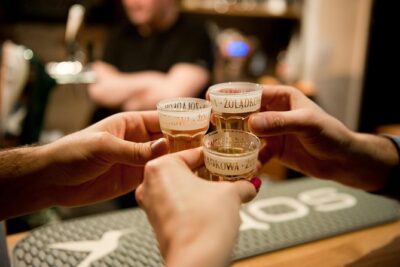
Food Tour of 10 Tastings with Pierogi, Vodka & More
Read our review →
Pierogi Cooking Class: Mastering the Art of Polish Dumplings
Read our review →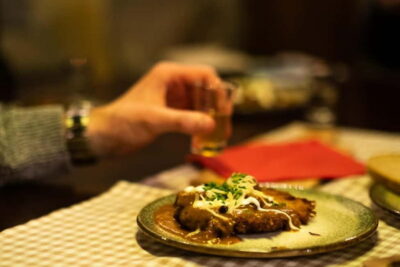
6-Course Full Polish Food Tour with Vodka Tasting
Read our review →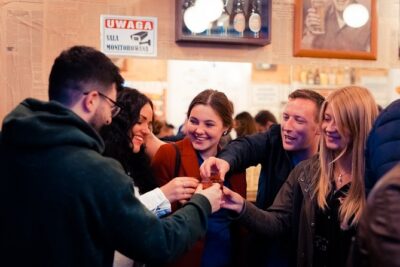
Browse the lists this tour appears in