
REVIEW · GDAńSK TOURS
Gdańsk: World War II Tour
War began here, but the story is far larger. This private Gdańsk tour links Westerplatte, the Polish Post Museum, and the Main City into a clear account of how Poland experienced the Second World War. I like the strong Polish point of view, and I like the chance to travel by car or minivan with a guide who can adjust the pace. The main drawback is that the famous Second World War Museum is not included, and people with mobility impairments may find the outing difficult.
The tour also reaches beyond the standard old-town stroll, touching on the Free City of Gdańsk, the Red Army’s attack, Gradowa Mountain, and the city’s tragic ending in 1945. Guides such as Bożena, Roxana, and Sebastian Malyszczyk have earned especially warm praise for their clear explanations and personal connection to Gdańsk.
In This Review
- Key points to know before you book
- Why Gdańsk is the right place for this war story
- Westerplatte: where the opening shots take shape
- The Polish Post Museum and the civilian side of war
- The Main City: rebuilding, memory, and national identity
- A private tour with room for questions
- Three and a half hours, with transport included
- What the tour does not cover
- Who will get the most from this experience
- Should you book the Gdańsk World War II Tour?
- FAQ
- Where does the tour begin and end?
- How long does the tour last?
- Which places are visited?
- Is the Second World War Museum included?
- What languages does the guide speak?
- Is this a private tour?
- Is transportation included?
- Can people with mobility impairments take the tour?
Key points to know before you book
- Westerplatte gives the tour its emotional starting point: You visit the site linked with the opening of the Second World War.
- The Polish Post Museum adds a personal civilian story: The focus moves from military action to the people caught in the first days of war.
- A private vehicle makes a big difference: Pickup and drop-off at your Gdańsk accommodation saves time and keeps the route flexible.
- The Polish viewpoint guides the whole experience: You hear how war, occupation, rebuilding, and national identity shaped the city.
- The three-and-a-half-hour format is focused: It gives you several major sites without taking a full day.
- The main WWII Museum is not part of the route: Plan a separate visit if you want a full museum treatment of the conflict.
Why Gdańsk is the right place for this war story
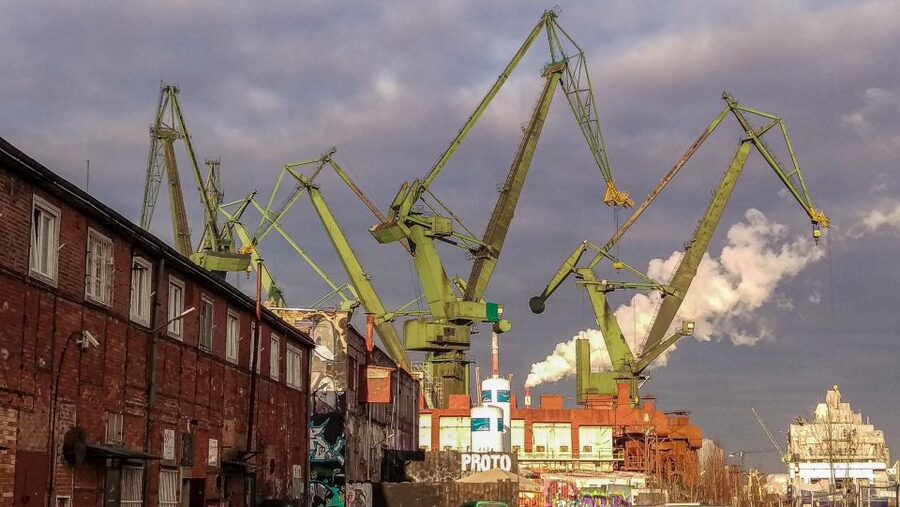
Gdańsk is not simply a pretty Baltic city with colorful façades and old harbor cranes. Its modern story is tied to questions of nationality, power, borders, and survival. Before the war, the city existed as the Free City of Gdańsk, a special political arrangement that placed it at the center of tension between Germany and Poland.
That setting helps explain why the tour begins with more than battlefield facts. You are looking at a city where several nations and identities met, argued, and collided. The guide’s job is to connect those political pressures with the people who lived through them.
The city did not suffer its full military destruction at the opening of the war. Its most tragic chapter came in 1945, when the Red Army advanced and the conflict reached its final, violent stage in Gdańsk. This gives the tour an unusual shape. It is not only about how the war began, but also about how the city was changed at the end.
I find that approach more useful than a simple list of dates. You see the first attack, the wartime experience of civilians, and the destruction and rebuilding of the city as parts of one story.
A few more in Gdansk
- Gdansk: City Cruise on Historical Polish Boat
★ 4.8 · 2,913 reviews - Gdańsk: Sunset Cruise on a Historic Polish Boat
★ 4.9 · 977 reviews - Gdańsk City Sights & History Guided Walking Tour in English
★ 4.8 · 876 reviews
Westerplatte: where the opening shots take shape
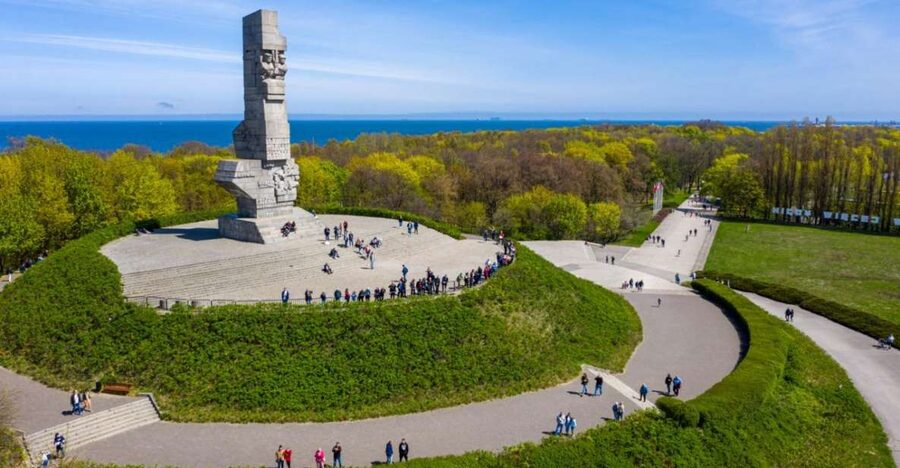
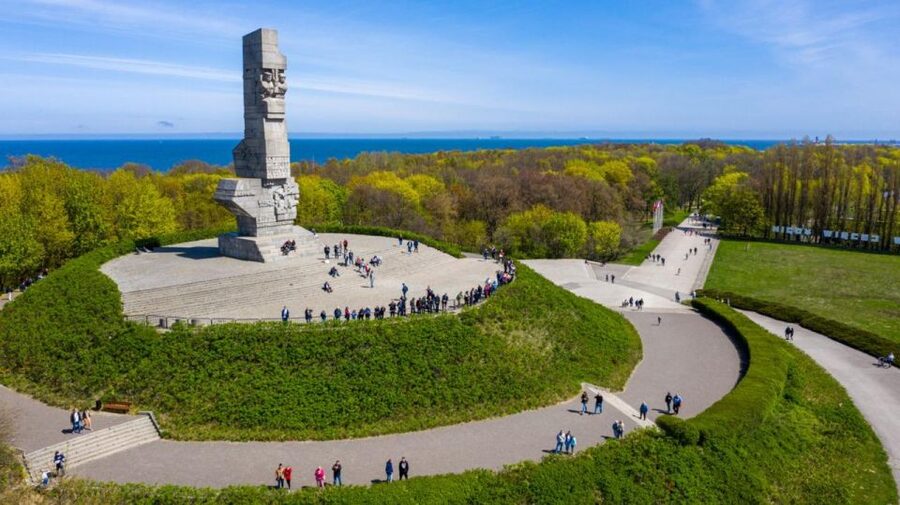
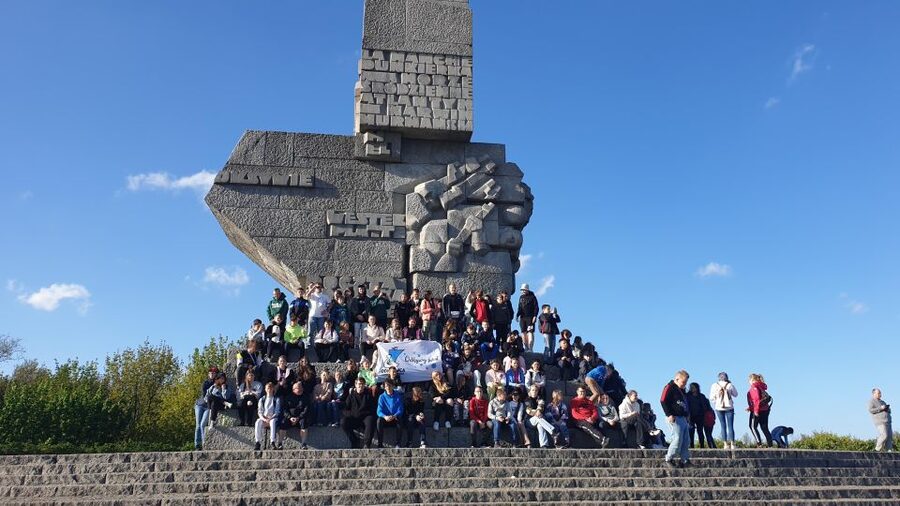
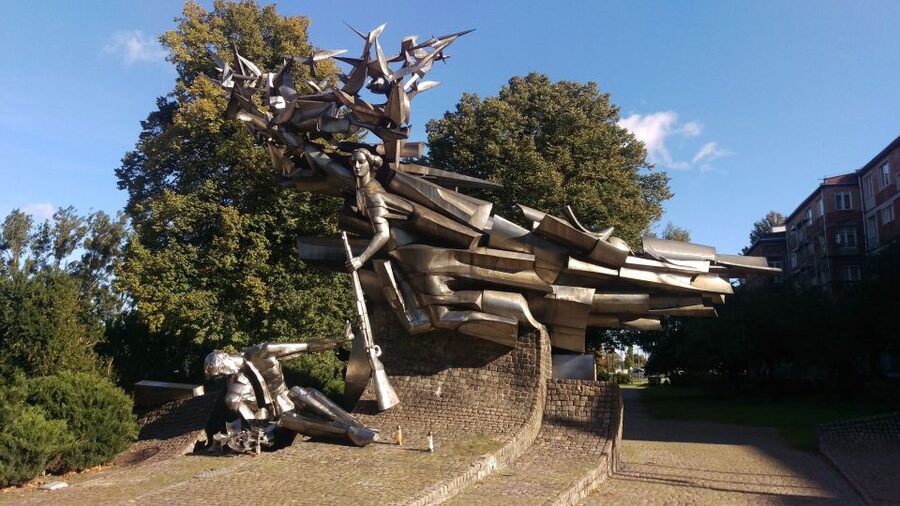
The first major stop is Westerplatte, with about an hour set aside for a guided visit. This is the place most closely connected with the beginning of the Second World War, so it gives the tour a clear anchor.
You will hear about the opening attack and the defense of the Polish military post. The value of having a guide here is that the site itself may not explain every part of the story in a way that is easy to follow. A good guide can place the surviving structures, memorials, and open spaces into the wider political crisis.
The setting also changes how the story feels. Away from the tidy center of Gdańsk, the tour becomes more reflective. You are not just looking at a monument and moving on. You are considering how a local confrontation grew into a war that spread across Europe.
I would bring a waterproof jacket or another layer suited to poor weather. The recommendation to dress for bad conditions matters especially at outdoor stops such as Westerplatte. Rain or wind can make a history tour feel much longer, so practical clothing will help you pay attention.
The one limitation is physical access. The experience is not suitable for people with mobility impairments, and outdoor ground conditions may be part of the reason. If walking is difficult for you, ask the provider for clarification before booking rather than assuming the private vehicle solves every access issue.
The Polish Post Museum and the civilian side of war
The next stop is the Museum of the Polish Post, with around 30 minutes for a guided visit. This is a shorter stop, but it adds an important human scale to the military story.
Westerplatte naturally brings your attention to soldiers and defense. The Polish Post Museum shifts the focus toward postal workers and civilians caught up in the first days of the conflict. That change matters because war is not only fought by armies. It enters workplaces, homes, and ordinary routines.
I like this part of the route because it keeps the tour from becoming a parade of military locations. The guide can help you understand how the attack affected Polish workers and why the post office became part of Gdańsk’s wartime memory.
Thirty minutes is enough for a guided introduction, but it is not a long museum visit. You should expect a focused stop rather than time to study every display at length. If museums are your main reason for visiting Gdańsk, you will probably want to return independently for a slower look.
One past participant specifically wished the Second World War Museum had been included, and that is a fair point. The Polish Post Museum has a different purpose. It adds a focused local story, while the larger WWII Museum offers a much broader treatment of the conflict. Do not confuse the two when planning your day.
The Main City: rebuilding, memory, and national identity
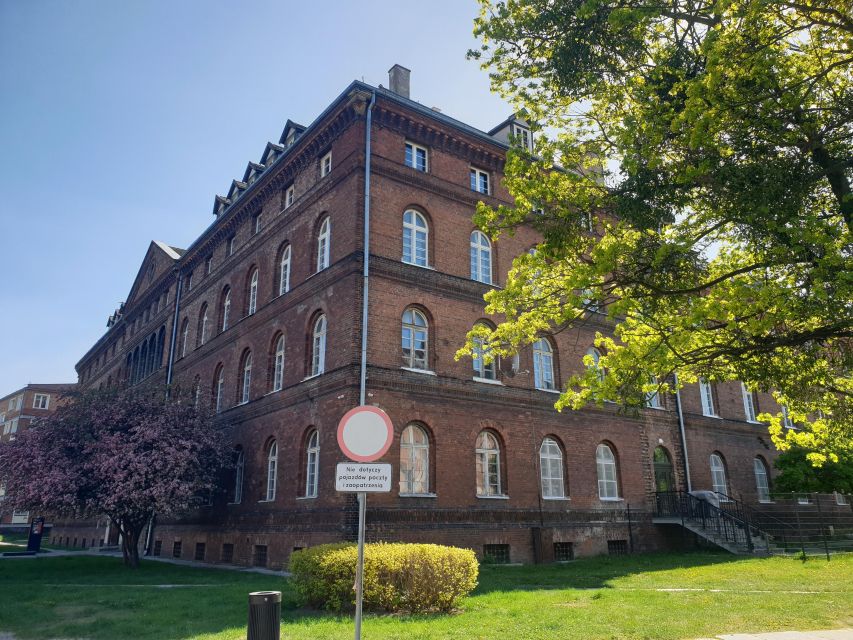
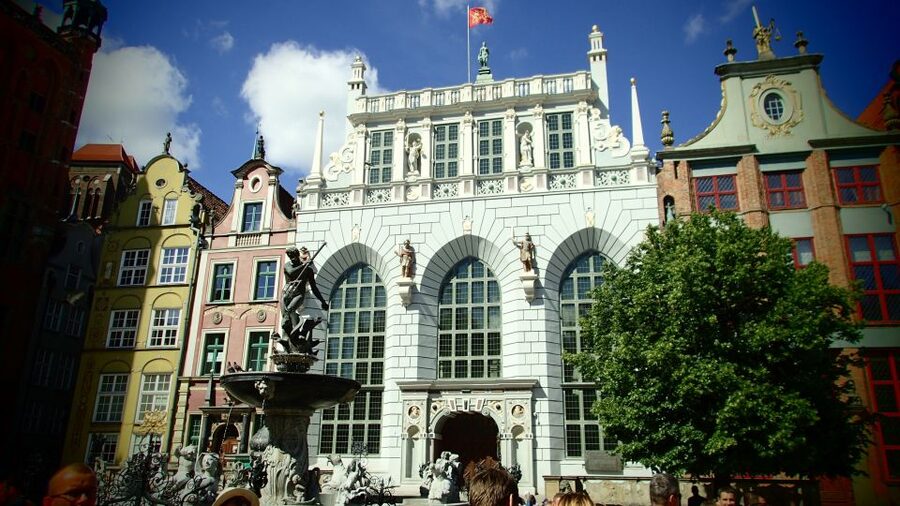
The final major portion takes place in Gdańsk’s Main City and lasts about an hour. This is where the tour connects wartime events with the city you see today.
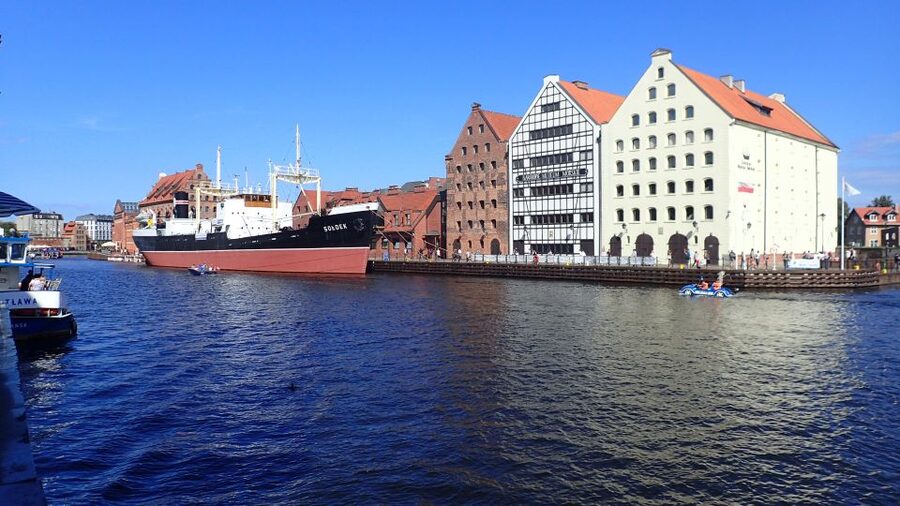
The Main City is famous for its historic appearance, but the tour asks you to look past the postcard view. You will hear about the destruction of Gdańsk, the attack of the Red Army, and the difficult work of rebuilding. The city’s restored appearance can make its wartime losses easy to miss without someone pointing them out.
This part of the experience also brings the story back to Polish identity. Gdańsk has had to rebuild more than walls. It has had to explain its past, remember its dead, and make sense of the many nations connected to its streets.
The supplied route also refers to Gradowa Mountain, a place tied to the wider story of Gdańsk and its wartime setting. Since the exact timing at each point can vary, ask your guide how this location fits into your departure. The private format should make it easier to shape the discussion around what interests you most.
I would not treat the Main City portion as a replacement for a standard sightseeing walk. Its purpose is different. You are here to see how war affected the urban fabric and how memory sits beside restored buildings, not simply to collect photographs.
Something quite different:
- Gdansk: Firearm Shooting Experience with Instructor
★ 4.8 · 866 reviews - Gdansk: Guided Round-Trip Cruise to Westerplatte
★ 4.3 · 865 reviews - Gdańsk: Sightseeing EcoCruise around the Old Town of Gdansk
★ 4.6 · 719 reviews - Main Town Gdańsk Walking Tour
★ 5.0 · 644 reviews
A private tour with room for questions
This is a private group experience, which is one of its strongest features. You are not sharing the guide’s attention with a large crowd, and you can ask for more explanation when a subject catches your interest.
The guide speaks English or Polish. Several guides have received especially strong personal praise. Bożena is described as punctual, welcoming, flexible, and deeply fond of Gdańsk. She has led both daytime and evening departures, including a private evening outing that left a particularly strong impression.
Roxana has also been praised for being pleasant and well informed, while Sebastian Malyszczyk was noted for explaining the city’s past with clarity and passion. You cannot choose a particular guide from the information provided, but these comments give you a useful sense of the standard to hope for.
A private guide is most valuable when you prepare a few questions. You might ask how the Free City arrangement worked, how Polish residents experienced the opening of the war, or why Gdańsk’s 1945 destruction remains so important. These questions can turn a fixed sightseeing route into a more personal conversation.
The private setup also suits families and small groups with different interests. One person may want military details, while another cares more about civilian life or architecture. A guide can usually adjust the emphasis more easily with a small group than with a full coach.
Three and a half hours, with transport included
The advertised duration is 210 minutes, or three and a half hours. The guided visits add up to about two and a half hours: one hour at Westerplatte, 30 minutes at the Polish Post Museum, and one hour in the Main City. The remaining time is useful for driving, pickup, drop-off, and transitions between sites.
That timing makes the tour a good half-day choice. You get a meaningful introduction without giving up an entire day in Gdańsk. It also avoids the tiring feel of trying to cover every wartime site on foot.
Pickup and return at your accommodation in Gdańsk are included, or you can meet at a central location. Transport is by car or minivan. I see real value here because Westerplatte is separate from the historic center, and arranging the route yourself can take more effort than expected.
Water is included, a small but welcome touch. More important is the time saved by having someone handle the transport. If you have only a short stay in Gdańsk, that efficiency helps you fit the tour beside other plans.
The $195 price is per person, so the value depends heavily on group size. For a private group, the cost can make sense when you want personal guiding, hotel pickup, and a route that joins several locations. For one person or a very small party, it is a more serious expense than a group walking tour.
I would compare the price with the cost of separate transport, entrance fees where applicable, and a private guide. The tour is not the cheapest way to hear about Gdańsk in wartime, but it offers convenience and a more tailored experience. The best value comes when you care about the subject and want direct access to a guide rather than a basic overview.
What the tour does not cover
A balanced review needs to be clear about the missing pieces. The Second World War Museum is not included, and that museum is likely to be important to anyone seeking a broad, detailed presentation of the entire war.
This tour works better as a location-based introduction. You go to Westerplatte, visit the Polish Post Museum, and connect the Main City with the conflict. The larger museum can then provide maps, objects, photographs, and a wider European context on another part of your trip.
You should also know that the tour is not designed for people with mobility impairments. The combination of outdoor locations, walking, and historic sites may be demanding. The information provided does not give a detailed accessibility breakdown, so contact the provider before booking if you need specific assistance.
Bad weather is another practical consideration. Bring clothing suitable for rain and wind, especially if your departure includes time outdoors. An evening departure can work well, as one highly praised outing took place in the evening, but you should check available starting times before making other plans.
Who will get the most from this experience
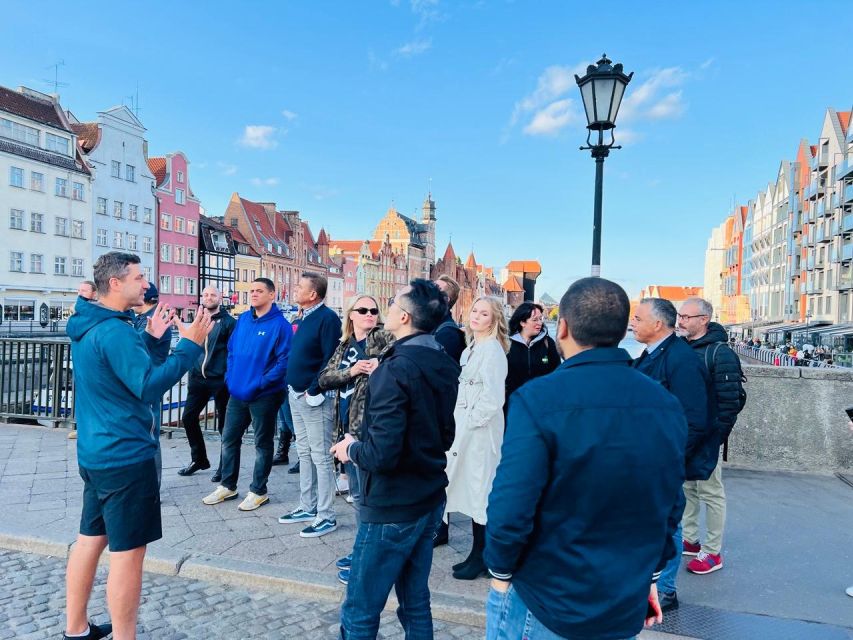
I would recommend this tour to anyone who wants more than a quick mention of the war during a city sightseeing walk. It suits you especially well if you want to understand Gdańsk through Polish eyes and connect major sites into one readable story.
It is also a strong choice for a small private group. The vehicle, hotel pickup, and guide keep the day simple, while the private format gives you space for questions. People with a serious interest in Poland’s wartime experience will appreciate the focus on local places rather than only broad European events.
Families may find the private format useful because the guide can adjust the level of detail. Couples and older children can also benefit from the shorter, structured schedule, provided everyone is comfortable with the walking involved.
I would be less likely to choose it if your main aim is a long museum visit. In that case, book time separately for the Second World War Museum and treat this tour as an additional outing, not a substitute.
Should you book the Gdańsk World War II Tour?
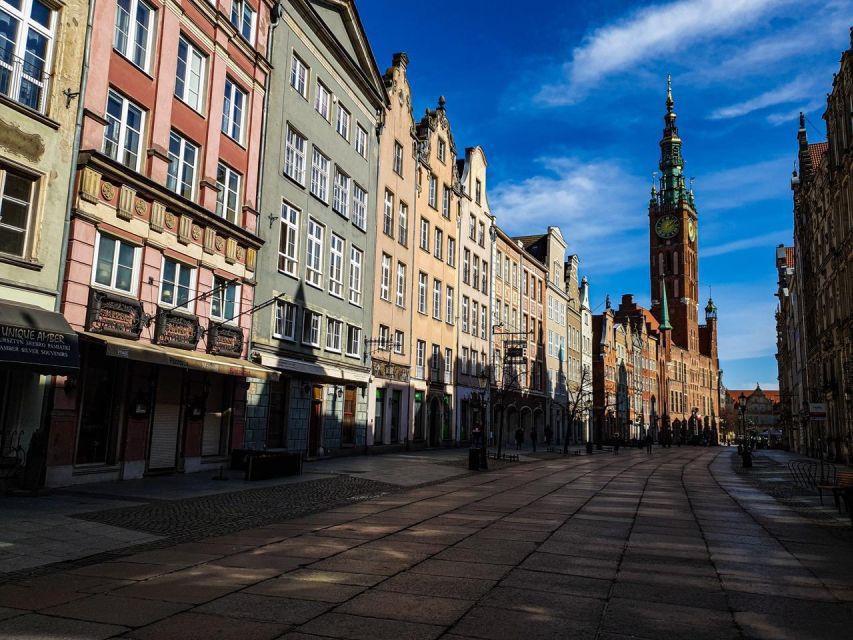
Book it if you want a focused, private introduction to the city’s wartime story, especially the opening at Westerplatte and the Polish civilian experience at the Post Museum. The strongest reasons are the local perspective, included transport, and guides who have been praised for warmth, punctuality, flexibility, and clear explanations.
Think twice if $195 per person stretches your budget, if you need fully accessible sightseeing, or if you expect the major WWII Museum to be included. For the right group, though, this is a thoughtful half-day route that helps you see Gdańsk as a city shaped by conflict, loss, and determined rebuilding.
FAQ
Where does the tour begin and end?
Pickup and drop-off are included at your accommodation in Gdańsk. You may also meet the guide at a central location in Gdańsk.
How long does the tour last?
The experience lasts 210 minutes, or three and a half hours.
Which places are visited?
The route includes Westerplatte, the Museum of the Polish Post, and Gdańsk’s Main City. The experience also refers to Gradowa Mountain and the wider story of the Free City of Gdańsk and the Red Army’s attack.
Is the Second World War Museum included?
No. The Second World War Museum is not listed as part of this tour.
What languages does the guide speak?
Live guiding is available in English and Polish.
Is this a private tour?
Yes. The experience is operated for a private group.
Is transportation included?
Yes. Transportation is provided by car or minivan, and pickup and drop-off are included. Water is also provided.
Can people with mobility impairments take the tour?
The tour is listed as unsuitable for people with mobility impairments. Bring clothing appropriate for bad weather, since the route includes outdoor sightseeing.
Just added in Gdansk
- Wolf’s Lair private tour from Gdansk★ 5.0 · 1 review
- Whisky Tasting in Gdańsk★ 5.0 · 3 reviews
- Transfer from Gdańsk or Airport Gdańsk (GDN) to Kościerzyna★ 5.0 · 1 review
- Westerplatte private tour led by Expert-Guide (door to door)★ 5.0 · 5 reviews
- Westerplatte – 2h private trip by luxury car|★ 5.0 · 4 reviews
- Gdansk EVERYDAY Vodka Tasting Tour★ 5.0 · 6 reviews
- Undercover City Games: Gdynia★ 5.0 · 34 reviews
- VIP transfer from airport Gdansk (GDN) to Hotel in Gdansk / Sopot★ 5.0 · 2 reviews
Gdańsk Tours, compared.

Gdańsk City Sights & History Guided Walking Tour in English
Read our review →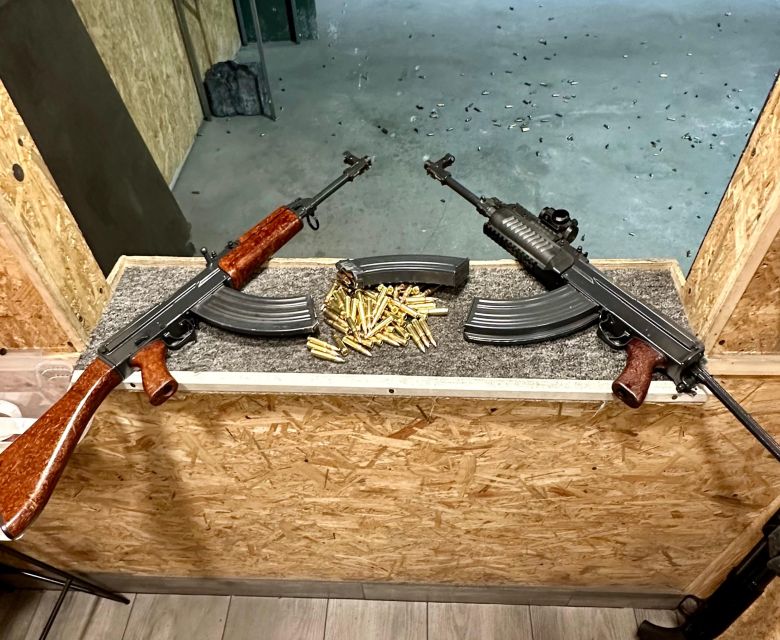
Sightseeing EcoCruise around the Old Town of Gdansk
Read our review →

City Sightseeing Tour by Golf Cart/Buggy Guided Tour
Read our review →Browse the lists this tour appears in