
REVIEW · WOLF'S LAIR TOURS
Gdansk Wolf’s Lair with St. Lipka and Mamerki Private Guided
History gets very real in these woods. This long private outing from Gdansk takes you to Hitler’s Wolf’s Lair, the bunker complex at Mamerki, and the colorful Baroque sanctuary at St. Lipka. I like the combination of serious wartime sites and one magnificent church, and I like that pickup, transport, entrance to Wolf’s Lair, and an English-speaking driver are included. The main drawback is the length: 10 to 12 hours in a day, with several hours on the road.
You should also know what is not included. Lunch is extra, and Mamerki and St. Lipka do not come with a guide. The Wolf’s Lair is the strongest guided stop, while Mamerki gives you more freedom to explore alone.
In This Review
- Key points before you book
- Why this makes sense as a private day from Gdansk
- Wolf’s Lair: Hitler’s headquarters in a forest
- The 1944 attack and the human story behind the concrete
- Mamerki: a second bunker complex with more freedom
- St. Lipka and the Baroque change of pace
- Lunch, timing, and what the long day feels like
- What the $430 price really buys you
- Who should book this experience?
- Practical booking advice
- Should you book the Wolf’s Lair and Mamerki tour?
- FAQ
- How long does the tour from Gdansk take?
- What places are visited on the tour?
- Is pickup included?
- Is the tour private?
- Which languages are available for the live guide?
- Are meals and guides at every stop included?
Key points before you book
- Over 80 wartime buildings: Wolf’s Lair once held Hitler’s military headquarters, with around 50 huge bunkers and more than 2,000 people living on the site.
- A private day from Gdansk: Pickup and drop-off are available at accommodation or cruise ports in Gdansk, Gdynia, and Sopot.
- The 1944 assassination attempt site: Your local guide explains the bunker complex and the failed attack on Hitler that took place there.
- Mamerki adds a second bunker area: You can see former command buildings, shelters, officers’ houses, a U-boat interior, and museum displays.
- St. Lipka changes the mood: The Sanctuary of St. Mary brings Baroque color, sculpture, paintings, and ornate organs after the darker wartime sites.
- A pricey but useful private option: At $430 per person, the value depends heavily on how much you value door-to-door transport and a private guide.
Why this makes sense as a private day from Gdansk
The distance is the first thing to understand. This is not a quick excursion just outside Gdansk. You are heading into the Warmia-Masuria Province, where the Wolf’s Lair and Mamerki sites sit among forests and small settlements. The tour lasts 10 to 12 hours, so you should reserve a full day and avoid adding other major plans.
The private format helps with a demanding schedule. You are collected at your hotel or at a cruise port in Gdansk, Gdynia, or Sopot, then travel in private, comfortable transport with an English-speaking driver. Other language options include French, Italian, Polish, German, and Russian.
I see two clear benefits here. First, you do not need to work out a complicated route to remote wartime sites. Second, you can travel at your own pace within the planned day, rather than joining a large group with little room for questions.
The cost is high at $430 per person. Still, it covers private transport, pickup and drop-off, the Wolf’s Lair entrance, a licensed guide at Wolf’s Lair, Mamerki entry, and the St. Lipka visit in the extended version. For one person or a couple, this is a major expense. For a small private group splitting the transport and guide costs, it may be easier to justify.
More Wolf Lair tours:
- Gdansk Wolf’s Lair with St. Lipka and Mamerki Private Guided Tour
★ 5.0 · 2 reviews - Wolf’s Lair private tour from Gdansk
★ 5.0 · 1 review - From Warsaw: Tour of the Wolf’s Lair, Hitler’s HQ by Car
★ 4.7 · 116 reviews
Wolf’s Lair: Hitler’s headquarters in a forest
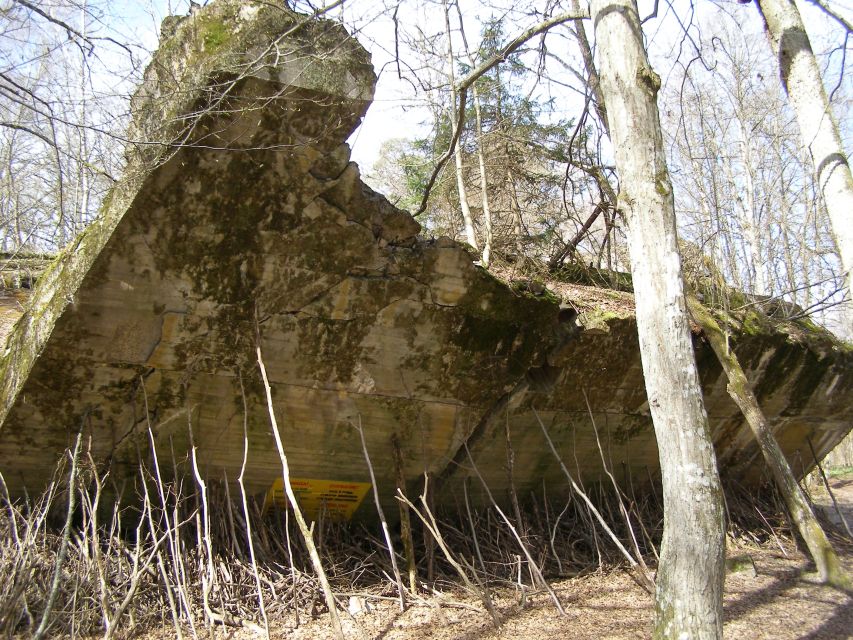
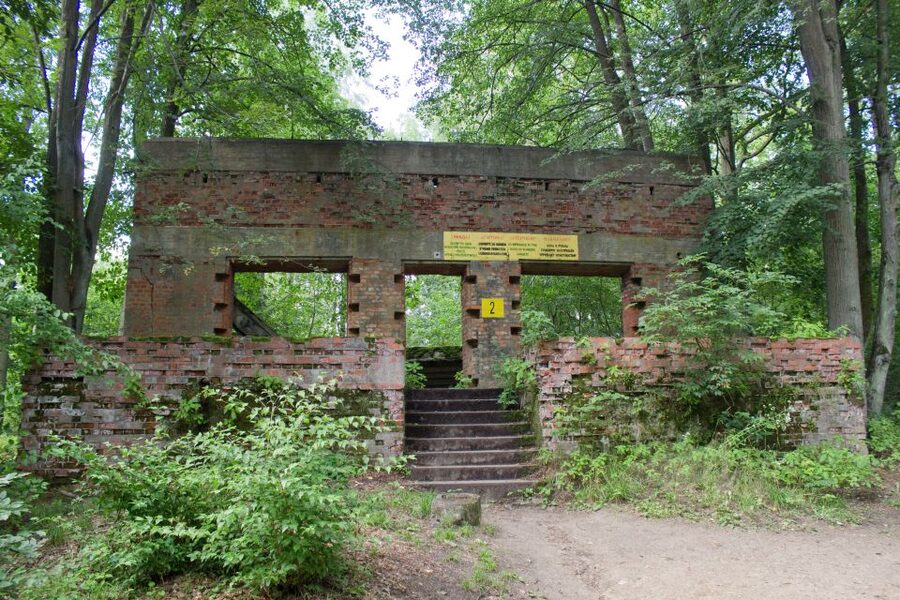
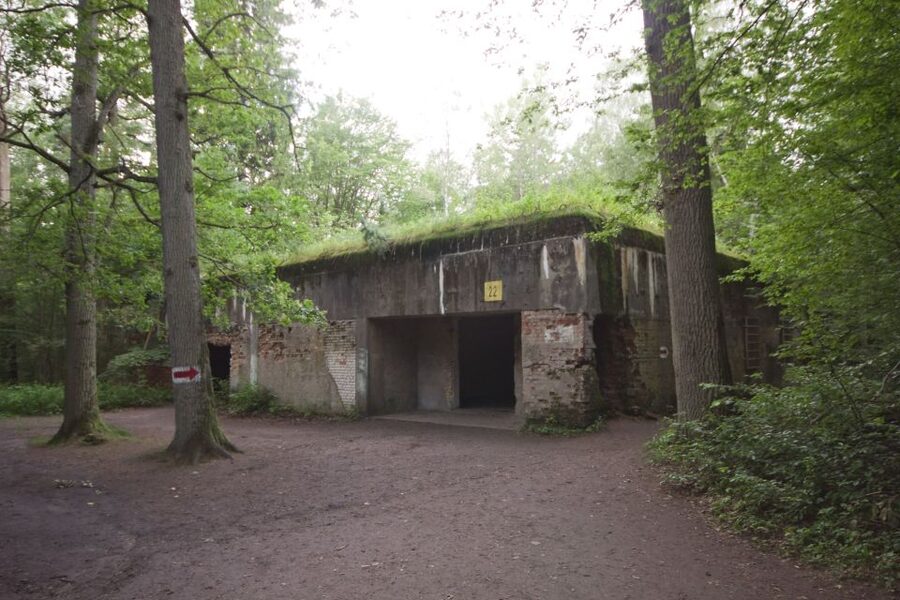
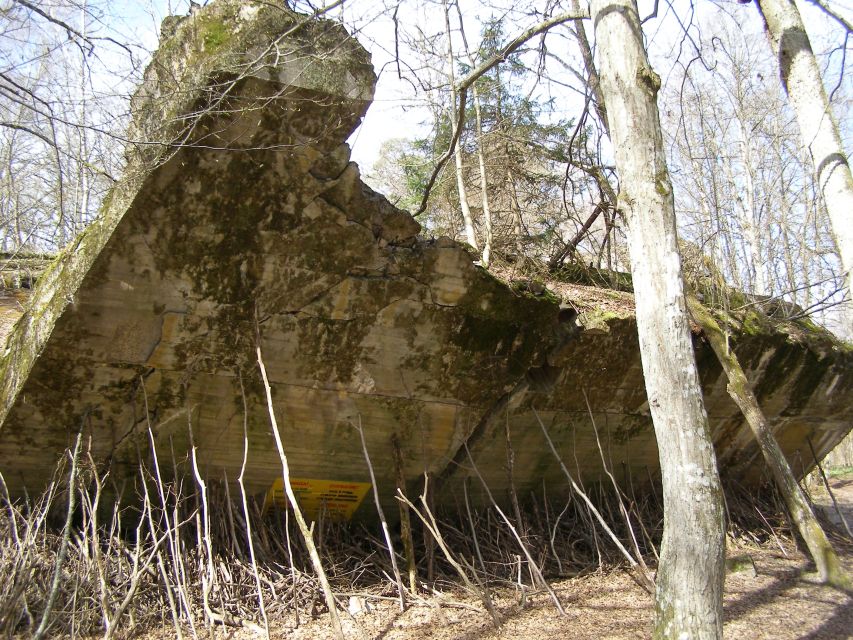
Wolf’s Lair, or Wilczy Szaniec, is the centerpiece. The complex was built in 1941 and operated for four years as Adolf Hitler’s military headquarters. More than 80 buildings occupied the site, including around 50 massive, well-camouflaged bunkers.
The scale matters. These were not simple concrete shelters. Some walls reached six meters thick, which gives you a sense of the protection required for the people directing the war from this remote base. Around 2,000 people lived and worked here during its operation, and the complex was surrounded by a minefield and guarded as a highly secret military area.
You walk through the actual remains rather than a modern reconstruction. The end of the war came before the entire site could be destroyed, leaving bunkers, broken structures, and other traces of the headquarters. The setting in the forest can feel quiet now, but the quiet is part of the experience. It makes the scale of the wartime operation harder to grasp at first.
Your local licensed guide is especially useful here. Without context, the site can look like a series of giant concrete ruins. With the guide, individual buildings connect to major events, military decisions, and the workings of the headquarters. You hear about the attack on Hitler and the decisions connected to Nazi warfare and the construction of death camps.
That subject matter is grim, and the visit should not be treated as a dramatic adventure alone. The tour presents a place tied to war crimes, mass killing, and the Nazi command structure. The historical value comes from confronting that reality at the actual site.
Allow yourself time to look closely. The bunkers are enormous, but their rough, damaged surfaces also reveal how much force was used against them. Your guide points out parts of the area that you might otherwise pass without understanding.
The 1944 attack and the human story behind the concrete
One of the most important stories connected with Wolf’s Lair is the failed attack on Hitler. The attempt took place inside the headquarters area, and the site helps place the event in its physical setting rather than leaving it as a name and date in a book.
The larger story is just as important. Military orders made here affected the course of the war, while the Nazi leadership also directed policies that led to death camps and mass crimes. The tour’s value lies in connecting this remote compound with those wider actions.
I recommend listening closely to the guide’s explanations rather than rushing from bunker to bunker. The ruins alone cannot explain who used each building, why the complex was placed there, or how such a large operation functioned behind camouflage and minefields.
You should also expect uneven ground and a large area to cover. The exact walking conditions are not specified, so practical footwear is sensible. Bring water, and keep some energy for Mamerki later in the day.
Mamerki: a second bunker complex with more freedom
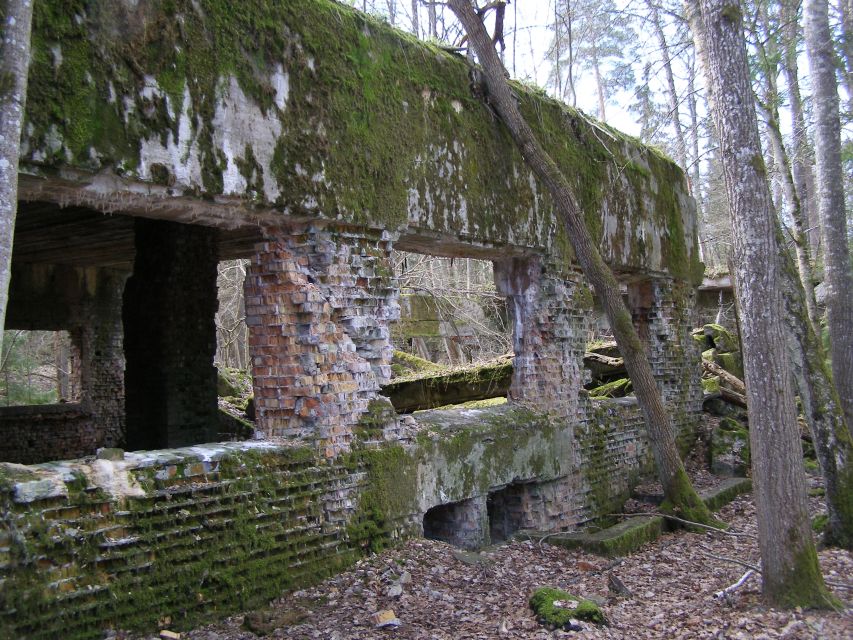
The extended route continues to Mamerki village, another major wartime site. Mamerki was the headquarters of the Supreme Command of the Land Forces, so it gives you a different view of the German military system.
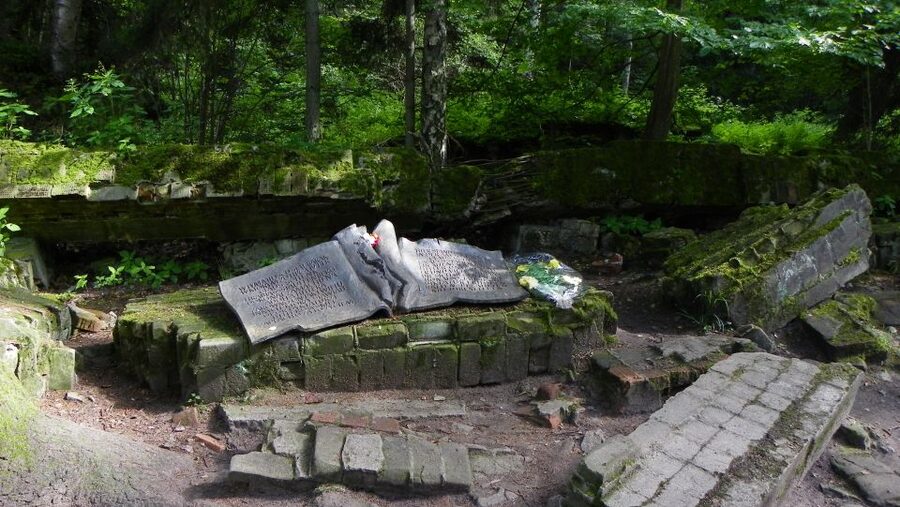
The area includes bunkers, shelters, houses used by generals and officers, and museum exhibits devoted to the Eastern Front. Unlike Wolf’s Lair, the visit here does not include a guide. That is both a plus and a minus.
The plus is freedom. You can explore the area without being tied to a set explanation at every point. You can try to find the Amber Chamber, enter the interior of a famous German U-boat, and examine displays about secret weapons and the Eastern Front.
The minus is that you must make sense of the site largely on your own. If you want detailed explanations for every bunker, Mamerki may feel less satisfying than Wolf’s Lair. The available exhibits give you material to work with, but the depth of interpretation depends on your own interest and attention.
Think of Mamerki as the more exploratory stop. Wolf’s Lair is the place for structured historical storytelling. Mamerki gives you a chance to wander, inspect, and follow your curiosity. The contrast keeps the day from feeling like one long guided walk through similar ruins.
The reference to the Amber Chamber should be treated as part of the site’s attractions, not as a promise that you will locate a confirmed treasure. The same applies to the secret weapon displays and U-boat interior. They add variety, but this remains a wartime bunker and museum visit, not a theme-park attraction.
A few more in Gdansk
- Gdansk: City Cruise on Historical Polish Boat
★ 4.8 · 2,913 reviews - Gdańsk: Sunset Cruise on a Historic Polish Boat
★ 4.9 · 977 reviews - Gdańsk City Sights & History Guided Walking Tour in English
★ 4.8 · 876 reviews - Gdansk: Firearm Shooting Experience with Instructor
★ 4.8 · 866 reviews
St. Lipka and the Baroque change of pace
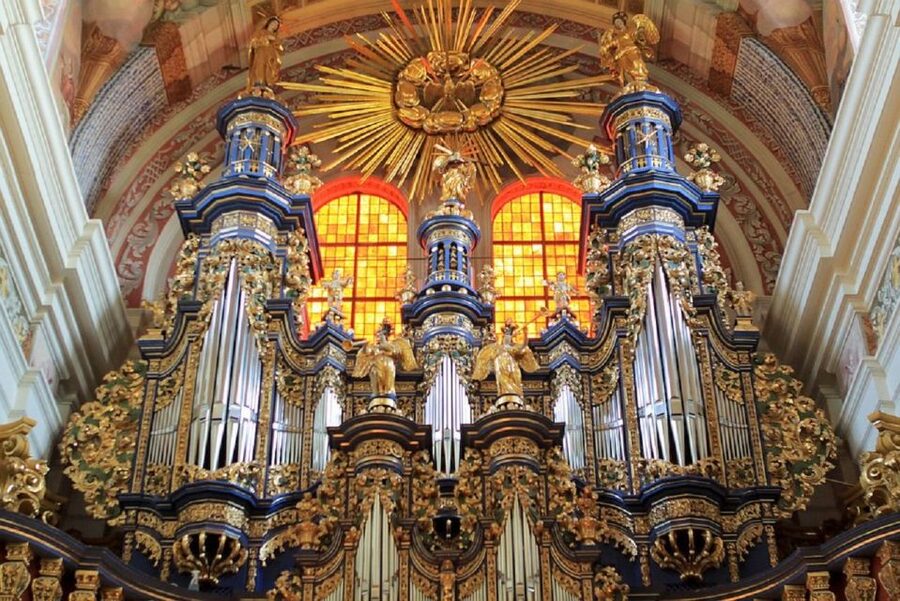
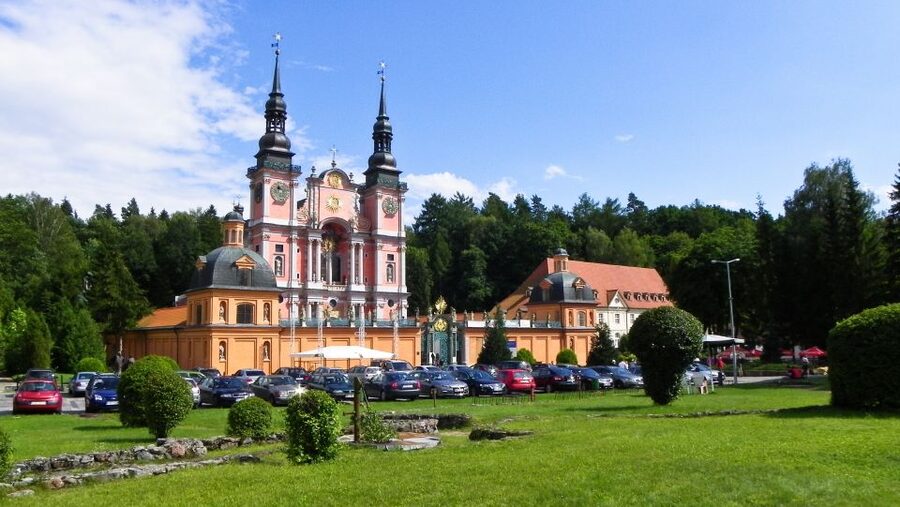
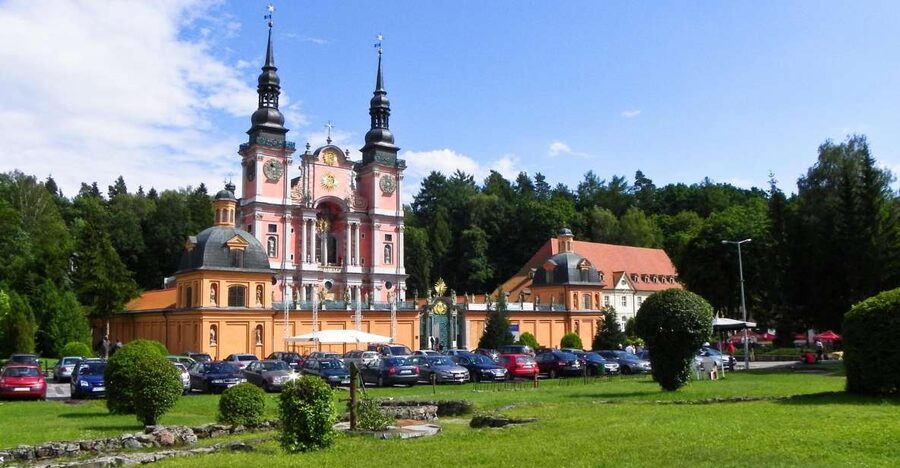
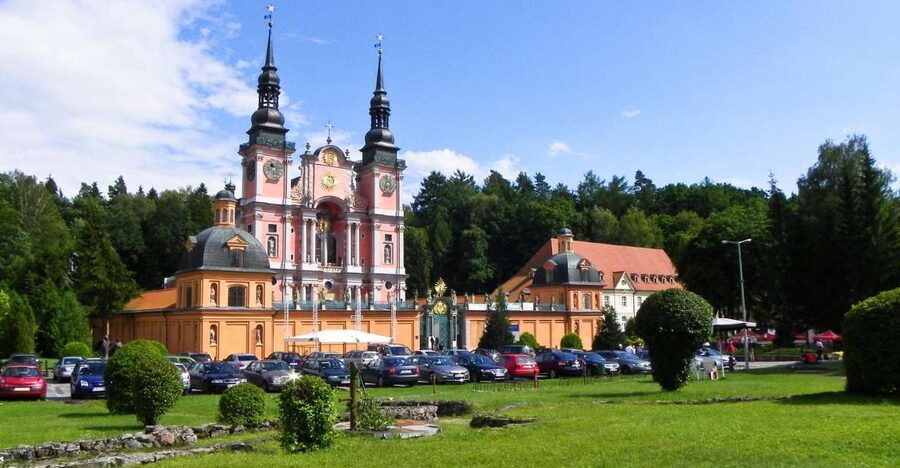
St. Lipka, known in Polish as Święta Lipka, offers a complete change from military concrete. The Sanctuary of St. Mary is known for its Baroque architecture, colorful exterior, ornate entrance, interior paintings, decorated roof, sculptures, and beautiful organs.
The timing is smart. After Wolf’s Lair and Mamerki, the church gives your eyes and mind something very different to absorb. Instead of camouflage, bunker walls, and military planning, you see color, ornament, religious art, and carefully made decorative details.
You can begin appreciating the sanctuary before entering. The entrance and facade provide strong visual details, and the interior continues with painted walls, sculpture, and the decorated ceiling or roof area. The organs are another major feature.
No guide is included at St. Lipka, so you will not receive the same level of explanation offered at Wolf’s Lair. If you want a detailed account of the church’s religious and artistic background, you may need to explore at your own pace or arrange separate information. The supplied tour details confirm the major sights, but not the schedule of services or organ performances, so do not assume either will take place during your visit.
Even with that limitation, St. Lipka earns its place on the extended route. It prevents the day from becoming narrowly focused on Nazi military history and gives you a look at an important Polish religious site.
Lunch, timing, and what the long day feels like
Lunch is not included, but there is time to eat if you are hungry after the morning sightseeing. You should budget for a traditional Polish meal separately and ask your guide or driver about the practical timing on the day.
The 10 to 12 hour duration is an estimate rather than a short fixed program. Starting times depend on availability, and the order of the stops may be arranged around the day’s conditions. Because the route includes remote sites and several visits, delays or a longer stop at one location can affect the schedule.
Wear shoes suited to walking around old bunker grounds. Carry a light layer, water, and a small snack in case lunch comes later than expected. The tour information does not specify the exact walking distance, so it is sensible to plan for a substantial amount of time outdoors.
The private vehicle is an important part of the experience. You are not changing trains or trying to connect several rural buses, and hotel or port pickup removes much of the day’s friction. If you are arriving by cruise ship, pickup is available in Gdansk, Gdynia, or Sopot, but you should still confirm that the tour timing fits your ship schedule.
What the $430 price really buys you
At $430 per person, this is not a low-cost sightseeing day. You are paying for convenience and privacy as much as for the entrance tickets.
The included elements have real value:
- Private pickup and drop-off
- Private transport
- An English-speaking driver
- A licensed guide at Wolf’s Lair
- Wolf’s Lair admission
- Mamerki admission
- St. Lipka sightseeing on the extended version
- A private group rather than a shared coach
The missing items are also clear. Lunch costs extra, and there is no guide at Mamerki or St. Lipka. If you mainly want to see Wolf’s Lair and are comfortable planning rural transport yourself, the price may feel steep. If you want all three places in one day from Gdansk, the private vehicle and guide solve a difficult transport problem.
The strongest praise for this experience concerns the guide and driver. A verified booking from September 26, 2025, rated the outing five out of five and specifically praised their strong command of the subject and the route. That matters most at Wolf’s Lair, where the physical remains need explanation to become meaningful.
Who should book this experience?
I would recommend it to you if you have a serious interest in World War II, Nazi Germany, military sites, or the way historical places connect with difficult moral questions. It also suits anyone staying in Gdansk who wants to see parts of Warmia-Masuria without renting a car or piecing together public transport.
The tour is a good match for private groups that value flexibility and direct pickup. It is also useful for cruise passengers who want a full-day inland excursion from one of the area’s ports.
I would hesitate if you dislike long days in a vehicle, want a relaxed sightseeing pace, or prefer every stop to have a dedicated guide. Mamerki and St. Lipka are self-guided, and the day’s theme is serious for much of its first half.
Families should consider the children’s ages and interest in wartime subjects. The bunkers and ruined buildings may hold attention, but the historical content includes Nazi crimes, death camps, and the Eastern Front. This is not light entertainment.
Practical booking advice
The tour offers free cancellation up to 24 hours before departure and a reserve-now, pay-later option. Those terms help if your Gdansk plans are still shifting, though you should check available start times before committing to other activities.
You can request a live guide in English, French, Italian, Polish, German, or Russian. Since the Wolf’s Lair guide is the key interpretive part of the day, choose the language that lets you follow difficult historical details without strain.
Ask about lunch timing when you are collected. Also confirm that you are booking the extended version if St. Lipka is essential to you, since the sanctuary is identified as part of the extended tour.
Should you book the Wolf’s Lair and Mamerki tour?
Book it if you want the most convenient private route from Gdansk to two major bunker sites, with St. Lipka added for artistic contrast. The day is long and the price is serious, but the private transport and Wolf’s Lair guide make the remote itinerary far easier than arranging it alone.
Skip it if you want a cheap excursion, a short day, or detailed guiding at every stop. For the right visitor, though, this is a focused and memorable look at Poland’s wartime past, followed by one of the region’s most striking Baroque churches.
FAQ
How long does the tour from Gdansk take?
The experience lasts approximately 10 to 12 hours. Starting times depend on availability.
What places are visited on the tour?
The route includes Wolf’s Lair, Mamerki, and the Sanctuary of St. Mary in St. Lipka, also called Święta Lipka. St. Lipka is included in the extended version.
Is pickup included?
Yes. Pickup and drop-off are available at your accommodation or at cruise ports in Gdansk, Gdynia, and Sopot.
Is the tour private?
Yes. This is a private group experience with private transport.
Which languages are available for the live guide?
The available languages are English, French, Italian, Polish, German, and Russian.
Are meals and guides at every stop included?
A traditional Polish lunch is not included. A licensed guide is included at Wolf’s Lair, but guiding at Mamerki and St. Lipka is not included.
Just added in Gdansk
- Wolf’s Lair private tour from Gdansk★ 5.0 · 1 review
- Whisky Tasting in Gdańsk★ 5.0 · 3 reviews
- Transfer from Gdańsk or Airport Gdańsk (GDN) to Kościerzyna★ 5.0 · 1 review
- Westerplatte – 2h private trip by luxury car|★ 5.0 · 4 reviews
- Westerplatte private tour led by Expert-Guide (door to door)★ 5.0 · 5 reviews
- Undercover City Games: Gdynia★ 5.0 · 34 reviews
- VIP transfer from airport Gdansk (GDN) to Hotel in Gdansk / Sopot★ 5.0 · 2 reviews
- Gdansk EVERYDAY Vodka Tasting Tour★ 5.0 · 6 reviews