
REVIEW · SOPOT TOURS
Gdansk, Sopot and Gdynia 3 Cities Private Full-Day Tour
Three cities, one long day. This private tour gives you a useful first look at Poland’s Tri-City area, linking Gdansk’s merchant houses, Sopot’s seaside promenade, and Gdynia’s naval waterfront without making you sort out trains, parking, or local routes. I especially like the private vehicle and guide, which keep the day flexible, and the included visit to Oliwa Cathedral, where the organ concert adds music to an otherwise architecture-heavy schedule.
I also like the range of places covered. You get grand streets, a former shipyard, communist-era housing, a beach resort, and historic ships in one outing. That variety makes the tour feel like more than a standard old-town walk. Guides Beata and Mike received especially warm praise for their personal approach and clear explanations.
The main drawback is the pace. Eight hours is a lot of ground to cover, and one account noted that Gdynia was skipped in favor of spending more time around Oliwa. If you want long museum visits or a slow afternoon by the sea, this schedule may feel tight.
In This Review
- Key points to know before booking
- Why a private Tri-City day can work so well
- Gdansk begins behind the old gates
- Amber, armor, and St. Mary’s Church
- Solidarity Square and the city beyond the postcard
- Oliwa Cathedral brings music into the day
- Sopot turns the day toward the sea
- Gdynia ends with ships and port history
- Guides, languages, and the private format
- Who will get the most from this day
- Should you book this private Tri-City tour?
- FAQ
- How long does the tour last?
- What cities are included?
- Where can pickup take place?
- What languages are available?
- Is this a private tour?
- Are entrance tickets included?
- Is the tour wheelchair accessible?
- Can children join the tour?
- What happens if I need to cancel?
Key points to know before booking
- Oliwa’s organ concert is a highlight: The cathedral visit gives the day a memorable musical pause, not just another church interior.
- Gdansk gets the longest stop: Expect about two hours around Long Market and the historic center, with St. Mary’s Church included.
- The route reaches beyond postcard Poland: You pass the European Solidarity Center, Amber Football Stadium, and the enormous Falowiec apartment block.
- Sopot adds a seaside change of mood: Monciak Street, the Spa Park, and the wooden pier bring cafés, resort architecture, and beach atmosphere.
- Gdynia finishes with maritime history: Kościuszko Square and the ships Błyskawica and Dar Pomorza provide a strong final stop.
- This is best for first-time visitors with limited time: A private guide can help you see the area efficiently, but the day leaves little room for lingering.
Why a private Tri-City day can work so well

Gdansk, Sopot, and Gdynia are close enough to visit together, yet each has a different personality. Gdansk is the historic showpiece, Sopot is the polished seaside resort, and Gdynia is the modern port city with a strong naval identity.
Seeing all three by public transport is possible, but it takes planning. You would need to watch connections, find the right stops, and decide how much time to give each place. Here, pickup is available from a hotel or apartment in Gdansk, Sopot, or Gdynia, and private transport carries you between the stops.
The price is $508 for a group of up to two people. That is not a cheap sightseeing ticket, but the comparison should be with a private car, licensed guide, parking costs, and entrance fees, rather than with a large group bus. For two people, it works best when you value comfort and efficient sightseeing. For a larger private group, the fixed group price becomes more attractive because it does not rise per person up to the stated limit of two.
The day lasts eight hours. That gives you a broad introduction, not a slow, scholarly study of every site. I would treat it as a well-guided orientation to the Tri-City area, then return to one or two favorite places on another day if your schedule allows.
More Sopot and Baltic coast trips:
- Sopot: Sunset Yacht Cruise with Welcome Drink
★ 4.7 · 278 reviews - Sopot: Yacht Cruise Around the Bay with Welcome Drink
★ 4.8 · 231 reviews - Highlights of Gdańsk, Gdynia and Sopot 1-day Private Tour
★ 4.9 · 59 reviews
Gdansk begins behind the old gates
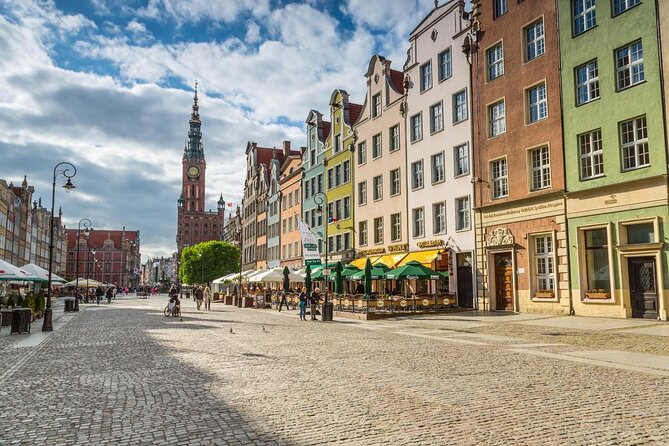
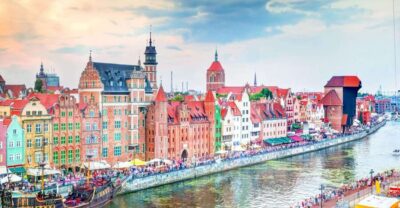
The Gdansk portion starts with the city’s ceremonial center, where the route takes in the Upland Gate, Torture Chamber, and Golden Gate before reaching Dluga Street and Long Market. These names can sound like a list, but the streets are the point. You walk through a carefully rebuilt historic center lined with tall merchant houses, decorative fronts, cafés, and bars.
Gdansk was badly damaged during World War II, and much of the center was reconstructed afterward. That makes the streets especially interesting: they look old, but their present form is the result of a major postwar rebuilding effort. A guide can help you notice the difference between surviving pieces and restored façades instead of treating the whole center as an untouched medieval quarter.
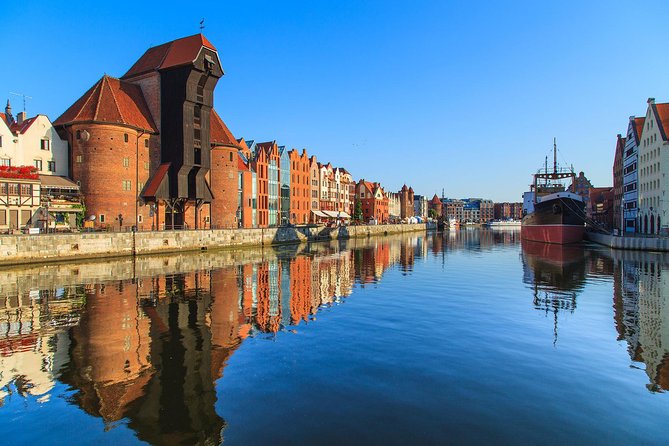
At Long Market, look for the Main Town Hall and Neptune Fountain. The fountain is one of the city’s familiar meeting points, while the town hall helps explain how civic power once worked in this wealthy port. The route then reaches the Motlawa River bank, where the Crane gives Gdansk one of its most recognizable views.
The Crane is more than a photogenic wooden structure. It reflects the city’s working port past, when cargo handling shaped daily life along the river. From here, the waterfront and the Island of Granaries show how trade, storage, and shipping influenced the city’s form.
Amber, armor, and St. Mary’s Church
Gdansk’s identity is closely tied to amber, and Mary’s Street is the place to notice that connection. The narrow lane is known for amber shops and decorative details, giving you a more intimate setting than the broad ceremonial streets nearby.
The route also includes the Great Armoury, another reminder that Gdansk was not only a trading center but also a city concerned with defense and civic display. The mix of merchant wealth, military architecture, churches, and port facilities gives the old center real variety.
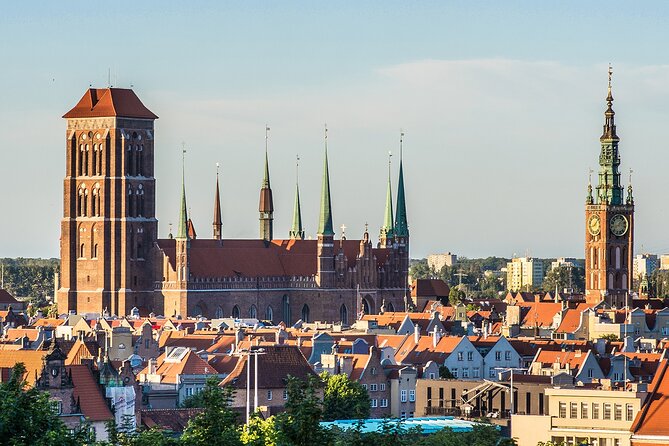
St. Mary’s Church is included, with entrance tickets covered. It is a major stop rather than a quick look from outside, and its scale changes the rhythm of the walk. After the narrow lanes and crowded façades, the interior provides a large, quieter space.
You should wear comfortable shoes for this section. The route includes several streets and landmarks close together, but the value comes from walking between them, not simply photographing each one from the vehicle.
Solidarity Square and the city beyond the postcard
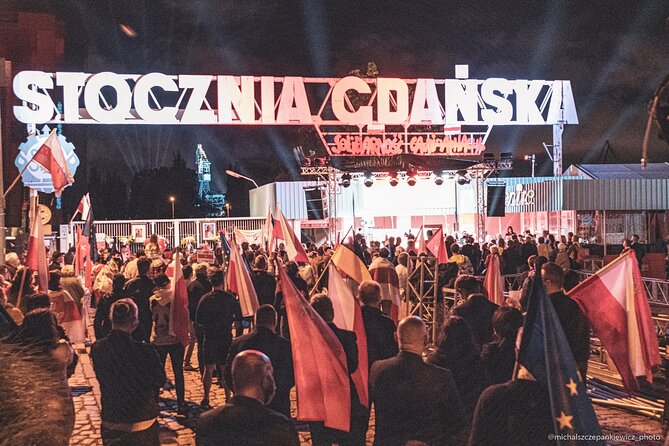
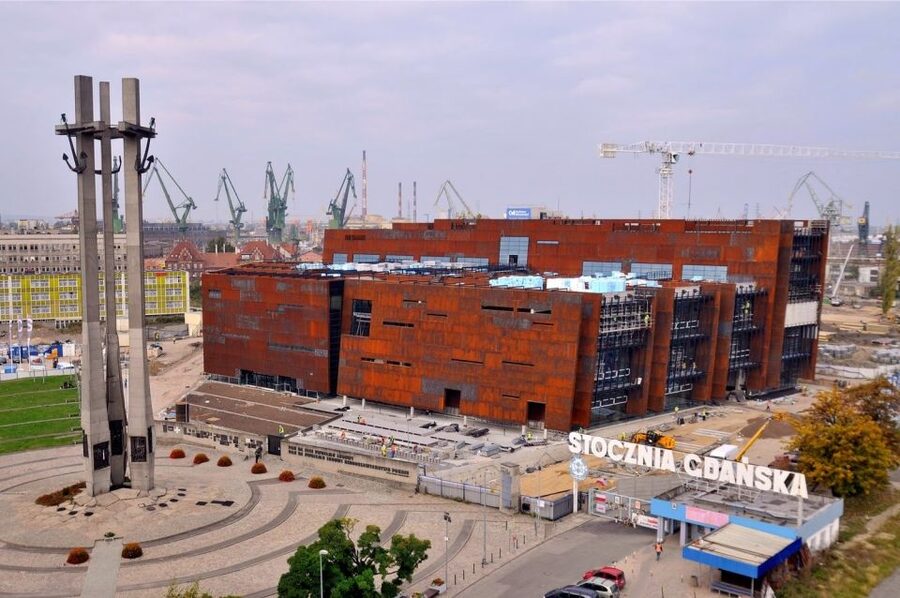
The tour then shifts from old Gdansk to the shipyard district and Solidarity Square. The Monument to the Fallen Shipyard Workers marks the place where the Solidarity movement began, linking the city to one of the most important political changes in modern Poland.
The European Solidarity Center is passed rather than listed as a full museum visit. That distinction matters. If you want its exhibitions, personal stories, and detailed account of the movement, you will need a separate visit. On this tour, the stop gives you the setting and the basic historical frame without adding another major indoor attraction to an already full day.
You also pass the Amber Football Stadium. Its location away from the main sightseeing streets offers a reminder that Gdansk is a living city, not only a restored historic center. The stadium is included as a drive-by sight, so do not expect a stadium tour or extended stop.
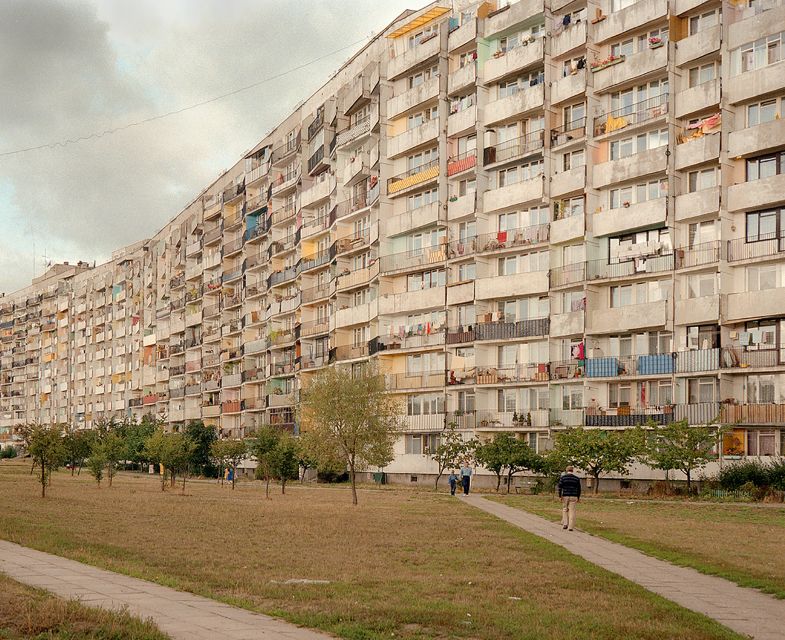
Another unusual sight is Falowiec, an approximately 800-meter-long residential building with about 4,000 residents. Its communist-era design is very different from Gdansk’s ornate merchant houses. This is one of the most distinctive parts of the route because it shows everyday urban planning rather than another grand monument.
That contrast is valuable. You see the old commercial city, the shipyard city, the sports city, and the large-scale housing city in a single morning. It is a better introduction to modern Gdansk than staying only within the polished center.
A few more in Gdansk
- Gdansk: City Cruise on Historical Polish Boat
★ 4.8 · 2,913 reviews - Gdańsk: Sunset Cruise on a Historic Polish Boat
★ 4.9 · 977 reviews - Gdańsk City Sights & History Guided Walking Tour in English
★ 4.8 · 876 reviews - Gdansk: Firearm Shooting Experience with Instructor
★ 4.8 · 866 reviews
Oliwa Cathedral brings music into the day
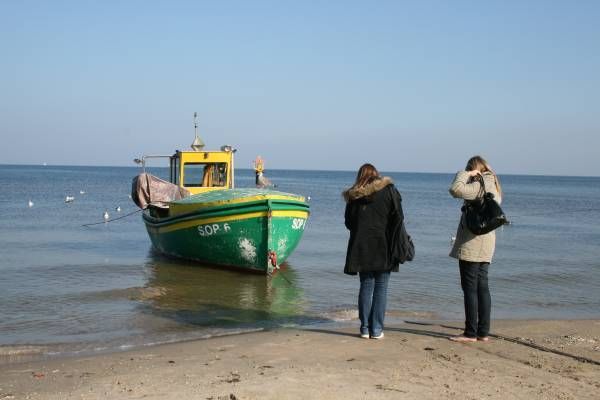
Oliwa offers a welcome change of pace. The tour includes Oliwa Park, described as one of the most beautiful parks in the Tri-City area, followed by Oliwa Cathedral and its organ concert.
The concert is one of the clearest highlights of the whole experience. A church visit can blur into the next one during a packed sightseeing day, but live organ music gives Oliwa its own character. One guide, Beata, was praised for making the day engaging and for including a concert that left a strong impression.
The planned guided visit lasts about an hour. That is enough for a focused stop, though the exact balance between park, cathedral, and music may affect the rest of the schedule. This is also the point where you should pay attention to timing. One account noted that more time at Oliwa meant Gdynia was left out. The experience can be excellent, but you should confirm the route at the start and make it clear if Gdynia is essential for you.
Sopot turns the day toward the sea
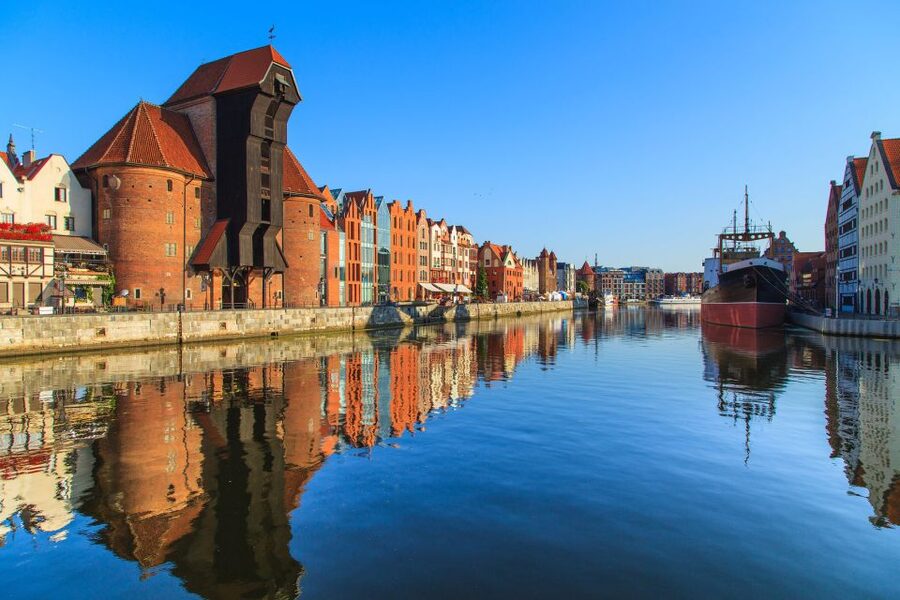
Sopot feels different almost at once. The route follows Bohaterow Monte Cassino Street, usually called Monciak, Poland’s famous promenade. Its art nouveau cafés and shops create a more relaxed, resort-like setting than Gdansk’s formal center.
This is a good place to let the guide explain how Sopot developed as a spa and seaside town. You will have about an hour, so expect a guided introduction rather than a full beach afternoon. The street itself is a major part of the experience, with the route leading toward the waterfront.
Sopot’s Therapeutic Park, also called the Waterfront Spa Park in the description, adds green space between the town and the beach. It helps explain the resort atmosphere: Sopot is not just a strip of shops but a place designed for strolling, rest, and seaside recreation.
The wooden pier is the big draw. It is described as the longest wooden pier in Europe, and it gives the tour a simple pleasure that grand history cannot provide: open views over the water and a chance to feel the town’s holiday character.
The limitation is time. If you want to walk the entire pier slowly, sit in a café, and browse the shops, one hour may pass quickly. I would keep the camera ready and avoid spending too long on Monciak if the waterfront matters most to you.
Gdynia ends with ships and port history
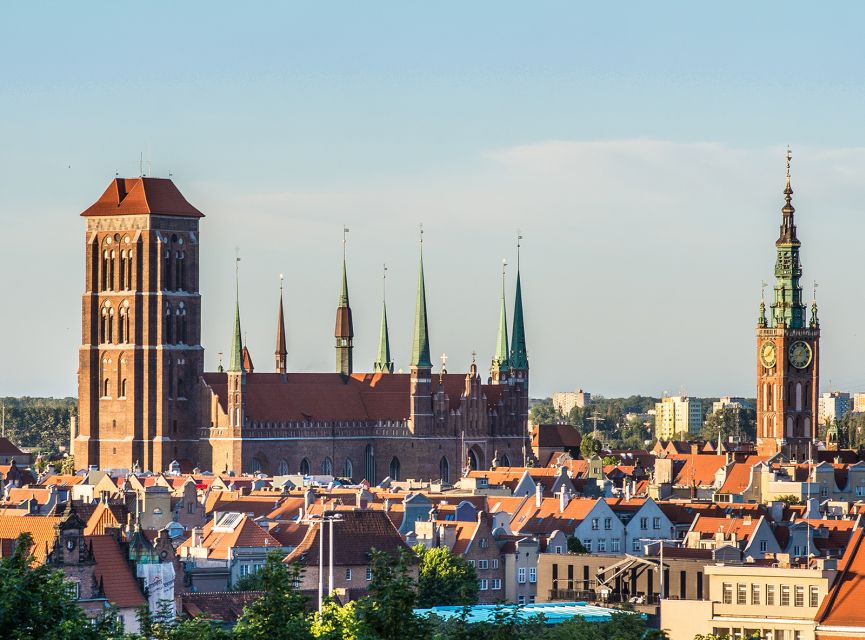
Gdynia is the final destination, centered on Kościuszko Square and the waterfront. The mood changes again. This is a port city shaped by shipping, naval power, and twentieth-century development, rather than a reconstructed old town.
The ships are the main reason to include this stop. ORP Błyskawica, translated as Lightning, is a battleship, while Dar Pomorza is a historic sailing frigate and museum ship. Together they point to Poland’s naval history and shipbuilding traditions.
The route gives you an exterior introduction and identifies the ships as key sights. The supplied information does not promise a full interior visit or museum admission, so you should not assume you will have time to board both. If ship interiors are important to you, ask the guide how much time is available before the day moves on.
Gdynia can feel brief after Gdansk. That is not necessarily a flaw if you want an overview, but it matters if the maritime side of the city is your main interest. The tour’s strength is its range, and its tradeoff is that no single city receives a full day.
Guides, languages, and the private format
The tour is offered in English, German, and Polish. A live licensed guide accompanies the group, and the private format allows the explanation to match your interests more closely than a fixed large-group script.
The guide can also make the difference between a pleasant drive and a useful day. Mike was praised for explaining the area with exceptional breadth, while Beata was noted for her care, energy, and willingness to take photos. Those details matter because the itinerary contains very different subjects, from organ music to communist housing and naval vessels.
You should tell the guide early what matters most. If your priority is the Solidarity movement, ask for enough time at Solidarity Square. If you care most about Sopot, protect time for the pier. If Gdynia is non-negotiable, say so before the route gets compressed.
Private transport also helps with the less central sights. The stadium and Falowiec are not part of a simple old-town walk, and reaching Oliwa, Sopot, and Gdynia in one day is easier when parking and transfers are handled for you. Parking fees are included.
The tour is wheelchair accessible, and children under seven travel free when the operator is informed in advance. Pickup is available across all three cities, but you need to provide the exact hotel or apartment address.
Who will get the most from this day
I would choose this tour if you have only one day for the Tri-City area and want a broad first impression. It suits couples, families, and private groups who value door-to-door transport, a guide’s context, and the ability to see more than Gdansk’s center.
It is also useful for anyone who dislikes changing trains or managing a complicated day. The route includes enough walking to feel connected to the places, but the vehicle handles the long jumps between districts and cities.
I would hesitate if you already have several days in the area. You could visit Gdansk, Oliwa, Sopot, and Gdynia independently and give each more time. I would also hesitate if your main goal is museum depth. The European Solidarity Center is passed, the ships may be viewed only briefly, and the schedule is built around coverage.
The reported rating is 4.9 from 19 reviews, and the strongest praise centers on guide quality, clear explanations, the organ concert, and the sense that the day never becomes dull. The one practical warning is important: confirm that Gdynia is included and protect the time you care about most.
Should you book this private Tri-City tour?
Book it if you want maximum coverage in eight hours, especially with only a short stay in Pomerania. The combination of Gdansk’s old streets, Solidarity Square, Falowiec, Oliwa’s music, Sopot’s pier, and Gdynia’s ships gives you a fuller picture than a standard city-center tour.
At $508 for up to two people, it is a premium choice. The value comes from private transport, a licensed guide, parking, and included admission to St. Mary’s Church and the Oliwa organ concert. It makes the most sense when convenience and personal attention are worth paying for.
Before you set off, confirm the order of stops and say clearly if Gdynia must remain in the schedule. If you can accept a brisk pace and want to understand how these three very different cities fit together, this is a strong one-day introduction.
FAQ
How long does the tour last?
The tour lasts eight hours, including pickup and return within the Tri-City area.
What cities are included?
The route covers Gdansk, Sopot, and Gdynia, with an additional stop in the Oliwa district of Gdansk.
Where can pickup take place?
Pickup is available from hotels or apartments in Gdansk, Sopot, and Gdynia. You need to provide the address when booking.
What languages are available?
The live guide is available in English, German, and Polish.
Is this a private tour?
Yes. It is arranged as a private group experience with private transportation and a private licensed guide.
Are entrance tickets included?
Entrance to St. Mary’s Church and the Oliwa Cathedral organ concert are included. Parking fees are also included.
Is the tour wheelchair accessible?
Yes, the activity is listed as wheelchair accessible.
Can children join the tour?
Yes. Children under seven are free, but you must inform the operator about the child in advance.
What happens if I need to cancel?
You can cancel up to 24 hours before the tour for a full refund. You can also reserve now and pay later.
Just added in Gdansk
- Wolf’s Lair private tour from Gdansk★ 5.0 · 1 review
- Whisky Tasting in Gdańsk★ 5.0 · 3 reviews
- Transfer from Gdańsk or Airport Gdańsk (GDN) to Kościerzyna★ 5.0 · 1 review
- Westerplatte – 2h private trip by luxury car|★ 5.0 · 4 reviews
- Westerplatte private tour led by Expert-Guide (door to door)★ 5.0 · 5 reviews
- Gdansk EVERYDAY Vodka Tasting Tour★ 5.0 · 6 reviews
- Undercover City Games: Gdynia★ 5.0 · 34 reviews
- VIP transfer from airport Gdansk (GDN) to Hotel in Gdansk / Sopot★ 5.0 · 2 reviews
Sopot Tours, compared.


Highlights of Gdańsk, Gdynia and Sopot 1-day Private Tour
Read our review →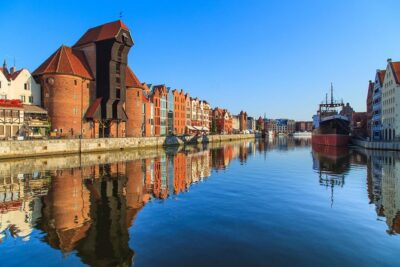
Gdansk Sopot and Gdynia 3 Cities Private Full-Day Tour
Read our review →
Best of Gdańsk, Gdynia and Sopot in 1-Day Private Car Tour
Read our review →
Gdańsk Shore Excursion: Private Gdańsk, Sopot & Gdynia Tour
Read our review →
Międzyzdroje: Baltic Park of Miniatures Entry Ticket
Read our review →Browse the lists this tour appears in