
REVIEW · GDAńSK TOURS
Gdansk: Hitler Trail Private Guided Tour
Hitler’s Gdansk story starts beyond Gdansk. This five-hour private trip links Sopot’s Grand Hotel with wartime sites in Gdansk, then continues to Westerplatte, where World War II began in 1939. I like the easy hotel pickup and the fact that your own licensed guide can shape the day around your interests. The main drawback is the title: the tour is broader than a strict Hitler trail, and its $270.28 per-person price may feel high unless you value private transport and personal attention.
I also like the mix of resort-town atmosphere, old streets, political history, and a major wartime memorial. Guide Marek earned special praise for arranging a full half-day around a port call, though the formal route focuses on Sopot and Gdansk while his particular outing also included Gdynia. That flexibility sounds useful, but you should confirm the exact plan before setting off.
In This Review
- Key points to know before booking
- Why the title needs a little explaining
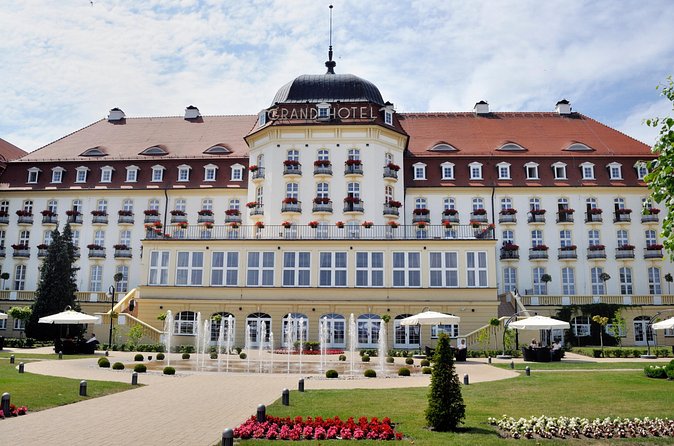
- Sopot’s old streets and the Grand Hotel
- Sopot Pier and the Baltic Sea view
- Gdansk Old Town, where architecture carries the story
- The Gdansk building linked with political speeches
- Piwna Street and the public side of Hitler’s visit
- Westerplatte, the strongest stop on the route
- What the private format changes
- Timing, meeting details, and what to plan
- Who will get the most from this tour
- Should you book the Hitler Trail tour?
- FAQ
- How long does the tour last?
- What cities does the tour visit?
- Is hotel pickup included?
- Is transportation between Sopot and Gdansk included?
- Is the tour private?
- Is the tour offered in English?
- Does the price include entry to Sopot Pier?
- Is the Muzeum Gdanska building visited inside?
- What is included at Westerplatte?
- Can I cancel for a full refund?
Key points to know before booking
- Hitler-related stops spread across two cities: You visit Sopot’s Grand Hotel, several Gdansk locations, and Westerplatte.
- Private car transfers save time: Transport between Sopot and Gdansk is included, along with pickup and drop-off at accommodation in either city.
- Westerplatte gives the tour its strongest wartime focus: You see the Monument to the Defenders of the Polish Coast and the place tied to the opening of World War II.
- The tour is not only about Hitler: Sopot’s streets, pier, Gdansk’s Old Town, and political buildings fill much of the five-hour route.
- The Sopot Pier may cost extra: Admission is 2 EUR from April 25 through September 27, and free at other times.
- Private touring suits a short stay: You can ask your guide to adjust the pace, an advantage if you have only a half-day in port.
Why the title needs a little explaining
The name suggests a tightly focused Adolf Hitler route. In practice, you get a private introduction to Sopot and Gdansk, with Hitler and World War II as the connecting thread.
That is not necessarily a weakness. Gdansk is best understood through several layers at once: its handsome old buildings, its role as a political meeting place, the events of 1939, and the way Sopot functioned as a fashionable resort. The tour gives you all of that in one outing.
Still, expectations matter. You will not spend five hours inside Hitler-related museums or at a long series of dedicated Nazi sites. Several stops are viewed from outside, and the Sopot section includes general sightseeing. If you want a narrow military-history tour, ask for a detailed route. If you want a guided overview with wartime context, the wider format makes sense.
The experience is offered in English and remains private for your group. That matters because the subject can raise questions about dates, political meetings, and local reactions. You can stop your guide and ask for clarification instead of following a fixed group lecture.
A few more in Gdansk
- Gdansk: City Cruise on Historical Polish Boat
★ 4.8 · 2,913 reviews - Gdańsk: Sunset Cruise on a Historic Polish Boat
★ 4.9 · 977 reviews - Gdańsk City Sights & History Guided Walking Tour in English
★ 4.8 · 876 reviews
Sopot’s old streets and the Grand Hotel
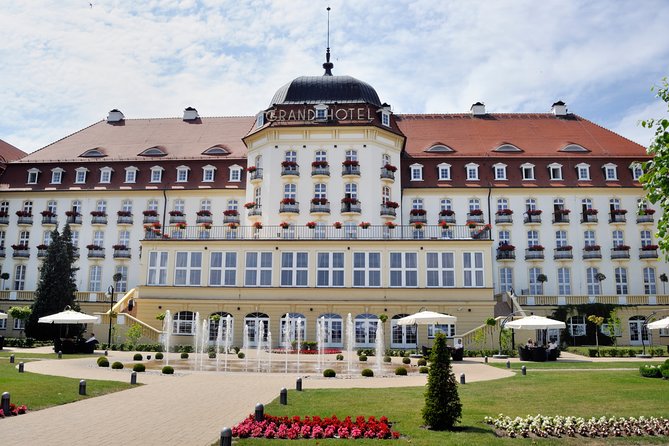
The day begins in Sopot, a small city within the Tricity area. Tricity refers to the connected urban area of Gdansk, Sopot, and Gdynia. Sopot gives the tour a softer opening than Westerplatte, with old-fashioned tenements, decorated facades, and the popular Monte Cassino walking route.
You walk along Monte Cassino toward the Grand Hotel. The route is designed to let you notice Sopot’s changing character: part resort, part cultural center, and part nightlife town. The old buildings provide a visual break from the more severe wartime subjects later in the day.
The Grand Hotel is the key Hitler-related point here. Your guide explains the story of Hitler’s visits and places them within Sopot’s public life. The stop lasts about 30 minutes, so expect an exterior-focused introduction rather than a long interior visit.
I like this opening because it gives you local setting before the heavier wartime material. You see the city as more than a backdrop to conflict. The possible limitation is time. Thirty minutes is enough for a walk and explanation, but not enough to explore Sopot at leisure.
Sopot Pier and the Baltic Sea view
From the center, the route continues to Sopot Pier, described as the longest pier on the Baltic Sea. You have around 15 minutes here for a walk and a moment by the water.
This is a brief stop, so treat it as a pause rather than a full attraction visit. You can enjoy the pier and the coastal setting, but you should not expect a long independent stroll. If you want photographs or a quiet look at the sea, the stop gives you a chance to do that without taking over the day.
Pier admission is not included. The fee is 2 EUR from April 25 through September 27. Outside those dates, entry is free. That seasonal detail is easy to miss, so check your travel date when calculating the final cost.
The short timing also makes this stop more useful for people on a tight schedule. You get a taste of Sopot without sacrificing the main Gdansk and Westerplatte sections. If the pier is your priority, you may want to ask whether the guide can allow extra time.
Gdansk Old Town, where architecture carries the story
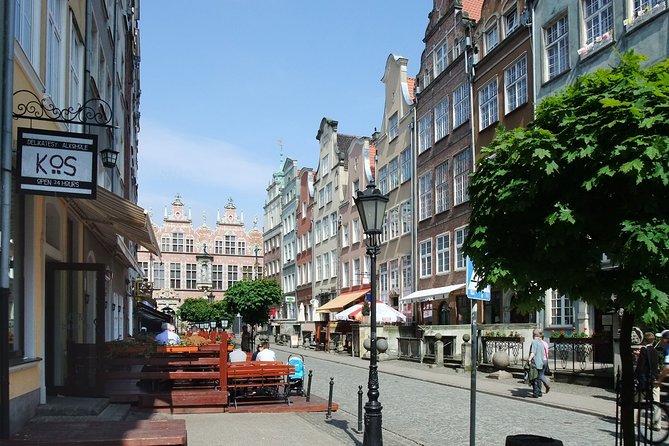
After Sopot, a private car transfer takes you to Gdansk. The Old Town section lasts about an hour and is the main walking portion of the city visit.
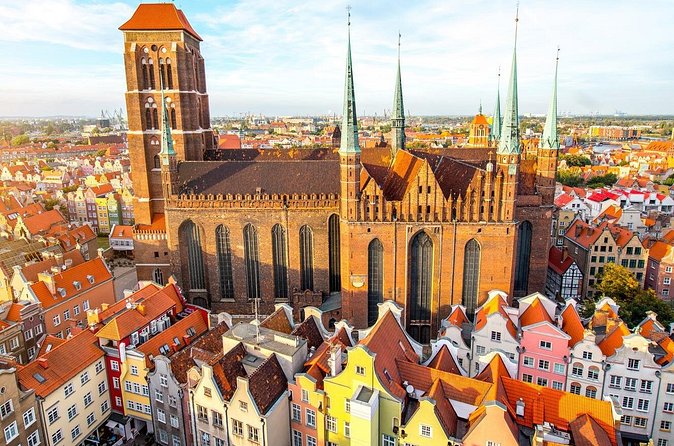
Gdansk’s old streets are known for decorated buildings and strong architectural character. Here, the guide connects what you see with stories from World War II and Adolf Hitler. That combination is useful because it prevents the history from becoming a list of dates detached from the city around you.
The tour information identifies Lux Apartamenty Old Town Gdansk as the location for this part of the route. The practical point is that you are walking through the historic center, not entering a dedicated Hitler museum. Admission is free for this portion.
You should wear comfortable shoes. The route includes several walking sections, including Sopot’s Monte Cassino area, the Old Town, Piwna Street, and Westerplatte. The information says most people can participate and that the route is near public transport, but the experience itself still involves being on your feet.
An hour is a reasonable introduction, especially if you have only half a day. It is not enough to cover every major corner of Gdansk. The private format helps here because you can tell the guide which buildings or stories matter most to you.
Something quite different:
- Gdansk: Firearm Shooting Experience with Instructor
★ 4.8 · 866 reviews - Gdansk: Guided Round-Trip Cruise to Westerplatte
★ 4.3 · 865 reviews - Gdańsk: Sightseeing EcoCruise around the Old Town of Gdansk
★ 4.6 · 719 reviews - Main Town Gdańsk Walking Tour
★ 5.0 · 644 reviews
The Gdansk building linked with political speeches
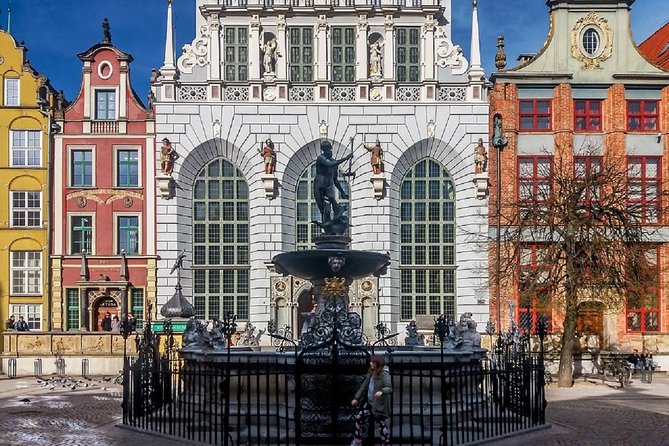
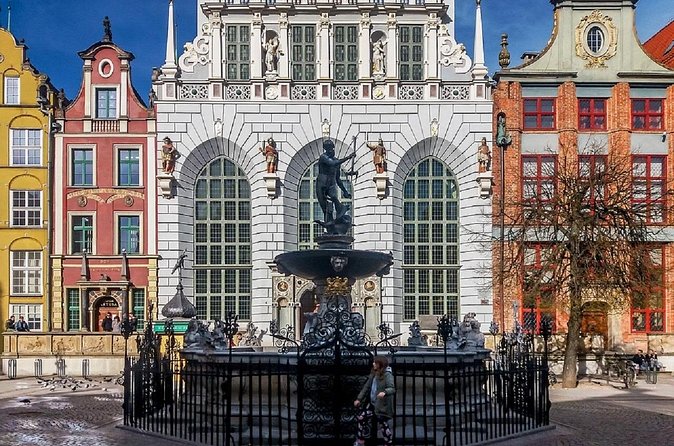
One stop is the Muzeum Gdanska building, viewed from outside for about 15 minutes. The building is described as a place visited by important politicians and monarchs, with Adolf Hitler among those who made speeches there.
The exterior itself is part of the appeal. The decorations and colors give your guide something concrete to discuss while explaining the building’s public role. You are not entering the museum during this stop, so anyone hoping for an indoor museum visit should plan a separate visit.
This is a good example of the tour’s approach. It uses places in the city center to explain political history, then moves on before one subject consumes the whole afternoon. The drawback is equally clear: a quarter-hour outside will provide context, not a full museum experience.
Piwna Street and the public side of Hitler’s visit
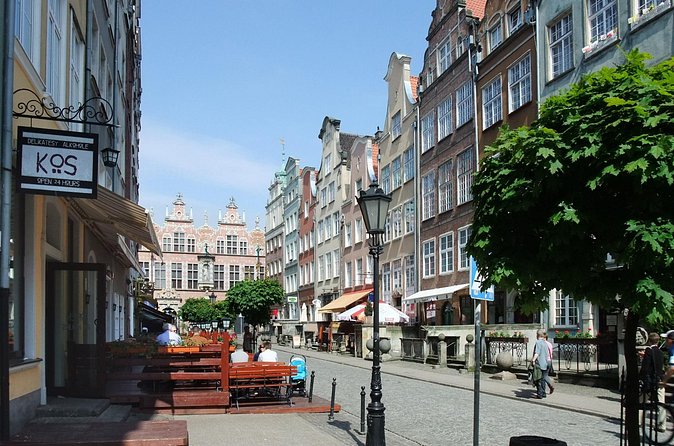
Piwna Street adds another short Old Town walk. The guide points out its connection with Hitler, who was greeted there years ago.
At 15 minutes, this is a focused historical note rather than a major attraction. You will see the street as part of the living city while hearing how it figured in the period’s public ceremonies. That contrast matters. Streets that now serve ordinary city life can also carry difficult political memories.
I find this kind of stop worthwhile when the guide keeps the explanation precise. It gives you a sense of how public visits were staged and remembered. But if you prefer long visits at monuments, you may find the brief timing too quick.
The private setting is helpful here. You can ask why this particular street mattered, how the visit was received, and how the event fits with the larger Gdansk route. Those questions are harder to manage in a large group.
Westerplatte, the strongest stop on the route
Westerplatte is the tour’s most important wartime site. This is where World War II began in 1939, and it was also visited by Adolf Hitler. The route allows about 45 minutes, including time to see the Monument to the Defenders of the Polish Coast.
The story presented here is especially striking: Hitler was surprised that the Polish army resisted the attack for as long as it did. The site turns that event into something physical. Rather than hearing only about the opening of the war in a city center, you reach the place associated with the attack and the Polish defense.
The monument gives the stop a clear focal point. Your guide’s commentary should help connect the memorial, the location, and the events of 1939. Since the stop is outdoors, plan for changing weather and comfortable footwear.
Forty-five minutes is enough for a meaningful introduction, though not a long independent exploration. The tour has to balance Westerplatte against Sopot and central Gdansk. If Westerplatte is your main reason for booking, say so at the start and ask how the time will be divided.
For me, this is where the tour earns its historical weight. Sopot and the Old Town provide setting and variety, but Westerplatte gives the day a clear reason to exist. It is the place where the political story becomes a military one.
What the private format changes
The tour includes a licensed private guide, car transfers between Sopot and Gdansk, and pickup and drop-off from accommodation in either city. That removes the need to work out public transport connections between three locations and keeps the five-hour schedule practical.
The private format is particularly useful for a port visit. One account of the experience describes guide Marek arranging a full day around a half-day in port and fitting in the sights requested across the Tricity area. His flexibility is one of the strongest reasons to consider booking privately.
The official route lists Sopot and Gdansk. Marek’s outing also included Gdynia, so the actual experience may be adjustable, but you should not assume Gdynia is guaranteed. Confirm this before booking if all three cities matter to you.
A private tour also lets you control the balance between walking, photography, explanations, and transfers. You can ask for more time at Westerplatte, keep Sopot brief, or focus more closely on Hitler-related sites. The trade-off is price. At $270.28 per person, this is a premium choice, especially for one or two people. Group discounts are offered, but the amount is not specified.
The value improves when several people share the private arrangement, when you are staying outside central Gdansk, or when your time is limited. If you have several days and enjoy using local transport independently, the price may be harder to justify.
Timing, meeting details, and what to plan
The full experience lasts about five hours. The listed schedule includes approximately 30 minutes in Sopot, 15 minutes at the pier, one hour in central Gdansk, 15 minutes at the Muzeum Gdanska building, 15 minutes on Piwna Street, and 45 minutes at Westerplatte. The remaining time covers walking, explanations, and car transfers.
Pickup and drop-off are available at accommodation in Gdansk or Sopot. You receive booking confirmation at the time of reservation, and you are advised to check your email the day before for important information.
The tour is available in English. A mobile ticket is offered, and the activity is private, with only your group taking part. Most people can participate, and the locations are near public transportation, though the included car makes connections easier.
Free cancellation is available if you cancel at least 24 hours before the start time. Cancellations or changes made within 24 hours are not accepted for a refund. Cutoff times follow local time, so pay attention if you are booking from another time zone.
Who will get the most from this tour
I would recommend this experience to you if you want a guided introduction to Sopot and Gdansk, need hotel transport, or have only a short window in the area. It also suits anyone who wants to ask questions about Hitler’s visits and World War II without joining a large group.
It is a good match for families or mixed-interest groups because the route includes architecture, a seaside pier, city streets, and a major memorial. Not everyone in your group has to be a military-history specialist.
I would be more cautious if you want extensive museum time. The Muzeum Gdanska stop is outside only, and most of the route is walking and viewing sites rather than entering exhibitions. I would also ask for a precise route if the word trail makes you expect a long series of dedicated Hitler locations.
Should you book the Hitler Trail tour?
Book it if you value convenience, a private guide, and a carefully arranged half-day across Sopot and Gdansk. Westerplatte is the main historical prize, while the Old Town and Sopot keep the outing from becoming one-note.
The strongest practical reason to book is the chance to tailor the day, especially if your schedule is tight. Ask about Gdynia, confirm the amount of time at Westerplatte, and remember that the Sopot Pier may cost 2 EUR in season.
Skip it if you want a low-cost independent walk or a full museum program. At $270.28 per person, the tour makes the most sense when your group can share the cost and when saved time matters as much as admission fees.
FAQ
How long does the tour last?
The tour lasts approximately five hours.
What cities does the tour visit?
The planned route visits Sopot and Gdansk. A particular outing with guide Marek also included Gdynia, but you should confirm that this is available for your booking.
Is hotel pickup included?
Yes. Pickup and drop-off are offered from accommodation located in Gdansk or Sopot.
Is transportation between Sopot and Gdansk included?
Yes. Car transfers between Sopot and Gdansk are included.
Is the tour private?
Yes. Only your group participates in the private activity.
Is the tour offered in English?
Yes. English is the listed tour language.
Does the price include entry to Sopot Pier?
No. Entry costs 2 EUR from April 25 through September 27. At other times, entry is free.
Is the Muzeum Gdanska building visited inside?
No. The stop is an exterior visit lasting about 15 minutes.
What is included at Westerplatte?
The route includes a visit to Westerplatte, the site linked with the beginning of World War II in 1939, and the Monument to the Defenders of the Polish Coast.
Can I cancel for a full refund?
Yes, if you cancel at least 24 hours before the experience start time. Cancellations or changes made less than 24 hours before the start time are not refunded or accepted.
Just added in Gdansk
- Wolf’s Lair private tour from Gdansk★ 5.0 · 1 review
- Whisky Tasting in Gdańsk★ 5.0 · 3 reviews
- Transfer from Gdańsk or Airport Gdańsk (GDN) to Kościerzyna★ 5.0 · 1 review
- Westerplatte private tour led by Expert-Guide (door to door)★ 5.0 · 5 reviews
- Westerplatte – 2h private trip by luxury car|★ 5.0 · 4 reviews
- Gdansk EVERYDAY Vodka Tasting Tour★ 5.0 · 6 reviews
- Undercover City Games: Gdynia★ 5.0 · 34 reviews
- VIP transfer from airport Gdansk (GDN) to Hotel in Gdansk / Sopot★ 5.0 · 2 reviews
Gdańsk Tours, compared.

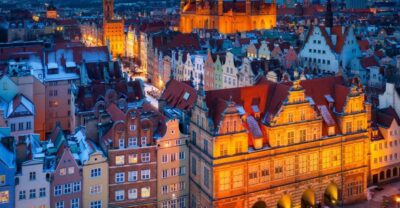
Gdańsk City Sights & History Guided Walking Tour in English
Read our review →
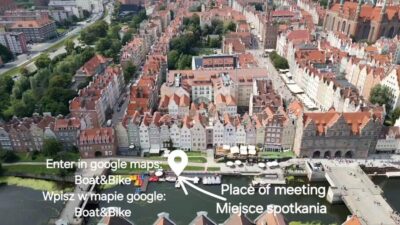
Sightseeing EcoCruise around the Old Town of Gdansk
Read our review →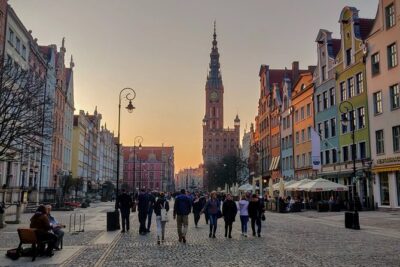

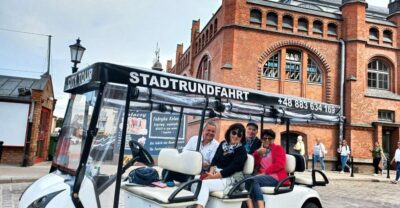
City Sightseeing Tour by Golf Cart/Buggy Guided Tour
Read our review →Browse the lists this tour appears in