
REVIEW · GDAńSK TOURS
Gdansk: European Solidarity Centre Guided Tour
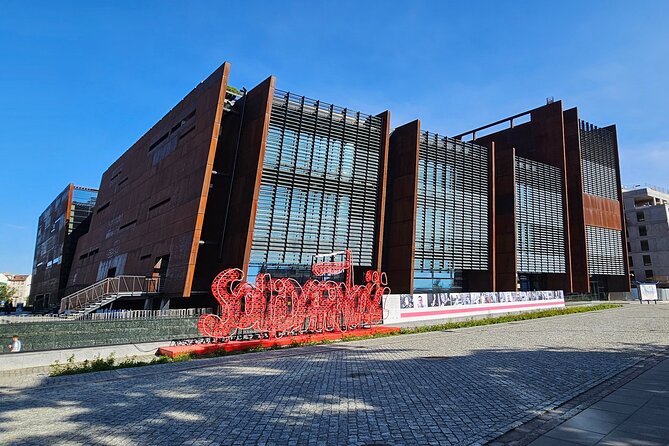
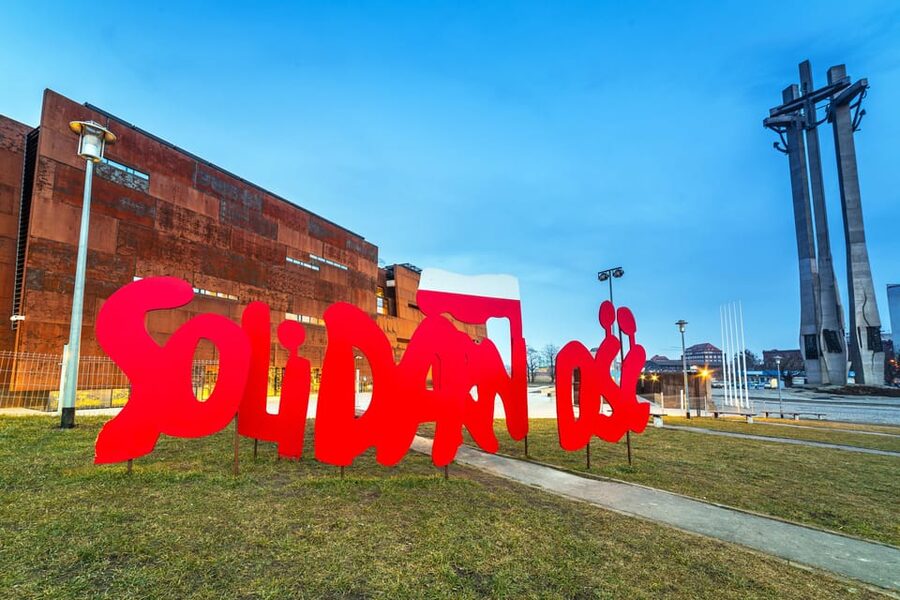
One shipyard helped change Europe. At Gdańsk’s European Solidarity Centre, you follow the Polish workers, leaders, and citizens who challenged communist rule and helped reshape Eastern Europe. The visit uses recreated strike scenes, films, interactive displays, and the famous round table negotiations to make political history feel close and human.
I especially like the professional guided format, which gives structure to a large museum, and the way the exhibits connect Poland’s Solidarity movement with later struggles for freedom abroad. The tour lasts 150 minutes, so you have time to grasp the story without rushing through every display. The main drawback is that the route includes climbing and descending staircases, and the quality of guiding may vary. One booking specifically praised a guide named Marta, while another visitor felt the guide could have been better.
At $83 per person, this is not a cheap museum visit. You are paying for admission and a live English or Polish guide, not transportation or refreshments. For anyone interested in modern European history, human rights, or the end of communism, the added context can make the price worthwhile.
In This Review
- Key points to know before you go
- Why the European Solidarity Centre matters in Gdańsk
- Starting with the workers who challenged communism
- Meeting Lech Wałęsa without losing sight of ordinary people
- Recreated strikes and multimedia displays
- The round table negotiations and the path toward change
- From Poland to a wider Eastern European movement
- Why the guide can make or break the experience
- What the $83 price includes
- Practical points about stairs, bags, and access
- Who should book this Gdańsk history tour?
- Should you book the European Solidarity Centre tour?
- FAQ
- How long does the European Solidarity Centre guided tour last?
- What does the tour price include?
- Is transportation included?
- What languages are available?
- Is the activity wheelchair accessible?
- Can I bring luggage or a large bag?
- How early should I arrive?
Key points to know before you go
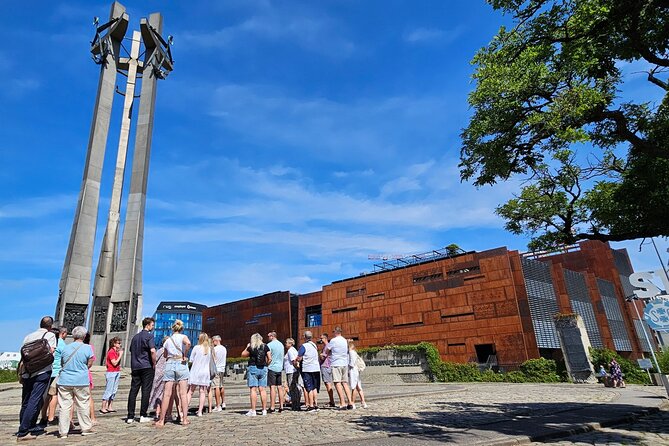
- The 150-minute tour follows Solidarity from Polish shipyards to Eastern Europe.
- Recreated strikes and multimedia displays turn political events into something you can see and hear.
- Lech Wałęsa and ordinary Polish workers are central to the story.
- The round table negotiations show how confrontation gave way to political change.
- English and Polish guides are available, with Marta receiving especially warm praise in one booking.
- Large bags and luggage are not allowed, and you should arrive at least 10 minutes early.
Why the European Solidarity Centre matters in Gdańsk
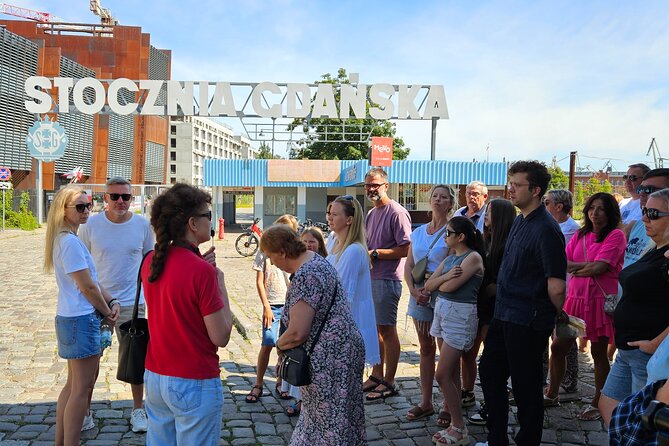
The European Solidarity Centre tells the story of a movement that began with workers and grew into a national force. The focus is not only on famous leaders. You also see how ordinary people organized, protested, negotiated, and accepted personal risk while challenging communism.
That human scale is one of the museum’s greatest strengths. Instead of treating the end of communist rule as a neat political event, the exhibits show the pressure that built over time. Work stoppages, public demands, negotiations, and international attention all form part of the story.
Your guide helps connect these pieces. Without guidance, you could easily spend too much time on one screen or miss why a particular strike mattered. With only 150 minutes, a clear route is useful. The guide can also explain the difference between a workers’ protest and the wider Solidarity movement that followed.
The setting adds weight to the visit. Gdańsk is closely tied to the shipyard strikes, so this is not a museum detached from the events it describes. You are learning about a movement in the city where much of its early force took shape.
A few more in Gdansk
- Gdansk: City Cruise on Historical Polish Boat
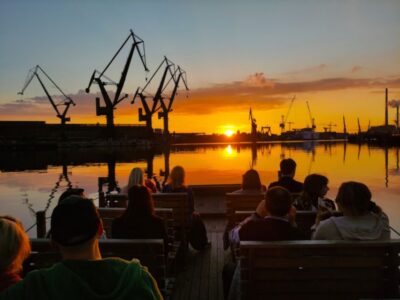
★ 4.8 · 2,913 reviews - Gdańsk: Sunset Cruise on a Historic Polish Boat
★ 4.9 · 977 reviews - Gdańsk City Sights & History Guided Walking Tour in English
★ 4.8 · 876 reviews
Starting with the workers who challenged communism
The first part of the visit introduces the conditions that pushed Polish workers into open protest. The displays place you alongside shipyard employees and other citizens who demanded better treatment and greater freedom.
You can expect a mixture of text, images, objects, and multimedia material rather than a simple row of glass cases. Recreated strike scenes help show what collective action looked and felt like. They also explain why these protests carried such risk under a communist government.
This section is especially useful if you know the broad outline but not the detail. You may have heard of Solidarity and Lech Wałęsa, yet still wonder how a workers’ movement gained such wide support. The exhibits help answer that question by showing the connection between workplace concerns, civil rights, national identity, and political reform.
The guide’s role matters here. Political history can become a list of dates and names, but a live explanation can show how one event led to another. I would pay close attention to the sequence of the strikes and the choices made by workers. That is where the story becomes more than a display about a famous political figure.
Meeting Lech Wałęsa without losing sight of ordinary people
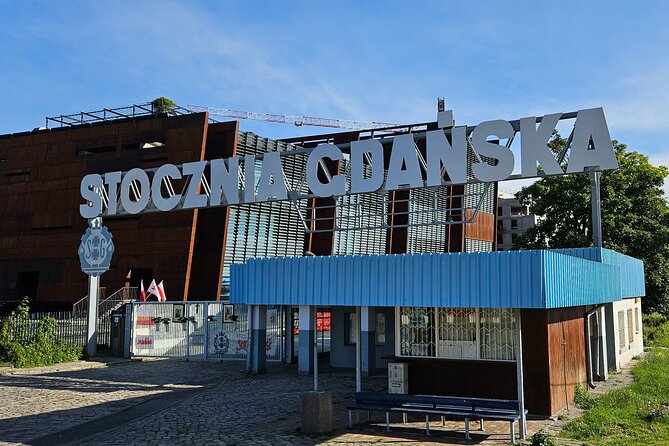
Lech Wałęsa is an important figure in the centre’s story, and you will follow his role in the movement. He became an international symbol of opposition to communist rule, but the museum also keeps the wider workforce in view.
That balance is important. A tour focused only on Wałęsa could turn Solidarity into one person’s success story. Here, the wider message is that large political change required many people to act together.
You will see how leadership, organization, and public support worked together. The result is a more useful lesson about political movements: a recognizable leader may help give a cause a public face, but the movement depends on people willing to participate.
One of the strengths of a guide-led visit is the chance to ask for context. If a particular display raises questions about Wałęsa, the strikes, or the political system of the time, an English or Polish guide can help place it in the larger story. The tour is not advertised as a private visit, so do not expect unlimited time at every exhibit, but the guided structure should help you focus on the main points.
Recreated strikes and multimedia displays
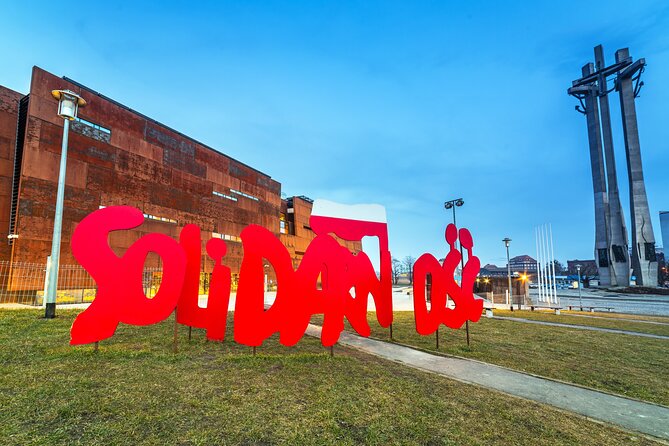
The centre’s use of recreated strikes gives the visit a more direct feel than a standard historical museum. You are not only reading about workers who stopped production. You are seeing a presentation designed to show the setting, pressure, and uncertainty surrounding those actions.
Multimedia displays add sound and movement to the story. That can make the material easier to follow, especially if you are visiting with teenagers or with family members who may lose interest in long written panels.
The approach also has a trade-off. Interactive exhibits can be powerful, but they may leave less time for quiet reading. If you want to examine every document or screen, 150 minutes may feel limited. I would treat this as a guided introduction rather than a full day at the centre.
The best approach is to listen carefully during the major sections, then note which displays you want to revisit afterward if time allows. The tour includes entrance, so you may be able to spend more time at the centre according to the conditions of your booking, but the supplied details do not promise extra independent visiting time.
Something quite different:
- Gdansk: Firearm Shooting Experience with Instructor
★ 4.8 · 866 reviews - Gdansk: Guided Round-Trip Cruise to Westerplatte
★ 4.3 · 865 reviews - Gdańsk: Sightseeing EcoCruise around the Old Town of Gdansk
★ 4.6 · 719 reviews - Main Town Gdańsk Walking Tour
★ 5.0 · 644 reviews
The round table negotiations and the path toward change
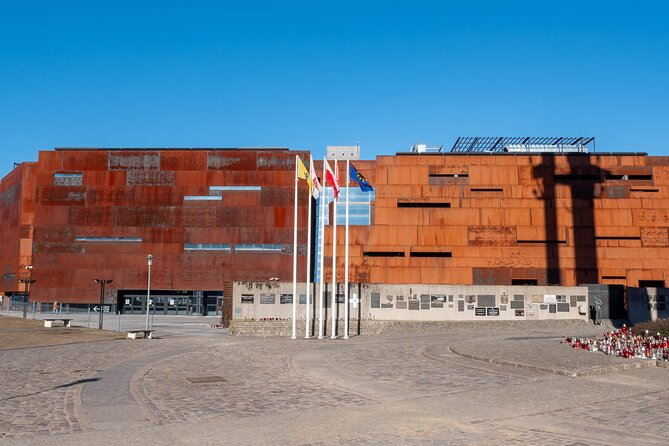
The round table negotiations are one of the most important parts of the visit. They show a shift from protest and confrontation toward discussion between opposing political forces.
This is valuable because the end of communism was not simply a sudden collapse. Negotiation played a major part. The round table helps you understand how political change can move from streets and workplaces into formal talks.
The exhibit also gives the tour a wider arc. You begin with workers demanding change and reach a moment when the movement’s leaders and the authorities must face one another in a political setting. That progression makes the centre easier to understand than a collection of disconnected events.
I find this section particularly useful for visitors who want more than a general account of the Cold War. It shows how political systems can weaken, how opposition groups gain legitimacy, and how change may require difficult compromise.
Your guide can help explain the significance of the negotiations, but the experience will still ask you to concentrate. This is serious material, and the visit does not treat it as a quick photo stop.
From Poland to a wider Eastern European movement
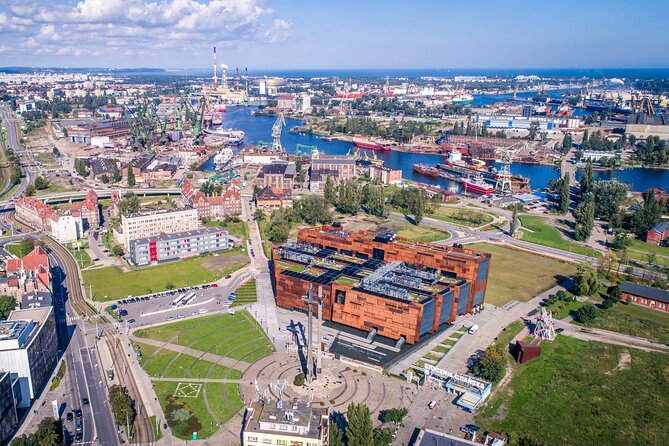
Solidarity’s influence reached beyond Poland, and the centre traces that wider impact. Exhibits show how the movement helped inspire change across Eastern Europe.
This wider focus is one reason I would choose the tour over a narrow account of Gdańsk’s local history. You see Poland as part of a connected regional story. Ideas about freedom, organized opposition, and civil rights did not remain inside one shipyard or one country.
The international section also gives the visit present-day relevance. The centre links Solidarity’s legacy with ongoing questions about human rights and social justice. Workshops, film screenings, and thought-provoking displays continue that discussion beyond the basic historical narrative.
That does not mean the tour provides a full course on every later movement around the world. The information supplied points to global influence and continuing discussion, but it does not promise detailed coverage of specific modern campaigns. Think of this section as a bridge between the past and the questions you still see in public life today.
Why the guide can make or break the experience
A museum of this size can be hard to handle alone, especially when the subject involves political events, unfamiliar names, and several decades of change. The guide gives you a route and helps explain why each part matters.
The tour is offered in English and Polish. A recent booking gave special praise to Marta, calling her a wonderful guide. That is useful encouragement, but you should also keep your expectations realistic. One other booking raised a complaint about the organization, and another said the guide could have been better.
The overall rating is 4.9 from 14 ratings, which points to strong satisfaction but is still a small sample. I would view the tour as a good way to add context, while remembering that a live guide is an individual part of the experience. The quality of commentary can vary.
The start time may shift slightly depending on guide availability. Arrive at least 10 minutes early, since a late arrival could be difficult if the group has already entered the centre. The meeting point also varies by the option you book, so check your confirmation rather than assuming you will meet at a fixed spot.
What the $83 price includes
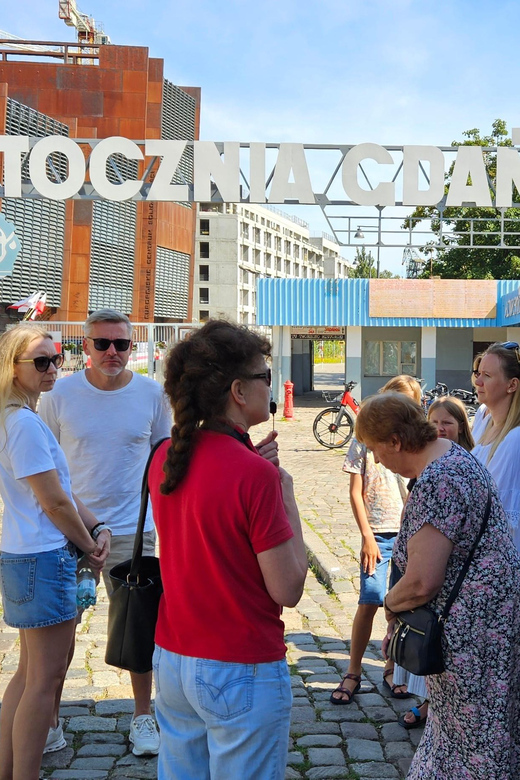
The $83 price includes entrance to the European Solidarity Centre and a professional guide. It does not include transportation, food, or drinks.
That makes the value depend on how you like to visit museums. If you enjoy reading every panel at your own pace, a self-guided visit may suit you better if an independent ticket is available. If you want the political story explained in order, the guided option earns its higher price through interpretation and organization.
The 150-minute duration is long enough to build a clear understanding of the movement. It is also short enough to fit into a day of sightseeing in Gdańsk. You are not paying for a quick orientation of less than an hour, but you should not expect an all-day seminar.
The skip-the-ticket-line benefit may also matter during busy periods. It saves time at the entrance, though it does not mean every part of the museum will be empty or that you will avoid all waiting inside.
There is no transportation included, so plan your route to the meeting point separately. Since the meeting place varies by booking option, this is one detail I would check before you commit.
Practical points about stairs, bags, and access
The activity is listed as wheelchair accessible, but the route also involves climbing and descending staircases. If you use a wheelchair or have difficulty with stairs, contact the provider before booking to confirm how the exact guided route will work.
Large bags and luggage are not allowed. Travel light and avoid arriving with a suitcase. This is especially important if you are heading to or from another destination on the same day.
You need to be at least 18 to book, or be accompanied by an adult. The tour is available in English and Polish, which makes it suitable for many international visitors, though you should select the correct language option when booking.
Food and drinks are not included. Plan to eat before or after the visit rather than expecting refreshments as part of the tour.
Free cancellation is available up to 24 hours before the activity for a full refund. You can also reserve now and pay later, which helps if your schedule in Gdańsk is still moving around.
Who should book this Gdańsk history tour?
I would recommend this experience to you if you want to understand the end of communism through people and events rather than through a dry timeline. It is a strong choice for adults interested in modern Europe, democracy, labor movements, human rights, or political change.
It also suits anyone who wants a focused museum visit. The guide-led format gives you a clear two-and-a-half-hour plan, which is helpful if you have limited time in Gdańsk.
Families with older children or teenagers may find the recreated strikes and multimedia displays easier to follow than a traditional museum. The topic is serious, so younger children may not get much from it, and the supplied information does not specify a child-focused format.
You might choose another option if you prefer total independence, dislike guided pacing, or want to spend many hours studying individual documents. You should also think twice if stairs are a problem unless the provider confirms an accessible route for your booking.
Should you book the European Solidarity Centre tour?
Book it if you want the story of Solidarity explained in a clear sequence, with the strikes, Lech Wałęsa, the round table talks, and the movement’s wider European influence tied together. The entrance ticket, skip-the-line access, and live English or Polish guide make the $83 price reasonable for a history-focused visit, though it remains a considerable spend.
I would be more cautious if you are mainly looking for a light sightseeing stop or if you expect consistently exceptional guiding. The strong 4.9 rating and praise for Marta are encouraging, but the mixed comments about organization and guide quality deserve notice.
For most visitors with a serious interest in Gdańsk’s role in the fight against communism, this is a worthwhile two-and-a-half-hour investment. Arrive early, bring no large bag, confirm the meeting point, and be ready for stairs and a thoughtful look at how ordinary people helped create extraordinary political change.
FAQ
How long does the European Solidarity Centre guided tour last?
The tour lasts 150 minutes.
What does the tour price include?
The price includes a professional guide and entrance tickets to the European Solidarity Centre.
Is transportation included?
No. Transportation, food, and drinks are not included.
What languages are available?
The tour is available with a live guide in English or Polish.
Is the activity wheelchair accessible?
The activity is listed as wheelchair accessible. However, the route involves climbing and descending staircases, so confirm the details of your selected option if stairs may be difficult for you.
Can I bring luggage or a large bag?
No. Luggage and large bags are not allowed.
How early should I arrive?
Arrive at the meeting point at least 10 minutes before the tour begins. The meeting point may vary according to the option you book, and the start time may change slightly based on guide availability.
Just added in Gdansk
- Wolf’s Lair private tour from Gdansk★ 5.0 · 1 review
- Whisky Tasting in Gdańsk★ 5.0 · 3 reviews
- Transfer from Gdańsk or Airport Gdańsk (GDN) to Kościerzyna★ 5.0 · 1 review
- Westerplatte – 2h private trip by luxury car|★ 5.0 · 4 reviews
- Westerplatte private tour led by Expert-Guide (door to door)★ 5.0 · 5 reviews
- Gdansk EVERYDAY Vodka Tasting Tour★ 5.0 · 6 reviews
- Undercover City Games: Gdynia★ 5.0 · 34 reviews
- VIP transfer from airport Gdansk (GDN) to Hotel in Gdansk / Sopot★ 5.0 · 2 reviews
Gdańsk Tours, compared.

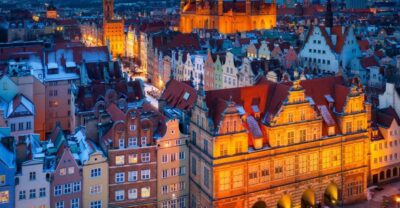
Gdańsk City Sights & History Guided Walking Tour in English
Read our review →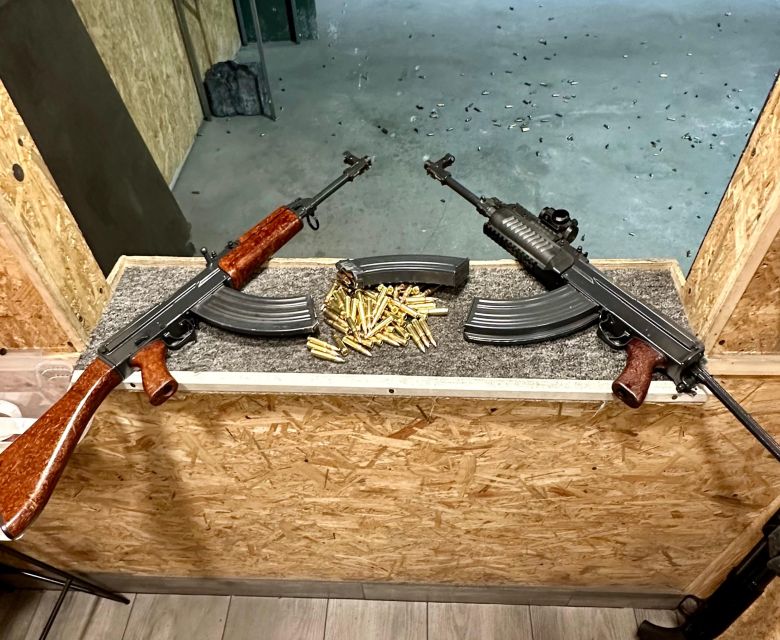
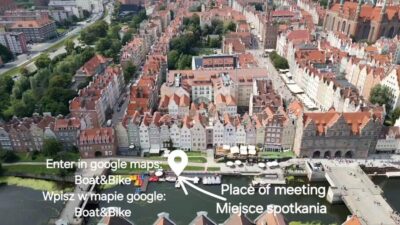
Sightseeing EcoCruise around the Old Town of Gdansk
Read our review →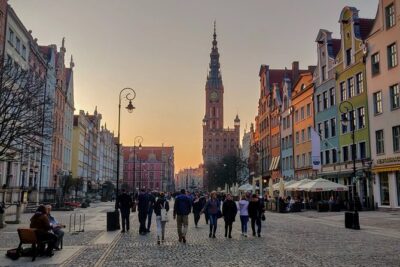

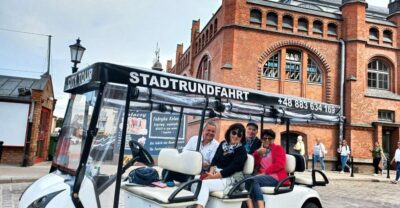
City Sightseeing Tour by Golf Cart/Buggy Guided Tour
Read our review →Browse the lists this tour appears in