
REVIEW · CITY TOURS
City Pass with almost 40 Museums and Attractions
Krakow rewards curious museum-hoppers. This pass links nearly 40 museums and attractions with unlimited city buses and trams, giving you a flexible way to explore beyond the Old Town. I especially like the Schindler Factory Museum and the freedom to build your own route. The main drawback is choice overload: some stops are tiny, unusual, or far apart, and the transport system may take time to figure out.
The pass costs $27.21 per person and can be used for one, two, or three days. I like that you can choose when to activate it after exchanging it, rather than rushing straight into sightseeing. Just remember that some popular entries, especially Rynek Underground, require advance booking.
In This Review
- Six things to know before buying
- How the Krakow City Pass works
- Is $27.21 good value?
- Old Krakow: archaeology, churches, and the Main Square
- Jewish Krakow and the wartime museums
- Art houses and modern Polish culture
- Photography, science, and unusual stops
- Nowa Huta and the city beyond the center
- A practical way to plan one, two, or three days
- Transport, collection, and cancellation details
- Who should buy the Krakow City Pass?
- FAQ
- How long is the Krakow City Pass valid?
- Does the pass include public transport?
- Where do I collect the card?
- When does the pass activate?
- Do I need to reserve Rynek Underground?
- Is Schindler Factory included?
- Are food and drinks included?
- Can I cancel for a full refund?
Six things to know before buying
- Schindler Factory is a major draw: Allow about two hours for Krakow’s strongest museum experiences.
- Public transport is included: Unlimited buses and trams make distant stops, including the Aviation Museum and Nowa Huta, easier to reach.
- You choose the active days: Validate the card when you exchange it, then select the days you want to use it and sign to activate it.
- Rynek Underground needs planning: The pass covers admission, but you must book an entrance before arriving.
- The selection is broad, not uniform: You will find major museums, small historic rooms, churches, art galleries, and quirky attractions.
- Young children may not need a pass: A three-year-old can enter the included attractions free, so check before buying a separate card.
How the Krakow City Pass works
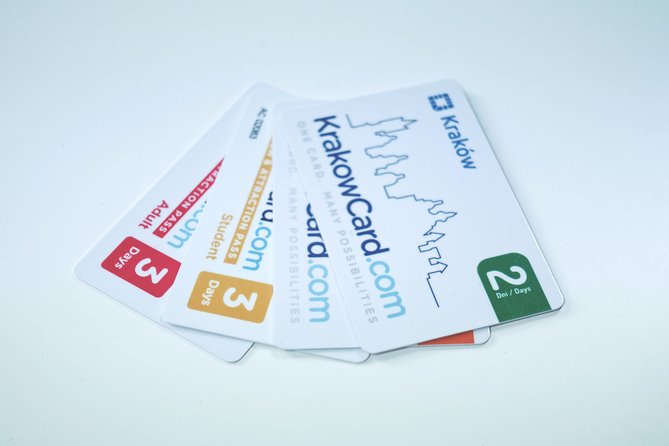
This is not a guided tour with a fixed route. It is a sightseeing card that gives you free admission to the listed museums and attractions, plus unlimited use of Krakow’s bus and tram network.
You collect the card at Krakville Tours, Sienna 17, which is open daily from 08:00 to 22:00. The card must be validated when you exchange it. The supplied instructions say you can then choose the days you will use it, with a signature activating the card. Since the wording also describes validity as beginning from the day of issue, confirm the activation dates at pickup before signing.
That small step matters. A one-day pass is best for a tightly planned museum day. A two-day card gives you room to spread out. Three days works well if you want to combine major museums with outlying sites and public transport.
The pass is often booked about 29 days ahead. That does not mean you must book a month early, but it is a useful sign that people plan around it. If Rynek Underground is on your list, reserve that entrance before setting out.
More Museums in Kraków
- Auschwitz-Birkenau Museum and Memorial Guided Tour from Krakow
★ 4.5 · 1,510 reviews - Krakow: Rynek Underground Museum Guided Tour
★ 4.6 · 1,122 reviews - Krakow Schindler’s Factory Museum Guided Tour in English
★ 4.5 · 650 reviews
Is $27.21 good value?
The price is reasonable if you use the pass actively. The exact admission prices for the individual sites are not supplied, so I cannot promise a precise saving. Still, a visitor who sees several paid museums in one or two days can make the card worthwhile, especially with public transport included.
The value improves when you visit places spread across the city. A day that includes the Main Square, the Jewish district, Schindler Factory, and a tram ride to another museum can otherwise involve several separate tickets and transport fares.
The value drops if you prefer slow mornings, long café breaks, or only one or two museums. You also need to watch opening days and hours yourself, since the card does not remove the need for planning.
A three-year-old does not need a separate pass if that child receives free admission to the included attractions. That detail can save a family money. Older children may have different admission rules, but no child pricing is provided here, so check before purchase.
Old Krakow: archaeology, churches, and the Main Square
The Archaeological Museum is a good first stop for context. Allow about an hour. It gives you a broad introduction to Krakow’s past, while the small exhibition beneath St. Adalbert’s Church focuses on the Main Square, the church, and St. Adalbert himself.
The underground church display is particularly useful because it reveals earlier wooden and stone floors, along with Romanesque walls made from broken stone and lime cubes. The church itself is scheduled twice in the pass information, once as a 30-minute stop and again with the basement exhibition listed at 90 minutes. Treat these as related experiences, and check what is open when you arrive.
The Town Hall Tower Museum takes about an hour and gives you a historic view of the city center. The Barbican and the defensive ramparts are shorter visits, about 30 to 60 minutes each. They work well together as a walking circuit around Krakow’s old fortifications.
Rynek Underground deserves more time, roughly two hours. It sits below the Main Square and is one of the larger, more structured museum visits in the group. Book your entrance before visiting, even though the pass covers admission.
The Museum Gallery of 19th-Century Polish Art appears in the selection more than once, with visits listed at about one hour and 90 minutes. It is housed in the Cloth Hall and is known for Polish art from the 19th century. Founded in 1879, it is one of Poland’s oldest public art galleries.
The Legends of Cracow attraction is very different. Its 20-minute robotic theatre brings local stories to life, including the Wawel Dragon, the Mariacki towers, the yellow boot, Kinga and the Wieliczka salt mine, and the Sigismund Bell. It is a short, technology-based stop that may suit families and anyone who wants a break from traditional display cases.
Jewish Krakow and the wartime museums
Eagle Pharmacy, part of the Museum of Krakow, takes about 30 minutes. Its subject is tied to wartime Krakow and makes it a useful companion to Schindler Factory.
The Old Synagogue takes about an hour and adds a Jewish cultural and religious perspective to your time in the former Jewish quarter. The Galicia Jewish Museum also allows about an hour and is a separate, more focused stop.
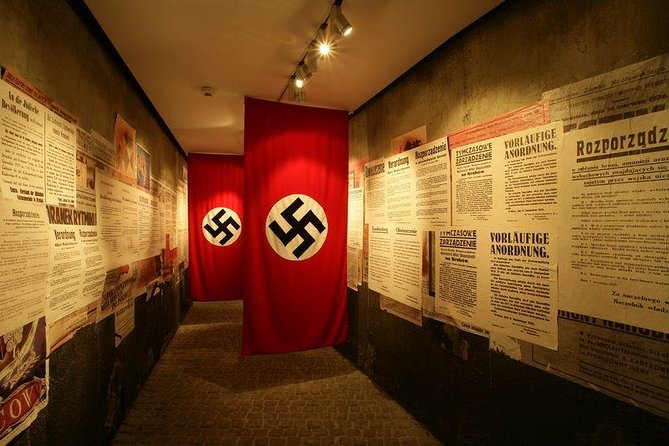
Schindler Factory is the heavyweight here. Plan on about two hours. It is the attraction most likely to justify the pass on its own, particularly if you want a serious museum experience rather than a quick look at an old building. The museum covers Krakow during the Second World War through the setting associated with Oskar Schindler.
Pomorska Street adds another wartime site. The building was a former Nazi prison during the Second World War, and the visit takes about an hour. The Home Army Museum, also about an hour, explores Poland’s wartime underground forces.
These stops are emotionally demanding. You can visit them all with the pass, but I would not cram them into one rushed afternoon. Give yourself time between sites, especially if you plan to include Schindler Factory and Pomorska Street on the same day.
Something quite different:
- From Krakow: Auschwitz-Birkenau Guided Tour & Hotel Pickup
★ 4.5 · 33,358 reviews - From Krakow: Auschwitz-Birkenau Guided Tour & Hotel Pickup
★ 4.5 · 29,340 reviews - Krakow: Auschwitz Guided Tour with Optional Hotel Pickup
★ 4.5 · 15,280 reviews - Krakow–Zakopane: Cable Car, Chocholow Baths, Cheese & Vodka
★ 5.0 · 10,720 reviews
Art houses and modern Polish culture
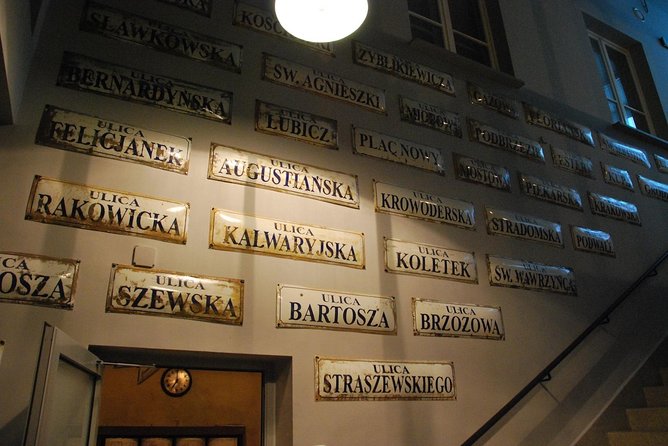
The pass is strong for anyone who likes art in smaller settings. The House of Jan Matejko takes about 30 minutes and introduces you to the home of one of Poland’s best-known painters. The Jozef Mehoffer House, another National Museum property, also takes about 30 minutes.
The Wyspianski Museum in the Szolayski Tenement House is another short art stop. The Hutten-Czapski Museum, dedicated to the Emeryk Hutten-Czapski collection, also works well as a 30-minute visit.
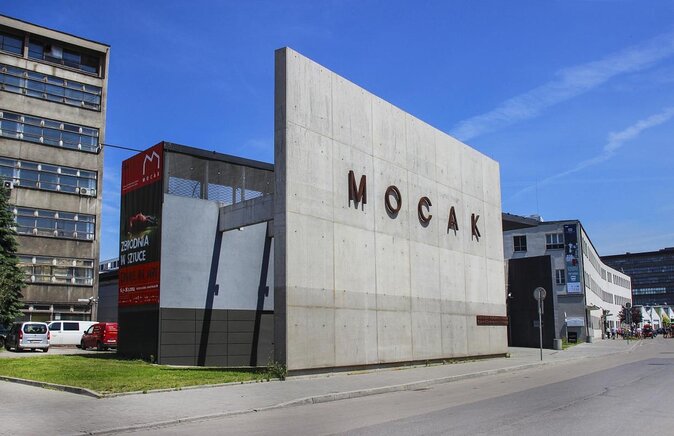
For contemporary art, MOCAK requires about two hours. It gives the pass a modern counterpoint to the historical museums. If you like current art, make this one of your anchor visits rather than squeezing it between several small stops.
Cricoteka, the Centre for Documentation of Tadeusz Kantor’s art, takes about 30 minutes. It is a specialized choice, best for people already interested in Kantor or experimental Polish theatre and art.
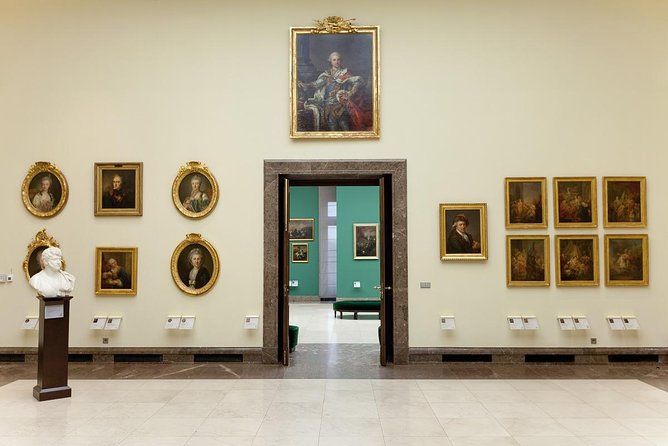
The National Museum in Krakow allows about an hour, while Europeum, the European Culture Centre, is listed at about two hours. The Bishop Erazm Ciolek Palace, another National Museum branch, takes about an hour and offers a more historic setting for art.
The Ethnographic Museum is a one-hour stop focused on Polish culture and traditional life. Rydlowka, dedicated to Polish modernism and the Rydel family, is shorter and more local in character. These smaller houses are not essential if your time is limited, but they can give your day a more personal rhythm.
Photography, science, and unusual stops
The MuFo Jozefitow branch of Krakow’s Photography Museum takes about an hour. It is a good choice if you want a break from paintings, churches, and wartime subjects.
The Geological Museum of the Polish Academy of Sciences is a 30-minute stop. The supplied description also connects this entry with the history of the Academy of Mining and Metallurgy Museum, so check the exact display and location when planning.
Kosciuszko’s Mound is listed as a 30-minute pass attraction. It gives you a change of pace and an outdoor stop, though the pass information does not specify whether every part of the site is covered. Ask at the ticket office if you are counting on a particular area.
Celestat, another Museum of Krakow site, takes about 30 minutes. It is a compact addition rather than a reason to buy the card by itself.
Church of St. Adalbert, the basement display, and the smaller historic houses show the uneven nature of this pass. Some stops are major museums. Others are brief, specialized visits that make sense only if you are nearby or have a particular interest.
Nowa Huta and the city beyond the center
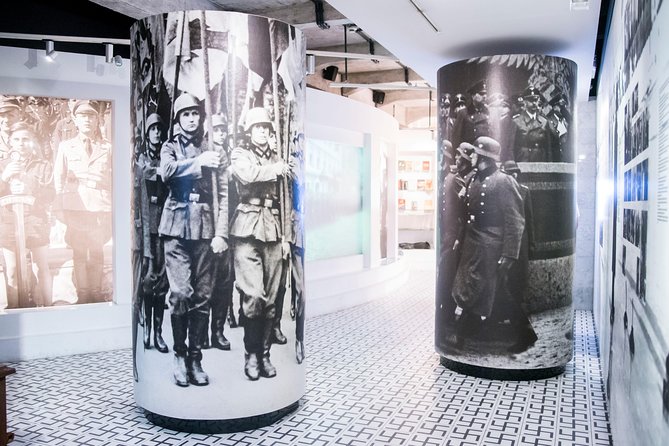
The Polish Aviation Museum takes about an hour and is one of the clearest reasons to appreciate the included trams and buses. It lies away from the central sightseeing core, so public transport makes the visit more practical.
Nowa Huta gives you two different museum choices. The Nowa Huta Museum, housed in the former Swiatowid cinema, looks at the district, the Cold War, and life under socialism. Allow about 90 minutes.
Podziemna Nowa Huta, the underground exhibition in the Branice area, takes about an hour. It is another outlying stop, and combining it with central Krakow sights would make for a long day. Use the pass’s transport benefit, but allow extra time for the journey and for finding the right route.
The Zwierzyniec House is a one-hour stop in another part of the city. Its placement makes it more useful for a visitor already exploring that area than for someone trying to collect every included museum in a single day.
A practical way to plan one, two, or three days
For one day, stay focused. Choose Rynek Underground, one Main Square museum, and either Schindler Factory or the Jewish district. Add the Barbican or St. Adalbert’s Church only if they fit naturally.
For two days, use the first day for Old Krakow and the Main Square. Spend the second day on Schindler Factory, Eagle Pharmacy, the Old Synagogue, and the Galicia Jewish Museum. Add MOCAK if contemporary art appeals to you.
Three days gives you the best chance to use the card properly. Reserve one day for the center, one for wartime and Jewish Krakow, and one for the Aviation Museum, Nowa Huta, Kosciuszko’s Mound, or smaller National Museum branches.
I would not attempt all 38 entries. Even the listed visit times add up to far more than three days, before transport, meals, queues, and closing times. The pass works because it lets you choose, not because it turns Krakow into a museum race.
Transport, collection, and cancellation details
Unlimited public transport is included only with the CityPass. One user found trams easy and comfortable, while another could not get the bus system to make sense. If you are unsure, begin with a simple central route and ask for help before heading to an outlying museum.
You collect the card at Krakville Tours, Sienna 17, open every day from 08:00 to 22:00. Admission is obtained at each attraction’s ticket office by presenting the card. The pass does not include hotel pickup, food, or drinks.
Free cancellation is available up to 24 hours before the experience start time. Changes or cancellations made inside that 24-hour window are not accepted for a refund.
Who should buy the Krakow City Pass?
Buy it if you enjoy museums, want flexibility, and expect to use buses or trams several times. It suits independent visitors who like setting their own pace, especially those interested in Schindler Factory, Polish art, Jewish Krakow, or Nowa Huta.
Skip it if you plan to see only the Main Square and Wawel area, or if you dislike planning around opening hours and advance reservations. Families should check whether young children enter free before purchasing extra cards.
At $27.21, this is a useful working pass rather than a magic ticket. Pick three or four priority sites, reserve Rynek Underground, group nearby museums, and use public transport for the longer jumps. If you do that, the card can save both money and decision-making time. If you try to see everything, it will mostly save you from sleeping.
FAQ
How long is the Krakow City Pass valid?
You can choose a pass lasting one, two, or three days.
Does the pass include public transport?
Yes. Unlimited use of Krakow’s city buses and trams is included with the CityPass.
Where do I collect the card?
You can collect it at Krakville Tours, Sienna 17, which is open daily from 08:00 to 22:00.
When does the pass activate?
The card must be validated when you exchange it. You can then choose the days you want to use it, and a signature activates it. Confirm the exact dates at pickup.
Do I need to reserve Rynek Underground?
Yes. You must book an entrance before visiting Rynek Underground, even though admission is covered.
Is Schindler Factory included?
Yes. Schindler Factory is one of the included museums, and the suggested visit time is about two hours.
Are food and drinks included?
No. Food and drinks are not included.
Can I cancel for a full refund?
Yes, if you cancel at least 24 hours before the experience start time. Cancellations made less than 24 hours before the start time are not refunded.
Just added in Krakow
- Auschwitz-Birkenau – Skip the Line Tickets★ 3.5 · 29 reviews
- Auschwitz-Birkenau: Fast-Track Ticket & Guided Tour No Transfers★ 3.5 · 17 reviews
- Zakopane & Sleigh Ride with Bonfire – Group Tour from Kraków★ 5.0 · 2 reviews
- Sleigh Ride & Bonfire in Zakopane with Funicular – Private Trip★ 5.0 · 48 reviews
- Thermal Baths & Zakopane – Private Trip from Krakow★ 5.0 · 1 review
- Zakopane & Gubalowka Funicular – Private Winter Tour from Krakow★ 5.0 · 10 reviews
- Divine Mercy Sanctuary – Private Tour from Krakow★ 5.0 · 4 reviews
- stag dog chase Krakow prank★ 5.0 · 4 reviews
City Tours, compared.
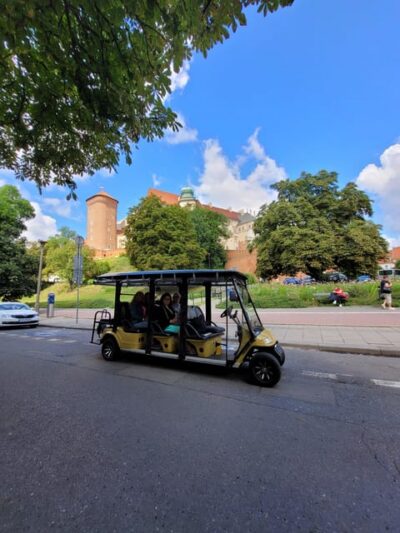
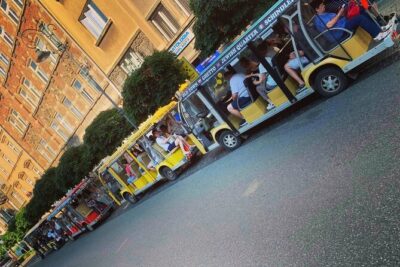
City Sightseeing Tour Eco Electric Buggy Golf Cart
Read our review →
Gdańsk City Sights & History Guided Walking Tour in English
Read our review →
Extended City Sightseeing Tour – Eco Buggy Golf Cart
Read our review →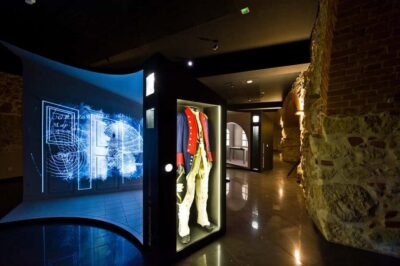
Browse the lists this tour appears in